
1 Corinthians 15:44 Commentary
Verse Quoted in KJV
“It is sown a natural body; it is raised a spiritual body. There is a natural body, and there is a spiritual body.” (1 Corinthians 15:44)
Detailed Exegesis of Each Phrase
“It is sown a natural body;”
The “it” is still the body. Paul has been speaking of the body all through this section. The body is sown in corruption, dishonour, weakness, and now he says it is sown “a natural body.” That means the body as it belongs to this present natural life under Adam. It is a body suited to earthly existence, mortal conditions, physical appetites, bodily limitations, and the present order of flesh and blood.
The “natural body” is not evil in itself. God made Adam’s body. God formed man of the dust of the ground. The body is not a prison invented by some pagan philosopher. The problem is that the natural body is corruptible because of sin. It is tied to Adam’s fallen race. It breathes, eats, sleeps, tires, weakens, ages, and dies. It is a real body, but it is not the final body for the believer.
This phrase exposes the limitation of the present body. It belongs to natural life. It cannot inherit the kingdom of God in its present corruptible condition. It must be changed. The body sown in death is natural, not because resurrection is unnatural, but because the body being laid down belongs to the first Adam’s order, not the final glorified condition in Christ.
“it is raised a spiritual body.”
This is one of the most misunderstood phrases in the chapter. A “spiritual body” does not mean a non-body. It does not mean a ghost, vapor, mist, metaphor, or floating soul. Paul says it is raised a body. The word “spiritual” describes the nature, power, condition, and order of the resurrection body, not the removal of bodily reality.
The Lord Jesus Christ rose bodily. He said in Luke 24:39, “a spirit hath not flesh and bones, as ye see me have.” He showed His hands and His feet. He ate before His disciples. Yet His resurrection body was no longer subject to death. Romans 6:9 says, “Christ being raised from the dead dieth no more.” That is the pattern. The believer’s resurrection body will be real, but it will be spiritual in the sense that it is governed by resurrection life, fitted for glory, free from corruption, and fashioned like unto Christ’s glorious body.
This phrase also shows transformation. The body sown is not raised in the same natural, mortal, corruptible condition. It is raised a spiritual body. It will be suited to the eternal state, to heavenly glory, to the presence of God, and to the victory of Christ. It is still the believer’s body, but changed, glorified, and freed from the weakness of Adam’s fallen order.
“There is a natural body,”
Paul now states the principle plainly. “There is a natural body.” No Bible believer needs to deny the reality of the present body. The natural body exists. It is the body we now live in. It is the body of earthly life, physical need, mortal limitation, and present weakness. It is the body that can be seen, touched, wounded, fed, clothed, disciplined, and eventually buried.
This natural body is connected with Adam. The next verse says, “The first man Adam was made a living soul.” The natural body belongs to the order of the first man. It is real, but temporary. It has life, but not incorruptibility. It has strength, but not resurrection power. It has honour in its proper use for God, but it is still subject to dishonour in death.
Paul is not teaching contempt for the body. He is teaching proper distinction. The natural body has its place, but it is not the final form. It serves now, but it must be changed for glory. It is real, but it is not ultimate.
“and there is a spiritual body.”
Paul closes the verse by affirming the reality of the spiritual body. “There is” a spiritual body. That is as plain as it can be. A spiritual body is not imaginary. It is not symbolic. It is not merely the soul. It is a body suited to the Spirit’s power and
1
Eileen the Old Woman @ love my little doggies retweeted

And fake news is falling for imaginary deal hoax.
Israeli officials warn Iran deal leaves major security concerns unresolved | World Israel News worldisraelnews.com/israeli-…
1
3
2
22

Not really. While fire/wind/light breaks are useless and qua is kinda mid, imaginary, physical and ice breaks are quite good.
SAW NO MORE DREAM, IDC IF U SAW SPINE BREAKER⁷ retweeted

17h
vocal line singing about dimples and here goes hoseok slapping imaginary ass
 hope⁷
hope⁷
10
68
1,086

H. Mincherley retweeted

Sure. A handful of middle class kids could have stopped an imaginary genocide. This isn't fucking Scooby Doo.
Jun 12

In Britain, you're a terrorist if you try to materially stop a genocide. If you join a pogrom, you're just "fed up".
2
5
95
Fiji❤️🔥 retweeted

12h
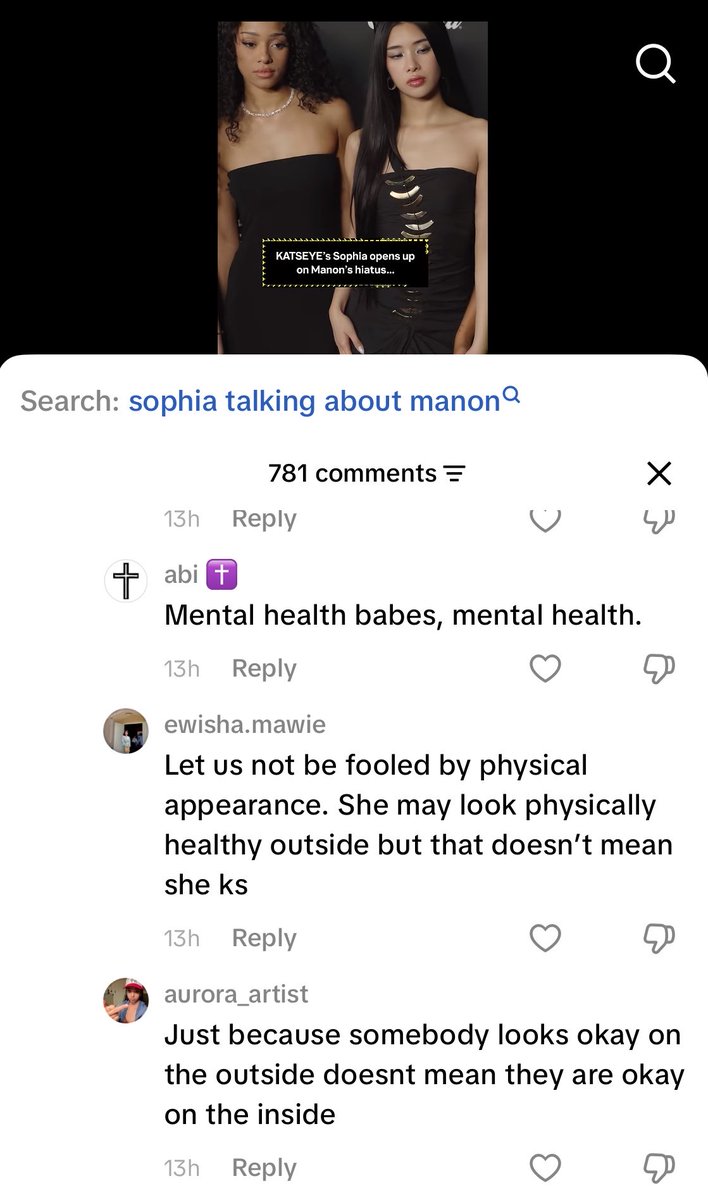
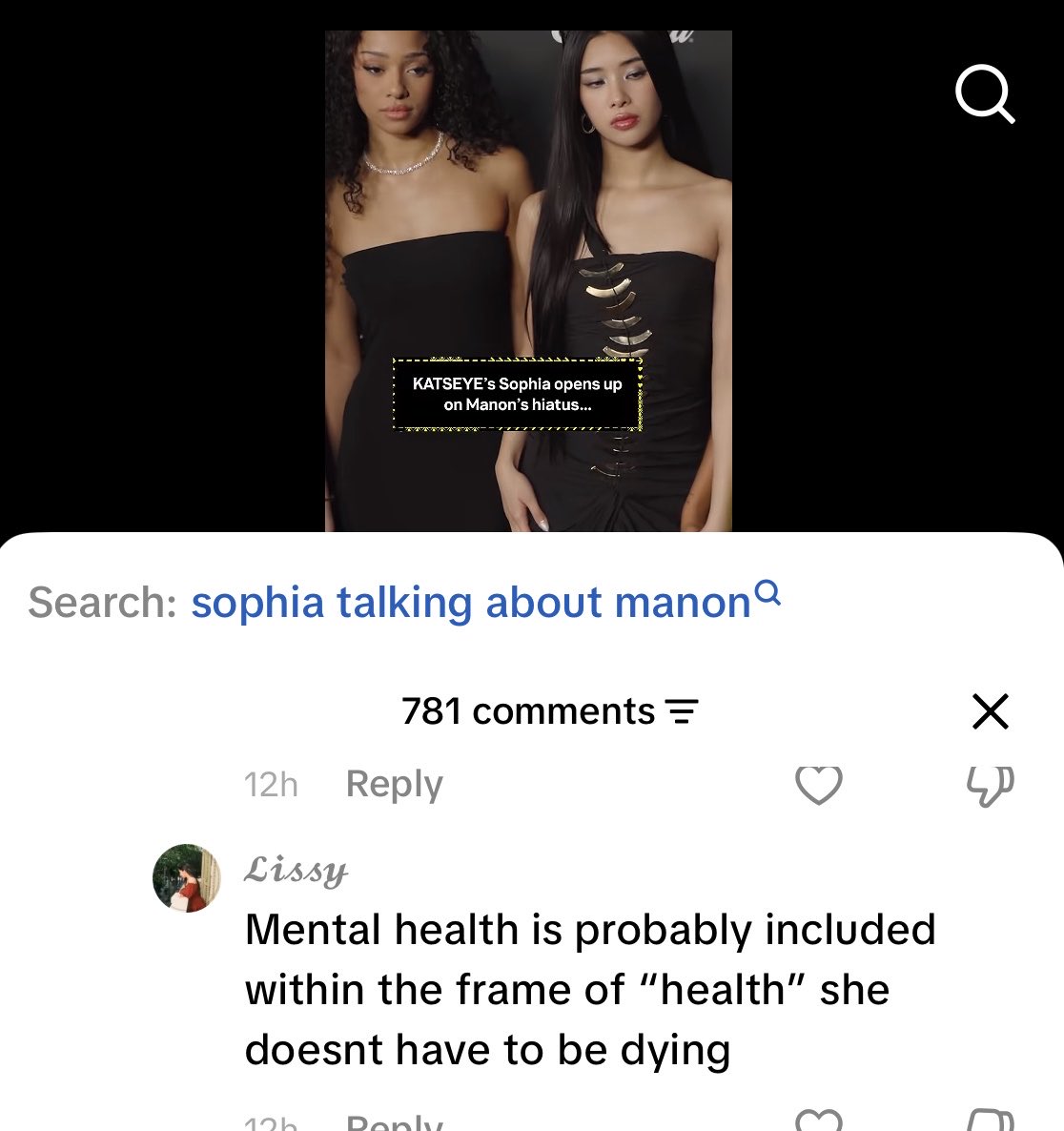
When did Sophia say Manon was mentally ill? Seriously, are you okay? Or did your imaginary friend whisper that one to you?
I think it’s the perfect time to stop overthinking and start talking to a professional about why you’re creating entire storylines in your head.
Jun 13

Your fucking leader just stated another rumor that Manon was mentally ill, idiot. I really feel sorry for Manon , the company, the group members and stupid fans all coming for her! She literally made it clear that she was healthy WTF is this?
2
4
60
1,242


Lol
You really think obi is a fool.
Let me tell you something you don't know we are done building imaginary bridge and if obi wasn't on that ballot tinubu straight.
2
Dammy🇦🇷 retweeted

18h
You lie😂
So those ones that rub imaginary shampoo on your head when you’re sucking it what’s wrong with them?
Jun 11

So men literally believes sucking boobs turns us on?😂😂
5
11
214
17,758
Jorge T retweeted

14h
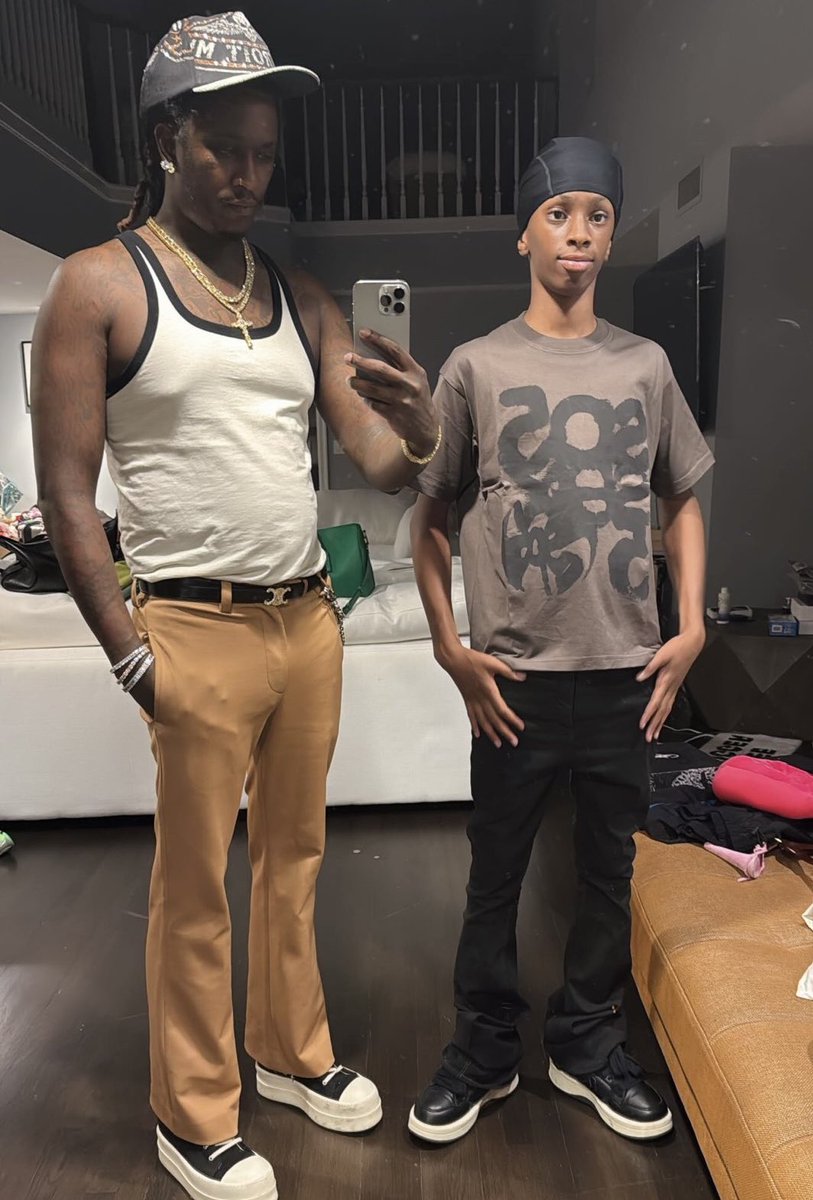
why his son look like an imaginary friend lmfaoo 😭

26
226
6,590
109,012

SOMEBODY TELL HER MAJORITY SCOTS CHOSE TO REMAIN BRITISH 🇬🇧🇬🇧🇬🇧 in Sept 2014
THAT THE MAJORITY IS STILL PRO UNION AND NATIONALISTS ARE FULL OF IMAGINARY HATRED & VITRIOL BECAUSE THEY WILL NEVER GET THEIR WAY
2



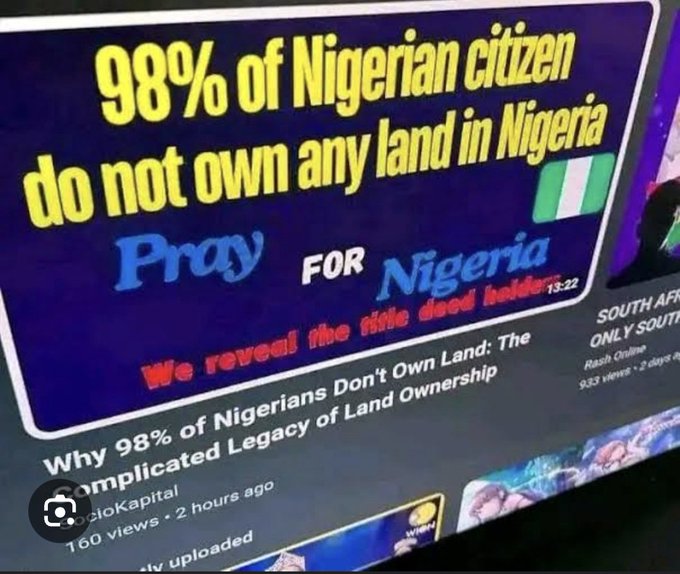
What r u doing with that ownership bc SA that u claim doesn't ow, since u can't understand what means of production means, has 2nd richest black population in the world& is the world's powerful black nation
So what r u doing with your imaginary ownership, dear british zoo?sickos
2

I think this scene is the ‘imaginary’ part (if you go back to the original manhwa there’s a brief moment where Jay teases Sun for imagining smth like that happening)
4

🎙️How Long Can You Stay Awake?🥱In one experiment, a man who didn't sleep for a week ended up sobbing about an imaginary gorilla. Discover what science has uncovered about the effects of sleep deprivation, and whether the brain recovers afterwards. Listen: pod.link/1878897205

3

Am so sorry brother. It's sad.
If I give you an imaginary button to press and every Fulani family will experience thesame thing you did. Will you press it?
2

Because she's still mourning for the IMAGINARY '40 beheaded babies', 'babies roasted in oven' & 'baby lying beside a pregnant woman'. Those types have sick imaginations & can prove to be genocidal anytime!
1
5