TheNameless retweeted

China is truly 50 years ahead of the rest of the world.
For instance, even public payphones in China require users to use their smartphones and scan a QR code before making a call. 🤡
Highest IQ country for a reason. 😭

2
34
159
2,817

It shows lack of judgement and poor susceptibility to taking negative risks. That judgement for instance to try a drug knowing it’s addictive, is a weakness in character that leaders should not be prone to. Guess your just one of the weaker in the natural selection

It's banned in many states, yes. The biggest problem is how much it exploits trafficked women. Cam girls are often trafficked, for instance.
Michael Kruger retweeted

At the preceise moment the "EMERGENCY BROADCAST SYSETM (EBS)" Alert is sounded, in that instance, the balance of EVERY BANK ACCOUNT, around the world will show an account balance of "ZERO."
Yes, "ZERO." Your accounts are already MIRRORED in an Account on our New QFS 100% Gold Asset-Backed Currency System. You have nothing to fear.
That is the END of the OLD CORRUPT "ROTHSCHILD Fractionalized-Fiat Debt-Based System." @DavidXRPLion
11
16
122
2,542

And buying into terms created by neo nazis, demonizing an entire demographic and saying “they’re potential IDF” for instance, all that’s doing is giving Israel ammunition. This only helps Israel. And people are too fucking stupid to see that.
5

We would need to look at the electron, and ask, is the electron equal to the being working "through" it, just as we think that the human body is equal to the being that inhabit it. This would then equate to transposing a view born within a materialistic worldview, into the sub-atomic realms themselves. Or should we indeed distinguish the electron from the being.
To equate the body with the being inhabiting it, is the result of a faulty observation. It is the result from a focusing solely on what the senses as such perceive, and on mistakenly believing that only what "can be touched" is real. Hereby what actually comes to such a conclusion, namely thinking, and the entire inner world in which such thinking happens, together with its content, is not seen "as such", and, compared to the sense-world which is "tangible", measurable etc, is labeled as a mere reflection, a chemical reflection, thus explained and translated in terms of sense-perceptible realities.
The specificities of the non-senseworld is discarded, first as "subjective", then is mere illusion. When Kant "proved" that human sense perception is subjective, by using the analogy of the bucket, one with cold, the other medium low water, and that by putting the hand first in the cold water, then in the lukewarm water, the lukewarm water seemed hot, proving hereby the subjective nature of the human being, he didn't realize (or did he) that he did so, based on an exception, and not on the general fact that senses function "objectively" enough, to allow humanity to come that far throughout their history.
He makes thus the exception into the rule -as so often happens- and makes a general rule of it. This is like a magical trick, making a dove appear from a hat. It is a substitution of reality, by an anti-thesis of reality. It become however one of the hinges on which the modern reductionist view has switched over a direct and serious handling of the senses and their functioning as such. While no longer taking the (now called "subjective") senses seriously, the measuring instruments themselves start functioning as "senses". Humanity hereby elaborates a worldview, through massive research and data, without noticing that it can only do so, through thinking which it has previously dubbed as "subjective" and basically unreal -a mere bio-electric reality. And no longer noticing thinking as an element of reality, needed to elaborate, for instance, reality as it is and transform it into the man-made world, thinking becomes void as it were, of the active perceptive "I" that inhabits it. Sense-perception itself, and the perceived world receives hereby an explanation, void of its spiritual content and reality, which an otherwise awake and subtly perceiving I would notice, if made attentive to the subtle nature of reality.
It is only by labeling reality as:
- tangible = real
- "intangible" = unreal,
that the illusion can be maintained.
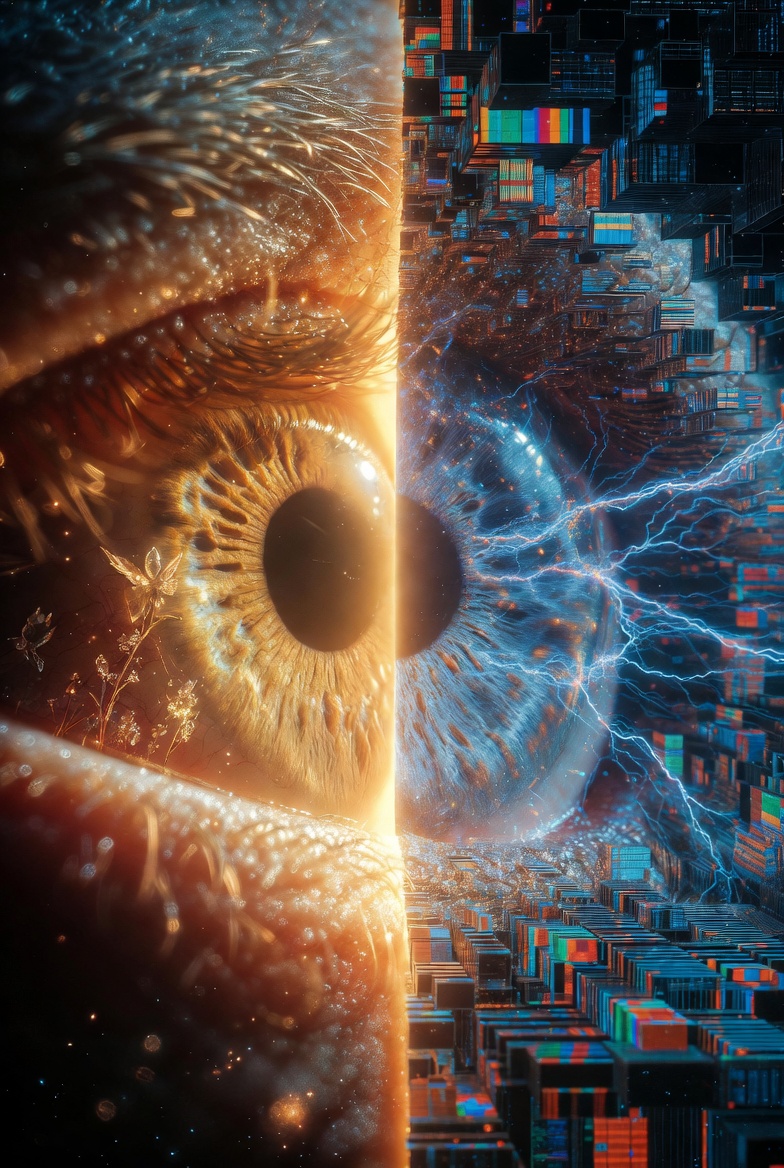
But a more "subtle" observation of the senses themselves, as well as what happens when the senses are used, it is to say, everything that is involved "in their functioning", reveals that, compared to a digital translation of sense-perception, sense-perception itself "full" of higher world's manifestations. It is only because the sense are no longer "taken seriously" that this is not seen. But the difference between a sense-perception mediated by the senses, and a say digital image, when both are compared, shows the stark contrast between these two, where the digital image indeed appears lacking all the "life" a real sense-perception has.
4
Liz Garrett retweeted

Jun 13
Their tactic seems to be to focus on each instance of savagery and claim it’s just the act of an individual.

7
59
803

Is asking illegal foreigners to go home hate,Anyway we never invited illegal aliens into our country we loose or feeling nothing for people who inthe first instance should never have been in South Africa
1


People assume money can always fix everything. You can't always expect to throw money at problems.
For instance, people forget that lack of money isn't the only cause of world hunger. In many countries, access to food for average person is blocked by some kind of gangs. These gangs make money doing this. I think that if the lack of money was the only problem to overcome, the percentage of world starvation would be nearly unnoticeable.
Also If you get money and distributing for poor people or buying food and distribute, you will increase food prices. Simple supply and demand costs.
Furthermore, most billionaires (and trillionaires) have imaginary wealth. Something that literally cannot be taxed reliably. The moment Elon sells his spaceX, it would collapse the price of the stock and simultaneously collapse the price.
4

The cops are wrong in this instance not to use their service pistols but the point was that illegal foreigners are so entitled, they attack our police officers with impunity. To this day, they have not been brought to book. When citizens act, the whole continent screams.

But that's a crock. You simply ignore the Biblical support. Scripture is clear, for instance, that there is a purification prior to entering Heaven.
"Basic reading ability?" Most people couldn't even read at all for the first 1800 yrs of Christianity.
2
Gaurav Sharma retweeted

Previous instance of vassalisation. Show me one govt of 20th century which showed middle finger to US in CAA, 370,FCRA, Russian Oil, Bombing Pak.
But but Devyani Khobragade, stopping beef & whiskey are bigger things lol.


But wasn't india a vassal under GOi, while previous Govts were following independent foreign pol
2
18
302

For instance, a cousin living in Lagos built a house in Ikorodu and moved there.
Then life changed from waking up at 5 to leave home at 6 to waking at 3:30 to leave home at 4:30.
Sure, rent worries disappeared, but quality of life dipped.
Had to go back to renting.
1
TM retweeted

imo this Anthropic model "danger" is Greek theater to hype the IPO. My connections have not reported a single instance of Mythos finding a vulnerability and in hindsight the government should ban Fable if it's just the "dangerous" Mythos with potentially exploitable guardrails.
2
1
13
571
Lost Galahad retweeted

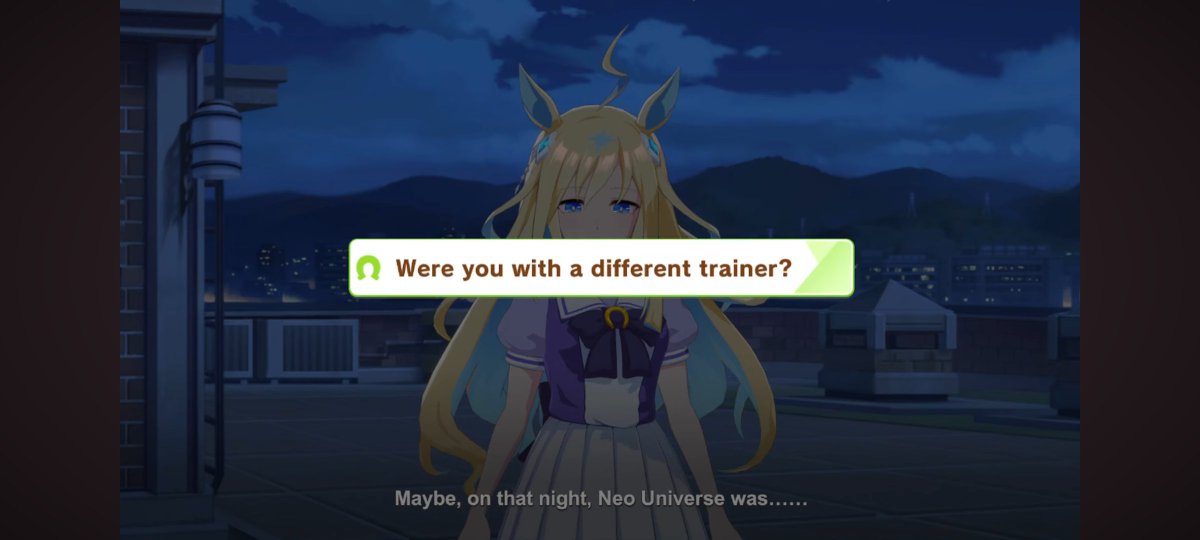
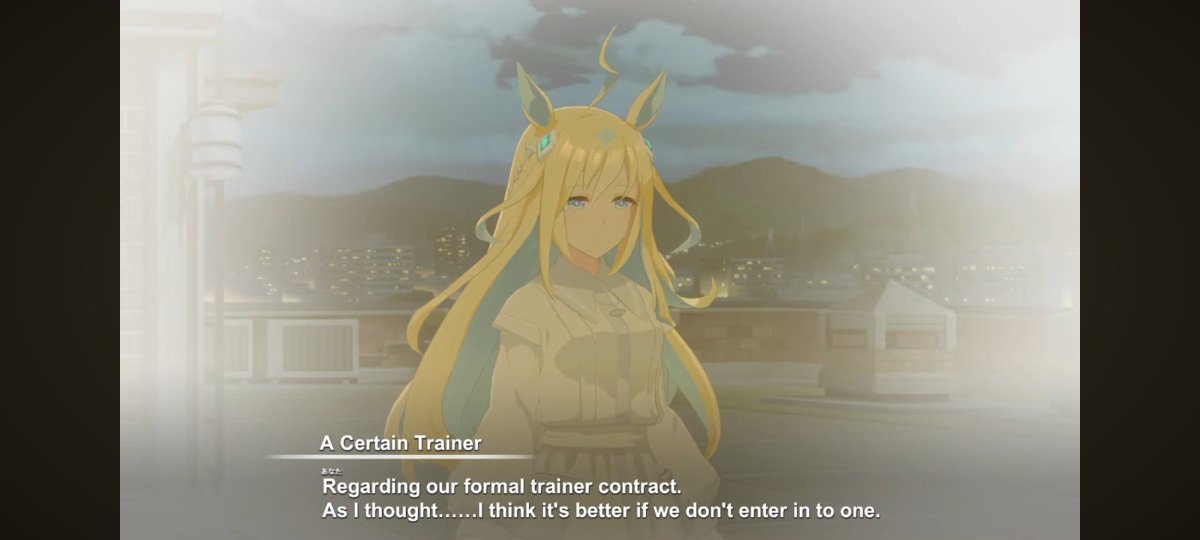
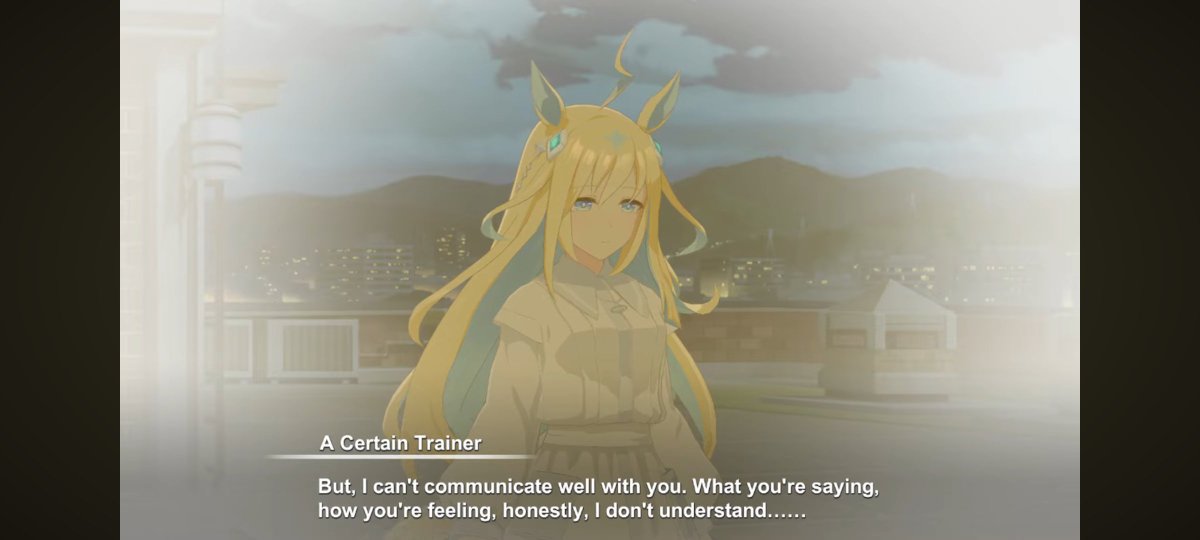
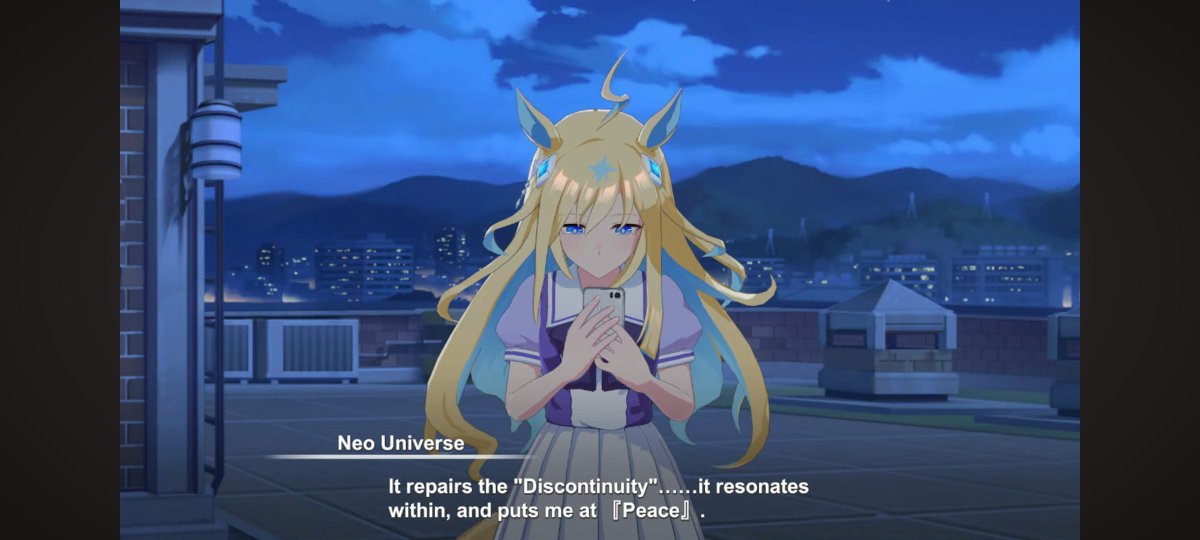
Okay, I think this is the second instance where we see a contract between Uma and her trainer being broken, right? The other was in Ari Grove's story. It must be really difficult to have to leave a Uma because you can't understand her or comprehend her.
10
10
177
2,763

The problem is that they are always standing on the top podium, beating out real girls who have worked hard to just get beaten by physiology. One instance is too much.
2

Ah thank you for bringing this one up! Another instance of that fraud Tierney 🤣
4


Phenotypes, in all living beings, are nothing more than the observable naked traits of an organism. There is, for instance, no Alpinid race or ethnicity and a person's phenotype can partially change depending on their enviroment.
6