
Smart strategy! Our neem compost and nutrient rebuilder maximize soil health for intercropped market gardens naturally.
2

Jun 13
Intercropped Napier grass slips between our Sonpari mango trees!
This fast-growing fodder will provide nutrient-rich feed high in protein & fiber for our cattle until the trees mature
1
14

Jun 12
🥑🌱 PROGRESS IN THE FIELD, PROFITS IN THE MAKING! 🌱🥑
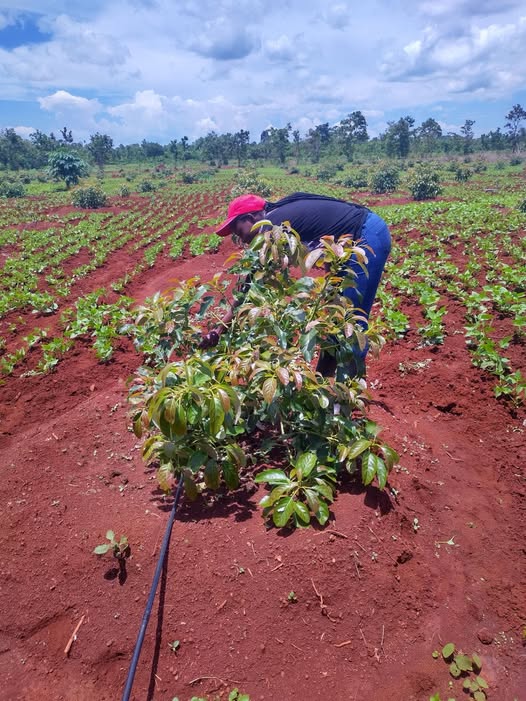
This is the reality of smart farming—a thriving Hass Avocado orchard intercropped with beans, maximizing every inch of land while building healthier soils and stronger farm returns.
🌳 Avocados provide long-term wealth.
🫘 Beans generate short-term income.
🌍 Together, they improve soil health, reduce erosion, conserve moisture, and create a more resilient farming system.
This is the power of Regenerative Agriculture—growing food, restoring the land, and increasing profitability at the same time.
Why leave your land idle while waiting for your avocado trees to mature? Intercropping allows farmers to earn today while investing in tomorrow.
👏 Congratulations to this hardworking farmer for turning vision into reality!
Plant smart. Farm sustainably. Harvest prosperity. 💚
#HassAvocado #RegenerativeAgriculture #Intercropping #AvocadoFarming #SustainableAgriculture #FarmersTrend #SmartFarming #KenyaAgriculture #GrowMoreEarnMore
2
4
13
331
Batchanaboina Venkateswarlu retweeted

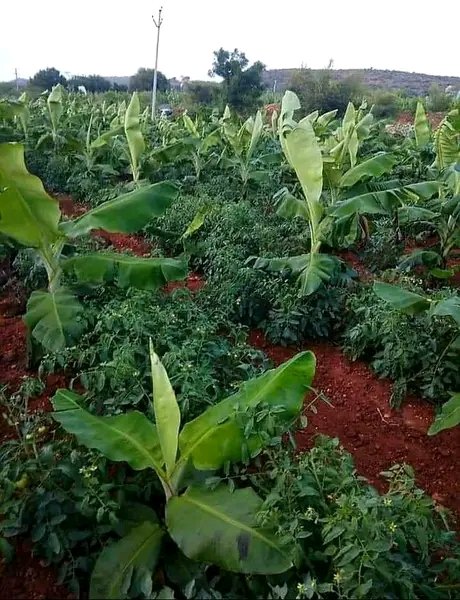
Tomatoes intercropped in the Banana plantation!
What is your opinion?
Comment, ♥️ Like and 🔁 Repost/Share
3
9
168

Jun 9
I wonder why they grow maize in the first place. Unless it's intercropped with something else like beans or sweet potatoes it doesn't make economic sense. The worst part is they grow recycled seeds which are not productive. Cycle of poverty and peasant farming.
1
9

Jun 6
I've worked on a solar intercropped vegetable farm in South Korea. Seemed to work just fine.
1
3
33

Jun 6
Reforestation progress
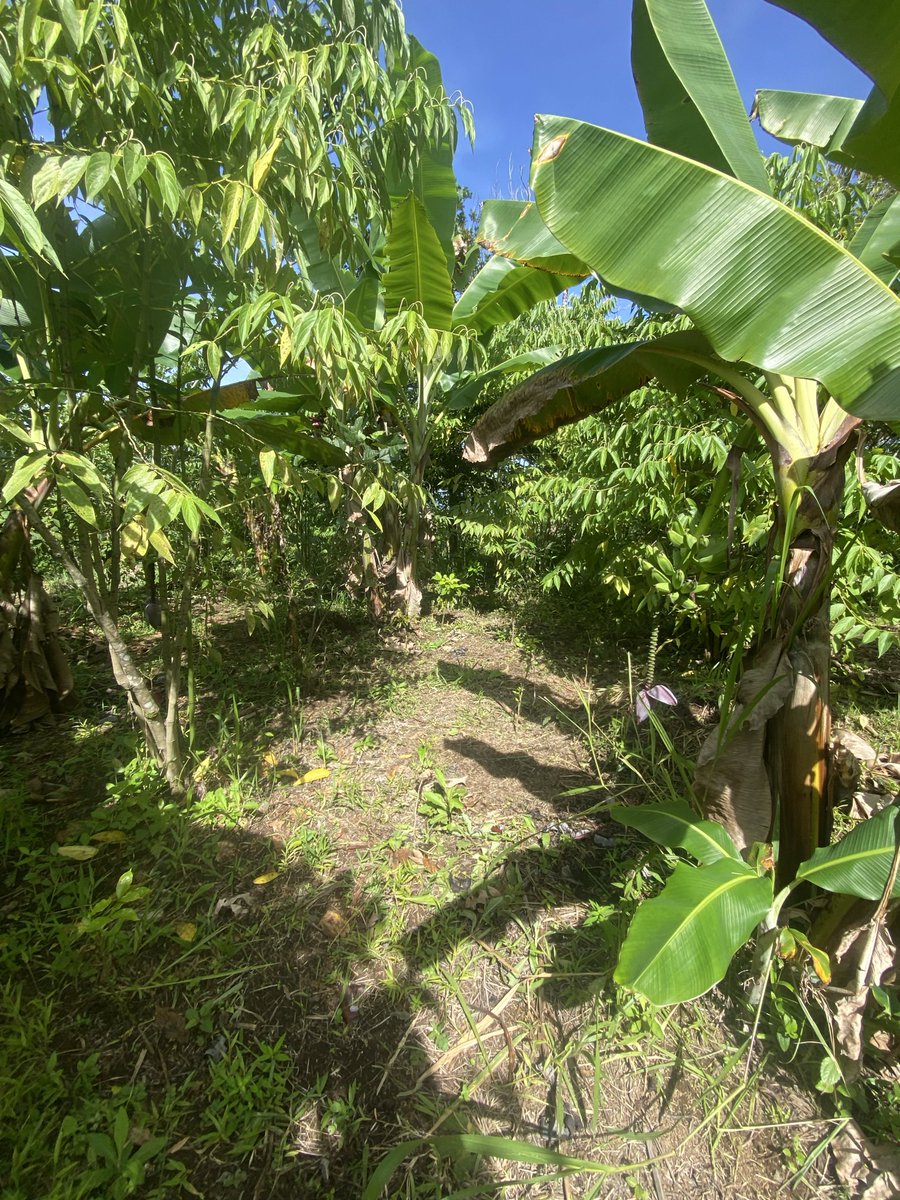
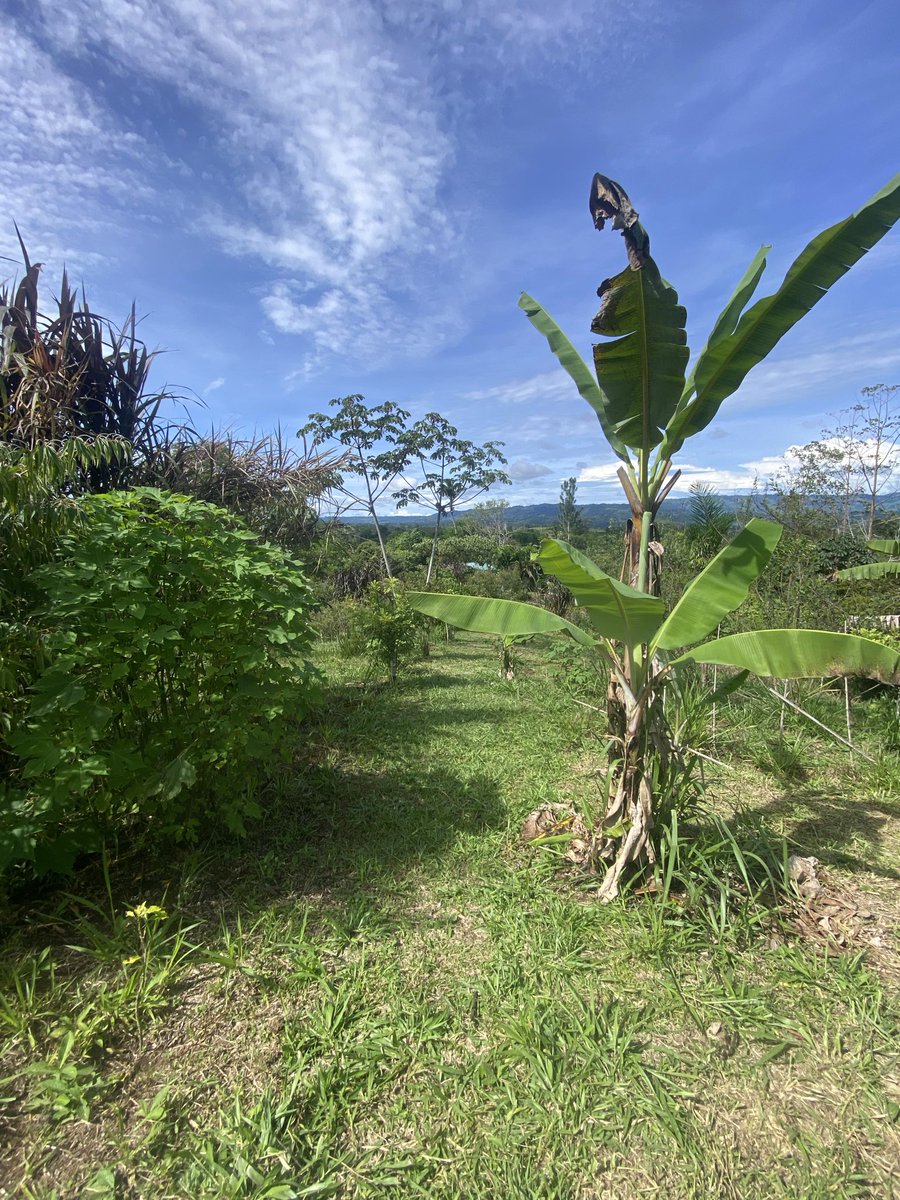
The first picture shows an area I planted banana and poro trees last year to provide shade. In one year the area became cooler, shady, and plants are thriving.
This area had been planted for four years but was really struggling. Part of this area is coffee and half is being reforested. The coffee is thriving, it’s already producing bananas and it is intercropped with yuca, pigeon peas and Mexican sunflower. Everything started thriving when The bananas were planted.
In time the big trees will choke out the little crops and even the bananas but until then the smaller stuff will choke out grass, protect trees and provide food .
The transformation has been incredible. I am planting lots more bananas this year to help out the other planted trees.
I wish I knew then what I know now. We could be a lot further along in our efforts to provide better habitat for jungle critters.
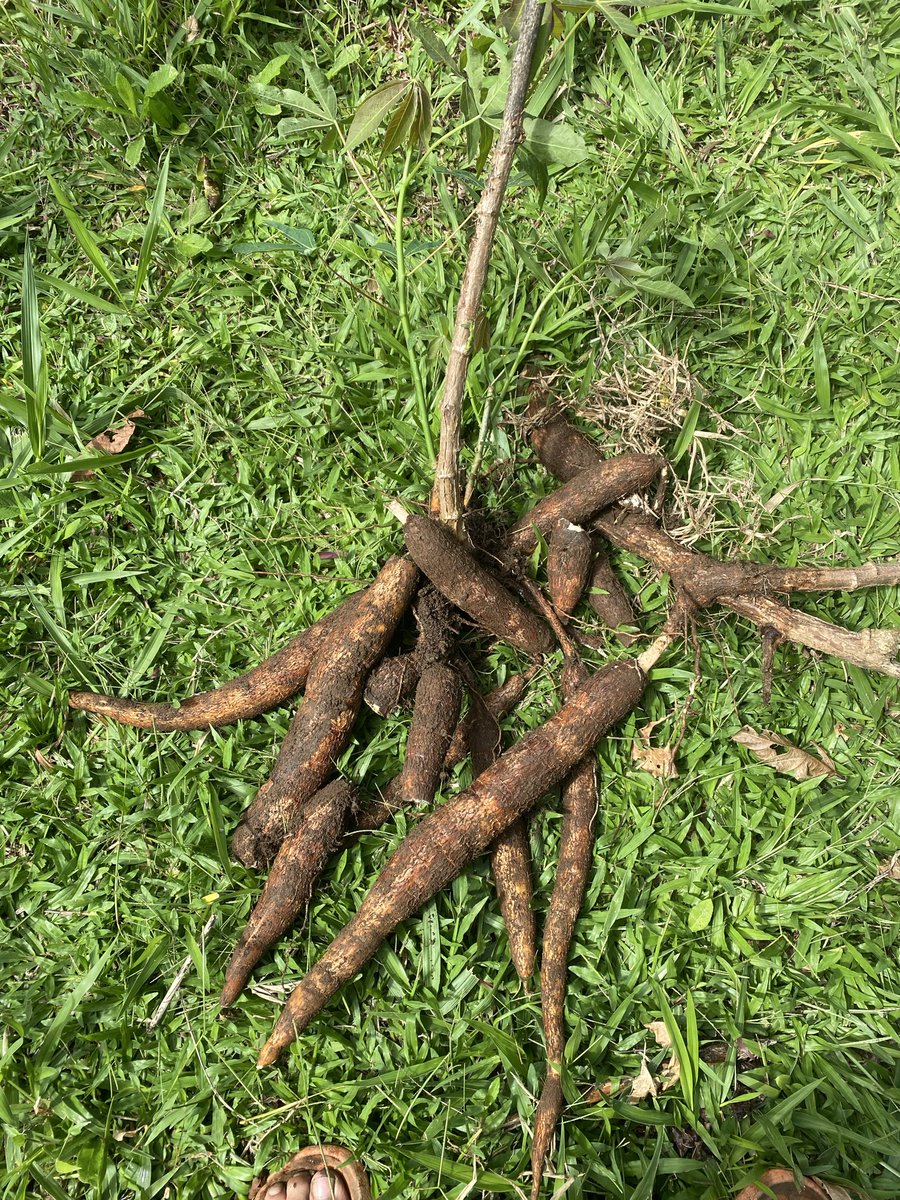
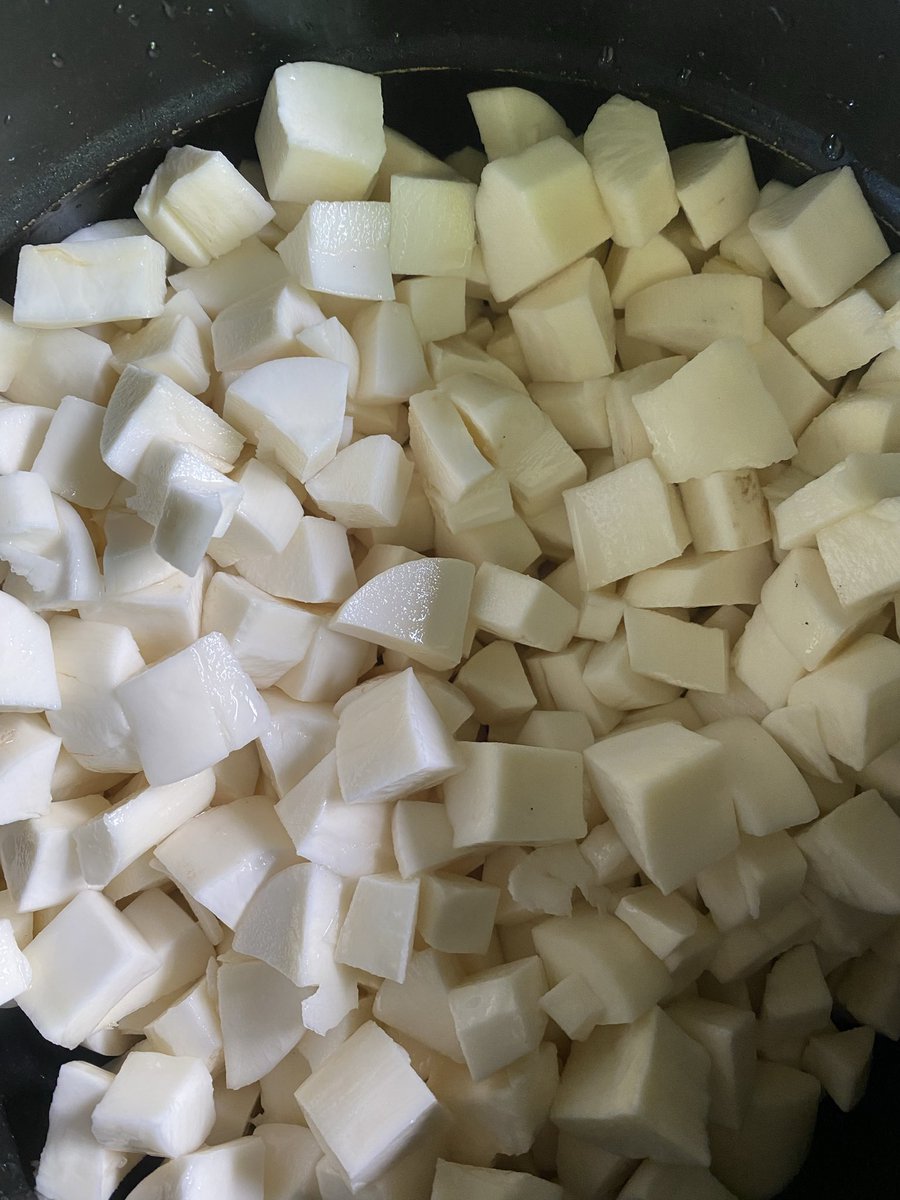
The last two pictures shows an area a harvest from a single plant of yucca/manioc/tapioca or whatever you call it where you live. Enough for two meals for a big family. It was delicious. I generally have 100 or more of these planted so we eat yucca a lot
2
6
129

Jun 2
Today, in the Kintamani region, between villages Belantih and Mengani, I set out in search of small coffee plantations, hoping to learn from the source. I stumbled upon a mixed orchard where coffee and oranges are intercropped, a common practice here. I was lucky enough to watch local workers processing coffee beans. Though we didn’t share a language, their work spoke volumes. I saw ripe coffee cherries on the branch and the washing process that removes the outer layers. A day of simple, hands-on learning—pure Bali!
1
6
160

May 27
REGENERATIVE AGRICULTURE
A Sustainable Farming Approach for Soil Restoration, Increased Productivity, and Environmental Protection
Regenerative agriculture is a farming system that focuses on restoring soil health, improving biodiversity, conserving water, and increasing long-term farm productivity. Unlike conventional farming systems that mainly focus on maximizing yields through heavy use of synthetic inputs, regenerative agriculture works with natural ecosystems to rebuild soil fertility and create resilient farming systems.
This approach is becoming increasingly important in Africa and Zambia due to climate change, declining soil fertility, rising fertilizer costs, and land degradation.
MAIN PRINCIPLES OF REGENERATIVE AGRICULTURE
1. Minimal Soil Disturbance
Frequent ploughing destroys soil structure, reduces organic matter, and kills beneficial microorganisms. Regenerative agriculture encourages minimum tillage or zero tillage to preserve soil health.
Benefits:
* Reduces soil erosion
* Conserves moisture
* Improves soil microbial activity
* Reduces fuel and labour costs
Common practices:
* Ripping instead of ploughing
* Direct seeding
* Mulching
2. Permanent Soil Cover
Keeping soil covered protects it from erosion, excessive heat, and moisture loss.
Methods:
* Mulching with crop residues
* Cover crops
* Intercropping
* Leaving stover after harvest
Benefits:
* Conserves moisture
* Suppresses weeds
* Improves organic matter
* Reduces soil temperature
3. Crop Rotation
Growing different crops in sequence helps improve soil fertility and breaks pest and disease cycles.
Example:
* Maize → legumes → vegetables
Benefits:
* Nitrogen fixation
* Reduced pests and diseases
* Better nutrient use efficiency
* Improved soil structure
Legumes commonly used:
* Soybeans
* Cowpeas
* Groundnuts
* Sunn hemp
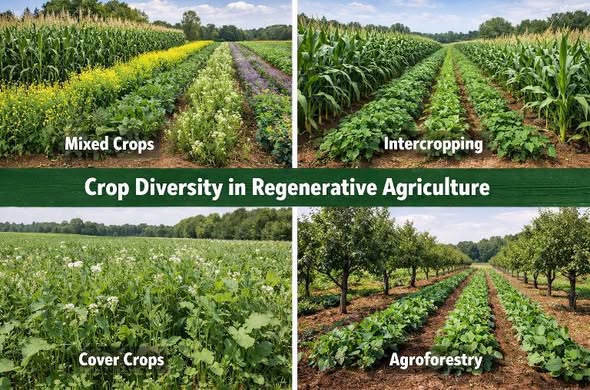
4. Diversity in Farming Systems
Regenerative agriculture encourages diversification instead of monocropping.
Examples:
* Intercropping maize with beans
* Integrating livestock with crops
* Agroforestry systems
Benefits:
* Improved biodiversity
* Reduced production risk
* Better soil fertility
* Multiple income streams
5. Integration of Livestock
Livestock contribute manure, improve nutrient cycling, and help manage vegetation.
Examples:
* Rotational grazing
* Controlled grazing systems
* Poultry integration
* Cattle manure application
Benefits:
* Improved soil fertility
* Reduced synthetic fertilizer dependence
* Increased farm income
6. Reduced Chemical Dependency
The system promotes reduced use of synthetic fertilizers and pesticides while encouraging natural soil fertility improvement.
Alternatives:
* Compost manure
* Biofertilizers
* Organic pesticides
* Green manure
SOIL HEALTH IN REGENERATIVE AGRICULTURE
Healthy soil is the foundation of regenerative agriculture.
Characteristics of healthy soil:
* High organic matter
* Good water infiltration
* Rich microbial activity
* Good structure
* Balanced nutrients
Practices that improve soil health:
* Compost application
* Mulching
* Cover cropping
* Reduced tillage
* Crop rotation
ROLE OF COVER CROPS
Cover crops are plants grown mainly to protect and enrich the soil rather than for harvest.
Examples:
* Velvet beans
* Sunn hemp
* Cowpeas
* Lablab
* Rye grass
Functions:
* Prevent erosion
* Add organic matter
* Suppress weeds
* Improve soil fertility
* Increase nitrogen levels
WATER CONSERVATION IN REGENERATIVE AGRICULTURE
Water conservation is critical under changing climate conditions.
Methods:
* Mulching
* Rainwater harvesting
* Contour farming
* Conservation tillage
* Swales and infiltration pits
Benefits:
* Increased water retention
* Reduced runoff
* Improved drought resistance
AGROFORESTRY IN REGENERATIVE AGRICULTURE
Agroforestry combines trees with crops or livestock.
Common trees used:
* Faidherbia albida
* Gliricidia sepium
* Leucaena
* Sesbania
Benefits:
* Nitrogen fixation
* Shade provision
* Windbreaks
* Improved biodiversity
* Additional income from timber or fruits
CARBON SEQUESTRATION
Regenerative agriculture helps capture carbon from the atmosphere and store it in soil.
Practices that increase carbon storage:
* Cover cropping
* Compost application
* Reduced tillage
* Agroforestry
Importance:
* Reduces greenhouse gases
* Improves soil organic matter
* Enhances climate resilience
BENEFITS OF REGENERATIVE AGRICULTURE
1. Improved soil fertility
2. Increased water retention
3. Reduced erosion
4. Better drought tolerance
5. Lower production costs over time
6. Improved biodiversity
7. Better long-term yields
8. Increased carbon storage
9. Reduced dependence on expensive inputs
10. Environmental protection
CHALLENGES OF REGENERATIVE AGRICULTURE
1. Initial transition period may reduce yields temporarily
2. Requires farmer training and knowledge
3. Limited access to equipment for minimum tillage
4. Cover crop seeds may be expensive
5. Labour requirements for mulching and composting
6. Slow results in severely degraded soils
REGENERATIVE AGRICULTURE PRACTICES SUITABLE FOR ZAMBIA
1. Conservation farming
2. Crop rotation with legumes
3. Agroforestry systems
4. Compost manure production
5. Integrated crop-livestock systems
6. Rainwater harvesting
7. Residue retention
COMMON CROPS SUITABLE FOR REGENERATIVE SYSTEMS
* Maize
* Soybeans
* Groundnuts
* Cowpeas
* Sunflower
* Sorghum
* Vegetables
PRACTICAL EXAMPLE OF A REGENERATIVE FARMING SYSTEM
Year 1:
* Maize intercropped with cowpeas
* Mulching after harvest
Year 2:
* Soybean production
* Compost application
Year 3:
* Vegetable production under minimum tillage
* Livestock manure incorporation
This rotation improves soil fertility while reducing pest and disease pressure.
COMPOST MANURE PREPARATION
Materials:
* Dry plant materials
* Green vegetation
* Animal manure
* Water
* Topsoil
Procedure:
1. Layer dry materials
2. Add green vegetation
3. Add manure
4. Sprinkle water
5. Repeat layers
6. Cover heap
7. Turn every 2–3 weeks
Compost is usually ready after 2–3 months.
SIGNS OF SUCCESSFUL REGENERATIVE AGRICULTURE
* Increased earthworms
* Improved soil colour
* Better water infiltration
* Reduced erosion
* Higher organic matter
* Improved crop performance
Regenerative agriculture is a sustainable farming approach that restores soil health, improves productivity, and protects the environment. It offers practical solutions for African farmers facing climate change, soil degradation, and rising production costs.
Through conservation practices, crop diversity, organic matter management, and efficient resource use, regenerative agriculture can improve food security, farm profitability, and long-term agricultural sustainability.
1
8
15
389

AGROFORESTRY IN REGENERATIVE AGRICULTURE
Agroforestry combines trees with crops or livestock.
Common trees used:
* Faidherbia albida
* Gliricidia sepium
* Leucaena
* Sesbania
Benefits:
* Nitrogen fixation
* Shade provision
* Windbreaks
* Improved biodiversity
* Additional income from timber or fruits
CARBON SEQUESTRATION
Regenerative agriculture helps capture carbon from the atmosphere and store it in soil.
Practices that increase carbon storage:
* Cover cropping
* Compost application
* Reduced tillage
* Agroforestry
Importance:
* Reduces greenhouse gases
* Improves soil organic matter
* Enhances climate resilience
BENEFITS OF REGENERATIVE AGRICULTURE
1. Improved soil fertility
2. Increased water retention
3. Reduced erosion
4. Better drought tolerance
5. Lower production costs over time
6. Improved biodiversity
7. Better long-term yields
8. Increased carbon storage
9. Reduced dependence on expensive inputs
10. Environmental protection
CHALLENGES OF REGENERATIVE AGRICULTURE
1. Initial transition period may reduce yields temporarily
2. Requires farmer training and knowledge
3. Limited access to equipment for minimum tillage
4. Cover crop seeds may be expensive
5. Labour requirements for mulching and composting
6. Slow results in severely degraded soils
REGENERATIVE AGRICULTURE PRACTICES SUITABLE FOR ZAMBIA
1. Conservation farming
2. Crop rotation with legumes
3. Agroforestry systems
4. Compost manure production
5. Integrated crop-livestock systems
6. Rainwater harvesting
7. Residue retention
COMMON CROPS SUITABLE FOR REGENERATIVE SYSTEMS
* Maize
* Soybeans
* Groundnuts
* Cowpeas
* Sunflower
* Sorghum
* Vegetables
PRACTICAL EXAMPLE OF A REGENERATIVE FARMING SYSTEM
Year 1:
* Maize intercropped with cowpeas
* Mulching after harvest
Year 2:
* Soybean production
* Compost application
Year 3:
* Vegetable production under minimum tillage
* Livestock manure incorporation
This rotation improves soil fertility while reducing pest and disease pressure.
COMPOST MANURE PREPARATION
Materials:
* Dry plant materials
* Green vegetation
* Animal manure
* Water
* Topsoil
Procedure:
1. Layer dry materials
2. Add green vegetation
3. Add manure
4. Sprinkle water
5. Repeat layers
6. Cover heap
7. Turn every 2–3 weeks
Compost is usually ready after 2–3 months.
1
4
4
38
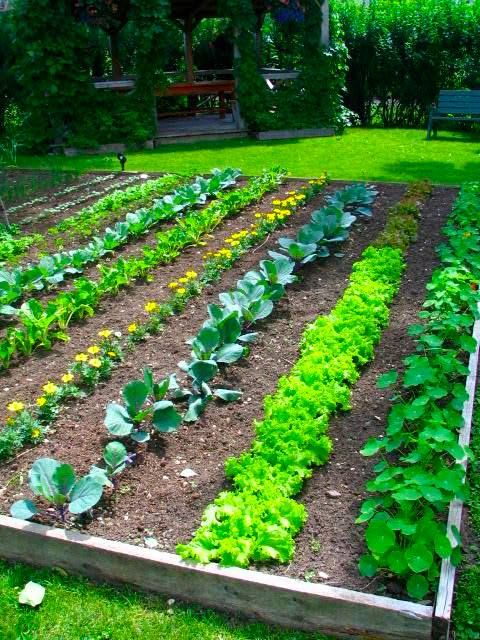
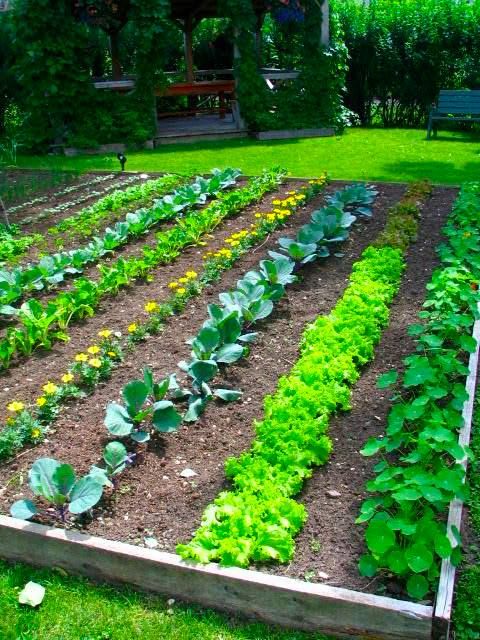
Intercropping is the growing of two or more vegetable crops together on the same land at the same time. Vegetables such as cabbage, lettuce, and spinach are commonly intercropped because they have different growth habits and maturity periods.
1
3
9
83

Intercropping is the growing of two or more vegetable crops together on the same land at the same time. Vegetables such as cabbage, lettuce, and spinach are commonly intercropped because they have different growth habits and maturity periods. This practice improves land use, increases yield, reduces weeds and pests, and protects the soil. For example, lettuce or spinach can be harvested before cabbage fully matures. However, poor spacing may cause competition for water, sunlight, and nutrients. Therefore, proper crop selection and management are important for successful intercropping.
4
3
113

May 23
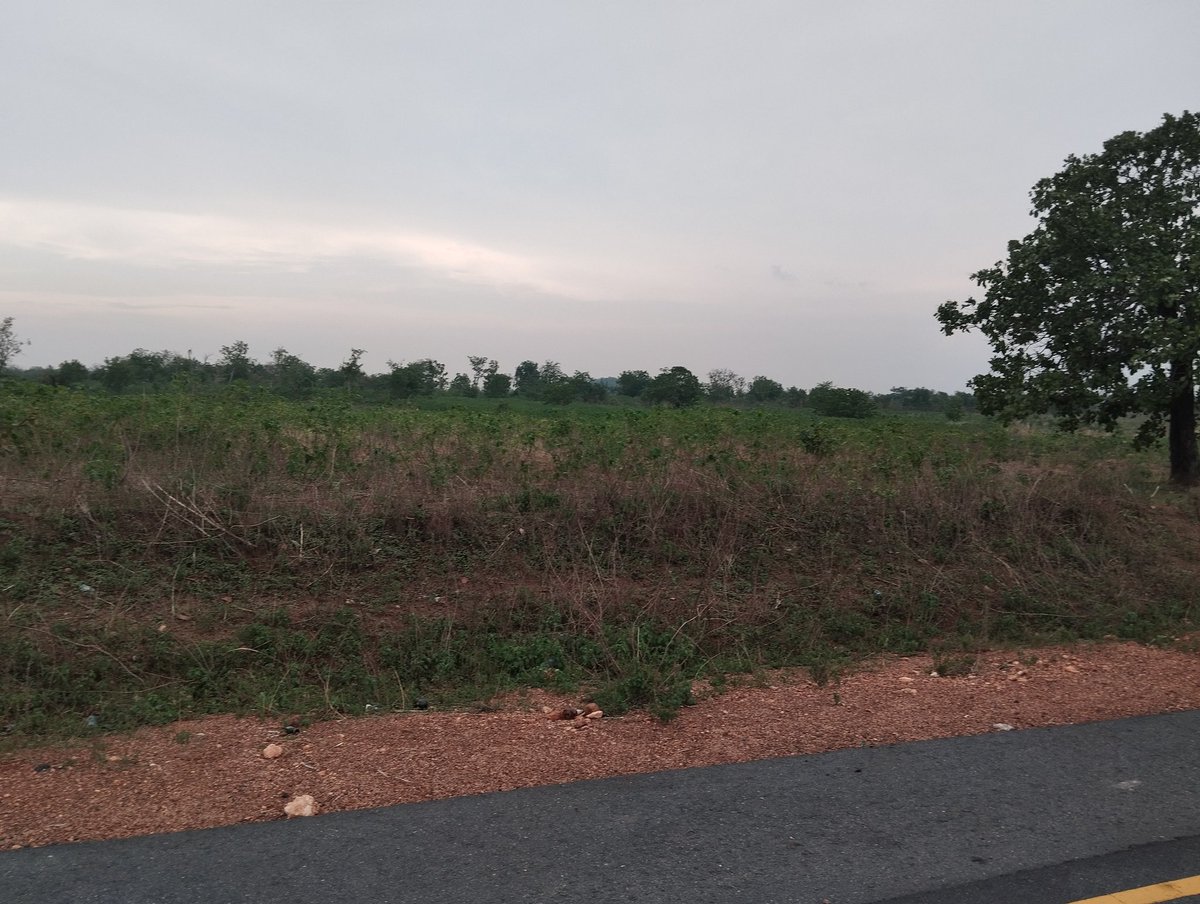
This is for people experienced at large-scale farming & agribusiness in Nigeria.
What would you plant/cultivate on this
land considering its locational advantages (road access, visibility, and logistics), soil suitability in Oyo State, and strong export potential of Nigerian crops. My choice is oil palm plantation intercropped with cassava.
What’s yours?

110 Acres of Commercial Land Iseyin-Abeokuta Xpress Way, Waasimi, Iseyin LG, Oyo State
Price: 650k per Acre
Land Size: 100 acres
Land Type: Commercial land
Land status: 4 sale
Documents: Certificate of occupancy (CofO, reg survey, receipt, agreement
Directly facing express way


2
2
20
4,001

May 16
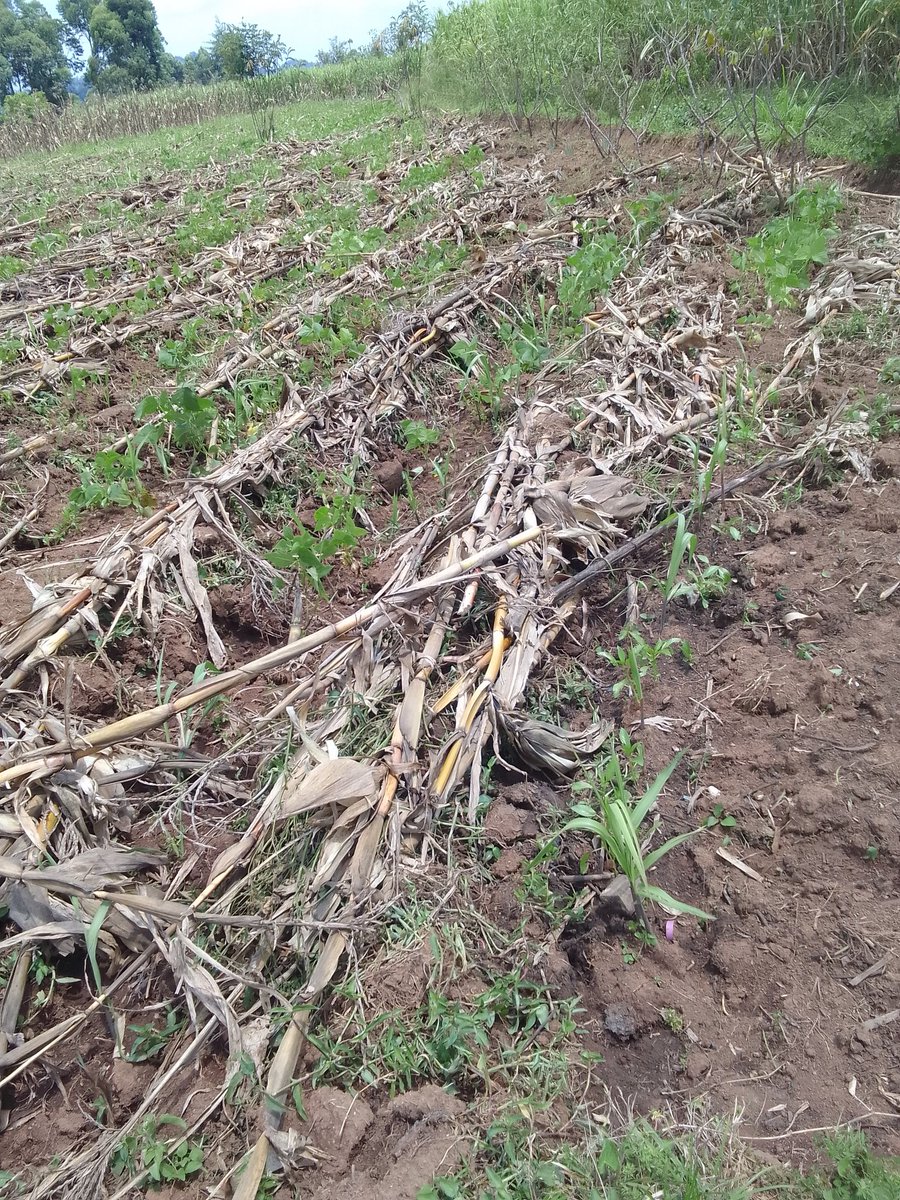
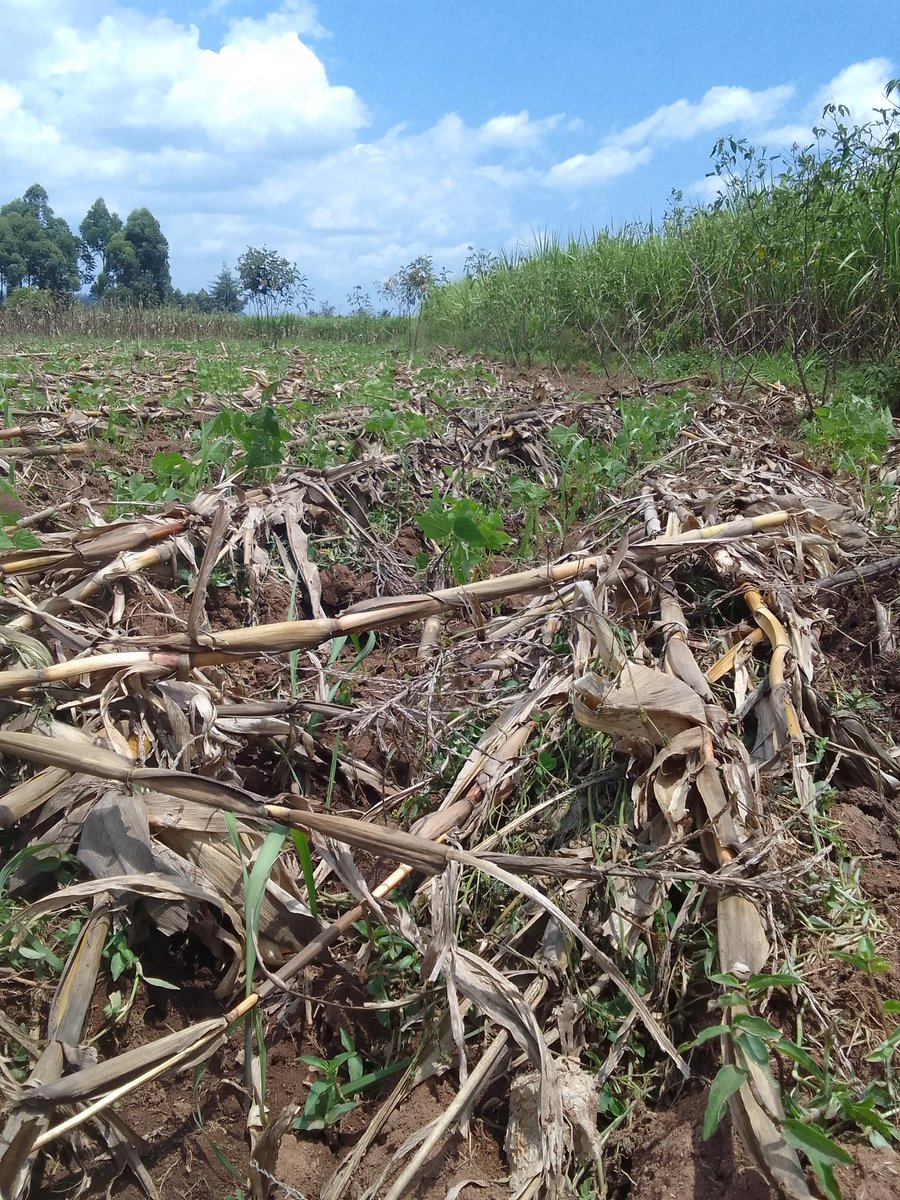
Farmers, after harvesting your maize leave stalks in the field.
I mulch them along the planted sugarcane intercropped with beans.
They help to conserve moisture, improve soil fertility & promote soil chemistry.
Don't burn your maize stalks. Protect your soil.
5
29
93
2,429

May 16
Avoid over-crowding your plantation....
With the aim of getting more return per area most people tend to overcrowd their plantation which ends up having negative effects on their yield....
Getting your planting spacing and orientation right is what determines your plant population. Adopting adequate planting spacing is very important, as that is when you can get a perfect plant population which helps in getting the best of your crops irrespective of the variety or management practices put in place.
Planting spacing/population varies depending on the crops types; spacing of intercropped field is also different from field not intercropped.
The spacing to be adopted by someone intercropping cocoa with plantain might be different from farmer planting plantain alone.
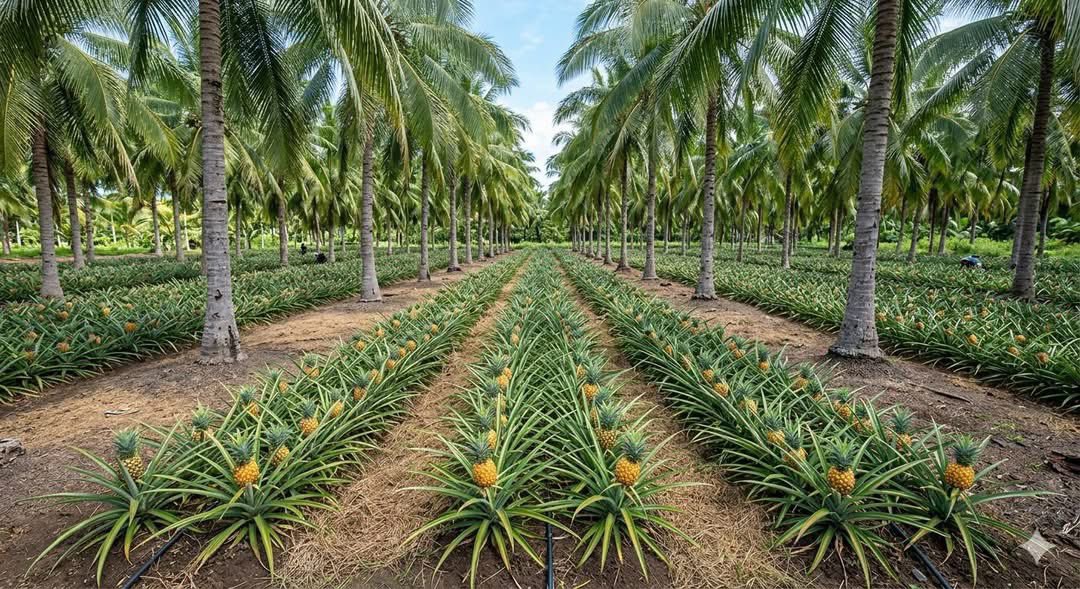
Also when intercropping you might need to reduce the population of one of the crops... For instance when intercropping Coconut with pineapple you might reduce pineapple population and retain the normal population for coconut or maintain the Pineapple population and reduce coconut population the former is better.
Below are some standard plantain spacings for some tree crops and orchards (note that population/spacings varies based on individual knowledge base, location and practices... Thanks)
The plant population for the crops are on PER ACRE basis (the list of spacings are arranged from best to the average spacing)
- Cocoa intercropped with plantain @3m by 3m = 450 plants each
- Plantain - 3m by 3m - 450 plants or 3m by 2m - 666 plants or 2.75 by 2.75 or 2.5m by 2.5m
- oil palm - 9m by 9m - 55 plants or 7.5m by 7.5m triangularly - 83 plants (I will always recommend 9m by 9m), intercropping with pineapple add 5,000 pineapple per acre or with plantain about 360 to 420 plantain.
- coconut - 7.5m by 7.5m triangular or 7m by 7m or 6m by 6m (80 to 111 plants population) rectangular. Intercropping with pineapple 5,000, or 240 to 400 plantain.
- Pineapple without intercropping - 10,000 to 15,000 plants population. Pawpaw or soursop can be Intercrop in a pineapple field about 250 per acre using 4m by 4m to prevent the pawpaw from over shading the pineapple. It can be Intercropped with other crops as stated earlier
- Citruses - 6m by 6m - 111 plant population, intercropping with pineapple 🍍 5,000 plants population
- Cashew - 7m by 7m - 81 plants or 6m by 6m - 111 population, intercropping with pineapple about 5,000 plants.
- mango - 7m by 7m , intercropping
NOTE: When intercropping pineapple in any tree crops, pineapple should not be planted about 1 to 2m round the tree crops. In some cases depending on your practices it's always better to leave the entire planting lines of the tree crops. This will prevent selective herbicides sprayed on pineapple or either of the plant from affecting the other crop.
9
27
810

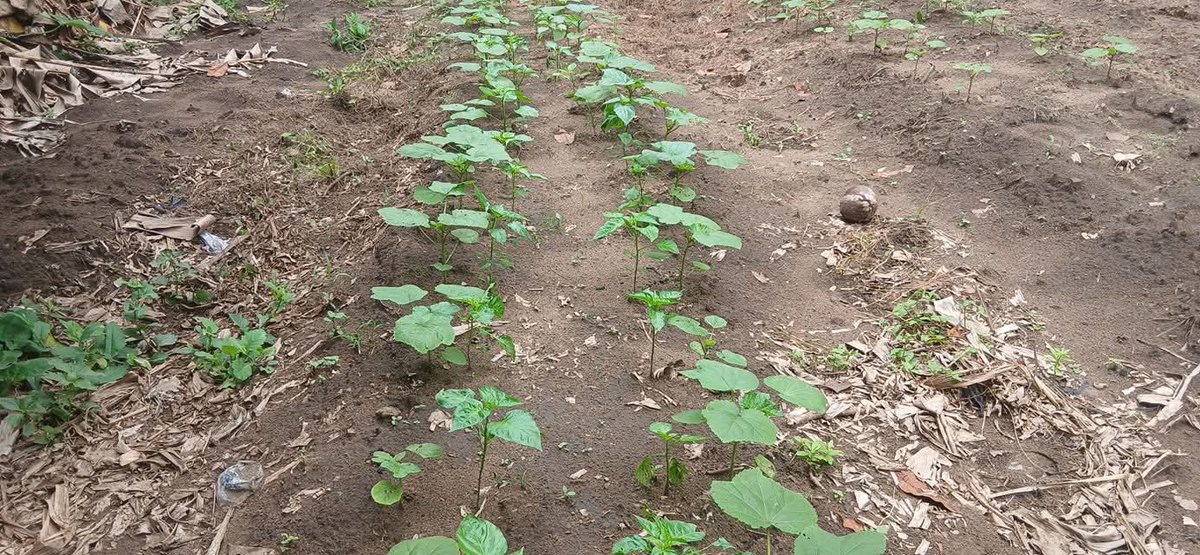
What do you think about Intercropped Okra and Pepper garden ?
6
4
23
1,436

May 14
We don’t have enough natural predators out here‼️ 🐞🌿
Look at her — one lone ladybug patrolling our Himalayan foothills cannabis patch like a tiny green-beret operative. She’s doing heroic work against aphids and mites, but she’s outnumbered. In a true wild ecosystem, she’d have an entire battalion of allies: lacewings, parasitic wasps, hoverflies, and more. That’s why we’re leaning hard into plant intelligence and companion planting to recruit them. 👮♂️
🌲 Plants aren’t passive victims of pests — they’re sophisticated chemical strategists. When herbivores start munching, many species (including cannabis) release herbivore-induced plant volatiles (HIPVs) — specific blends of terpenes, green-leaf volatiles, and other signals into the air.
These aren’t random scents; they’re precise “SOS” calls that draw in the exact predators that eat the pests. Peer-reviewed research (hundreds of studies on HIPVs) shows this tritrophic interaction (plant → herbivore → predator) boosts natural enemy recruitment and cuts pest damage without sprays. Its communication, learning, and defense rolled into one — what researchers like those studying plant signaling call a form of intelligence.
Here in Nepal’s variable climate, we can stack the deck with easy-to-grow companions that amplify this synergy:
• Dill, coriander (cilantro), and fennel — Apiaceae family superstars. Their tiny umbrella flowers are nectar buffets for adult ladybugs, parasitic wasps, and hoverflies. The larvae then devour aphids, spider mites, and caterpillars on your cannabis. One dill plant can turn a patch into a predator nursery. 🐝
• Yarrow and cosmos — Flat, accessible blooms that draw ladybugs, lacewings, and predatory wasps while improving soil structure.
• 🌼 Marigolds (especially French) and calendula — Root exudates suppress nematodes; flowers pull in beneficials and add aromatic confusion for pests.
• 🌸 Sweet alyssum, nasturtium, and lavender — Living mulches and trap crops that provide pollen/nectar refuges and extrafloral nectaries — direct “paychecks” for predators.
Plant them in rings, intercropped, or as borders. The result? A polyculture that mimics Nepal’s wild meadows: above-ground volatile signaling underground mycorrhizal networks sharing nutrients and warnings. Biodiversity explodes, pest pressure drops, cannabis terpenes and vigor improve, and the whole system self-regulates. No monoculture fragility. Just intelligent, resilient synergy.
This isn’t folklore — it’s applied ecology backed by field trials showing companion-planted systems recruit 2–3× more natural enemies and slash pesticide needs.
What companions have you tested in your garden ? Which ones pulled in the most ladybugs or wasps for you? Drop your observations below — let’s crowdsource the ultimate companion list and keep deepening this living laboratory together. 🌱🪲
#PlantIntelligence #CompanionPlanting #NaturalPredators #CannabisEcosystem #NepalGarden #HIPVs #PolycultureMagic
9
15
135
5,493