
【18時オープン】
6/16(火)
通常営業キクチです〜
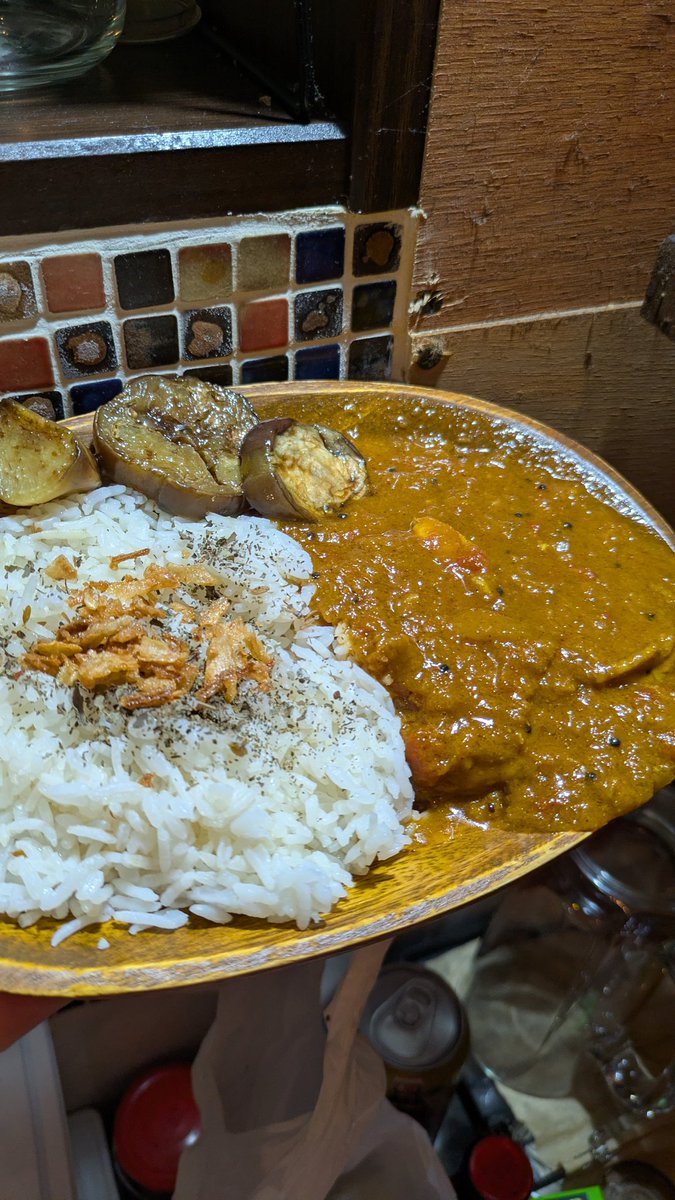
海老トマココナッツカレー
グリーンカレー
バルサミコ酢のマリネ
など推してます
夜はまだ涼しい〜ゆっくりしに来てください🍻
16(火)キクチ
17(水)まー
18(木)キクチ
19(金)キクチ
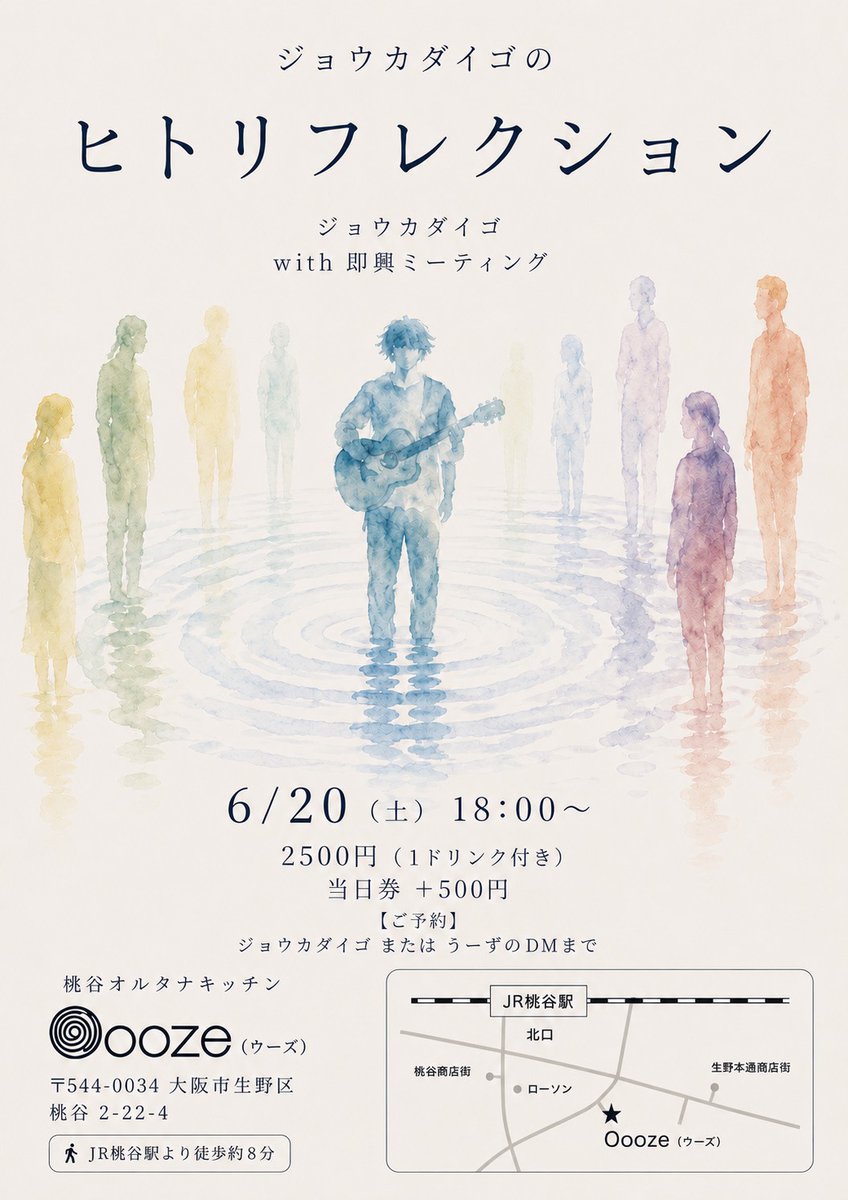
20(土)ジョウカダイゴ企画LIVE
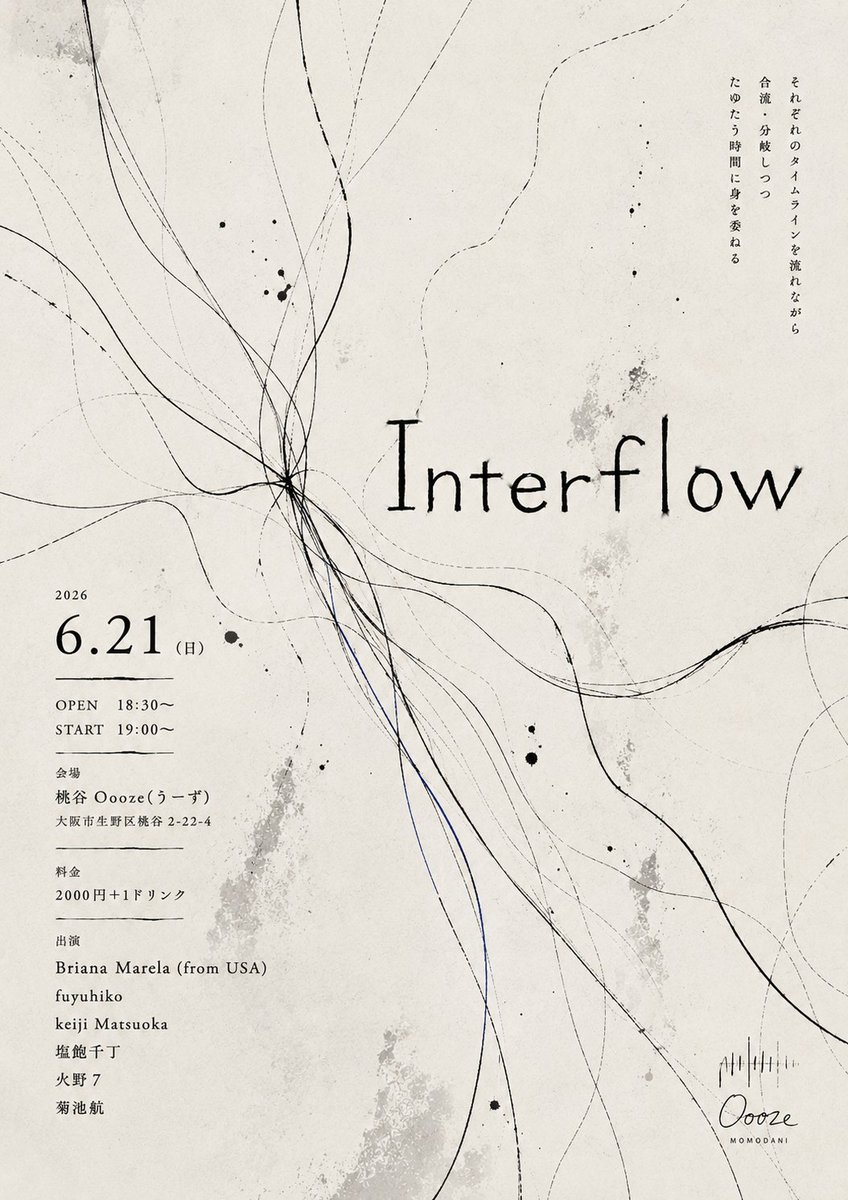
21(日)interflowパフォーマンスLIVE
334

Jun 11
Perdona dar tantas vueltas, aparece el logo de Spiderman2 y al segundo se queda en negro de forma indefinida. uso interflow para cargarlo desde el disco externo.
1
68

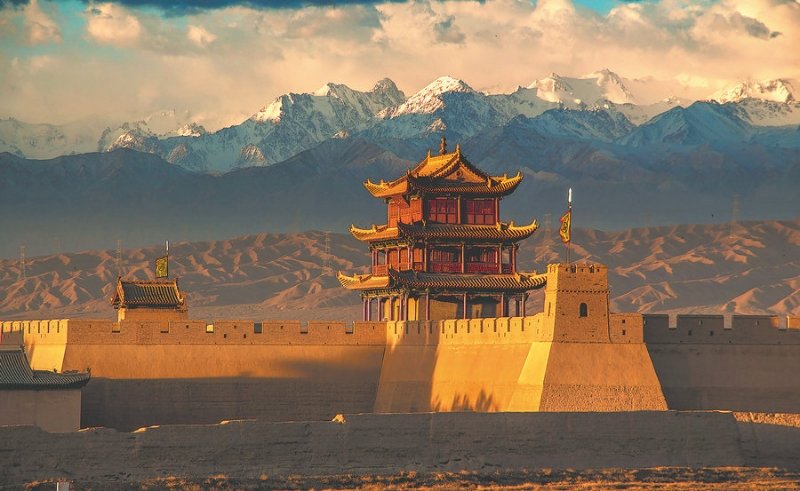
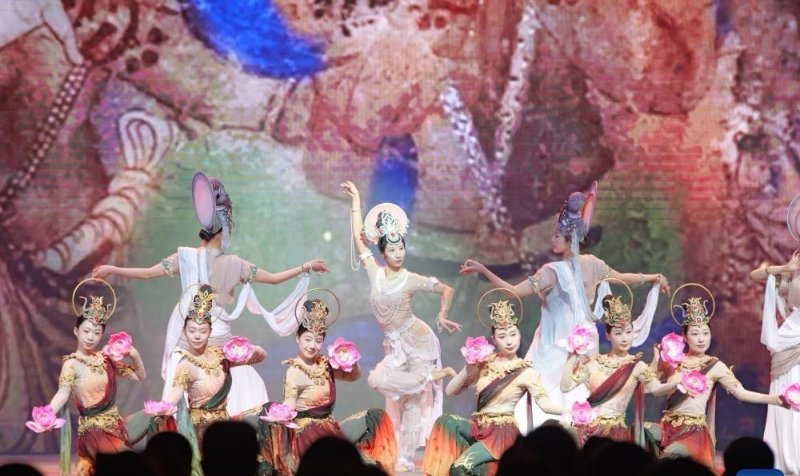
#Dunhuang served as a vital crossroads on the ancient #SilkRoad over 2,000 years ago, witnessing the interflow of goods between China and the West. Today, Dunhuang remains a major cultural landmark, home to three #UNESCO World #Heritage sites.
#ChineseCivilization
2
16

Apr 25
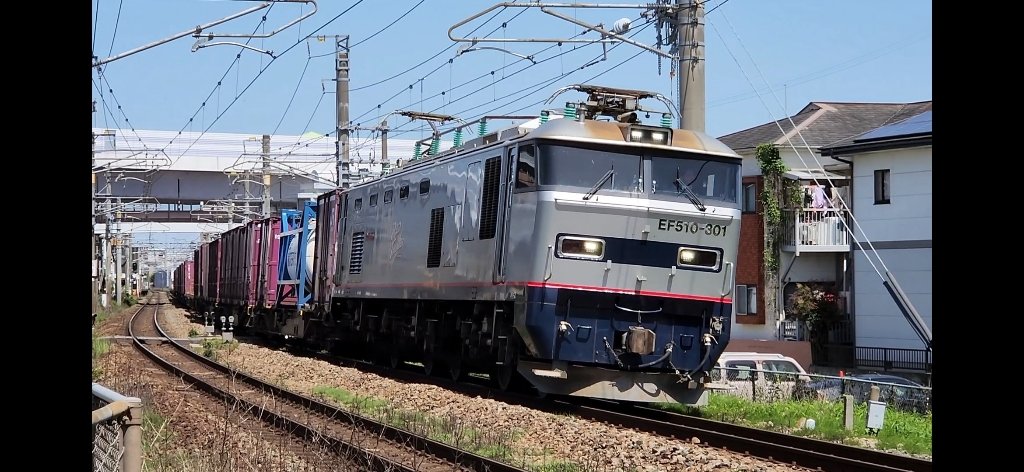
4月25日 10:47頃 笹原~南福岡
EF510-301 牽引の1063レ
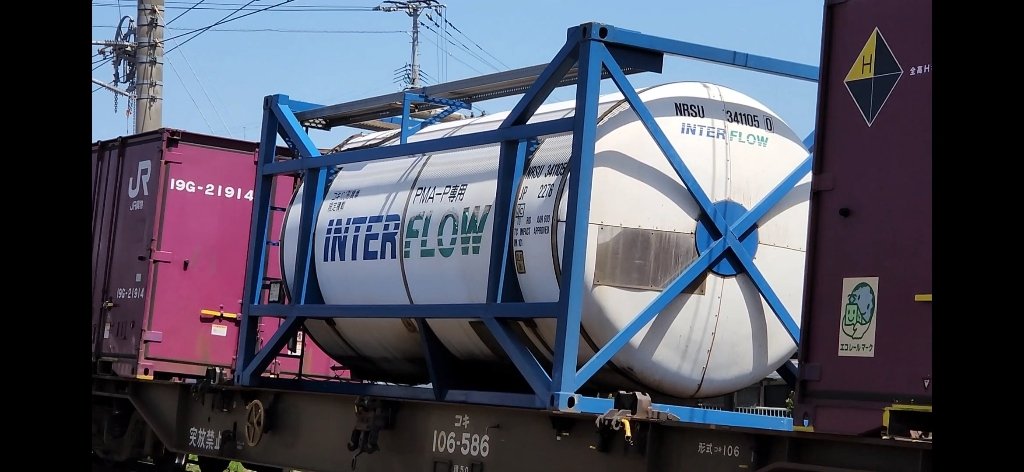
NRS タンクコンテナ INTERFLOW
NRSU 341105 0 2276 PMA-P 専用
10
297


構内車のトレーラーにBAFU 22K2 BULKHAUL NRSU 22T6 T11 NRS INTERFLOW
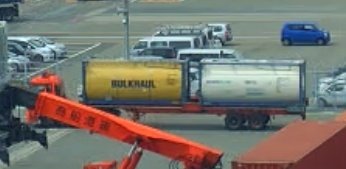
1
2
130
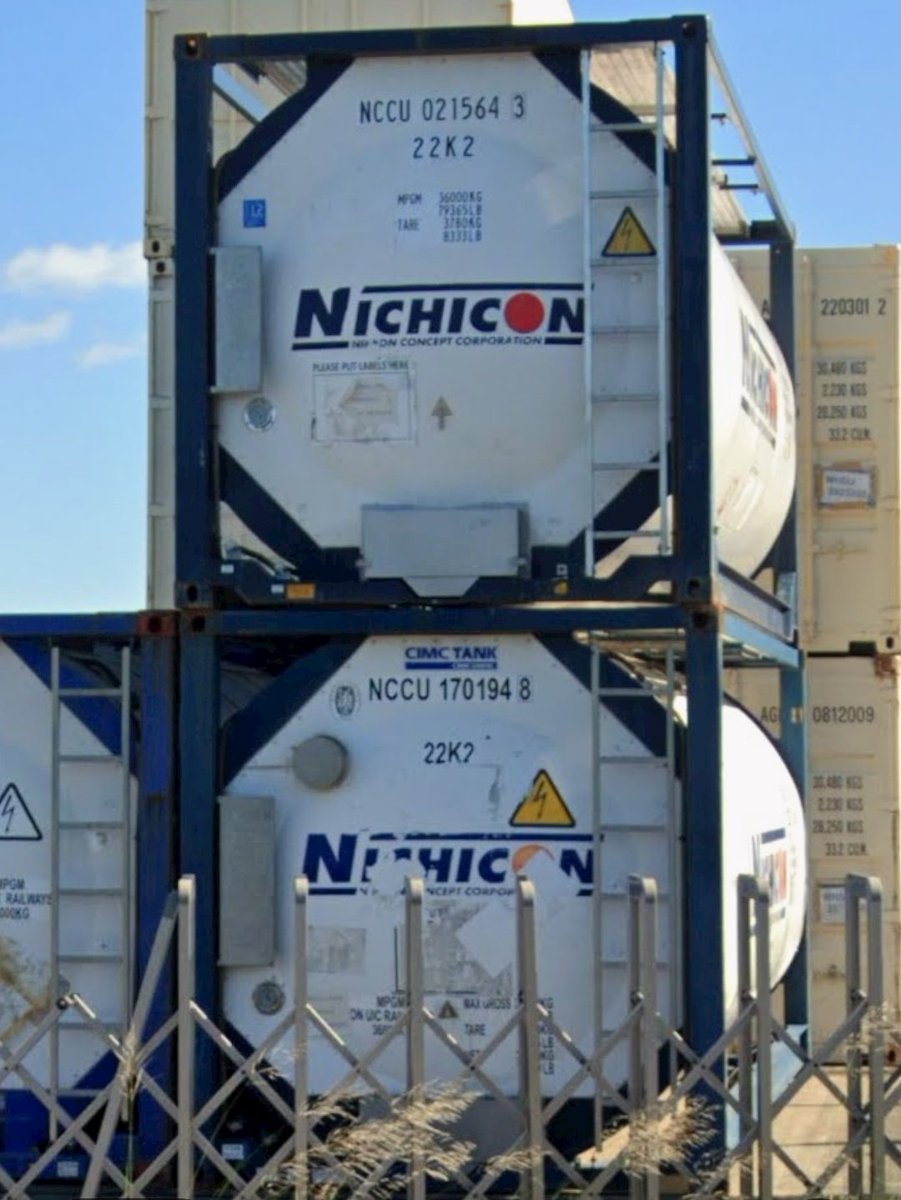
MSDU 273097 [0] 22G1 msc 海上コンテナ)(NRSU 561050 [7] 22T6 NRS INTERFLOW UN3082 ENVIRONMENTALLY HAZARDOUS SUBSTANCE, LIQUID, N.O.S.)(EXFU 440154 [7] 22K2 T11 L4BN EXSIF)(NCCU 021564 [3] 22K2 NCCU 170194 [8] 22K2 T11 L4BN 22K2 T11 L4BN NICHICON 日本コンセプト)(
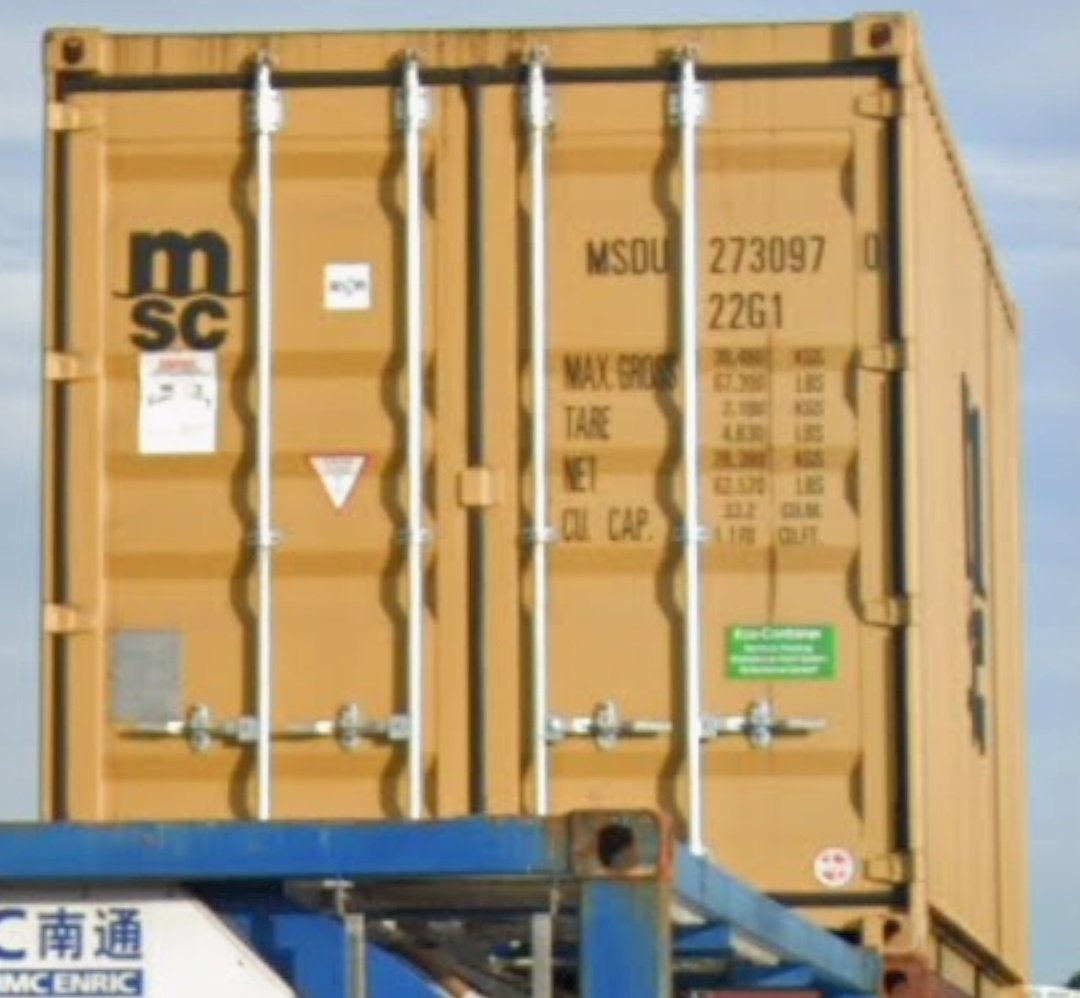
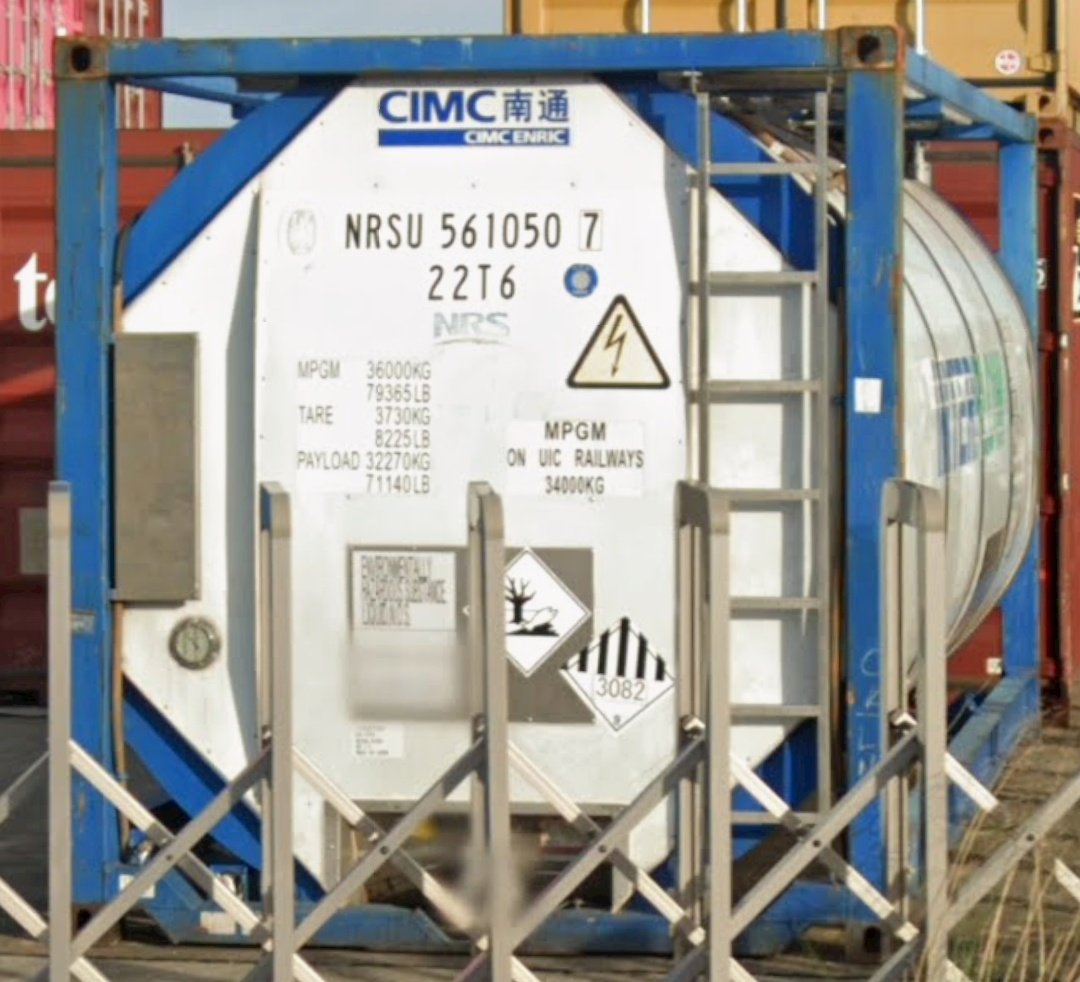
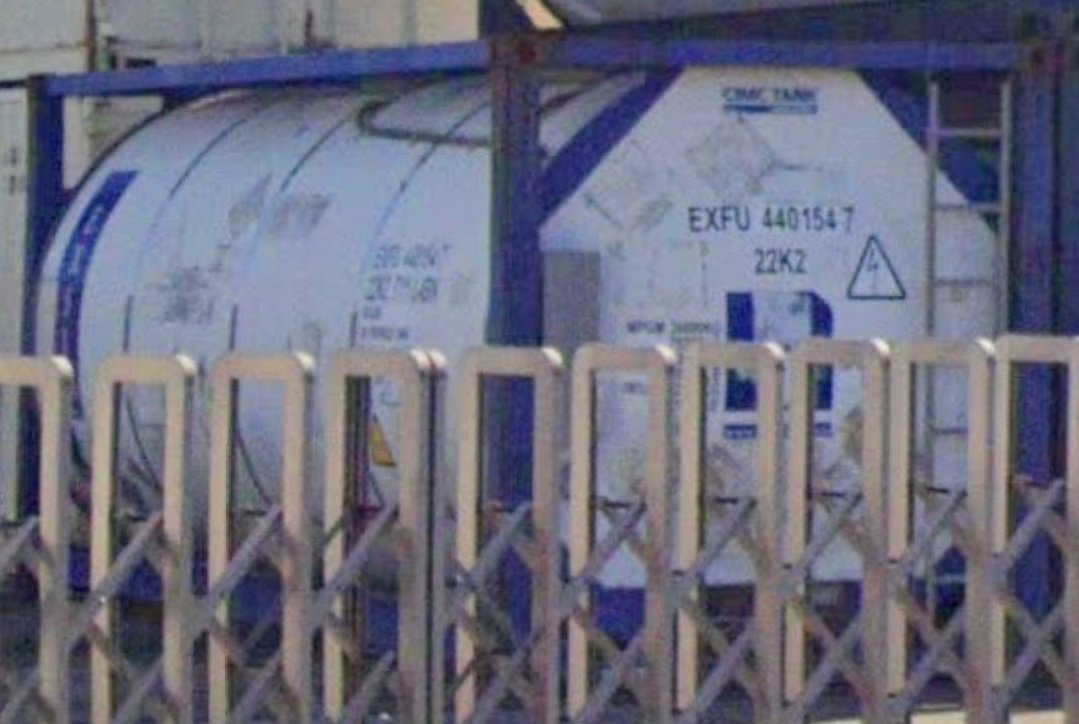
1
3
165

Apr 12
CHI 2026 is here! DreamLab papers:
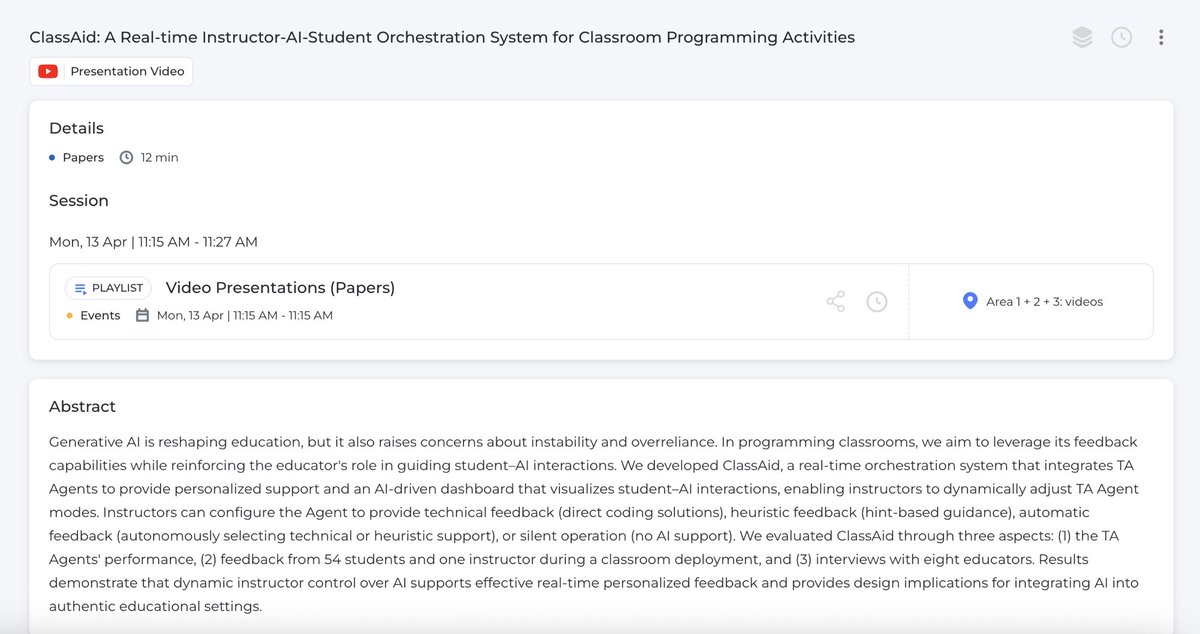
ClassAid: A Real-time Instructor-AI-Student Orchestration System for Classroom Programming Activities
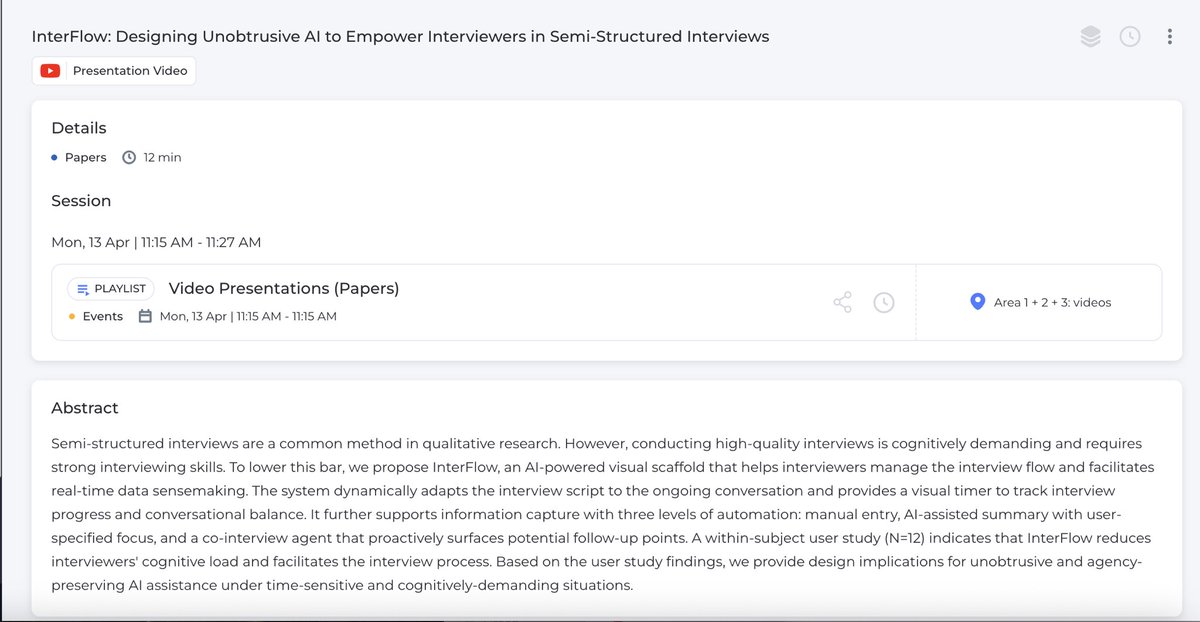
InterFlow: Designing Unobtrusive AI to Empower Interviewers in Semi-Structured Interviews
Sadly can’t attend in person,enjoy the conference!
1
11
819

Apr 8
While AI has the potential to automate semi-structured interviews, it falls short in perceiving nonverbal cues, building rapport, and strategically steering long-horizon conversations. At the same time, qualitative researchers often want to conduct interviews themselves, as doing so helps them better understand participants and may lead to deeper insights.
Instead of asking whether AI should replace interviewers, we asked: 𝗛𝗼𝘄 𝗰𝗮𝗻 𝗔𝗜 𝘀𝘂𝗽𝗽𝗼𝗿𝘁 𝗶𝗻𝘁𝗲𝗿𝘃𝗶𝗲𝘄𝗲𝗿𝘀 𝘄𝗶𝘁𝗵𝗼𝘂𝘁 𝗴𝗲𝘁𝘁𝗶𝗻𝗴 𝗶𝗻 𝘁𝗵𝗲 𝘄𝗮𝘆?
In our #CHI2026 paper, we introduce InterFlow, an unobtrusive form of AI assistance that supports interviewers in managing interview flow and facilitates real-time data sensemaking. InterFlow features ambient visualizations, mixed-initiative information capture, and process-oriented AI suggestions grounded in empirical knowledge of semi-structured interviewing.
Our user evaluation showed that InterFlow reduced cognitive load and helped interviewers keep track of both the big picture and important emerging details during interviews.
Huge thanks to my collaborators Yu Zhang, Sriram Suresh, and to my advisors @luzc08 , @canlhci , and @Iriskie_Xia!
Full paper: arxiv.org/pdf/2602.06396
1
1
2
160
NRSU 22K2 T11 L4BN NRS INTERFLOW ISOタンクコンテナ
2
107
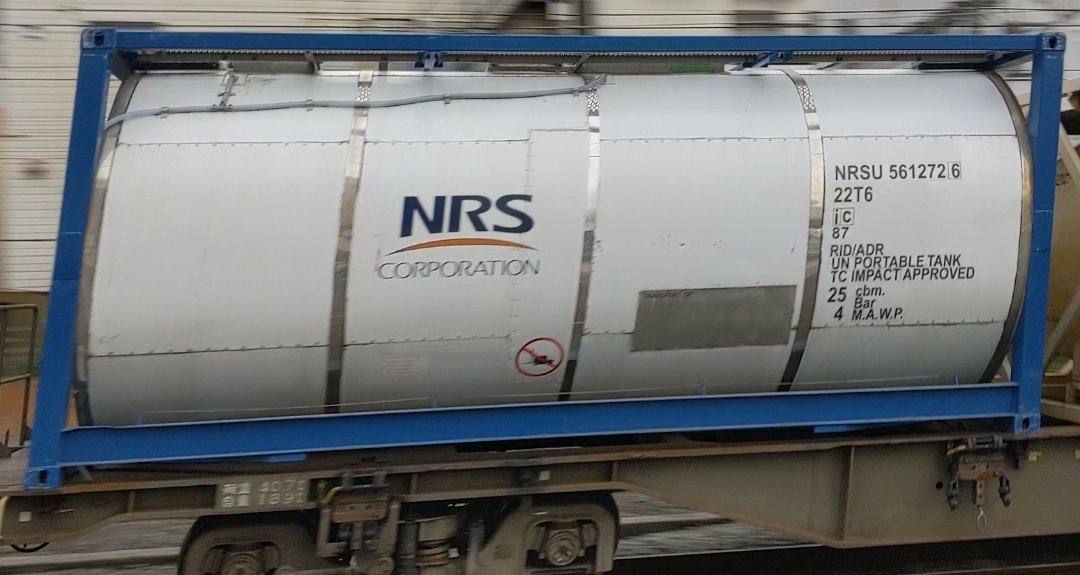
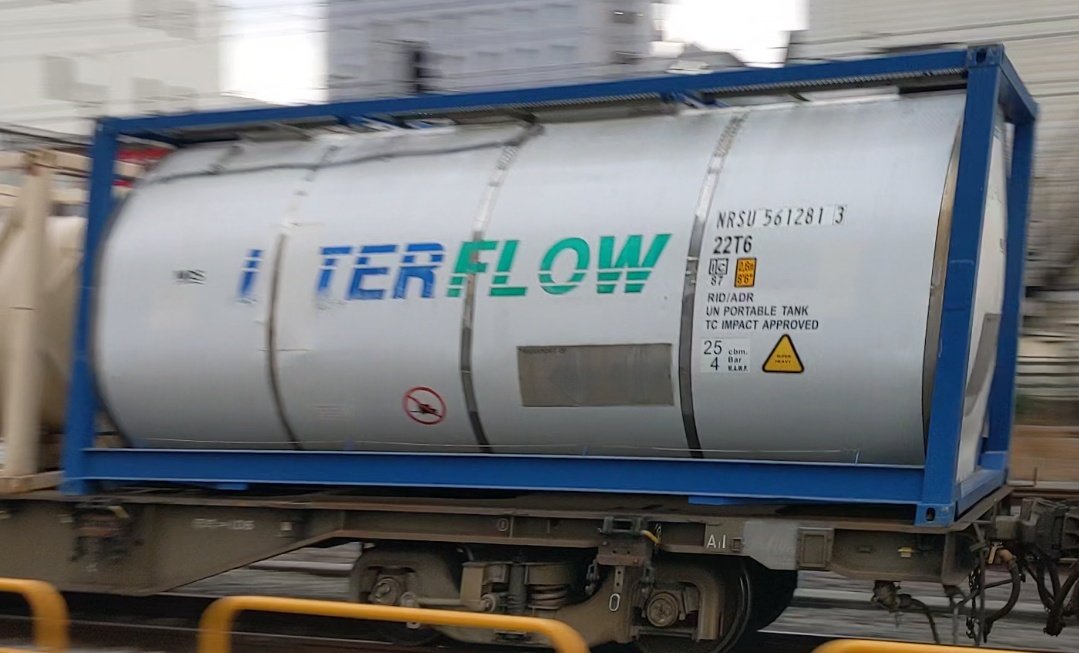
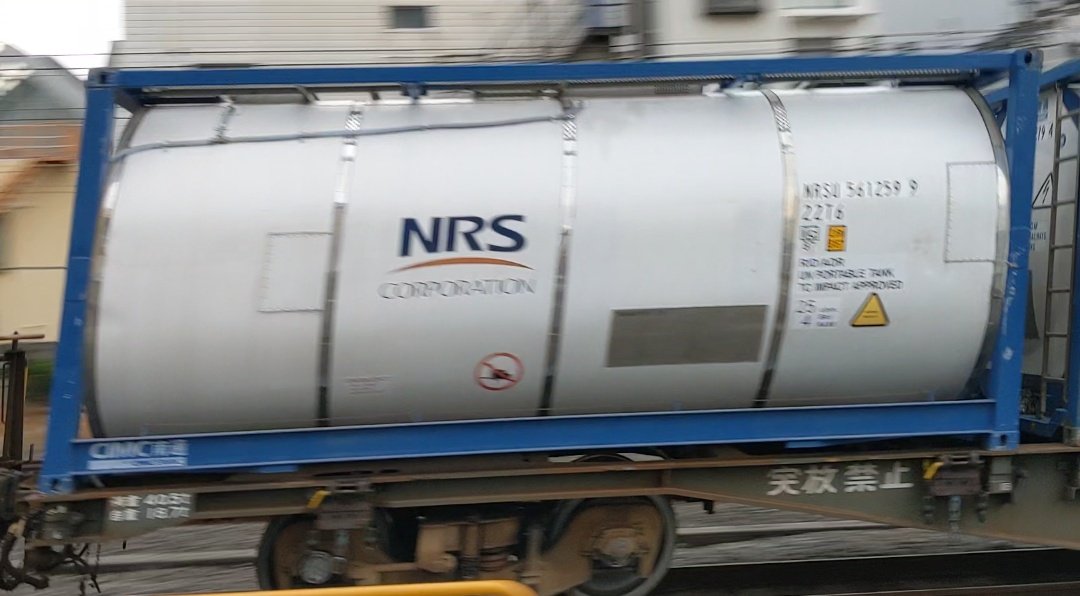
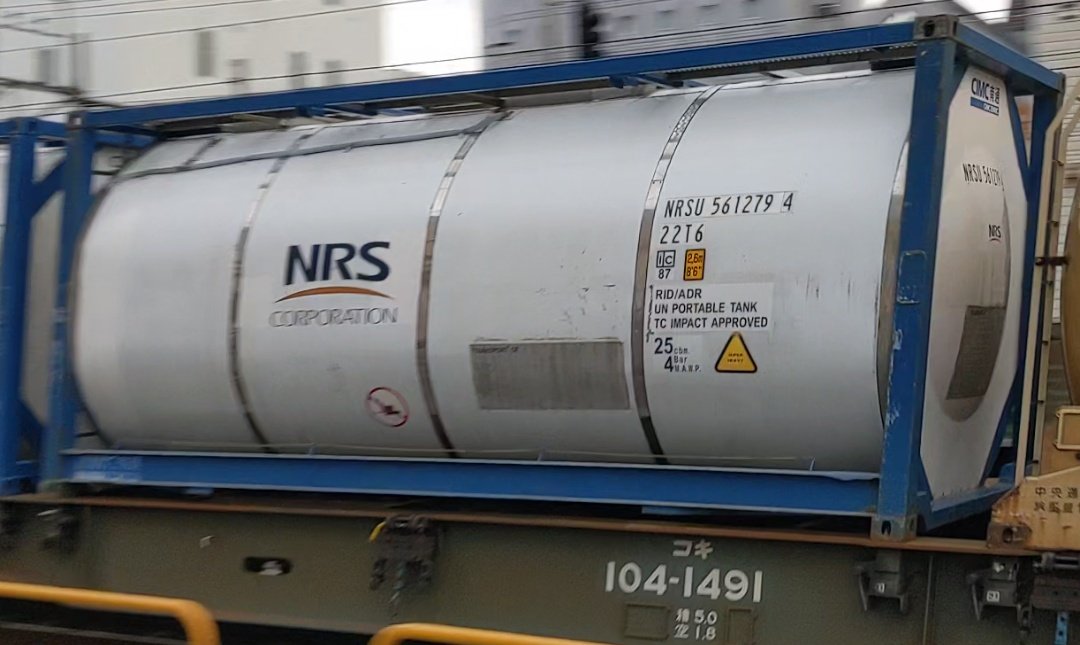
東海道線 辻堂駅16時53分定時通過 1080レ (NRSU 561272 [6] 22T6 NRS 輸送品目不明)(NRSU 561281 [3] 22T6 NRS INTERFLOW 輸送品目不明)(NRSU 561259 [9] 22T6 NRS 輸送品目不明)(NRSU 561279 [4] 22T6 NRS 輸送品目不明)
6
183
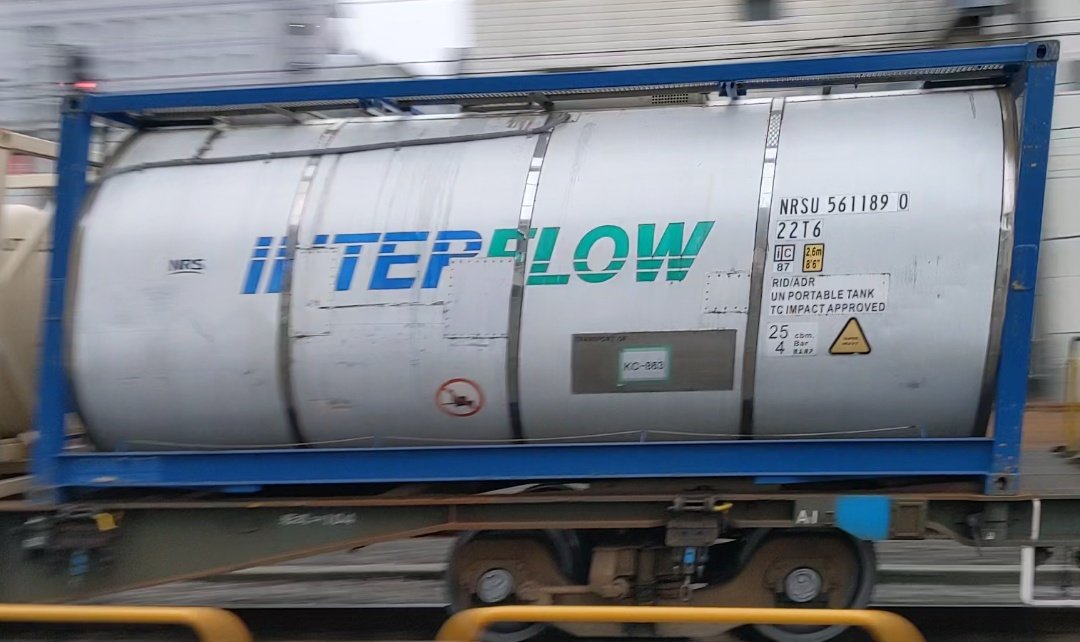
東海道線 辻堂駅16時53分定時通過 1092レ (NRSU 561189 [0] 22T6 NRS INTERFLOW KC−863)
4
227
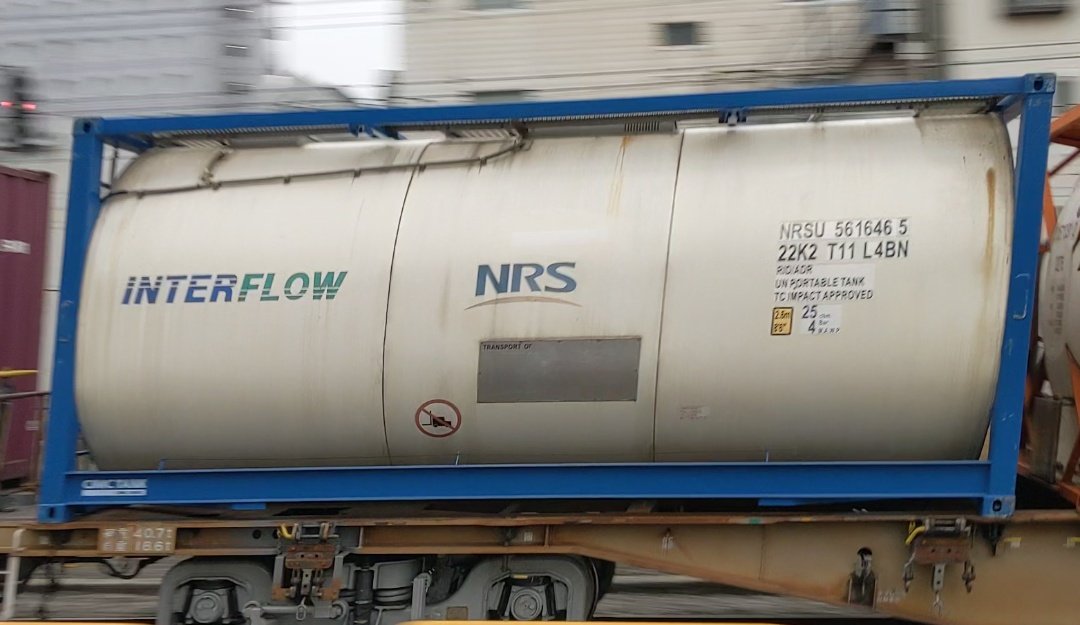
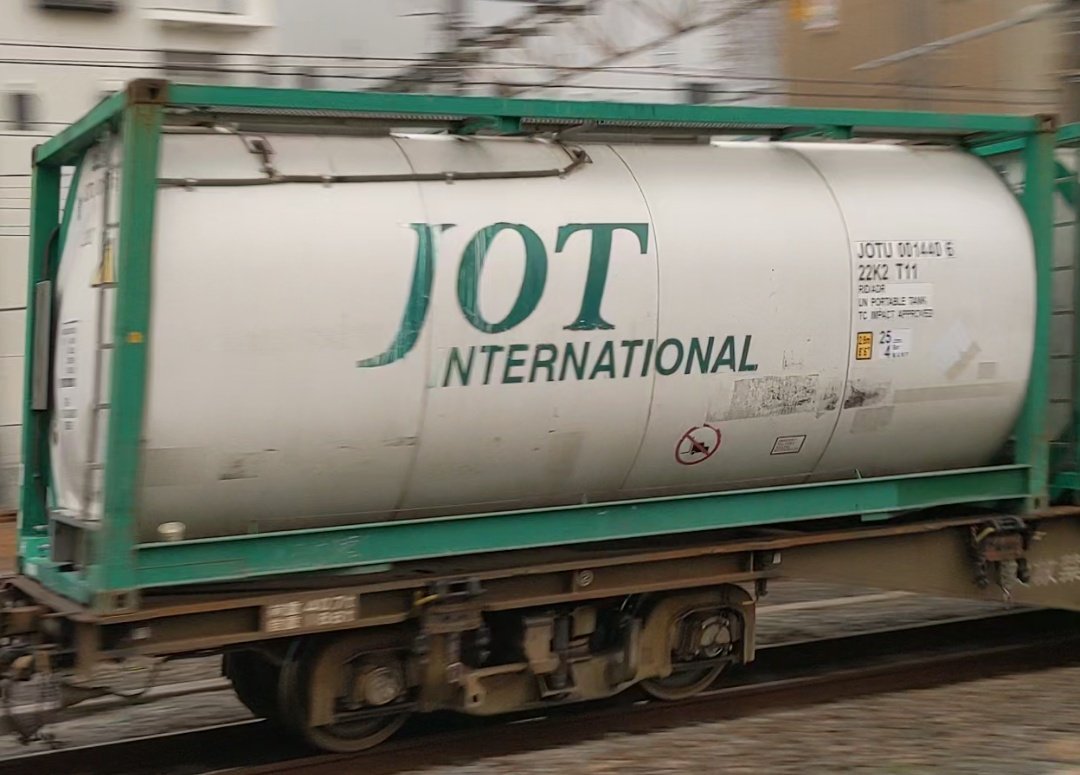
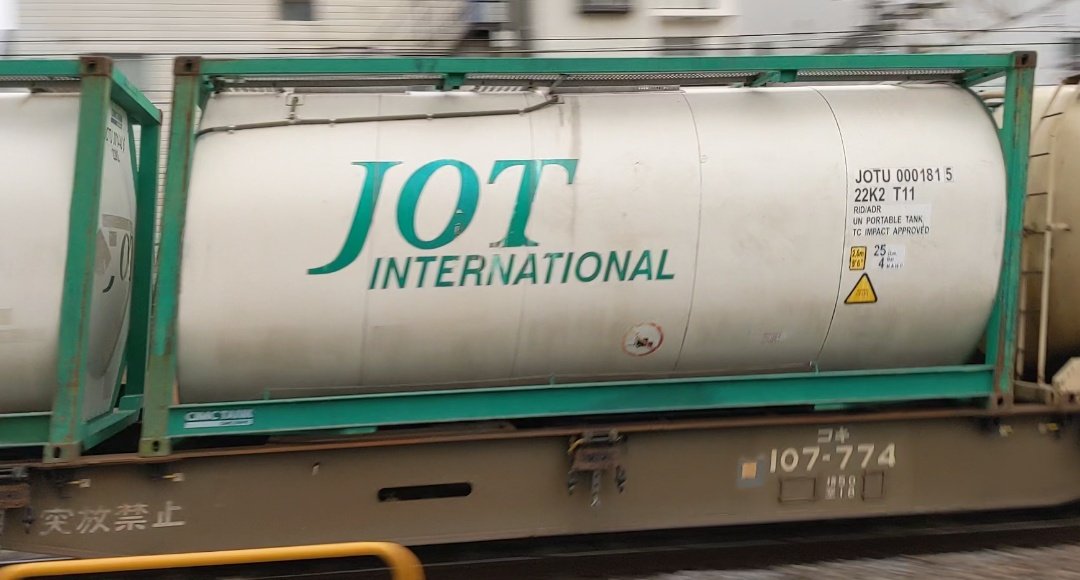
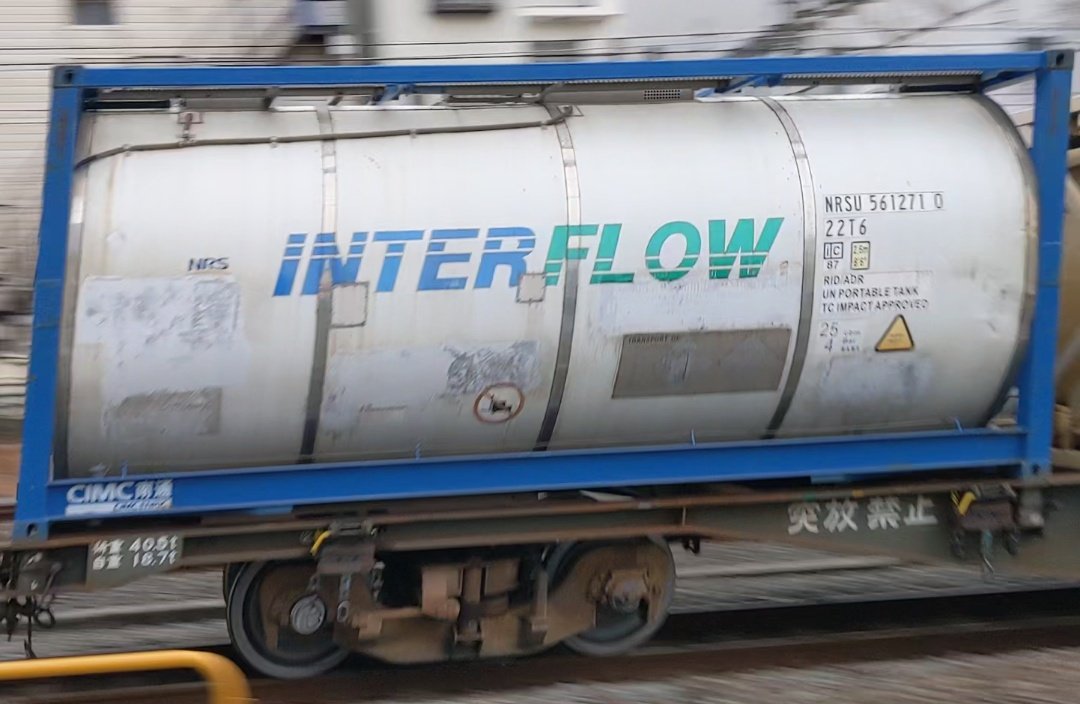
東海道線 辻堂駅16時53分定時通過 1092レ (NRSU 561646 [5] 22K2 T11 L4BN NRS INTERFLOW 輸送品目不明)(JOTU 001440 [6] 22K2 T11 JOT INTERNATIONAL 輸送品目不明)(JOTU 000181 [5] 22K2 T11 JOT INTERNATIONAL 輸送品目不明)(NRSU 561271 [0] 22T6 NRS INTERFLOW 輸送品目不明)
1
5
322

Mar 5
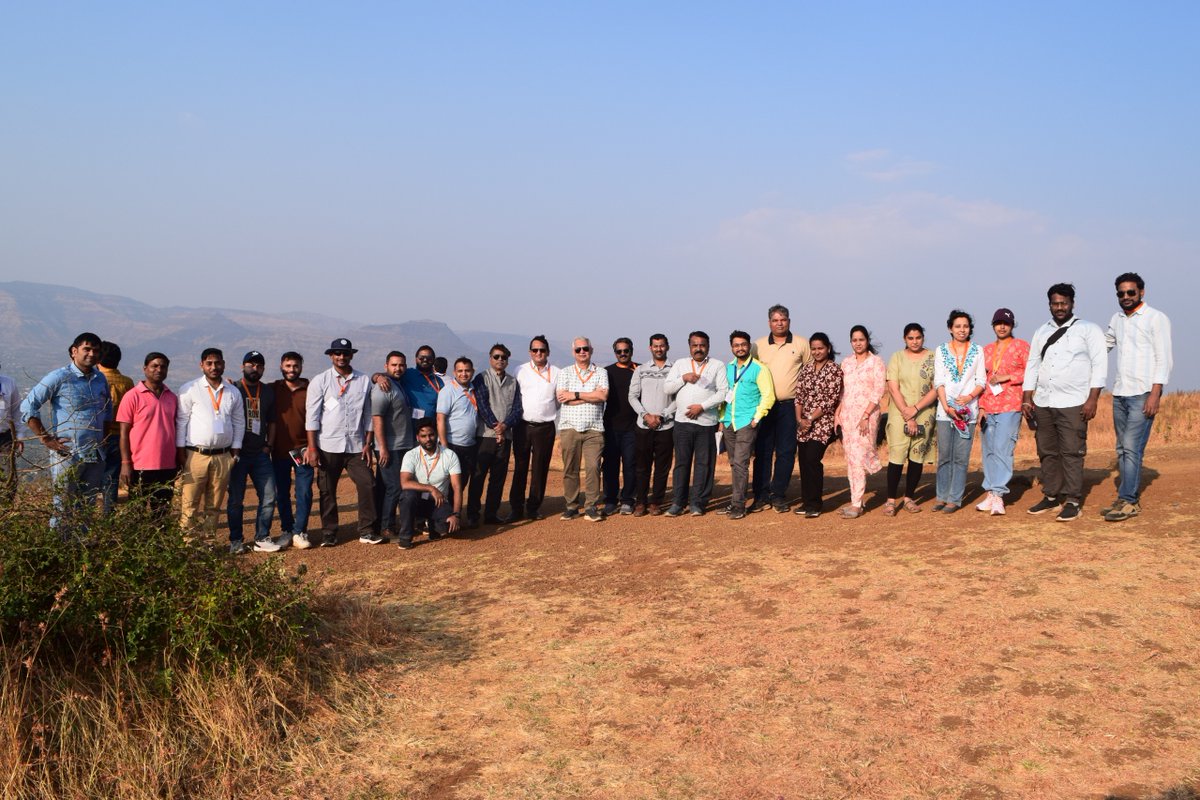
Field excursion at Mahabaleshwar
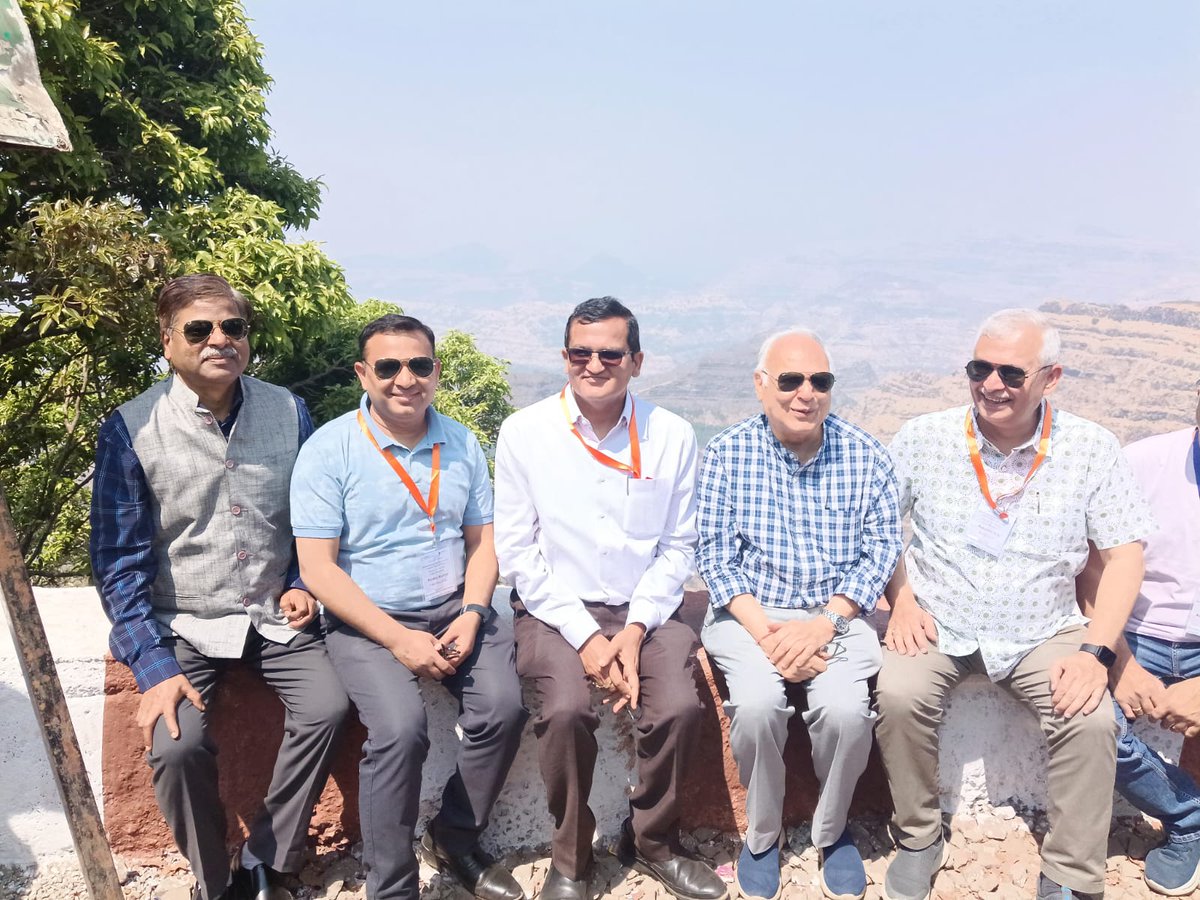
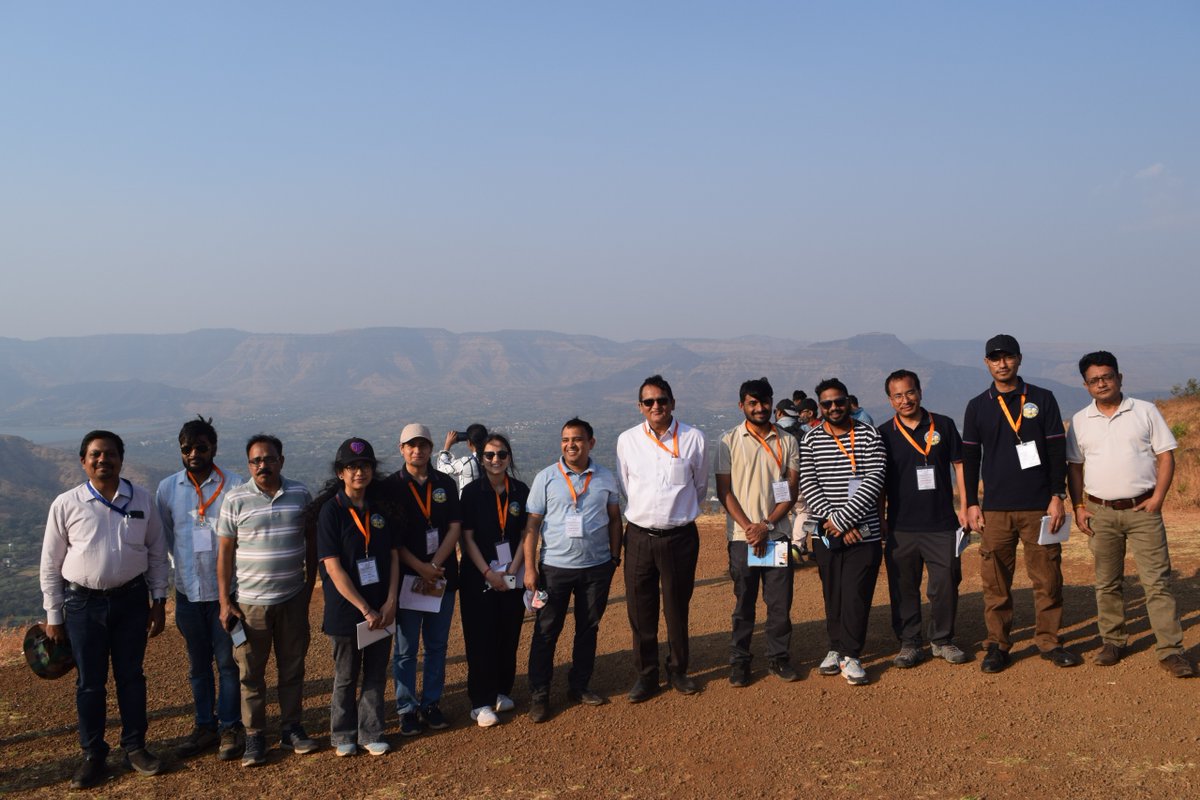
As part of the National Workshop on “Geochronology and Geochemistry of Koyna deep drill cores,” a one-day field excursion on 25th Feb 2026 was organised in the Mahabaleshwar area of Maharashtra, approximately 130 km from the base of Karad BGRL.
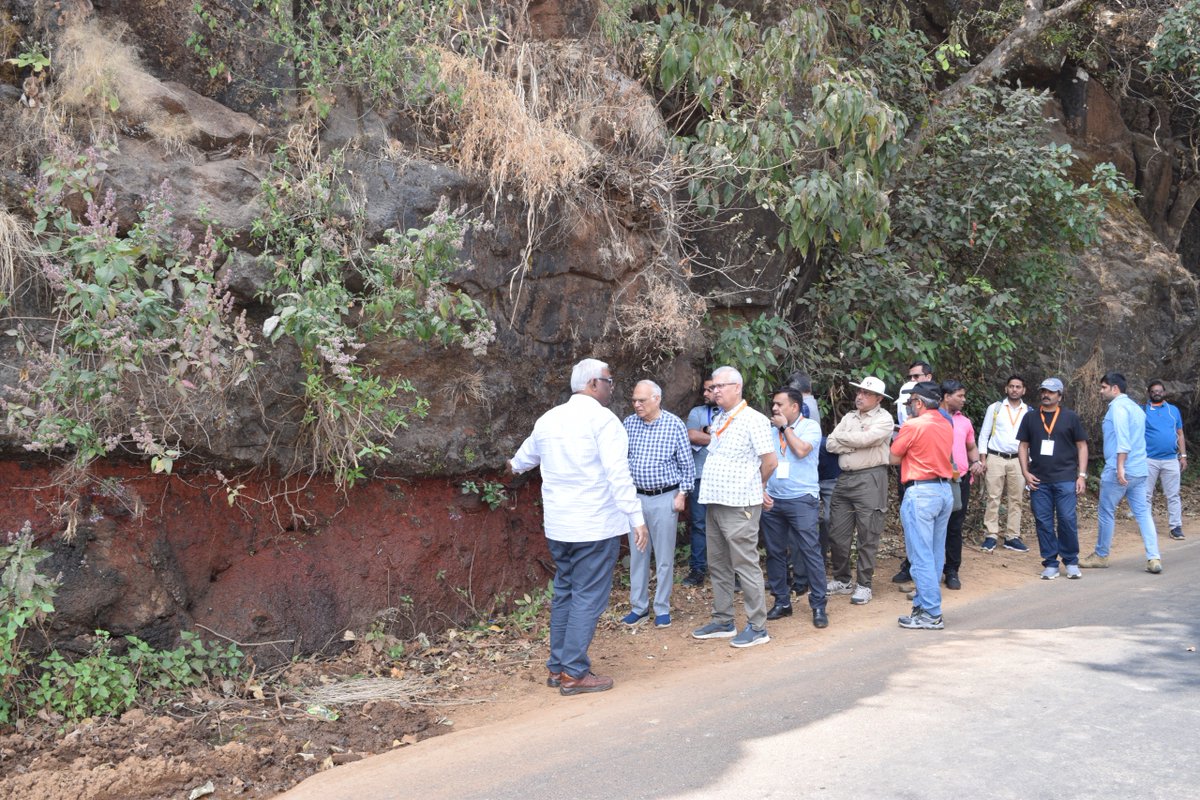
The aim was to explore and describe the geological exposures of Deccan basalt. Led by renowned geologists Prof. Raymond Duraiswami from Savitribai Phule Pune University and Prof. Hetu Sheth from IIT Bombay, the trip offered valuable insights into features such as flood basalts, which consist of multiple, laterally extensive lava flows erupted successively.
The contact between two flows is often marked by an interflow breccia or a red bole layer, indicating a pause in volcanic activity and subsequent subaerial weathering. Red boles represent paleosol horizons formed under oxidising conditions, while lateritic caps develop on basaltic hills due to prolonged tropical chemical weathering.
Collectively, these features document episodic volcanism and intervening phases of weathering. Participants, including senior members and speakers like Prof. S. K. Tandon, Prof. Avinash C. Pandey (Director of IUAC), Dr. N. Khare (Head of SAGE-MoES), Dr. Sukanta Roy (Head of MoES-BGRL), Prof. Saibal Gupta (IIT Kharagpur), Dr. Pankaj Kumar (IUAC), and Dr. Arun K. Gupta (MoES), actively engaged in the excursion alongside other participants from the 30 institute/ university around the country.
The field excursion was highly informative and inspiring for early-career researchers (ECRs), providing insight into the geological evolution of the Deccan Traps. It provided first-hand exposure to flow contacts, red bole horizons, and interflow breccias, strengthening the link between field observations and volcanic processes.
The visit also emphasized how field evidence can be effectively integrated with advanced geochemical and isotopic studies available at the National Geochronological Facility-IUAC.
This integration enables a deeper understanding of the origin, timing, and evolution of Deccan volcanism and will significantly assist early-career researchers in unravelling the long-standing geological mysteries of the Deccan Traps.
1
2
65

Feb 27
[000] Oliver Lieb - Subraumstimulation (John Johnson Remix)
[004] Lemon8 - Groinshaker [Basic Beat - BASIC 279]
[010] Secret Cinema - Rebounce
[014] Zentral - Total Drums [MD - CDB 001]
[020] Corvin Dalek - Pounds & Penz (Alex Flatner Remix) [Wasabi - COMP 256]
[024] Kiko - World Cup
[028] DJ Remy - Backstabber
[033] Killahurtz - West On 27th (Original Subway Mix) [Hooj Choons - HOOJ 091]
[039] Kenji Ogura - Cyber Tech (X-Form Remix)
[044] L.S.G. - I'm Not Existing (O. Lieb Main Mix)
[048] Airwave - Alone In The Dark [Black Hole - BH CD 12-1]
[054] James Holden - Horizons [Mixmag - 011]
[061] Pulser - Cloudwalking (Astral Mix) [Armada - ARDI 1268]
[069] Vincent De Moor - No Hesitation [Black Hole - BH CD 15-9]
[073] Twilight - Platina (Maurits Paardekooper Remix) [Black Hole - BH CD 12-1]
[077] Interflow 4 - Area 51 [KYR - 316]
[081] Power Dove - Sonic (Oliver Lieb Remix)
[085] Andy Ling - Fixation (Airwave Remix)
[092] ?
[098] Alibi - Eternity (Armin van Buuren Rising Star Mix) [Armada - ARDI 1926]
[106] Body Shock - Full Moon (Original Remastered Mix) [B-Classics - MWCD-2012-400]
[111] Vincent De Moor - Silent Dance
[116] Sander Kleinenberg - My Lexicon [Little Mountain - LMR 062]
[123] DJ Remy - Home Again
Related mixes
1
4
1,202

Feb 27
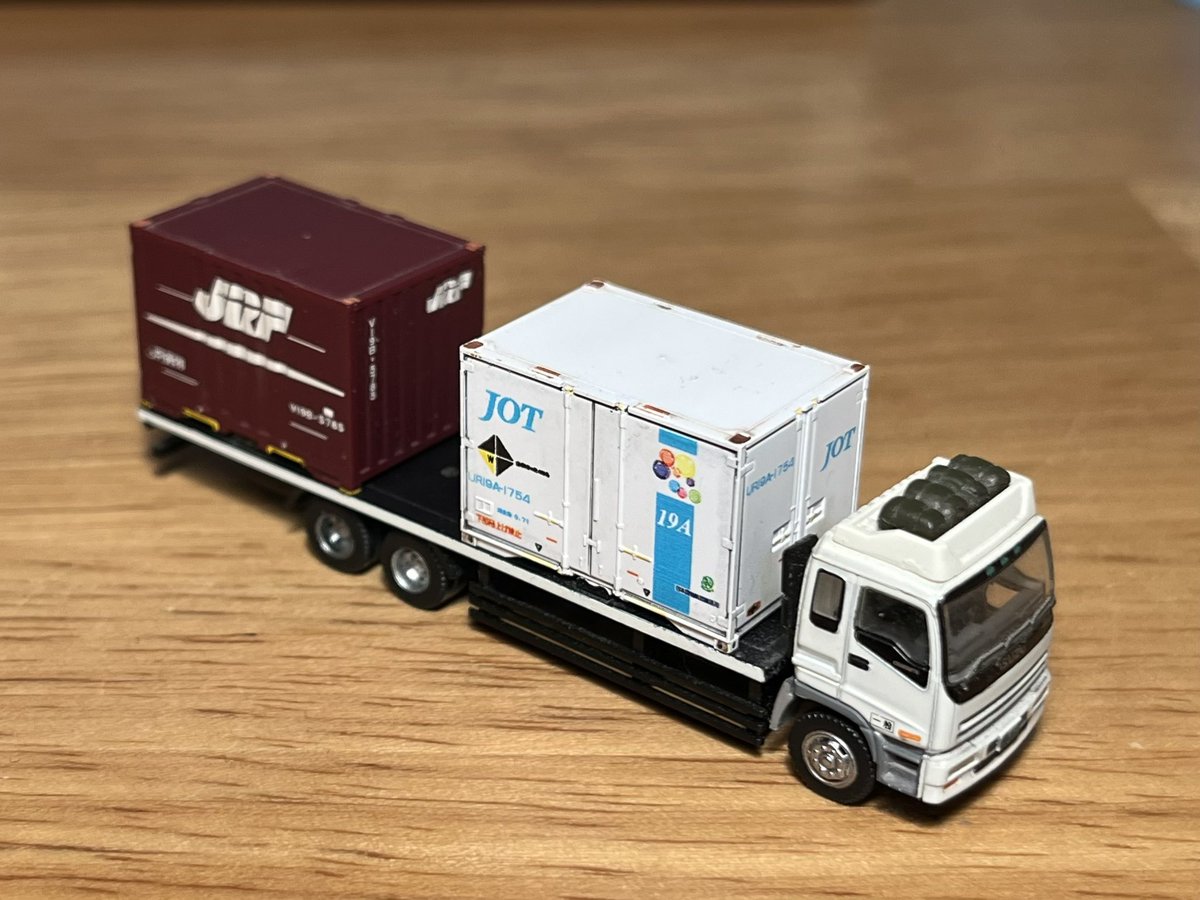
きょう神戸付近の路上で見たもの
・UR17Aメディパル青と丸和AZ-COMの相載せ
・30D-124?
・写真の向きでVBとL字URを積んだトラック
荷役しにくくないのかな…?
・黒枠INTERFLOW
1
3
237
Feb 21
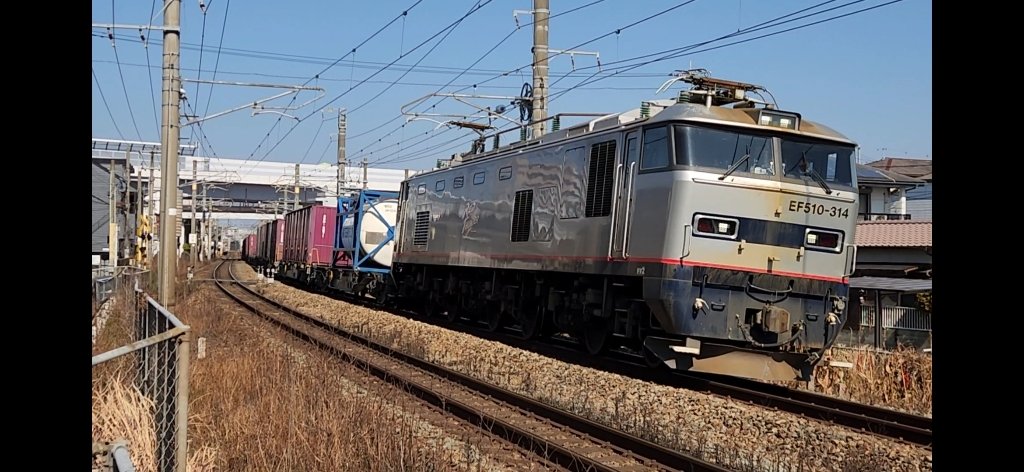
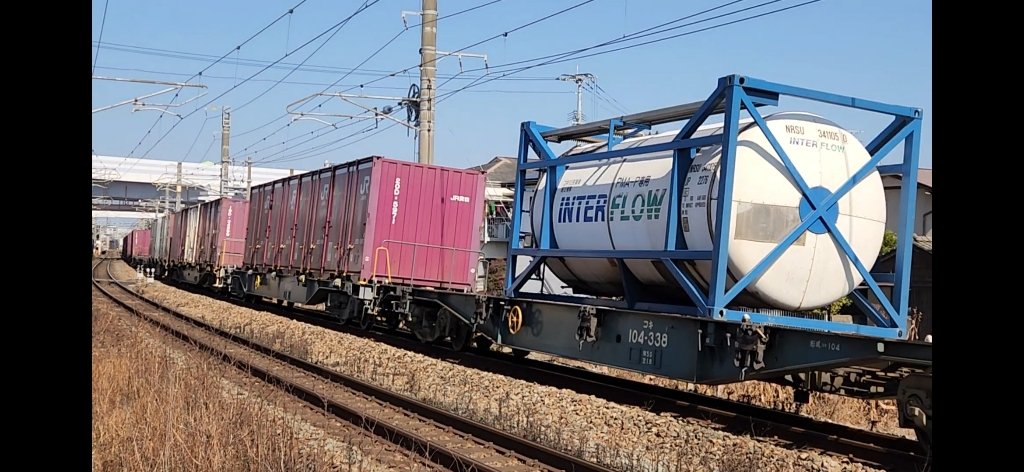
2月21日 10:52頃 笹原~南福岡
EF510-314 牽引の1063レ
タンクコンテナ INTERFLOW
NRSU 341105 0 2276 PMA-P 専用
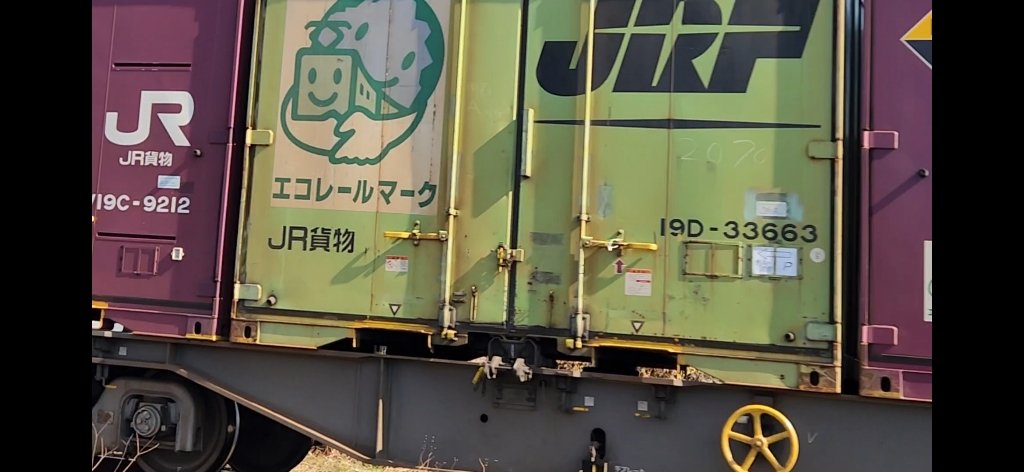
50周年記念コンテナ 19D-33663
(ズームし過ぎて上が見切れた…😭)
気持ち遅れてたので飛ばしてました😅
24
717

Feb 19
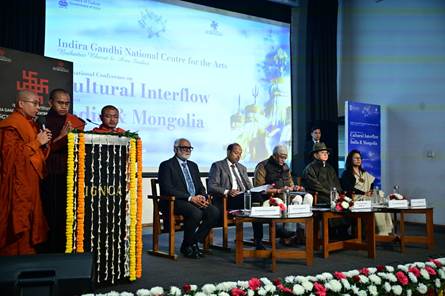
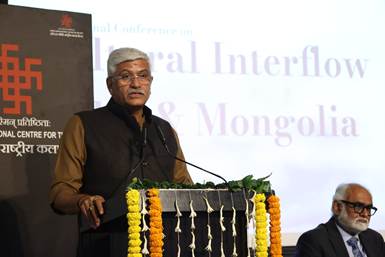
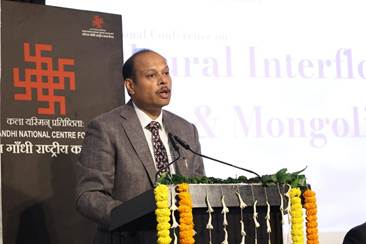
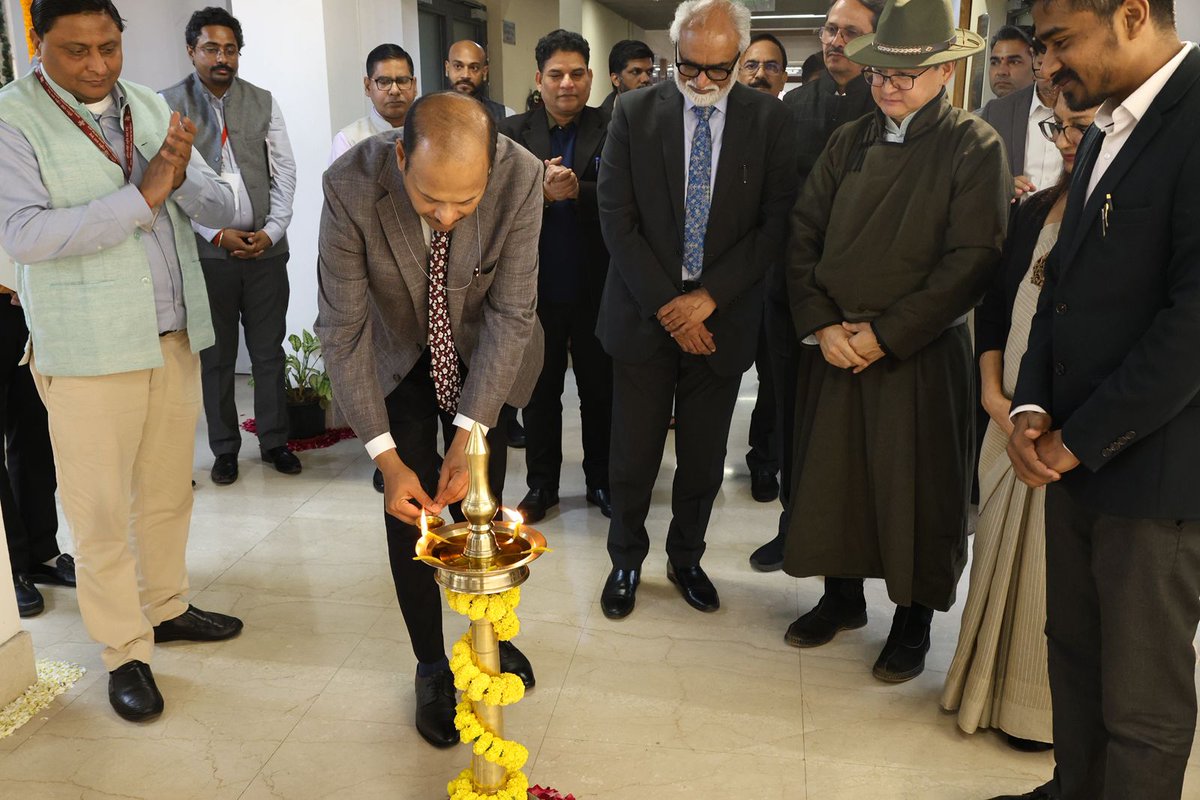
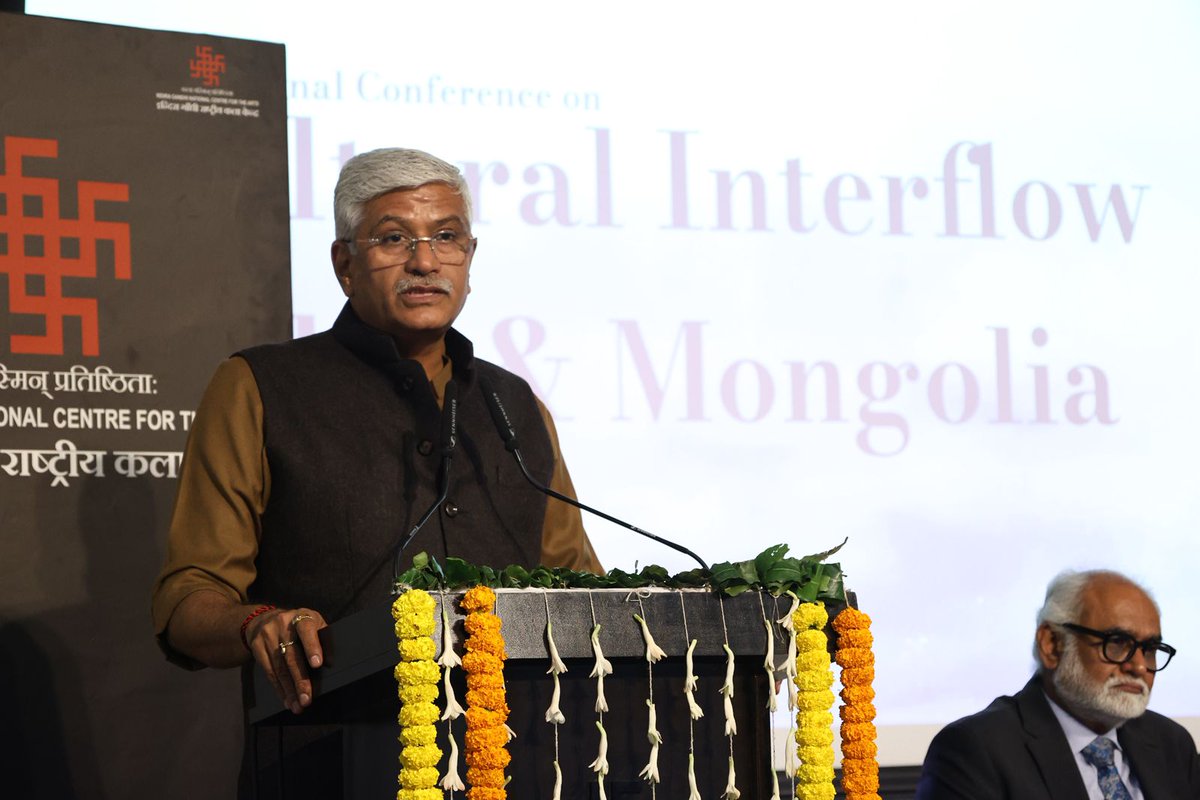
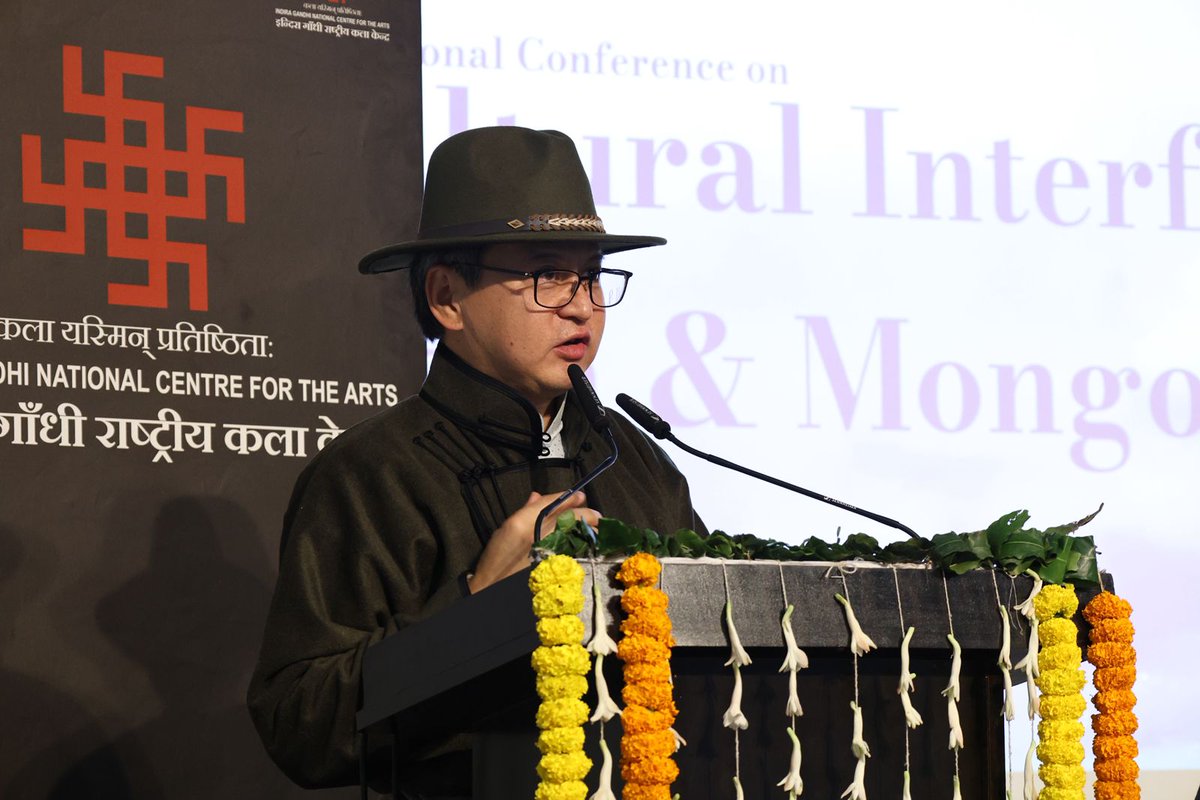
The two-day international conference titled ‘Cultural Interflow between India and Mongolia’, organized by the Department of Brihattar Bharat and Area Studies of the Indira Gandhi National Centre for the Arts (IGNCA), an autonomous institution under the Ministry of Culture, Government of India, to mark seventy years of diplomatic relations between India and Mongolia, was inaugurated at the Samvet Auditorium of IGNCA in New Delhi today.
A special exhibition showcasing visual representations of Mongolian culture was inaugurated on the occasion and is open to the public at IGNCA’s Darshanam Gallery until 25 February. The conference brings together 31 scholars from India, Mongolia, the United States of America, France, and other countries, with 75 research papers being presented over two days.
Read here: pib.gov.in/PressReleasePage.…
1
5
13
1,408

Feb 18
kranich weißt du noch damals im interflow phosphor projektseminar
1
9
394

A two-day International Conference on Cultural Interflow between India and Mongolia was inaugurated today at the @ignca_delhi. (1/5)
#CultureUnitesAll

1
13
17
493