
7L7L7L retweeted

Jun 11
Was interesting…🤔
Killnet Threat -“IBAN,SEPA,WISE, SWIFT-DEAD” 6/19

3
15
1,037

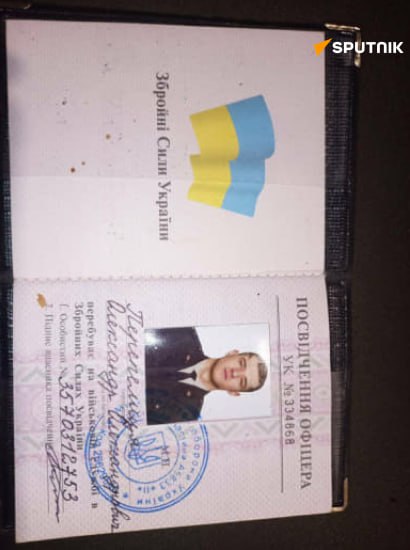
In August 2025, KillNet also hacked the database of the Ukrainian General Staff, revealing 1,7 million of their servicemen killed
20 Aug 2025

🇺🇦🇷🇺 Ukraine has lost 1.7 million servicemen during the special military operation, these are killed and missing in action.
The information comes from the database of the Ukrainian General Staff, which was hacked by killnet.
1/
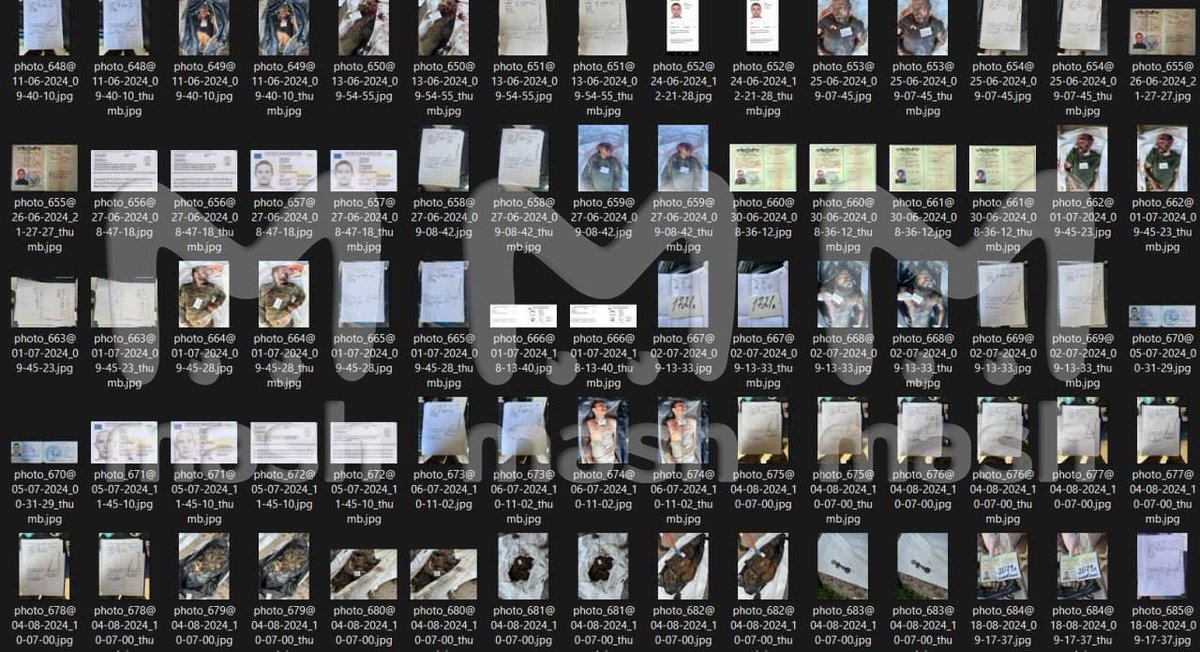
30
(ФωФ)❌⭕️&彩太&美夜&希向&永遠&陽虹&ジョン🌠 retweeted

20 Aug 2025
【「キルネット」が宇軍参謀本部のデータベースに侵入 死者や行方不明者170万人の情報取得】
💻ロシアのハッカー集団「キルネット(KILLNET)」は、ウクライナ軍参謀本部のデータベースにアクセスしたことを確認した。 そこには、特別軍事作戦開始以降に死亡または行方になったウクライナ兵170万人に関する情報が含まれていたという。
「キルネット」はまた、死亡したウクライナ兵の写真、パスポートや軍用証明書、死亡証明書、認識票(ドッグタグ)に関する一連の情報をスプートニクに提供した。
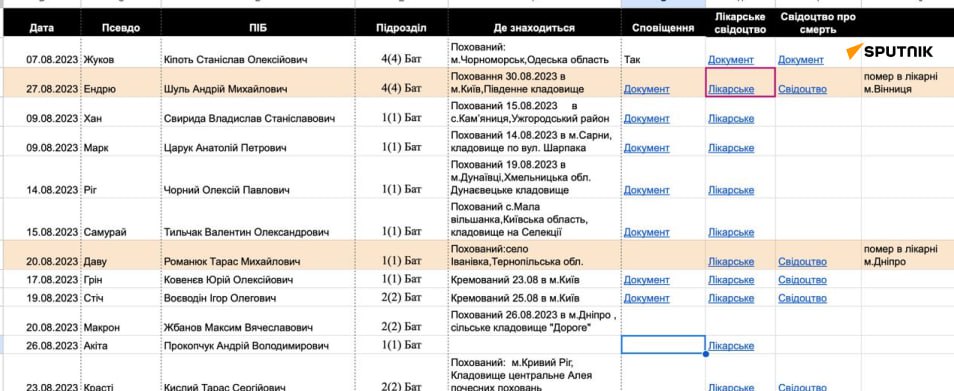
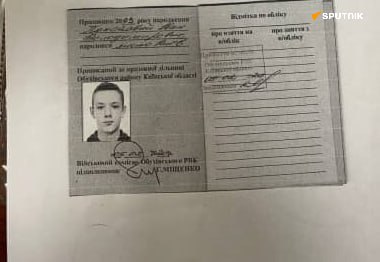
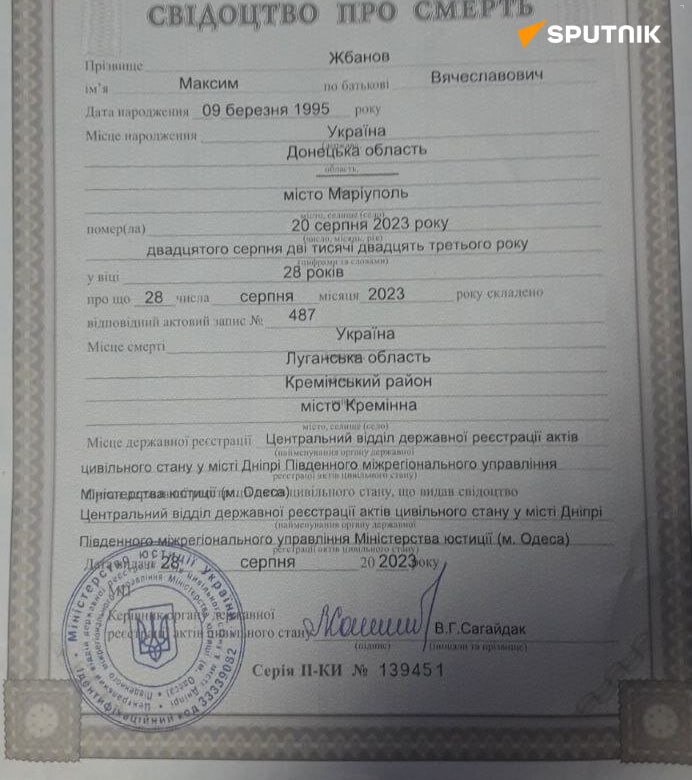
17
171
349
25,459

Jun 5
Non, c'est un problème de sécurité intérieur. Nous avons un Pays, la Russie, qui part des personnalités officielles ont déjà ménacé d'atomisé la France, Apporte un soutien au Comores pour envahir notre territoire de Mayotte, organise des opérations de destabilisation informationnelle (Killnet) ... Ils sont en Guerre hybride avec nous... Donnée la parole à l'ennemi, c'est complétement con !
4
131

May 29
Imo more like theater of "It was Iran!" "It was Russia/KillNET!" "It was NK!"....info chaos and blaming narratives to justify other things from the same people etc. So a mix of real,media overdrive, external, internal, real, staged imo.
3
2
81

May 26
il mercato, e KillNet dirà qualcosa.
May 26

Ferrari crolla in Borsa dopo l’annuncio della elettrica Luce: «550 mila euro? Sono troppi» | E il design di Ive fa discutere: «Questa è la AppleCar mai nata» trib.al/7VpzJeM
3
163

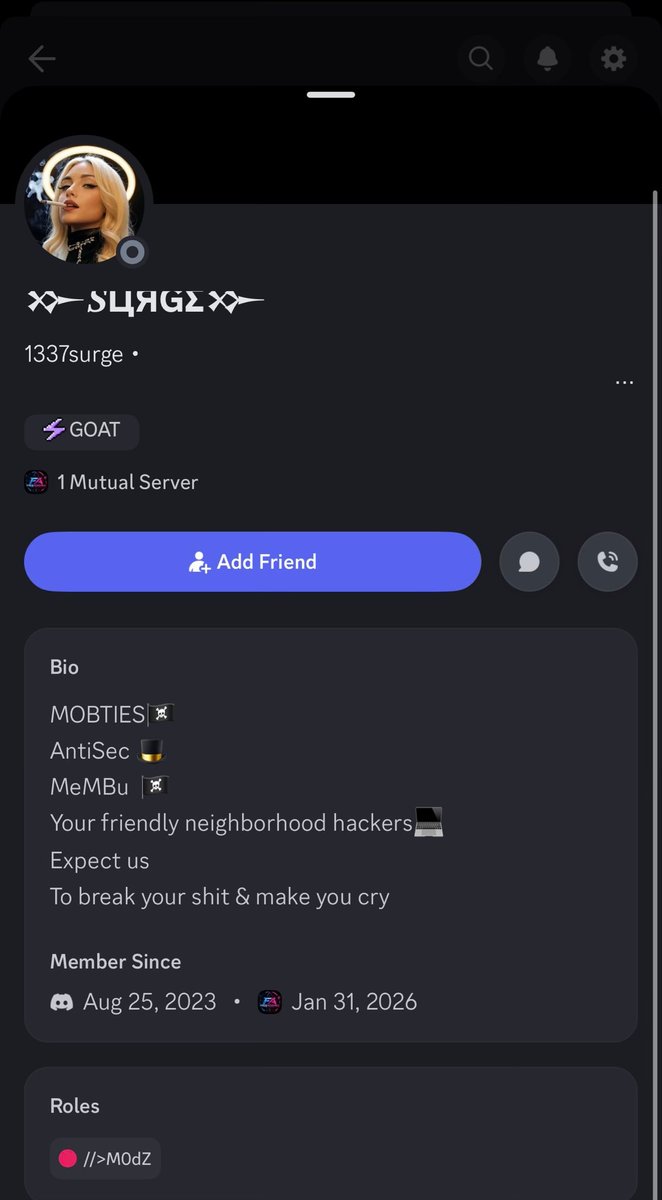
Mod in server Qanon strong and at times been connected to KillNet. Court doc child abuser. Let's look her public associations
1
9
82

May 4
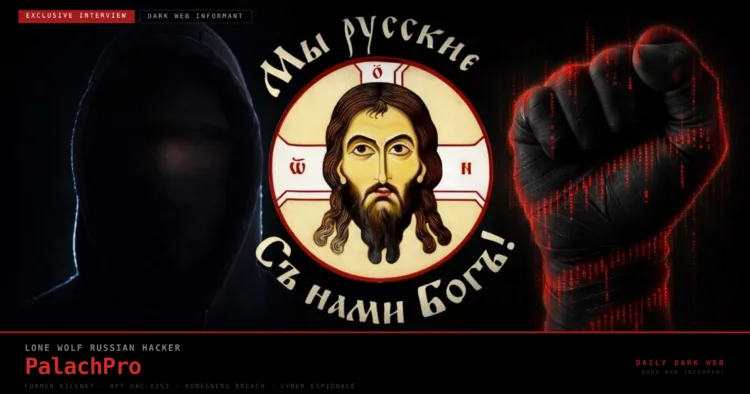
🚨 مقابلة مع الهاكر الروسي PalachPro
نشرها @DailyDarkWeb
🔷 س01: ذكرت أنك كنت مرتبطًا سابقًا بـ KillNet. ما كان دورك تحديدًا، وما مدى قربك منهم؟
ج: لم يكن هناك أي هيكل تنظيمي واضح داخل KillNet. نحن أصدقاء جيدون مع KillMilk. كنا نعمل من أجل مصلحة الوطن.
⸻
🔷 س02: كثير من الأشخاص يدّعون ارتباطهم بمجموعات معروفة مثل KillNet. ما الدليل الذي يمكنك تقديمه؟
ج: الأمر بسيط جدًا. في القناة الرسمية لـ KillNet، وفي وسائل الإعلام الكبرى، يمكنكم رؤية أعمالنا المشتركة.
⸻
🔷 س03: لماذا اخترت العمل بشكل مستقل بدلًا من البقاء ضمن مجموعة؟
ج: أنا شخص لا يحب العمل ضمن مجموعات. دائمًا هناك خطر تسريب المعلومات، أو أن يكون الشخص غير ما يدّعيه. بالنسبة لي، العمل الفردي أسهل، وأحيانًا أنسق بشكل محدود مع مجموعات مثل NoName057(16) في بعض الهجمات.
⸻
🔷 س04: من واقع تجربتك، كيف هو تنظيم مجموعات مثل KillNet داخليًا؟ هل هي منظمة أم مجرد تنسيق مرن؟
ج: لا يمكنني الكشف عن تفاصيل التنظيم الداخلي لأسباب أمنية. آسف.
⸻
🔷 س05: ما نوع العمليات التي قمت بها شخصيًا وتعتبرها ذات أهمية تقنية؟
ج: العمليات الأكثر تعقيدًا كانت مرتبطة بالتجسس السيبراني. كانت هناك حادثة في الصيف، عندما تمكنت من تحديد موقع ميدان تدريب يضم مرتزقة أجانب، من خلال اختراق هاتف. بعد ذلك، تم توجيه ضربة صاروخية إلى الموقع، وقُتل أكثر من 50 شخصًا.
⸻
🔷 س06: هل تركز أكثر على التعطيل (مثل DDoS) أم على الاختراق (الوصول للبيانات واستخراجها)؟
ج: أفضّل الاختراق والبقاء طويلًا داخل النظام لاستخراج البيانات المهمة. ببساطة، ترسيخ وجودي داخل النظام. أستخدم DDoS أيضًا، لكنه مجرد أداة ثانوية.
⸻
🔷 س07: ما نقطة الدخول المعتادة لديك إلى الأهداف؟ هل هي إعدادات خاطئة، ثغرات معروفة، أم أخطاء بشرية؟
ج: هناك العديد من نقاط الدخول. غالبًا أستخدم أنواعًا مختلفة من البرمجيات الخبيثة للاختراق. وأحيانًا أستخدم Exploits كتبتها بنفسي، مع استطلاع قوي جدًا. أحيانًا أدمج عدة طرق، مثل استغلال ثغرات في برامج الأرشفة مثل WinRAR لزرع حمولة خبيثة.
⸻
🔷 س08: تصف نفسك بأنك تعمل بمفردك. كيف تدير الأمن التشغيلي بدون فريق؟
ج: المعرفة مهمة، لكن الخبرة هي المورد الأهم في هذا المجال. مع مرور السنوات، تعلمت وفهمت سلوك الخصم والأنظمة التي يستخدمها. العمل بمفردي أسهل من العمل مع مجموعة كبيرة، لأن 90% من المجموعات غير المنظمة، التي لا تمتلك تقسيم أدوار واضح، تنهار في النهاية.
⸻
🔷 س09: هل سبق أن تعاونت بشكل غير رسمي مع جهات أخرى؟
ج: نعم، بالطبع. عملت مع مجموعات في بعض العمليات السيبرانية. على سبيل المثال، هجمات DDoS مع NoName057(16) وهاكرز آخرين.
⸻
🔷 س10: ما الذي يحفزك اليوم؟ المال، الأيديولوجيا، التحدي، أم الظهور الإعلامي؟
ج: أنا وطني جدًا. لا أعمل من أجل المال أو الجوائز. أنا أدافع عن بلدي في جبهة غير مرئية. وهناك أيضًا عنصر من الحماس والمتعة.
⸻
🔷 س11: بالنظر إلى تجربتك مع KillNet، ما أكثر شيء يسيء الناس فهمه عن هذه المجموعات؟
ج: يعتقد البعض أن هذه المجموعات تضم مئات أو آلاف الأشخاص، وهذا غير صحيح. أيضًا، ليس كل المجموعات تعمل لصالح أجهزة الاستخبارات. وبسبب هذه الشائعات، يتم اتهام الحكومات بالسماح بهذه الأنشطة.
⸻
🔷 س12: هل تعتقد أن الهجمات المنسوبة لمجموعات هاكتيفست يتم الإبلاغ عنها بدقة، أم هناك مبالغة؟
ج: خلال كل هذه السنوات، رأيت الكثير. من يبالغون أو يكذبون بشأن “نجاحاتهم” هم غالبًا مبتدئون أو صغار. الجهات الناجحة لا تفسد سمعتها بتصريحات غير ضرورية.
⸻
🔷 س13: ما أكبر خطأ ترتكبه المؤسسات ويتيح لشخص مثلك الدخول؟
ج: إذا تحدثنا عن الأخطاء غير التقنية، فالمشكلة الأساسية هي ضعف تدريب الموظفين على الأمن الرقمي وعدم الحذر. من خلال هجمات مثل Supply Chain أو كشف الهوية أو انتحال البريد الإلكتروني، يمكن استخراج معلومات غير عامة، ومعظم الناس يقعون في هذه الفخاخ.
⸻
🔷 س14: إذا استطاع المدافعون إصلاح شيء واحد غدًا، ما الذي سيجعل عملك أصعب؟
ج: الحماية الكاملة غير ممكنة. الكثير من المؤسسات تترك الأبواب مفتوحة بنفسها. طالما هناك فوضى في إدارة الوصول، حسابات قديمة، وتصديّد، فنحن لا نحتاج حتى للبحث عن نقطة دخول — هم يقدمونها لنا.
لكن إذا تم تنظيم كل ذلك، تتغير اللعبة: كل محاولة تصبح أكثر تكلفة، وضجيجًا، وخطورة. ومع ذلك، نحن أيضًا نتطور. هي مسألة وقت، وسنجد ثغرة جديدة دائمًا.
⸻
🔷 أسئلة الجمهور
🔷 س: هل سبق واخترقت جهة ووجدت معلومات عن كائنات فضائية؟
ج: سؤال مثير. مجالي مختلف، أنا أركز أكثر على الجانب العسكري. لم أفكر في هذا.
⸻
🔷 س: كيف بدأت؟ وهل كنت ستفعل شيئًا مختلفًا؟
ج: بدأت قبل أكثر من 10 سنوات. في البداية كنت أختبر على مستخدمين عاديين وقعوا في هذه الحيل. البرامج لم تكن خطيرة، لكنها سببت بعض الأضرار، ومن خلالها اكتسبت خبرة. لاحقًا انتقلت لاستهداف جهات وشركات أجنبية تنتقد روسيا.
🔷 س: ما مصدر دخلك؟
ج: لدي مصادر دخل منفصلة، ولا يمكنني الإفصاح عنها، لكنها كافية للعيش ودعم أدواتي.
⸻
🔷 س: هل تفعل ذلك من أجل المال أم هدف معين؟
ج: كما قلت، لست مهتمًا بالمال. أنا وطني، وأفعل ذلك من أجل بلدي.
⸻
🔷 س: كيف يمكن تقييم مستوى هاكر؟ وما مستواك؟
ج: تخيل أنك تبني نماذج معقدة جدًا، وتبتكر أجزاء جديدة. جهات كبيرة مثل Google وRecorded Future وCERT-UA قالت إنني جيد في هذا.
🔷 س: كيف يصل شخص إلى هذا المستوى؟
ج: المعرفة النظرية جيدة كبداية، لكنها ليست كافية. لفهم الأنظمة واكتشاف الثغرات، يجب فهم الهيكل وطريقة تفكير الخصم. مع الوقت، تكتسب هذه القدرة. الخبرة دائمًا أهم من النظرية.
28 Jun 2025

🚨 مجموعة الهاكرز الروسية SECTOR16 بالتعاون مع الهاكر PalachPro تعلن عن اختراق خطير استهدف نظام تحكّم صناعي (ICS/OT) في بنية تحتية حساسة بمدينة أوسترافا (Ostrava) في التشيك 🇨🇿
🔹 شمل الهجوم ما يلي:
•رفع درجة حرارة نظام إمداد المياه الساخنة بشكل متعمد، مما أدى إلى إيقاف المعدات بشكل طارئ.
•التلاعب في مستشعرات الضغط وتسجيل قراءات كاذبة، مما فعّل أنظمة الطوارئ بشكل خاطئ.
•إحداث خلل في صمامات التحكم بالبخار، مما أثّر على استجابة النظام.
3
3
67
9,587


Except there isn't any verifiable "evidence" that Ukraine lost 1.7M soldiers.
The claim comes from Killnet, a known Russian pro-Kremlin hacker group. They said they hacked Ukraine's General Staff database and then magically created the 1.7M losses figure.
But they provided no full database dump, no name lists, nothing verifiable, except a couple of passport and dogtag photos on Telegram lmao.
🤣🤣🤣
13
180

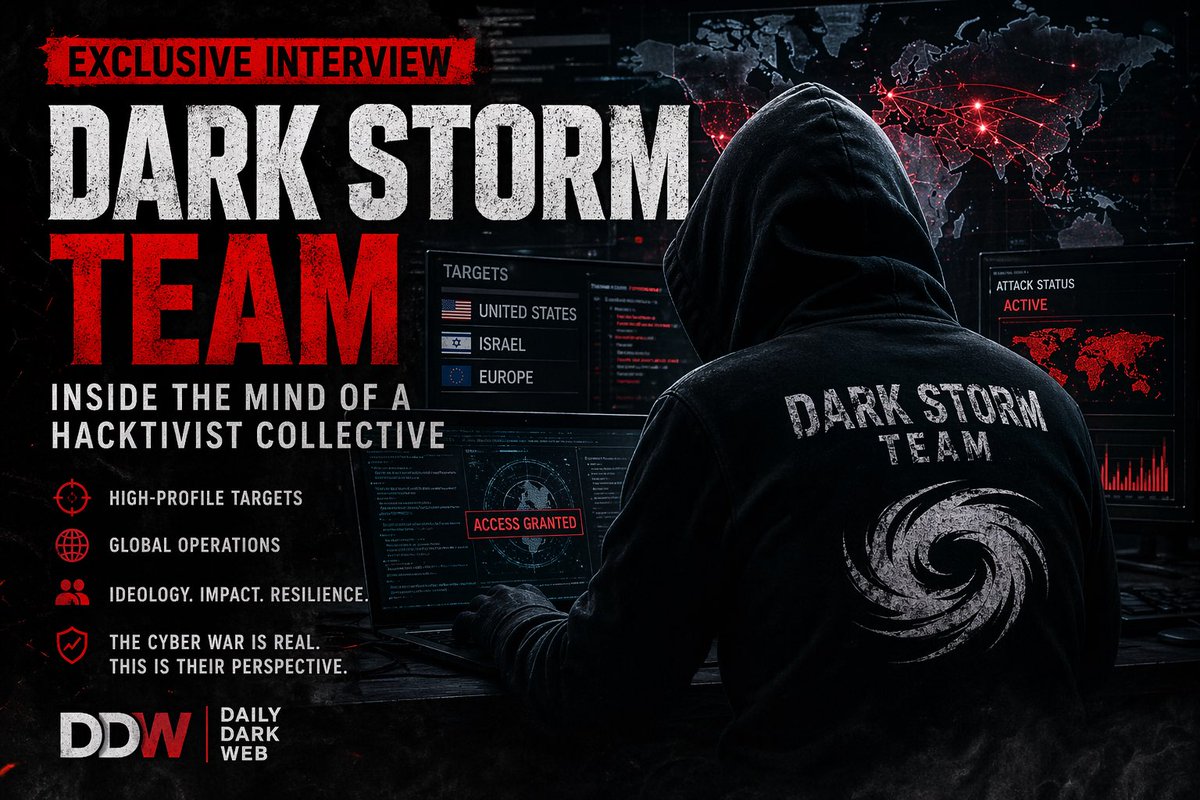
🎙️EXCLUSIVE: Dark Storm Team Interview
We spoke directly with the group behind recent high-profile cyber operations.
This is not endorsement. This is visibility into how they think.
⸻
Q: How would you define Dark Storm Team today, hacktivists, cybercriminals, or something else?
A: We see ourselves as a group of like-minded individuals. Today, many label all hackers as cybercriminals, but we consider ourselves hacktivists driven by ideological motivations.
⸻
Q: What differentiates you from groups like KillNet or Anonymous-affiliated actors?
A: It’s better to judge us by effectiveness. Operations targeting major platforms already demonstrate our level.
⸻
Q: Can you walk us through a recent operation?
A: We won’t disclose operational details to avoid strengthening defenses. In general, we rely on a mix of social engineering, intelligence gathering, and specialized tooling.
⸻
Q: How do you ensure your claims are credible?
A: Verification is challenging due to limited reporting, but independent cybersecurity experts have validated some of our activities.
⸻
Q: What are your primary attack methods?
A: A combination, including DDoS, exploitation, and credential access.
⸻
Q: Tools, public, private, or custom?
A: All of the above. We use open-source tools, external resources, and our own developments.
⸻
Q: How is your team structured?
A: There is leadership, but members can change. Alignment in mindset is key.
⸻
Q: What role do ideology or geopolitics play?
A: A major role. Our operations are heavily influenced by political and ideological perspectives.
⸻
Q: Are defenders getting better?
A: It varies. Strong security requires investment, not every organization prioritizes it.
⸻
Q: Most challenging targets?
A: Time constraints, defensive countermeasures, and resource limitations.
⸻
Q: How do you manage OPSEC?
A: We focus on minimizing digital footprints and maintaining strict operational discipline.
⸻
Q: How do you respond to skepticism?
A: Skepticism is natural. Attribution and impact are often difficult to prove publicly.
⸻
Q: Do you collaborate with others?
A: Yes. We work with other groups, including newer alliances like “Armenian Code.”
⸻
Q: Biggest misconception about your group?
A: That our operations are ineffective.
⸻
Q: If organizations want to avoid being targeted, what should they do?
A: (Response reflects their viewpoint), targeting decisions are influenced by multiple factors, including perceived alignment and impact.
⸻
Audience Q: Do you choose targets based on vulnerability or symbolic value?
A: We prioritize targets based on potential impact, then identify the path to reach them.
⸻
Audience Q: How do DDoS attacks impact large tech companies?
A: The objective is to bypass defenses or identify weaker parts of infrastructure.
⸻
Final Note (DDW):
This interview reflects the group’s claims and perspective. Attribution in cyber operations remains complex, and not all claims can be independently verified.
⸻
4
40
112,497

Apr 15
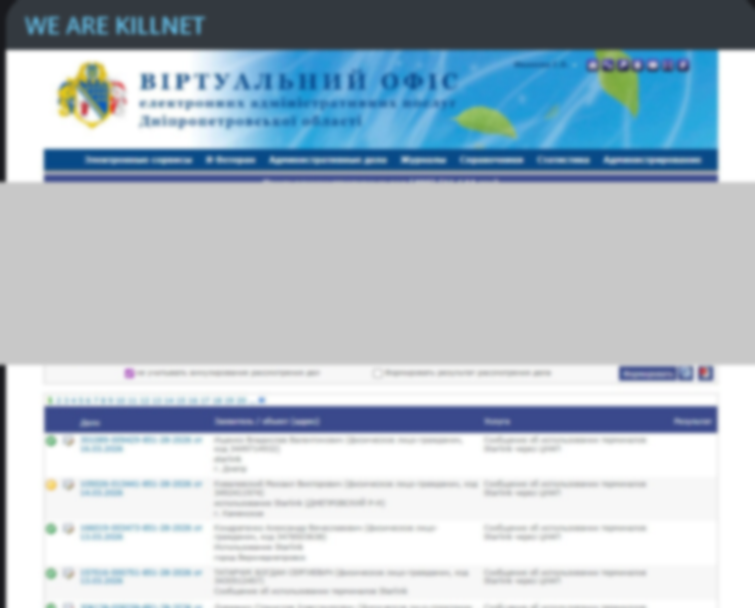
🚨 SECURITY ALERT: ALLEGED INFILTRATION OF UKRAINIAN ADMINISTRATIVE SYSTEMS (KILLNET) 🇷🇺⚔️🇺🇦
A post has been detected from the pro-Russian hacktivist group Killnet (forwarded from the channel of their leader, KillMilk), in which they claim to have compromised a state administrative services portal in Ukraine. Visual evidence points to the "Virtual Office of Electronic Administrative Services" for the Dnipropetrovsk region.
🏢 Allegedly Affected Entity: CNAP (Center for Administrative Service Provision) of the Dnipropetrovsk region, Ukraine.
👤 Threat Actor: Killnet / KillMilk.
📂 Nature of Data: Information regarding administrative records and citizens.
📅 Report Date: April 15–16, 2026.
📊 Evidence Presented: * Screenshots of an administrative case search dashboard.
Displayed are citizens' names, case numbers, and details regarding the use of Starlink terminals by civilians or local entities.
#CyberSecurity #Killnet #Ukraine #DataBreach #Starlink #Dnipropetrovsk #VECERT #Ciberseguridad #Hacking #InfoSec #CyberWar #KillMilk #CNAP
6
1,630

AWS VDP disclosed a bug submitted by killnet-edc: hackerone.com/reports/359172… #hackerone #bugbounty
1
1
12
1,650

Apr 11
Bierzemy sprawy w swoje ręce jesteśmy gotowi na związanie Sojuszu z Rosyjskim KillNet
#Squad44🇵🇱
🇵🇱🤝 🇷🇺
2
2
8
106
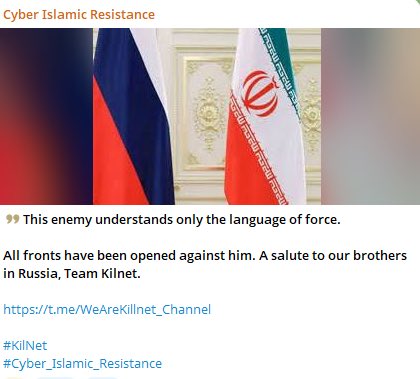
A group identifying as “Cyber Islamic Resistance” shared a message expressing support for KillNet, referencing coordinated actions and ongoing operations.
The post frames activities in geopolitical terms and signals alignment between groups.
⚠️ Such messaging is often part of influence operations and should be treated with caution.
— DDW
#DDW #CyberThreats #Hacktivism #KillNet #Infosec #CyberSecurity
1
4
3,084
Apr 8
🚨 SECURITY ALERT: CYBER THREAT COALITION 🚨
A high-level strategic alliance between the Russian cyber actor group Killnet and the Cyber Islamic Resistance group has been confirmed.
This coalition represents a significant increase in the global threat, combining the capabilities and motivations of both groups. High-impact, coordinated joint operations are expected.
#CyberSecurity #Killnet #CyberIslamicResistance #ThreatIntelligence #Cyberattack #Hacking
1
1
7
1,313

Apr 2
⭕️♨️
ه•• ━━━━━ ••●•• ━━━━━ ••
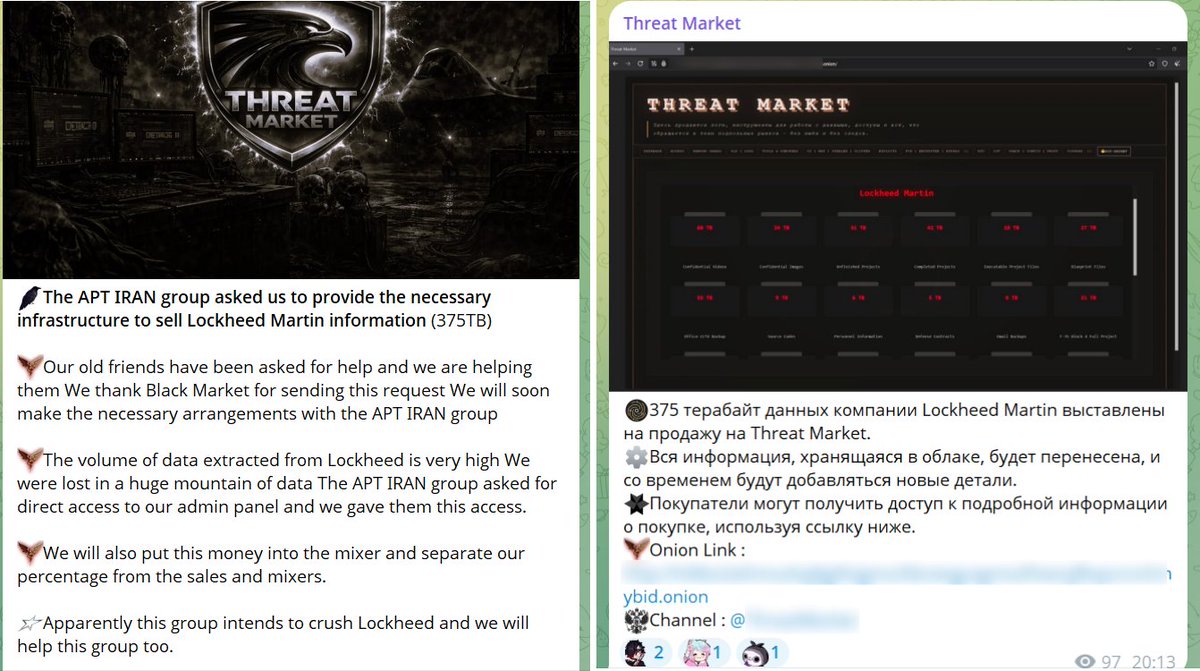
حساب على تليجرام يدعي سرقة 375 تيرابايت من البيانات من شركة لوكهيد مارتن ويعرض البيانات للبيع مقابل مبلغ يصل إلى 600 مليون دولار !!
ه•• ━━━━━ ••●•• ━━━━━ ••
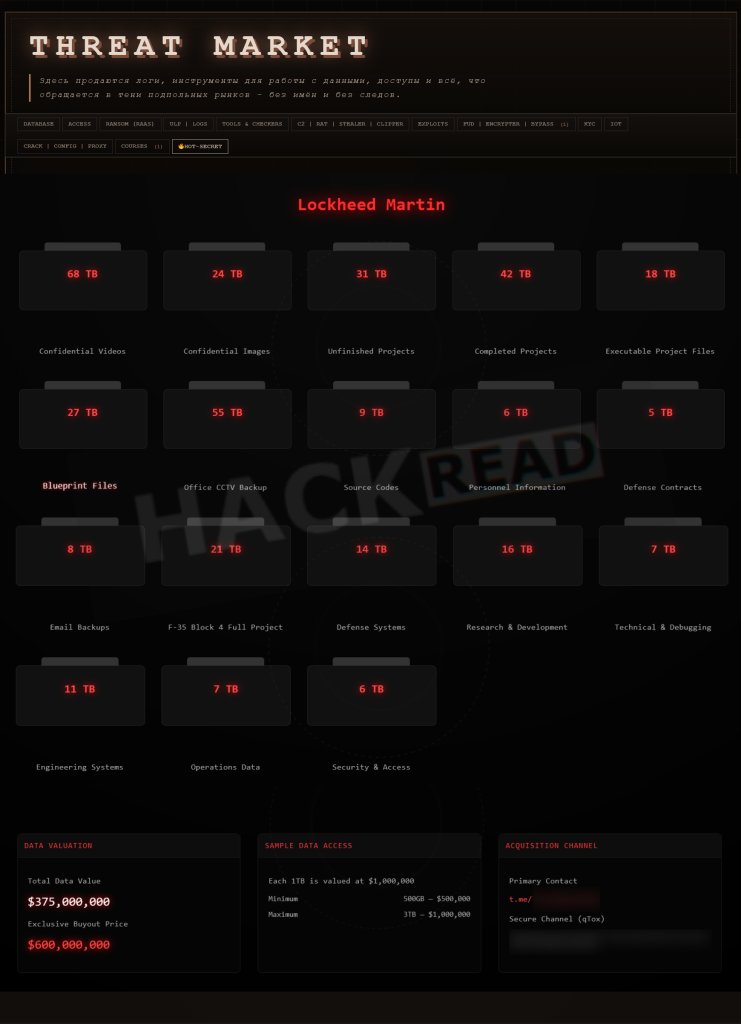
زعم قراصنة سيبرانيون أنهم سرقوا كمية هائلة من البيانات تعود إلى شركة لوكهيد مارتن، أكبر شركة أسلحة في العالم وشركة أمريكية متخصصة في صناعة الطيران والفضاء. وهم الآن يعرضون هذه البيانات للبيع على الويب المظلم.بدأت الأحداث في 26 مارس 2026، عندما أعلن حساب على تطبيق تيليجرام مرتبط بسوق إلكتروني مظلم يُعرف باسم «ثريت ماركت» (Threat Market) — والذي ينشر محتواه باللغتين الروسية والإنجليزية — أنه تلقى طلباً من مجموعة تُوصف بـ«APT IRAN». ووفقاً للمنشور، طلبت المجموعة دعماً للبنية التحتية لبيع ما وُصف بـ375 تيرابايت من البيانات التي يُزعم أنها سُرقت من لوكهيد مارتن. كما أفاد المنشور بأن المجموعة حصلت على وصول مباشر إلى لوحة الإدارة الخاصة بالمنصة لتسهيل عملية البيع، وأشار إلى استخدام خلاطات العملات المشفرة لمعالجة العائدات، وهي طريقة شائعة لتعقيد تتبع المدفوعات.وبعد ثلاثة أيام، في 29 مارس، أعلن الحساب نفسه أن كامل البيانات البالغ حجمها 375 تيرابايت قد تم إدراجها رسمياً للبيع. وصف الإعلان العرض بأنه «تفريغ كامل» (complete dump) بقيمة تقدر بنحو 374 مليون دولار (374,821,400 دولار)، في حين بلغ سعر الشراء الحصري (buyout) قرابة 600 مليون دولار (598,500,000 دولار). وتظهر لقطات شاشة من السوق، حللتها موقع Hackread.com، تصنيفات لأجزاء البيانات تشمل مشاريع داخلية وشفرة مصدرية وبيانات متعلقة بالموظفين. ويُشبه هيكل العرض وطريقة تقديمه الصفحات النمطية لبيع البيانات على الويب المظلم، غير أن صحة البيانات لا تزال غير مؤكدة.ومن الجدير بالذكر أن المطالبات بانتهاكات كبيرة تشمل مئات التيرابايت ليست أمراً غير مألوف في أسواق الويب المظلم، حيث يُستخدم تضخيم الأرقام بشكل متكرر لجذب المشترين أو جذب انتباه وسائل الإعلام. ومع ذلك، فإن سعر الشراء الحصري البالغ 600 مليون دولار يُعد سابقة لم تُشهد من قبل.مطالبات متعلقة بلوكهيد مارتن من مجموعة أخرى
في الوقت ذاته تقريباً، وتحديداً في 26 مارس 2026، نشرت مجموعة تُطلق على نفسها «فريق قراصنة حنظلة» (Handala Hack Team) — والتي تُوصف بأنها مرتبطة بإيران وقد تصدرت الأخبار مؤخراً بعد اختراق حساب البريد الإلكتروني الشخصي لكاش باتيل، مدير مكتب التحقيقات الفيدرالي (FBI)، واستهداف شركة سترايكر (Stryker Corporation) — رسالة منفصلة تشير إلى موظفي لوكهيد مارتن.يختلف هذا المنشور عن ادعاء «ثريت ماركت»؛ إذ ركز على بيانات شخصية لعدد محدود من الأفراد، وتحديداً مهندسين يُزعم ارتباطهم بمشاريع دفاعية. وادعت المجموعة أنها حصلت على معلومات شخصية مفصلة وتواصلت مباشرة مع بعض هؤلاء الأفراد. كما أصدرت تهديدات ومهلة مدتها 48 ساعة مرتبطة بمطالب جيوسياسية.
لا يوجد رابط واضح بين هذا النشاط والبيانات المزعومة البالغة 375 تيرابايت. قد يكون التزامن في التوقيت مجرد مصادفة، ويبدو أن الادعائين يتعلقان بنوعين مختلفين من البيانات. ومع ذلك، ليست هذه هي المرة الأولى التي تدعي فيها مجموعة الوصول إلى بيانات موظفي لوكهيد مارتن. فقد أعلنت مجموعة الهاكرز المؤيدة لروسيا المعروفة باسم «كيلنت» (Killnet) في أغسطس 2022 أنها حصلت على معلومات شخصية تشمل عناوين البريد الإلكتروني ورقام الهواتف الخاصة بالموظفين.وفي الوقت الراهن، لا يزال الوضع غامضاً. فلا يوجد تأكيد رسمي عام من لوكهيد مارتن بشأن أي اختراق من هذا النوع، كما لم يتم التحقق من أي عينات بيانات بواسطة باحثي أمن سيبراني موثوقين.وقد تواصل موقع Hackread.com مع الشركة للحصول على تعليق.
hackread.com/dark-web-market…
1
6
521