
No, back in 1809 there was no anti-Napoleon military presence between the Pyrenees and the Austrian border, so this was the British attempting to do a largescale raid to distract Napoleon from his war with Austria and maybe damage some port facilities IIRC
2
10

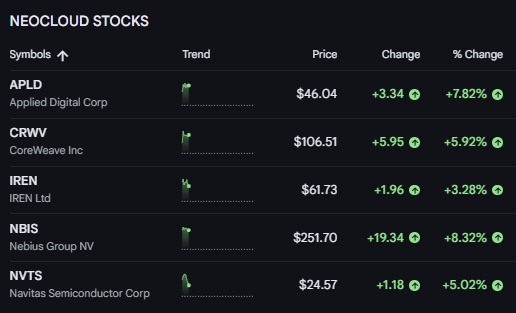
🚨 NEOCLOUD STOCKS – STRONG UNIFORM GAINS
NeoCloud / AI infrastructure names powering higher today, reflecting continued investor enthusiasm for nextgen data center and AI compute plays.
📊 TODAY’S NEOCLOUD STOCK SNAPSHOT
🟢 $NBIS (Nebius Group) — $251.70 8.32%
🟢 $APLD (Applied Digital) — $46.04 7.82%
🟢 $CRWV (CoreWeave) — $106.51 5.92%
🟢 $NVTS (Navitas Semiconductor) — $24.57 5.02%
🟢 $IREN (IREN Ltd) — $61.73 3.28%
👉 Core takeaway:
All five NeoCloud stocks finished solidly green. NBIS and APLD led the pack with the strongest percentage gains in a broadbased advance for AI infrastructure and cloud names.
📈 NEOCLOUD / AI INFRA BREAKDOWN
☁️ AI Cloud Platforms
• CRWV — CoreWeave: Specialized GPU cloud for AI training & inference
• NBIS — Nebius Group: Fullstack AI cloud with largescale GPU clusters
🏗️ Data Center Infrastructure
• APLD — Applied Digital: HPC/AI data centers GPU hosting
• IREN — IREN Ltd: Renewablepowered nextgen data centers for AI/HPC
⚡ Power Semiconductors
• NVTS — Navitas: GaN/SiC power chips enabling efficient AI data center power delivery
⚡ WHAT’S DRIVING THE MOVE
Sustained AI capex momentum and hyperscaler demand for compute capacity
Positive sector rotation into AI infrastructure beneficiaries
Strength in both pureplay cloud operators and supporting infrastructure/power names
Broader market tailwinds for highgrowth tech amid data center expansion themes
Signal:
Investor conviction in the multiyear AI buildout remains intact, lifting the entire NeoCloud ecosystem.
🔥 BULL vs BEAR
🟢 Bull Case
• Explosive demand for AI training/inference capacity driving massive GPU cloud expansion
• Power efficiency and renewable data center advantages gaining traction
• Longterm secular shift toward specialized AI infrastructure over traditional cloud
• Strong backlog visibility and hyperscaler partnerships
🔴 Bear Case
• High valuations vulnerable to any AI spending digestion or delays
• Execution risks in scaling massive data center builds
• Energy/grid constraints and rising power costs
• Potential competition from big tech’s inhouse cloud efforts
💭 CONCLUSION
NeoCloud stocks delivered a solid green session today, with NBIS and APLD standing out in a broad rally. The group continues to benefit from the unstoppable momentum in AI infrastructure spending and nextgeneration compute demand.
👀 KEY QUESTION
Will CoreWeave, Nebius, and Applied Digital’s strength signal accelerating AI cloud adoption, or will power and infrastructure bottlenecks eventually temper the sector’s rapid rise?
134

Having a name @PrinceSheikh737 we know from which thankless Kaum he comes from. Also know that this hatred for a Kaffir PM Modi who introduced Generic Medicine in India on a largescale made him pass a negative reply to this foreign lady's praise for it !
147

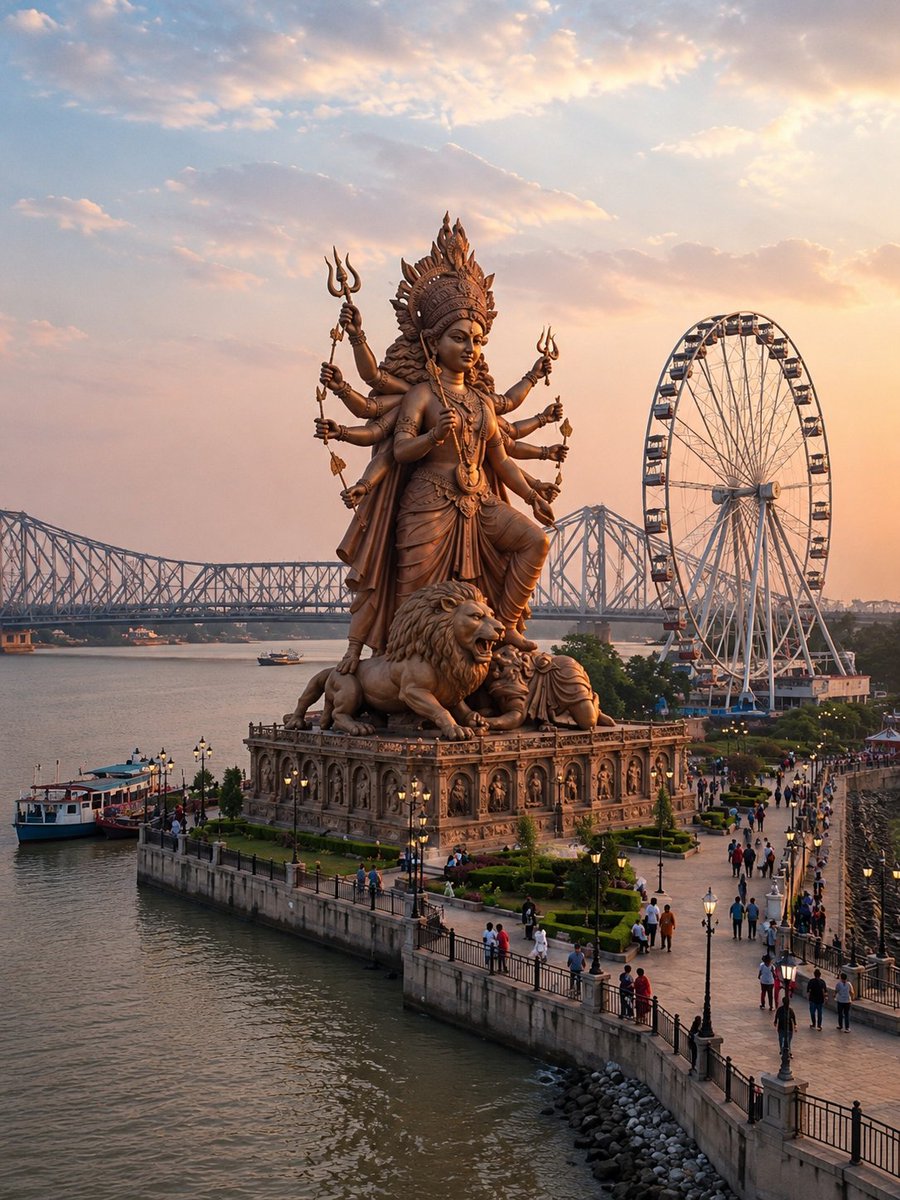
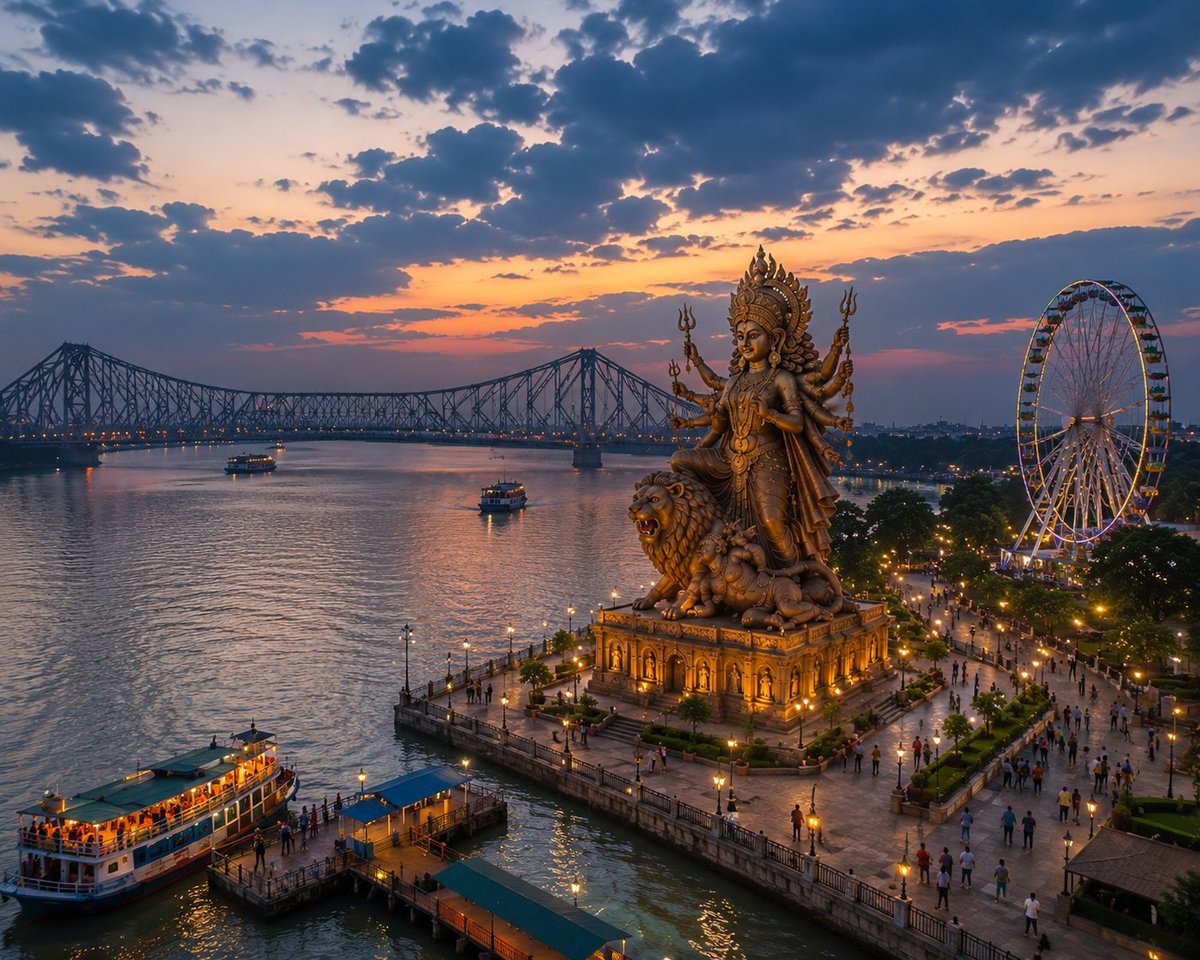
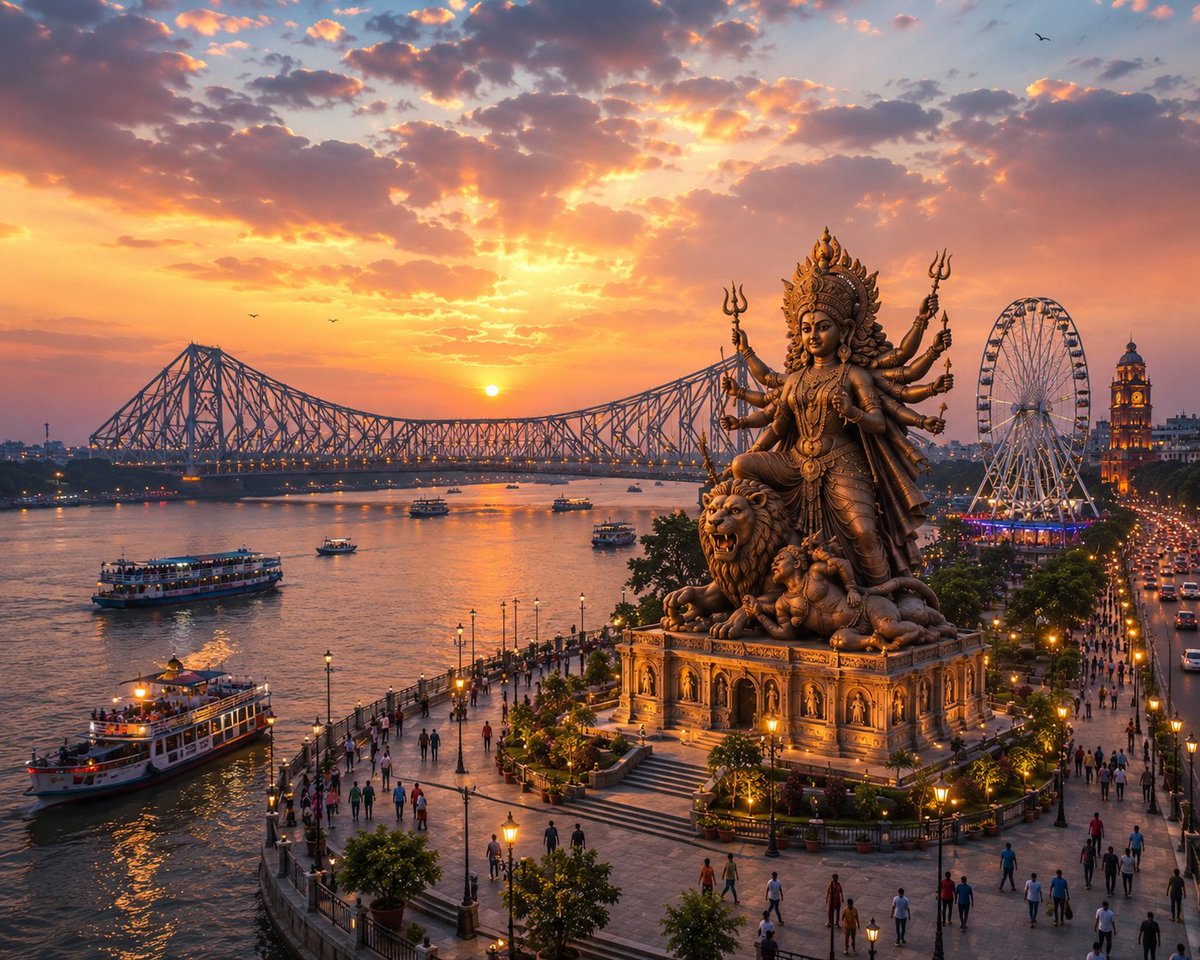
🚩 𝗠𝗔𝗔 𝗗𝗨𝗥𝗚𝗔 𝗢𝗩𝗘𝗥𝗟𝗢𝗢𝗞𝗜𝗡𝗚 𝗧𝗛𝗘 𝗛𝗢𝗢𝗚𝗛𝗟𝗬?
Recent discussions around the proposed giant Maa Durga statue near the Howrah riverfront have sparked considerable public interest.
While official designs and final visualisations are yet to be released, the project has led many to imagine how such a landmark could transform Kolkata's iconic waterfront skyline.
🌉 Howrah Bridge
🎡 Riverfront attractions
⛴️ Ferry services
🌆 Hooghly riverfront promenade
If implemented, the monument could become one of the most recognisable visual landmarks along the Hooghly, adding a new dimension to Kolkata–Howrah's evolving riverfront landscape.
📸 The images attached are independently created by me, representative visualisations and do not depict any official design, proposal or approved project rendering.
What are your thoughts on a largescale riverfront landmark of this kind?
#Kolkata #Howrah #Hooghly #Riverfront #MaaDurga #WestBengal #Infrastructure #UrbanDevelopment
10
81
2,842

14h
If only parties never indulge in appeasement, in encouraging largescale in-migration for creating 'vote bank' settling n creating newer slums, occupying roadside pavements , illegal household factories etc , the river yamuna would always remain clean & wont need such cleansing 🙏
6
Assume, for sake of argument, that America waits until the first successful Soviet nuclear test on August 29th, 1949 to act.
At that time, America responds by dropping 6 nuclear bombs, one of the Kremlin, and one on each of the 5 most important sites for the Soviet nuclear program.
The Soviets are then given 7 days to surrender unconditionally, or the second wave will begin. During this time additional America forces being moving towards the West/East German border from the homeland (again, assuming the administration didn't do anything differently before August 29th, 1949).
Assuming, for sake of argument, they do not surrender unconditionally, a second wave of 36 nuclear bombs will be dropped on major concentrations of Soviet industry.
The Soviets are then given 7 days to surrender unconditionally.
Assuming, for sake of argument, they do not surrender unconditionally, America moves to a full war footing, including a draft. Conventional forces begin probing attacks into East Germany, with ~50 nuclear bombs allocated to this theater for use in the first 3 months of operations to target concentrations of enemy forces, logistics hubs, etc, as they become available, prioritizing minimizing civilian German casualties as part of an agreement with the West Germans to get them to jointly mobilize.
In the mean time, another ~50 nuclear bombs are dropped on targets of opportunity inside Russia. Aerial campaigns drop leaflets over non-Russian territories of the USSR and its satellite states telling them that no nuclear devices will be dropped on their territory if there is a largescale effort by their soldiers to resist serving the Red Army in the conflict with the Americans, with ~10 nuclear devices allocated to making an example of one or two nations who are unusually loyal to the Red Army.
This takes us to approximately the end of 1949, by which time up to 150 nuclear bombs have been used. Russia's industrial base will have been destroyed, most of its non-Soviet and some of its Soviet satellites will have rebelled, its leadership will have been decimated and the survivors unable to spend any time in a major population center, and its defeat in a conventional war will be just a matter of time as American, German, and other allied forces press eastwards.
For reference, America possessed 110 nuclear bombs at the end of 1948, 235 by the end of 1949 (journals.sagepub.com/doi/pdf…), and 369 by the end of 1950. This would leave 85 in the arsenal even if all allocated above were used, with another 134 coming in 1950. In our timeline, the Soviets produced 1 nuclear bomb in 1949 (used in a test) and only 5 in 1950, even without their nuclear sites and industrial base being bombed.
After the defeat of the USSR, the industrial and monetary base underpinning the spread of global communism will have been removed, making Communist insurgencies elsewhere much much easier to contain, and the hot war with a Communist power would flush many Communist sympathizers out of their positions of power in the US government, media, and academia, making the post-war American political equilibrium more stably anti-Communist.
"The China Question" would be subject of much discussion, but cut off from global trade, without a Soviet start to its nuclear program, and aware of the consequences of trying to develop nuclear weapons, China could be contained indefinitely.
3
2
11
518

Jun 14
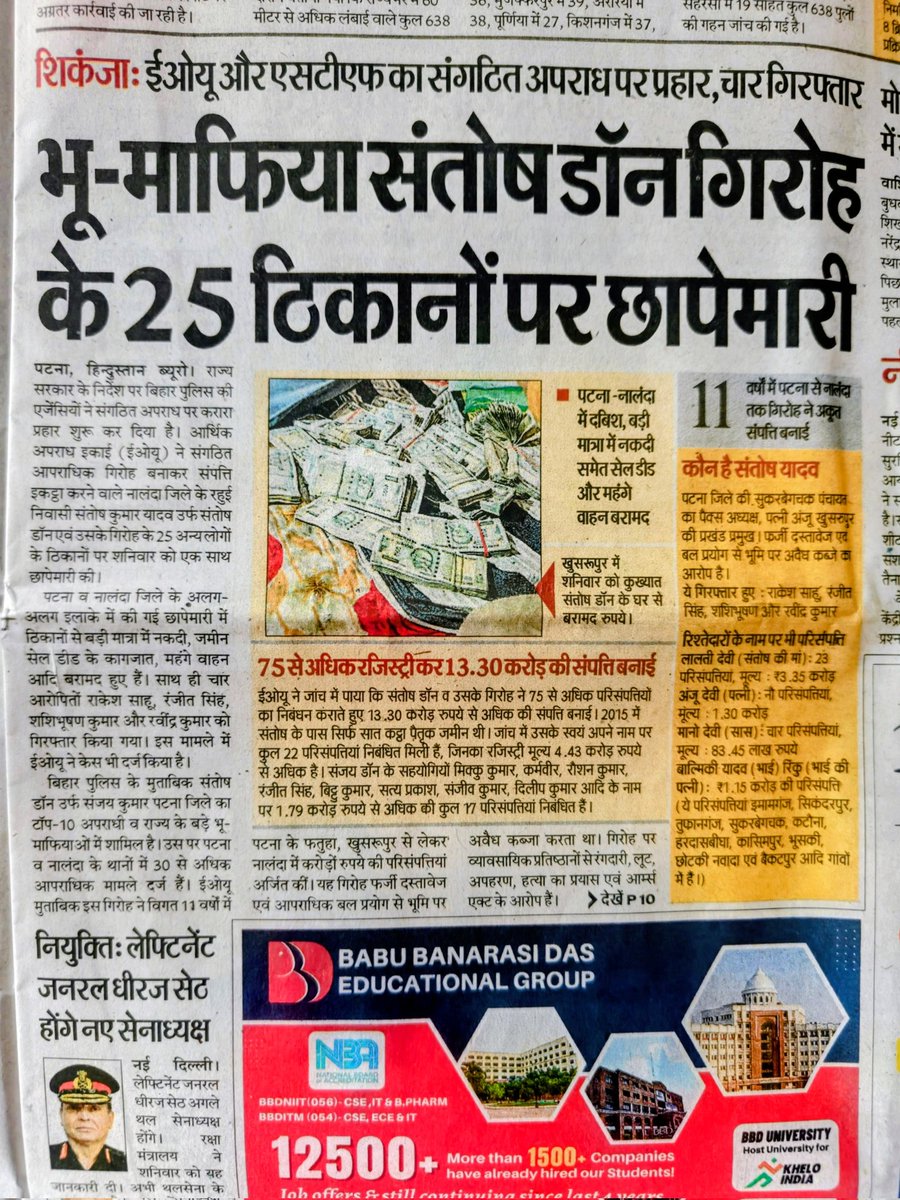
BJP RULE IN BIHAR with JDU Land Mafias/VideshiSharab Taskar,FCI/SFC transportation Scam,FakeCurrencyDealer GHANSHYAM Choudhary of NAYABAZAR,NARIYAR ROAD,SAHARSA,Bihar Tarnishing Image of CM-Bihar as actively involved in Mafiosi & nefarious designs of EconomicOffence on LargeScale
Jun 14

@PMOIndia
S.O.S: बिहारका सबसेबड़ा भू-माफ़िया,विदेशीशराब,गांजाड्रग्स,
जालीनोटोंतस्करी,FCI/SFC ट्रांसपोर्ट PDS अनाज़घोटाले का मास्टरमाइंड घनश्यामचौधरी,सहरसा,एककटघरेमें पानबीड़ी सिगरेटगांजापूड़ियाबेच 1000Cr. की नामी-बेनामीसम्पति,सरकारीकर्मचारी/ राजनीतिक क्षत्रछाया कीजाँच-कार्रवाईहो
21

Jun 14
Yes, which is why largescale production like that should only be possible through a massive communal effort---because so many ppl think it's worth their society's resources to do it that they contribute
One person shouldn't have the power to unilaterally make that choice
1
13

Jun 14
when i say tangiblity i mean they can say "i have built/made something". wether that be a legacy (small or largescale), a
sense of a personal idealism realised or conquered some challenge. but modern society, ignoring all culture war aspects, is...
1
1
11

Jun 14
😭😭😭😭😭😭😭😭😭
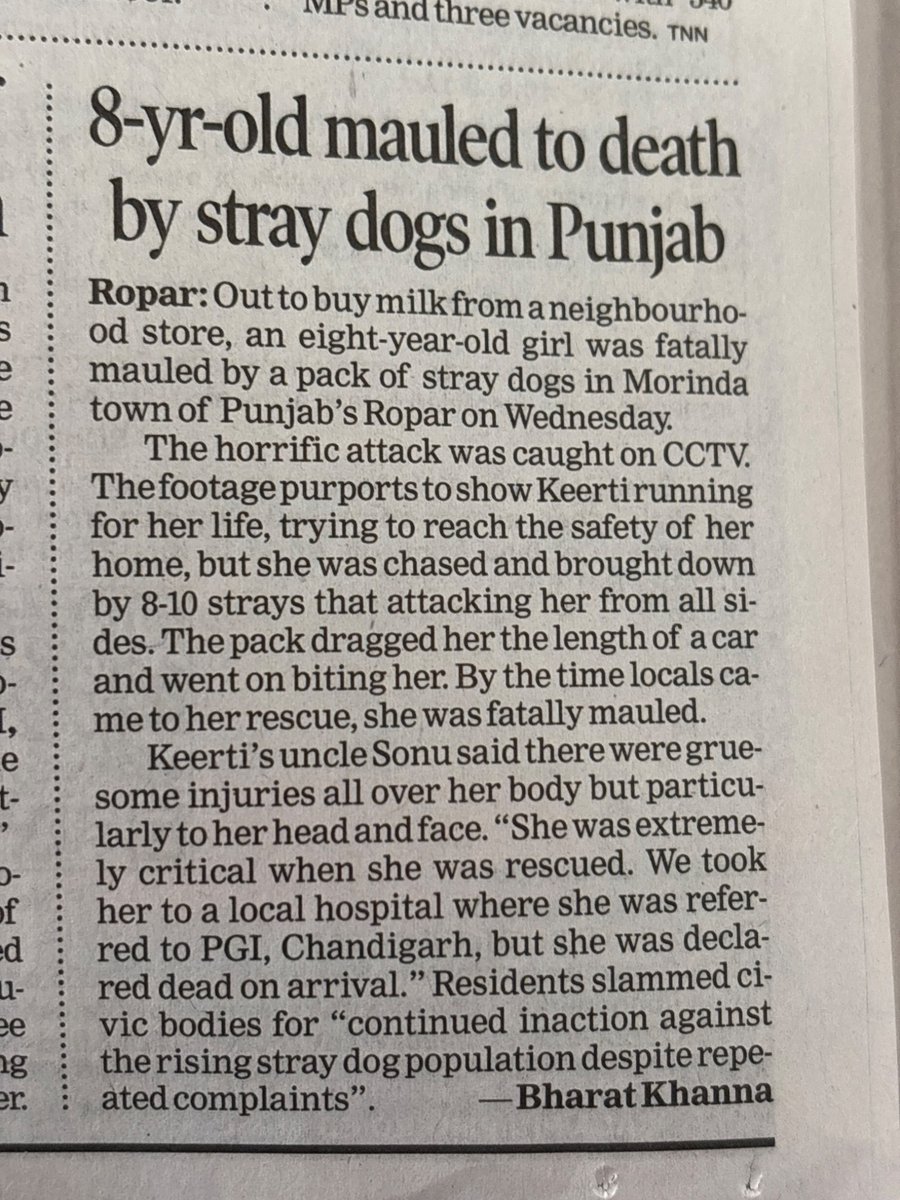
Now where are the dog lovers?
What we need is the largescale culling of strays. Hope the courts take a more positive view about it.
Jun 14

8-10 dogs killing an 8-yr-old girl
Mauled to death! Imagine the horror of the little girl.
Shouldn’t every single dog in the pack be put down?
1
7
Jun 14
😭😭😭😭😭😭😭😭😭
Now where are the dog lovers?
What we need is the largescale culling of strays. Hope the courts take a more positive view about it.
1
1
25
Jun 14
They are #recolonisationfetishists. They miss being colonised by the Brits and actively support colonisation by Islam.
On a side note, if you want to hurt the refugee welcome hydra, cancel any trade union membership you have. They are largescale funders.
1
4
63

Jun 14
While citizens struggle under crushing inflation, leadership is once again leaning on largescale external financing through CPEC Phase 2
#FailedStatePakistan
It is delay tactic tht deepens dependency instead of fixing structural economic failure
@Vedmalik1 @LtGenDPPandey
7

#TMCOppression: Mamata n Abhisek r two sides of the same coin. They r equally guilty for all misdeeds of TMC goons including largescale corruption,loot,rape n killings of BJP workers in WB at their command. Targeting 'bhaipo' only, 'pisi' can't considered a holy cow.
13

Jun 13
The "peace" that will be broken is a peace that never was cemented in the first place. However there will be announcements made and deals brokered in future that appear to bring a form of peace to hitherto insurmountable conflicts.
I can't give a detailed sequential breakdown of events that will unfold but can give general outlines. The next Great War has already started but it is a strange type of war in that it doesn't appear to be a largescale kinetic type of war (as of yet) which we are familiar with from the past.
This war is being fought unconventiinally and will be using "asymetric" warfare that involves weapons that are designed to appear as "natural disasters". We have yet to see these openly and fully but that is what we shall see later on. America shall suffer most profoundly from this type of asymetric warfare.
So at the time in future when a new wave of peace appears to be secured it is only a facade. The various beligerent parties will be utilising that respite period to prepare for unprecedented asymetric warfare.
#FatimaSecrets
1
26

Because Daegu lacks largescale tourist Infrastructure
2
8
2,919

it's so gradual it's like at first it's largescale body placement then general poses and by the end theyre making the same exact movements
3

Jun 13
So, virtually all his money is only based on what people think his companies are worth. Almost none of it is liquid, as any largescale sale of stocks would instantly tank the price, so in reality he's not even really a trillionaire, but it's kind of a fun thing to say he is.
x.com/i/grok?conversation=20…
47

Jun 12
You and I both know that republican leadership knows there isn't largescale cheating, maybe if leadership didn't throw gas on the fire they could lead their base to a more accurate perception of reality.

Jun 12
Detective Inspector Rachel Miskelly, from the Police Service’s Organised Crime Branch, said: “Oliver MacCormack is one of four men to have been sentenced in recent months as a result of a largescale investigation into human trafficking for sexual exploitation."
2
5
364