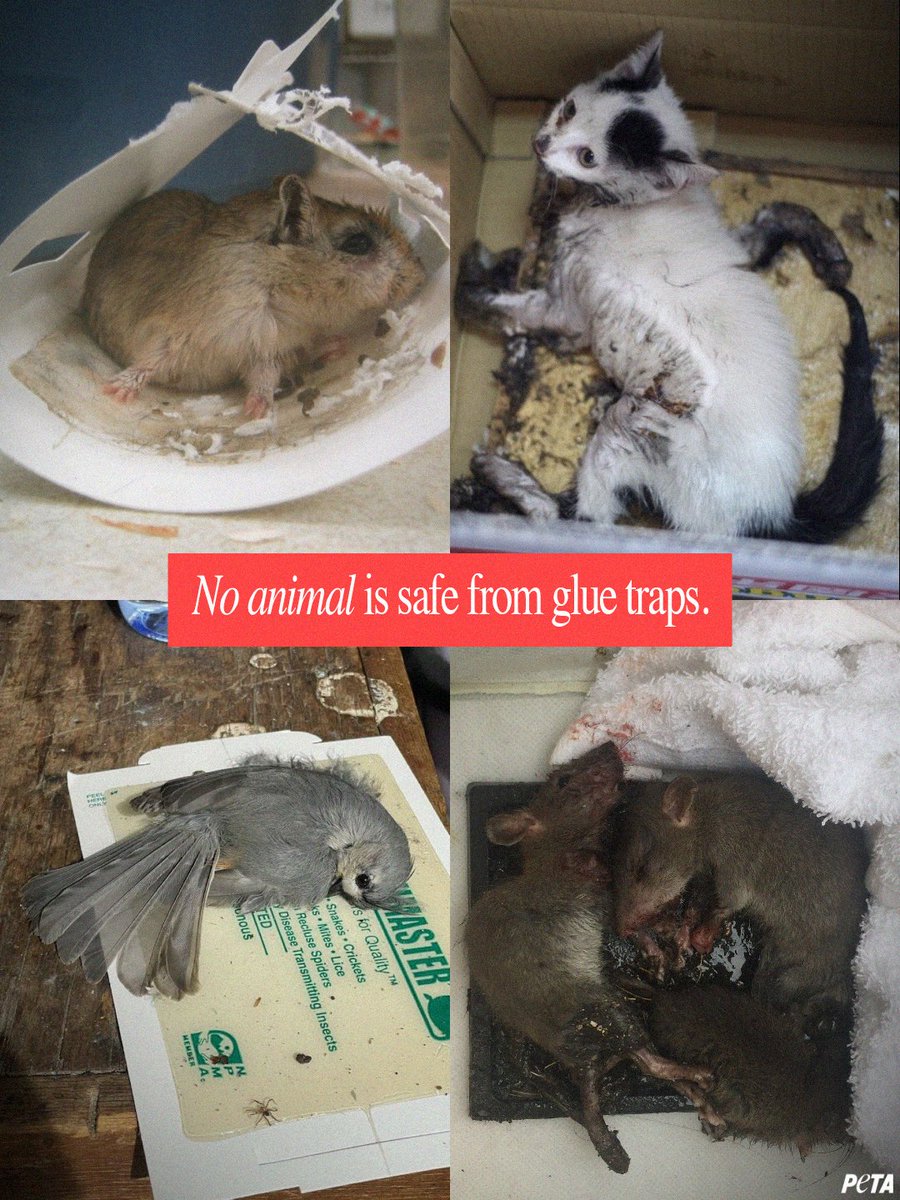
Mice, rats, birds, lizards, cats, & other animals can get stuck on glue traps for days. They may starve, tear out their fur or feathers, or desperately chew through their own limbs to escape.
It doesn't have to be this way! Use humane traps instead: peta.vg/47pe
10
117
214
2,955

552 👉 Dailyartpiece
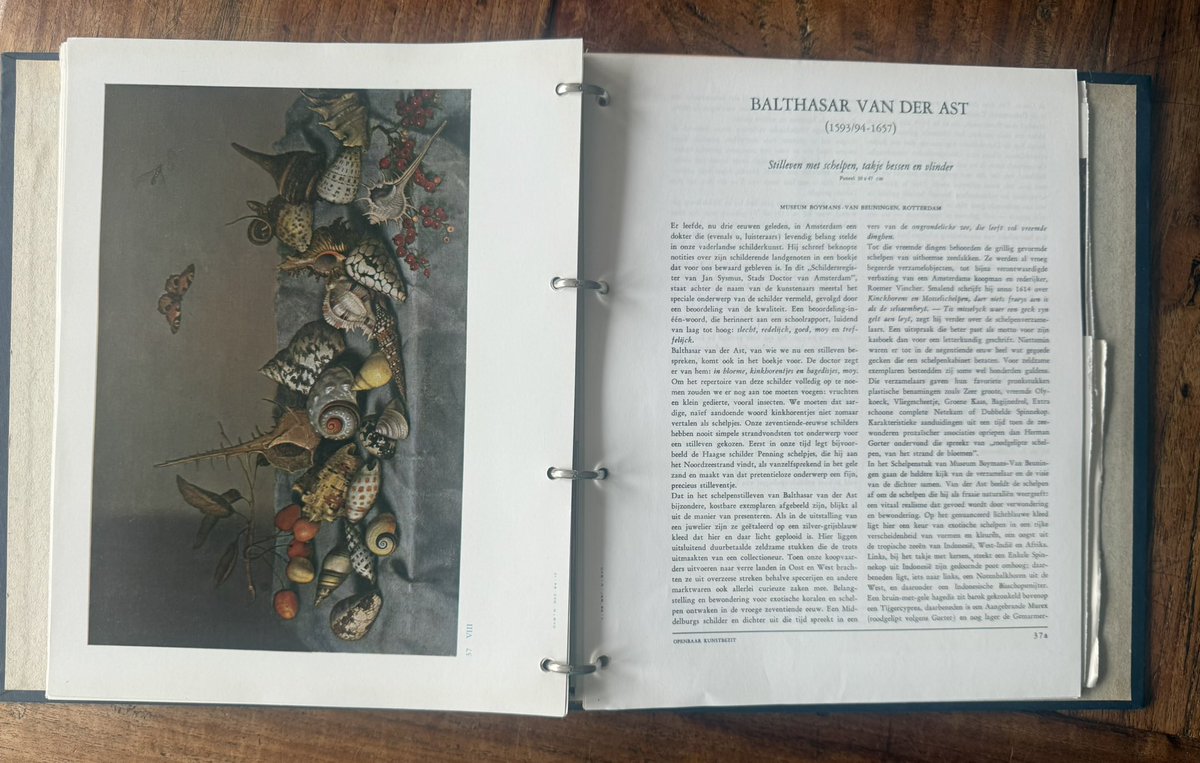
Balthasar van der Ast (1593/1594 – 7 March 1657) was a prominent Dutch Golden Age painter specializing in still lifes, particularly of flowers, fruit, shells, insects, and lizards. He is often regarded as a pioneer in the genre of shell still life painting.
Early Life and Training
Born in Middelburg in the province of Zeeland (Dutch Republic), van der Ast came from a prosperous merchant family. He was orphaned young after his father’s death in 1609. He then lived with his older sister Maria and her husband, the influential still-life painter Ambrosius Bosschaert the Elder, who became his teacher and major influence.
Bosschaert’s precise technique and symmetrical compositions are evident in van der Ast’s early works. Around 1615–1616, he likely moved with Bosschaert to places like Bergen op Zoom and Utrecht. In Utrecht, he was further influenced by Roelandt Savery, whose softer tonality and interest in exotic elements (including shells and insects from his own garden) shaped van der Ast’s evolving style. He registered as a master painter in Utrecht’s Guild of Saint Luke in 1619.
Later in life, he settled in Delft, where he lived until his death in 1657. He taught notable pupils, including Jan Davidsz. de Heem.
Artistic Style and Themes
Van der Ast’s paintings blend the vibrant, detailed floral precision of Bosschaert with Savery’s more atmospheric and tonal approach. Key characteristics include:
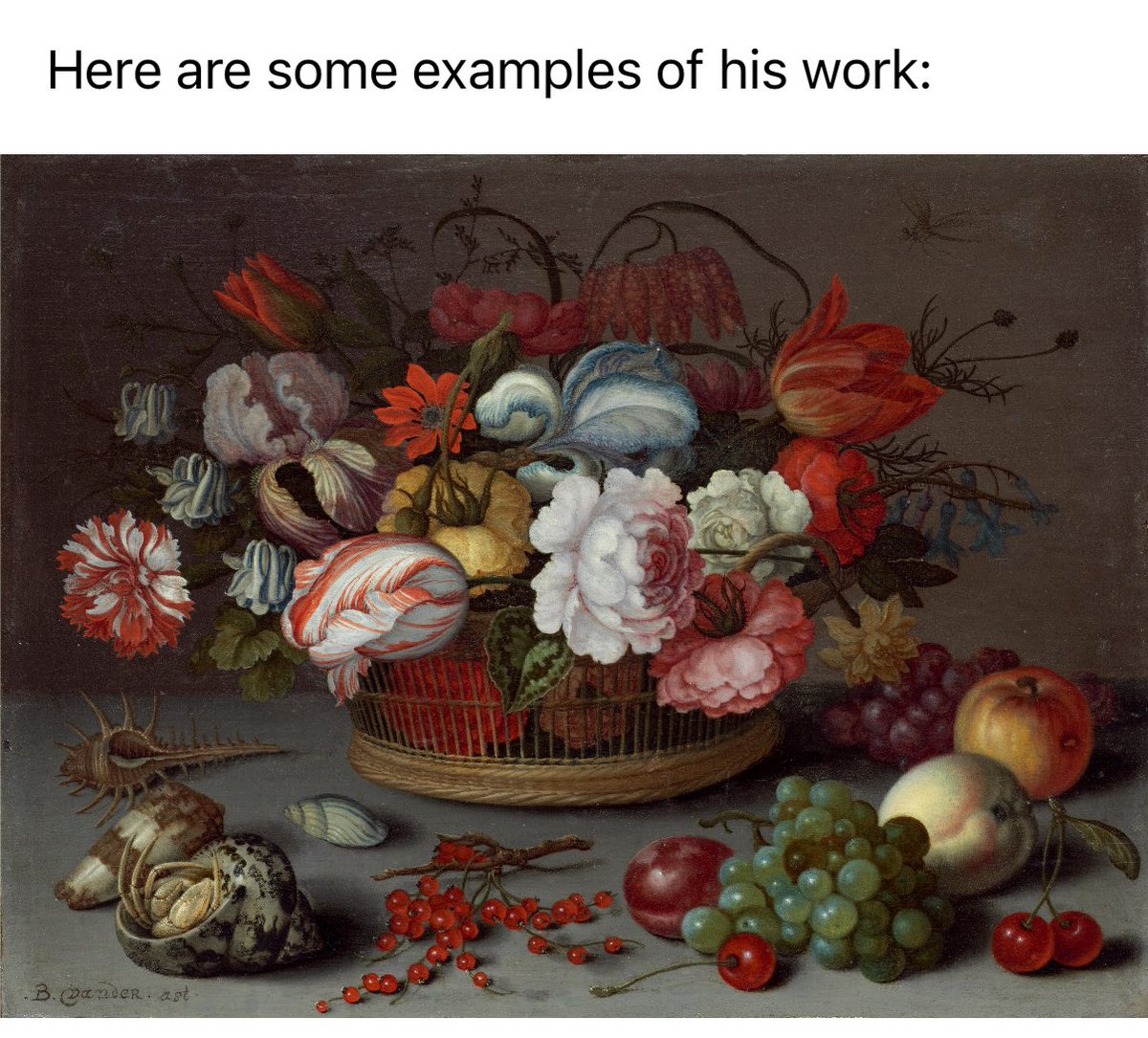
•Detailed still lifes — Bouquets of flowers (often tulips, roses, carnations), fruits in various stages of ripeness (symbolizing the transience of life), exotic shells, insects, and small creatures like lizards or butterflies.
•Symbolism — Common vanitas elements (e.g., wilting flowers, insects) reflecting the fleeting nature of beauty and life.
•Composition — Often arranged on tables or in baskets/vases, with careful attention to light, texture, and realism. He frequently included rare or exotic items popular during the Dutch Golden Age’s trade era.
An Amsterdam doctor once summarized his oeuvre poetically: “In flowers, shells and lizards, beautiful.”
Notable Works
Some of his well-known paintings include:
•Basket of Flowers and Basket of Fruits (c. 1622, National Gallery of Art, Washington, D.C.)
•Fruit Still Life with Shells and Tulip (1620, Mauritshuis, The Hague)
•Vase with a Single Tulip (1625, Mauritshuis)
•Chinese Vase with Flowers, Shells and Insects (1628, Thyssen-Bornemisza Museum, Madrid)
•Flowers in a Vase with Shells and Insects (c. 1628, National Gallery, London)
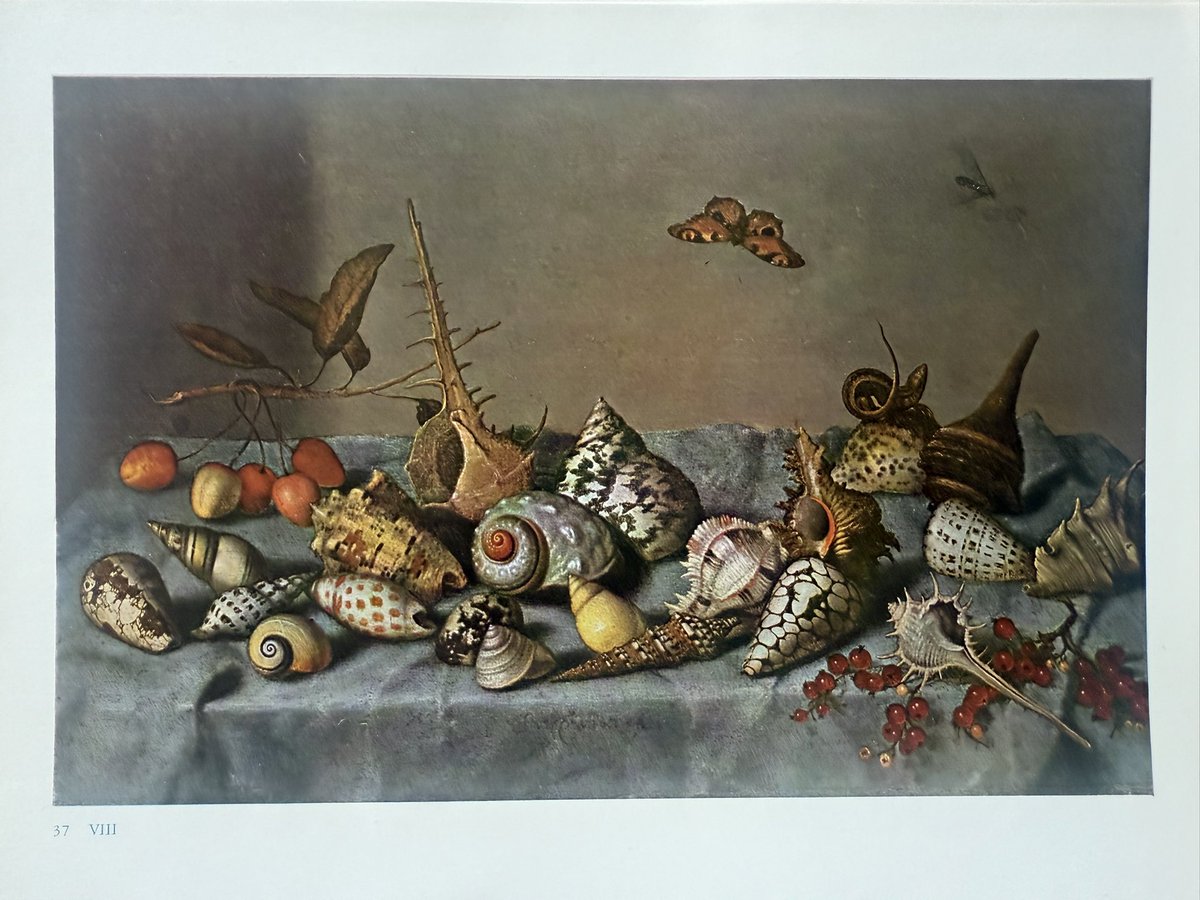
•Still Life with Shells (1640, Museum Boijmans Van Beuningen, Rotterdam)
Legacy
Van der Ast contributed significantly to the development of Dutch still-life painting during the Golden Age. His works are held in major museums worldwide, including the Mauritshuis, National Gallery of Art, and others. Though not as widely known today as some contemporaries, his meticulous observation of nature and innovative inclusion of shells helped expand the still-life genre.
His paintings remain prized for their technical brilliance, vibrant colors, and evocative symbolism.
Art 👉 Stilleven met schelpen, takje bessen en vlinder

551 👉 Dailyartpiece
Ernst Ludwig Kirchner (May 6, 1880 – June 15, 1938) was a German painter, printmaker, and sculptor, widely regarded as one of the most important figures in German Expressionism.
He co-founded the influential artists’ group Die Brücke (“The Bridge”) in 1905 in Dresden, which helped pioneer Expressionism by rejecting academic traditions in favor of raw emotion, bold colors, and distorted forms.
Early Life and Die Brücke
Born in Aschaffenburg, Bavaria, Kirchner initially studied architecture in Dresden (graduating in 1905) but was drawn to art. He was largely self-taught as a painter and printmaker.
Along with fellow architecture students Fritz Bleyl, Erich Heckel, and Karl Schmidt-Rottluff, he formed Die Brücke. The group sought to “bridge” the past and future, drawing inspiration from primitive art, African and Oceanic sculptures, medieval woodcuts, and the works of artists like Vincent van Gogh and Edvard Munch.
Their style featured intense, non-naturalistic colors, angular lines, and energetic brushwork. They often worked collaboratively, shared a studio, and explored themes of modern urban life, nudes, and landscapes.
Move to Berlin and Peak Period
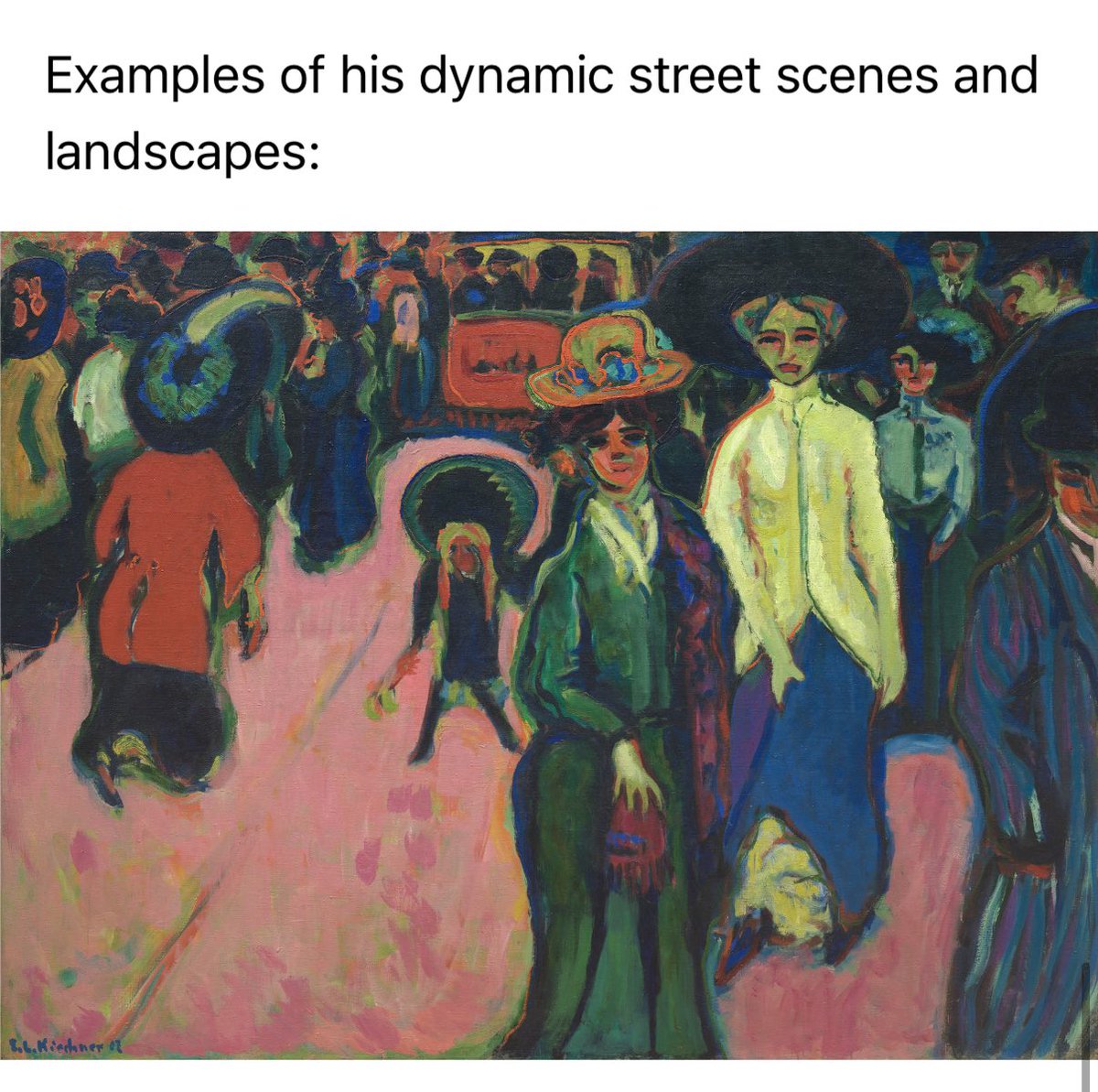
In 1911, Kirchner moved to Berlin, where he produced some of his most iconic works, including vibrant, frenetic street scenes that captured the hustle and alienation of city life (e.g., Street, Berlin, 1913).
His paintings from this era often feature elongated figures, bold contours, and a sense of psychological tension.
World War I and Later Life
Kirchner volunteered for military service in 1914 but suffered a nervous breakdown and was discharged. This experience deeply affected him; his famous Self-Portrait as a Soldier (1915) shows him in uniform with a severed arm (symbolizing creative impotence) and a nude figure in the background.
He moved to Switzerland (near Davos) for health reasons and continued painting mountain landscapes, which became more stylized and colorful over time.
In the 1930s, the Nazis labeled his work “degenerate art” (Entartete Kunst), confiscating and destroying hundreds of his pieces. This, combined with ongoing health issues, led him to commit suicide by gunshot in 1938.
Artistic Style and Legacy
Kirchner’s work is characterized by:
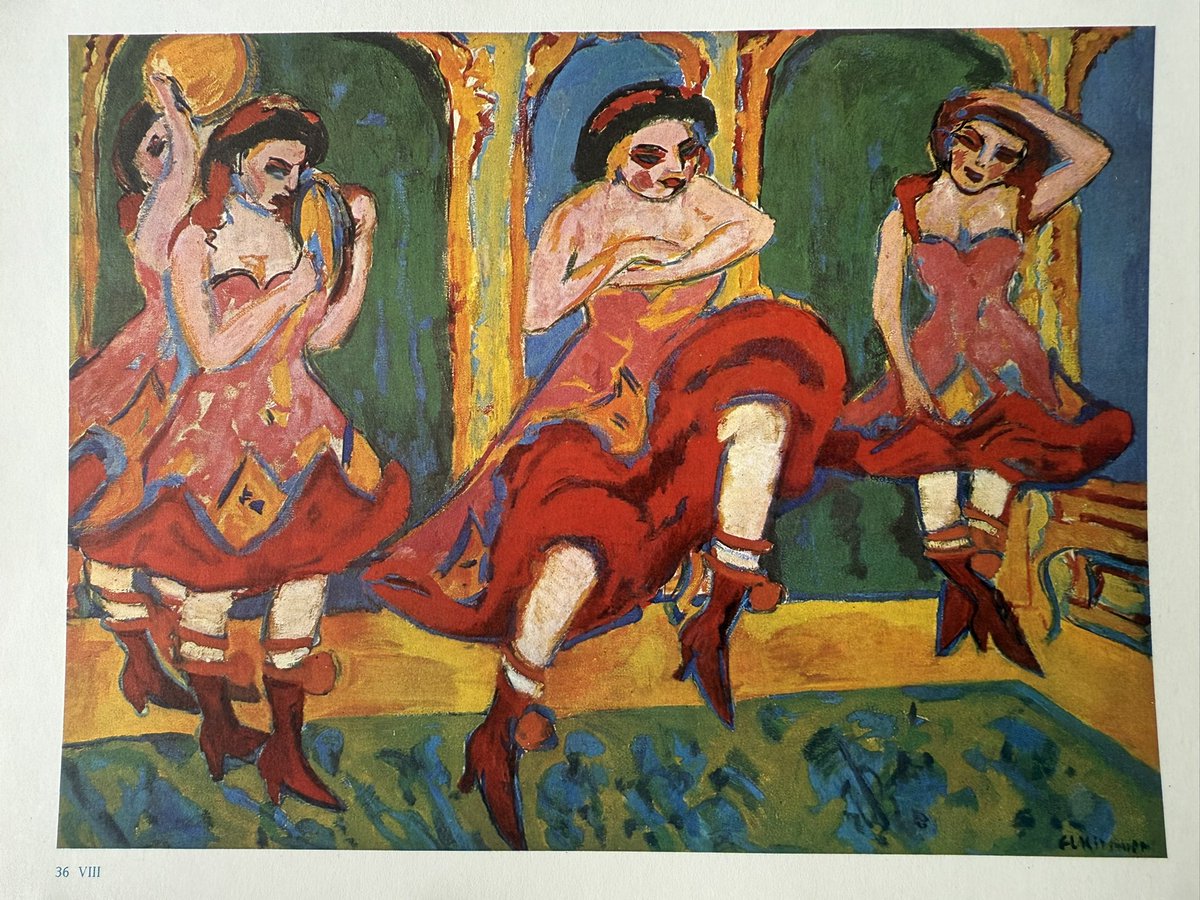
•Vibrant, unnatural colors (often clashing reds, blues, greens, and yellows).
•Distorted perspectives and forms to convey emotion rather than realism.
•Subjects ranging from nudes and dancers to urban crowds, portraits, and alpine scenes.
•Mastery of printmaking (woodcuts) and some sculpture.
He produced hundreds of paintings, prints, and drawings. Major works include Street, Dresden (1908/1919), Self-Portrait as a Soldier (1915), and various Berlin street scenes.
His art influenced later movements and remains a cornerstone of 20th-century modernism. Collections of his work can be found at institutions like the Museum of Modern Art (MoMA), the Brücke Museum in Berlin, and the Kirchner Museum in Davos.
Kirchner remains celebrated for his raw emotional intensity and his role in breaking from tradition to capture the anxieties and energies of the modern age.
Art 👉 Czardas- danseressen 1907

4

Lord, I have sinned. Im sorry, Lord, I will continue. Big booty lizards want to get me.
4
DUDU of CORNCITY retweeted

Wait i thought pythons were the only reptiles protected by tradition in some Igbo communities.
Are monitor lizards also considered sacred in certain placesor is this a misconception
What's the story behind it?
11
14
119
57,198

CK retweeted

Mar 23
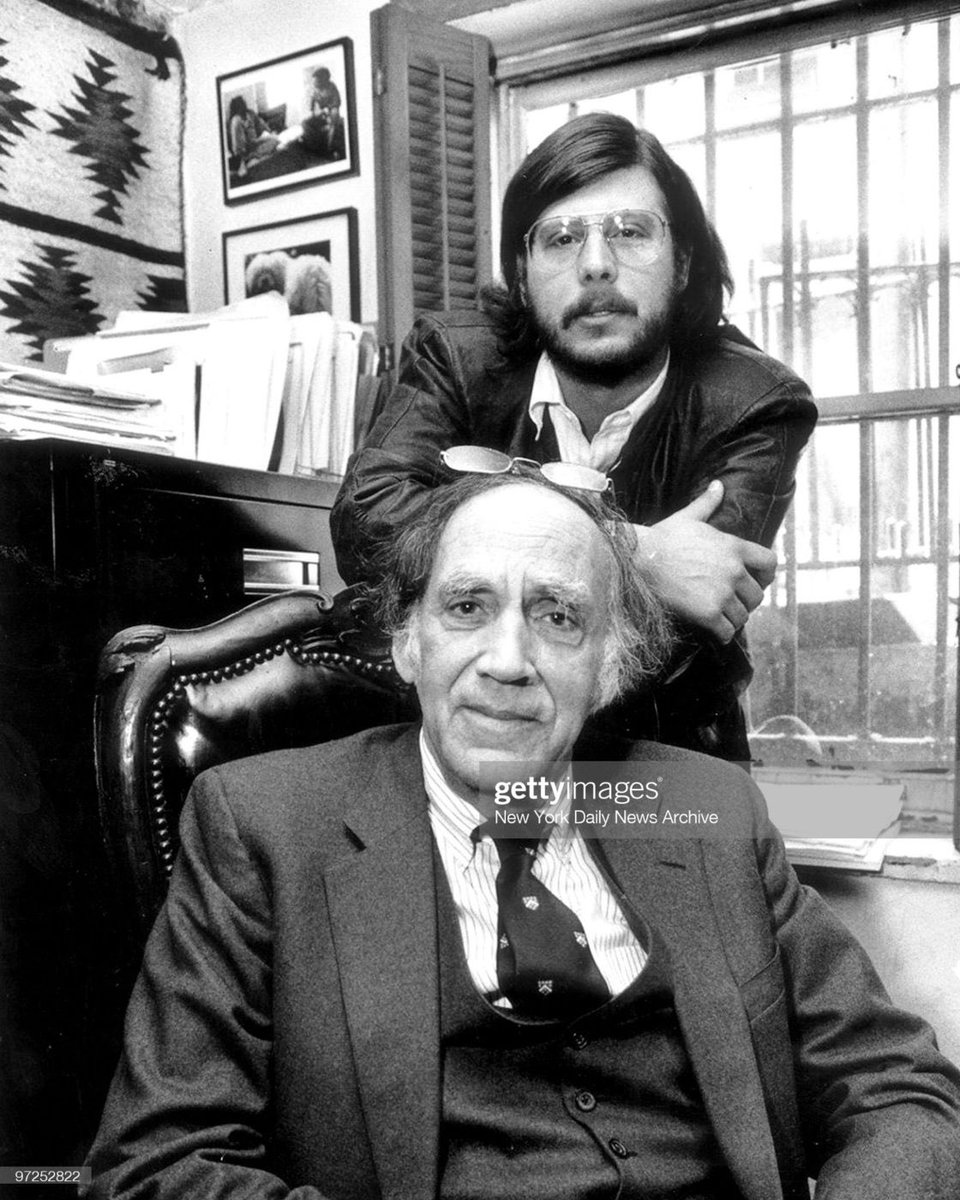
The two scumfuck lizards who gave us the “Black Rage” defense for Ferguson in ‘95.
3
6
87
1,132






23m
RT @Ruby26233: Estas son las weas que me molestan, no te vi decir algo cuando esta misma semana lizards atacaba a Jennie por su presentació…
13

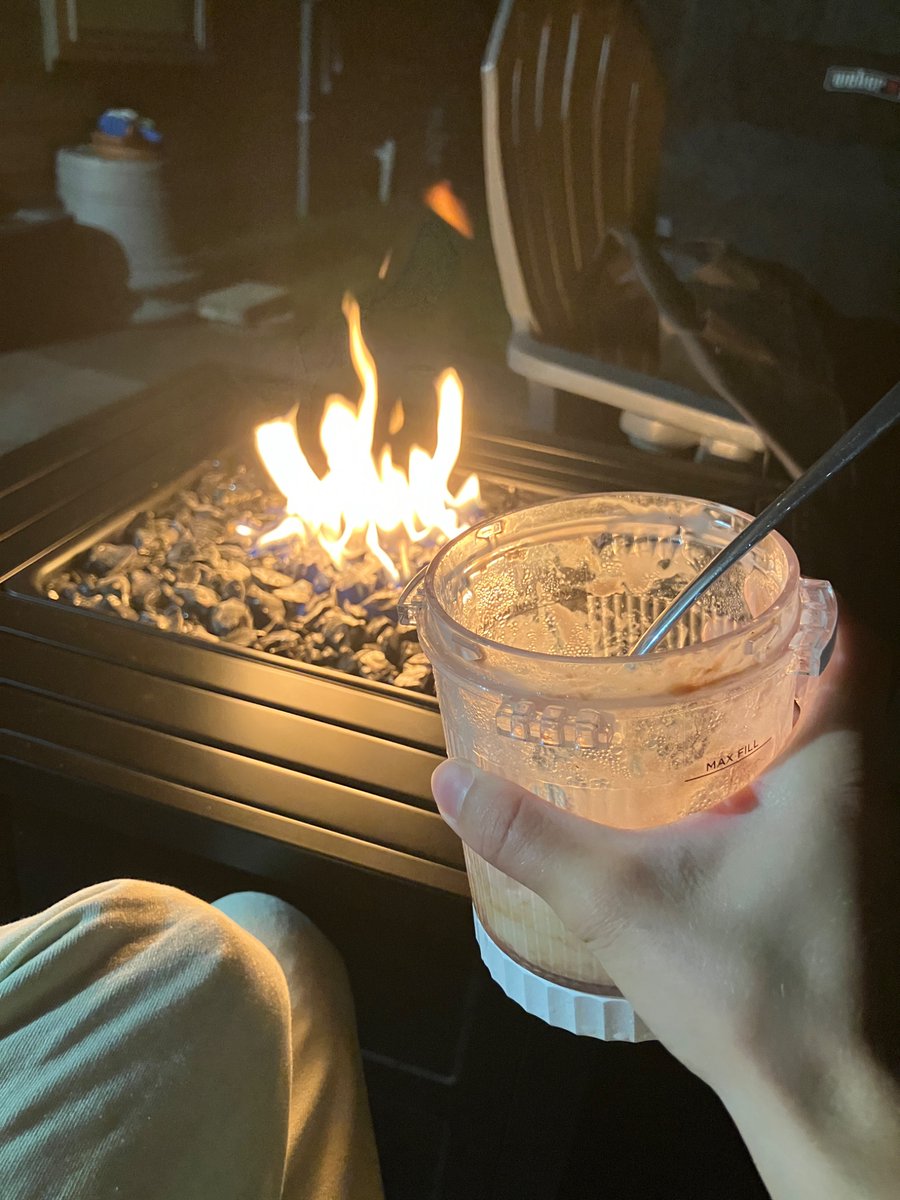
I was just eating ice cream by the fire at 1am, when suddenly I am surrounded by one very active roach, two stalking lizards, one wayward junebug (who hit me twice) and a surprising toad
6

RT @Ruby26233: Estas son las weas que me molestan, no te vi decir algo cuando esta misma semana lizards atacaba a Jennie por su presentació…
13
Afif Masfiqo retweeted

50,000 PiPet Genesis Lizards SOLD OUT in just 10 minutes! 🤯🦎
Despite server congestion due to the overwhelming global enthusiasm, the community consensus was unstoppable! Proud to witness this incredible achievement. The rise of Web3 is real! 🇮🇩🔥
#ICP2EBlitarRaya #PiPet #PiNetwork #NFT @PiSuperChain

1
2
6
Smerjipoo🪞 retweeted

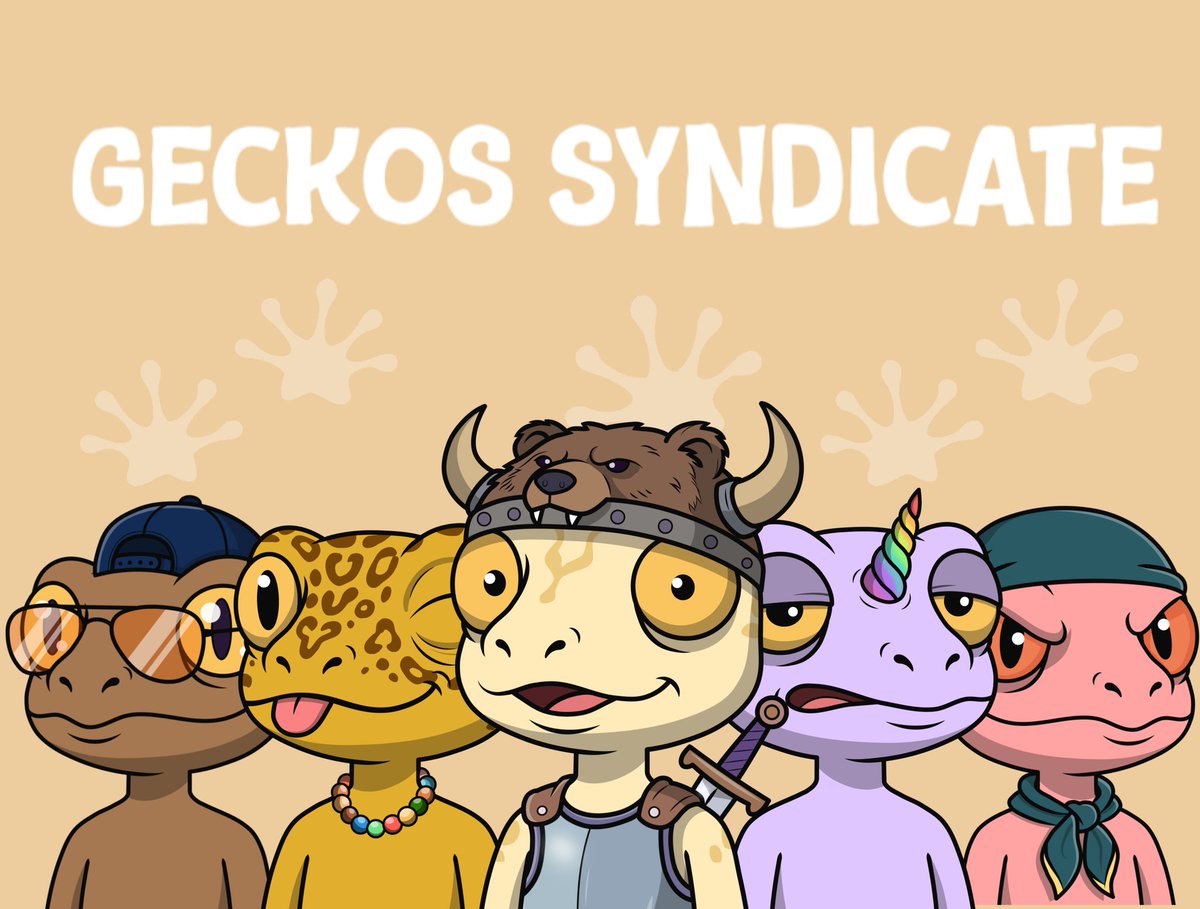
Meet the Geckos🦎
1111 unique lizards with hundreds of traits, styles, and personalities.
Soon on @ethereum
Like RT & Drop your wallets
523
584
2,401
16,991