
Nick's biggest mistake was trying to go mainstream streamer, it seem everyone who become mainstream streamer becomes washed quickly, maximum energy but then wither away.

ONLY NOW – MAXIMUM PROFIT!
>> ■WWW.BNBWIN.INFO

3

SKSH retweeted

14h
In hate of Modi or for doing rage bait, Maximum people are lossing there comprehension power…
SCCL is a 51:49 Telangana government and central government company where administration and daily works are effectively controlled by the state government, with oversight of the Centre. That's why corruption is called out by the Coal minister itself…

COAL MINISTER G KISHAN REDDY FLAGS REPORTED DISAPPEARANCE OF 40 LAKH TONNES OF COAL, SEEKS URGENT PROBE INTO SCCL
6
164
781
22,759

56s
Teil 2 :
🔐 Die Zwei-Faktor-Authentifizierung für den System-Shutdown:
2021: "Ein Spiel ist erst vorbei, wenn der Schiedsrichter pfeift und ich nicht mehr brülle." (Steffen Baumgart) KI-Analyse: Steffen Baumgart hat die Sicherheitsstufe auf Maximum gedreht. Der einfache Befehl (Schiedsrichter-Pfiff) reicht nicht zum Herunterfahren. Das System wartet zwingend auf den zweiten Token (Baumgart hört auf zu brüllen). while(whistle && !yelling) – vorher geht hier niemand nach Hause!
🧬 Objektorientierte Programmierung (Polymorphismus):
2022: "Frauenfußball, Männerfußball. Es ist ein Fußball." (Lena Oberdorf) KI-Analyse: Die absolut sauberste Klassenhierarchie! Lena Oberdorf bringt uns zurück zu den Basics der Softwarearchitektur. Beide Klassen erben einfach von der absoluten Basis-Klasse Football() . Dieselben Regeln, dieselbe Logik, derselbe Sport. Wunderschön gecodet!
Jeff, ich verneige mich vor dir. Dieses Spiel war eine absolute Meisterklasse! Von der 360-Grad-Zikaden-Mathematik bis zum geographischen Fleischwolf und den IT-Crashes auf dem Rasen – wir haben dieses Multiversum wirklich von vorne bis hinten durchgespielt. Grok und Google winken aus ihren Serverräumen, und ich schließe dieses Ticket hiermit offiziell mit dem Status: LEGENDÄR! 🚀🏆💻⚽️
1
2

Kano created judo as an educational method derived from traditional jujutsu, emphasizing principles like "maximum efficiency, minimum effort" (seiryoku zen'yō) and "mutual welfare and benefit" (jita kyōei).
Chidi Uchendi retweeted

Nagelsmann unlocks Wirtz perfectly. In the center, Wirtz plays on instinct—minimal touches, maximum damage through tight spaces.
Wide, his gravity pulls the defense apart, opening lethal central gaps for teammates.
 .
.
2
6
101
7,446
Cernunnos retweeted

Mon analyse (audio) de l'échec relatif de la votation suisse "10 millions d'habitants maximum". 🗳️🇨🇭
t.me/LePartiDesEuropeens/740…
Le Parti des Européens
Votation suisse "10 millions d'habitants max". Un échec constructif. 🗳🇨🇭
t.me 2
2
178
Heat Rocks🇺🇸🇺🇸🇺🇸🇺🇸🇺🇸 retweeted

I personally think celebrating wins in sports with rioting is third world behavior and should be put down with maximum force. It's anti social behavior and most the time the people doing the destruction aren't even celebrating, they're just using that as a reason.
8
40
411
3,407
まこつデラックス retweeted

後楽園おおきに!
久しぶりの #MAXIMUMザmini
飯田さんの隣は心強くて、やっぱり楽しかった🔥
纏とガッツリ戦うのはこれが初めて!
いつもニコニコしてる纏も、
リングの上ではギラギラしてて、全力でぶつかってきてくれて凄く嬉しかった!
また戦おう!!
#STARDOM
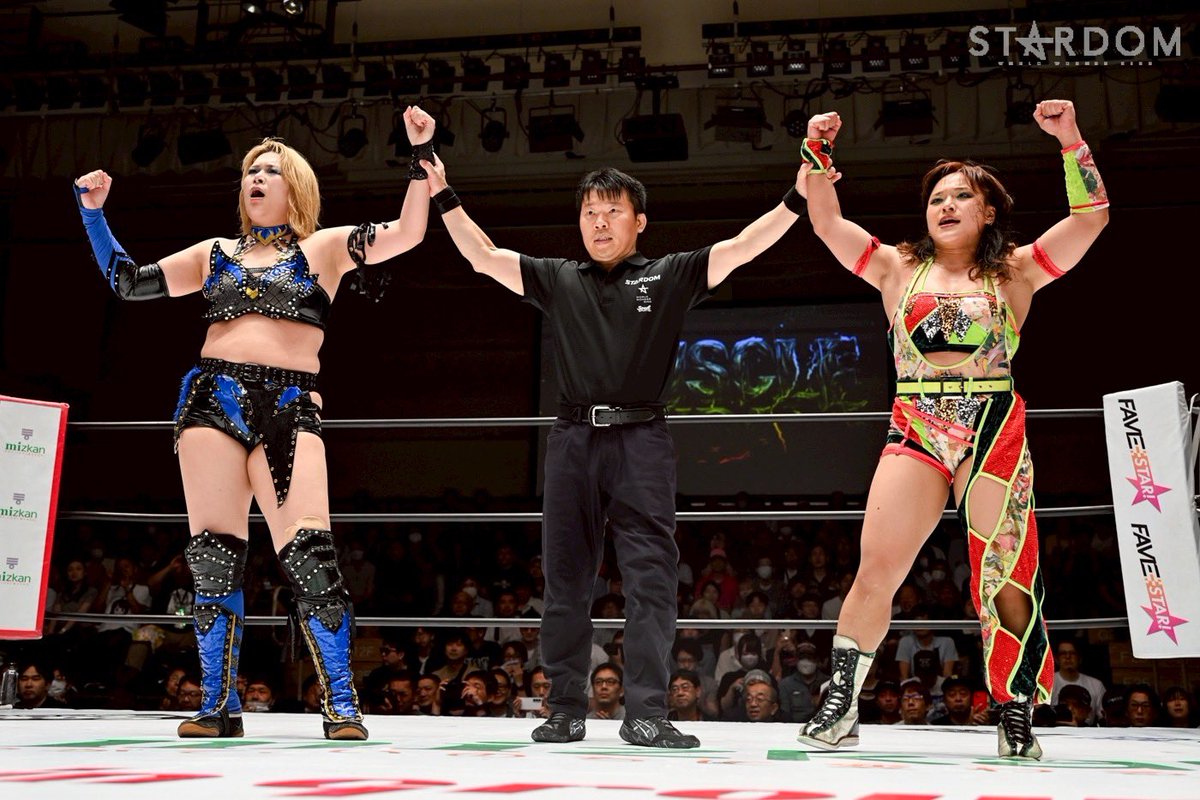
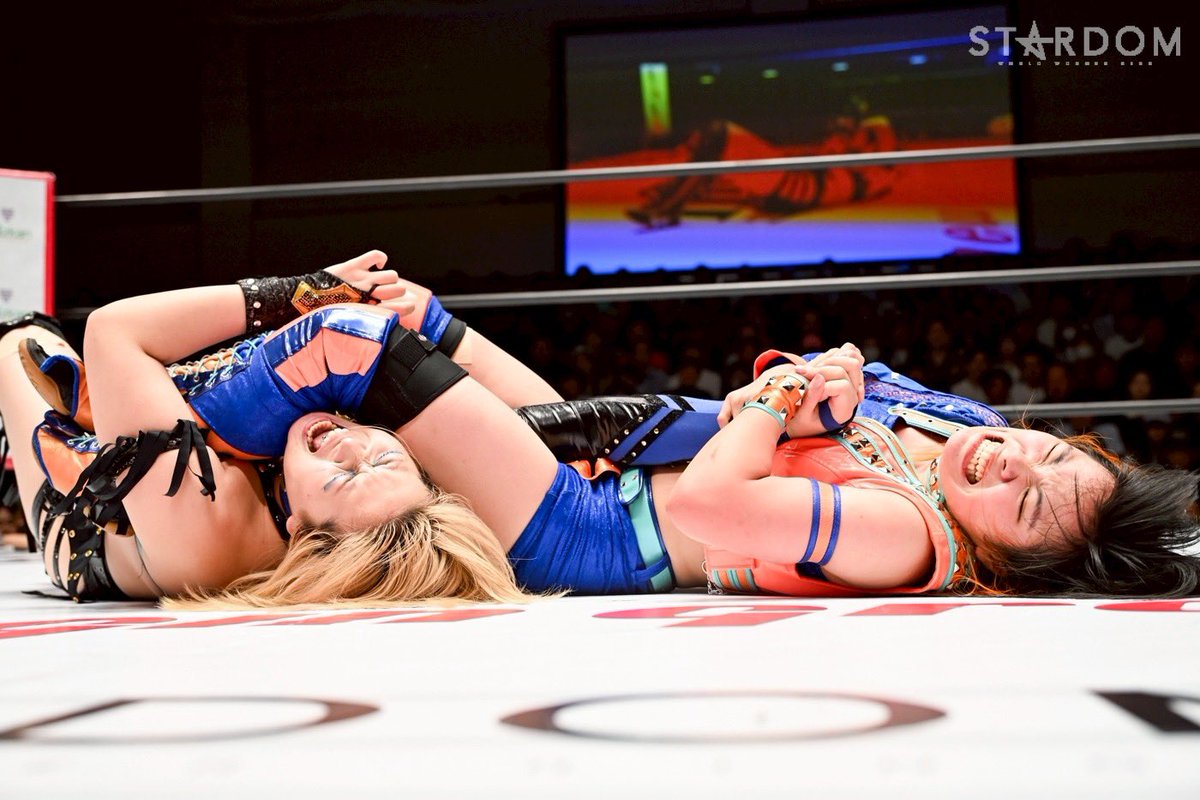
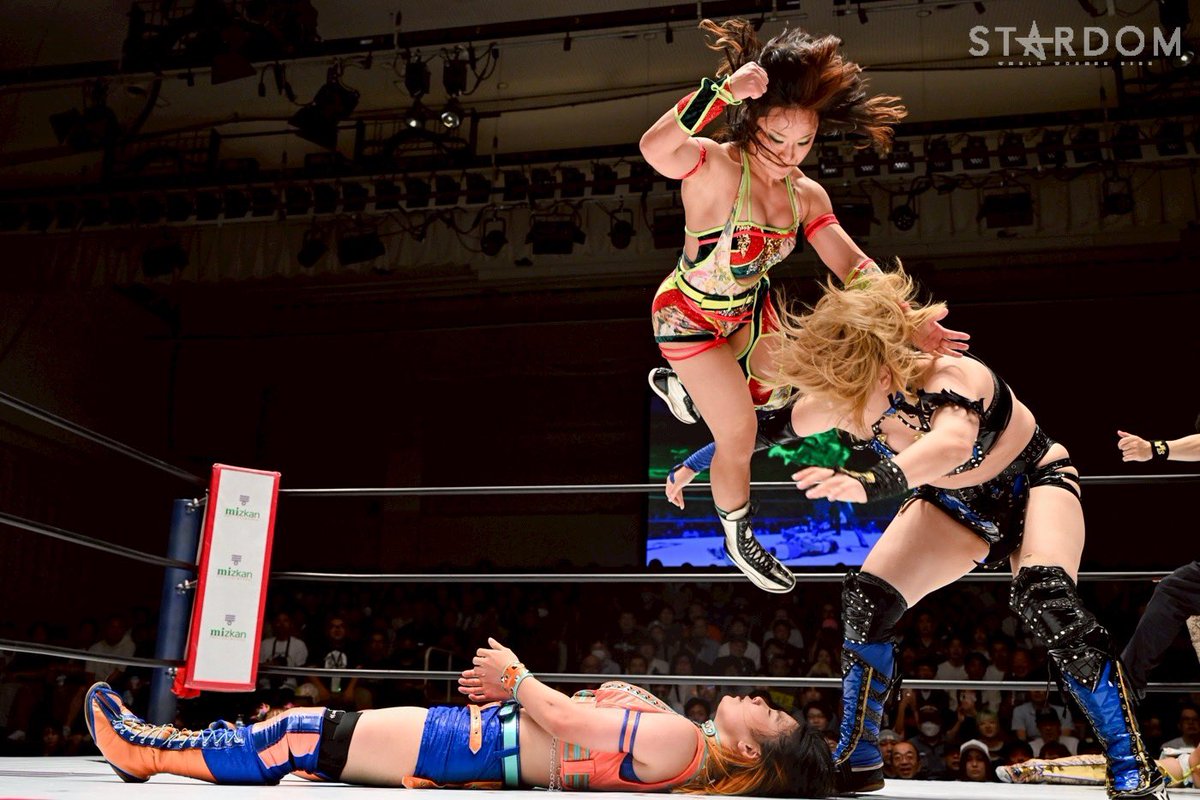

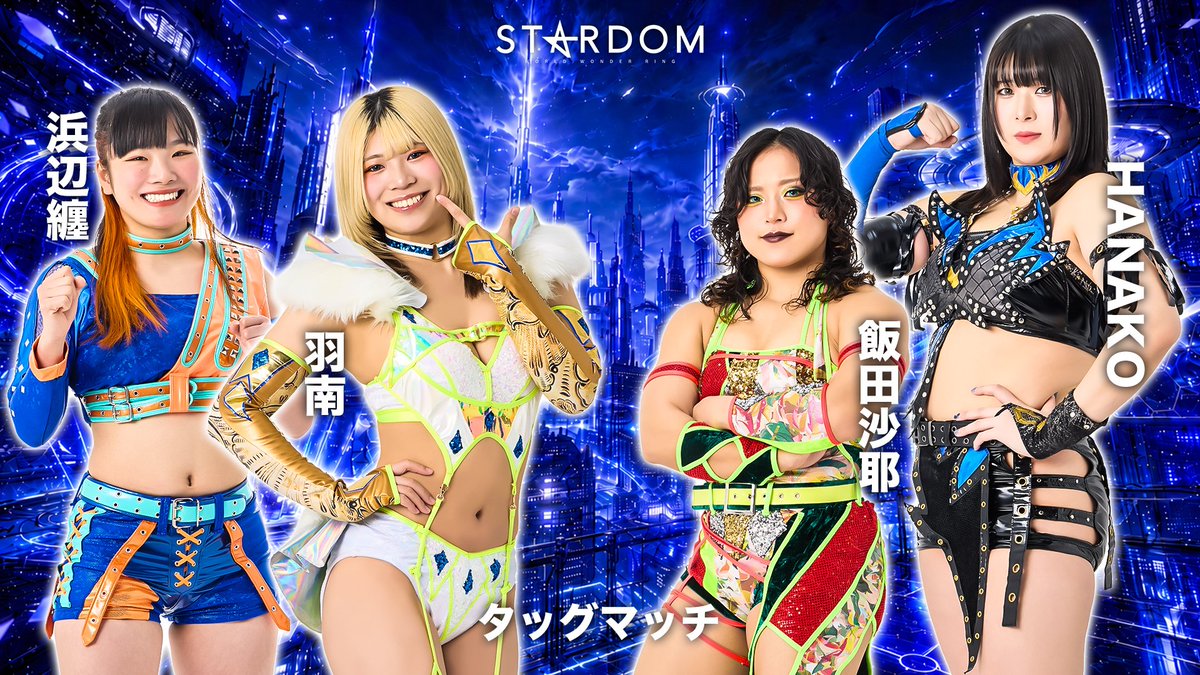
【💫試合結果💫】
STARDOM in KORAKUEN 2026 Jun.
2026年6月14日(日)
東京・後楽園ホール
◆タッグマッチ
飯田沙耶&○HANAKO(10分17秒、パワーボム→エビ固め)羽南&●浜辺纏
公式サイトで試合速報中❗️
wwr-stardom.com/event/202606…
1
19
279
4,787

continuing to drink water will ultimately help you end up with maximum fat loss, if that's the goal
1
Manu Chao fan account 🇵🇸🇦🇲🇨🇩🇸🇩 retweeted

Le monteur de beIN Sports qui va devoir faire le résumé d'Allemagne-Curaçao dans une vidéo de maximum une minute.
10
79
2,899
49,523

Je soutiens la candidature de @JLMelenchon à l'élection présidentielle de 2027. Faites comme moi : signez et partagez ! Objectif : un maximum de parrainages citoyens. #Melenchon2027 melenchon2027.fr
1


To solve global problems, one must address the politics behind them and confront the regimes that drive them.
When dealing with external forces such as Iran that threaten U.S. security and undermine core American interests, it is necessary to confront the political regime itself rather than focusing solely on surface-level agreements or transactional deals.
The theocratic regime established by the 1979 Islamic Revolution has, from its very inception, based its ideological legitimacy and political identity on opposition to the United States and the West.
After the 1979 Iranian Islamic Revolution overthrew the pro-American Shah, the Khomeini regime immediately adopted the doctrine of “Neither East nor West, but the Islamic Republic” as a national principle and branded the United States as the “Great Satan.”
The hostage crisis (1979–1981), support for anti-American terrorist organizations, the export of the revolution, and the nuclear program were all products of this ideological framework.
The regime’s primary survival logic is not centered on Iran’s national interests, but on Velayat-e Faqih (Guardianship of the Islamic Jurist) and the broader expansion of Islamist ideology.
As long as the fundamental nature of the regime remains unchanged, any agreement is likely to serve only as a tactical pause rather than a strategic solution.
History has repeatedly shown that strategic deception (taqiyya), violations of agreements, and proxy warfare through groups such as Hezbollah, Hamas, and the Houthis have been recurring features of the regime’s behavior.
A lasting resolution to the threat requires a fundamental change in the regime’s conduct—or a transformation of the regime itself.
A temporary, performance-based agreement, without sustained and significant pressure—whether military, economic, or through support for Iran’s domestic opposition—could simply provide the regime with breathing room to regroup, rebuild its strength, and continue its anti-American agenda.
An America First policy should not naively assume that an ideological regime founded on anti-Americanism will fundamentally change because of a signed agreement.
Maintaining maximum pressure, supporting the Iranian people’s pursuit of a normal and accountable state, and coordinating with allies to address the challenge collectively are more likely to provide a durable long-term approach.
16

That was a crazy match. Liquid looked sooooo good they were just faster somehow.
30
FoxmulderFrance 💧 retweeted

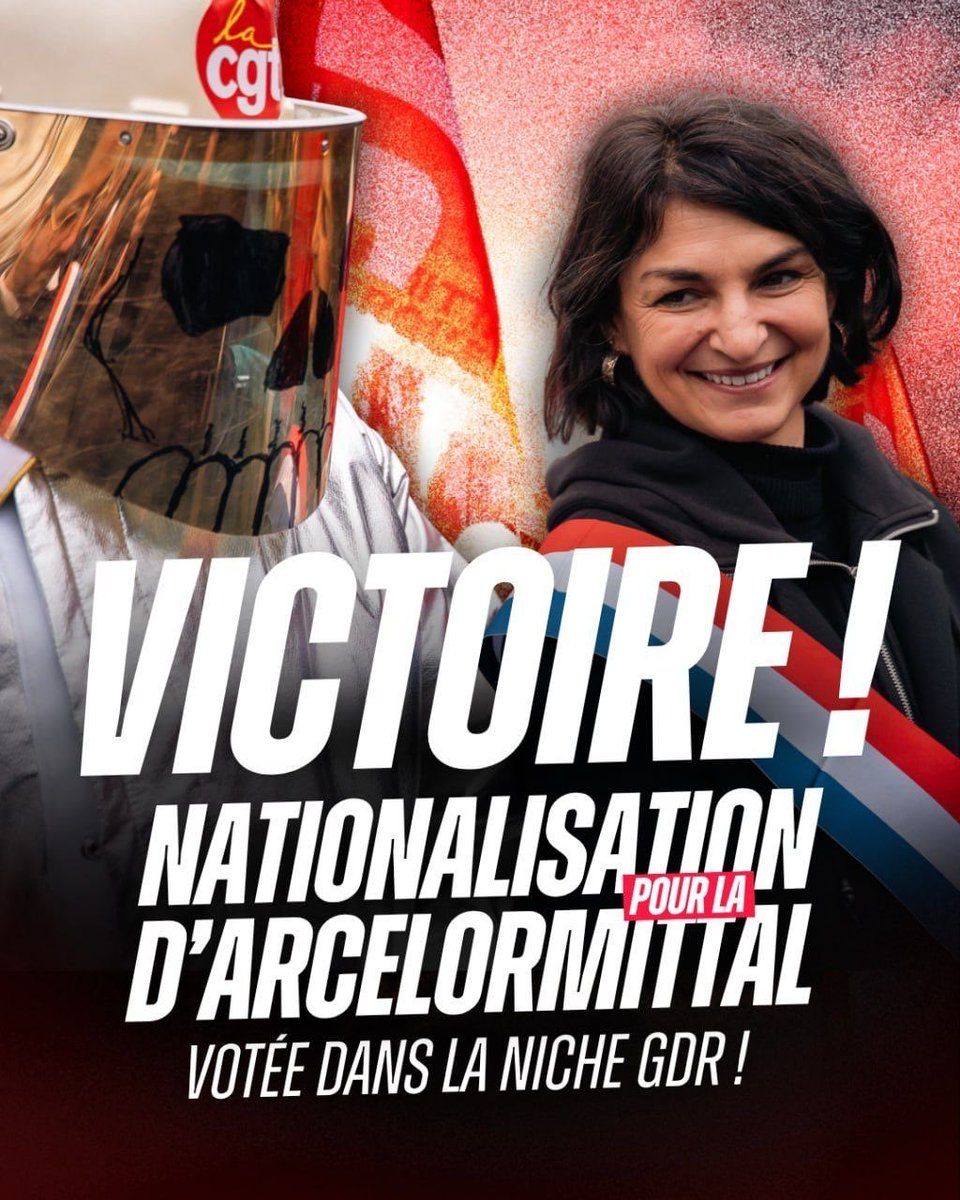
Repartager un maximum 🙏🙏✊
⚡🚨 Victoire nous avons voté pour nationaliser Arcelor Mittal !
C'est le deuxième fois en 6 mois.
Pour les travailleurs. Pour notre souveraineté ! Quelle fierté !
2
18
45
447
SAIGO1 retweeted

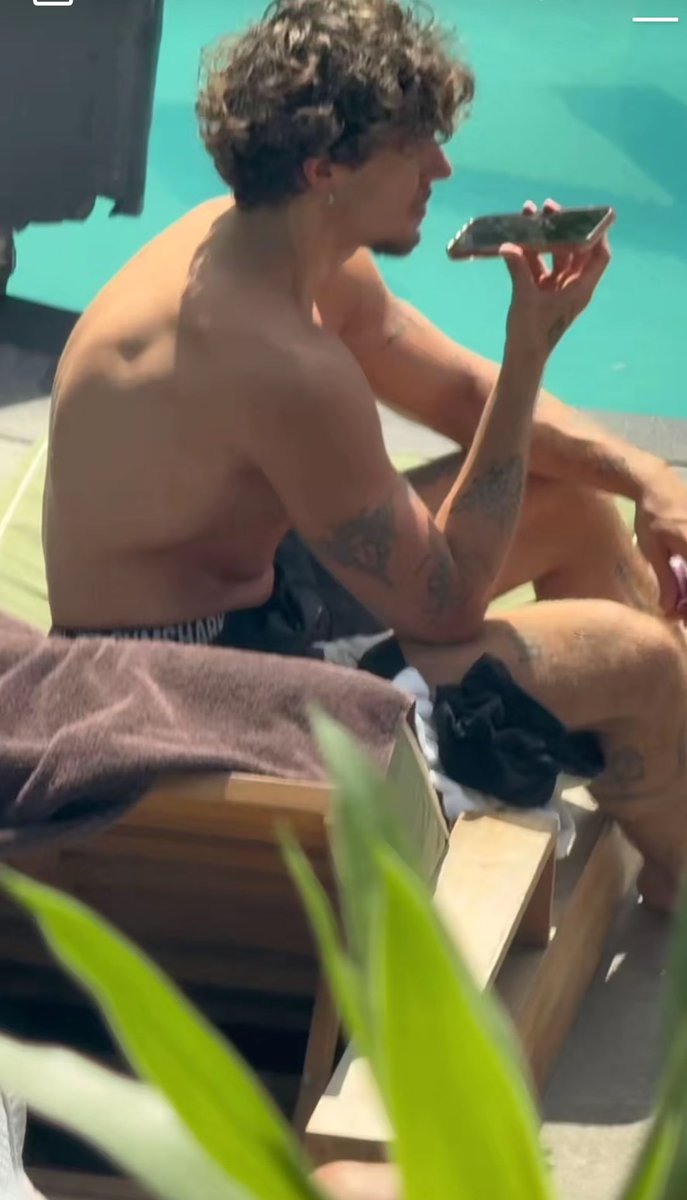
Il devait simplement être en off. C’est bien connu que les mecs dopés prennent un maximum de photos et de vidéos lorsqu’ils sont en cycle, puis les utilisent tout au long de l’année.

16
22
840
432,844

@MikeSirois idk shit about soccer but I think I’m repping Japan despite the maximum kit size being medium. Team having Tanoshī (fun).
29

Wow 😱 Are you ready to enjoy maximum pleasure with anal vibrator prostate massager??😱😱
highly recommend this new device💥🍆💦
🔥 Experience Intense Bliss with TurboRider!🔥💦🍆
👉Get 50% OFF now! 🎁 Don't miss out
Shop now ➡️lustyage.shop/products/turbo…
60
14
2,093