
Claudio retweeted

12h
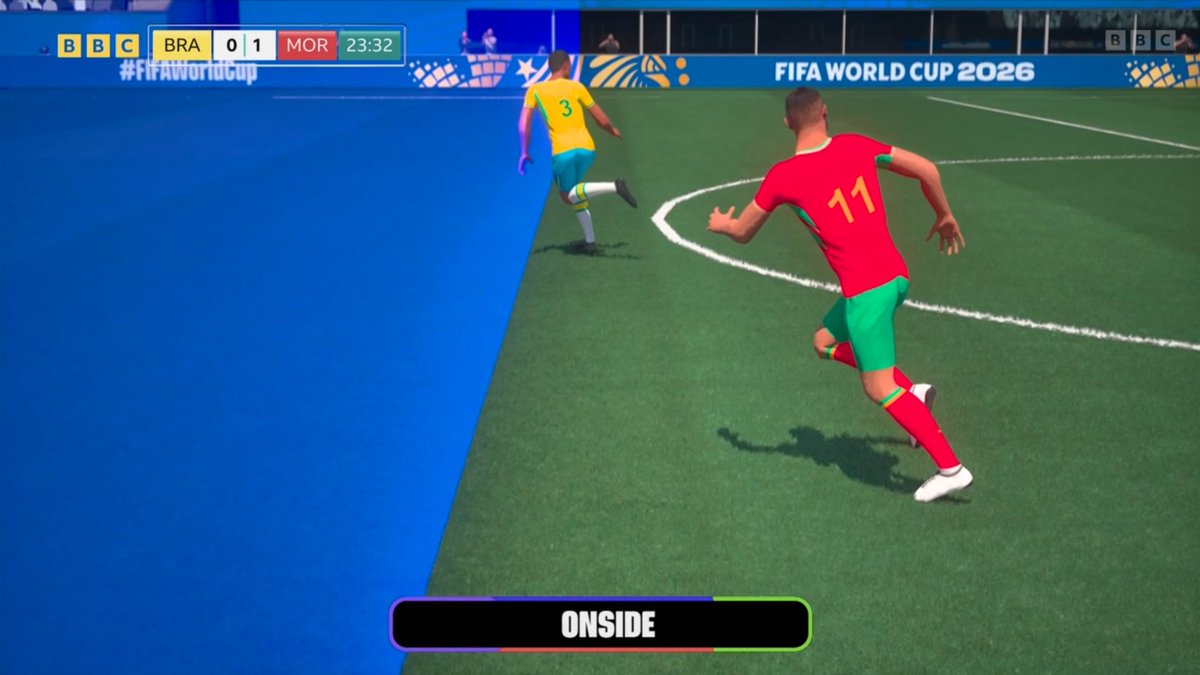
Love how FIFA felt the need to show this *not close at all* offside, but still haven't released the graphic for the Qatar v Switzerland decision
7
74
2,826
49,665

29s
When I played FIFA for the first time, my colleague said to me you don't know what you just did and then explained offside to me
liberboy1776 retweeted

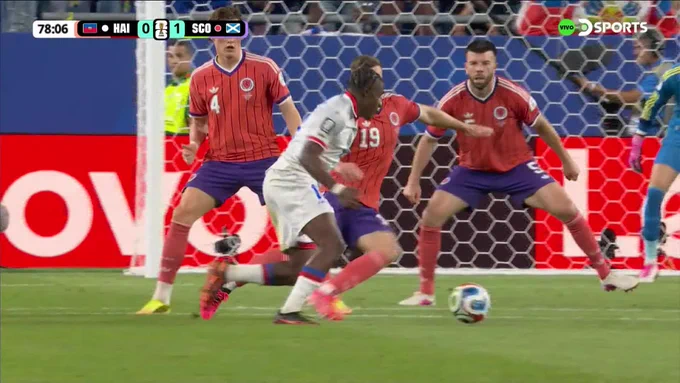
Es raro lo que está pasando en el mundial eh. En Suiza - Qatar no mostraron un offside claro.
No se entiende que hacer el VAR con la tecnología. Supuestamente venía a solucionar.
 DSPORTS
9
23
189
2,696


@bbcfivelive Given the reaction to the reaction to the possible Swiss offside leading up to the penalty award. Is it contentious world wide or is it just us Brits who get our shoelaces in a twist over VAR!
consigliere retweeted

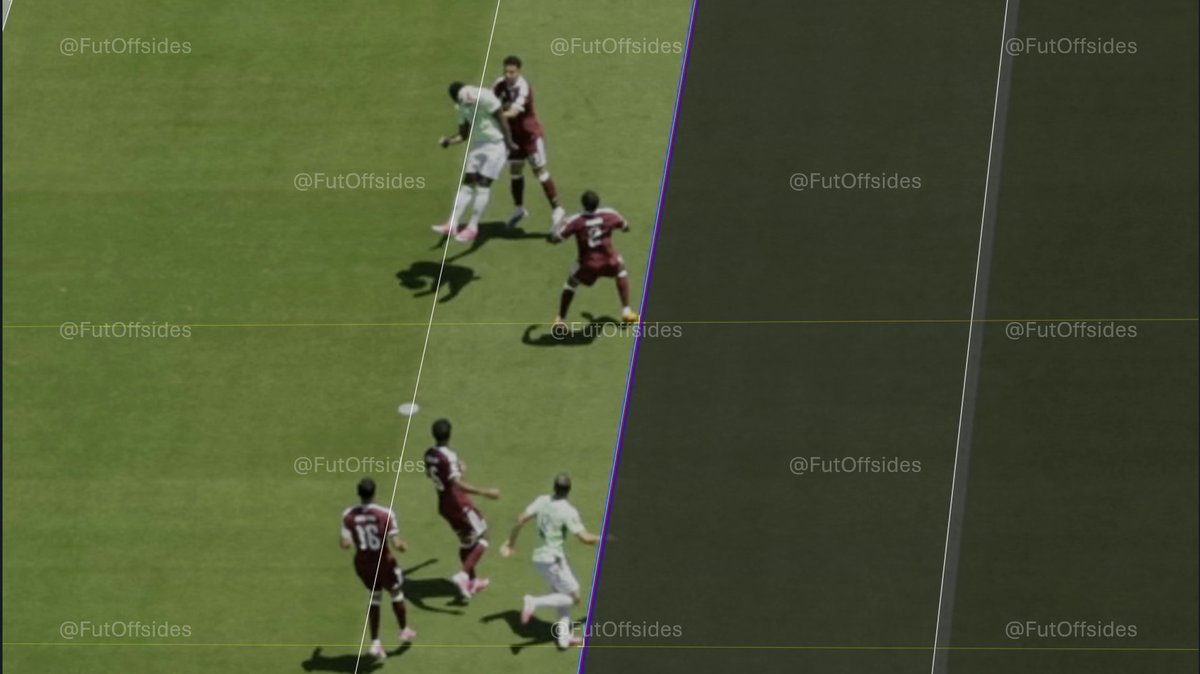
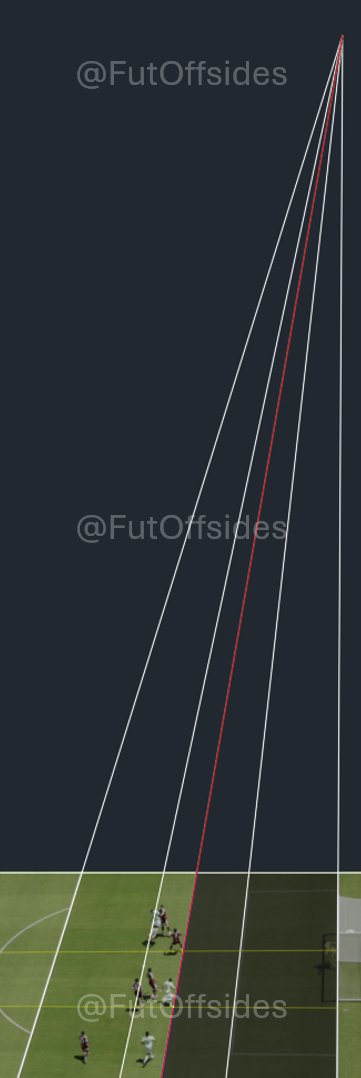
🚨❌ FIFA's own images CONFIRM Switzerland's offside!
📸 Freuler has his left foot slightly ahead of the last defender.
11h

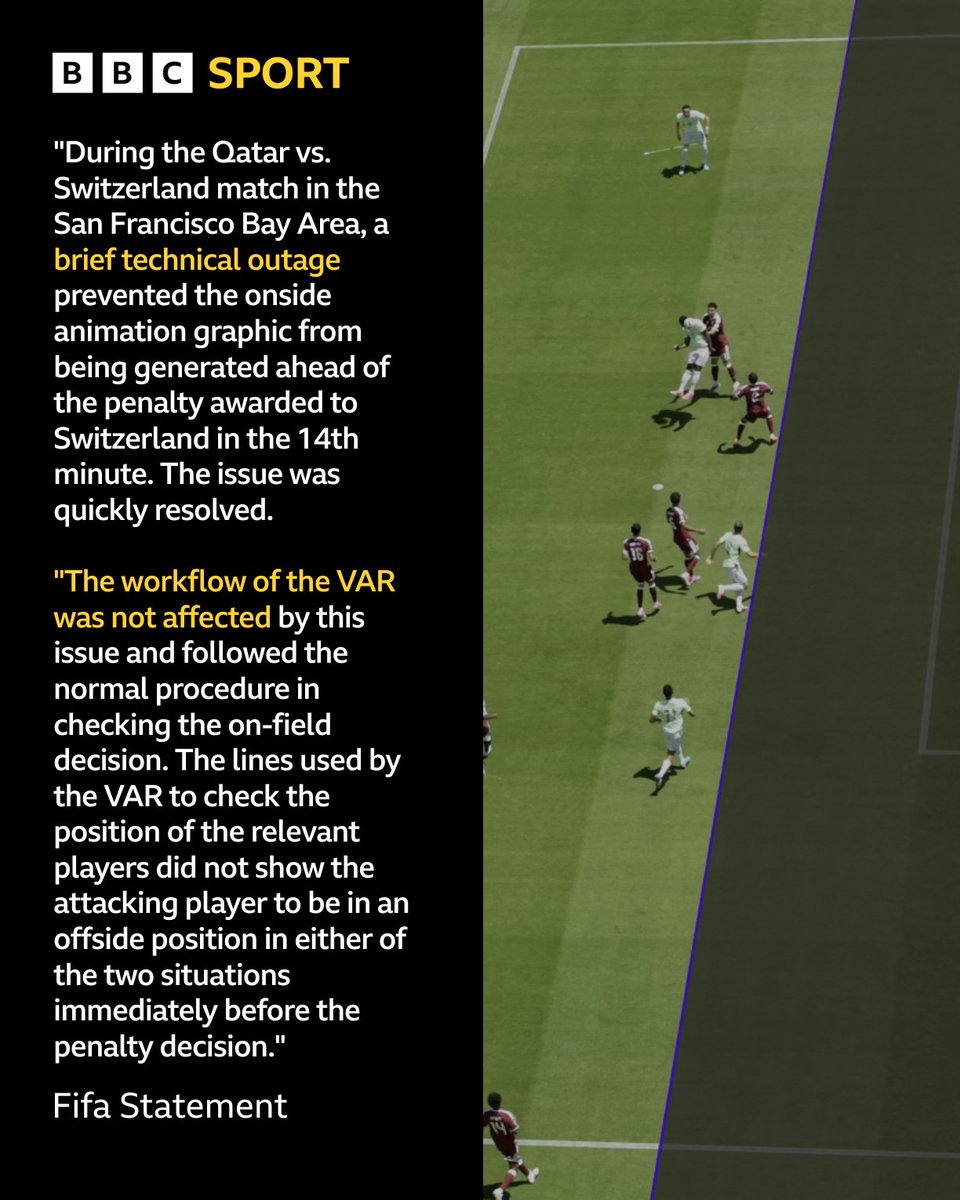
During the Qatar vs. Switzerland match in the San Francisco Bay Area, a brief technical outage prevented the onside animation graphic from being generated ahead of the penalty awarded to Switzerland in the 14th minute. The issue was quickly resolved.
The workflow of the VAR was not affected by this issue and followed the normal procedure in checking the on-field decision. The lines used by the VAR to check the position of the relevant players did not show the attacking player to be in an offside position in either of the two situations immediately before the penalty decision.
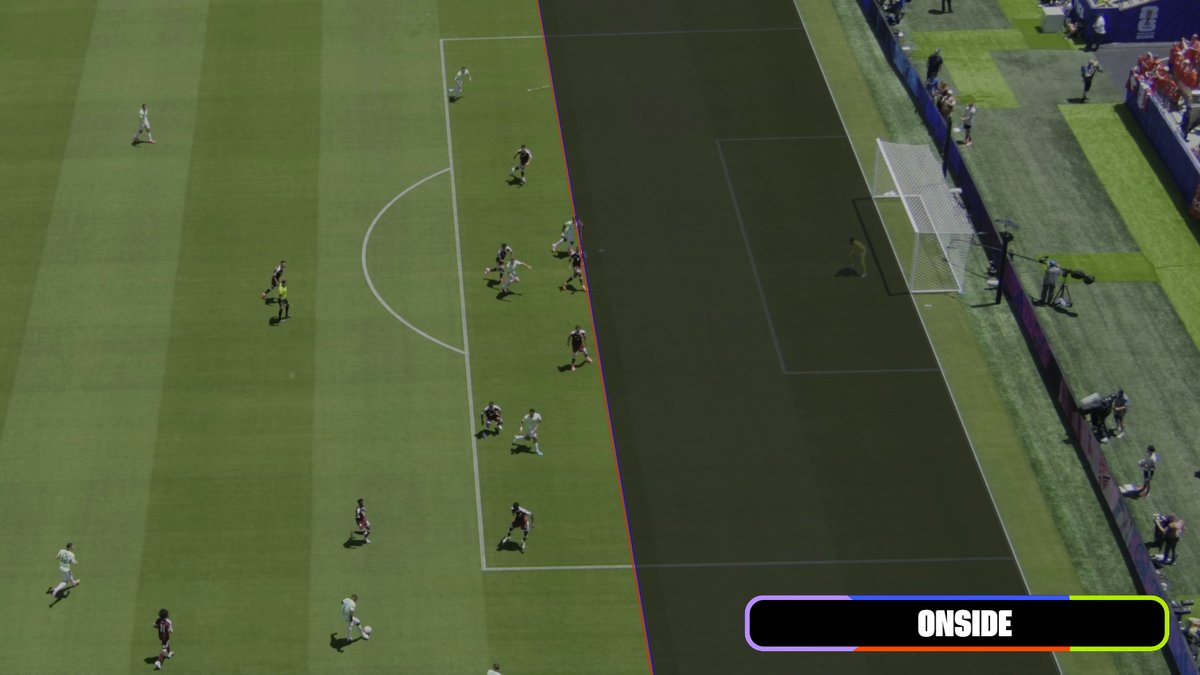
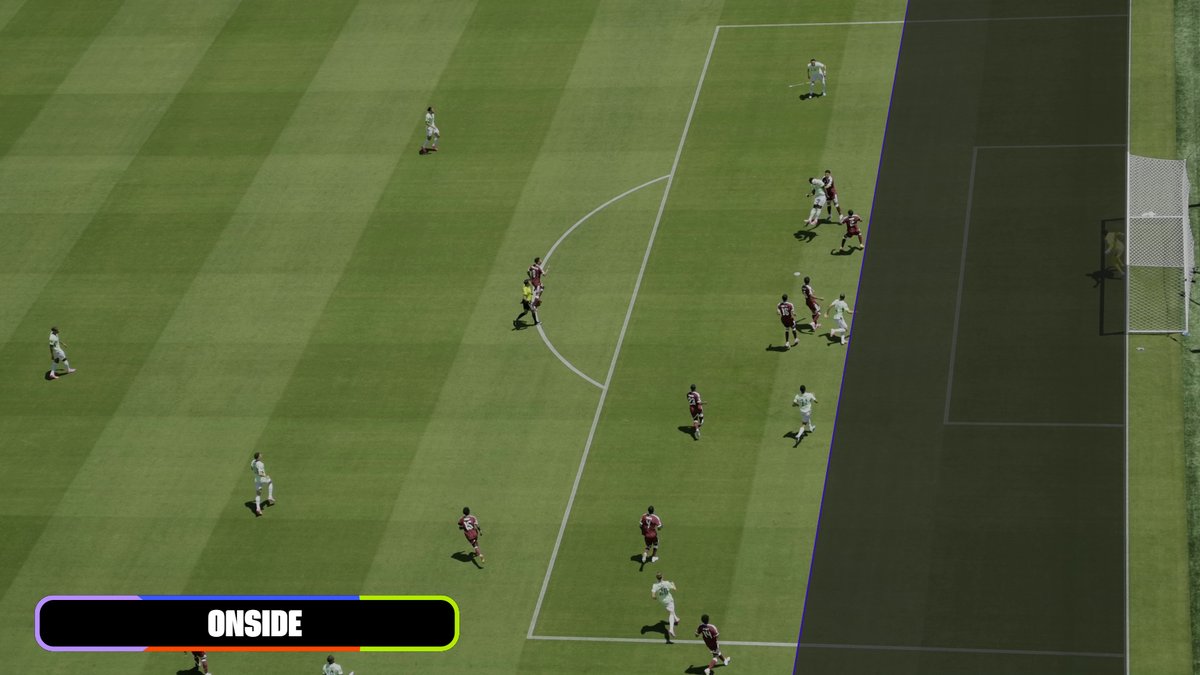
2
23
200
47,458

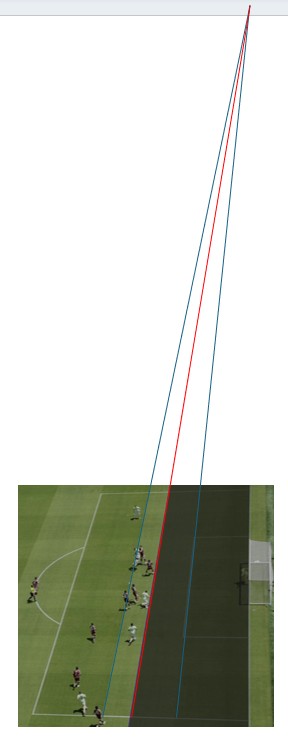
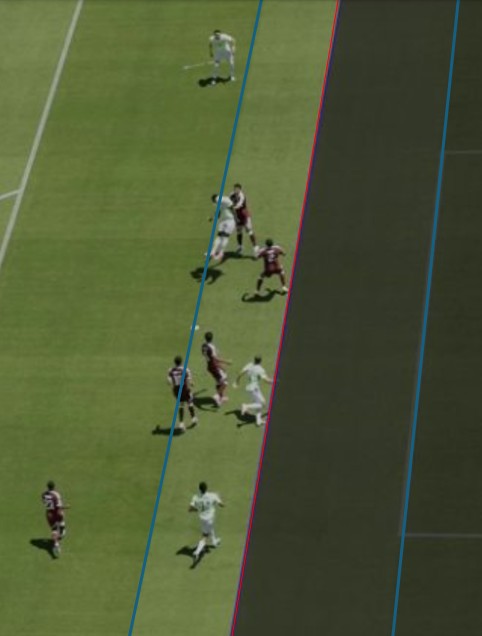
Qatar vs Switzerland - thoughts after @fifamedia press release
1. The offside line seemed too parallel to the penalty spot mowing pattern, but it looks fine.
2. The tip of the boot still seems a bit suspicious to me - very close call, but acceptable
Waiting for 3D animation!
11h
During the Qatar vs. Switzerland match in the San Francisco Bay Area, a brief technical outage prevented the onside animation graphic from being generated ahead of the penalty awarded to Switzerland in the 14th minute. The issue was quickly resolved.
The workflow of the VAR was not affected by this issue and followed the normal procedure in checking the on-field decision. The lines used by the VAR to check the position of the relevant players did not show the attacking player to be in an offside position in either of the two situations immediately before the penalty decision.
5

Arms cannot be offside.
I still think he was offside by his foot, and it was a bad call, but only playable parts of the body can trigger offside.
4

That kinda look like an offside, mate..
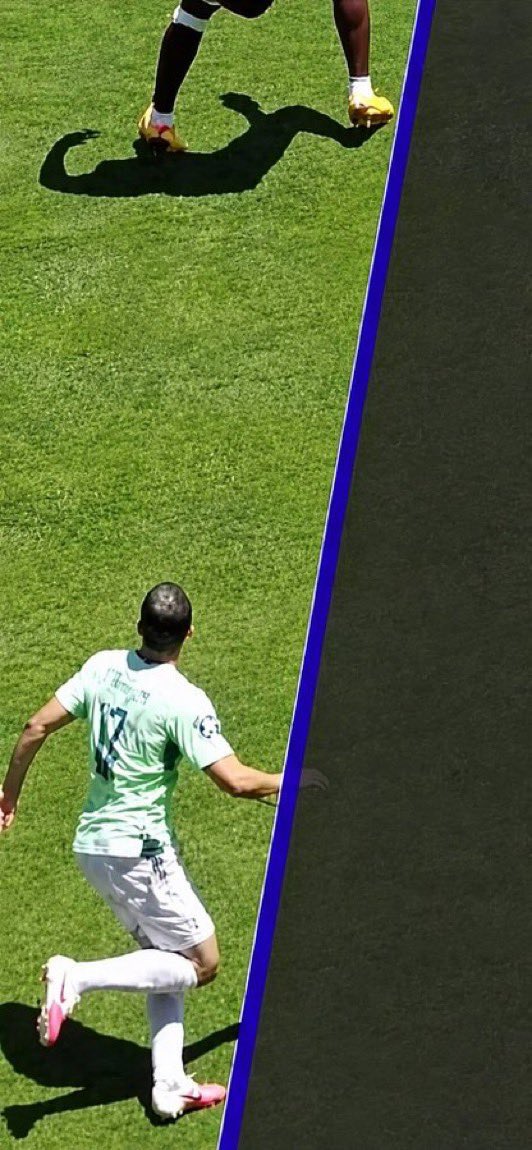
11h
During the Qatar vs. Switzerland match in the San Francisco Bay Area, a brief technical outage prevented the onside animation graphic from being generated ahead of the penalty awarded to Switzerland in the 14th minute. The issue was quickly resolved.
The workflow of the VAR was not affected by this issue and followed the normal procedure in checking the on-field decision. The lines used by the VAR to check the position of the relevant players did not show the attacking player to be in an offside position in either of the two situations immediately before the penalty decision.
3

This and Switzerland’s offside before the penalty. The fact that they’re obvious and still going for the wrong decision is what baffles me. The world’s biggest stage and yet we still see some shocking refereeing.

11
Julián Alberto Pardo retweeted

NO ERA OFFSIDE
FIFA publicó la imagen del VAR con la cual validaron el tiro penal a favor de Suiza. Viendo el trazado de la líneas, el Catarí lo habilitó. NO mostraron el trazado en la transmisión por FALLAS TÉCNICAS. "Los expertos que la dieron como offside creo que fallaron"🤔
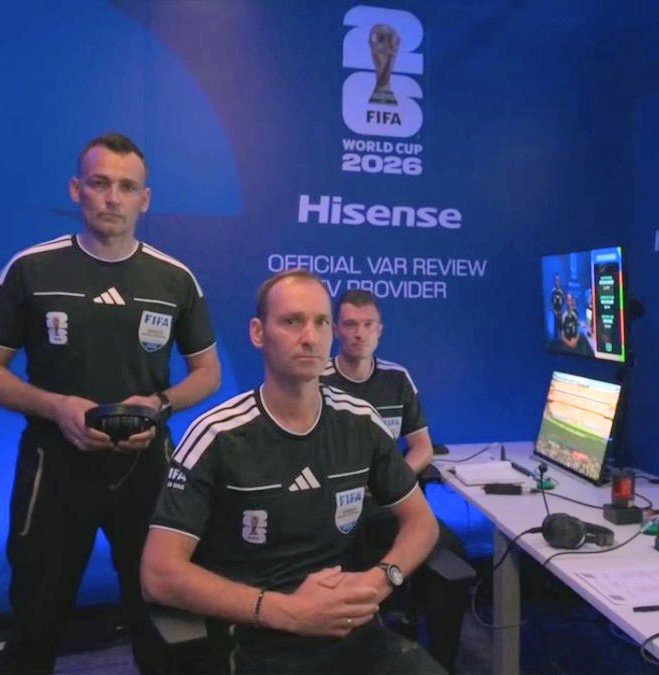
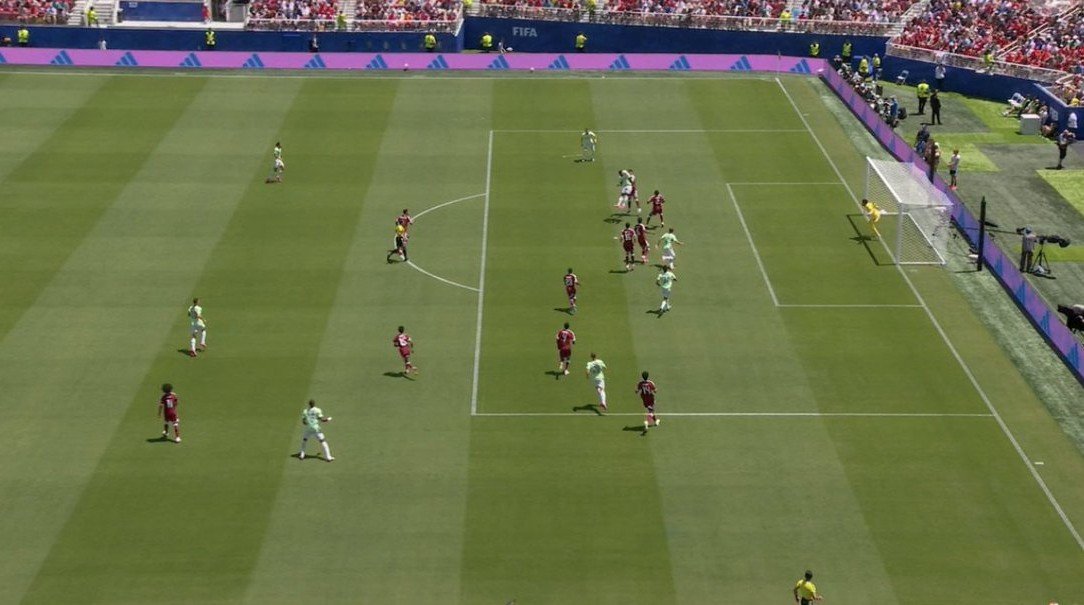
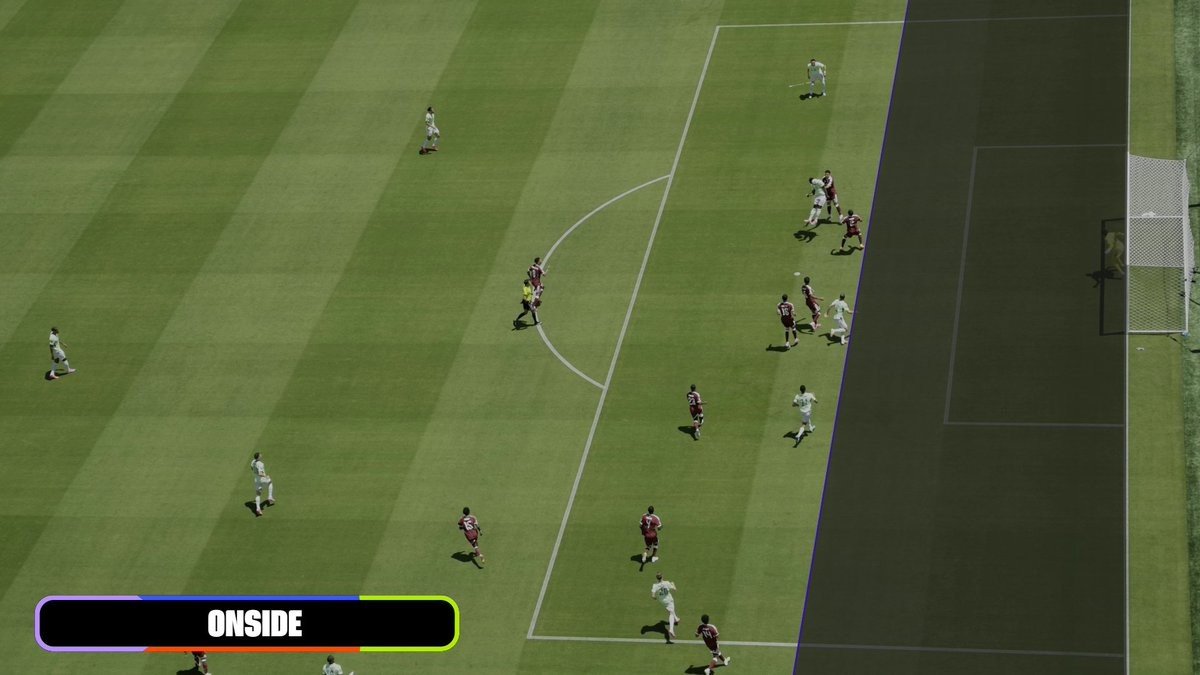
1
5
11
805

The 2026 FIFA World Cup is proving one thing very clearly: referees are no longer just part of the match — they are now part of the fan-engagement experience.
From Qatar vs. Switzerland to Brazil vs. Morocco, Haiti vs. Scotland, and Australia vs. Türkiye, this latest slate of matches put the officials directly in the spotlight. The new referee-view camera has given fans a first-person look at the speed, pressure, and split-second judgment required at the highest level of football. That perspective matters. It does not remove debate, but it gives fans a better understanding of what officials actually see in real time.
At the same time, the tournament’s in-stadium VAR explanations are creating a new layer of conversation. The viral Wilton Sampaio microphone moment showed both the value and the risk of transparency: when communication is clear, it builds trust; when it is confusing, it becomes content, comedy, and controversy all at once.
The Qatar–Switzerland match also reminded everyone that VAR is only as trusted as the process shown to the public. A razor-thin offside debate before Switzerland’s penalty became one of the biggest talking points of the day, not simply because of the call, but because fans wanted to see the evidence immediately and clearly.
Then there are the mandatory hydration breaks. Player safety is important, especially in summer conditions, but fans are pushing back hard when those breaks feel like commercial windows instead of health measures. Football cannot afford to lose rhythm, trust, or authenticity in the name of broadcast packaging.
Official Whistles’ takeaway is simple: the modern referee is now operating inside the game, inside the broadcast, and inside the global social media conversation. Technology can protect the truth, but only if communication, transparency, and timing are handled with the same discipline as the laws of the game.
officialwhistles.com

30

Called it at the time, even in their poor excuse the picture shows he's a toe offside....let alone the OTHER offside in the buildup lol

Fifa has published a statement about the VAR process for the passage of play that led to Switzerland's penalty.
4

FIFA has confirmed that a technical issue affected the semi-automated offside line-drawing system during the decision to award Switzerland a penalty against Qatar.
However, the governing body said the outage did not affect the operation of VAR, with standard review procedures followed and no player found to be in an offside position during the review.
Source: QNA
#fifaworldcup #Qatar #Switzerland #FIFA #VAR #worldcup2026
53