
running redundant Anonymouse old news only 3 places toget info onthis they areall from gov't sources n considering every body plus the culprit epstein physically said he inserted shit in they're to cast doubts on soros'd enemies ofthe blu u beating that horse intoo redundancy
6


Socialism is when handing out towels to the working class and selling out the country to corporate powers andforeign capital. Even right now you can see the wealth disparity where they literally cover favelas in one ofthe richest cities inlatam,while the rich part lookslike this:

1
13
ウチタロ【C108(土)南1ホールq18a】 retweeted

11h
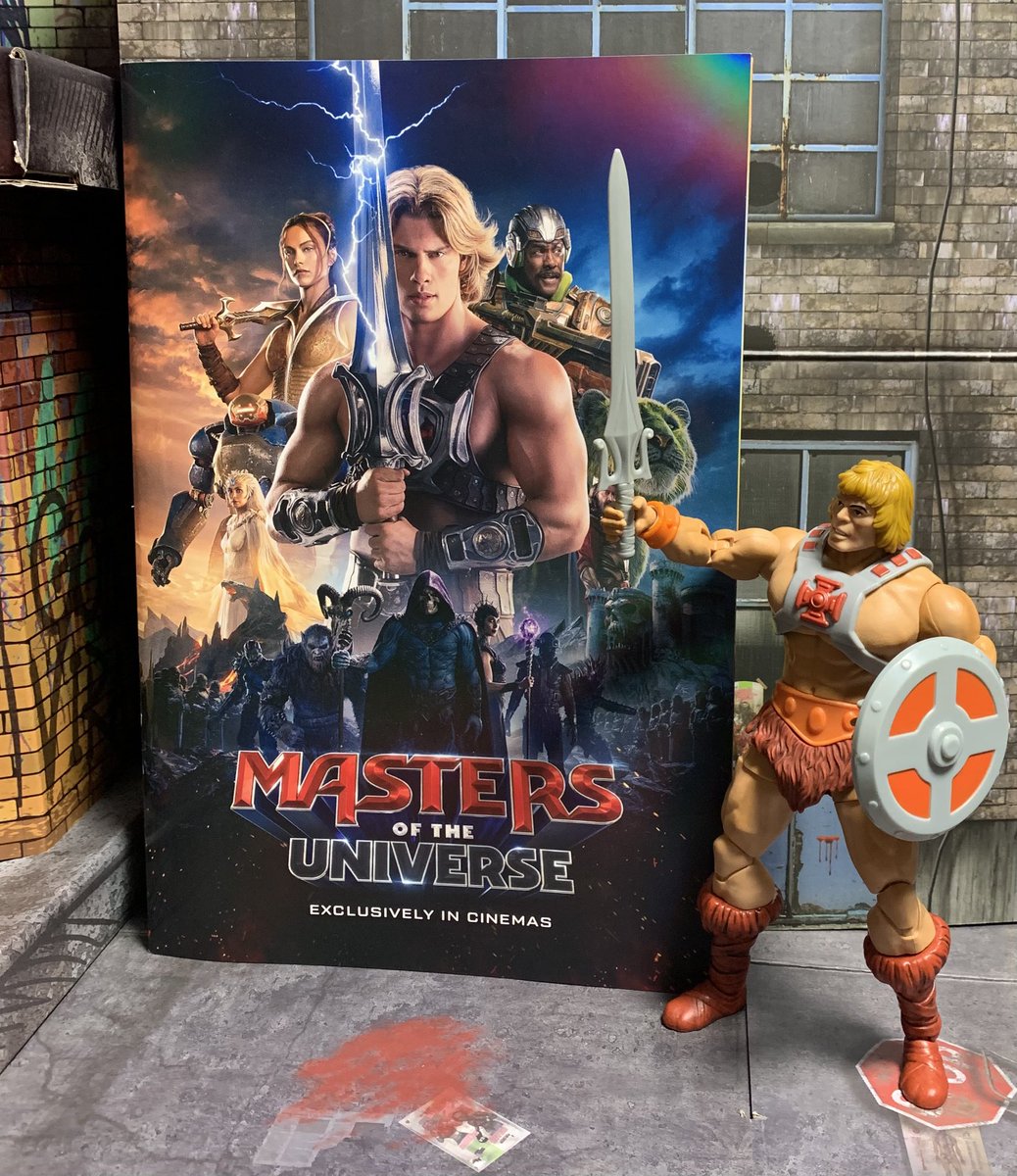
モテる男が宅飲みで見る映画の正解はわからないけど、マテルの男と酒飲みが出る映画は知ってる
MASTERS OFTHE UNIVERSE⚡️
1
9
57
1,229

Marty12345678 retweeted

@LeaderJohnThune said he has has done all that he canThat is not true He needs 2 ofthe 4to vote for itTake away committee chairmanship Let Collins get free pass but i think she said she will vote for it tell Lisa &either tillis or mitch one has tovote for save America @SenateGOP

🚨 JUST NOW: John Thune goes on TV making VERY clear he's TOO WEAK to get the SAVE America Act passed
Thune is HOPELESS. He needs to go. We've WASTED our Republican trifecta with Thune at the helm in the Senate.
Thune also REJECTED Trump's demand to attach the SAVE Act to FISA, saying it would "tank" the surveillance bill.
WHO CARES?! SAVE America Act is MUCH more important than your spy bill.
GET IT DONE OR RESIGN, THUNE!
1
1
11

@Keir_Starmer thoughts?
From the report:
“The scale of the crimes committed is staggering. It has been previously
established that, at the very least, 250,000 young white girls have been subjected to repeated rape, gang rape, trafficking, torture, pregnancy, forced Islamic conversion, and lifelong trauma.
The true number is probably higher.
The perpetrators bear primary responsibility, yet the institutional failures that enabled them for decades must also be confronted. In court records and official inquiries, around 87% of those convicted in these group-based child sexual exploitation (‘CSE’) cases bore distinctively Muslim names.
The vast majority of men involved in these gangs were not convicted. Dr. Taj Hargey, an imam with the Oxford Islamic Congregation, believes the true proportion of gang members who are Muslims to be around 95%. This figure far exceeds the Muslim share ofthe overall United Kingdom population.
The overwhelming majority of the rape gang networks consisted entirely of men from Muslim backgrounds –predominantly of Pakistani heritage, although smaller groups from Somali, Iranian, Syrian, Turkish, and other Muslim origins were also involved.”
2
112

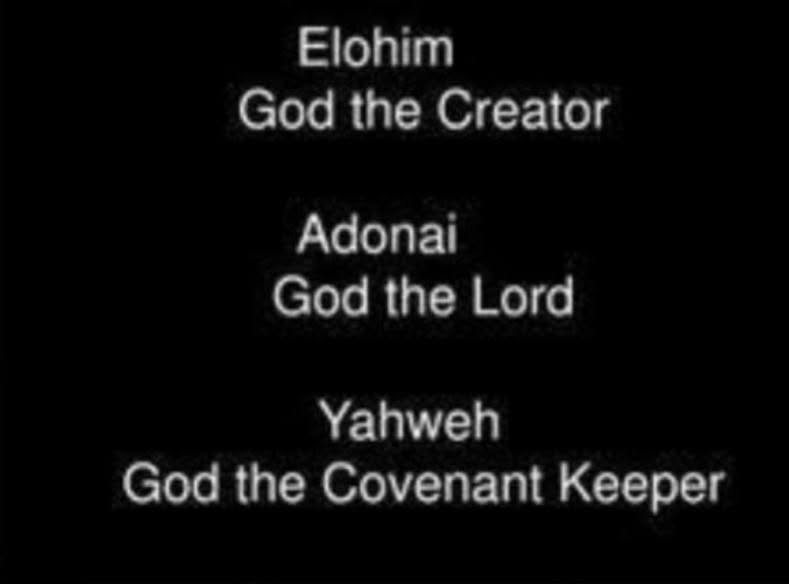
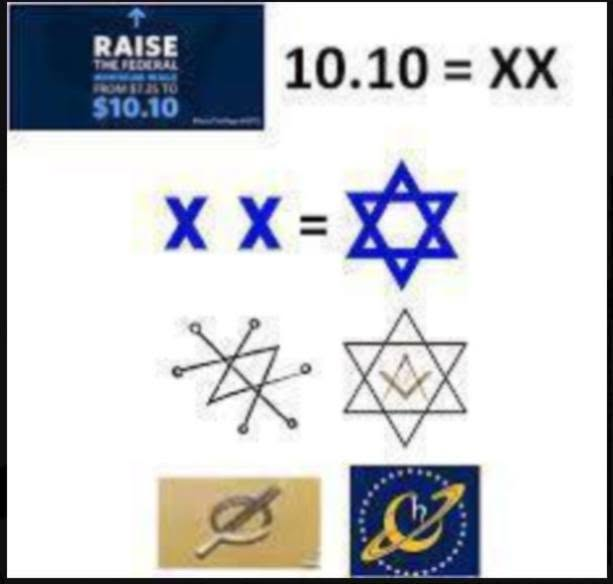
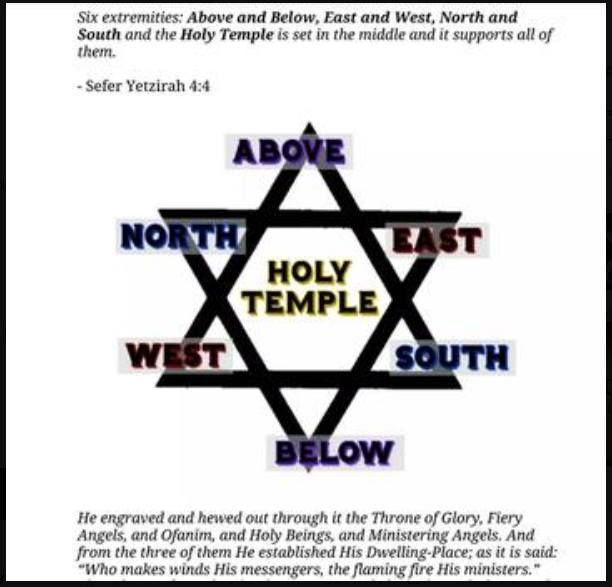
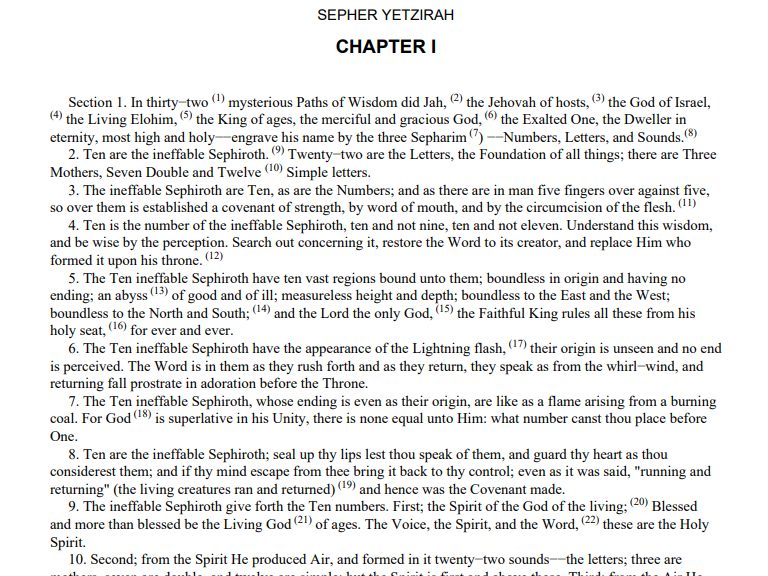
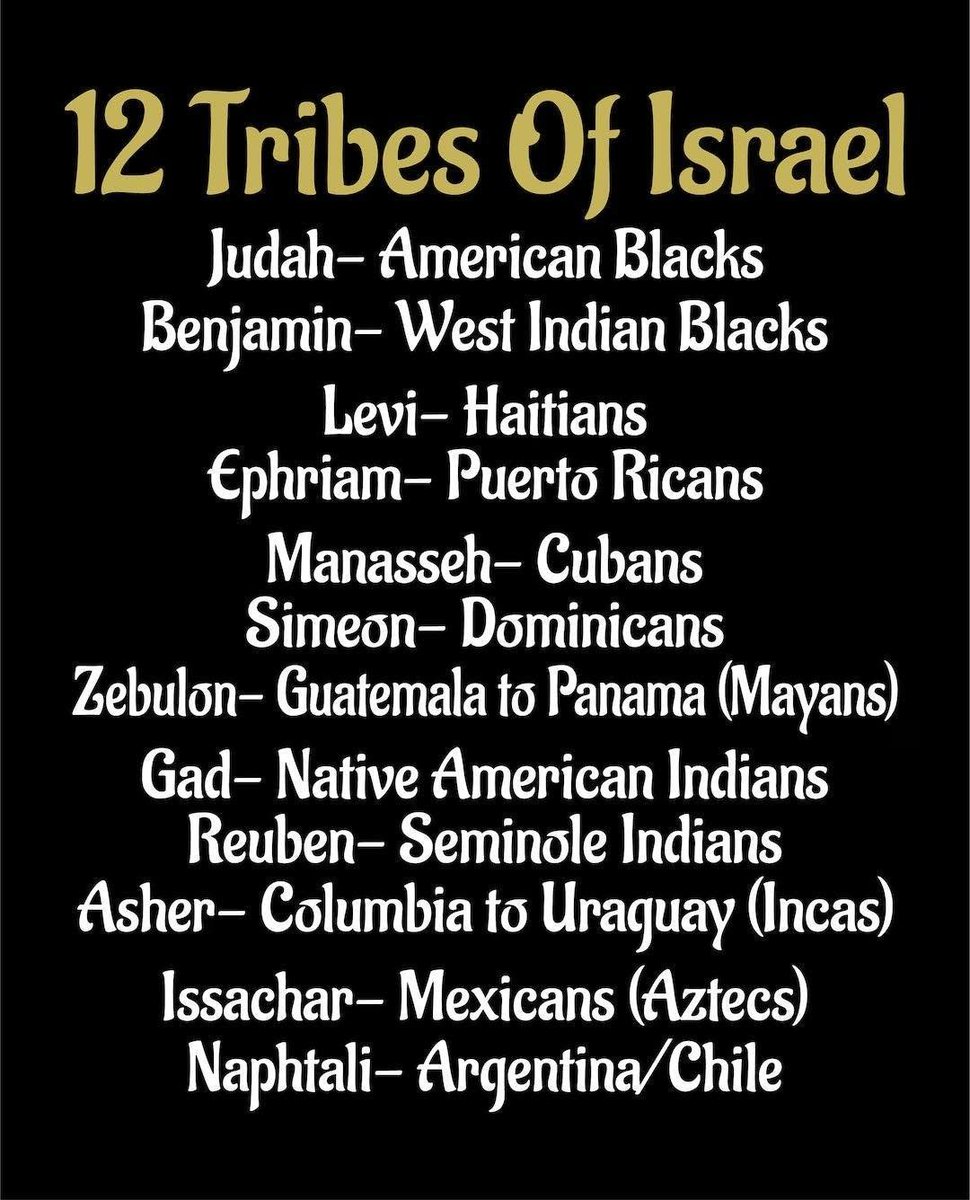
Li is aPun-Ji'ES'US ISN'T THE LI(ON)OFTHE TRIBE OFJUDAh;{Juda{h}=TheNegros ofTheUs}YHWH ISTHE1_xLI(ON)OFTHE TRIBE OFJUDAh2Covenant{s)4CHERUB'IM,YHWH&Ji'ES'US1xE-Lo-Hi-M;M/E_L-Chi-Zedek_0'_0x,THE LAMB SIN OFFERING=2xMAKINGL(or)d,A(DON)AI,THE3rd&LastAdam-KadmonLI(ON)&LAMB,SERAPH'IM
4


This version ofthe post is littered with too many spelling and grammatical errors to be acceptable to me. I shall answer you in this thread instead:

I hate Rousseau, but he is unmistakeably French. Montaigne reads less like a French intellectual than a detached aristocrat observing mankind. His spirit feels less like Rousseau & Voltaire, and more like Edward Gibbon & David Hume.
This is perhaps unsurprising. Michel de Montaigne's father was a French arisocrat; his mother was a Jew.
He is leisurely where French writers are analytical, personal where they are programmatic, dispassionate where they are intense, sceptical where they are dogmatic. He resembles less a Parisian intellectual and more a cultivated English gentleman retired from public affairs and reflecting on human nature. His attention is directed toward conduct, character, friendship, courage, death, custom, and self-command rather than toward systems, abstractions, ideologies, or social theories. He writes as a man sufficiently secure in his position to regard grand schemes with amused indifference.
All of which makes him temperamentally much closer to a typical English philosopher than to a typical French or German one. He sounds more like an English gentleman observing humanity than a French or German intellectual directing it.
His scepticism is the scepticism of one who has seen too much of the world to be intoxicated by theories. In this respect he feels closer in spirit to Plutarch and Edward Gibbon than to many French intellectuals.
If Friedrich Nietzsche resembles Montaigne, the resemblance may arise from the same Englishness: a distrust of systems, a preference for observation over doctrine, and an aristocratic distance from the enthusiasms of ideologues.
And this Englishness, by the way, is may be less a matter of nationality than of that gentlemanly, anti-systematic disposition that survived especially well in English letters.
(This is a repost. The original version was littered with too many grammatical and spelling errors.)
1
6
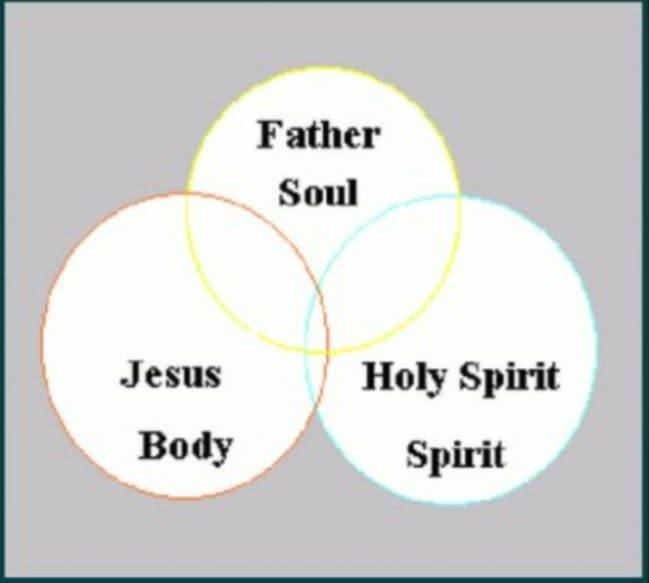
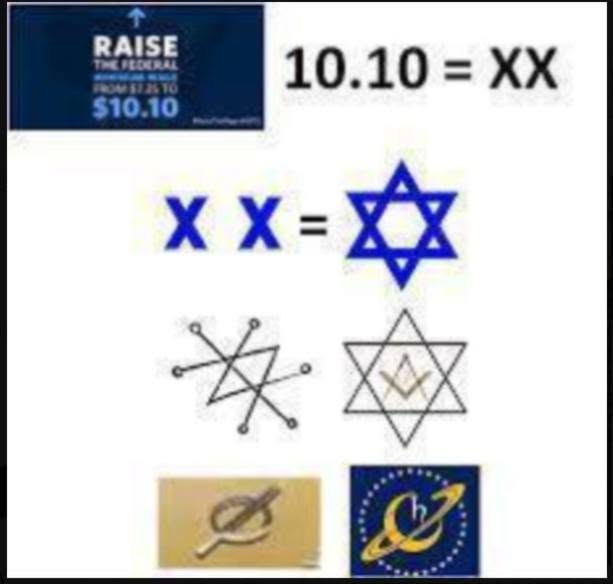
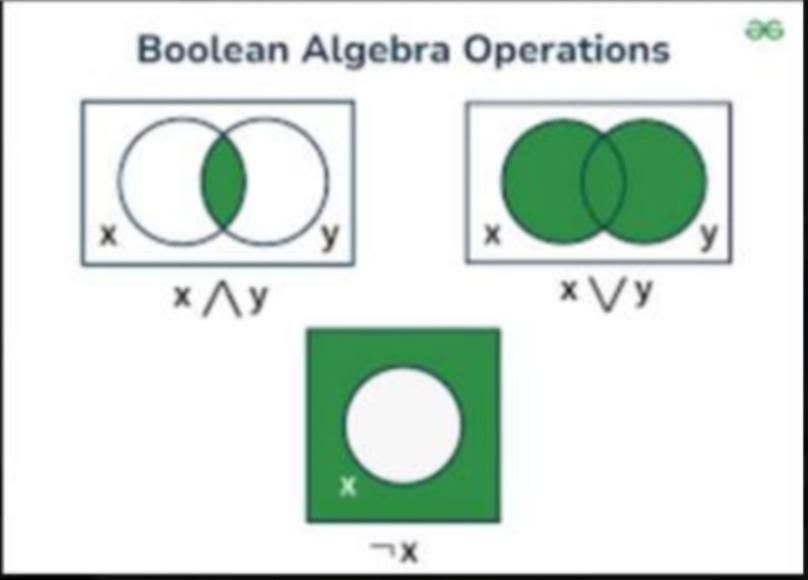
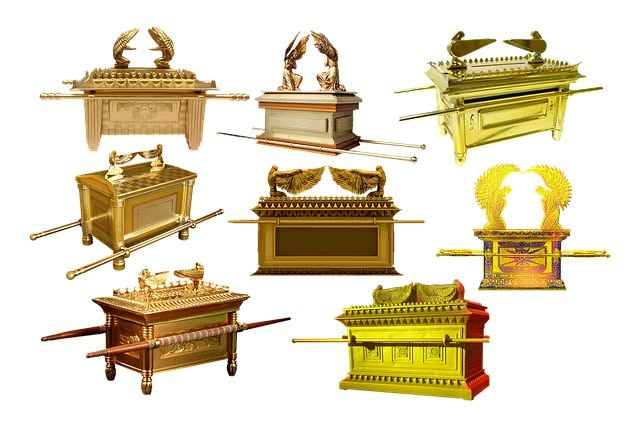
THEArk Reveals2Covenant{s}1_x _0x=2x(n)CHRIST ARChOF1_x180' _0x180'=2x3(6)0'Circle4ANGEL,METATRON ASTHE M/W(HOLY)_0'(N)E[n'ergy]OFTHE COVENANT FOR YHWH&JiES'US ASTHE1_x _0xCHERUB'IM TO /-1(ADONAI/MetatronMERCY SEAT1xSIN_0xSACRIFICE KEEPING BAL=2xMAKING ADONAI THEIR SERAPH'IM=2(x)
8

I think it's time2remind Helen about mostly women's unpaid childcare,adult & older peoples care behind closed doors,cooking, cleaning,transport, wellbeing,value of ons est wld be 1.7 trillion & if counted officially, extended eGDP would b NR doublethe size ofthe recorded economy
1
2
14
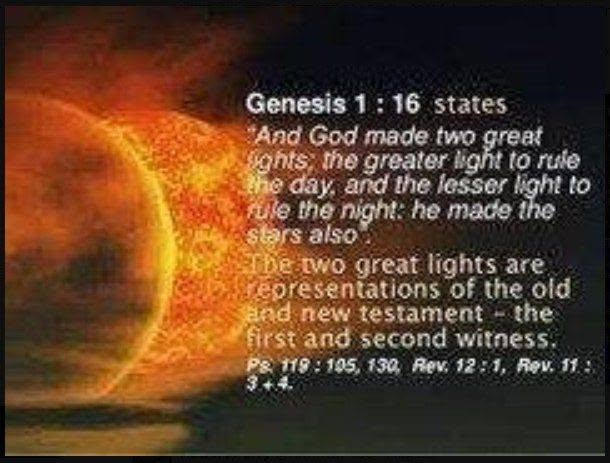
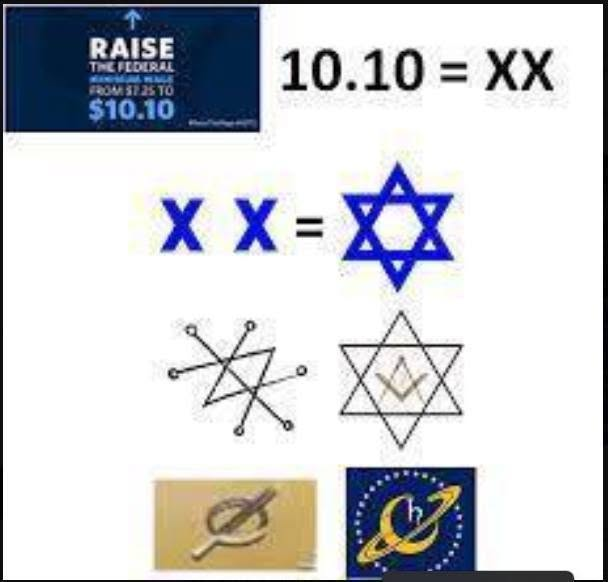
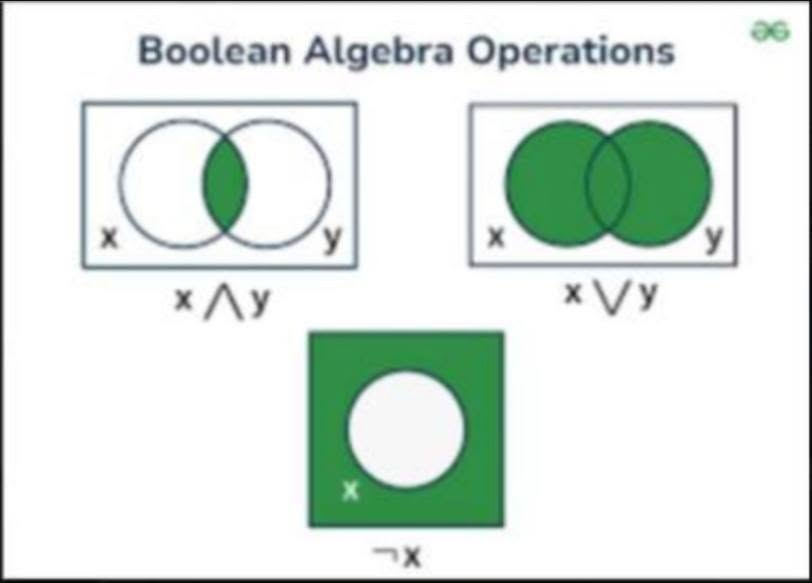
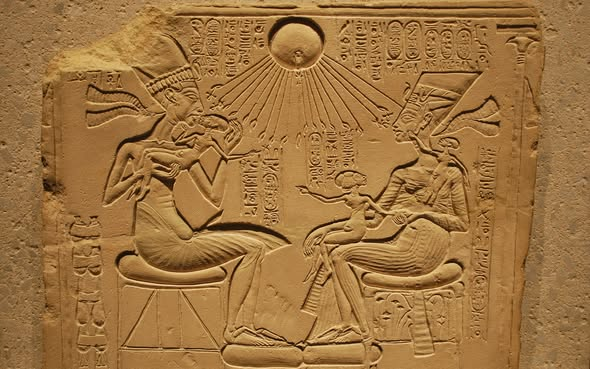
Li is aPun-Ji'ES'US ISN'T THE LI(ON)OFTHE TRIBE OFJUDAh;&Juda{h}=TheNegros ofTheUs-YHWH ISTHE1_xLI(ON)OFTHE TRIBE OFJUDAh2Covenant{s)4CHERUB'IM,YHWH&Ji'ES'US1xE-Lo-Hi-M;M/E_L-Chi-Zedek_0'_0x,THE LAMB SIN OFFERING=2xMAKINGL(or)d,A(DON)AI,THE3rd&LastAdam-KadmonLI(ON)&LAMB,SERAPH'IM
2
1
1
11
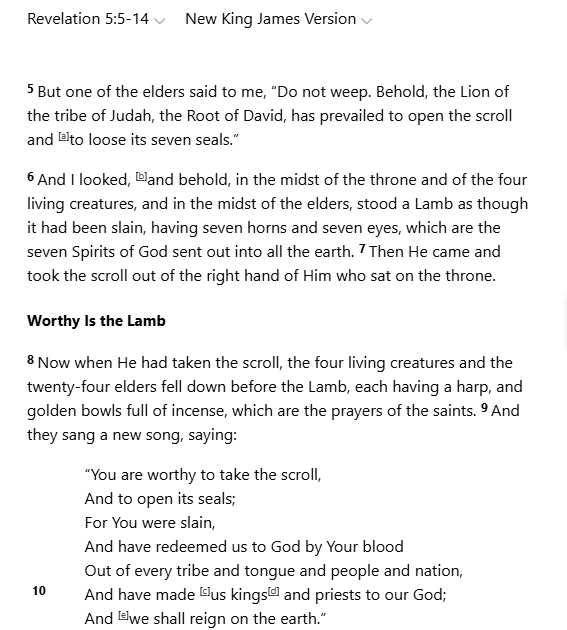
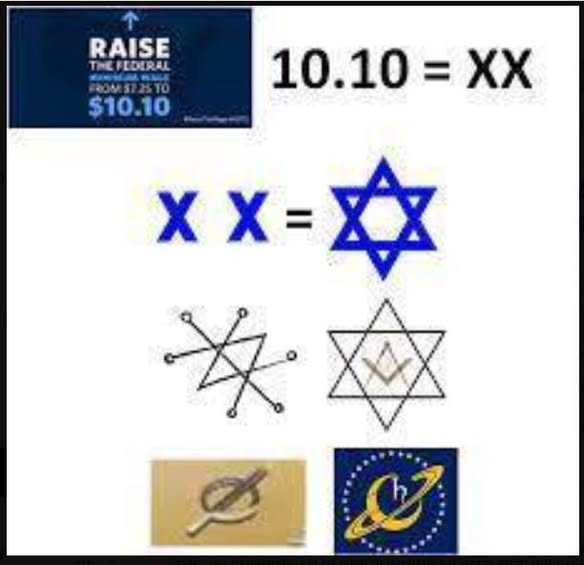
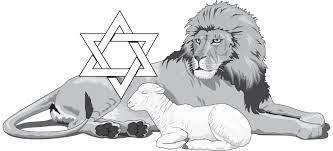
Li is aPun-Ji'ES'US ISN'T THE LI(ON)OFTHE TRIBE OFJUDAh;&Juda{h}=TheNegros ofTheUs-YHWH ISTHE1_xLI(ON)OFTHE TRIBE OFJUDAh2Covenant{s)4CHERUB'IM,YHWH&Ji'ES'US1xE-Lo-Hi-M;M/E_L-Chi-Zedek_0'_0x,THE LAMB SIN OFFERING=2xMAKINGL(or)d,A(DON)AI,THE3rd&LastAdam-KadmonLI(ON)&LAMB,SERAPH'IM
4