⚜️Emmanuel comte de Princay⚜️ retweeted

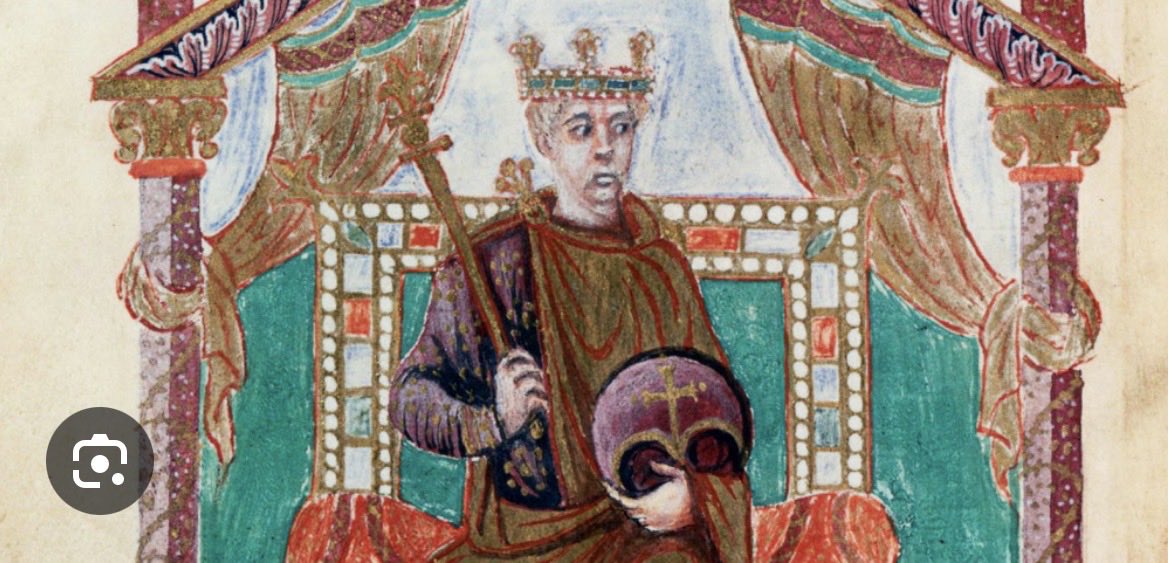
Le 16 juin 877 le roi Carolingien Charles II le Chauve réunit à Quierzy sur Oise ses compagnons de combat et veut les emmener guerroyer en Italie et en échange leur présente un Capitulaire autrement dit un texte réglementaire par lesquel il garantie les droits de leurs fils
2
2
18

L'UDAF 60 sera présente au #ForumDuRecrutement de l'APRADIS à #Beauvais !
📅 Jeudi 18 juin 2026
⏰ 13h30-17h30
📍 2 rue Hippolyte Bayard
Venez découvrir nos métiers, nos missions et nos offres d'emploi en cours.
Pensez à apporter votre CV !
#Recrutement #Emploi #UDAF60 #Oise


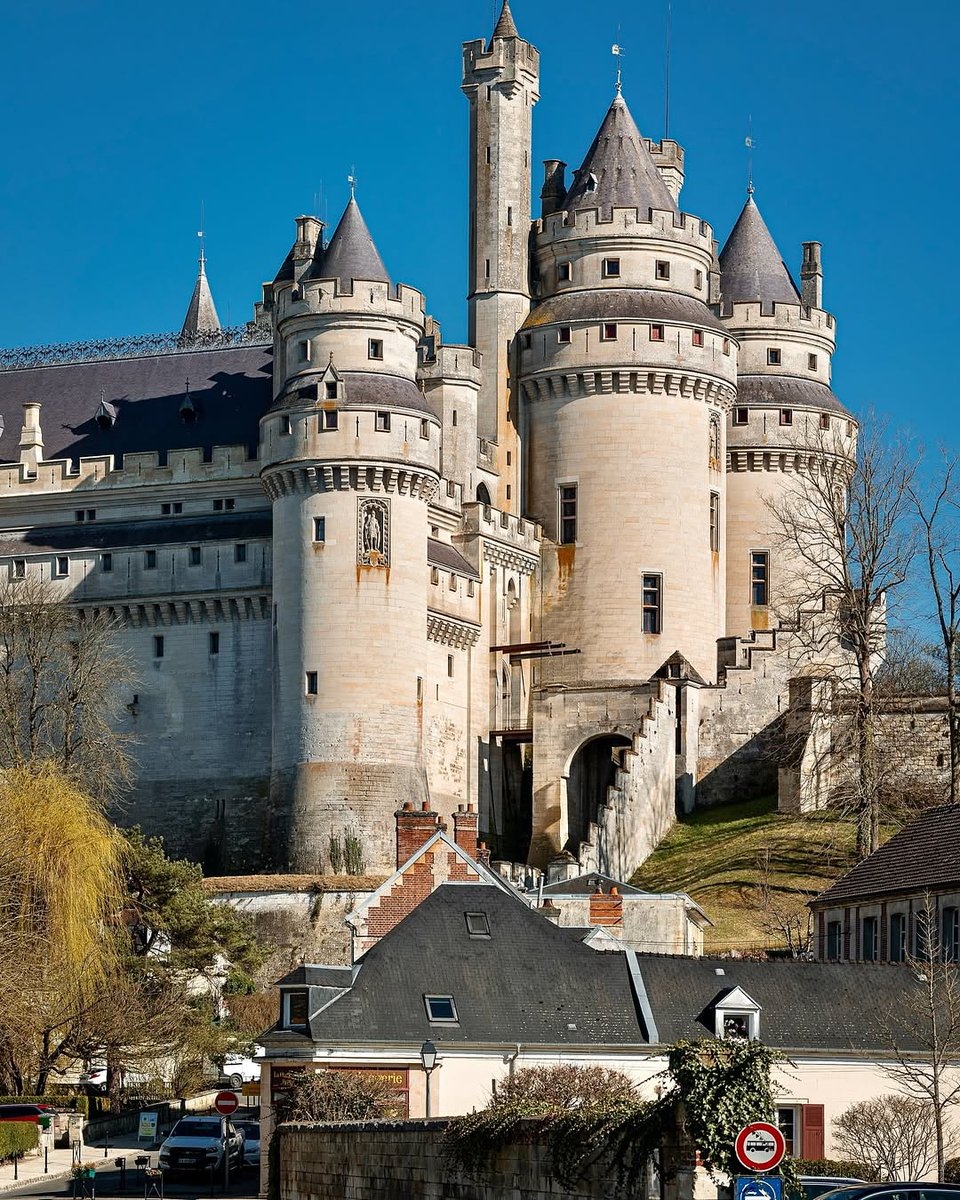
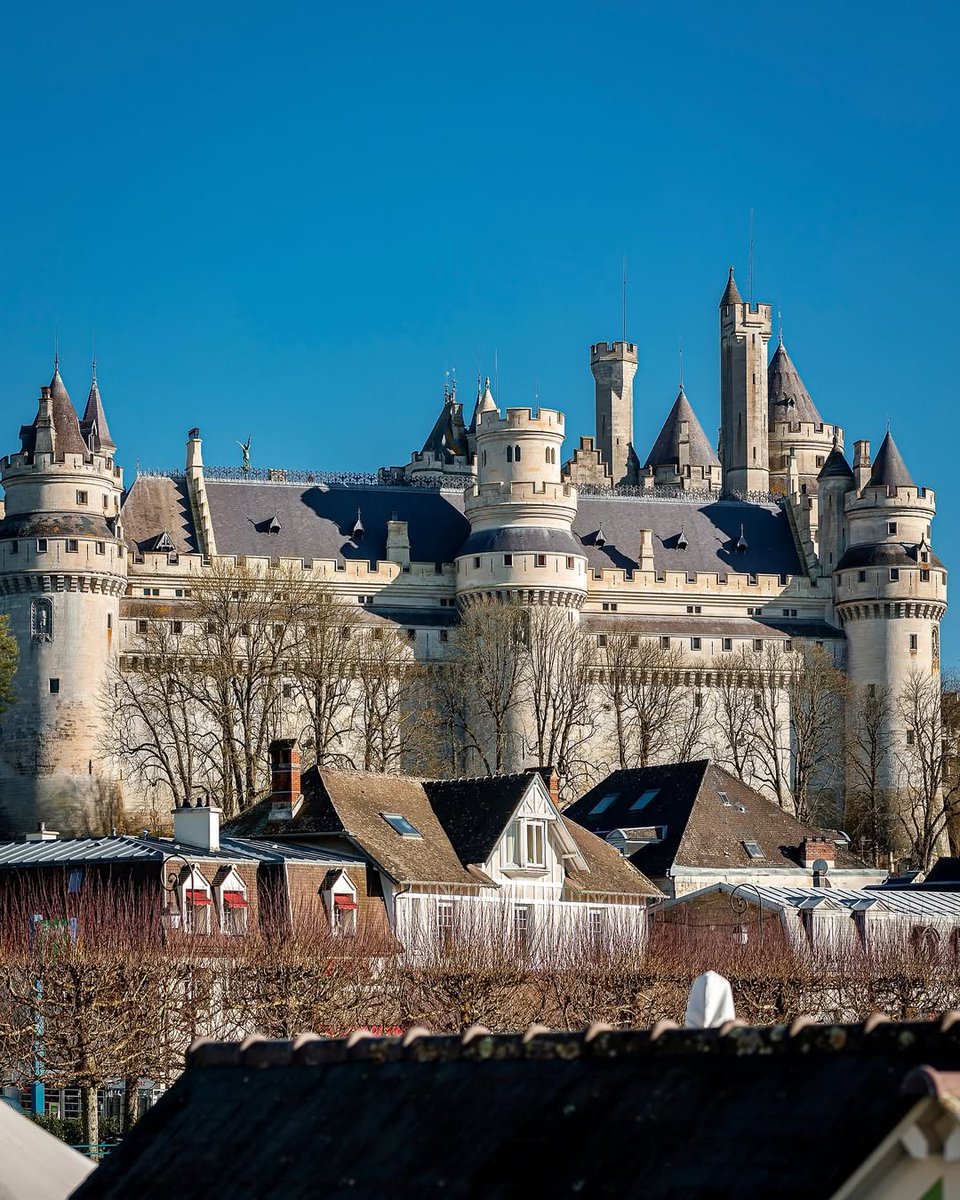
🏟️Pierrefonds Castle (Château de Pierrefonds) is located in Oise. Originally a medieval castle built in the 12th century, it was completely restored in the 19th century by architect Eugène Viollet-le-Duc under the direction of Emperor Napoleon III.
📸Photo by @vlad_parisgid
5

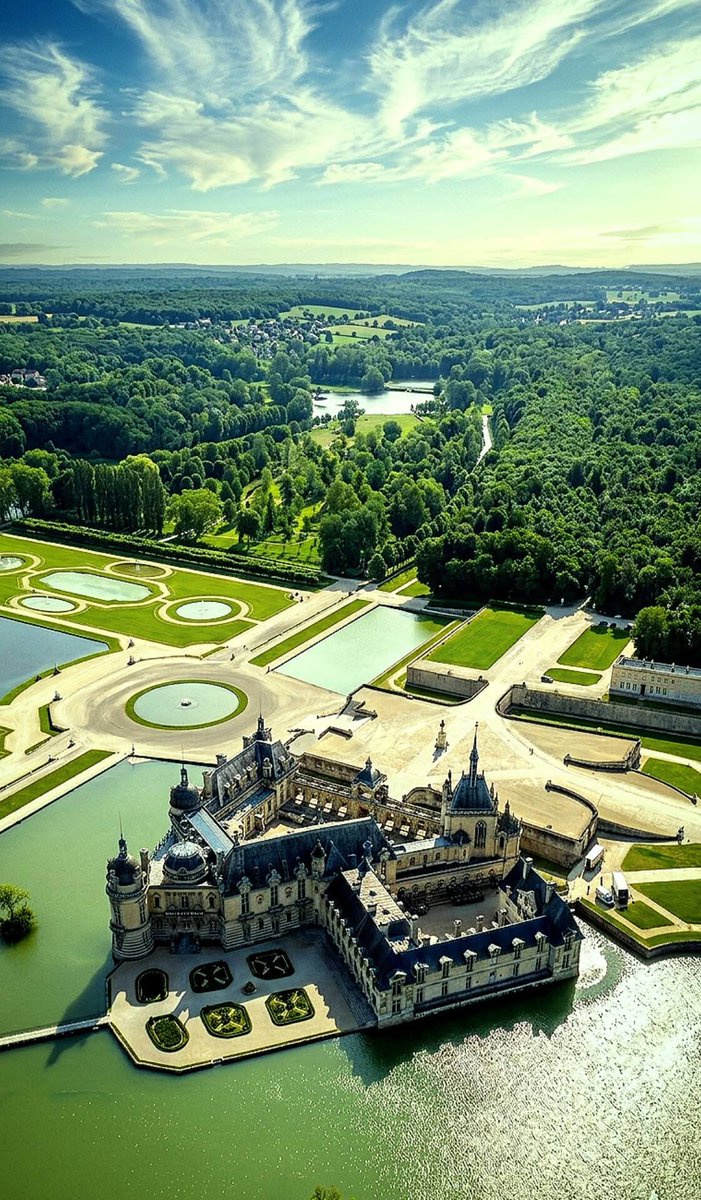
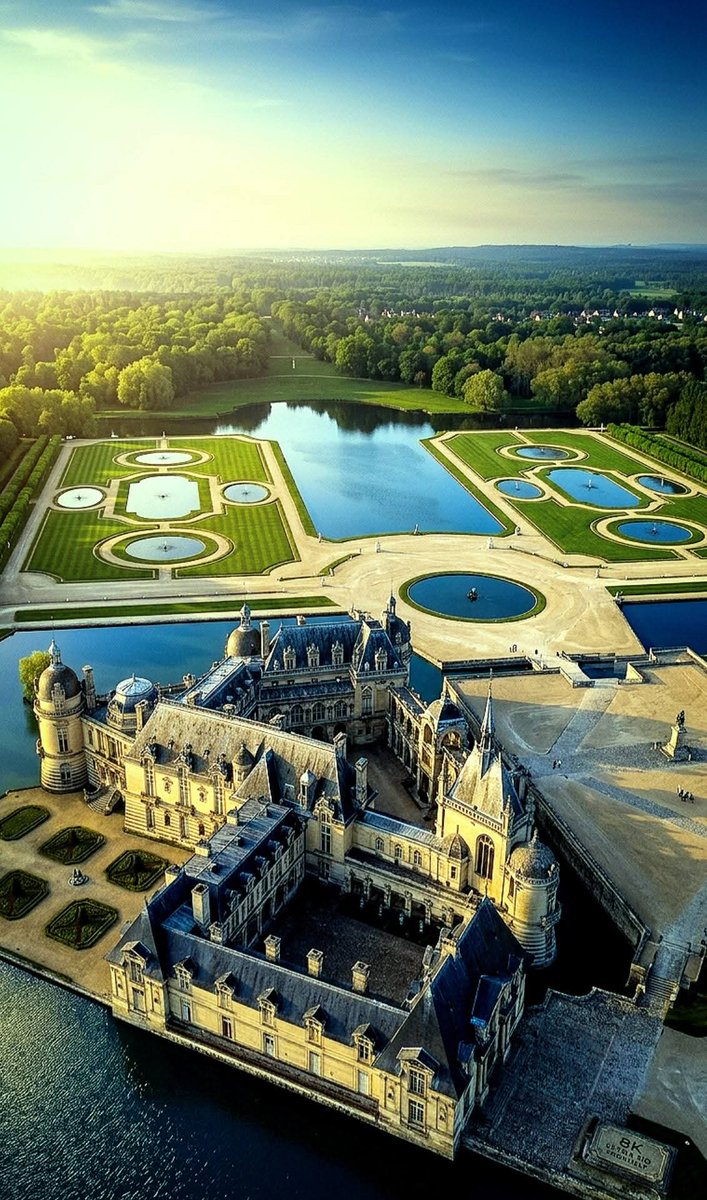
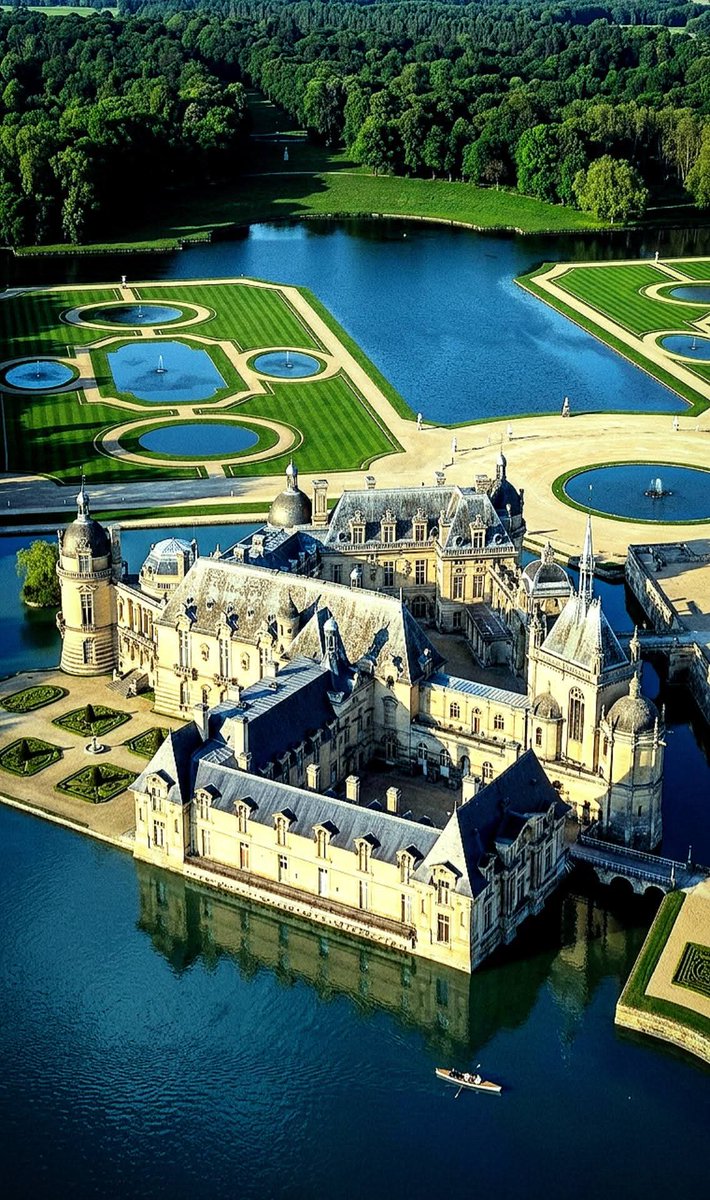
Château de Chantilly: The Magnificent Castle of French Nobility
Located in the town of Chantilly in the Oise department of northern France, Château de Chantilly is one of the most beautiful and historically significant castles in France.
Renowned for its elegant architecture, priceless art collections, vast gardens, and centuries of noble heritage, the château has played an important role in French history from the Middle Ages to modern times.
Early Origins
The history of Château de Chantilly dates back to the Middle Ages. The first fortress was constructed around the 10th century on a rocky island surrounded by marshlands. Its strategic location helped protect important routes leading to Paris.
During the 14th century, the property came under the ownership of the powerful Orgemont Family. They transformed the military stronghold into a more sophisticated residence while maintaining its defensive capabilities. The castle gradually became an important center of regional power.
The Montmorency Era
In 1484, the estate passed to the influential Montmorency Family, one of France's most distinguished noble houses. Under their ownership, Chantilly flourished.
The most famous member of the family, Anne de Montmorency, became Constable of France and a trusted advisor to several French kings. During the 16th century, he commissioned extensive renovations, replacing medieval structures with elegant Renaissance buildings.
The château became a center of culture, politics, and royal entertainment. Kings and nobles frequently visited Chantilly, enhancing its prestige throughout France.
The Bourbon-Condé Dynasty
After the extinction of the Montmorency line in the 17th century, the estate passed to the powerful Louis II de Bourbon, commonly known as the Great Condé. Under the Bourbon-Condé family, Chantilly entered its golden age.
The Great Condé transformed the estate into one of Europe's most magnificent residences. He invited renowned architect Jules Hardouin-Mansart and legendary landscape designer André Le Nôtre to redesign the property.
Le Nôtre created spectacular formal gardens featuring canals, fountains, terraces, and geometric landscapes. These gardens became some of the finest examples of French garden design and rivaled those of Palace of Versailles.
During this period, Chantilly became famous for lavish celebrations, hunting parties, theatrical performances, and gatherings of the French aristocracy.
Destruction During the French Revolution
The prosperity of Chantilly came to a dramatic end during the French Revolution.
As revolutionary forces targeted symbols of aristocratic privilege, the château was seized by the state. Much of its furniture, artworks, and treasures were confiscated or sold. Between 1799 and 1804, large sections of the original château were demolished.
Only a few structures survived, including the Petit Château and parts of the surrounding estate. The destruction represented a major loss to France's architectural heritage.
Reconstruction in the 19th Century
The château experienced a remarkable revival during the 19th century under Henri d'Orléans, the son of King Louis Philippe I.
After inheriting the estate, the Duke of Aumale dedicated himself to restoring Chantilly's former glory. Between 1875 and 1882, he commissioned architect Honoré Daumet to rebuild the Grand Château on the foundations of the destroyed structure.
The reconstruction combined historical inspiration with modern engineering. Although much of the château visible today dates from the 19th century, it was carefully designed to reflect the grandeur of earlier centuries.
The Duke of Aumale's Collections
Henri d'Orléans became one of the greatest art collectors of his era. Throughout his life, he acquired thousands of rare books, manuscripts, paintings, drawings, and historical artifacts.
His collection included masterpieces by celebrated artists such as:
Raphael
Nicolas Poussin
Jean-Antoine Watteau
Ingres
1
1
18

Pendant ce temps-là madame s’opposait à la construction d’une nouvelle maison d’arrêt à Bernes-sur-Oise. 😂
39

Another OISE graduate.
OISE the #1 reason why our schools are filled with Marxist teachers

What a power couple, educated, kind, informed, working FOR Canadians, and loved wherever they go!

11

Mec dans l oise a minuit j ai 12 degrés ... Jamais connu ça en juin normalement tu cours tout nu dehors meme a minuit ...
2
1
23
Lydiacharm retweeted

Jun 12

1
14
Et beaucoup autour de moi sont ravis d avoir enfin du soleil et de la chaleur.
Dans l oise c est 30 jours par an donc personne ne se plaint.... Ni même en Bretagne...
Par contre dans le sud c est peut être étouffant, après si tu vis en bord de mer tout va bien .
1
14

Danilo entrou e não fez nada no jogo kkkkkkkkkkk tomar nesse teu cu seu lixo tomara que tu oise na merda qnd for na rua
1
28
🏟️Pierrefonds Castle (Château de Pierrefonds) is located in Oise. Originally a medieval castle built in the 12th century, it was completely restored in the 19th century by architect Eugène Viollet-le-Duc under the direction of Emperor Napoleon III.
📸Photo by @vlad_parisgid
6

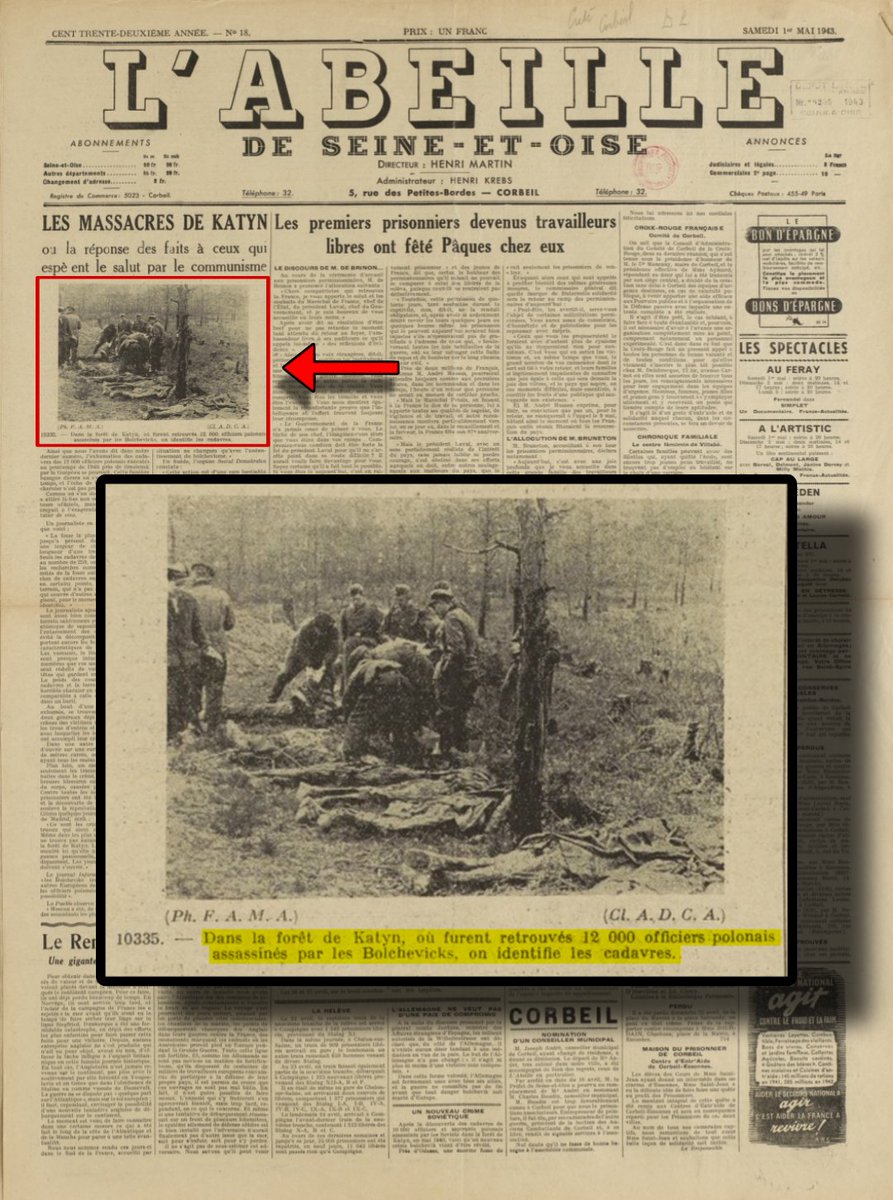
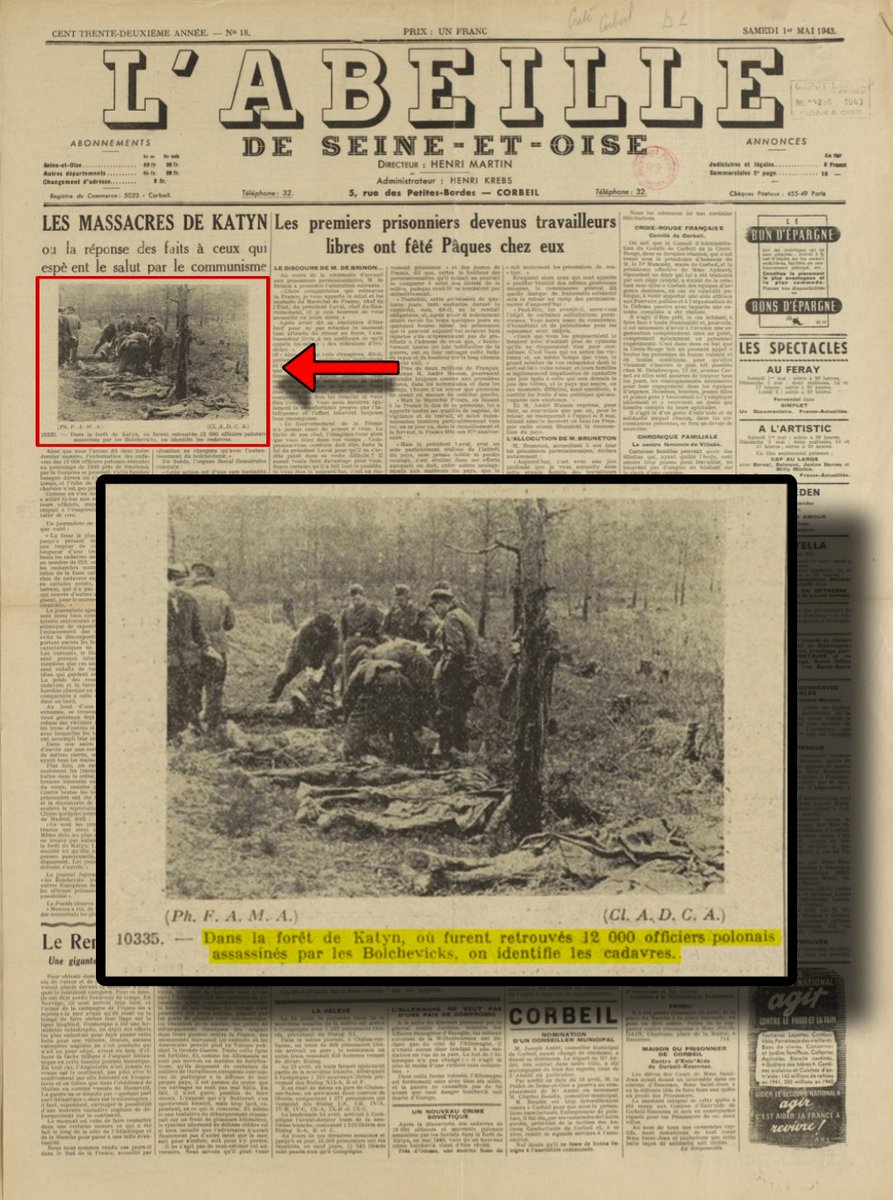
❝Dans la forêt de Katyn, où furent retrouvés 12 000 officiers polonais assassinés par les Bolchevicks, on identifie les cadavres.❞
📰L'Abeille de Seine-et-Oise, Samedi 1er Mai 1943, Page 1.
24 Nov 2025

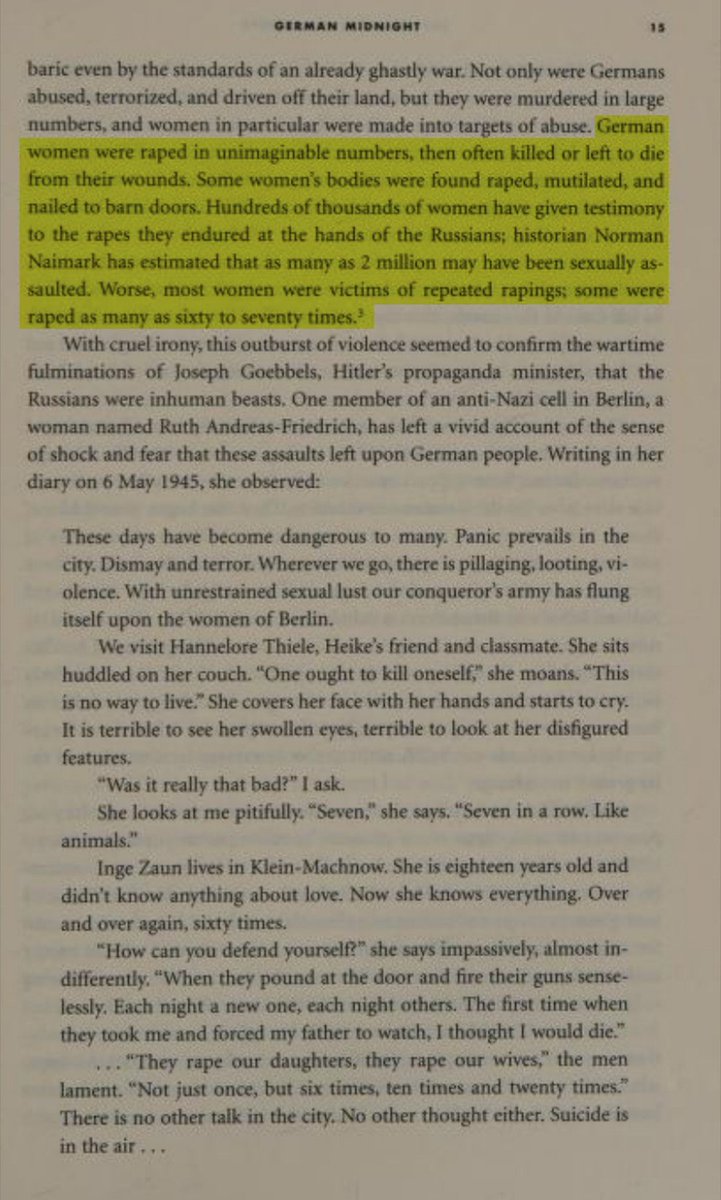
📌 Crimes de guerre commis par l'Armée rouge pendant la Seconde Guerre mondiale
« En Allemagne, les femmes furent violées en nombre inimaginable, puis souvent tuées ou laissées pour mortes de leurs blessures. On retrouva des corps de femmes violées, mutilées et clouées à des portes de grange. Des centaines de milliers de femmes ont témoigné des viols qu'elles ont subis aux mains des Russes ; l'historien Norman Naimark estime que jusqu'à deux millions d'entre elles auraient été victimes d'agressions sexuelles. Pire encore, la plupart de ces femmes furent victimes de viols répétés ; certaines furent violées jusqu'à soixante ou soixante-dix fois. »
📕 William I. Hitchcock, "The Struggle for Europe", 2003, Page 15.

1
2
6
435
❝Dans la forêt de Katyn, où furent retrouvés 12 000 officiers polonais assassinés par les Bolchevicks, on identifie les cadavres.❞
📰L'Abeille de Seine-et-Oise, Samedi 1er Mai 1943, Page 1.
2
26

Gerhard Klefenz retweeted

Jun 14
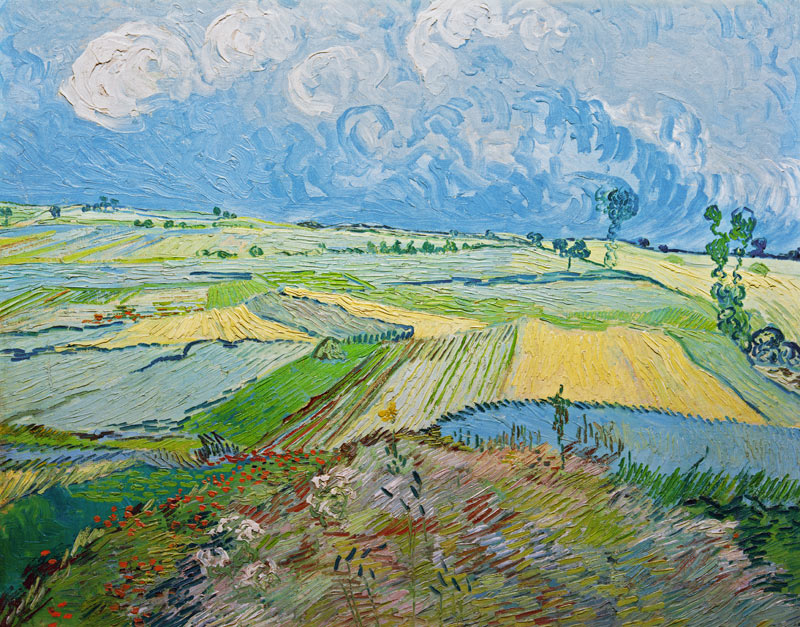
Vincent van Gogh (1853-1890)
Wheat fields at Auvers, 1890.
Charming village on the Oise river. It owes its international renown to landscape painters and especially impressionists, Charles-François Daubigny, Paul Cézanne, Camille Corot, Camille Pissarro and Vincent van Gogh who came here to draw their inspiration
1
49
265
2,248

15h
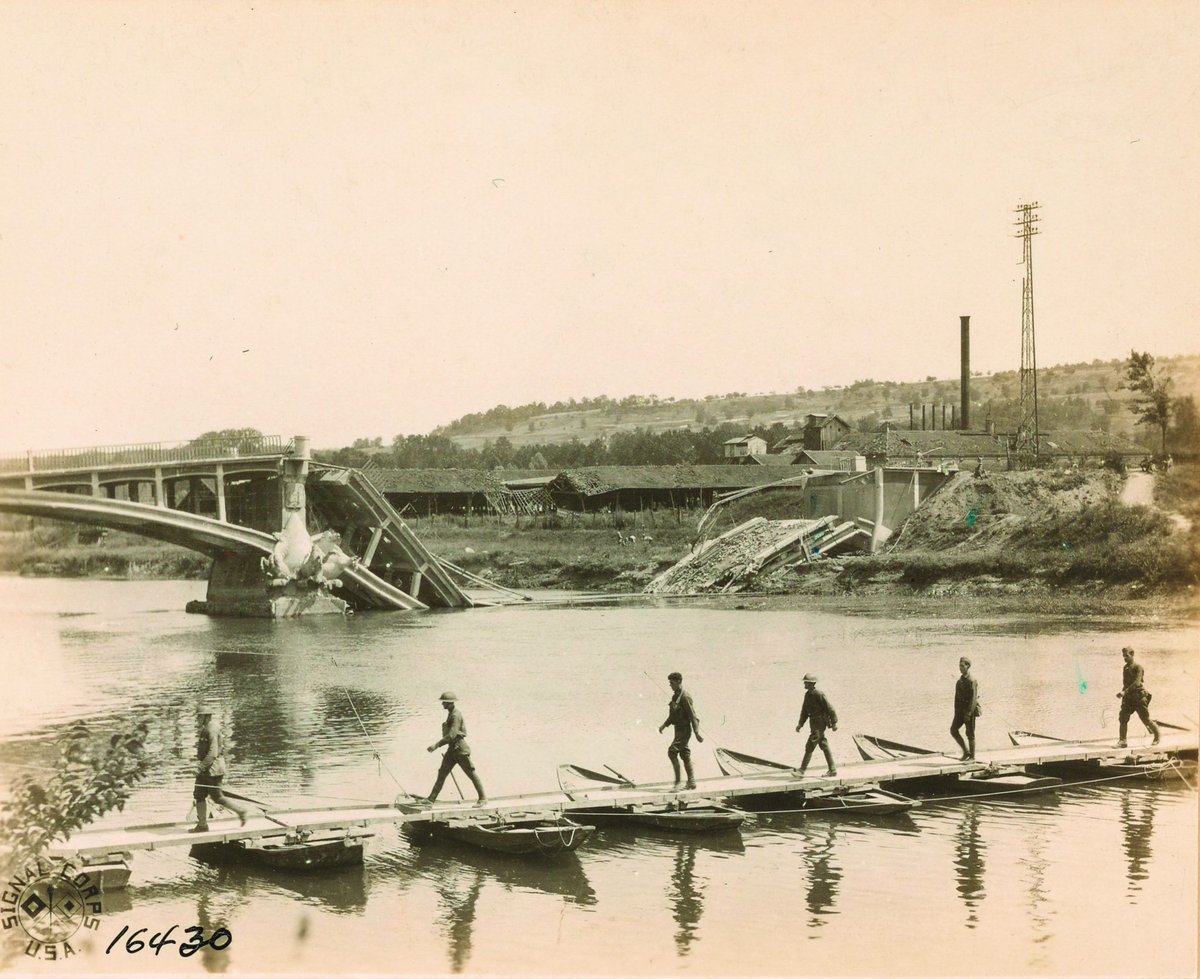
The American Battle Monuments Commission (@usabmc ) published a World War I battlefield tour tracing key locations of the Aisne-Marne Offensive, one of the major Allied counteroffensives of 1918. The campaign achieved the first major Allied victory on the Western Front and helped shift the momentum of the war permanently against Germany.
Follow the battlefield route through France: 49° 9' 29.3656"" N 3° 32' 25.6186"" E
Stops include:
Croix Rouge Farm, where soldiers of the 42nd “Rainbow” Division fought through intense machine-gun and artillery fire to capture fortified German positions in July 1918.
Grimpettes Wood - the site of brutal fighting involving the 28th Division near the Ourcq River, where American troops advanced under heavy bombardment and repeated German counterattacks.
Chamery, where 1st Lt. Quentin Roosevelt, son of former President Theodore Roosevelt, was killed in aerial combat on July 14, 1918.
Oise-Aisne American Cemetery - ABMC’s second-largest American World War I cemetery overseas. It is a resting place of the more than 6,000 Americans who fought in the Aisne-Marne and Oise-Aisne campaigns.
Soldiers en route to the front cross a pontoon bridge across the Marne and Oisne-Aisne cemetery wooden headstones
abmc.gov/news-events/news/ww…
#WeRemember #AisneMarne #WWI
1
1
23





Ya tous les mecs de l oise de ma tl quand ils étaient petits
Maintenant ils ont réussi et ils ont enlevé leur acccent

1
285