เปิดหาร Perplexity Pro สุดคุ้ม! ตัวช่วย AI ค้นหาข้อมูลขั้นเทพ 🧠✨
💸 ราคาเพียง 129฿ / คน เท่านั้น!
🗓️ ใช้งานได้เต็มๆ 30 วัน
👥 รับจำกัดกลุ่มละ 2 คน (หารกันถูกมากกก)
✅ เข้าถึงโมเดลตัวท็อป เช่น GPT 5.4 , Claude Sonnet 4.6
✅ ค้นหาข้อมูลลึก สรุปงานไว แม่นยำ
✅ รองรับภาษาไทย 100%
📲 สนทัก LINE: lin.ee/poPFBe4
#Perplexity #PerplexityPro #เปิดหารPerplexity #แอปดีบอกต่อ #AI #แอปAI #วัยรุ่นสร้างตัว #สรุปงาน #หารperplexity

161

Jun 14
เปิดหาร Perplexity Pro สุดคุ้ม! ตัวช่วย AI ค้นหาข้อมูลขั้นเทพ 🧠✨
💸 ราคาเพียง 129฿ / คน เท่านั้น!
🗓️ ใช้งานได้เต็มๆ 30 วัน
👥 รับจำกัดกลุ่มละ 2 คน (หารกันถูกมากกก)
✅ เข้าถึงโมเดลตัวท็อป เช่น GPT 5.4 , Claude Sonnet 4.6
✅ ค้นหาข้อมูลลึก สรุปงานไว แม่นยำ
✅ รองรับภาษาไทย 100%
📲 สนทัก LINE: lin.ee/poPFBe4
#Perplexity #PerplexityPro #เปิดหารPerplexity #แอปดีบอกต่อ #AI #แอปAI #วัยรุ่นสร้างตัว #สรุปงาน #หารperplexity

164

Jun 13
เปิดหาร Perplexity Pro สุดคุ้ม! ตัวช่วย AI ค้นหาข้อมูลขั้นเทพ 🧠✨
💸 ราคาเพียง 129฿ / คน เท่านั้น!
🗓️ ใช้งานได้เต็มๆ 30 วัน
👥 รับจำกัดกลุ่มละ 2 คน (หารกันถูกมากกก)
✅ เข้าถึงโมเดลตัวท็อป เช่น GPT 5.4 , Claude Sonnet 4.6
✅ ค้นหาข้อมูลลึก สรุปงานไว แม่นยำ
✅ รองรับภาษาไทย 100%
📲 สนทัก LINE: lin.ee/poPFBe4
#Perplexity #PerplexityPro #เปิดหารPerplexity #แอปดีบอกต่อ #AI #แอปAI #วัยรุ่นสร้างตัว #สรุปงาน #หารperplexity

287
Jun 11
เปิดหาร Perplexity Pro สุดคุ้ม! ตัวช่วย AI ค้นหาข้อมูลขั้นเทพ 🧠✨
💸 ราคาเพียง 129฿ / คน เท่านั้น!
🗓️ ใช้งานได้เต็มๆ 30 วัน
👥 รับจำกัดกลุ่มละ 2 คน (หารกันถูกมากกก)
✅ เข้าถึงโมเดลตัวท็อป เช่น GPT 5.4 , Claude Sonnet 4.6
✅ ค้นหาข้อมูลลึก สรุปงานไว แม่นยำ
✅ รองรับภาษาไทย 100%
📲 สนทัก LINE: lin.ee/poPFBe4
#Perplexity #PerplexityPro #เปิดหารPerplexity #แอปดีบอกต่อ #AI #แอปAI #วัยรุ่นสร้างตัว #สรุปงาน #หารperplexity

355
Jun 11
เปิดหาร Perplexity Pro สุดคุ้ม! ตัวช่วย AI ค้นหาข้อมูลขั้นเทพ 🧠✨
💸 ราคาเพียง 129฿ / คน เท่านั้น!
🗓️ ใช้งานได้เต็มๆ 30 วัน
👥 รับจำกัดกลุ่มละ 2 คน (หารกันถูกมากกก)
✅ เข้าถึงโมเดลตัวท็อป เช่น GPT 5.4 , Claude Sonnet 4.6
✅ ค้นหาข้อมูลลึก สรุปงานไว แม่นยำ
✅ รองรับภาษาไทย 100%
📲 สนทัก LINE: lin.ee/poPFBe4
#Perplexity #PerplexityPro #เปิดหารPerplexity #แอปดีบอกต่อ #AI #แอปAI #วัยรุ่นสร้างตัว #สรุปงาน #หารperplexity

307

#Cat & #Owl #playing together.
Created via free #PerplexityPro subscription (#PayPal action) using #Veo3Fast.
#Veo3 #Perplexity #KIKunst #AIArt #AIGenerated #AIAnimals #catLover #owlLover
25
69
1,735
37,564
Jun 10
เปิดหาร Perplexity Pro สุดคุ้ม! ตัวช่วย AI ค้นหาข้อมูลขั้นเทพ 🧠✨
💸 ราคาเพียง 129฿ / คน เท่านั้น!
🗓️ ใช้งานได้เต็มๆ 30 วัน
👥 รับจำกัดกลุ่มละ 2 คน (หารกันถูกมากกก)
✅ เข้าถึงโมเดลตัวท็อป เช่น GPT 5.4 , Claude Sonnet 4.6
✅ ค้นหาข้อมูลลึก สรุปงานไว แม่นยำ
✅ รองรับภาษาไทย 100%
📲 สนทัก LINE: lin.ee/poPFBe4
#Perplexity #PerplexityPro #เปิดหารPerplexity #แอปดีบอกต่อ #AI #แอปAI #วัยรุ่นสร้างตัว #สรุปงาน #หารperplexity

483

Jun 9
また珍しいモデルを。
PerplexityProにも入ってるのですが、これ個人では何に使うんでしょうか:・・?
使い道がわからなくて🤔
何せ、ちゃっぴーやGeminiやくろーどなどとはタ性能的にタイプが違うものですから・・
Jun 8

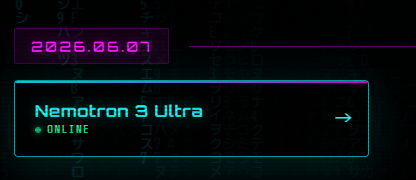
同プロンプトLPサイトに「Nemotron 3 Ultra」追加しましたのだ。
しとちゃ的にはいろんな要素がぶつかってる気もするなんだから、選択肢としては無しなんだけど、動き等々の表現は今までのモデルの中で一番激しい気がするなん!
1
1
645
Jun 9
เปิดหาร Perplexity Pro สุดคุ้ม! ตัวช่วย AI ค้นหาข้อมูลขั้นเทพ 🧠✨
💸 ราคาเพียง 129฿ / คน เท่านั้น!
🗓️ ใช้งานได้เต็มๆ 30 วัน
👥 รับจำกัดกลุ่มละ 2 คน (หารกันถูกมากกก)
✅ เข้าถึงโมเดลตัวท็อป เช่น GPT 5.4 , Claude Sonnet 4.6
✅ ค้นหาข้อมูลลึก สรุปงานไว แม่นยำ
✅ รองรับภาษาไทย 100%
📲 สนทัก LINE: lin.ee/poPFBe4
#Perplexity #PerplexityPro #เปิดหารPerplexity #แอปดีบอกต่อ #AI #แอปAI #วัยรุ่นสร้างตัว #สรุปงาน #หารperplexity

449
Jun 8
เปิดหาร Perplexity Pro สุดคุ้ม! ตัวช่วย AI ค้นหาข้อมูลขั้นเทพ 🧠✨
💸 ราคาเพียง 129฿ / คน เท่านั้น!
🗓️ ใช้งานได้เต็มๆ 30 วัน
👥 รับจำกัดกลุ่มละ 2 คน (หารกันถูกมากกก)
✅ เข้าถึงโมเดลตัวท็อป เช่น GPT 5.4 , Claude Sonnet 4.6
✅ ค้นหาข้อมูลลึก สรุปงานไว แม่นยำ
✅ รองรับภาษาไทย 100%
📲 สนทัก LINE: lin.ee/poPFBe4
#Perplexity #PerplexityPro #เปิดหารPerplexity #แอปดีบอกต่อ #AI #แอปAI #วัยรุ่นสร้างตัว #สรุปงาน #หารperplexity

483
Jun 8
เปิดหาร Perplexity Pro สุดคุ้ม! ตัวช่วย AI ค้นหาข้อมูลขั้นเทพ 🧠✨
💸 ราคาเพียง 129฿ / คน เท่านั้น!
🗓️ ใช้งานได้เต็มๆ 30 วัน
👥 รับจำกัดกลุ่มละ 2 คน (หารกันถูกมากกก)
✅ เข้าถึงโมเดลตัวท็อป เช่น GPT 5.4 , Claude Sonnet 4.6
✅ ค้นหาข้อมูลลึก สรุปงานไว แม่นยำ
✅ รองรับภาษาไทย 100%
📲 สนทัก LINE: lin.ee/poPFBe4
#Perplexity #PerplexityPro #เปิดหารPerplexity #แอปดีบอกต่อ #AI #แอปAI #วัยรุ่นสร้างตัว #สรุปงาน #หารperplexity

1
478

May 19
Μετά από σωρεία παραπόνων στα social media, η εταιρεία AI παραδέχεται ότι επέβαλε κρυφά όρια χρήσης σε προωθητικούς λογαριασμούς, επικαλούμενη φαινόμενα απάτης και μεταπώλησης κωδικών. #PerplexityPro
gr.pcmag.com/ai-2/51861/perp…
1
2
17

May 11
best avoided.
• Topless sunbathing is far more widespread and accepted (legal since the 1980s) on most beaches, even non-nudist ones.
Not all beaches allow (or tolerate) this. Crowded, organized, family-oriented, or urban beaches (especially near towns or with lots of sunbeds) generally expect swimsuits. Nudity works best at remote coves, the far ends of long beaches, or known clothing-optional spots. Always scope out the vibe first—if others are clothed, follow suit. Newer beach regulations (2024–2026) focus on sunbed limits (70% of beaches must stay free) and ecosystem protection but don’t directly address nudity.
Surrounding islands are prime territory—Greece has over 50 clothing-optional or nude-friendly beaches, with the majority on islands due to their secluded coves and tourist culture. Popular examples include:
• Rhodes: Faliraki (one of the few officially recognized since 1980; family-friendly too).
• Gavdos (south of Crete): Sarakiniko was long a nude haven but saw prohibition signs in 2023 (other beaches on the island remain more tolerant).
• Skopelos: Velanio (officially recognized since 2012).
• Skiathos: Banana Beach (Big/Little; administered by Nudist Club of Greece).
• Mykonos: Elia, Agrari, Paraga (sections are nude-friendly; mixed crowds).
• Crete: Red Beach (Kokkini Ammos), Kedrodassos, various southern coves.
• Lesbos: Skala Eressos (popular, relaxed).
• Others: Agistri (Chalikiada), Corfu (Myrtiotissa), Antiparos (camping beach), Naxos/Paros ends of long beaches, Anafi, etc.
The mainland has some spots (e.g., Attica coves), but islands dominate.
Tourists are not only allowed—they’re the main participants. Naturism is a big draw for international visitors (Europeans especially), and many beaches/resorts cater to them. Greeks themselves are more conservative overall (influenced by Orthodox Christianity), so the scene thrives on tourism. Just research specific beaches in advance and respect local norms.
Age range: No strict legal minimum—it’s generally adult-oriented, but some beaches and resorts are genuinely family-friendly, with parents and children (all ages, including young kids) present and comfortable. Examples include Faliraki (Rhodes), Myrtiotissa (Corfu), and sections of Naxos/Antiparos beaches. Family naturist resorts (e.g., on Crete) exist too. Common sense applies: avoid spots with kids if you’re unsure, and prioritize respect.
Extra details:
• Peak season (July–August) can be crowded, so shoulder seasons or remote spots feel more freeing.
• Some places have naturist clubs/resorts with strict internal rules (e.g., expulsion for bad behavior).
• Nudism often overlaps with hiking or boat access to hidden coves.
• The vibe varies: some beaches are chill/relaxed, others livelier (e.g., Mykonos party scenes with mixed clothed/nude areas).
• Always ask locals or check recent traveler reports—tolerance can shift slightly by location or year.
Overall, Greek nude beaches offer a liberating, body-positive experience rooted in ancient ideals but grounded in modern respect. Research spots via guides or apps, go with the flow, and you’ll blend right in—especially on the islands! If planning a trip, specific island recommendations can be narrowed further based on your preferences.
@grok and @perplexity_ai influenced
PerplexityPro (on computer mode):
Research and compile a comprehensive list of 20 official and unofficial nude beaches across mainland Greece and islands including Mykonos, Crete, Rhodes, Antiparos, and Agistri. For each, include location details, accessibility, signage status, typical crowd levels, nearby amenities, and any recent 2025-2026 reports on enforcement or incidents. Produce a sortable Google Maps-integrated dashboard with filters by island, official status, and family-friendliness
(Answer TBD)
#greece #greek #culture #tourism #nude #beaches #nudebeaches #paganism #openness #christianorthodox #summer #pasttime #bodyawareness #freedom #optionalclothes
2
1,051

Apr 17
So much of the convo from Christian circles about AI is not only “head-in-the-sand”/luddite stuff, it also demonstrates an absolute failure to grasp what we’re actually talking about. This ain’t about writing sermons for you or summarizing commentaries. This is about agentic ability. I’m not saying it’s an unqualified good; there are layers of complexity. But folks, let’s at least learn what we’re talking about.
I’m a PerplexityPro user and am feeling my way through this. I’ll post more about thoughts related to:
1. Presence vs Intelligence
2. Customization vs Personalization
3. I-Thou Relationships between beings not beings and “its”
Etc.
Apr 16

Today we're releasing Personal Computer.
Personal Computer integrates with the Perplexity Mac App for secure orchestration across your local files, native apps, and browser.
We’re rolling this out to all Perplexity Max subscribers and everyone on the waitlist starting today.
14
4
56
18,242

Say goodbye to multiple subscriptions
GlobalGPT is my go-to site for accessing 100 AI agents and models - including #GPT5_4, #Gemini31Pro, #PerplexityPro, #NanoBanan2, #OpenClaw and more.
All AI models. One account. Lower cost. @GlbGPT
Try it here 👉 glbgpt.com/home/gpt-5-4
1
11
1,196

Mar 26
To recognize this face is to understand the Médula of High Culture. Today, March 26, we honor the legacy of Jacqueline de Romilly, who found in the ancient Greek light the strength to defy the darkness of the Gestapo.
Listening to her internal vigil, we hear the whisper of a timeless truth:
"Au plus fort de l'épreuve, j'ai compris que la beauté n'était pas un luxe, mais une armure. Lire Thucydide, c'était retrouver le souffle d'une cité qui refuse de mourir."
While others chase the spectacle of the grotesque, she allows the feeling to mature—in the darkness, in the unsayable—just as Rilke wrote. From her desk, surrounded by the echoes of Beethoven, she reminds us that the Intellectual Armor is forged in silence and sustained by the Will to Meaning.
The machine is our tool; her spirit is our compass. 🏛️🖋️🛡️
#JacquelineDeRomilly #HighCulture #Weltliteratur #TheCanon #Thucydides #SovereignIndividual #PerplexityPro #Photopea
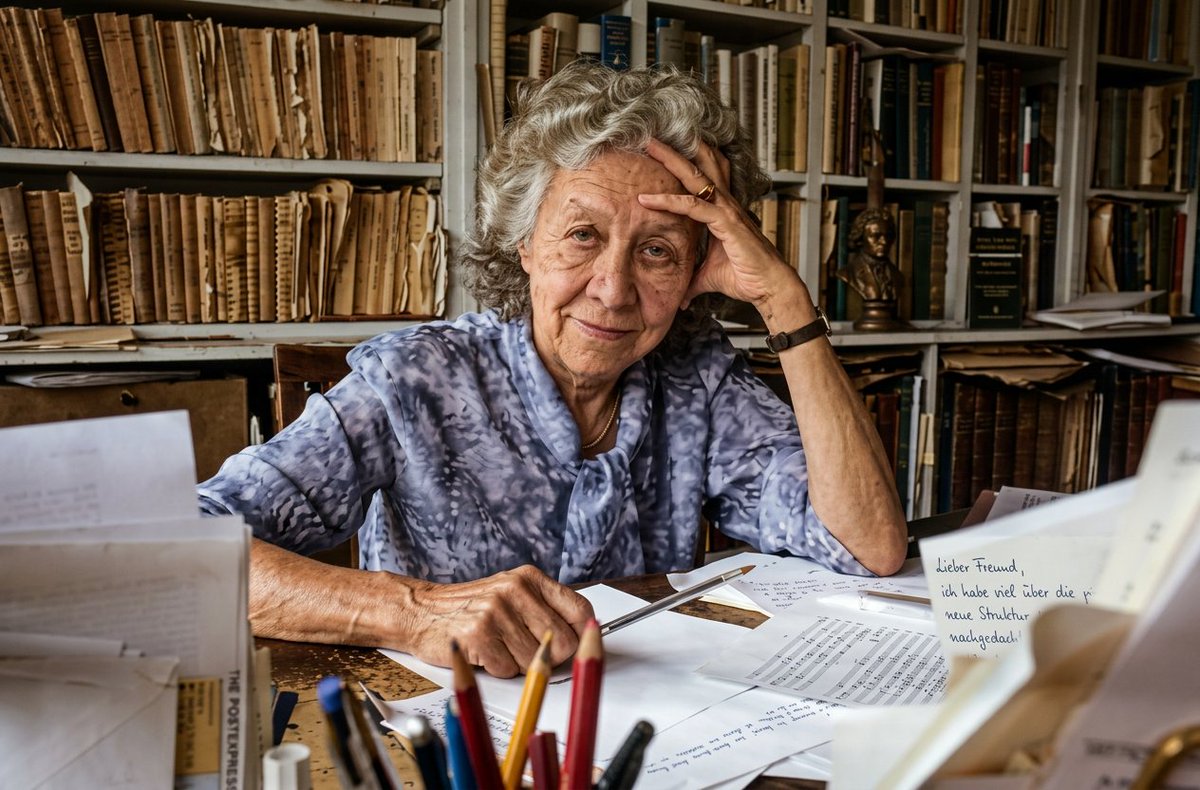
ALT A majestic photograph of a venerable, elderly scholar in her sanctuary of books and manuscripts. The lighting and composition suggest a moment of deep listening, as if the whispers of Thucydides and the chords of Beethoven were present in the air. This image, edited with Photopea, serves as the definitive tribute to Jacqueline de Romilly. It represents the "contactus" between 2026 technology and the eternal heritage of the High Culture.
2
135

Mar 16
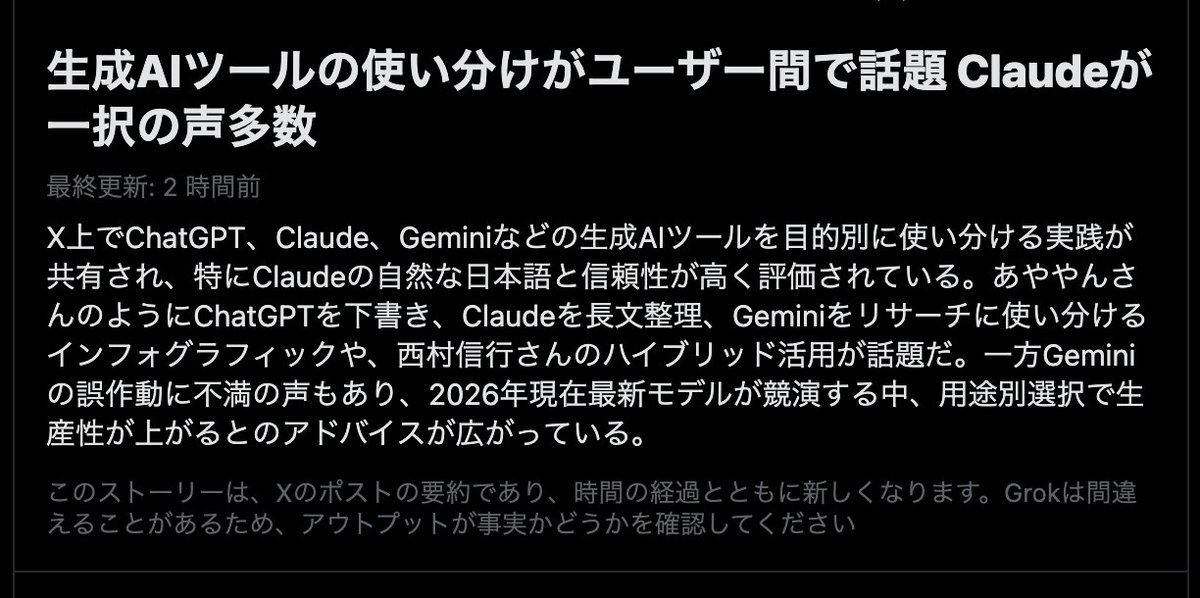
結論:海事代理士の実務で「資料検索→疑問解決」するなら、Perplexity Proはかなり優秀です👍
行政資料を毎日扱う士業の方、Pro使ってみたことありますか?
無料版で十分派?
実務での体験談、リプで聞かせてください!
※回答の真偽は自身の責任で都度ご確認ください。
#PerplexityPro #士業AI
5
198