
#PetroPulseIntel | Jereh Group Eyes Ghana’s US$60 Billion Petroleum Hub
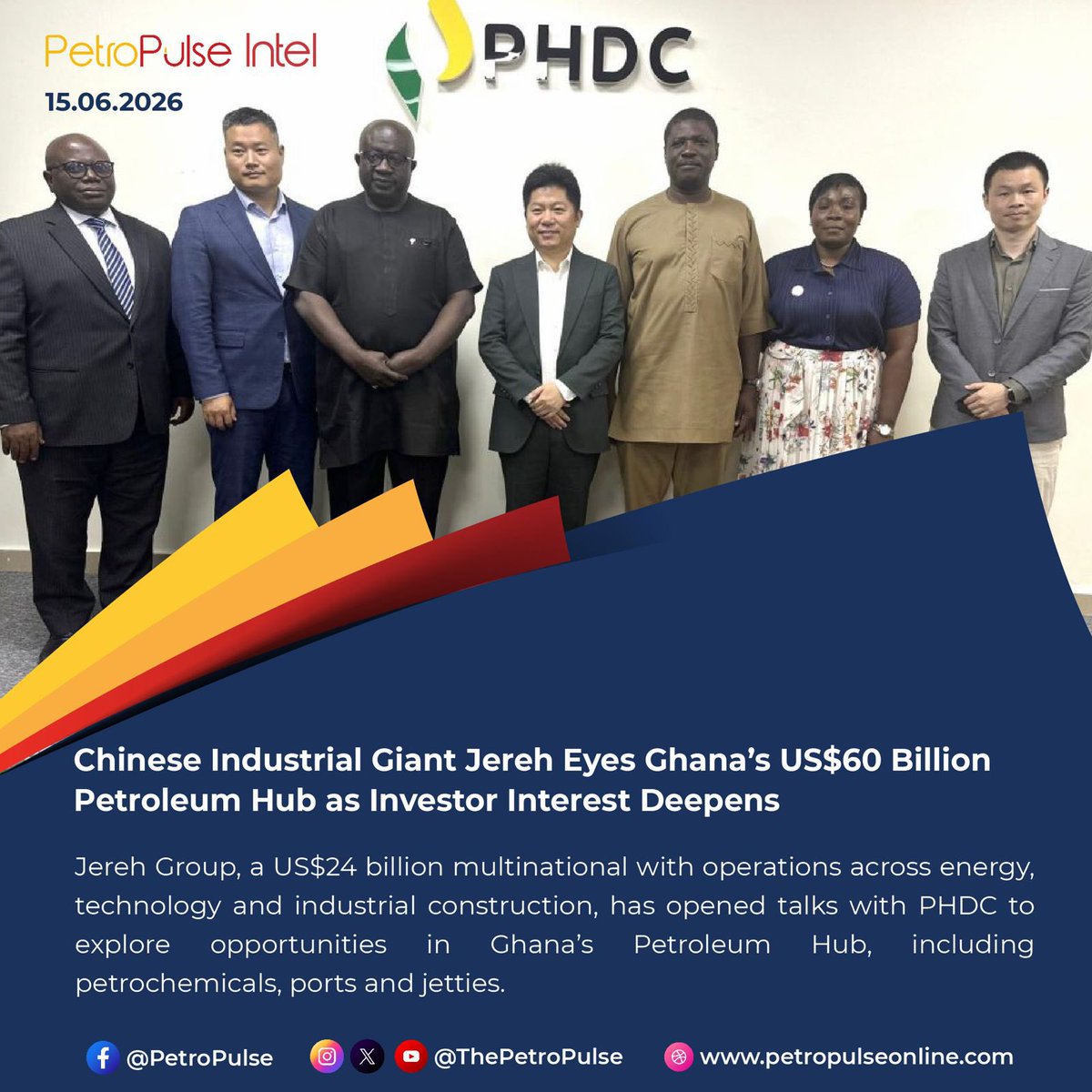
Chinese industrial giant @JerehGroup (market cap ~$24 billion) has opened formal talks with @PHDCghana to explore major investment opportunities in the Petroleum Hub — with strong interest in petrochemical plants, ports, and jetties.
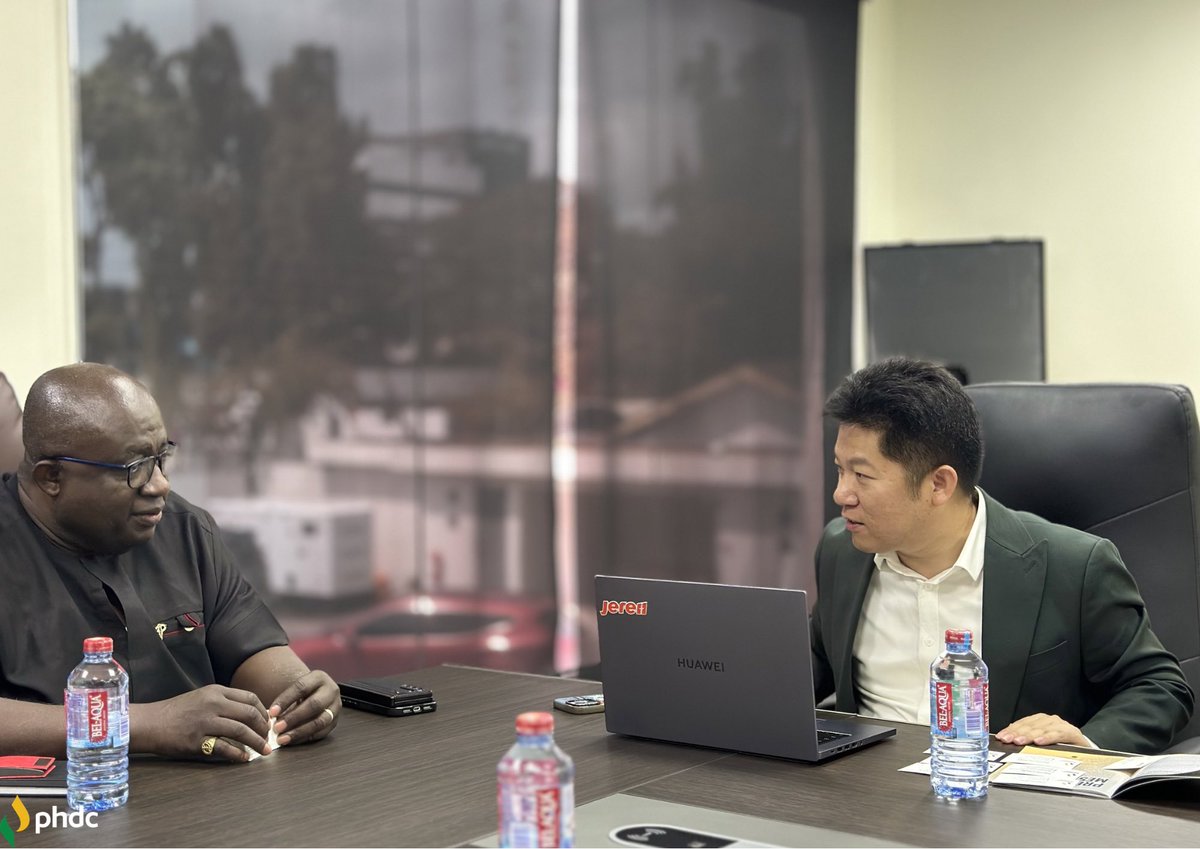
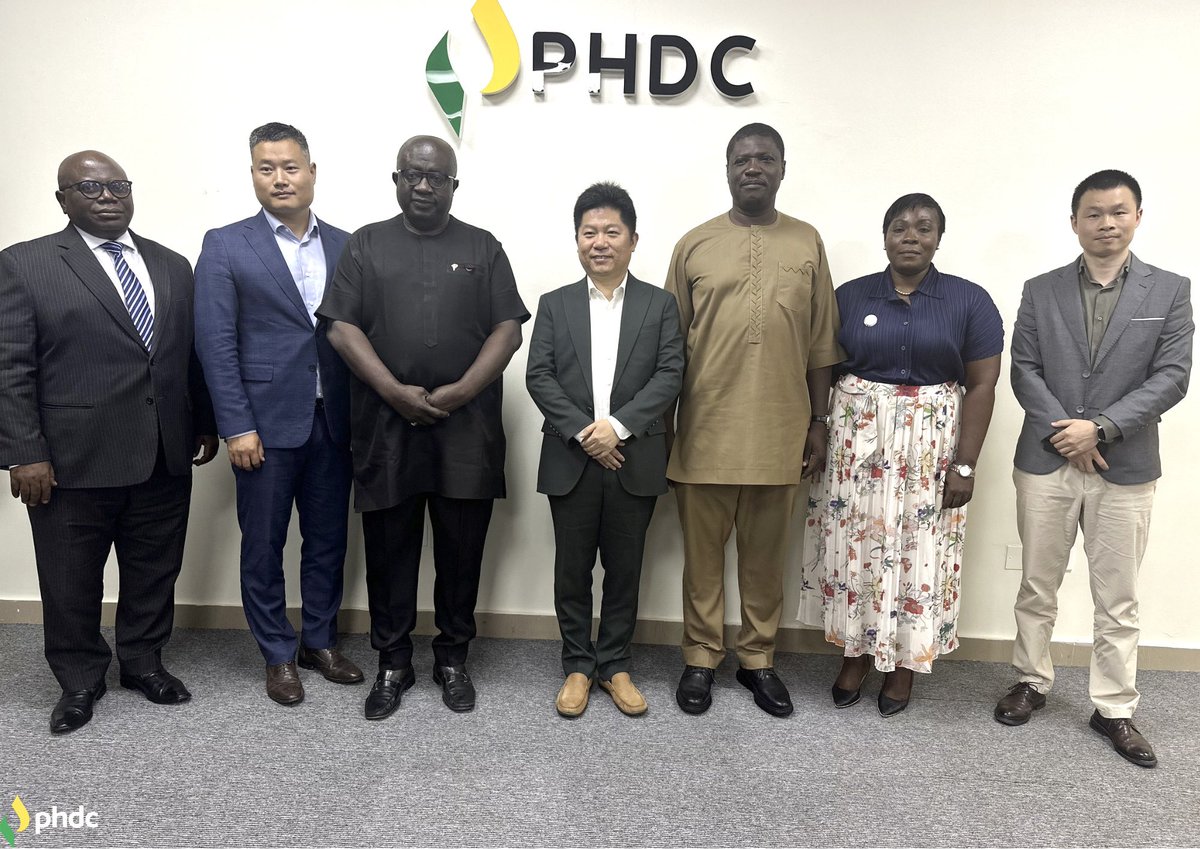
A high-level delegation led by Vice President Jake A met PHDC CEO Dr. Toni Aubynn on June 15, 2026, signalling deepening Chinese investor appetite in Ghana’s flagship downstream and industrial project.
This development comes on the heels of MoUs signed with Chemexa, Surbana-Jurong and Mannschaft for various aspect of the Petroleum Hub Project.
10

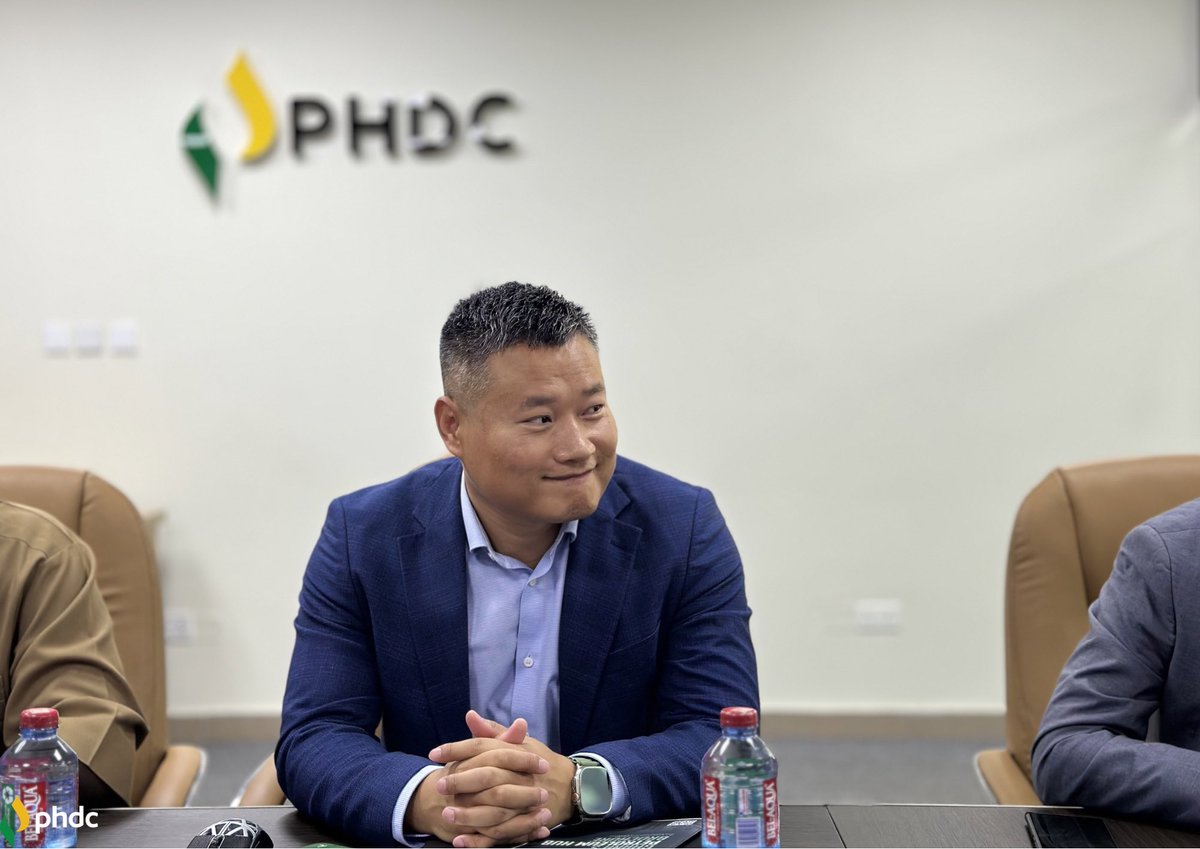
The meeting, held on Monday, June 15, 2026, saw a four-member delegation from the company, led by its Vice President, Jake An, engage extensively with the Chief Executive Officer of PHDC, Dr Toni Aubynn, and other members of management.
2/3

9
Chinese multi-industry company, Jereh Group, has held productive exploratory talks with the Petroleum Hub Development Corporation (PHDC) as it seeks to participate in the development of the transformative project, which will be sited in Jomoro of the Western Region.
1/3


2
2
20

$PHDC added 8.3% to 15.71 EGP and now carries a 44,929M market cap. Egyptian real estate really looked at the rest of the market and said: rent is for amateurs. #EGX #AfricanMarkets
4

Jun 11
What is the "value addition" of this Serah's comment now (even if it's true)? This is why Theo (PhDc) was made spokesperson, you'll notice he'll never make unnecessary, immature statements like this going forward (nb. majority of Obidients are actually wise but are not noisy).
2
1,230
Agbodo Kɔku Sɛlɔm retweeted
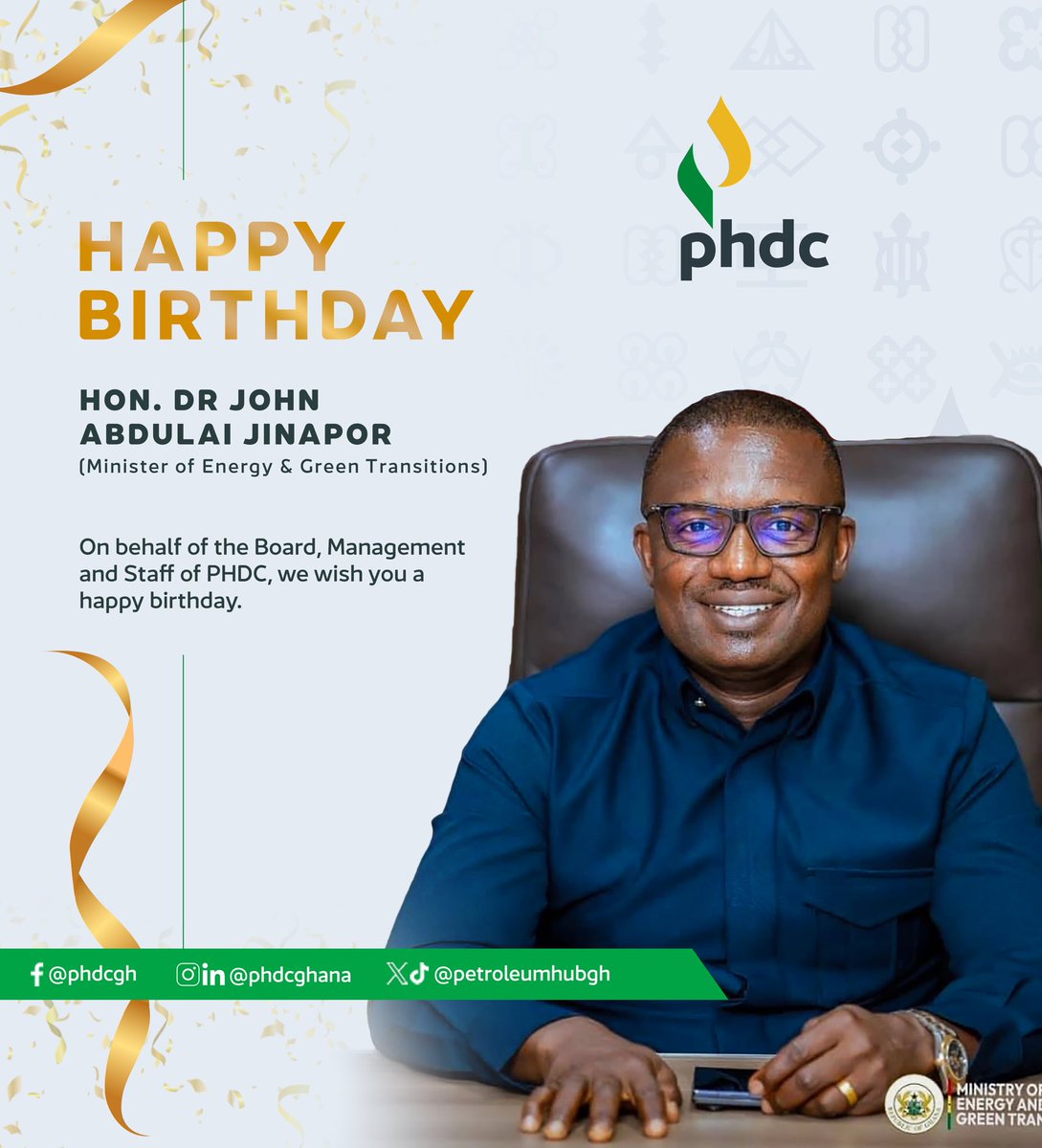
On behalf of the Board, Management and Staff of the Petroleum Hub Development Corporation (PHDC), we wish our sector minister, the Hon. Dr John Abdulai Jinapor, a HAPPY BIRTHDAY.
1/3
2
3
10
92
Agbodo Kɔku Sɛlɔm retweeted
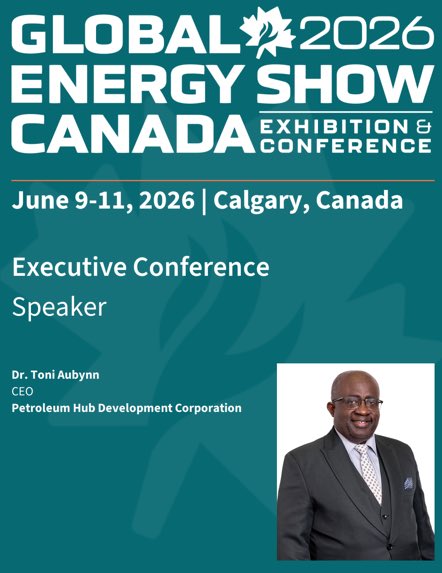
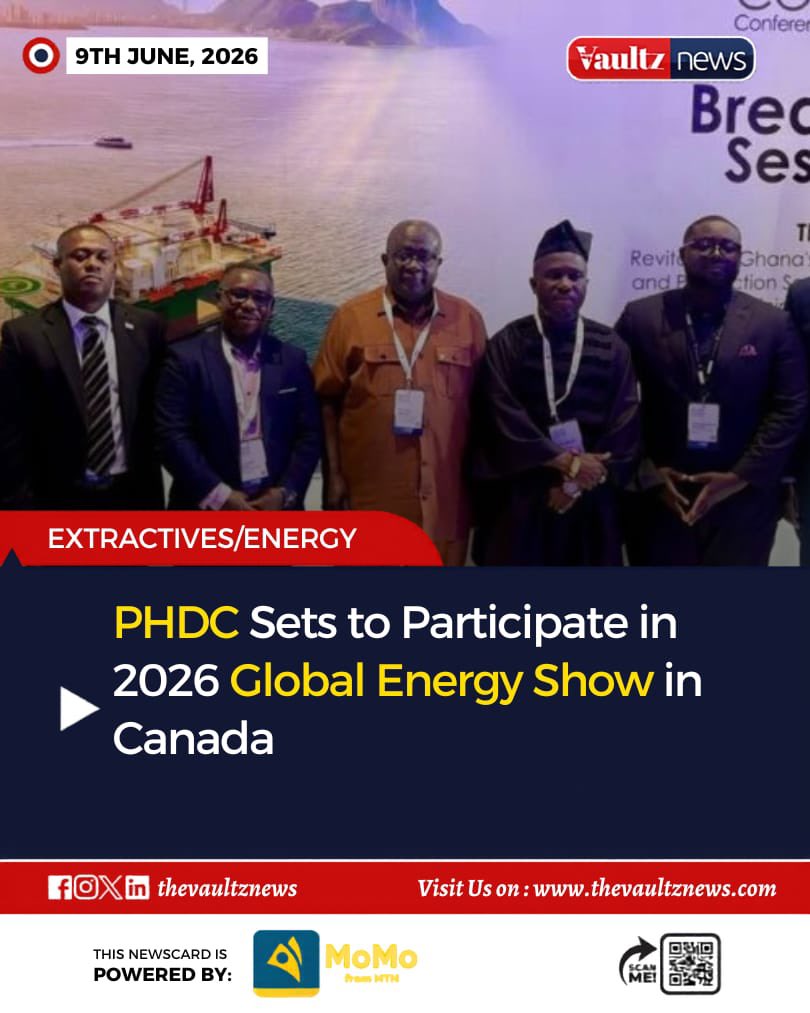
The Chief Executive Officer of the Petroleum Hub Development Corporation (PHDC), Dr Toni Aubynn, is leading a high-level delegation to the Global Energy Show Canada, scheduled to take place from Tuesday, June 9 to Thursday, June 11, 2026, at the BMO Centre in Calgary, Canada.
1/2
1
2
3
69

During this highly anticipated presentation, the PHDC boss will unveil the vast investment opportunities inherent in Ghana’s Petroleum Hub Project, structural designs that are engineered to transform the country into a leading downstream petroleum.
1
3
13
#AnonManMediating™️🌹 💭🕴🏿💭 retweeted

May 26
So nice to see him on the TL @NaetoC Did you later get A PhDc 😂 cheers man
1
1
784

No error in 5,000-hectare decision — PHDC CEO #GhanaianTimes
ghanaiantimes.com.gh/no-erro…
106

Jun 7
Most people training for longevity are following Zone 2 protocols designed for athletes who train 20 hours per week.
The problem: when you only have 3–6 hours, the same approach may be working against you.
In our latest Beyond Healthspan episode, PhDc researcher Kristi Storoschuk explains why Zone 2's reputation might be overstated.
The recommendation largely stems from observational data on elite endurance athletes who train 15–25 hours weekly and have exceptional mitochondrial capacity.
But extrapolating elite methods to the general population ignores a critical variable: volume.
When training time is limited, intensity becomes the determining factor for mitochondrial adaptation.
Storoschuk's narrative review in Sports Medicine examined the evidence and concluded: current data does not support Zone 2 as optimal for improving mitochondrial or fatty acid oxidative capacity.
Higher intensities appear more effective—especially in realistic training volumes.
If the intensity being recommended doesn't maximize mitochondrial adaptation in 3–6 hours of weekly training, the advice may be counterproductive.
Watch the full conversation: youtube.com/watch?v=zgKFNfty…
1
13
1,113
May 29
A new narrative review in Sports Medicine just challenged one of longevity training's most repeated recommendations—and the conclusion may upend how you're structuring your workouts.
Zone 2 training is positioned as optimal for mitochondrial health.
But the evidence doesn't support that claim.
In our latest Beyond Healthspan episode, PhDc researcher Kristi Storoschuk explains why Zone 2's reputation might be overstated.
The recommendation largely stems from observational data on elite endurance athletes who train 15–25 hours weekly and have exceptional mitochondrial capacity.
But extrapolating elite methods to the general population ignores a critical variable: volume.
When training time is limited, intensity becomes the determining factor for mitochondrial adaptation.
Storoschuk's narrative review in Sports Medicine examined the evidence and concluded: current data does not support Zone 2 as optimal for improving mitochondrial or fatty acid oxidative capacity.
Higher intensities appear more effective—especially in realistic training volumes.
If the intensity being recommended doesn't maximize mitochondrial adaptation in 3–6 hours of weekly training, the advice may be counterproductive.
Watch the full conversation: youtube.com/watch?v=zgKFNfty…
1
1
5
762
From the Board Members, Management, and Staff of the Petroleum Hub Development Corporation (PHDC), we extend our warmest Eid Mubarak wishes to all our cherished Muslim brothers and sisters. 🌙✨
1/2

1
1
2
36

May 25
Jomoro MP reaffirms support for initiatives by Petroleum Hub Development Corporation 3news.com/news/reaffirmed-my… #JomoroMP #PetroleumHub #PHDC
1
19
1,592

May 25
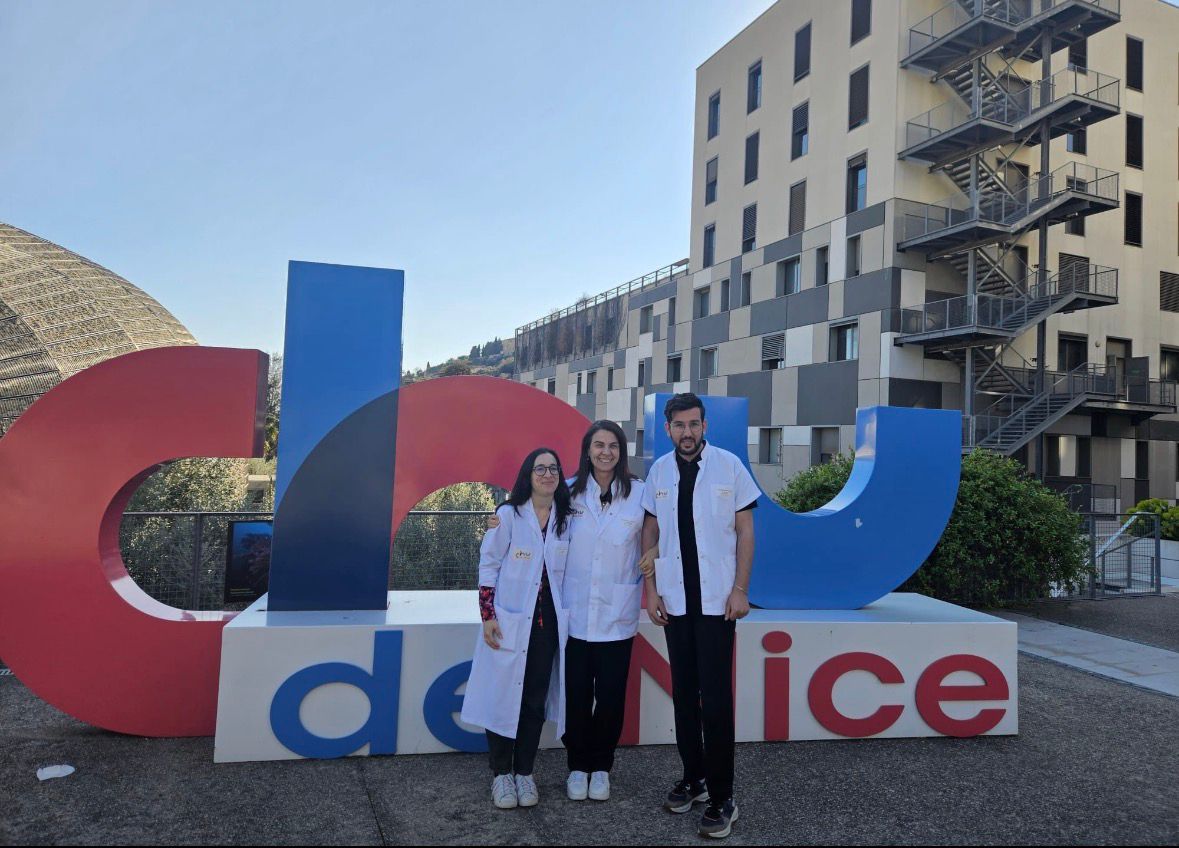
👏Félicitation Dr Giulia TAMMAM, MD & Abderhmane SLIOUI, PhDc Pr Sabrina SACCONI et les co-auteurs Michele CAVALLI, Saskia BRESCH, Angela PUMA, Luisa VILLA pour leur publication
dans la revue :
📰 Journal of neuromuscular diseases
1
5
322
May 17
Zone 2 training has become gospel in longevity circles—positioned as optimal for mitochondrial health.
But the evidence doesn't support that claim.
In our latest Beyond Healthspan episode, PhDc researcher Kristi Storoschuk explains why Zone 2's reputation might be overstated.
The recommendation largely stems from observational data on elite endurance athletes who train 15–25 hours weekly and have exceptional mitochondrial capacity.
But extrapolating elite methods to the general population ignores a critical variable: volume.
When training time is limited, intensity becomes the determining factor for mitochondrial adaptation.
Storoschuk's narrative review in Sports Medicine examined the evidence and concluded: current data does not support Zone 2 as optimal for improving mitochondrial or fatty acid oxidative capacity.
Higher intensities appear more effective—especially in realistic training volumes.
If the intensity being recommended doesn't maximize mitochondrial adaptation in 3–6 hours of weekly training, the advice may be counterproductive.
Watch the full conversation: youtube.com/watch?v=zgKFNfty…
2
7
789

May 16
Our very first PODCATS Episode 1 is now LIVE: Trump’s Visit to China 🇺🇸🇨🇳
@drpersuasion @akyolmihriban @nurozkanerbay
Three feline PhDs decode one of the world’s biggest geopolitical spectacles — trade wars, tariffs, Taiwan, propaganda, strategic communication, power optics, and diplomacy in the age of performance politics. 🐈⬛🌏
If you enjoy geopolitics, public diplomacy, media narratives, and sharp analysis with a creative twist, this episode is for you.
Moderated by PhDc Nur Özkan Erbay, this episode brings together Dr. Nancy Snow and Dr. Mihriban Akyol for a timely discussion on Trump’s visit to China, the growing US–China rivalry, Taiwan tensions, AI and technology competition, and the changing nature of global influence.
From media framing to digital diplomacy, the conversation explores how nations increasingly compete not only through military and economic power, but also through perception, storytelling, and strategic communication.
A sharp, globally focused conversation on the future of international relations.
Listen Now: 🎧
@Spotify
open.spotify.com/episode/6Kn…
#PODCATS #Trump #China #XiJinping #Geopolitics #PublicDiplomacy #StrategicCommunication #Propaganda #USChinaRelations #Podcast

1
3
168