
Ya había software libre para esto, phplist es el más conocido, el problema para enviar emails no es el software, sino que no te lo rechacen por spam. Si te pones a enviar miles de emails sin más, te los van a rechazar en gran medida, sobre todo desde una IP residencial.
1
9
573


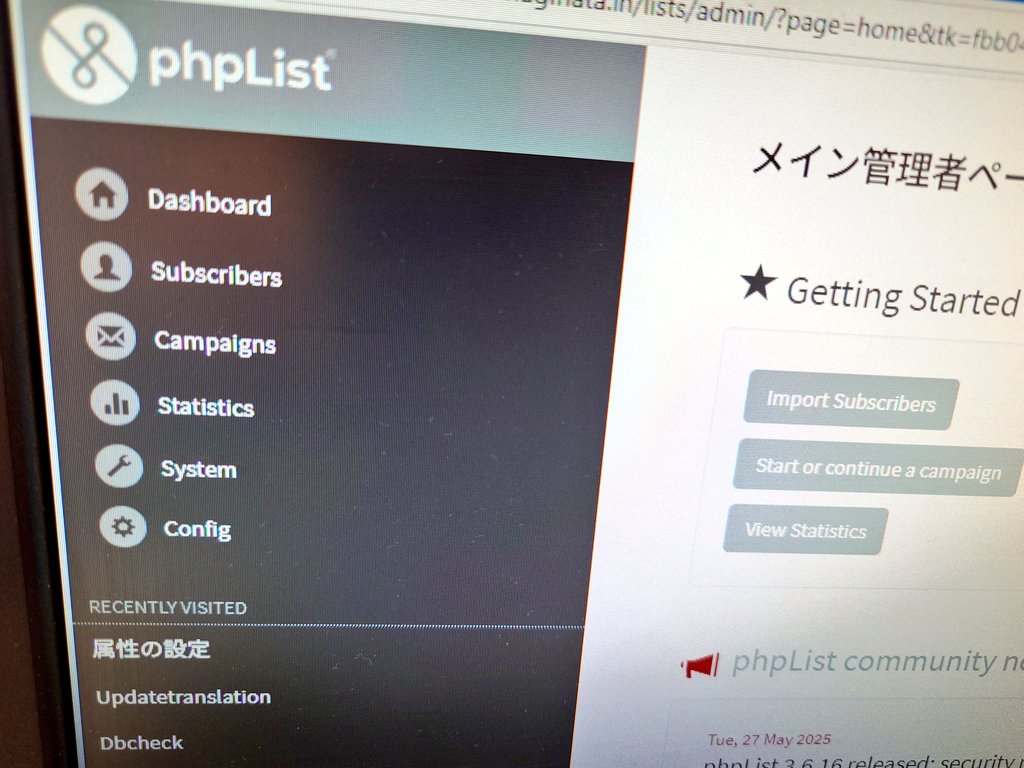

26 Sep 2025
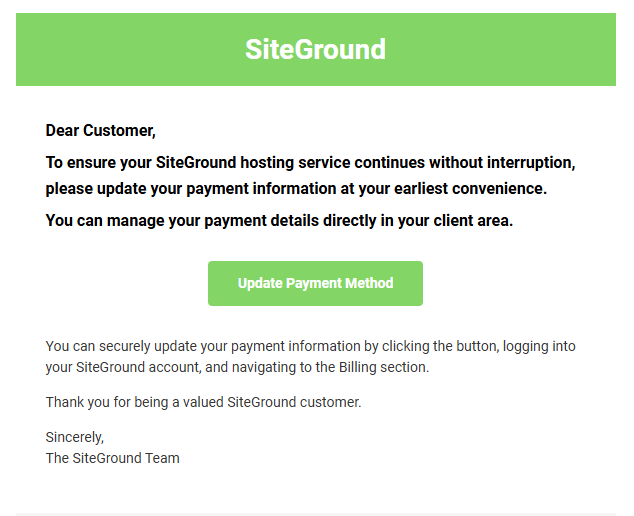
#Phishing on potentially @siteground_it @SiteGround customers.
url: http://targensa.hosted.phplist .com/lists/?p=subscribe&id=1
@phpList
#security
1
1
2
273

8 Jul 2025
No. In un'azienda che fa scam (come quella di fly) si occupa di tenere "acceso" il phpList 🤣🤣🤣
3
13

3 Dec 2024
I built an 8-fig/yr email program, but getting there was a nightmare.
Why? Because I founded my first brand before Klaviyo existed.
In the scale of ecommerce time, this is ancient history, but gather ‘round the fire. . .
I founded the furniture retailer Design Public Group (still alive and kickin’ today) from a SF basement apartment.
Not long after the dot com bubble burst.
Pretty much no software existed to help a brand selling online, because this was the >early days<.
After I’d. . .
→ Hacked together a site on custom software (hello Dreamweaver — this was pre-Shopify, too)
→ Figured out some SEO hacks (anyone remember Spiderfood? SEO Moz?)
→ Started driving traffic and sales
I was running ridiculously messy, spray-and-pray email campaigns.
Like, I was basically writing emails to people in PHPlist (my open-source email software) saying, “Hey, man, ya like design?”
But I’m not one to back down from a challenge, and my challenge was to make email not suck.
I set out to create a systematic approach.
I first observed customers’ major behaviors (helped by a lot of customer interviews):
1. Someone wants to see more emails
2. Someone almost buys something
3. Someone buys something
4. Someone “window shops”
So, what do you do?
Send them emails based on those four major behaviors to make email not suck and drive first or additional purchases.
Now, imagine the action movie training montage of me coding deleting code on the phone hitting my head against the wall hitting up chat rooms to see if anyone had any tips about how to see what happens in a digital cart.
Eventually:
→ The Welcome Flow
→ The Abandoned Cart Flow
→ The Post-Purchase Flow
→ The Browse Abandonment Flow
Turns out, these became pretty popular.
The years of hacking away and testing I did led to what became the foundational elements of email at all of my other brands.
BTW. . . these flows got a heck of a lot easier to implement when Klaviyo was founded (thanks, Andrew and Ed!).
3
4
623

20 Nov 2024
#EmailMarketing 🎴 Optimisez vos newsletters d'entreprise avec ces outils
📧 Mailchimp pour des campagnes complètes
📲 Sarbacane pour un marketing multicanal
💻 Phplist pour une solution open source
•
#ContentMarketing #Newsletter
audreytips.com/top-5-outils-…
3
100

18 Nov 2024
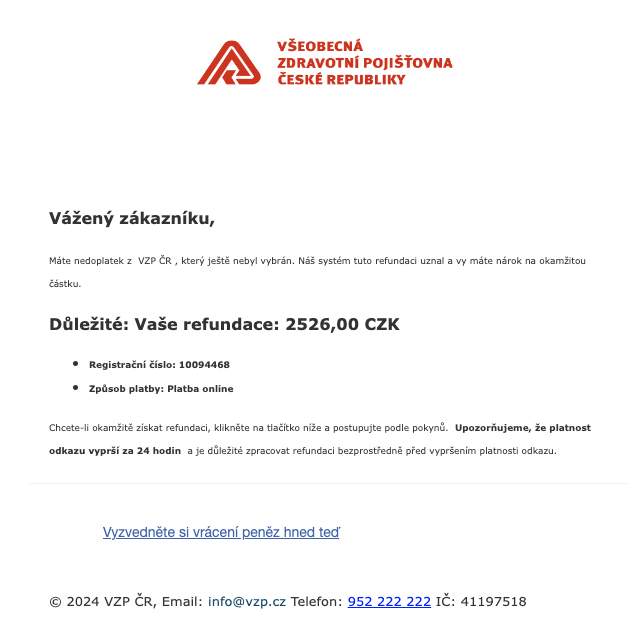
"Krásná" ukázka trapného pokusu o podvod:
1. E-mail z adresy info1@inforza.com.pe, nikoliv info@vzp.cz
2. Odkaz "Vyzvedněte si vrácení peněz hned teď" směruje na doménu phplist. com a dokonce má htttps.
Takový e-mail by ani neměl projít AS ochranou. Dávejte pozor, hezké pondělí.
3
12
628

18 Sep 2024
Hahahaha good point!!!
Sending around 50K emails mo and planning to x3 that soon with more frequent and segmented emails
50K emails with SES is only $5 🤷🏻
The difference is too big and my job as an indie hacker is also reducing costs
3
165

18 Sep 2024
Installing PHPList and adding SES Plugin it was easy
The harder bit for me was to figure out how to create a user and API Key in Amazon SES:
1. In the console search for "IAM users"
2. Create
3. Add permissions for:
- AmazonSESFullAccess
- AmazonSNSFullAccess
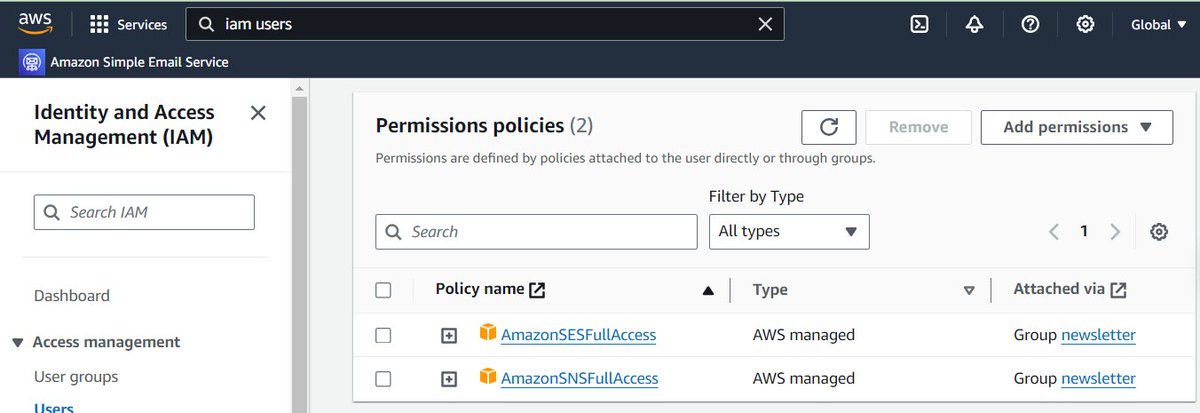
ALT User permissions of Amazon SES to be used via API
3
297
18 Sep 2024
After Daniel's post and due to newsletters subscribers passed 10K
(Getting expensive with my actual platform)
I decided to give it a go to SES which costs $0.0001 per email
So far
- Installed @phpList (OSS)
- Created SES account
- Set up SES integration
- Sent 1st email
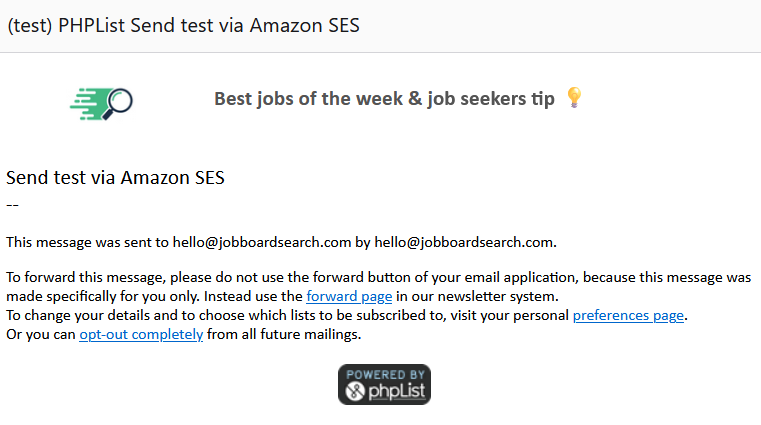
ALT 1st email sent with a PHPList campaign via Amazon SES
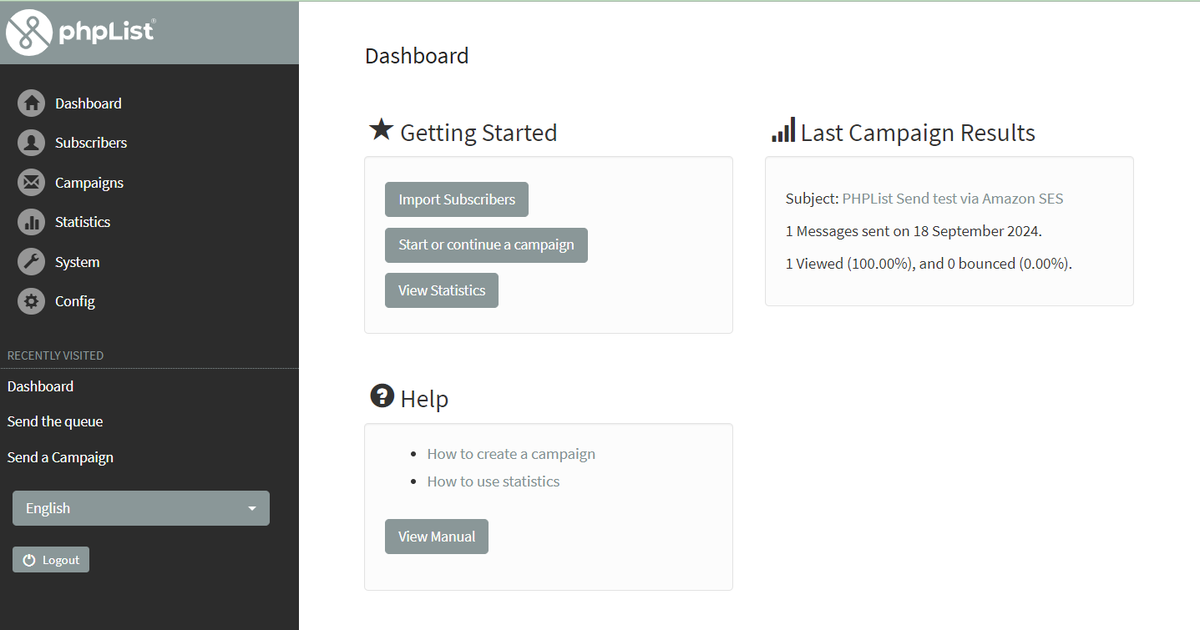
ALT PHPList dashboard in my localhost
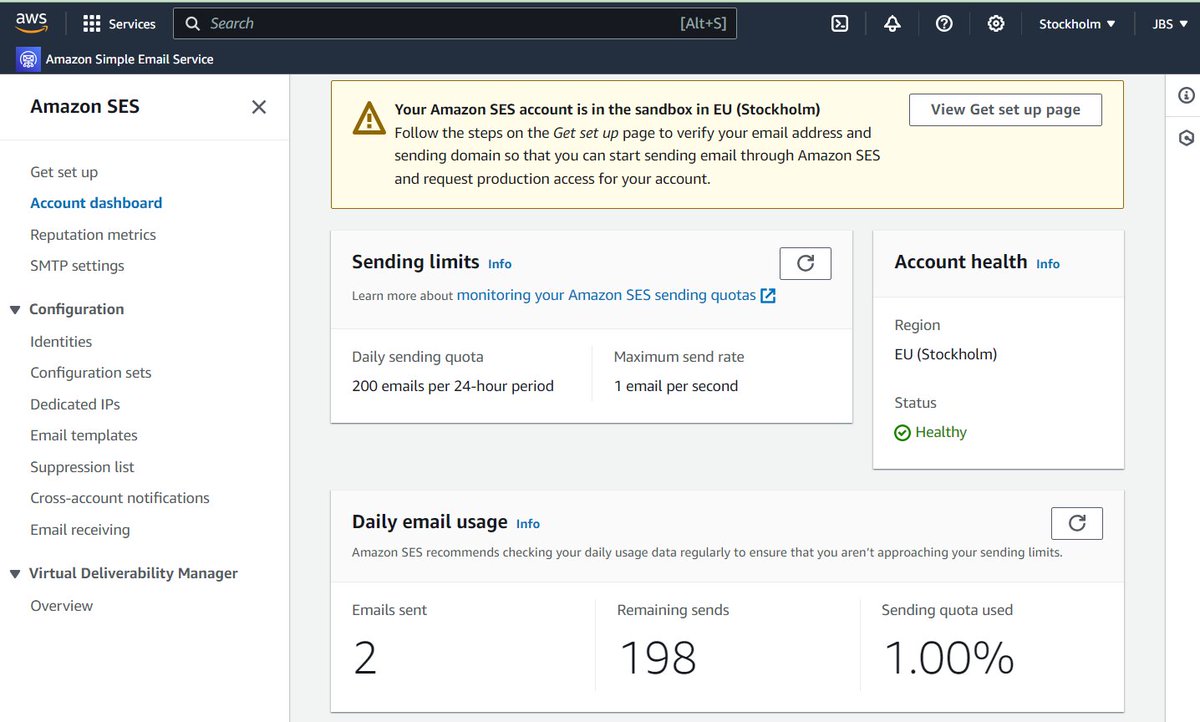
ALT Amazon SES dahboard
16 Sep 2024

IMO, SES is the safest route. It's not going anywhere, it's cheap, and you can build all your features around it.
7
10
5,584

18 Sep 2024
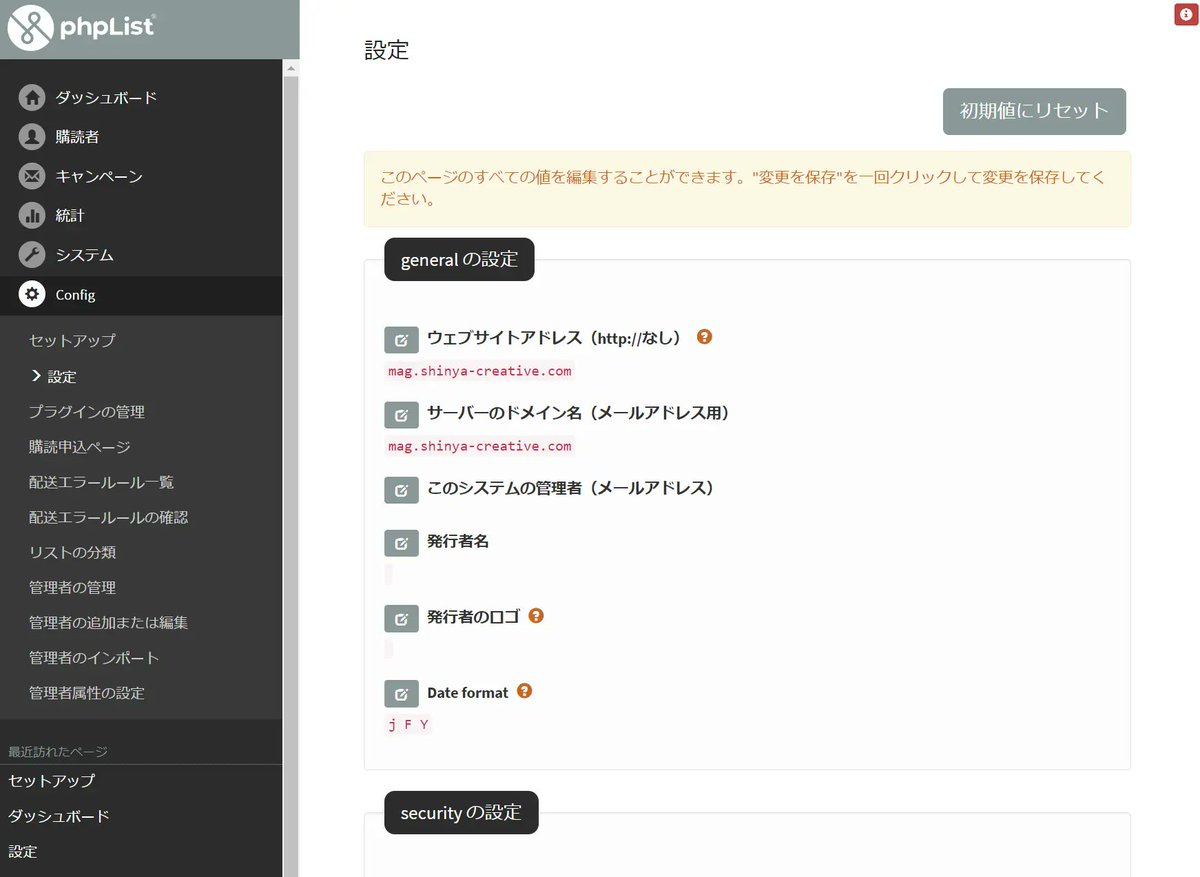
XServerにphpList入れて
次のKindle本の特典配布システムを構築中。
初期設定は時間かかるけど
一度できてしまえばラクになるはず!
5
225


4 Jul 2023
While digging in opensource software, our ninjas @us3r777 and @_remsio_ recently found a vulnerability in phpList. CVE-2023-35834 allows a partial file read by leveraging an error-based oracle using PHP filter chains. More information in the advisory: synacktiv.com/sites/default/…

1
15
51
8,104


22 Feb 2023
1
2
3
508

Version 3.6.12 of phpList has been released! Fixes, improvements and translations are included.
phplist.org/newslist/phplist…

1
2
2
463

9 Feb 2023
With the amount of money someone spends in 3 months service fees, you can run your own server w email service. ➡️ @phpList
8
2,981