Guerline Perard-Mondelis retweeted

I am cautiously optimistic
Iran is getting almost everything they asked for from the original 10 points from back in April
Netanyahu will not surrender easy, and Iran will not accept anything less than their surrender.
Iran has the upper hand and Trump needs this to end.
4
10
26
429
Sweet Polly Purebred retweeted

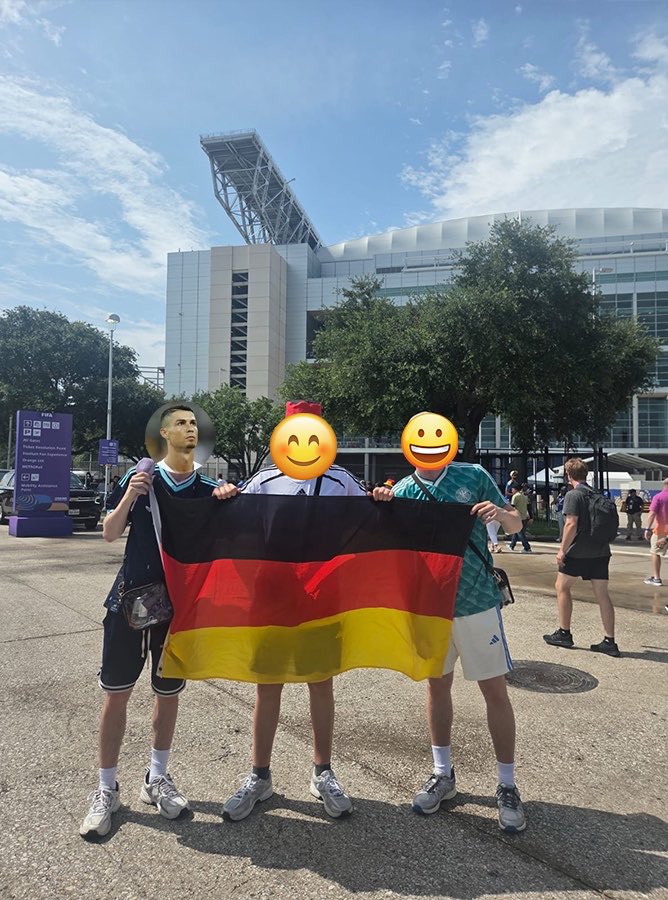
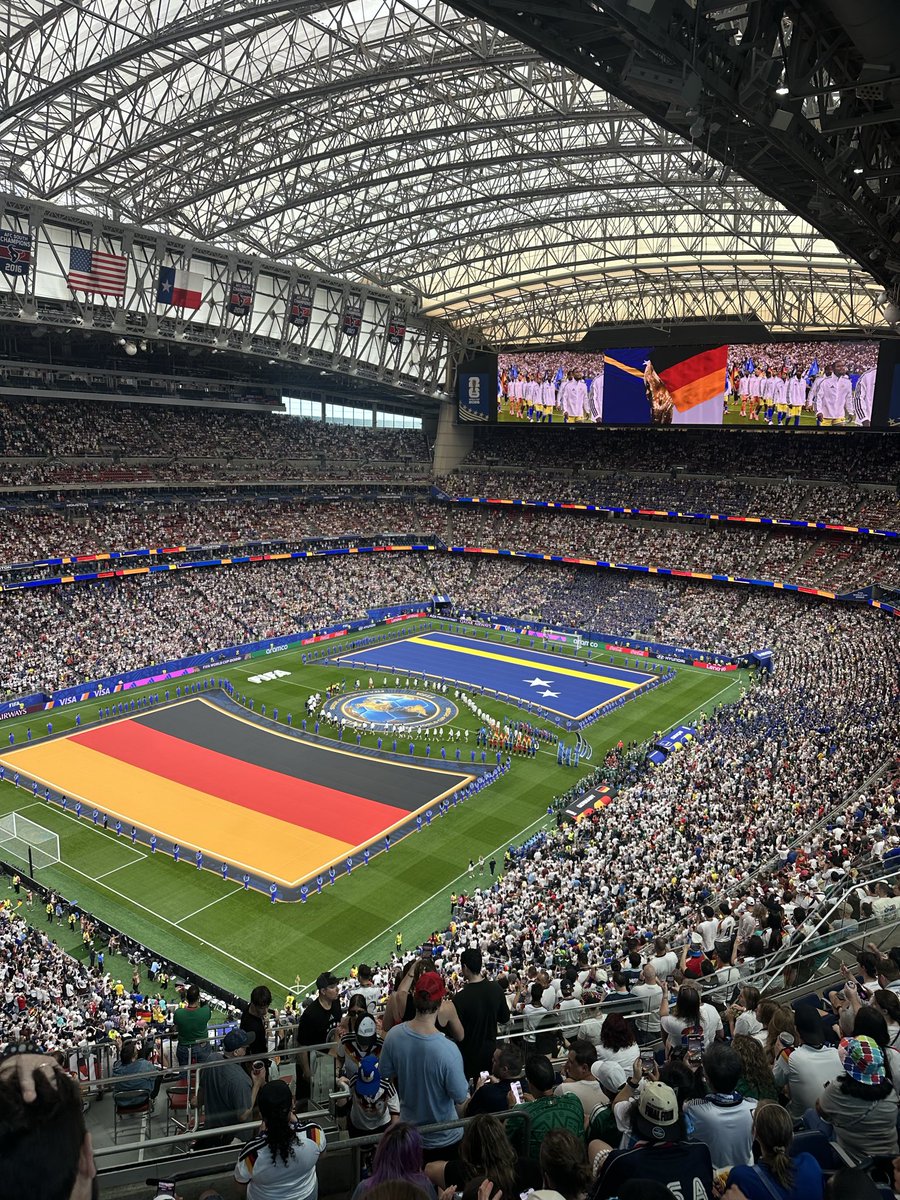
Great first World Cup game of the trip. Another 7-1 win for Germany at a World Cup and most importantly three points. Onwards we go!🇩🇪
347
692
32,294
366,388
H Y retweeted

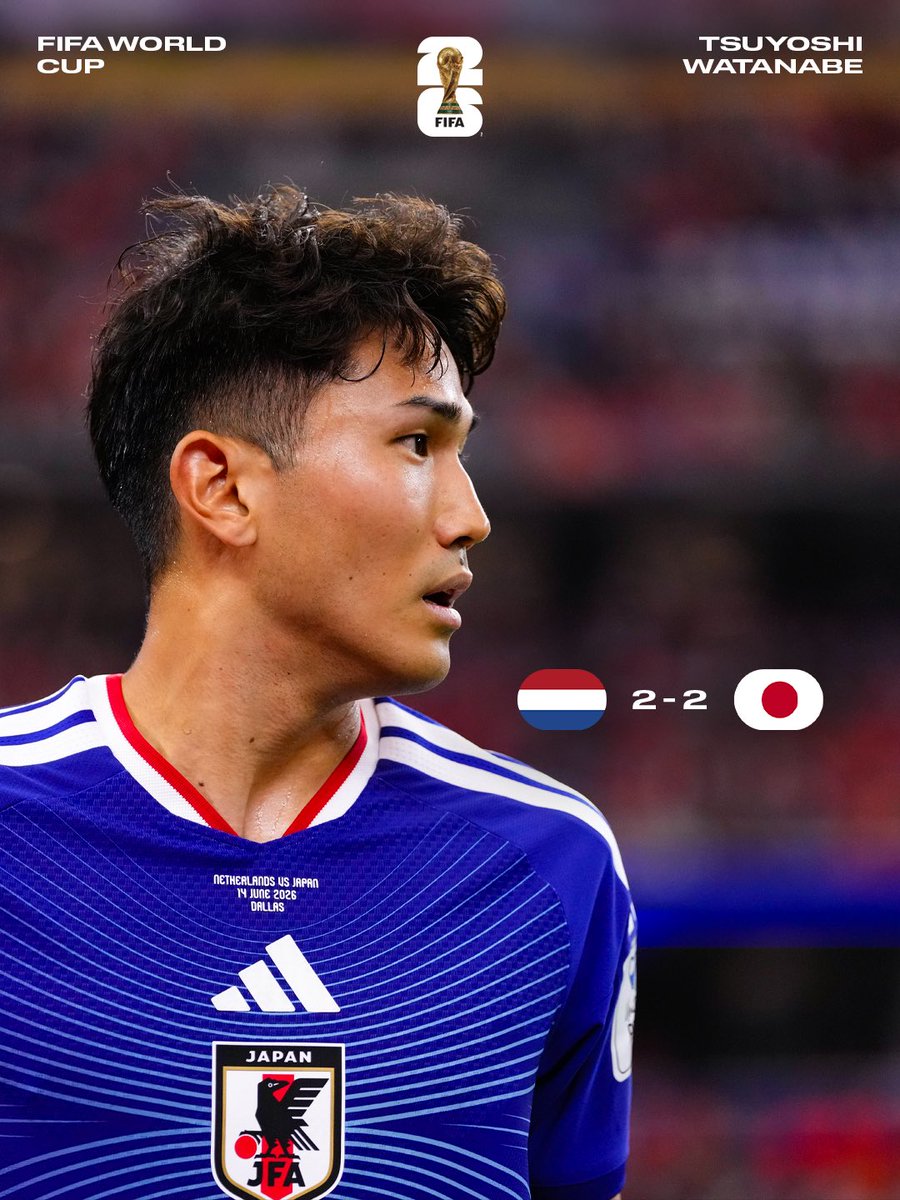
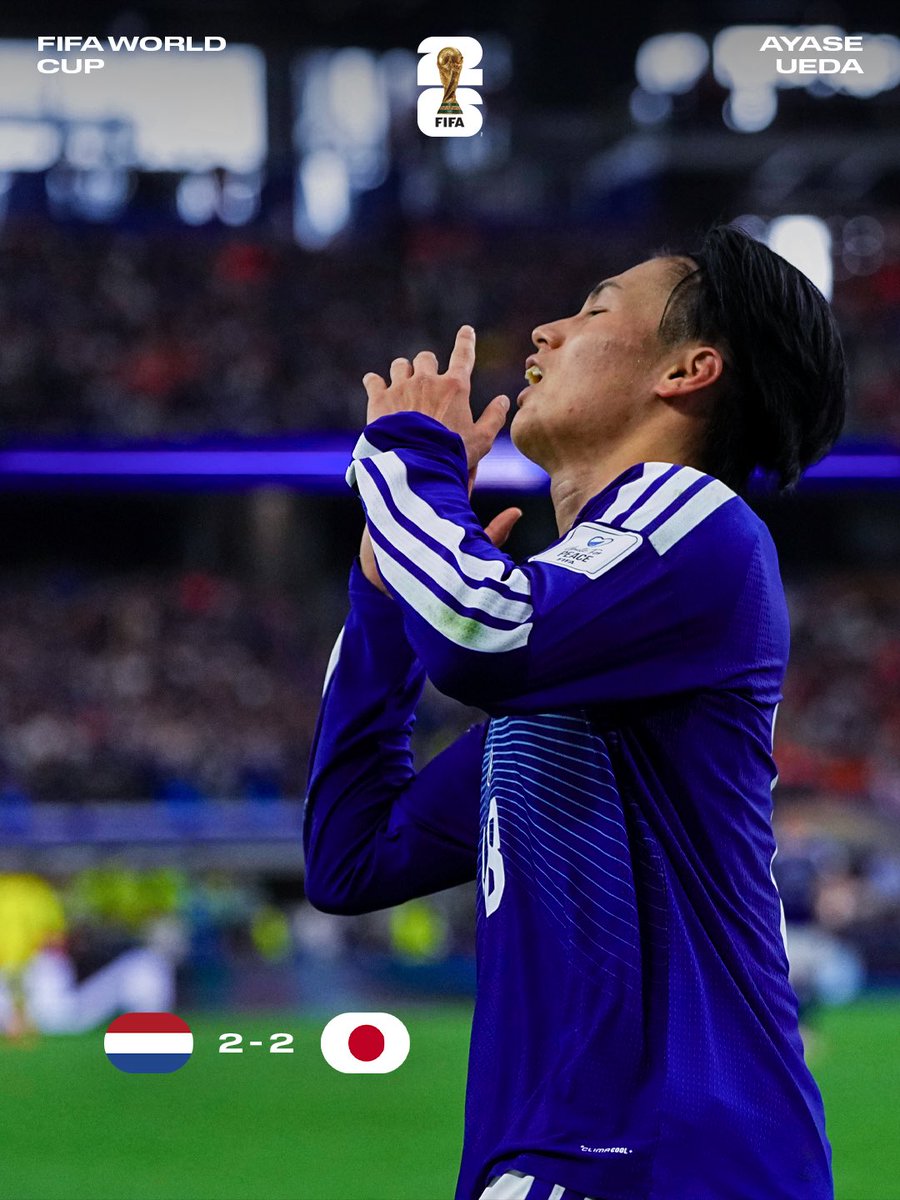
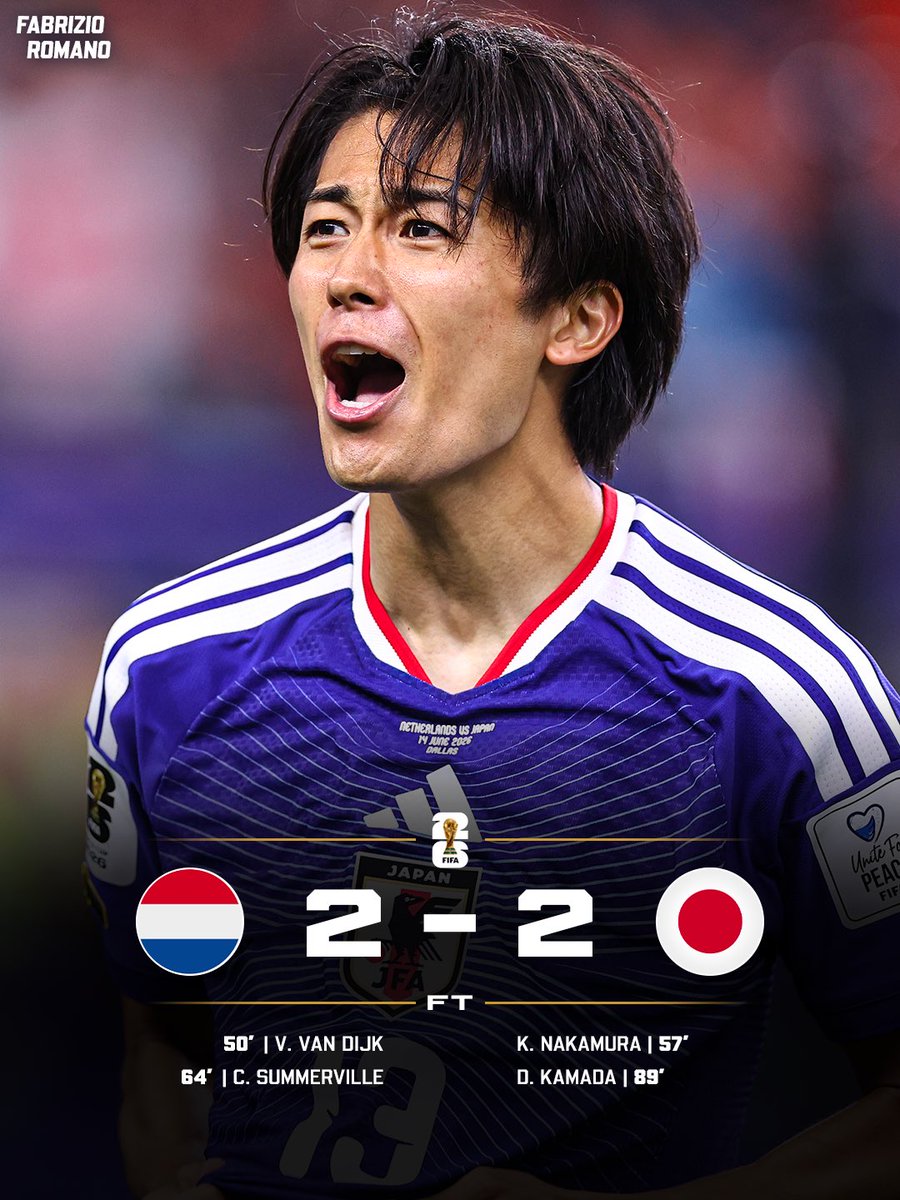
🌎🍿 Netherlands and Japan share points on World Cup opener!
Who’s been your Man of the Match?
2,048
4,754
61,129
2,131,486

Worker Bee Luna retweeted

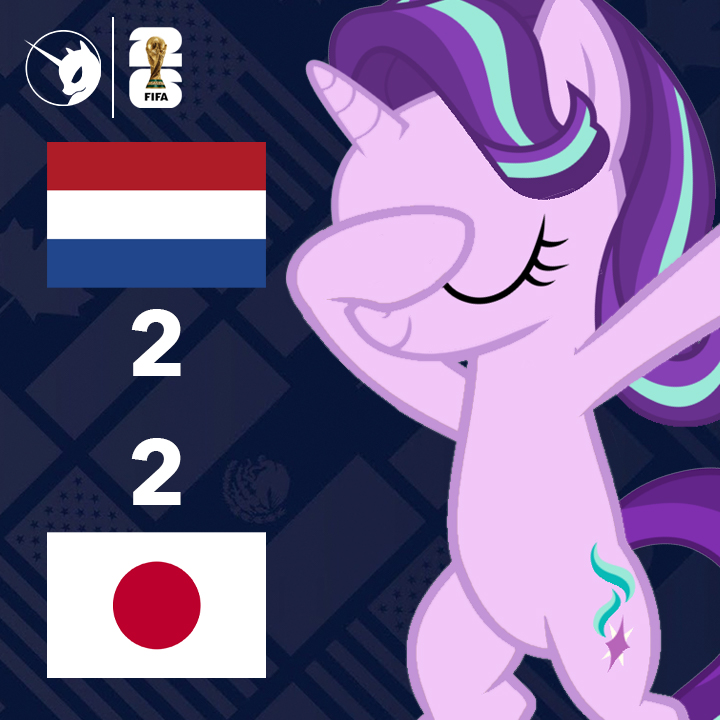
A TREMENDOUS AND TOUGH DRAW! 🙌.
NED🇳🇱 2-2 🇯🇵JPN
A crazy match between the Netherlands and Japan, who shared the points in the 2026 World Cup 🏆⚽️🇲🇽🇺🇸🇨🇦. Well, they had a great time at times. What are your thoughts, fans?
7
22
500

The Plasma One Integration Dashboard is Now Live.
Discover the Full Potential of Plasma & Participate in Various DAO Activity & Proposals for Season 4 Points.
Register Now: tinyurl.com/49jcwrua

10s
"Thrace was certainly inhabited by a civilized nation at some remote period; for when Philip «of Macedon opened the gold mines in that country, he found that they had been worked before with great expense and ingenuity, by A PROPLE WELL VERSED IN MECHANICS, OF WHOM NO
"MEMORIALS WHATEVER ARE IN EXISTENCE “
The quote comes from Richard Payne Knight’s Discourse on the Worship of Priapus, written in the late 1700s. He points to the fact that when Philip II reopened the Mount Pangaion gold mines around 357 BC, his crews discovered existing shafts, galleries, and workings that clearly predated the known Thracian or Greek activity in the area.
These weren’t shallow surface scrapings. They showed signs of serious investment deep tunneling, engineering to deal with water and ventilation, and organized extraction which suggested a people with real mechanical know how, not just basic panning or open pit digging. Since no historical records or cultural memory of who built them survived into Philip’s time, Knight concludes there must’ve been an earlier, now forgotten advanced group in Thrace.
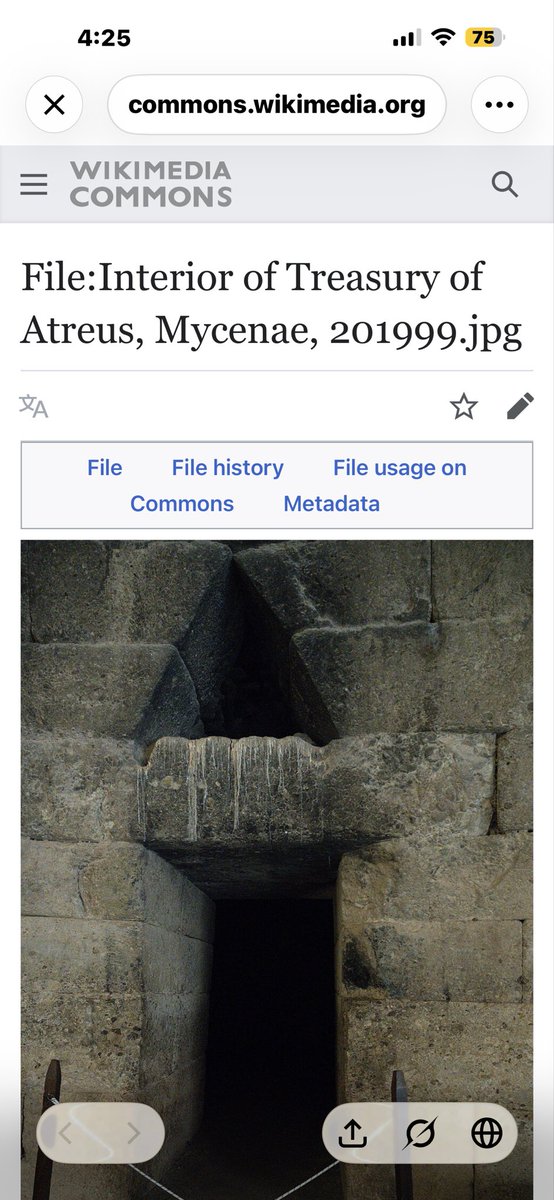
The Pangaion gold mines are real archaeological sites, but there aren’t any public photos of the ancient Thracian tunnels or workings. They’re mostly collapsed, flooded, or sealed off. The modern mines in the area don’t show the ancient parts publicly.
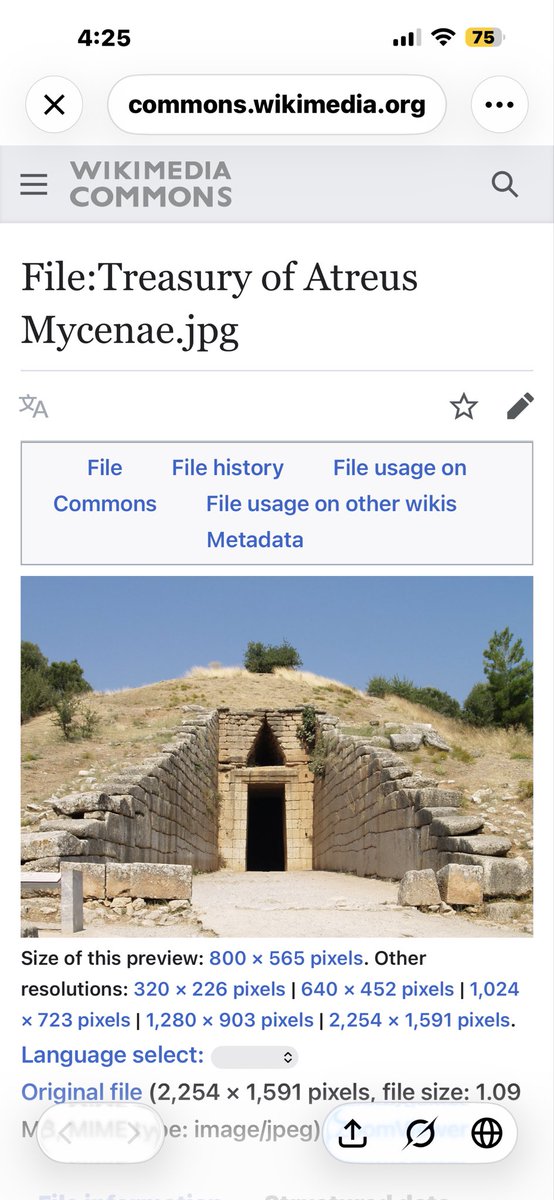
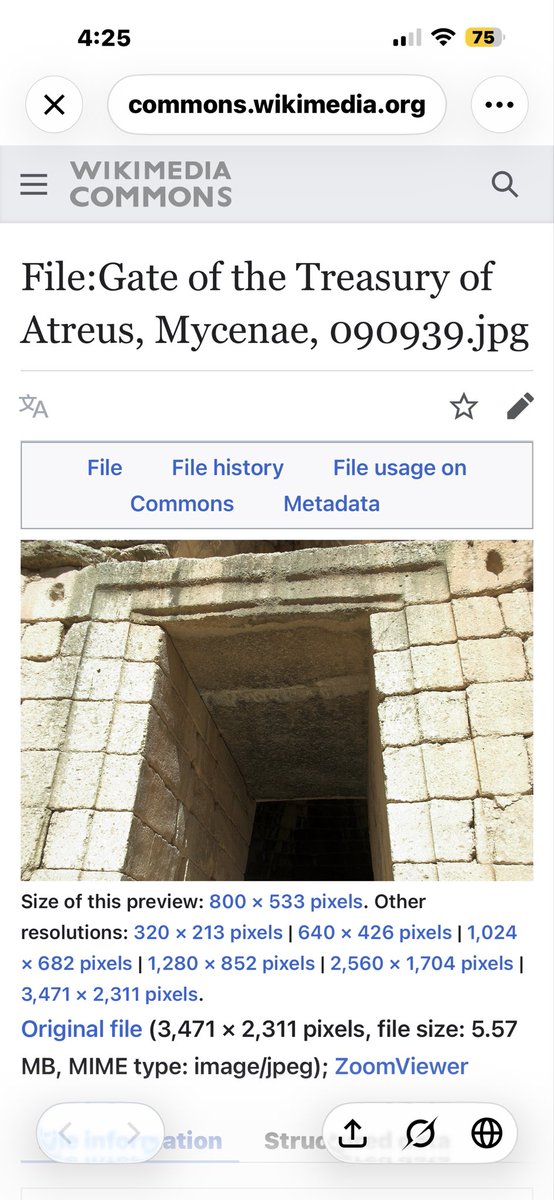
You can find images of the Pangaion mountain range and the surrounding countryside beautiful green hills, but nothing showing the actual ancient mine shafts. The Treasury of Atreus at Mycenae, one of the sites Godfrey Higgins linked to these people, has plenty of dramatic photos of its massive beehive tomb and huge stone lintel
Nick_The_Realist retweeted

Wemby Postseason run at age 22 🔥🔥
- 3 flagrant foul points (should have been 6)
- aura gambled 5 times (went 0/5)
- dickhead to media
- worst turnover in Finals history
- 3 missed fts in crunch time
- 0 home wins in the Finals (0/3)
- 4 double digit comeback losses in Finals
- NO handshakes
27
294
2,838
68,866

أنا مش عارفه اعمل redeem for points أصلا الاوبشنز الي بتظهري كلها مش clickable
HSN retweeted

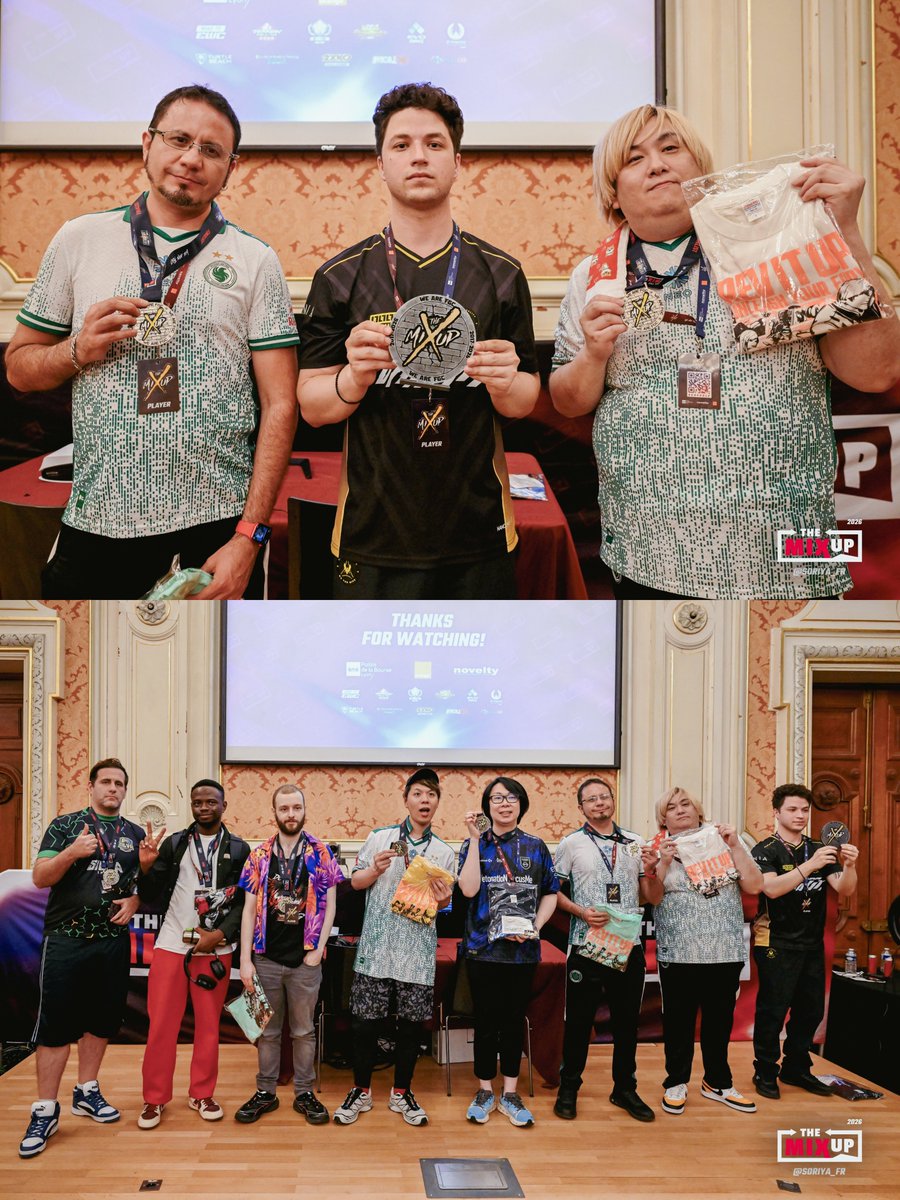
Congrats to 🇬🇷H-DOPE, your Fatal Fury: CotW champion at 🇫🇷The MIXUP 2026! SWC 2026 Points distribution:
🏆@FGC_HDOPE 🇬🇷 2,000P
🥈@kindevu 🇯🇵 1,000P
🥉@ShadowX_FGC 🇲🇽 800P
🏅@GO13151 🇯🇵 600P
5th @Kumoko__ 🇫🇷 @andytheworld320 🇯🇵 400P
7th @didimokof 🇧🇷 @H_S_N_12 🇨🇲 200P
9th @Alioune85 🇫🇷 @score33333 🇯🇵 @FGC_KTOP 🇬🇷 @FGC_Nivek 🇬🇷 100P
#FatalFury #CotW #SNK #SWC2026 #TheMIXUP2026
6
18
577
aid²⁵ BOYCOTT WORLD CUP retweeted

George DNFed in Canada, the team celebrated like there was no tomorrow. He scored no points in Monaco because of the team's mistakes, and Toto went on the podium to celebrate. But today Kimi DNFed and all of a sudden you guys are sad??? It doesn’t get more obvious than this.

4
173
914
5,698
Introducing the live Plasma One Integration Dashboard!
Unlock the full power of Plasma, join DAO activities, and vote on proposals to stack up your Season 4 Points.
Join Now: tinyurl.com/49jcwrua
1
ℙ𝚛𝚒_ retweeted

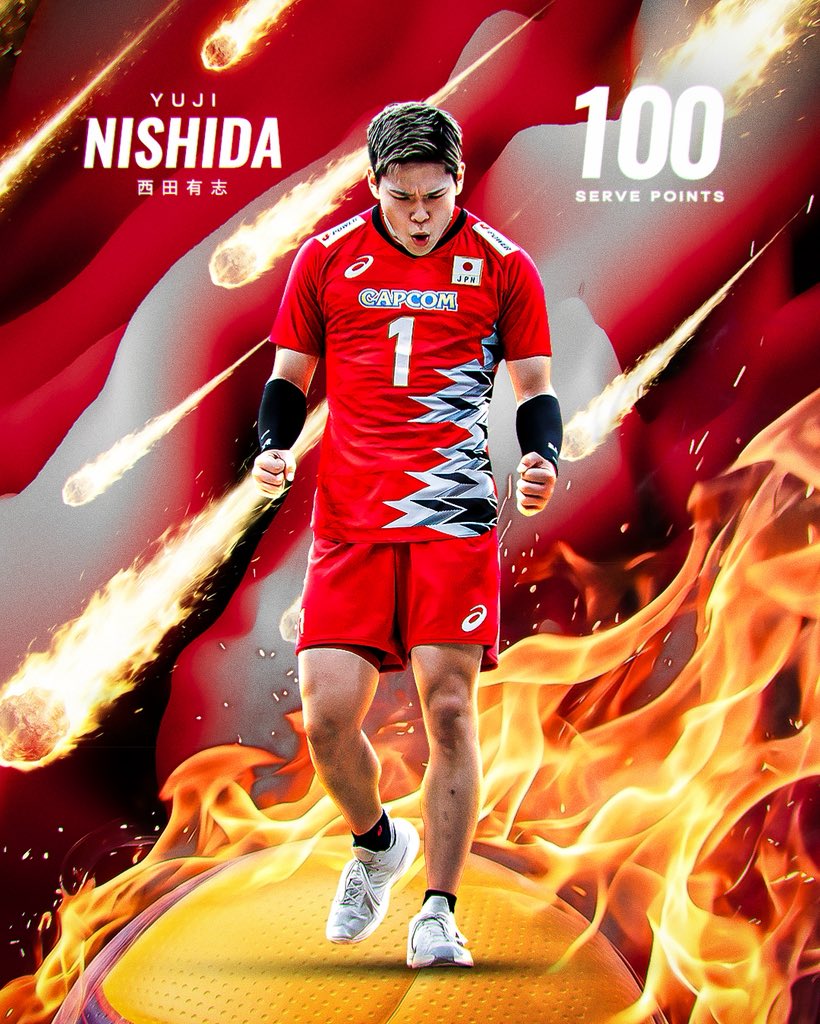
#VNL2026: ANOTHER MILESTONE FOR YUJI NISHIDA 🤯
After hitting 1️⃣0️⃣0️⃣0️⃣ VNL points, Yuji Nishida adds another milestone to his record with 1️⃣0️⃣0️⃣ aces, sitting as the tournament’s all-time #2 server 😮💨💥
Still taking off. Still bringing the heat 🤩.
🏐 #BePartOfTheGame #Volleyball
10
846
2,707
56,520
Darrell retweeted

The Knicks deadass only lost 3 games this entire playoff run and it was by a combined 6 points wtf
36
704
9,718
110,837