


Mar 30
プライバシー対応ステーブルコインL2の @payy_link が、FirstMark 主導で $6M を調達。DBA、Robot Ventures が参加。
✅ プロジェクト概要
Payy は、Polybase Labs が開発するプライバシー対応のステーブルコイン L2 です。ZK ロールアップと EVM 互換を組み合わせ、送受信者・金額などのトランザクション情報をデフォルトで秘匿化したまま USDC などのステーブルコインを保有・支出できる設計です。
プロダクトは Payy Wallet(非管理型ウォレット)、Payy Card(Visa 加盟店で使えるカード)、Payy Network(ZK L2 本体)の3層構成です。Payy Network は 300ms のブロックタイムと最大 100,000 tps を持ち、ERC-20 転送の手数料は平均ゼロとのことです。100カ国以上・14の法定通貨に対応し、累計 1,000 万件超のトランザクション実績があるとのことです。
技術面では、EVM バイトコードにコンパイルされる Private EVM、デフォルトプライバシープール、プライベートデータストレージを中核に置いています。コンプライアンス対応は「プライバシープール」モデルで処理し、オンチェーン活動の秘匿とコンプライアンス要件の両立を Payy Network レイヤーで完結させる構成です。
Mar 25

FirstMark backed Shopify before anyone bought anything online. Discord before anyone gamed with strangers. Airbnb before anyone turned their home into a hotel. Now they're betting privacy onchain is next.
We raised $6M led by @FirstMarkCap to make private transactions the default.
Joined by @dba_xyz & @robotventures.
Investors who understand that privacy isn’t a feature, it's the foundation.
1
1
5
367

Mar 27
🔴 MARKET PULSE, Fri, Mar 27, 2026
Big day. Trump blinked on Iran...again.
Here's everything you need to know from the last 24hrs.
₿ BTC: ~$69,400 (-1%) | ⟠ ETH: ~$2,051 (-4.4%)
SOL: $86 | XRP: $1.36 | DOGE: $0.09
Whole market bleeding. ETH underperforming BTC hard.
RSI at 51 — technically neutral, but sentiment is bearish.
Key levels: Hold $69K = stability. Lose it = retest $65K.
$14.16B in BTC options expire TODAY on Deribit (08:00 UTC).
Max pain sits at $75K — 8% above current price.
(via @FortuneMagazine , @YahooFinance , @CoinMarketCap , @DeribitOfficial )
🛢️ OIL: Brent ~$107 | WTI ~$94
Trump extended the Iran ceasefire deadline by 10 days
to April 6 — citing Iran's request and "very good" talks.
Iran allowed Pakistani oil tankers through the Strait.
Oil spiked 2% earlier Thursday on Iran rejecting talks,
then gave back gains after Trump's Truth Social post.
The Strait of Hormuz remains partially closed.
Iran is now charging ships in yuan to pass through. 💀
(via @AJEnglish , @business , @axios , @Reuters )
🥇 GOLD: ~$4,419 | 🥈 SILVER: $67.75
Gold gave back Wednesday's rebound. Silver -$4.85 in 24hrs.
Markets now pricing 38% chance of a Fed RATE HIKE by Dec.
That's not a typo. From 2 cuts expected → 0 cuts → hike risk.
Strong DXY surging yields oil-driven inflation = metal pain.
(via JM Bullion, USAGOLD, Reuters, CME FedWatch)
🏦 10Y YIELD: 4.33% (near 8-month highs)
Holding elevated as oil inflation refuses to cool.
38% probability of a rate HIKE now priced in for December.
The bond market is sending a very different signal
than the one most people expected at the start of 2026.
(via FRED / St. Louis Fed)
💵 DXY: ~104.5 — strong dollar capping everything.
💸 VC FUNDING — THIS WEEK
→ @payy_link raised $6M seed (FirstMark Capital Robot Ventures)
Building privacy-first stablecoin payments using ZK proofs. Previously known as Polybase (web3 database). (via @TheBlockCo )
→ XFX raised $17M — helping businesses convert between cash and stablecoins across borders. (via Fortune)
→ Early 2026 trend: VCs put $2B into crypto in Q1.
Top sectors: stablecoins, RWA, compliance infra.
No L1s. No DEXs. Money is going to boring infrastructure. (via @beincrypto , @CryptoRank_io )
🪙 TODAY'S TGE
No major TGEs confirmed for today.
→ Watch: $BASED (Hyperliquid, Pantera-backed) by Mar 30.
👀 WATCH THIS WEEKEND & NEXT WEEK
→ Apr 6: New Iran deadline. The real test.
→ PCE inflation data — key Fed input for rate decisions.
→ Iran's formal response to US 15-point peace plan pending.
→ Will oil break below $100 or stay above $105?
⚠️ Not financial advice. DYOR.
🔔 Follow for daily briefings.
#Bitcoin #ETH #Gold #Silver #Oil #Bonds #DXY
#Iran #Stablecoins #VCFunding #Macro #Crypto

2
3
99

Mar 25
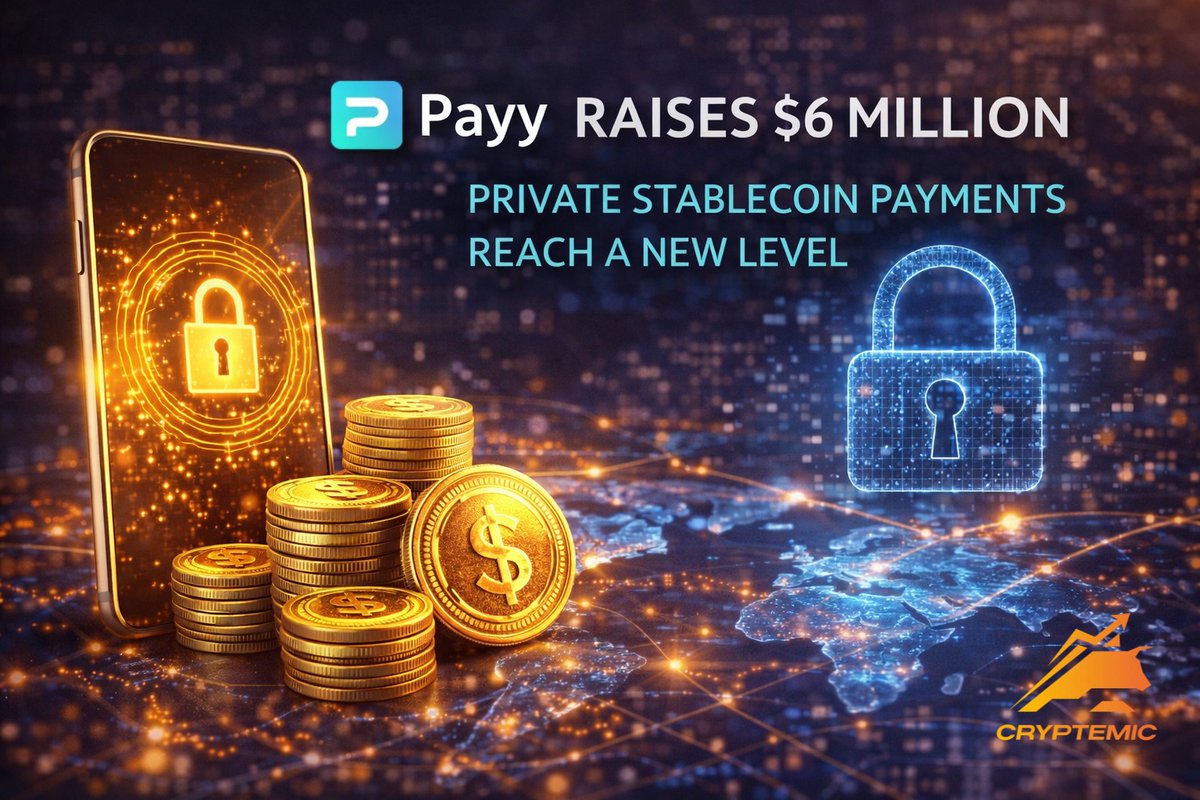
Private Stablecoin Payments Are Back? Payy Raises $6M for Hidden Transactions
A new trend is emerging in crypto — private stablecoin payments. Payy (formerly Polybase) has raised $6 million in a seed round led by FirstMark Capital to build a zero-knowledge payment network. The goal: hide transaction amounts, addresses, and activity while remaining compliant with regulations.
According to the project, it already serves over 100,000 users across 120 countries with around $130 million in annualized transaction volume. Built on Ethereum Layer 2, the network uses Halo2 — the same ZK framework as Zcash — enabling privacy without a trusted setup.
Unlike privacy coins like Monero or Zcash, Payy focuses on USDC, combining stability with confidentiality. This positions it closer to traditional payment systems while addressing a key limitation of transparent blockchains.
Key question: can privacy and regulation coexist in stablecoin payments?
Full text of the news is available on our news portal cryptemic.com
Learn how zero-knowledge technology works, how blockchain privacy is achieved, and how to assess risks in emerging payment systems with Cryptemic Academy.
#Crypto #Stablecoin #Privacy #ZK #Ethereum #Web3 #cryptemic #cryptemicacademy
2
45

Mar 25
稳定币初创公司 Payy 完成 600 万美元种子轮融资,由 FirstMark Capital 领投,Robot Ventures 和 DBA Crypto 参投,本轮采用 SAFE 加代币认股权证结构,累计融资达 800 万美元。Payy 前身为 Web3 数据库项目 Polybase,于 2023 年转向稳定币支付领域,基于零知识证明技术开发隐私支付网络。(The Block)wublock123.com/index.php?m=c…
3
2
2,255

Mar 25
Payy Analysis
- Raised $6M seed led by FirstMark Capital (total funding $8M) for zero-knowledge private stablecoin transactions on an Ethereum L2 rollup.
- Pivoted from web3 database Polybase in 2023; offers self-custodial USDC wallet, Visa card, with testnet launching soon.
- Targets enterprise barrier: public ledgers expose all payment details. Current traction: $130M annualized volume, 100k users.
- Alpha angle: In a transparency-obsessed industry, Payy reframes privacy as competitive infrastructure—potentially the "encrypted channel" for institutional flows that public chains cannot serve.
2
619


Feb 5
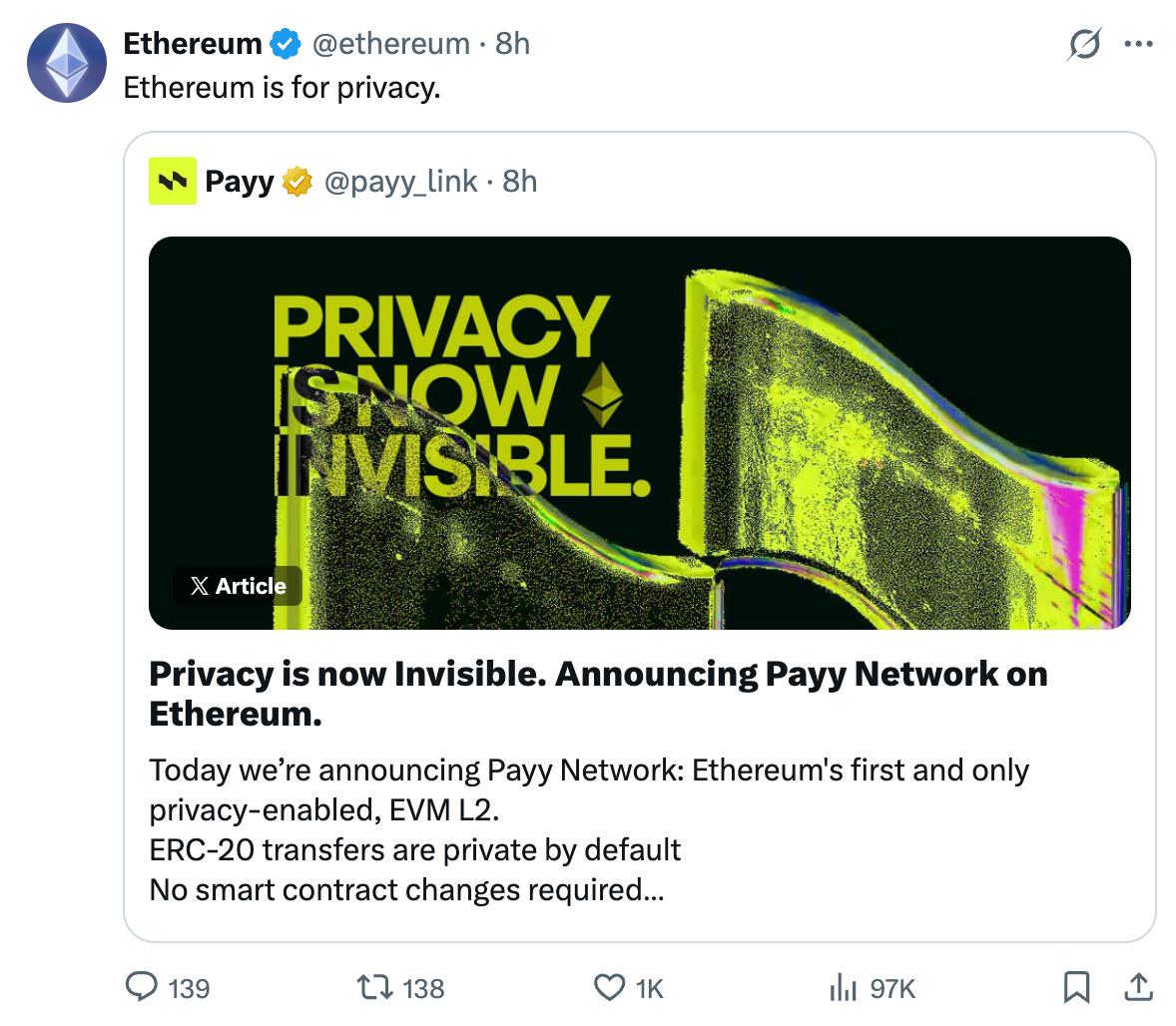
👀이더리움 공계가 주목한 프로젝트 - Payy
요즘 X를 통해 정보를 얻다가 Payy라는 프로젝트에 대해 알아봄. 이더리움 공계도 인용했더라!
이게 뭔데?
• 이더리움(EVM) 지갑 그대로 쓰면서, ERC-20 전송은 기본값으로 프라이빗하게 만들어주는 “프라이버시 내장형” L2 네트워크
팀/백커는?
• Polybase Labs (Payy Wallet / Payy Network 빌더)
• Robot Ventures, DBA Crypto, 6th Man Ventures
• 투자규모는 공식적으로 프리시드 $2M
정리 ⚡️
→ 따로 믹서 쓰거나 지갑 갈아탈 필요 없이 “네트워크 추가 후 전송”만으로 프라이버시가 적용되는 UX를 목표
2
2
679

Feb 4
Congratulations team, have been following since the Polybase DB days, great work !!!
1
6
295

Jan 2
Most people still think all blockchains work like Ethereum. @0xMiden quietly said “nah” and built something different
@0xPolygon Miden’s VM is a STARK-based zkVM (written in Rust) that’s designed for privacy from the ground up. You run programs locally, it generates a small proof that everything was executed correctly and only that proof hits Ethereum. No details leaked. Lower fees, higher throughput.
It’s fully open-source, Turing-complete, supports safer languages like Rust, allows parallel execution and even lets users prove their own state changes client-side instead of broadcasting everything. Not EVM-compatible on purpose that’s how they unlock better privacy performance.
Testnet’s live, tools are public, and real projects like Polybase are already building on it. This is ZK infra that feels built for where crypto is going, not where it’s been.
41
1
63
739

19 Dec 2025
⏪ Revisiting the launch of @payy_link from Polybase Labs—the first non-custodial, privacy-preserving stablecoin Visa card.
Hear @lacey_wisdom and CEO @sidgandhi_xyz on how zk-powered payments bring crypto to everyday use.
protocol.ai/blog/payy-and-pr…
1
1
6
972

16 Dec 2025
in my view, i am highly confident the price $POLY will see a sharp increase in the next few hours; this is a short‑term call only.
24h price down over forty percent while 24h volume sits around one‑third of market cap, pointing to heavy churn against thin liquidity.
ct narrative is dominated by polymarket $POLY token and 2026 airdrop chatter, mixed with bot‑farming claims, otc fdv talk, and a whale capitulation headline on base ai agents.
context: polybase, founded by sid gandhi, targets a wallet‑native zk database stack; this $POLY on base appears aligned with that builder narrative rather than polymarket.
for deeper on‑chain reads and cross‑market token intel, follow @Velvet_Capital.
12
3
13
168


20 Oct 2025
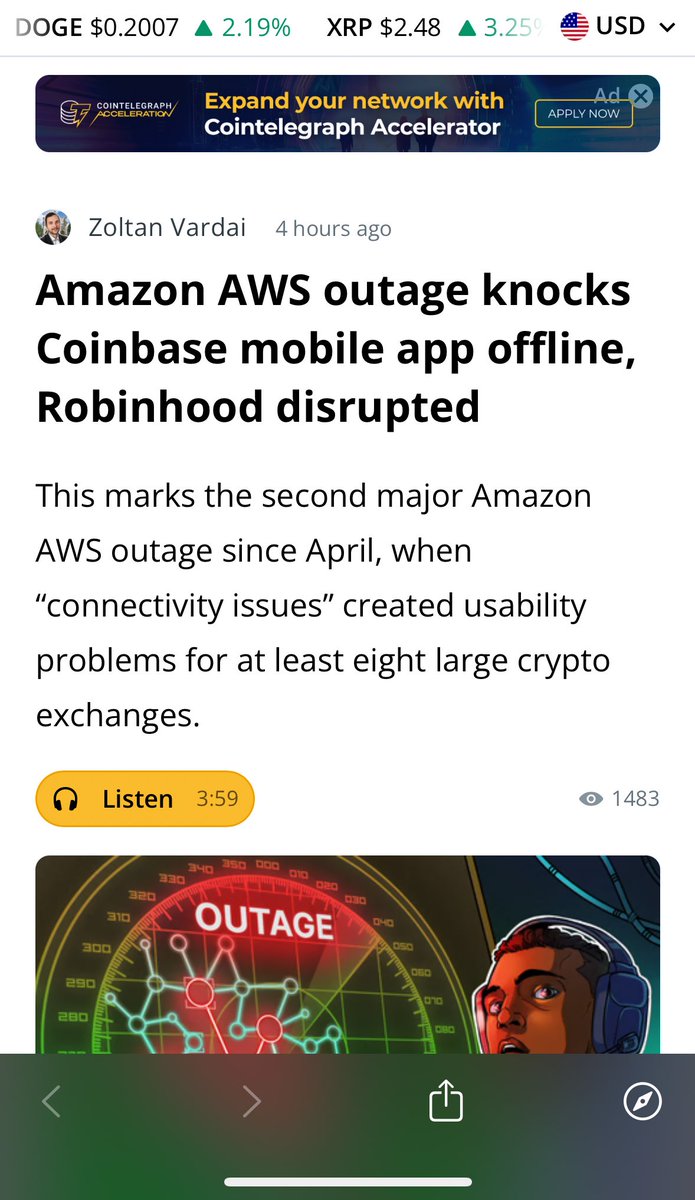
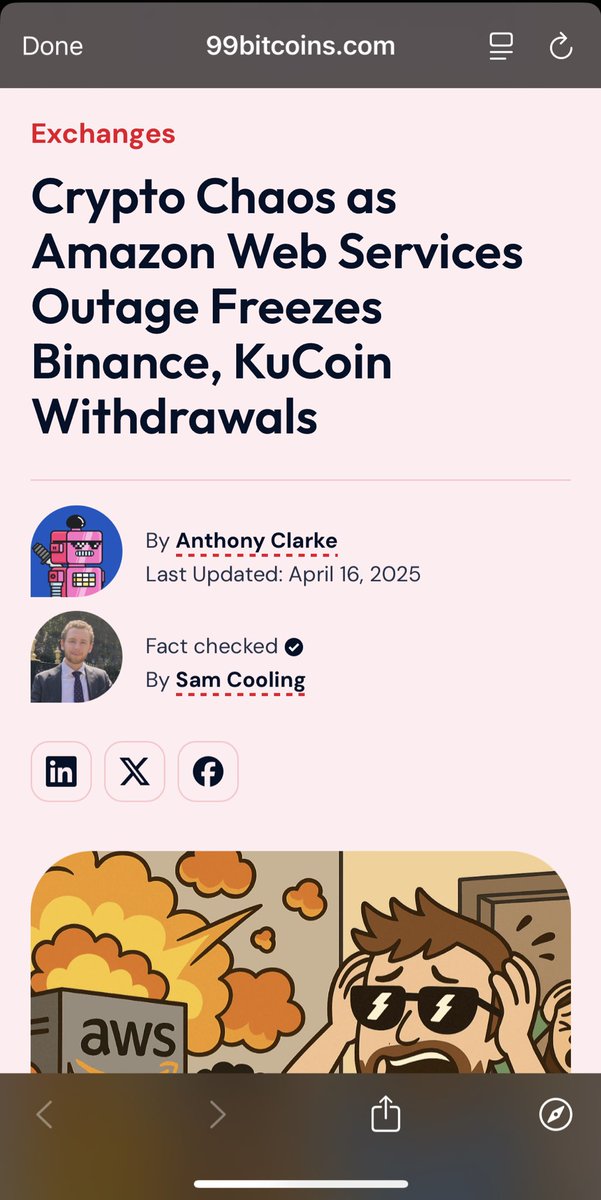
FRUSTRATING TO MAKE A CRYPTO TRANSACTION TODAY RIGHT? 👀
Cause of the Aws server crash😅, the damn irony
Isn’t crypto built to escape centralization control?
Ehm yes but well most of our current crypto industry runs on Amazon servers
When Satoshi wrote the @Bitcoin whitepaper, the vision was clear, a system no one could shut down, censor, or own. But today, most exchanges, DeFi dashboards, price APIs, NFT marketplaces even node providers depend on Amazon Web Services (AWS).
Here’s how AWS affects crypto transactions:
1. Most crypto apps and exchanges depend on AWS servers.
When you use Binance, MetaMask, or a DeFi site, your transaction still interacts with their web front-end or API hosted on AWS. If AWS goes down, you might not even be able to send the transaction, even though the blockchain itself is still running.
2. Node providers (like Infura, Alchemy, QuickNode) run on AWS.
These services connect wallets and apps to blockchains. If AWS suffers an outage, those nodes stop responding. For example, when Infura went down in 2020 (AWS issue), MetaMask users couldn’t send Ethereum transactions for hours even though Ethereum itself was fine.
3. Exchange downtime freezes on-chain activity.
Centralized exchanges like Coinbase or Binance often can’t process deposits, withdrawals, or API calls during AWS disruptions. That delays trades, arbitrage, and liquidations directly affecting prices and liquidity.
4. Impact on block explorers and analytics.
Even tools like Etherscan or DefiLlama run on cloud servers. If AWS goes down, you lose visibility into network status and transactions, which amplifies panic.
So yes AWS doesn’t control the blockchain, but it controls much of the infrastructure layer that people use to access the blockchain.
Important nuance:
1. The blockchain network itself (e.g. Ethereum, Bitcoin) is still running if its nodes are live those aren’t usually reliant on one cloud provider entirely.
2. What dies is the infrastructure that bridges you, users, services to the blockchain.
3. Sometimes, even though the chain works, users feel like “crypto is broken” because their interface or wallet can’t send or show their tx.
So you might be wondering, what about having decentralized alternatives?
There are already some that can potentially replace Aws like:
For storage: Filecoin, Arweave, Storj, Sia
To replace: AWS S3 (file storage)
For compute/hosting: Akash Network, Flux, Golem
To replace: AWS EC2 (servers for apps)
For Node & RPC Infra: Pocket Network, Ankr, Dymension, QuickNode’s decentralized modes
To replace: AWS-hosted node providers
For content delivery: Theta Edge Network, Livepeer
To replace: AWS CloudFront, media delivery
For Databases/api: Ceramic, Tableland, Polybase
To replace: AWS RDS, API Gateway
They work by distributing your app or storage across many independent nodes instead of a single server like Aws
But
Crypto projects use AWS because it’s faster, cheaper, and more stable for real-world workloads while decentralized hosting is still too slow, costly, and unreliable for high-demand services. E.g
AWS can instantly scale a blockchain explorer or exchange backend to handle millions of user requests per second, while decentralized hosts like Filecoin or Akash would struggle with latency, uptime guarantees, and autoscaling under sudden traffic spikes also Aws has more trust.
So unless changes happen
Aws down and we sad🙂↔️
14
1
28
2,745

2 Oct 2025
Data Virtualization with PolyBase for SQL Server 2025 🚀
techcommunity.microsoft.com/…
#SQLServer #PolyBase #Database #data #MVPBuzz #ITPro #dba @SQLServer 👍
2
3
187

19 Sep 2025
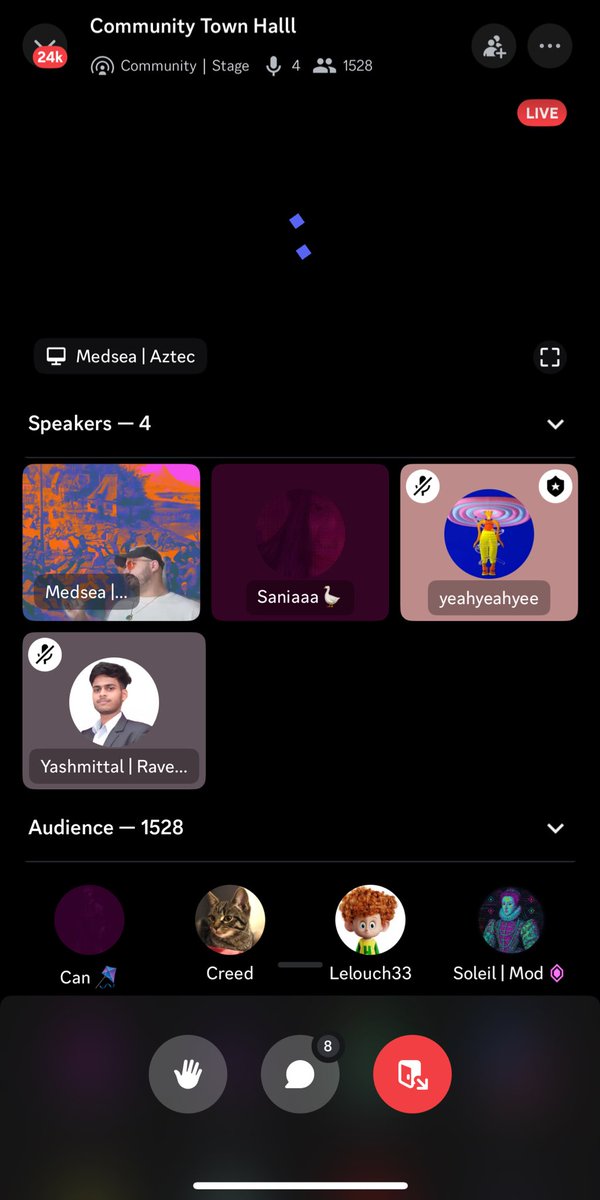
𝐀𝐳𝐭𝐞𝐜 𝐓𝐨𝐰𝐧 𝐇𝐚𝐥𝐥 #𝟖 𝐑𝐞𝐜𝐚𝐩. ✨
The @aztecnetwork Town hall #8 drew 1,500 participants to witness the latest in privacy and NFTs.
𝐁𝐢𝐠 𝐔𝐩𝐝𝐚𝐭𝐞𝐬:
•Raven House has launched a beta for a privacy-first NFT platform, with client-side proofs safeguarding creators and gamified features on the horizon.
•PAYY from PolyBase Labs now secures payments, including Apple and Google Pay, with Noir zk-proofs, and a new Noir Card is coming soon.
•TIFFANY (Design) released updated visuals for the Pay x Noir Card along with fresh Honk artwork.
𝐂𝐨𝐦𝐦𝐮𝐧𝐢𝐭𝐲 𝐒𝐩𝐨𝐭𝐥𝐢𝐠𝐡𝐭𝐬:
• Recognitions given for memes, contributions, and active engagement.
• New roles for creators and operators are shaping the cultural layer.
𝐖𝐡𝐚𝐭 𝐓𝐡𝐢𝐬 𝐌𝐞𝐚𝐧𝐬:
• Privacy payments are live in real-world applications.
• NFT infrastructure is evolving with creator protection at its core.
• Art and memes continue to define the ecosystem’s identity.
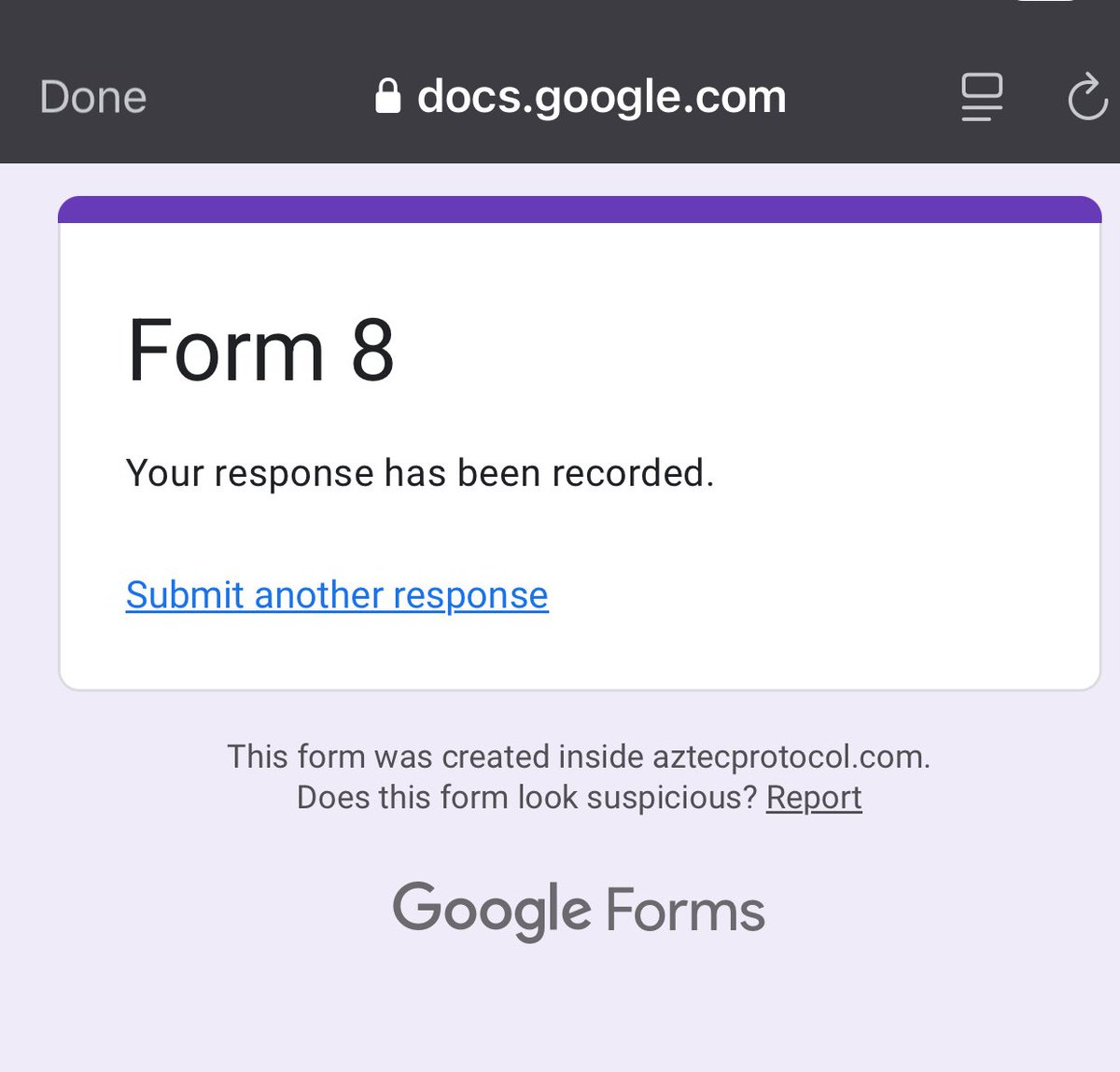
Those who joined in were given a chance to fill a form which will grant them a special discord role, and I’m proud to be one of them.
The community’s energy is palpable, and the next phase of Aztec innovation is already in motion.
gAztec.
18 Sep 2025

Today is another opportunity to join this week’s @aztecnetwork Town Hall which holds every Thursday.
The team promises a meeting stacked with insider insights from @ravenhousenft, @payy_link, and lead designer @yeahyeahyee.
Join us live on Sep 18 at 3pm UTC to catch strategy updates, creative reveals, and community highlights you won’t get anywhere else.
You also get to fill a form at the end of the call which will earn you discord important roles.
gAztec✨
16
1
14
1,030

18 Sep 2025
The Next Renaissance is loading.
@aztecnetwork Town Hall #8 proved it with over 1,500 people showing up. Here’s the breakdown.
Community came first
•Roles were given to meme makers, content creators, and contributors who keep Aztec culture alive.
•New Maestros, Operators, and creators were recognized for leading the charge.
On the builders’ stage
•Raven House: Beta is live. A privacy-first NFT platform using zk-proofs to protect creators. Collections stand out and gamified features are on the way.
•PAYY (PolyBase Labs): Presented their zk-native wallet and stablecoin system, upgraded to Noir. Faster transactions, developer friendly, and Apple/Google Pay runs zk-proofs in the background. The Noir Card reveal was a highlight.
•Tiffany (Design): Shared new creative work, from Honk art to the Pay x Noir Card design.
Key takeaways
•Noir is powering live products like Pay.
•Raven House brings fresh NFT infrastructure.
•Art and memes hold Aztec culture together.
Feedback closed in under 2 minutes. The community is not watching from the sidelines, they are fully engaged.
See you in the next Town Hall.
@realRoberto38 @Sun_doodles_ @mrahsok @Jaseke_
18 Sep 2025

Big news dropping for the @aztecnetwork fam. The Town Hall is around the corner and it’s set to be huge. Community vibes, live shoutouts, cool prizes, and some fun surprises are waiting.
Details you need:
Date: September 18, 2025
Time: 2:00 PM UTC
Place: Discord server
Main speaker: @realRoberto38 with a mystery co-host 👀
Jump in here: discord.gg/8AGt6EMM
2
7
201

18 Sep 2025
Aztec Town Hall #8 — Recap 🏛️✨
The 8th Town Hall brought over 1,500 participants together for another big chapter in the Aztec journey. Here’s what went down 👇
🔹SPOTLIGHT PROJECTS
▫️PAYY (PolyBase Labs): introduced their privacy native wallet stablecoin system. Fully migrated to Noir, boosting speed, performance, and simplifying dev work. Pay transactions (even Apple/Google Pay) now run zk-proofs in the background. A special Noir Card is also on the way.
▫️RAVEN HOUSE: building a privacy-first NFT platform on Aztec. Already live in beta with community collections, focusing on client-side proving, creator protection, and upcoming gamified features.
▫️TIFFANY (Design): shared new creative work, including the Pay x Noir Card design and fresh Honk art.
🔹COMMUNITY WINS
▫️Roles awarded for memes, content, and outstanding community contributions.
▫️Big shoutouts to the new Maestros, Operators, and meme creators driving Aztec culture forward.
🔹TAKEAWAY
This Town Hall marked:
▫️Noir in real world production (Pay).
▫️New NFT infrastructure (Raven House).
▫️Art memes fueling the cultural layer.
As always, the Aztec Community Town Hall wrapped up with the feedback form and it was filled out in under 2 minutes by eager members 🔥
The momentum is real. 🌍
The Next Renaissance is loading…
see you guys next week😁😁
@realRoberto38 @Sun_doodles_ @mrahsok @Jaseke_
3
7
204