
In this video, Dr. Johnny Ionut Efanov discusses, “Regenerative Peripheral Nerve Interface for the Management of Postamputation Pain in Oncology Patients,” by Berberoglu, Kemp, and Hooper, which appears in the April 2026 issue of #PRS.
Read the article: bit.ly/RPNIPostPain
1
9
828

19 Oct 2025
Multicenter study finds that a self-administered high-frequency nerve block delivered to damaged peripheral nerves provides durable relief of chronic postamputation pain, reduces use of opioids and improves quality of life: cle.clinic/3EYArwG
2
4
1,119

13 Jun 2025
Our @UTHPMR residents publishing in @PMRJournal Efficacy of peripheral nerve stimulation in refractory postamputation pain: A narrative review pubmed.ncbi.nlm.nih.gov/3982…
3
170

5 May 2025
That’s a promising development for chronic postamputation pain management. A self-administered, high-frequency nerve block could represent a significant shift, empowering patients with more control over their pain while potentially reducing reliance on opioids.
4 May 2025

Multicenter study finds that a self-administered high-frequency nerve block delivered to damaged peripheral nerves provides durable relief of chronic postamputation pain, reduces use of opioids and improves quality of life: cle.clinic/3EYArwG
1
23
4 May 2025
Multicenter study finds that a self-administered high-frequency nerve block delivered to damaged peripheral nerves provides durable relief of chronic postamputation pain, reduces use of opioids and improves quality of life: cle.clinic/3EYArwG
1
2
4
1,186
1 May 2025
Multicenter study finds that a self-administered high-frequency nerve block delivered to damaged peripheral nerves provides durable relief of chronic postamputation pain, reduces use of opioids and improves quality of life: cle.clinic/3EYArwG
1
4
843

25 Feb 2025
Can hydrodissection improve postamputation pain for war-related amputations? 🤔
Key Findings:
⬇️ pain at 12w
⬇️ opioid use
⬇️ anxiety
🔗 Read the full (free) article here: doi.org/10.1136/rapm-2024-10…
And if you would like to delve further, this article was featured on BBC! 📻 📺

3
13
1,112
18 Dec 2024
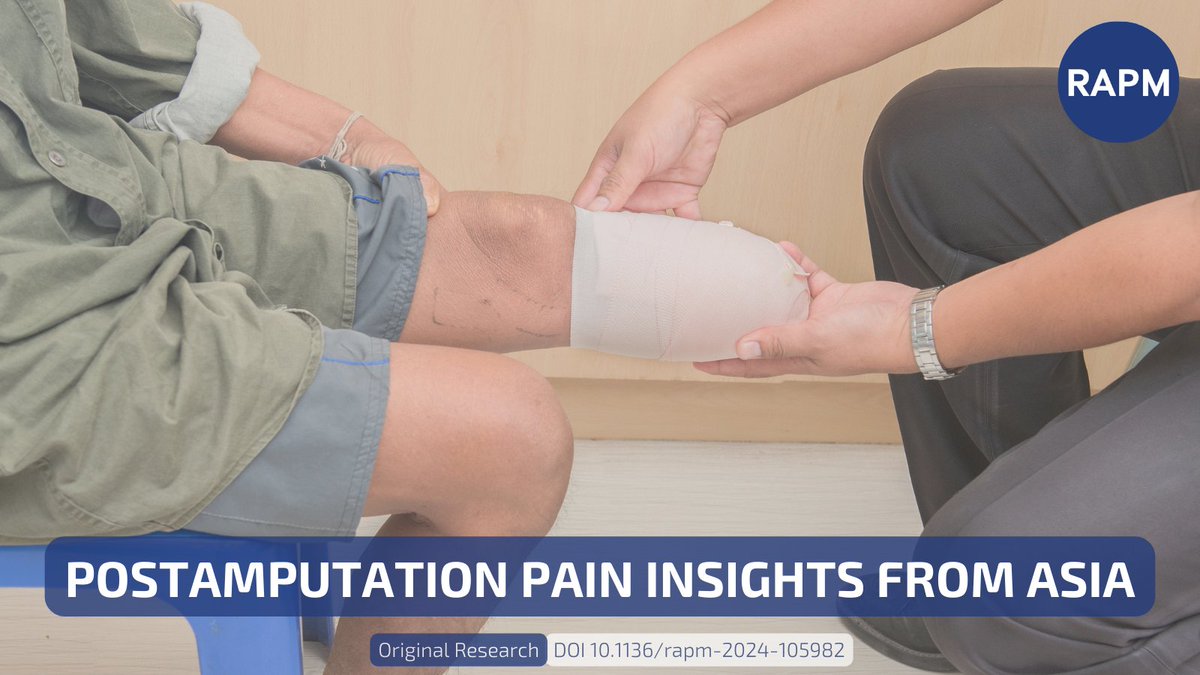
🌟 Postamputation Pain Insights from Asia 🌟
18.1% of amputees in Taiwan face postamputation pain requiring interventions.
📊 Risks: Cancer, vascular disease, diabetes, infection, neuro issues
🧠 Understanding risks -> better care.
📖 Link: bit.ly/3BmG6el
4
8
1,338

20 Jun 2024
📘 A systematic review of the prevalence of postamputation and chronic neuropathic pain associated with combat injury in military personnel
i.mtr.cool/khurqqujqd @painthejournal

3
3
237

3 Jun 2024
Drs. @EricSecemskyMD, @leekirksey, and Elina Quiroga (@elinaq) reflect on the intensity of both pre- and postamputation care pathways and their influence on outcomes, sharing insights on how care should evolve to reduce amputation rates. evtoday.com/articles/2024-ma…
6
11
1,980

13 May 2024
Congratulations to Dr. Brandon Smith, Dr. Eric Twohey, and Dr. Kaylie Dean on their publication, Peripheral Nerve Stimulation for the Treatment of Postamputation Pain: A Systematic Review. This was published in the American Journal of PM&R. Way to go team!

5
24
1,589
12 Apr 2024
📘 A systematic review of the prevalence of postamputation and chronic neuropathic pain associated with combat injury in military personnel
i.mtr.cool/wxkyrmeqnt @painthejournal

2
242

19 Feb 2024
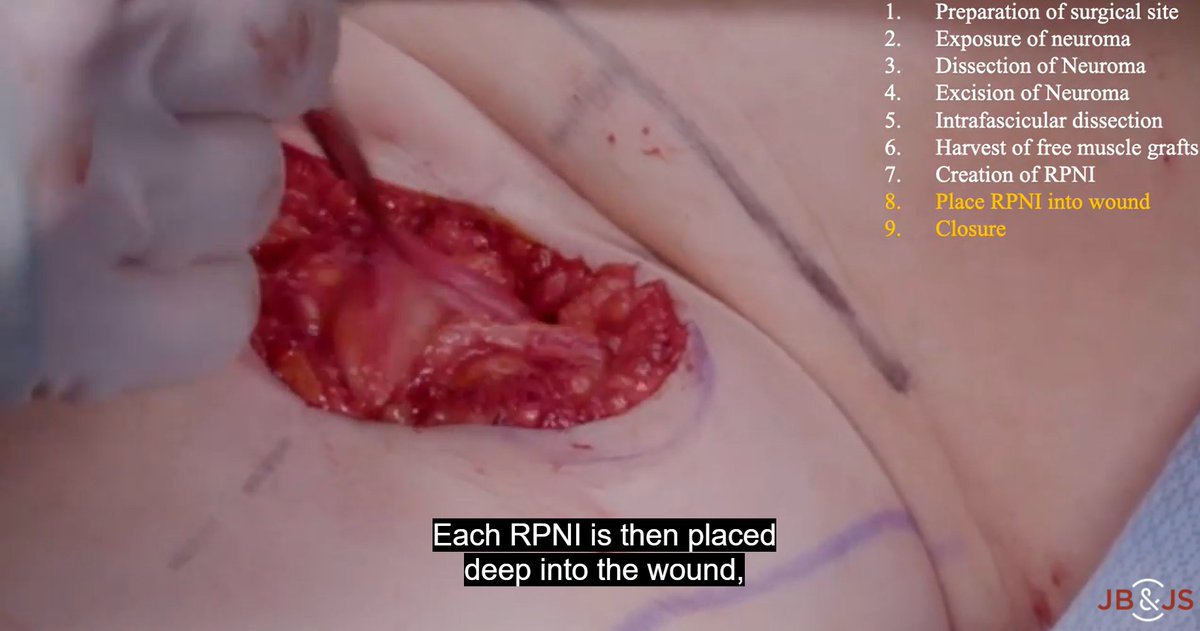
Regenerative Peripheral Nerve Interface (RPNI) Surgery for Mitigation of Neuroma and Postamputation Pain
#oncology #trauma
bit.ly/49hAD49
8
7
2,320

We are looking forward to Grand Rounds tomorrow with John J. Coleman Visiting Professor Dr. Theodore Kung from @UMichSurgery!
Dr. Kung will be speaking about Regenerative Peripheral Never Interface (RPNI) Surgery for Intuitive Prosthetic Control, Sensory Feedback, and Mitigation of Postamputation Pain.
He will then be joining us for the 1st Annual Plastic Surgery Research Day at @EskenaziHealth from 9a - 2p
#IUPlasticSurgery #IUSurgery #IUSurgeryVisitingProfessor

2
2
6
1,417

24 Nov 2023
Read “’I Did Not Expect the Doctor to Treat a Ghost’: A Systematic Review of Published Reports Regarding Chronic Postamputation Pain in British First World War Veterans” available now in #PainReports bit.ly/3QPvzMC
1
2
288

Now in #PainReports: “I Did Not Expect the Doctor to Treat a Ghost”: A Systematic Review of Published Reports Regarding Chronic Postamputation Pain in British First World War Veterans bit.ly/3QPvzMC
1
3
704
Read “’I Did Not Expect the Doctor to Treat a Ghost’: A Systematic Review of Published Reports Regarding Chronic Postamputation Pain in British First World War Veterans” available now in #PainReports bit.ly/3QPvzMC
3
3
1,877

Could you help Brad get to his postamputation MD appointments? He needs to take Ubers, which cost $25-30 one way. Still waiting to get SSDI & transitional housing. 😱😭 If you're able to donate, it would really help. Venmo.com Calico Crew. PAYPAL.ME/CALICOCREW ❤️


When you lose a part of yourself, literally, it not only takes a toll on the body, but on the mind. Like teaching myself how to walk w/only 4 toes. It becomes quite exhausting. Worrying makes me exhausted even more. I worry that we won't be able to come up w/the 250 needed
Cont.

1
337

25 Aug 2023
Sharing for Educational purposes ✔️ 💯
Name: Cayenne
Biological Name: Capsicum frutescens, capsicum annuum
Other Names:
Africa pepper, American pepper, bird pepper, capsicum, chili pepper, cockspur pepper, goat's pepper, pod pepper, red pepper, chillies, chili pepper, garden pepper, African red pepper, American red pepper, Spanish pepper, Zanzibar pepper, capsicum, Cayenne
Parts Used: fruit
Active Compounds:
Cayenne contains a resinous and pungent substance known as capsaicin. This chemical relieves pain and itching by acting on sensory nerves. Capsaicin temporarily stimulates the release of various neurotransmitters from these nerves, leading to their depletion. Without the neurotransmitters, pain signals can no longer be sent. The effect is temporary. Capsaicin and other constituents in cayenne have been shown to have several other actions, including reducing platelet stickiness and acting as antioxidants.
History:
The potent, hot fruit of cayenne has been used as medicine for centuries. It was considered helpful for various conditions of the gastrointestinal tract, including stomachaches, cramping pains, and gas. Cayenne was frequently used to treat diseases of the circulatory system. It is still traditionally used in herbal medicine as a circulatory tonic (a substance believed to improve circulation).
Rubbed on the skin, cayenne is a traditional, as well as modern, remedy for rheumatic pains and arthritis due to what is termed a counterirritant effect. A counterirritant is something that causes irritation to a tissue to which it is applied, thus distracting from the original irritation (such as joint pain in the case of arthritis).
Remedies For:
Strimulant, tonic, sialagogue, alterative, rubefacient, carminative, digestive
Useful for:
Bursitis
Diabetic neuropathy
Osteoarthritis
Psoriasis
Rheumatoid arthritis
Shingles (herpes zoster)/postherpetic neuralgia
Cayenne pepper has beneficial antioxidant and cardiovascular effects.
It has many beneficial effects on gastrointestinal function.
Antioxidant activity: The carotene molecules of cayenne pepper and paprika exert powerful antioxidant effects.
Cardiovascular effects:
Cayenne pepper exerts a number of beneficial effects on the cardiovascular system. It reduces the likelihood of developing atherosclerosis by reducing blood cholesterol and triglyceride levels. It also reduces the platelet aggregation and increases fibrinolytic activity. Cultures consuming a large amount of cayenne pepper have a much lower rate of cardiovascular disease.
Topical Effects:
When topically applied to the skin or mucous membranes, capsaicin stimulates and then block small diameter pain fibers by depleting them of neurotransmitter called substance P Substance P is believed to be the principal transmitter of pain impulses. It also has been shown to activate inflammatory mediators in joint tissues in osteoarthritis and rheumatoid arthritis.
Clinical Applications:
Capsaicin lowers body temperature by stimulating the cooling center of the hypothalamus in the brain. It appears that people who live in tropics deal with high temperatures by consuming cayenne pepper.
Cayenne ointments may offer benefits in a number of conditions, including pain disorders (postamputation pain, postmastectomy pain, post herpetic neuralgia, diabetic neuropathy, cluster headaches, osteoarthritis, and rheumatoid arthritis. Topically applied capsaicin may be useful in the treatment of psoriasis.
Pain Relief:
Capsaicin was found to relieve the pain associated with shingles (herpes zoster), a clinical condition known as post-herpetic neuralgia. Clinical trials have shown that about 50% of those taking capsaicin report improvement as opposed to 10% for the placebo group....
More in replies 👇🏼

1
14
28
1,279
16 Aug 2023
Sharing for Educational purposes ✔️ 💯
Name: Cayenne
Biological Name: Capsicum frutescens, capsicum annuum
Other Names:
Africa pepper, American pepper, bird pepper, capsicum, chili pepper, cockspur pepper, goat's pepper, pod pepper, red pepper, chillies, chili pepper, garden pepper, African red pepper, American red pepper, Spanish pepper, Zanzibar pepper, capsicum, Cayenne
Parts Used: fruit
Active Compounds:
Cayenne contains a resinous and pungent substance known as capsaicin. This chemical relieves pain and itching by acting on sensory nerves. Capsaicin temporarily stimulates the release of various neurotransmitters from these nerves, leading to their depletion. Without the neurotransmitters, pain signals can no longer be sent. The effect is temporary. Capsaicin and other constituents in cayenne have been shown to have several other actions, including reducing platelet stickiness and acting as antioxidants.
History:
The potent, hot fruit of cayenne has been used as medicine for centuries. It was considered helpful for various conditions of the gastrointestinal tract, including stomachaches, cramping pains, and gas. Cayenne was frequently used to treat diseases of the circulatory system. It is still traditionally used in herbal medicine as a circulatory tonic (a substance believed to improve circulation).
Rubbed on the skin, cayenne is a traditional, as well as modern, remedy for rheumatic pains and arthritis due to what is termed a counterirritant effect. A counterirritant is something that causes irritation to a tissue to which it is applied, thus distracting from the original irritation (such as joint pain in the case of arthritis).
Remedies For:
Strimulant, tonic, sialagogue, alterative, rubefacient, carminative, digestive
Useful for:
Bursitis
Diabetic neuropathy
Osteoarthritis
Psoriasis
Rheumatoid arthritis
Shingles (herpes zoster)/postherpetic neuralgia
Cayenne pepper has beneficial antioxidant and cardiovascular effects.
It has many beneficial effects on gastrointestinal function.
Antioxidant activity: The carotene molecules of cayenne pepper and paprika exert powerful antioxidant effects.
Cardiovascular effects:
Cayenne pepper exerts a number of beneficial effects on the cardiovascular system. It reduces the likelihood of developing atherosclerosis by reducing blood cholesterol and triglyceride levels. It also reduces the platelet aggregation and increases fibrinolytic activity. Cultures consuming a large amount of cayenne pepper have a much lower rate of cardiovascular disease.
Topical Effects:
When topically applied to the skin or mucous membranes, capsaicin stimulates and then block small diameter pain fibers by depleting them of neurotransmitter called substance P. Substance P is believed to be the principal transmitter of pain impulses. It also has been shown to activate inflammatory mediators in joint tissues in osteoarthritis and rheumatoid arthritis.
Clinical Applications:
Capsaicin lowers body temperature by stimulating the cooling center of the hypothalamus in the brain. It appears that people who live in tropics deals with high temperature by consuming cayenne pepper.
Cayenne ointments may offer benefits in a number of conditions, including pain disorders (postamputation pain, postmastectomy pain, post herpetic neuralgia, diabetic neuropathy, cluster headaches, osteoarthritis, and rheumatoid arthritis. Topically applied capsaicin may be useful in the treatment of psoriasis.
Pain Relief:
Capsaicin was found to relieve the pain associated with shingles (herpes zoster), a clinical condition known as post-herpetic neuralgia. Clinical trials have shown that about 50% of those taking capsaicin report improvement as opposed to 10% for the placebo group....
More in replies 👇🏼

1
4
17
756