
The most injury prone WR room in the NFL drafted another injury prone WR💀💀💀

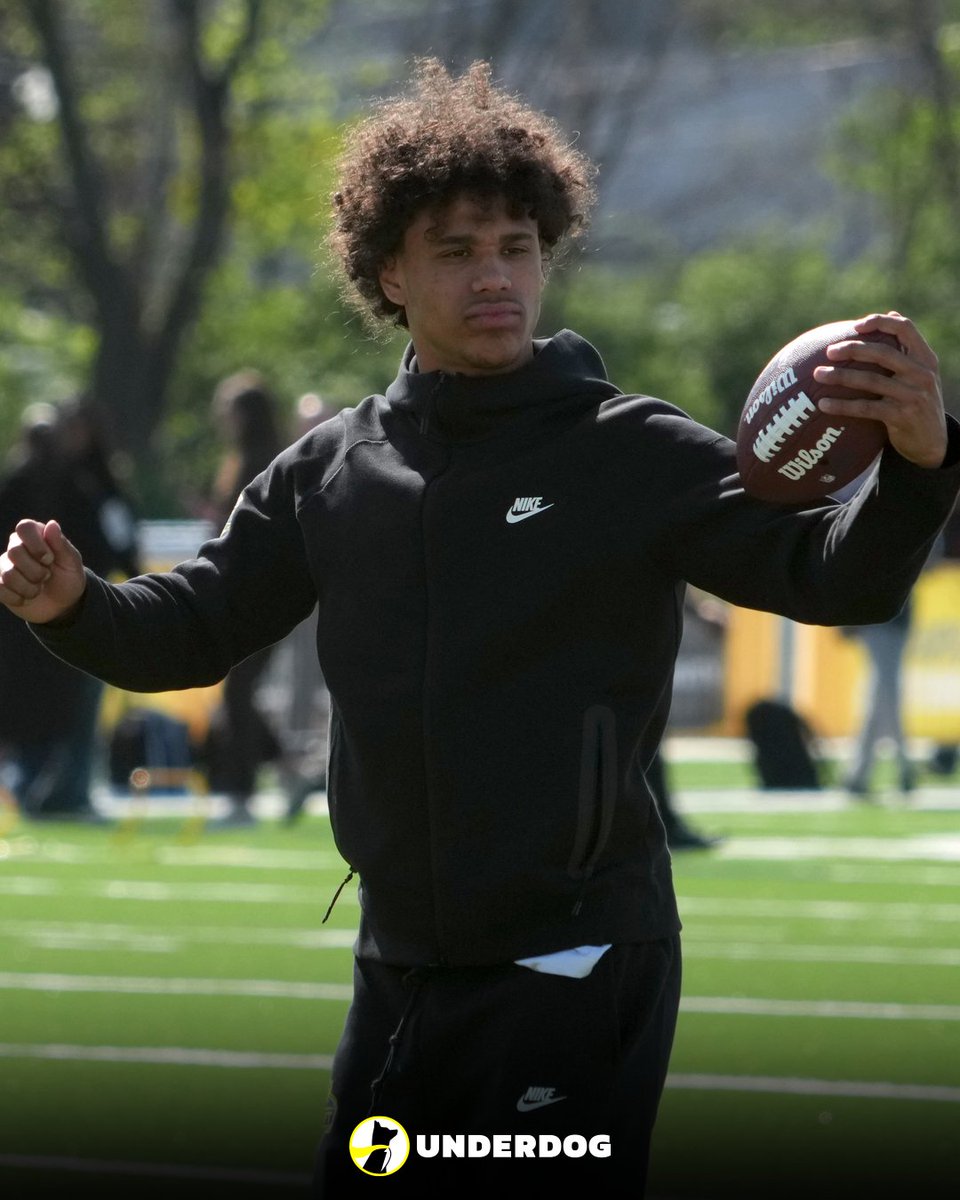
Moore: Jordyn Tyson (hamstring) will continue to be limited during minicamp.
1
4
300

They all have source memories however the attachment ranges vastly. Those who are heavily attached are more prone to flashbacks and affected by "updates" to the character but it also depends on how busy they are(?) Like if they are alr holding onto a lot of memories then unlikely
2

They notice sj bite into his lip again, that almost-pout deepening as he shudders near-imperceptibly before he closes his eyes, lets out a shaky breath. Is he unwell? Feverish? He certainly looks it, & w his unstable cultivation he’s plenty prone to bouts of sickness. Perhaps
1
4

The Combo of injury prone and inconsistent and not top 10 isn't a goalie you can get a haul form
1

taisss retweeted

Apr 6
you seem pretty prone to procrastination for a girl so scared of failure
411
76,548
296,962
3,408,626
Miss Raven retweeted

Jun 5
🔞Sunday ( Honkai: Star Rail )
femboy / puffy nipples / anal sex /prone bone / cum on ass
2min NSFW yaoi anime
📢Japanese Voice🔞
3
1,028
11,068
222,477

do you really want an injury prone backup for an injury prone starter? i'm intrigued with jayden quaintance but its the same deal, you need your backup to be durable if you can't trust your starter to play 45 games
1

Too many stupid Wolves fans. Gimme Kyrie 100% of time over Ja. Yes Kyrie is older and more injury prone, but he doesnt have nearly the fof court issues, or dad issues, that Ja does. Ja is gonna be nothing but drama.

I’m in on Ja Morant. Perfect buy low if you’re unwilling to trade Jaden or Naz
9

Injury prone and missed the start of the season twice with no explanation. Woll is a backup goalie at best
4

Mentally unstable and prone to violence are some of their core attributes.
1


Agree with most of your takes but Lynch is a hotheaded, injury prone man child. He’d be a waste of space.
4

bro what type of trade is that 😭. AD still way better than walker injury prone or not. not to mention the fact that you’re moving down in the draft.
5


Why are yall so high on Bain dude won’t be who yall think he is with those short arms the real superstar in the draft was Caleb downs now if Tyson is injury prone then I will be pissed because we could have got Caleb downs
12
COOEY retweeted

Leaf fans are blind. Woll wasn’t good and is injury prone. Get over it

TRADE: We’ve acquired defenceman Emil Andrae, goaltender Samuel Ersson and a third-round selection in the 2026 NHL Draft from the Philadelphia Flyers in exchange for goaltender Joseph Woll and defenceman Simon Benoit
42
6
147
11,697

the 24 year D CAN'T improve but the 27 year old injury prone goalie can...
2

No, you should not apply regular stamp ink to a baby's feet. Baby skin is extremely thin, sensitive, and prone to irritation or absorption of chemicals, so standard stamp inks (with dyes, pigments, solvents like alcohols/glycols, or resins) can cause issues like rashes, dryness, or allergic reactions.
Mom: why is my baby dumb
*puts new human in chemicals*
Ahhh what a pretty bible
Common Ingredients
Colorant (2–8% or so by weight): This provides the color. It can be:Dyes (soluble, often used in traditional stamp pad inks for bright, quick-drying results).
Pigments (insoluble particles, like organic or inorganic types, quinacridone, azo pigments, titanium dioxide, iron oxides for more permanent or opaque results)
Solvent/Vehicle (main bulk, often 50–80% ): Keeps the ink fluid and helps it transfer.
Water glycerol (glycerin): Classic for traditional stamp pad inks. Glycerol acts as a humectant—it prevents the ink from drying out on the pad but allows it to dry on paper.nvlpubs.nist.gov
Alcohol-based solvents (e.g., ethanol, isopropanol, ethylene glycol, propylene glycol, benzyl alcohol) for faster-drying or self-inking Other options include oils or specialty solvents in some industrial formulas.
Binders/Resins (1–5%): Help the ink adhere and stay intact.
Examples: Polyvinyl butyral, acrylic, alkyd, or polyurethane resins.patents.google.com
Additives (small amounts): Wetting agents, dispersants, defoamers, preservatives, or pH modifiers to improve flow, stability, and shelf life.thestampmaker.com
1

someone explain to me the disparity in treatment between GR63/LN1 and CL16 because by my understanding all three are PR-trained pretty boys prone to whining. Yet I don’t see *those* fans throwing twink allegations at CL. why does he get a pass
15