


Jan 26
EXCTLY IF THEY MAKENIT SEEMS BIGG AND NOT JUST INSTA POSTING ON REPACT LIKE ACTUL AWARD SHOWS AND FESTIVALS ....MAKE IS SEEMS BIG SO IT WILL BE BIGG AND THEN YOU CAN GRAB THE MONEY LATTER
Jan 25

. @mercuryrecords hey, respectfully we need ZAYN5 and proper promo for the record. please and thank you
3
87


4 Aug 2025
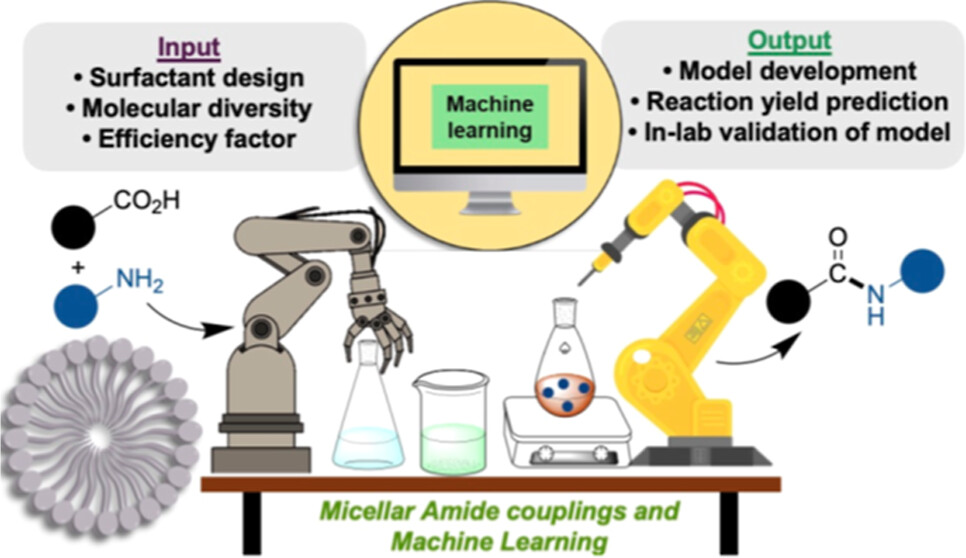
Empowering micellar catalysis through AI: Accurate reaction yield predictions from limited data
Micellar catalysis holds great promise for safer, more sustainable chemical syntheses, but optimizing reactions with limited available data remains challenging. A recent study by Roy and coauthors demonstrates that AI can effectively address this challenge by predicting reaction outcomes even from sparse data.
The team developed REPACT, an AI-driven predictive model integrating representation learning with gradient boosting regression techniques. Specifically, they employed an autoencoder-based dimensionality reduction combined with a gradient-boosting regressor, enabling the prediction of yields for micellar amide coupling reactions. Despite the limited micellar-specific data, the model accurately predicted reaction yields by intelligently incorporating surfactant design principles from PS-750-M and leveraging analogous reaction data from traditional organic solvents such as DMF, NMP, THF, and DCM.
This research highlights AI’s transformative potential in synthetic chemistry, enabling precise, efficient, and environmentally responsible chemical processes even without extensive historical reaction data. Such advances could significantly streamline micellar catalysis development, promoting broader adoption of greener synthetic methodologies.
Paper: pubs.acs.org/doi/full/10.102…
4
504

27 Jul 2025
assim o exo tinha 3 CB por ano, full álbum, repact, min álbum, álbum de inverno e a gente consumia tudo, esse negócio de precisar de tempo pra curtir o álbum é loucura kkkkkk
1
4
110

16 Jun 2025
Kun ky wo alg hain ham see repact karti hain achy lahjy see bat karti hain or bat ko agy ly kar jati hain hm zyada se ziada kiya hal kia ho rha hy ye bus hahaha
1
1
12

29 May 2025
Am raiseng with around 9 sistars that teeches me and allso in my blood repact of womans and cair fourever not all men are saim 👍
2
7
375

8 Feb 2025
Clap.... We respect the process and results with our own eyes... At first, they gathered for their own benefit. They are turning into strong optimists through the process.! Each role is very natural and very passionately determined... They are learning something really amazing. In the clap community. 24 hours is getting longer in the community. It's almost June in my neighborhood. I look forward to the day you mention it. Repact Murad.
1
3

23 Oct 2024
ทุกครั้งที่มี ม็อบ เรียกร้อง สิทธแรงงาน ไม่เคยนิ่งเฉย แต่ไม่ขนาดเข้าร่วม ช่วยแชร์ ช่วยทางอื่นไป repact พี่ๆเขาทุกคนค่ะ และไม่เคย ignore เรื่องการเมือง
22 Oct 2024

บางคนมันก็ไม่รู้ว่ามีคนอีกจำนวนแค่ไหนสละชีวิตสละความสะดวกสบายของตัวเองไปสู้กับนายทุนเพื่อเรียกร้องการขึ้นค่าแรง ชั่วโมงทำงาน วันหยุด วันลา สวัสดิการ กฎหมายความปลอดภัย ฯลฯ เพื่อให้มันมีชีวิตดีจนมานั่งทำคลิปบอกรักทุนนิยมได้แบบนี้
1
2
925

11 Oct 2024
This rajat janke troubling ladies
Agar Etna dam hai to mardo se lado na”
Bas ek he cheez ki umid thi aurto ki repact karoge but nah oh bhi nahi hoa tumse!
Stay strong Shilpa ji I love the fact that she’s great full to the platform she have got!
#ShilpaShirodkar
#BB18

2
4
703

What I hated is he did make good music but he sold us under a pretensive lie. So it’s hard to believe or even repact what he says. Then he’s been in too many lies and weird shit. Anyone who talks about themselves in 3rd oerson you stay away from anyways. Can’t ever trust them.
2
2
3
412

23 Mar 2024
At least I repact Women people like @AshleyLolaRyan @JIsNotNice @brittanyanne08_ @daniellelawrie5 @ItsChristineEM @JessamynMcIntyr @Maura_Dool @trumplostsuckit @AnIshia420 @ilovejowee @JaybirdHopper @Loriwhiteside8 @tbailey1976 @mikaelamattes @susaninseattle1 and many more.💜💛😥
2
11
460

9 Mar 2024
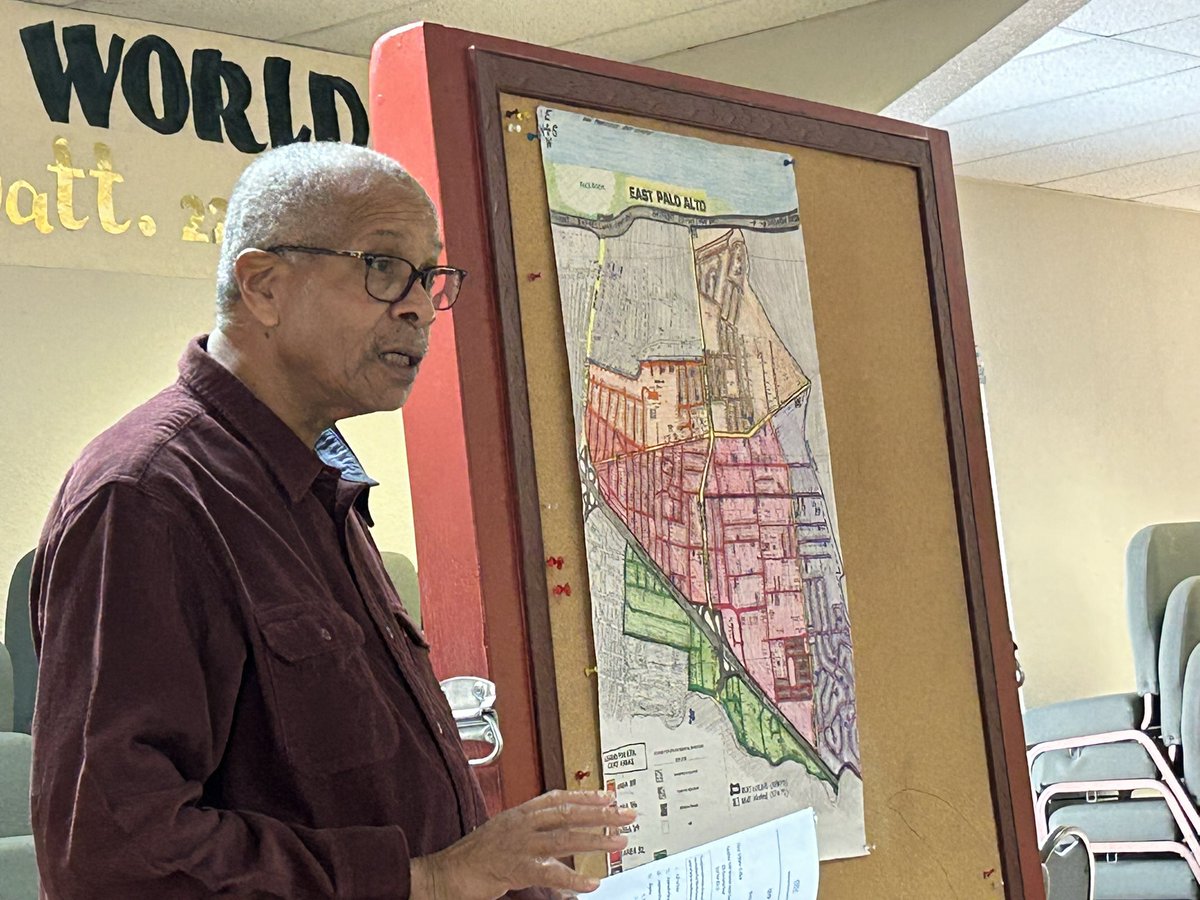
East Palo Alto Emergency Prep meeting with Robert Jones and rEPAct
2
187

6 Dec 2023
Oh yeah I did. It was an amazing experience. It shapes the way you reason and view things. Their training is hard and the worst experience you can ever have. Being thrown in the deep waters of lake tanganyika, climbing mountains, sleeping alone in the forest with nothing on you only your combat (you have to find where to sleep in a forest that you don’t know) walking for long ass distances, climbing on long, very long lines. After that training I did. I repact these ohns
8
8
587

Iss ko toh like aur Reply mila hai hua hai ye fan hai jab khud ke bhqi ki Repact nahi karte toh dusro ki kya Karnge aaj hai fan bane hai kal kisi aur ke honge
Par apne toh apne hote hai
@ishehnaaz_gill
19

22 Oct 2023
Menjijikan kelakuan politisi apa pun akan dilakukan demi kekuasaan tanpa ada moral dan etika. Bahkan sampai menjual idialis demi kekuasaan maaf saya kurang respact anda. Dahulu saya sangat repact dengan pikiran2 anda tp saat ini seperti kucing masuk sumur.
2
25
6,078