
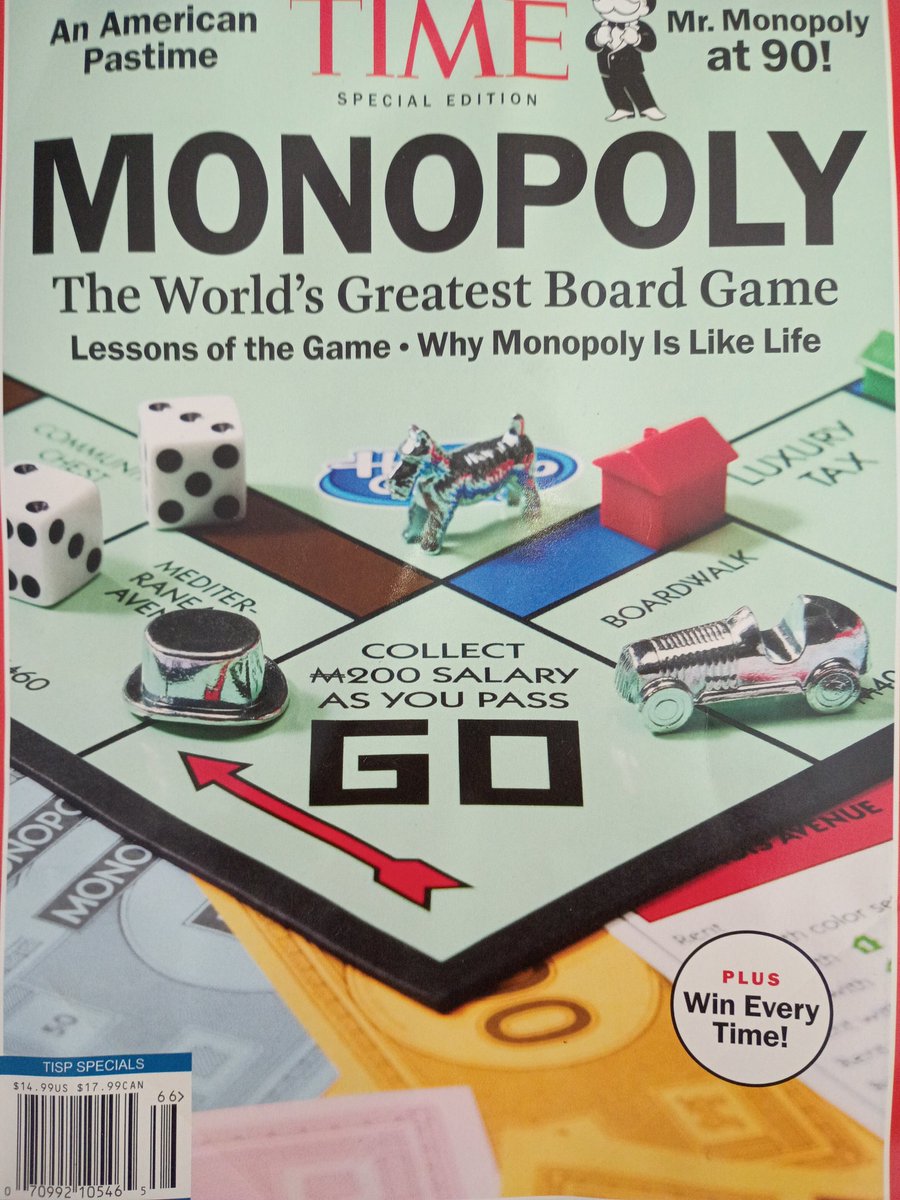
By any game board analyzing metric, Monopoly should have disappeared from toy store shelves decades ago. The game is unfair by design: It disguises luck as skill, strips players of agency, and heavily favors early frontrunners. It is long and slow and frustrating. Its mechanics appear to rely on randomness to move around the board—the dice and Community Chest cards—but the rules of probability point to unrandom outcomes. Instead of fostering community, like many tabletop games, it thrives on conflict. It is a last-man standing endurance contest that eliminates players who run out of cash. The sidelined, in turn, become bored, annoyed, hotheaded—up turning boards, storming out of rooms, severing relationships.
Yet here we are, more than 90 years after Parker Brothers introduced Monopoly to the market in 1935, and it remains one of the world's most popular board games, having been played by an estimated billion people and having sold upward of 275 million copies including more than 6 billion green houses and 2.25 billion red hotels. Monopoly's been used to train executives in decision-making and in research on human behavior in conflict situations. It's been adapted to teach young children cognitive abilities and by AI researchers hoping to develop an agent capable of learning winning strategies.
Hasbro, which has owned Monopoly since 1991, does not break out the game's annual revenues, but it is safe to say Monopoly has fattened the bottom line. One indicator is 'Monopoly GO!', the mobile version released by Scopely in 2023: In the games first 1,275 days, it generated more than $6 billion from in-app purchases—the fastest mobile game in history to reach that milestone. In 2025, Hasbro collected $168 million in 'GO!' license in fees.
#EileenDaspin
“That's Entertainment”
Time Magazine Special Edition
📃 ©2026
#Monopoly
#BoardGames
#MonopolyGo
8

No sure, unless it's a surprise. He was datamined, but scopely didn't officially announce it.
Mike retweeted

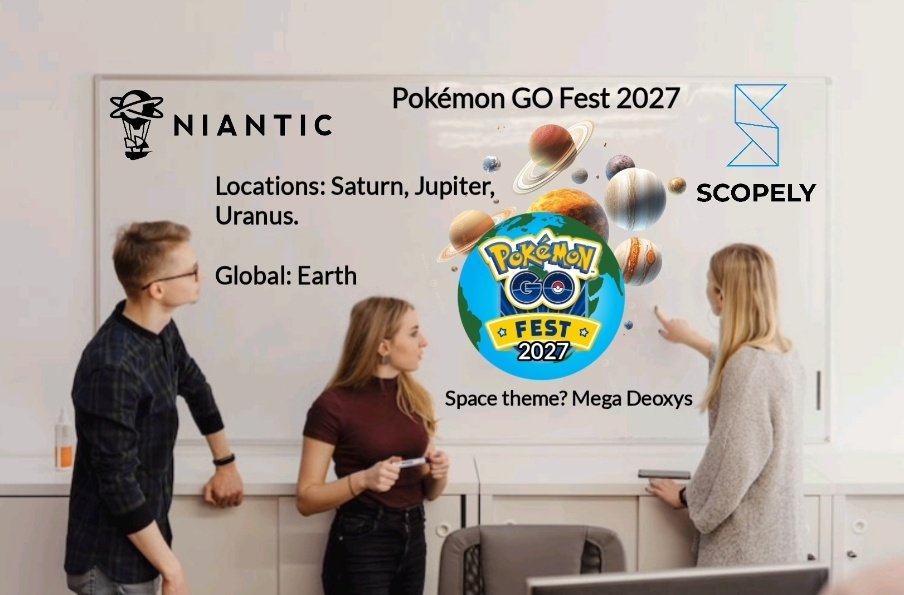
This leaked image shows Niantic/Scopely planning out GO Fest 2027 👀
It looks like it will spread out across different planets 🪐🌍
#PokémonGO
9
13
115
6,409


8
581

Niantic spun off its non-gaming geospatial tech into a separate company, while the games division and its teams transitioned under Scopely ownership.
SF designed these weapon systems in question.
55

Spencer claims this building is "largely empty". 🤦♂️
Major tenants: Long-term/high-profile occupants have included Nike, Converse, Apple, Scopely (video gaming), Beats, GoPro, Jukin Media, ChowNow, plus restaurants like the Michelin-starred Vespertine.
1
24
ギム🌼 retweeted

1
2
239