
Mar 22
Is workshop and change facilitation working? Part 2.
A summary of responses to my last post on the @SessionLab "State of Facilitation 2026 Report" across multiple social platforms. Six themes emerged:
1. The environment people return to matters as much as the session
Jothi Vasan-O'Leary noted that participant experience is shaped by how inspiring a session feels, not by how implementable the content is. Reza Hosseini Ghomi echoed this: high engagement rarely translates into sustained change when the system doesn't support new behaviours. Kath Linacre was direct - energy in the room is routinely mistaken for outcome.
2. Facilitation may need redesigning, not just better evaluation
Karen Lord argued that facilitated learning events are an ineffective way to transfer learning. In her evaluation, 89% left a four-month experience engaged — 6 months later that had fallen to under 24%. She called this a strategic mindset issue: organisations see evidence of failure & recommission anyway. Anthony Lawton questioned the model itself - arguing for always-on measurement of where human capacity is wasted, with on-the-job coaching replacing workshops.
3. Complexity resists simple measurement
John-Paul Crofton-Biwer pushed back on upfront performance indicators, arguing that cause-and-effect thinking risks reducing facilitation to compliance. Louise Patmore added that internal voices are frequently sidelined in favour of external consultancy, & that fear remains a barrier.
4. Before the session & after it
Ray Pendleton argued that the prior questions (why this group? how do we know? to what outcome?) are rarely asked rigorously. Eszter Ashlock-Kéthelyi noted that without long-term impact tracking, leaders can’t know whether investment was worthwhile. Kedar Sawleshwarkar asked what message leaders receive when no evaluation happens at all.
5. Networks as undervalued outcomes
Jeppe Vilstrup Hansgaard identified a consistently missed opportunity: the connections formed during facilitated events. Michael Donnelly added that facilitators must hold the conditions for change, but leaders carry equal responsibility for enabling what follows.
6. Evidence that long-term impact is possible
Zoe Austin-Crowe still applies concepts today from a learning session she attended in 2014. Bronwen Williams highlighted motivational interviewing & clinical supervision as skills that take time & effort but can make the real difference.
What commenters suggest doing differently:
- Ask "why this group?"; "to what outcome?", before commissioning any session
- Define measurable indicators upfront; not retrospectively
- Invest in scoping & follow-up, not just the session itself
- Track impact at 3 & 6 months, not just on the day
- Build peer networks during sessions as an explicit outcome
- Leaders must actively enable transfer back into the workplace
- Treat complexity as real; not all change fits simple metrics
The comments suggest a field that knows its limitations but hasn't addressed them systematically. Important work lies in that gap - between knowing & doing.
1
3
33
2,486

Mar 14
This si something people should consider while conducting chain of trainings or workshops without proper handholding mechanisms.
Thanks for sharing Helen.
3
111
Mar 14
Most organisations are investing significantly in workshop and change facilitation and have very little idea whether it's working.
That’s the uncomfortable truth at the heart of the recently published “State of Facilitation 2026” report from @SessionLab. At a time when every hour spent away from operational demands must earn its place, we have to pay serious attention to the impact of facilitated change sessions.
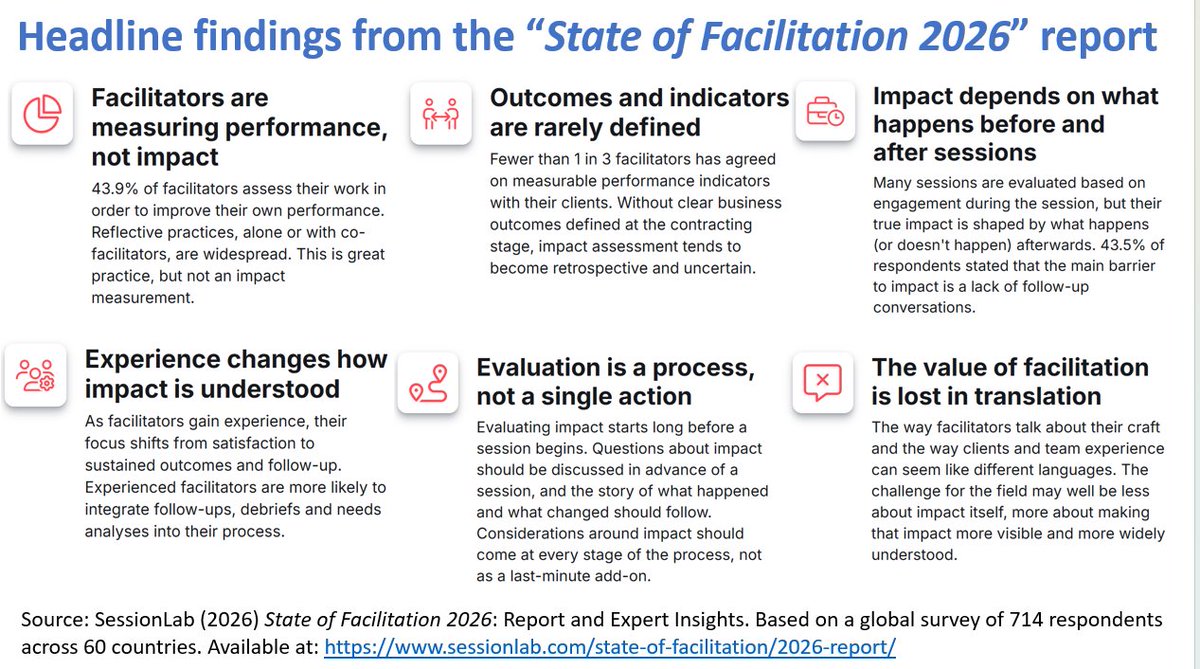
Here is the core tension: facilitation is widely described as powerful and transformative, yet the practices needed to prove that (upfront goal-setting, structured follow-up, rigorous evaluation etc) are not routine. Only 1 in 3 facilitators agree measurable performance indicators with the people who commission their change sessions upfront. Without outcomes defined at this stage, impact assessment becomes retrospective and unreliable.
The report distinguishes three types of "impact" that are routinely conflated: (1) facilitator performance and in-room engagement; (2) participant experience and perceived value; and (3) actual organisational outcomes (sustained behaviour change and measurable results). Facilitation practitioners often “focus mainly on satisfaction,” even though “there is no correlation between satisfaction and application" (Alliger & Janak, 1989). As leaders, we often accept (1) & (2) as evidence of success. We need to invest significantly in (3).
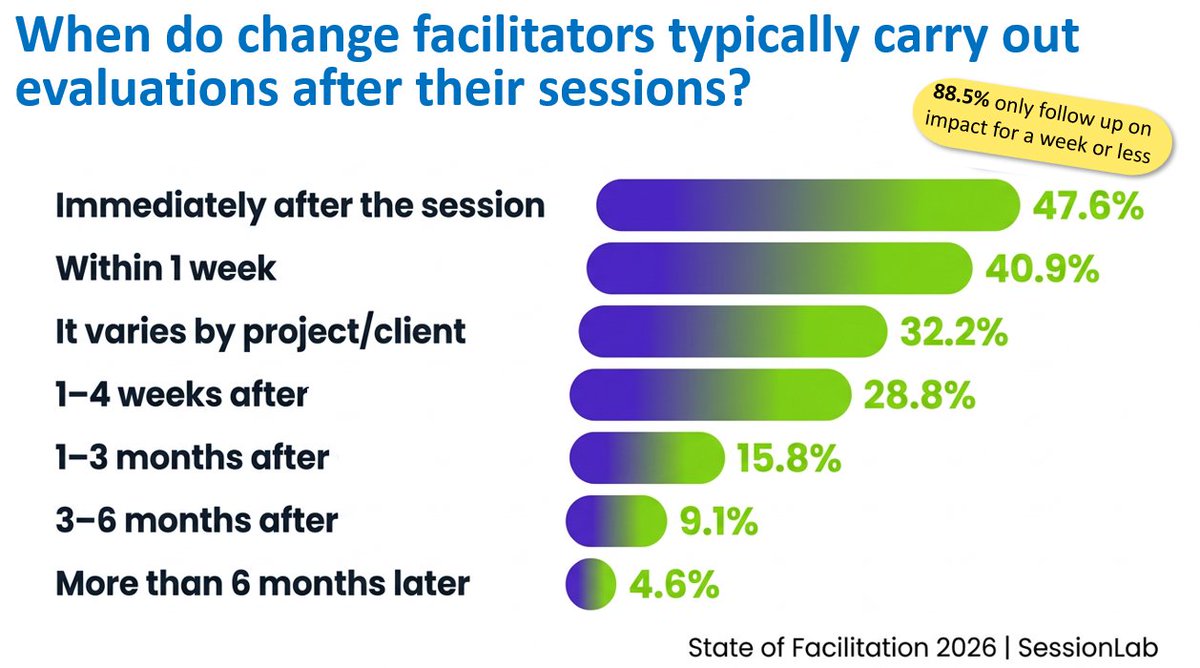
43.5% of respondents identify lack of follow-up as the main barrier to impact. Sessions are evaluated on what happens in the room, but impact depends on what happens afterwards. As one contributor notes: "After the session, participants go back to a work environment and systems which weren't designed to support the changes explored." Leaders across every sector can recognise that pattern.
51.4% of facilitators rely primarily on word of mouth to communicate their impact, and only 4.5% contribute to research or published writing on outcomes. The impact is often real, but it doesn't travel. Where evidence shapes strategy and investment, this invisibility has consequences.
Three things leaders can do differently:
1) Treat facilitation as a strategic capability, not a tactical event: Bring facilitators in early, define the outcomes you care about, and make impact expectations explicit at the outset.
2) Invest in the before and after: Commit to proper scoping, co-design, and systematic follow-up — not just satisfaction surveys at the end of the session.
3) Make the invisible visible: Ask for impact stories, behavioural indicators and links to organisational outcomes. Sponsor the translation of facilitation results into the language of strategy, risk and value.
Facilitation as a one-off event changes little. Facilitation as a sustained, evidence-informed capability transforms performance.
The “State of Facilitation 2026” report: sessionlab.com/state-of-faci….
3
14
47
3,833

17 Sep 2025
The wait is over — the IAF Europe & Middle East Conference program is live!
Special thanks to @SessionLab for sponsoring this year’s conference agenda!
Review our agenda and secure your ticket today: ilovefacilitation.ro/
#Facilitation #IAFEME #Leadership
1
1
2
115

1 Mar 2025
Hiring a Senior Product Designer! 🎨✨
Join SessionLab, a leading SaaS platform for workshop facilitation, and shape the future of collaborative web applications.
💰 €90,000 – €110,000 per year (Remote)
📍 Work from anywhere (UTC-3 to UTC 3)
🖥 Full-time | Flexible schedule
🔹 Lead UX & UI design for a growing product
🔹 Conduct user research & shape our design system
🔹 Collaborate with an innovative, remote-first team
Apply now! 👉 [edutrendsmart.com/senior-pro…
Tag a friend who needs this! 🚀 #RemoteJob #ProductDesign #UXUI
1
1
16
5,663

11 Oct 2024
10 great facilitation training courses (and more ways to learn facilitation) sessionlab.com/blog/facilita… via @sessionlab
2
6

5 Sep 2024
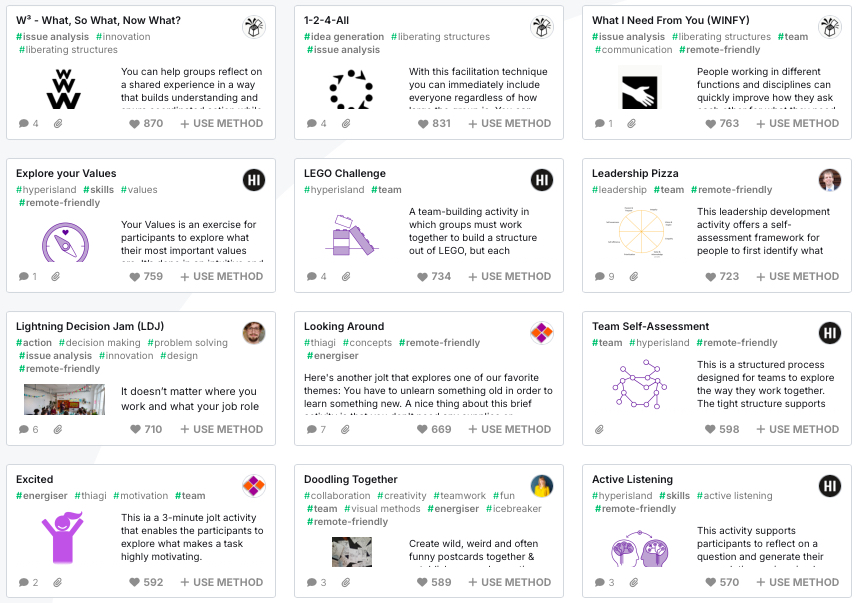
If you're looking for the right tools to design a workshop, check out the library of facilitation techniques available free-to-view at SessionLab.
Featuring over 1,300 workshop activities, you can filter by duration, participants and methodology:
sessionlab.com/library
Enjoy!
3
27

2 Jun 2024
✨ New Remote Full-Stack Programming Job!
SessionLab is looking for a Senior Full-Stack Engineer (Rails & React).
🗺️ Hiring in Europe Only.
Apply here:
weworkremotely.com/listings/…
1
2
794
29 May 2024
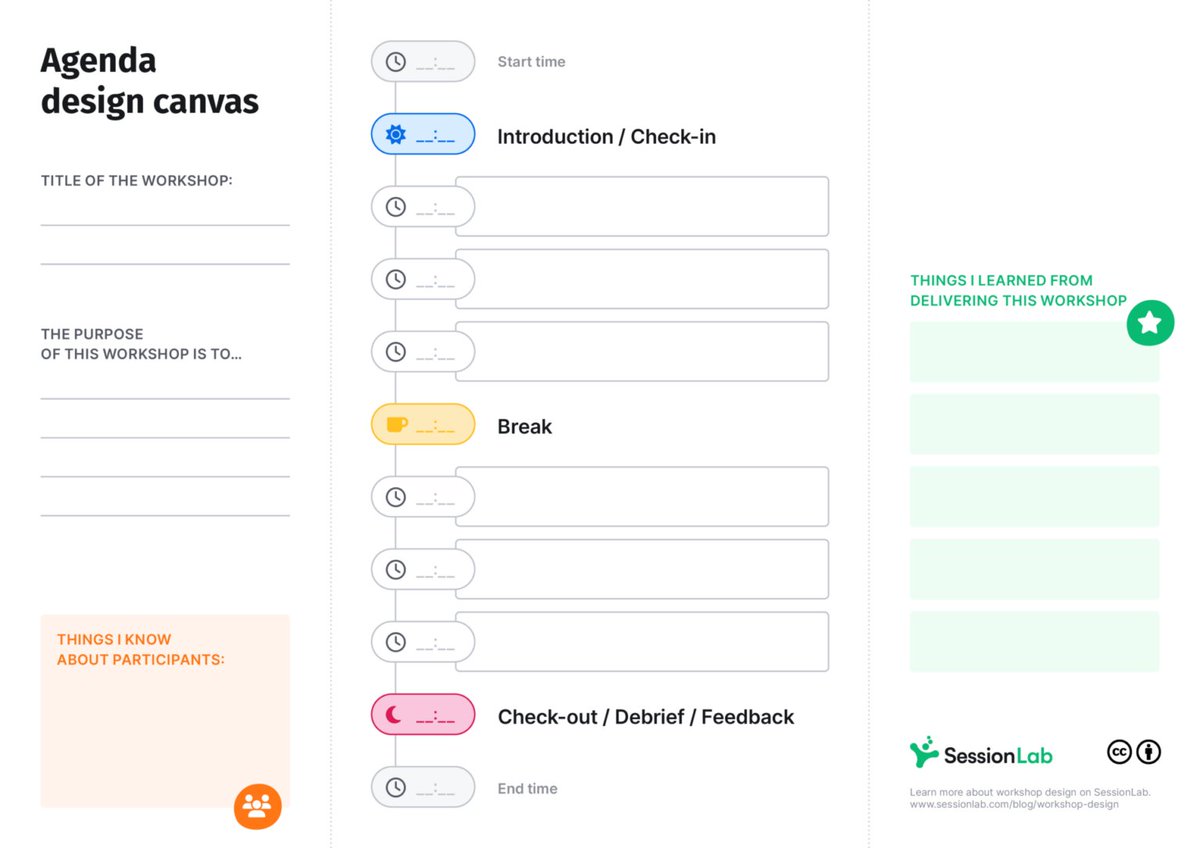
In my many years as a leader of change, I have participated in some brilliant workshops & some terrible ones. A key issue is workshop design. I've come to understand that workshop design is more important than facilitation. If we take a systems view of the event, there are many more ways to impact people's experience than facilitation - the process, space, the sense of community, the collective insight. This all depends on the design.
There are some fantastic free resources on workshop design from @sessionlab. If you are a change leader or facilitator it is so worth investing in these skills:
sessionlab.com/blog/workshop…
11
70
309
67,164

23 May 2024
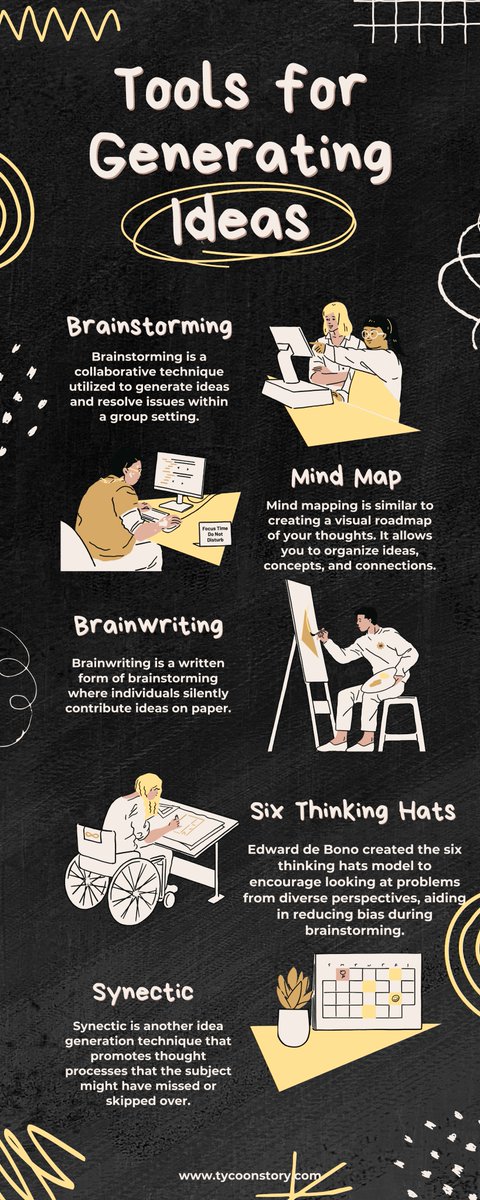
Effective Techniques for Creative Idea Generation and Problem Solving
#IdeaGeneration #Brainstorming #MindMapping #Brainwriting #Synectics #tools #ProblemSolving #Innovation #CreativeThinking @TycoonStoryCo @tycoonstory2020 @Koozai @StartUsInsights @clickup @SessionLab
1
3
46

15 May 2024
SessionLab (@SessionLab) is hiring Senior Full-Stack Engineer (Rails & React).
🌎 Remote - UK, EU, Europe, South Africa
💰 £90,000 - £110,000 yearly
#ruby #rubyonrails #remotejobs
rubyonremote.com/jobs/60917-…
2
5
286
2 May 2024
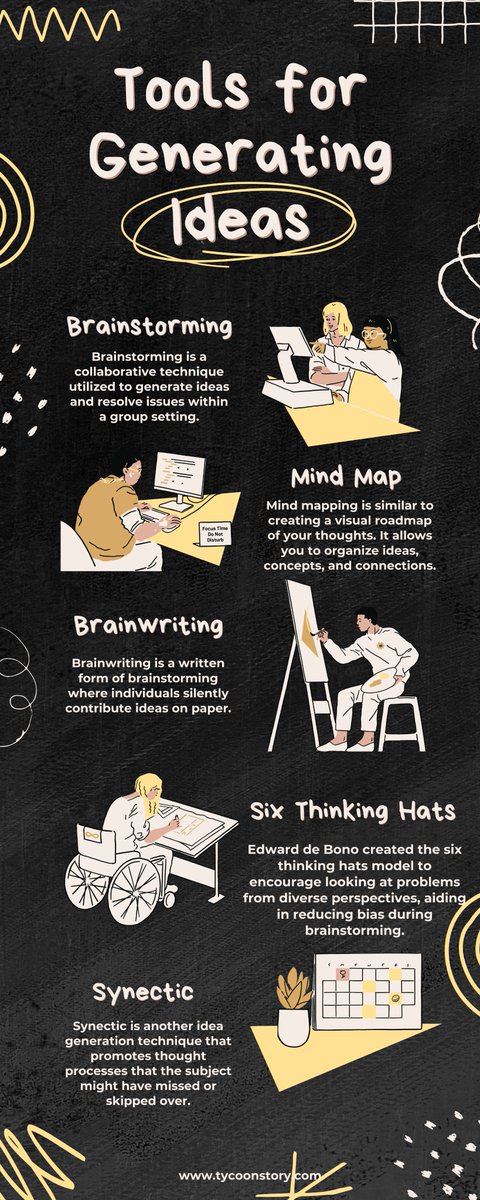
Creative Problem-Solving Tools
#Brainstorming #MindMap #IdeaGeneration #creativity #Design #Teamwork #InnovationTools #Synthetic #ProblemSolving #Techniques #CriticalThinking @TycoonStoryCo @tycoonstory2020 @udemy @SessionLab @OpenStax @Koozai
2
4
73

27 Mar 2024
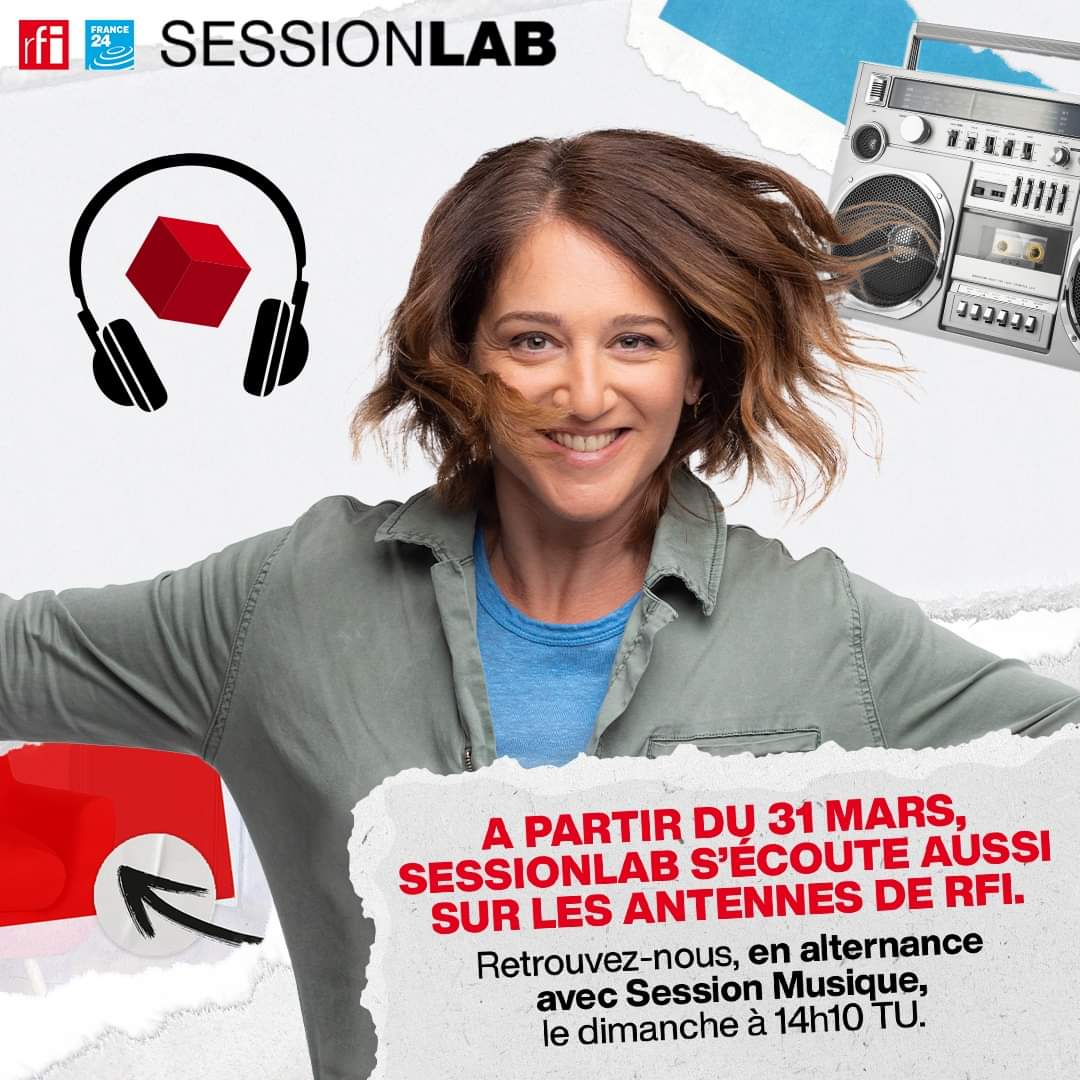
Oh joie ! A partir du 31 mars, j'aurais l'immense plaisir de vous retrouver tous les dimanches à 14h10 TU (16h10 à Paris) sur la @RFI !
Soit avec #SessionLab, soit avec un nouveau rdv dédié à l'actualité musicale internationale !
5
137

25 Mar 2024
At SessionLab we are a fully remote team, how do we stay aligned and create action plans towards our goals? One top tip is to involve others in the process: open a meeting by sharing the agenda using the IDOARRT activity for meeting design.
buff.ly/3Vttsld
1
250

1 Mar 2024
Yes Helen - great posts I save and use many of them. Thank you
2
282

1 Mar 2024
Thanks for sharing this, its a Treasure Hunt, I have shared this to our India Local WA group of 250 Pharma Trainers and they were sooooo happy and thanking profusely for get this Treasure on Different Facilitation Techniques.
1
722
29 Feb 2024
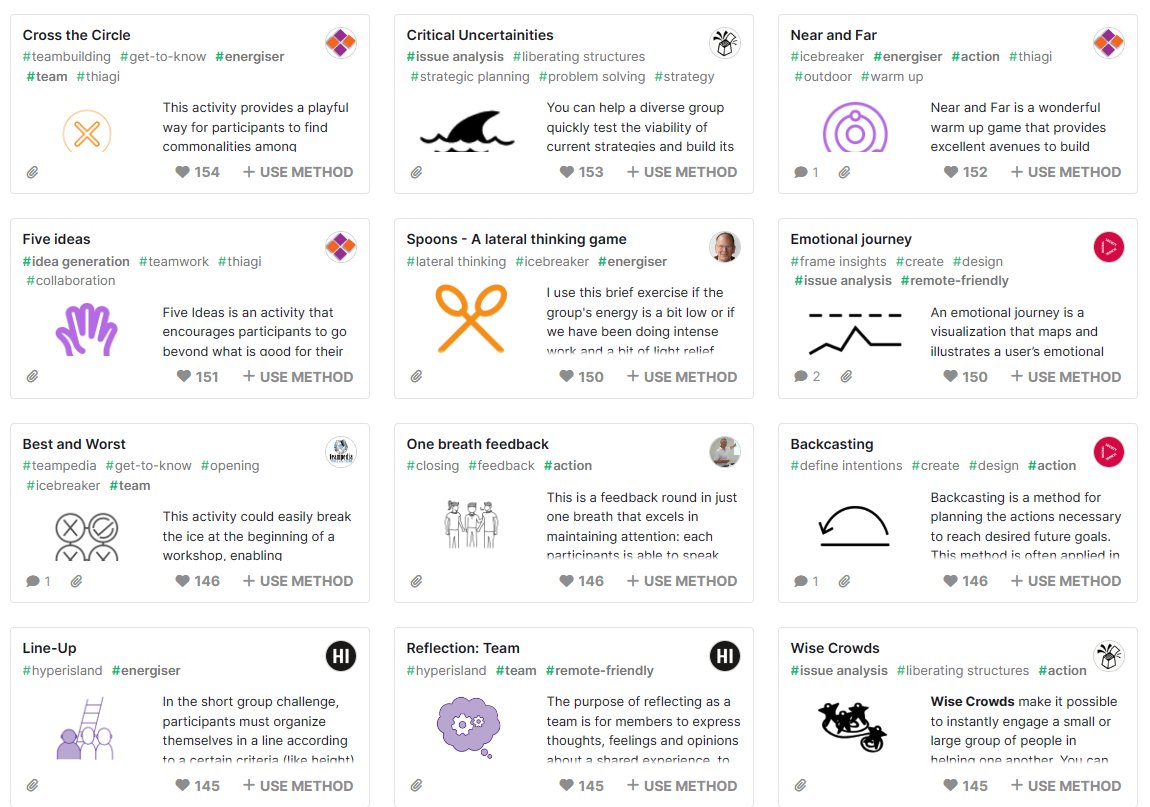
The most comprehensive set of facilitation techniques is available free to view on the @SessionLab library. There are 1,200 different techniques on there. You can sort/filter them by type (idea generation, issue analysis, issue resolution etc), by how many people & by duration. I get lots of ideas from this treasure trove: sessionlab.com/library
13
119
392
44,807

29 Feb 2024
L'interview croisée de @YameBantuu et son père dans «SessionLab» de @RFI. Un éclairage touchant de sa musique, avec un son binaural. De la belle radio! rfi.fr/fr/podcasts/sessionla…
1
3
4
283

13 Feb 2024
Some communities I recommend @SessionLab @IAFacilitators @UnboundEq @VConnecting @ Butter @KenyaIaf @IAF_Uganda
1
2
73

7 Feb 2024
ToP Group #Facilitation Methods training with me in London on Feb 20-21 has just now sold out, so apologies to anyone interested in that - however, there are many other dates and courses to choose from, so book now! #ToPfacilitation ica-uk.org.uk/courses/
2
3
157