natt retweeted

🐼: This is one of the menu items we eat the most.
🐻: We really like salmon, tuna, and shellfish-type dishes. And I’ve noticed that a lot of people, whether they’re fans of whoever, like to secretly spot us and say, “Oh, they’re sneaking off to eat at Sushiro here.”
🐼: Well, they really do come here 5555
// ppw know us so well in which lines we teasing them, and we also understand them so well that they secretly sneak out for little dates and never posted any on socma unless get caught by us🥹
128
791
9,962
Ayurveda With Shyam retweeted

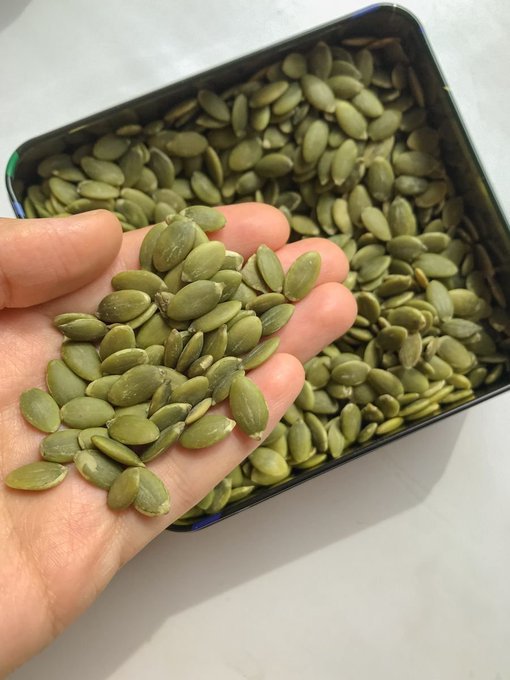
8 Foods That Boost Male Fertility.
1. Pumpkin Seeds (Zinc Magnesium Bomb)
2. Oysters & Shellfish (The Zinc King)
3. Whole Eggs (Yolks Included)
4. Fatty Fish (Salmon, Sardines, Mackerel)
5. Walnuts (Handful Daily)
6. Pomegranate (Pure Juice or Seeds)
7. Brazil Nuts (Selenium Power)
8. Leafy Greens (Spinach, Kale, Rocket)

6
18
854
robedPierre REDUX retweeted

Jon do you eat shellfish?

Jon do you eat shellfish?
1
1
7
363
ANTONIO *NEW retweeted

Jun 12
2. Oysters & Shellfish (Zinc God)
The highest source of zinc on the planet. Zinc = sperm production, motility & testosterone.
Eat 2–3 times per week.
Most men are zinc deficient → weak, watery sperm.
1
2
18
28,470


On 9 March 2026, the UK government published the first list of laws where it expects Great Britain to align with the EU, as part of the agreement on Sanitary and Phytosanitary (SPS) controls. This agreement should help reduce the costs and administrative burden of import and export controls between the UK and EU, which will no doubt be welcome news to those who trade or wish to trade in the EU market.
The areas where alignment is expected has broad scope, including general food law, food information to consumers, hygiene rules, food additives, food contact materials, and biocidal products. Whilst there is already substantial alignment between Great Britain and the EU in these areas, some divergence has occurred since Brexit.
Negotiations are anticipated to be finalised later this year with the new requirements likely coming into effect by mid-2027. However, hauliers are being encouraged to start considering the impact of these changes now, reviewing their operations and planning any necessary steps to ensure continued compliance once alignment takes effect.
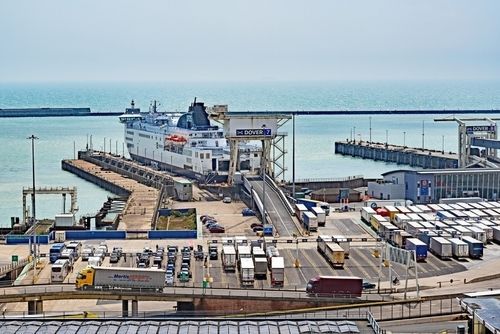
While this development eases pressure on EU importers, it has left several UK ports in a state of uncertainty. Facilities in key locations like Dover, Portsmouth, and others were built specifically to manage comprehensive border control post (BCP) operations.
According to the Government, these changes will deliver practical benefits for businesses and consumers:
• Businesses will save money. Those trading with the EU, both exporters and importers large and small, will benefit from less money spent on complex paperwork at the border. Export Health Certificates, which can cost up to £200 per consignment, will no longer be required. Routine border checks by Port Health Authorities that currently apply to dairy, fish, eggs and red meat imports will be removed, reducing fees, costs associated with queuing and lowering the risk of spoilage.
• Trade will flow faster. Fresh produce will reach supermarket shelves more quickly. Supply chains will become more resilient, strengthening food security here and in Europe. And for the first time since Brexit, goods will move freely between Great Britain and Northern Ireland.
• New markets will be unlocked. Trade in products such as fresh sausages and burgers, certain types of shellfish and seed potatoes will resume, opening up the EU market for these goods and supporting British businesses to expand their production. Consumers on both sides of the Channel will have greater access to the high-quality products they value.
For hauliers engaged in EU and UK trade, this should result in:
• fewer (or the removal of) physical SPS inspections.
• smoother movement and so less delays and risk of spoilage
• fewer SPS declarations, simplifying the handling of agrifood consignments
The agreement is not a customs agreement, and so customs controls will remain.
13
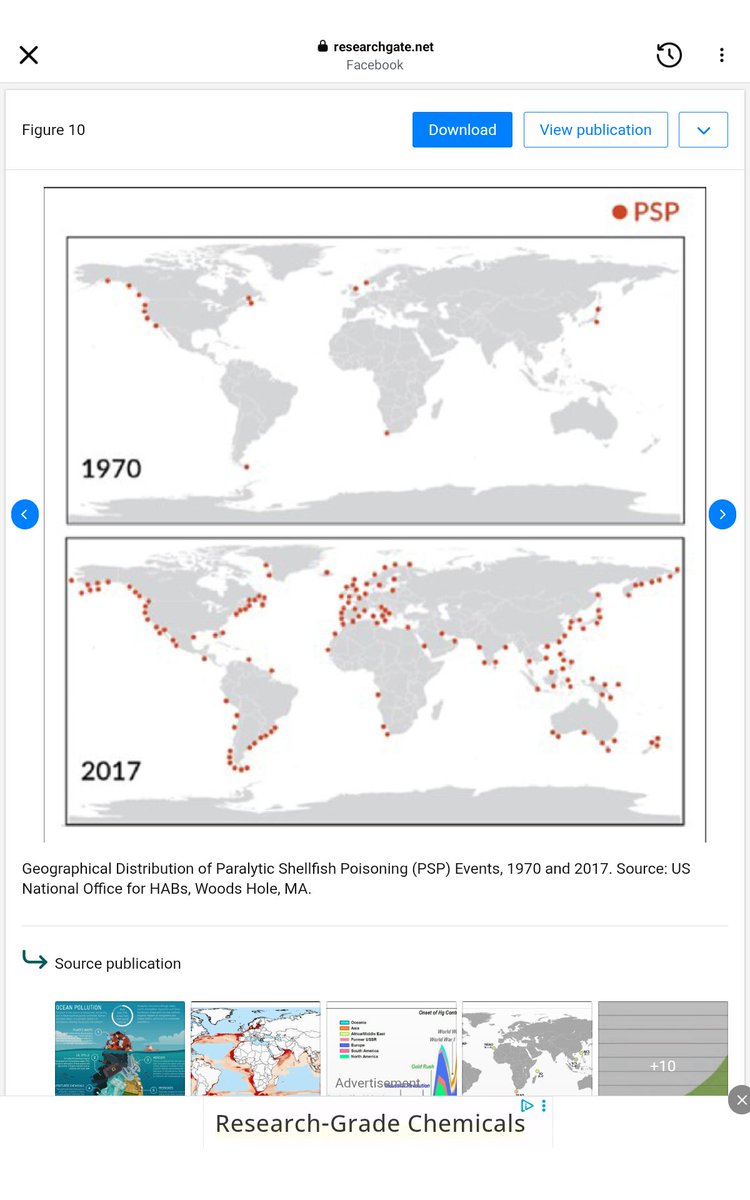
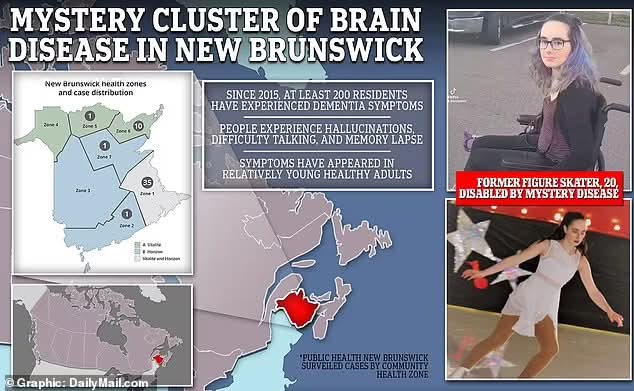
I believe that the mystery brain disease is caused by Cyanotoxins like Saxitoxin and Domoic Acid. Saxitoxin causes Paralytic Shellfish Poisoning and Aerosol Saxitoxin was explored as a wmd by the US government
5