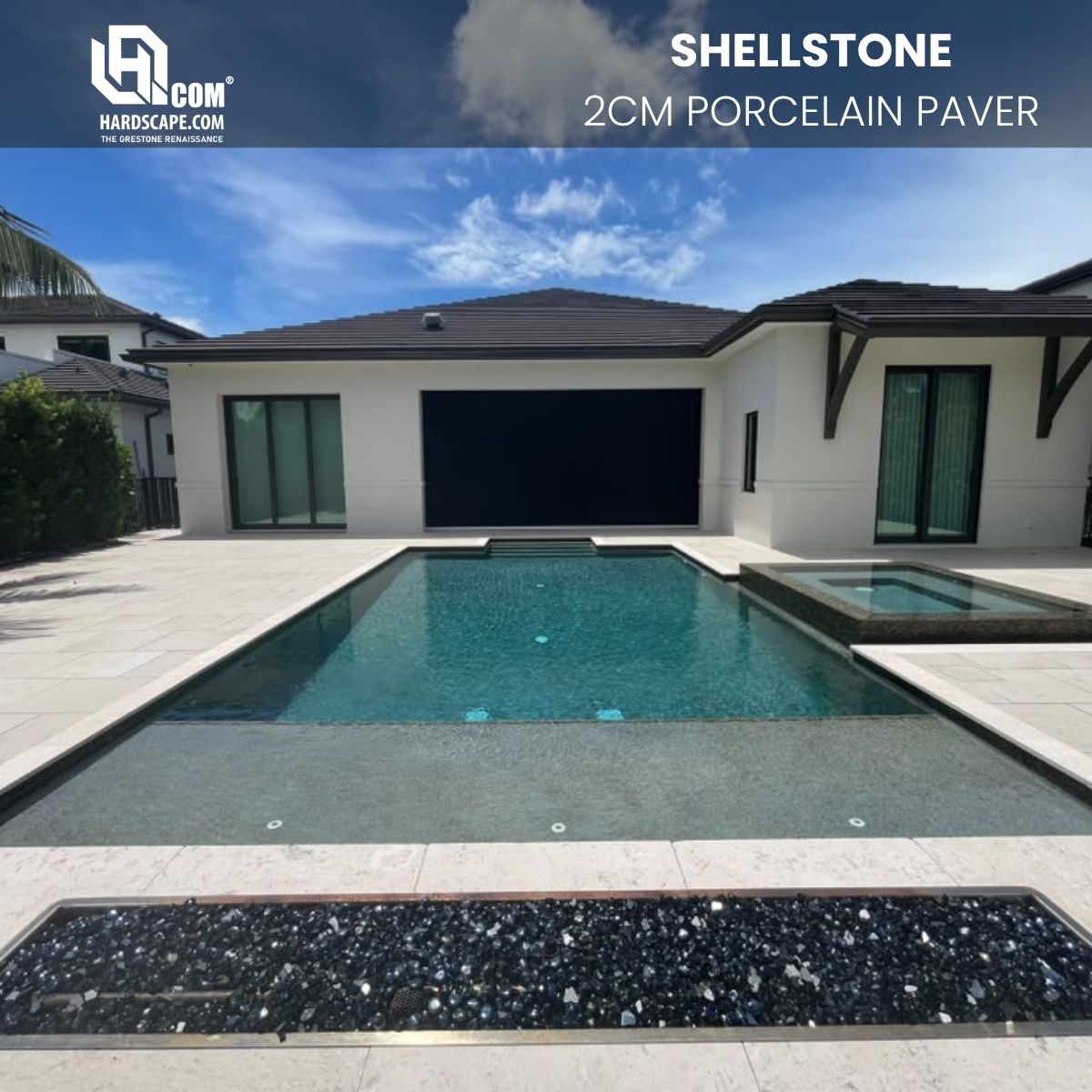
A backyard made for relaxing, gathering, and enjoying the Florida sunshine.
Our 2CM Shellstone Porcelain Pavers bring a soft, natural look to this beautiful pool deck while creating a clean and inviting outdoor space around the pool and spa.
sales@hardscape.com for more info.
7

✨ Move-In Ready Spotlight ✨ 🏡 Galley Villa | Lot 660 in Shellstone at Waterside 💰 $489,000 Step into effortless Florid... dlvr.it/TT1Sg7 #lakewoodranch #lakewoodranchfl #lakewoodranchflorida
5

Jun 12
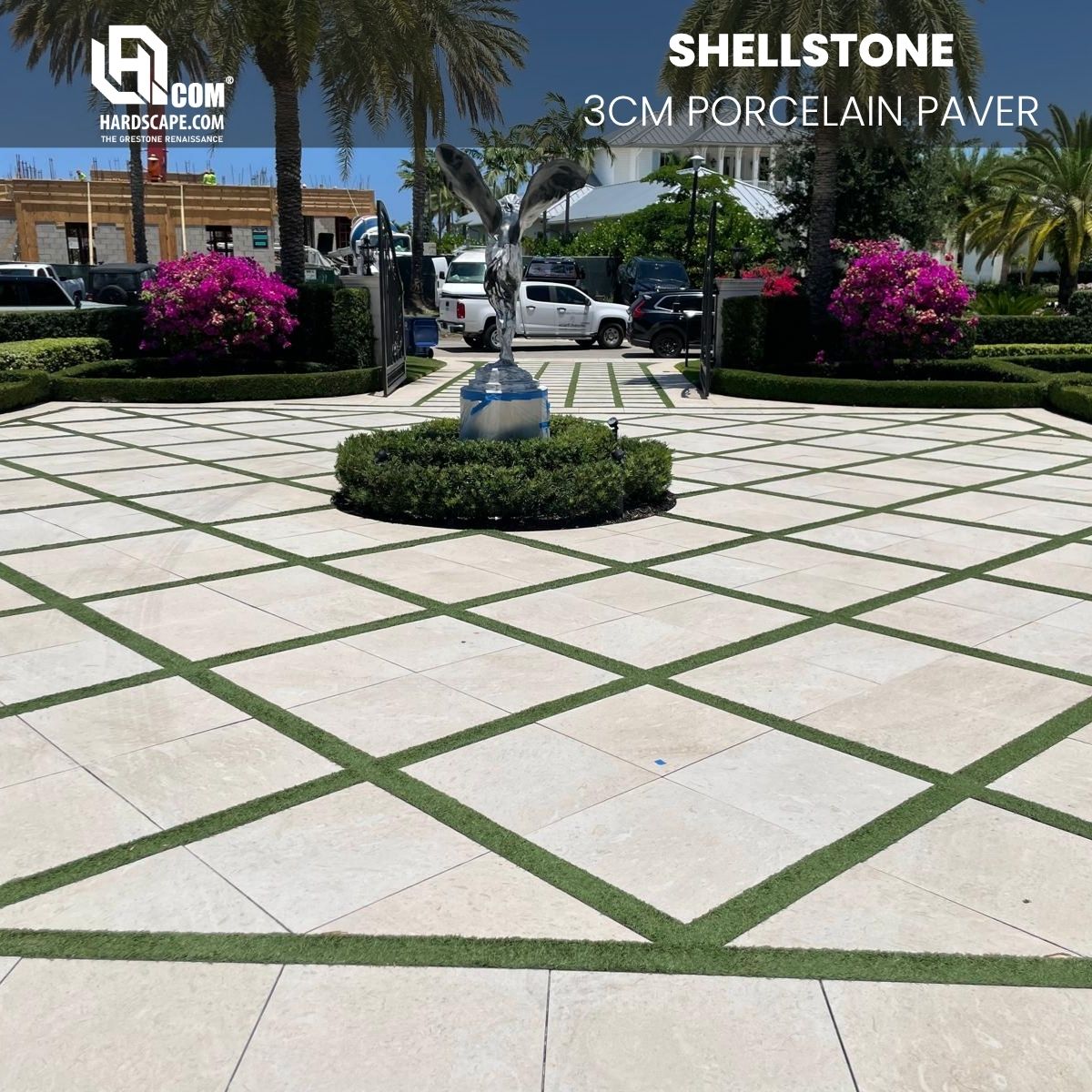
Built for high-end outdoor projects.
3CM Shellstone Porcelain Pavers deliver a clean, sophisticated shellstone look with the durability contractors need for demanding residential applications.
For product availability and project support, contact sales@hardscape.com

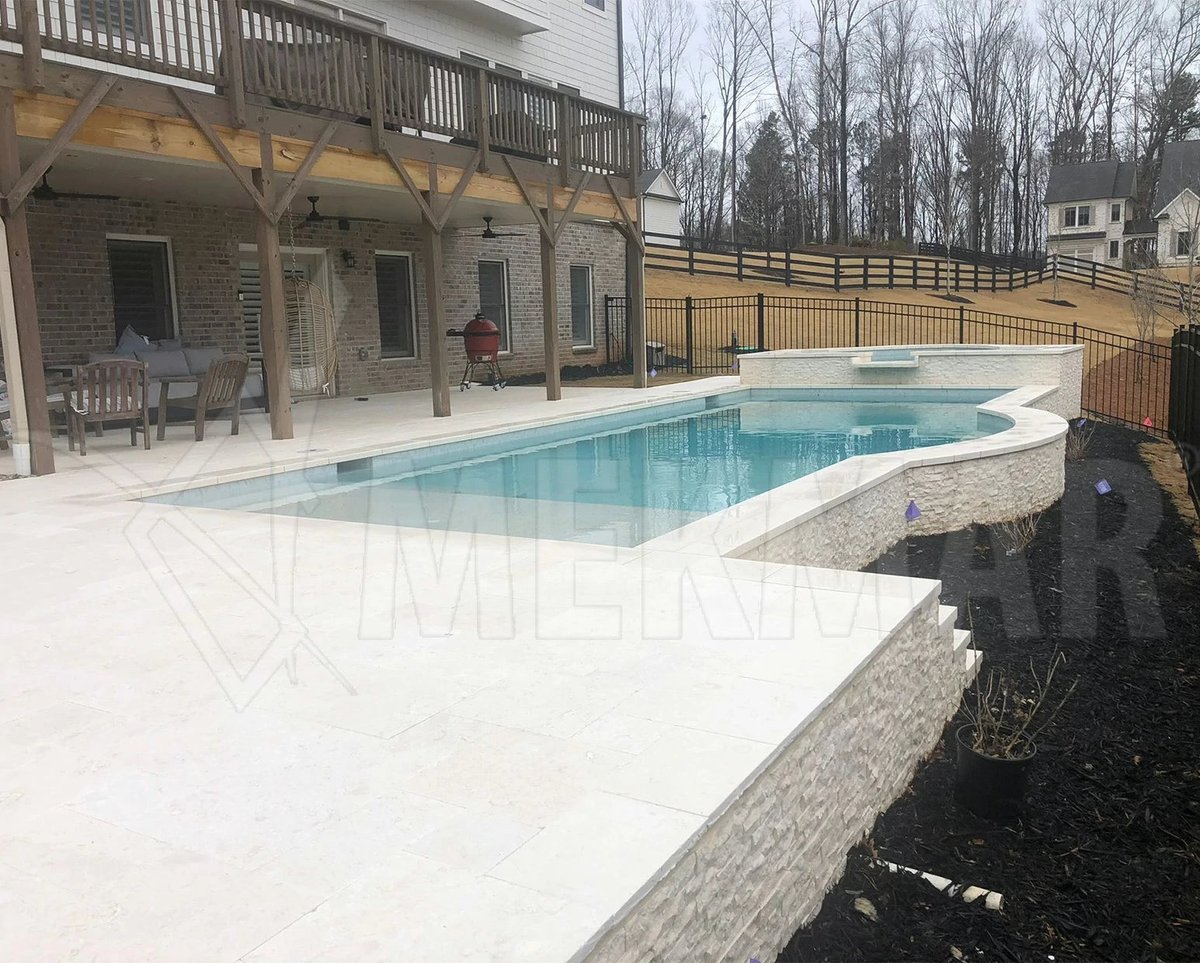
Create a calm coastal vibe with Shellstone Limestone Pavers. Smooth texture and muted tones deliver a refined, low‑maintenance patio or pathway that's both stylish and practical. mekmar.com/products/shellsto…


17

Today is the birthday of my following characters:
Sierra the Sensational (turning 1038)
Carly Shellstone (turning 23)
1
3
132

Feb 20
This is why shellstone is the way! Just not for decks that are elevated
2
115

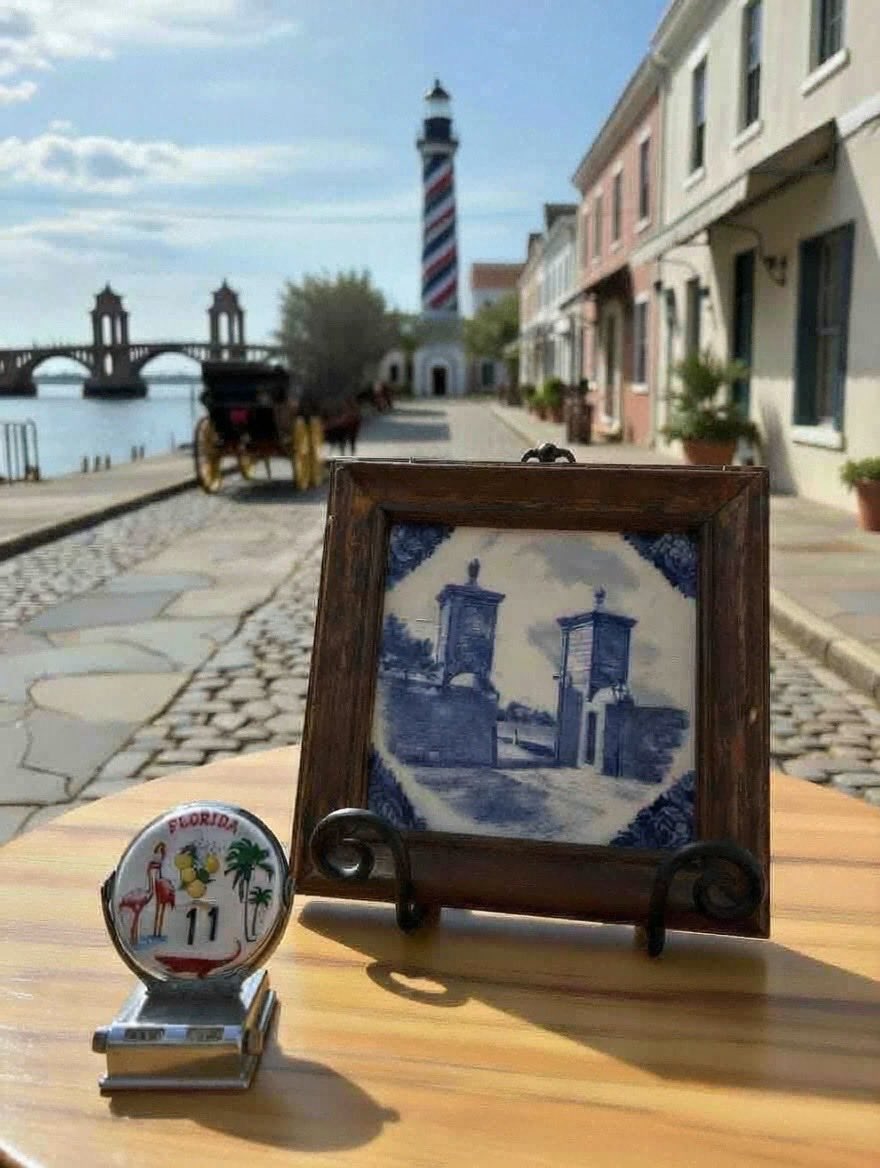
A souvenir Tile plaque depicting the famous Old City Gates of St.
Augustine, Florida, established in 1565 by the Spanish.
These iconic twin pillars stand at the northern entrance to St. George Street right across from the Castillo de San Marcos a the massive 17th-century Spanish fort.
The gates you see today were built in 1808 (during the Second Spanish period) out of coquina (a local shellstone), as part of the final major reconstruction of the city's defensive walls.
5
162

20 Oct 2025
I’ve been MIA for a bit, illustrating more characters from The Veinborn Saga and writing the backstory of my webtoon, Dream Link.
While I patiently wait for my manuscript to return from its final polish (and I’ve got a really good feeling about this editor), I’ve been keeping the creativity flowing.
Well, here’s my latest character, Elyse Shellstone. ✨

2
11
13,012

7 Sep 2025
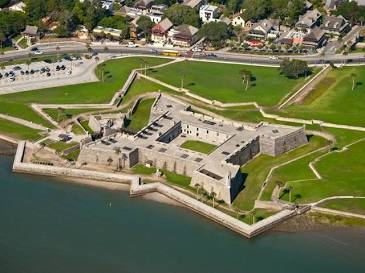
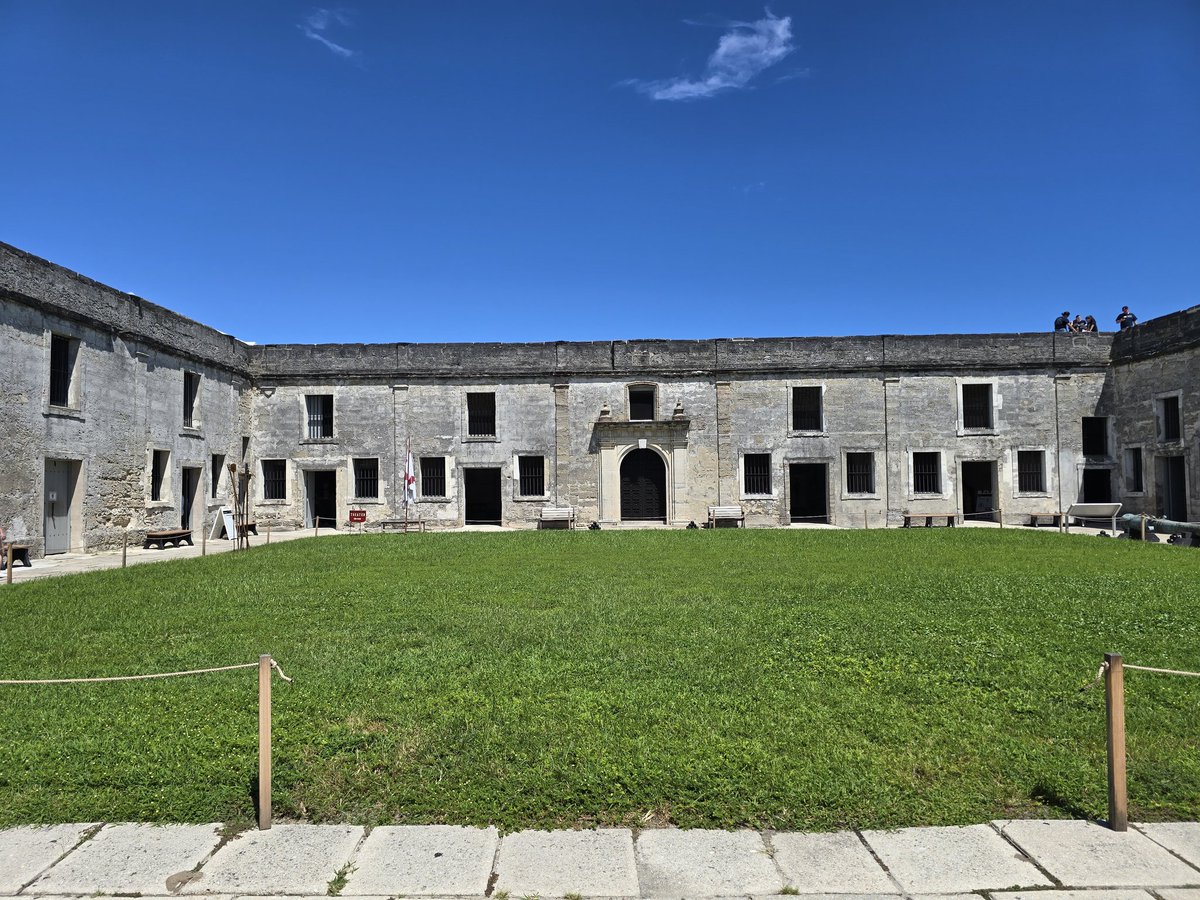
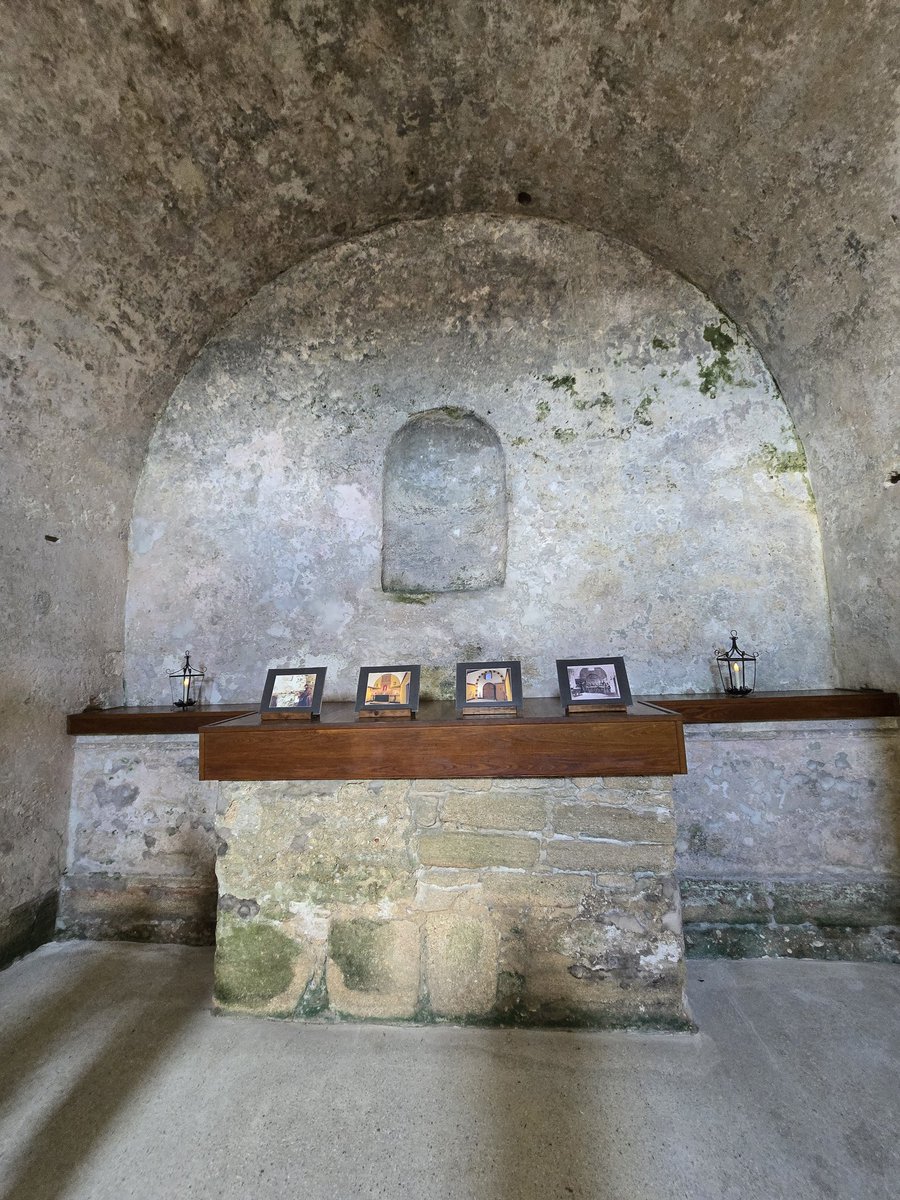
The Castillo de San Marcos, located in St. Augustine, Florida, stands as the oldest masonry fort in the continental United States, constructed by the Spanish between 1672 and 1695 from coquina—a porous shellstone that absorbed cannon fire rather than shattering. While it symbolizes colonial resilience and has never been captured by force, its walls echo a darker legacy of violence, cultural clashes, forced labor, imprisonment, and cultural erasure. Built to defend Spain's New World empire against pirates, rival powers, and indigenous resistance, the fort became a site of human suffering amid centuries of imperial conflict.
After pirate raids devastated St. Augustine's wooden defenses—most notably by English privateer Robert Searles in 1668, who burned much of the town and killed residents—the Spanish Crown ordered a stone fortress. Construction began in 1672 under Governor Manuel de Cendoya, using coquina from Anastasia Island. However, the workforce was far from voluntary: it primarily consisted of indentured Spanish laborers and Timucua and Guale indigenous peoples from nearby missions. Thousands perished from exhaustion, accidents, and illness during the 23-year build, their deaths a stark reminder of Spain's brutal extraction of resources and lives from Florida's original inhabitants.
Sieges, Massacres, and the Destruction of St. Augustine. The fort's impregnability came at a human cost. 1702 during the War of Spanish Succession, English forces from the Carolina Colony, led by Governor James Moore, besieged the Castillo for 58 days. Unable to breach its walls despite relentless cannonade, the attackers withdrew—but not before torching the rest of St. Augustine, slaughtering civilians, and destroying indigenous missions in the surrounding area. Over 1,000 Timucua and Apalachee people were killed, and survivors were marched to Charleston as trophies. A second siege in 1740 by British General James Oglethorpe fared no better. Still, it involved similar atrocities: allied Yamasee and Creek warriors were unleashed on Spanish-allied tribes, leading to mass killings and the displacement of thousands.
These conflicts were part of a larger Anglo-Spanish rivalry that turned Florida into a blood-soaked frontier, where Native communities.
Pirate attacks added to the grim toll. In 1586, Sir Francis Drake's raid left St. Augustine in ashes, with dozens of Spanish settlers massacred or captured. Earlier French incursions in the 1560s culminated in the Matanzas Inlet massacre, where Spanish admiral Pedro Menéndez de Avilés executed over 200 Huguenot (French Protestant) prisoners by sword or starvation—earning the site its name, "slaughter" in Spanish.
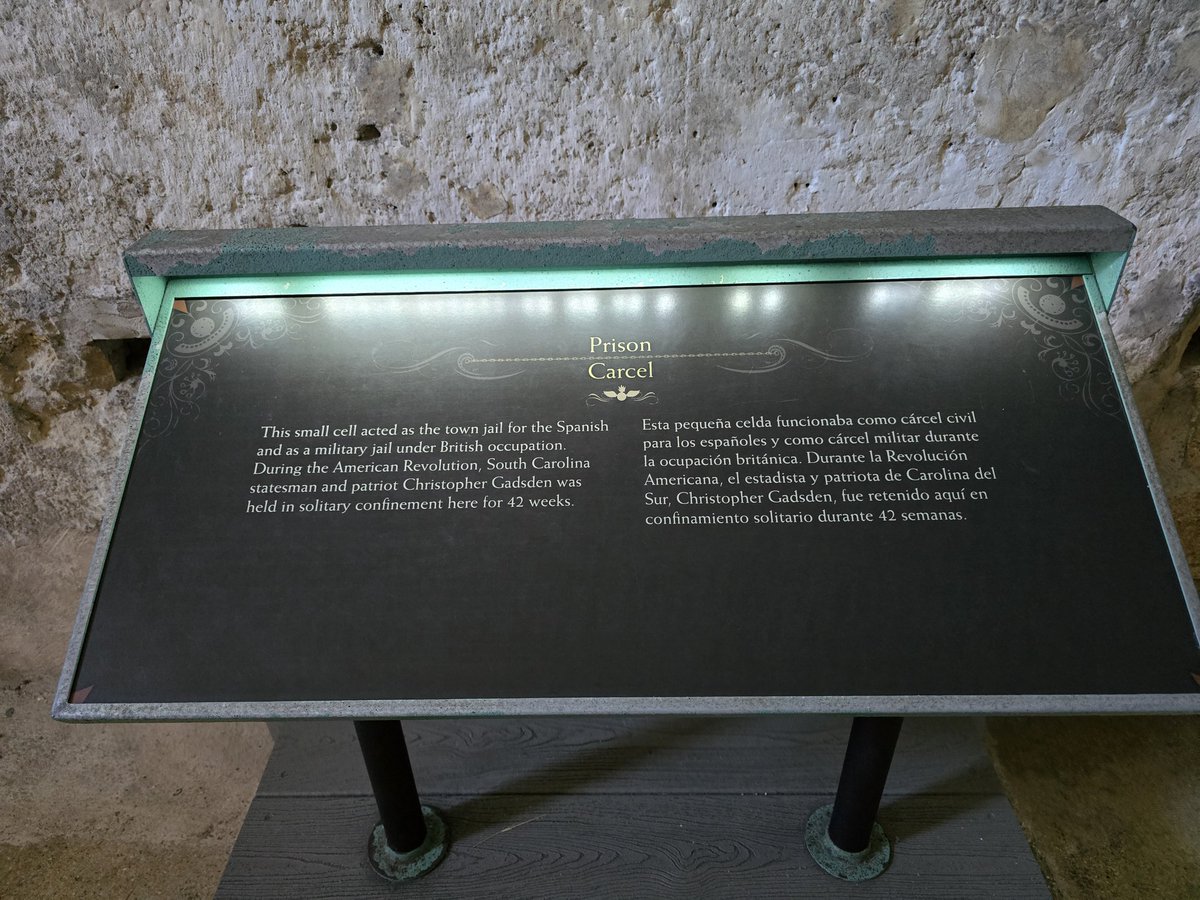
I'll Conditions were horrific: prisoners endured overcrowding, disease, and psychological torment. In a notorious program led by Captain Richard Henry Pratt, 72 "untamed" Native men were imprisoned here from 1875 to 1878. Pratt's "civilizing" experiment involved stripping them of their languages and traditions—forcing haircuts, Western clothing, and English lessons—while parading them for public gawkers. Many died from tuberculosis and malnutrition; their spirits, some say, linger as the fort's "phantom watchmen."
Lingering Shadows: Ghosts and Modern Reflections. The fort's grim past fuels its haunted reputation. Visitors report sightings of a headless soldier (possibly an executed deserter), a "Lady in Blue" (Maria de la Paz, a governor's wife who leapt from the walls in grief), and echoes of cannon fire from past sieges. The dungeon, with its iron-barred cells, evokes the screams of tortured prisoners, and cold spots suggest unrested souls.
3
5
190
4 Sep 2025
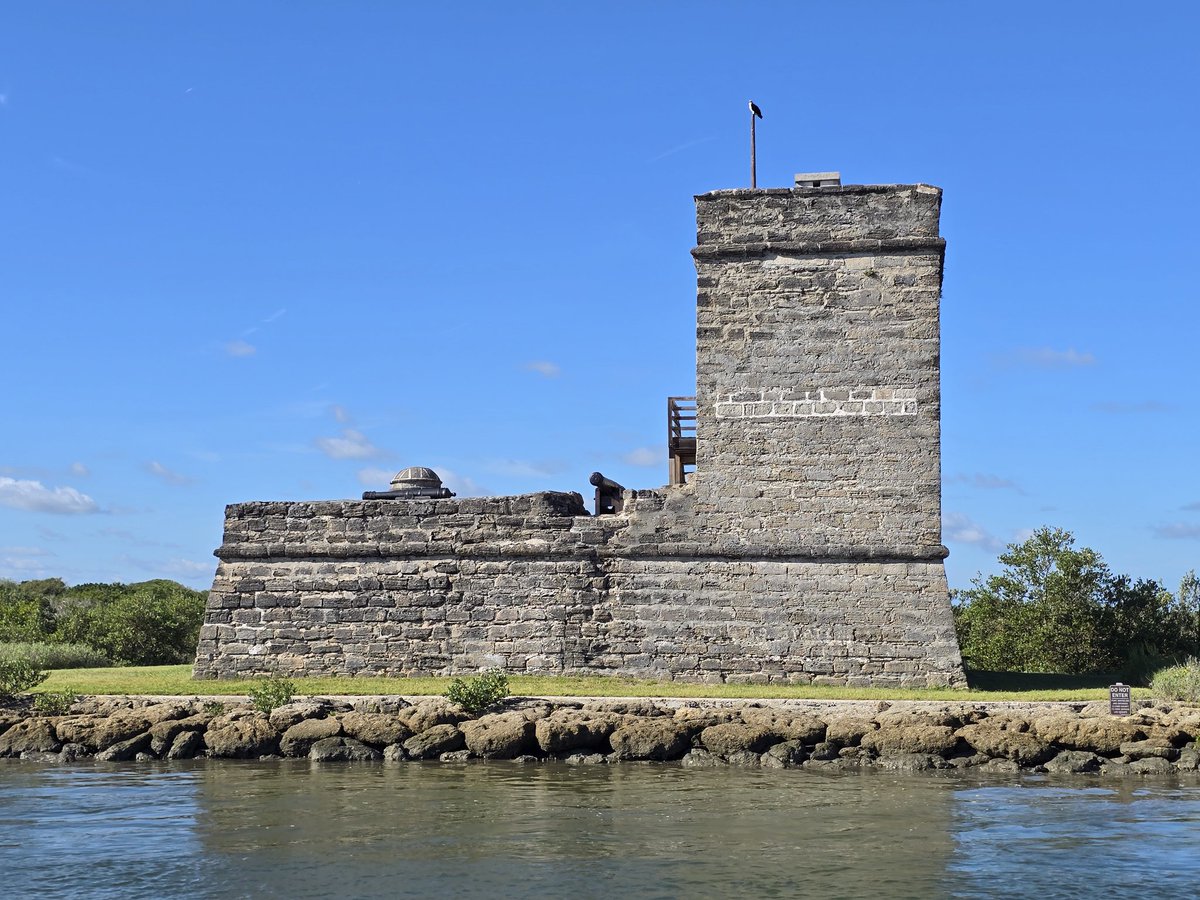
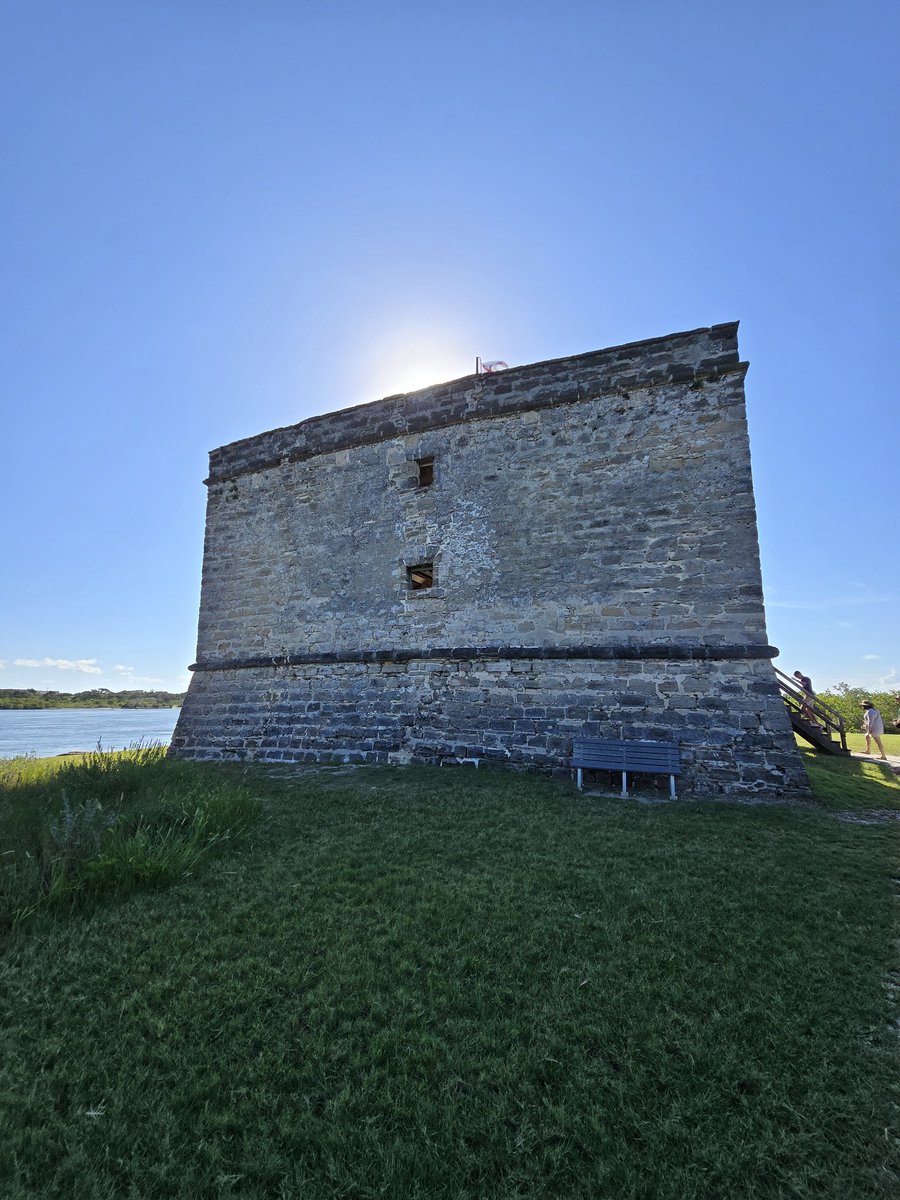
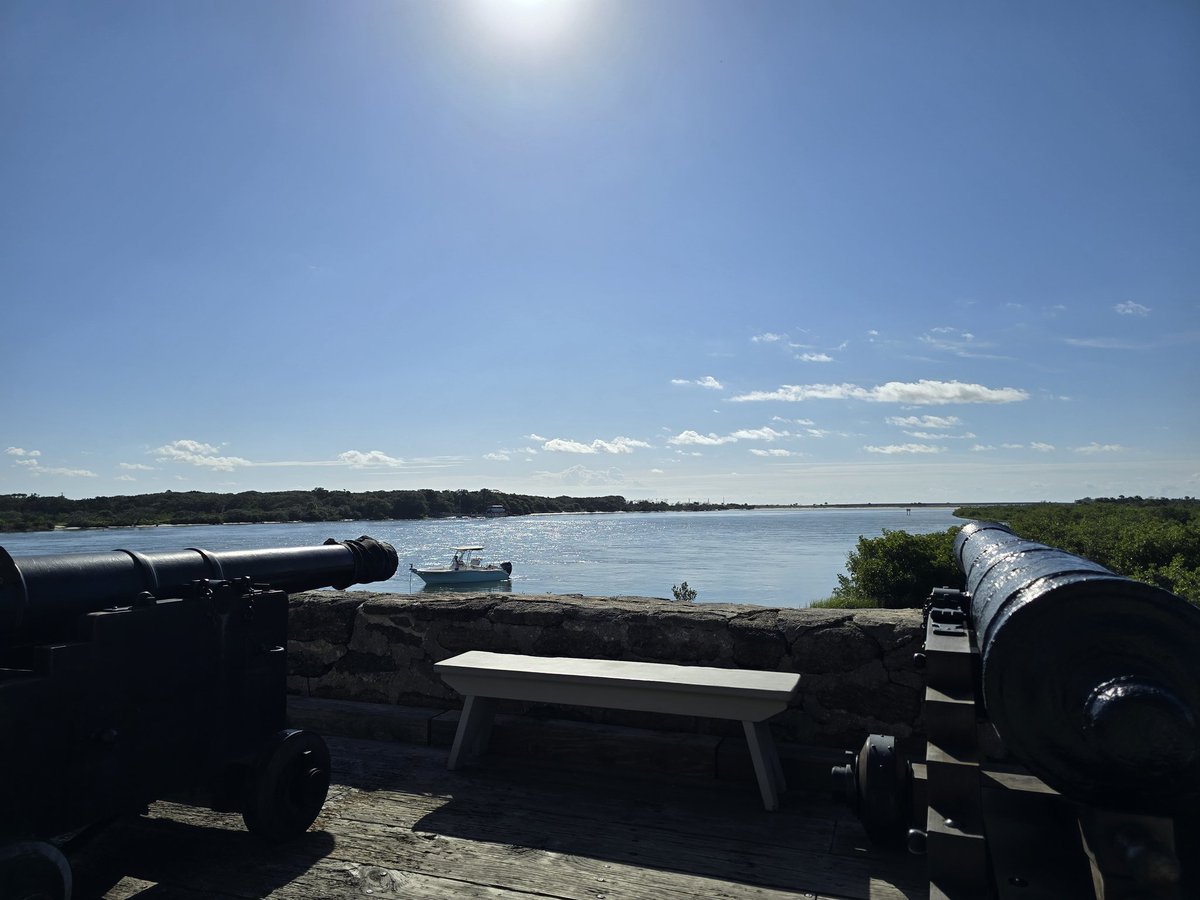
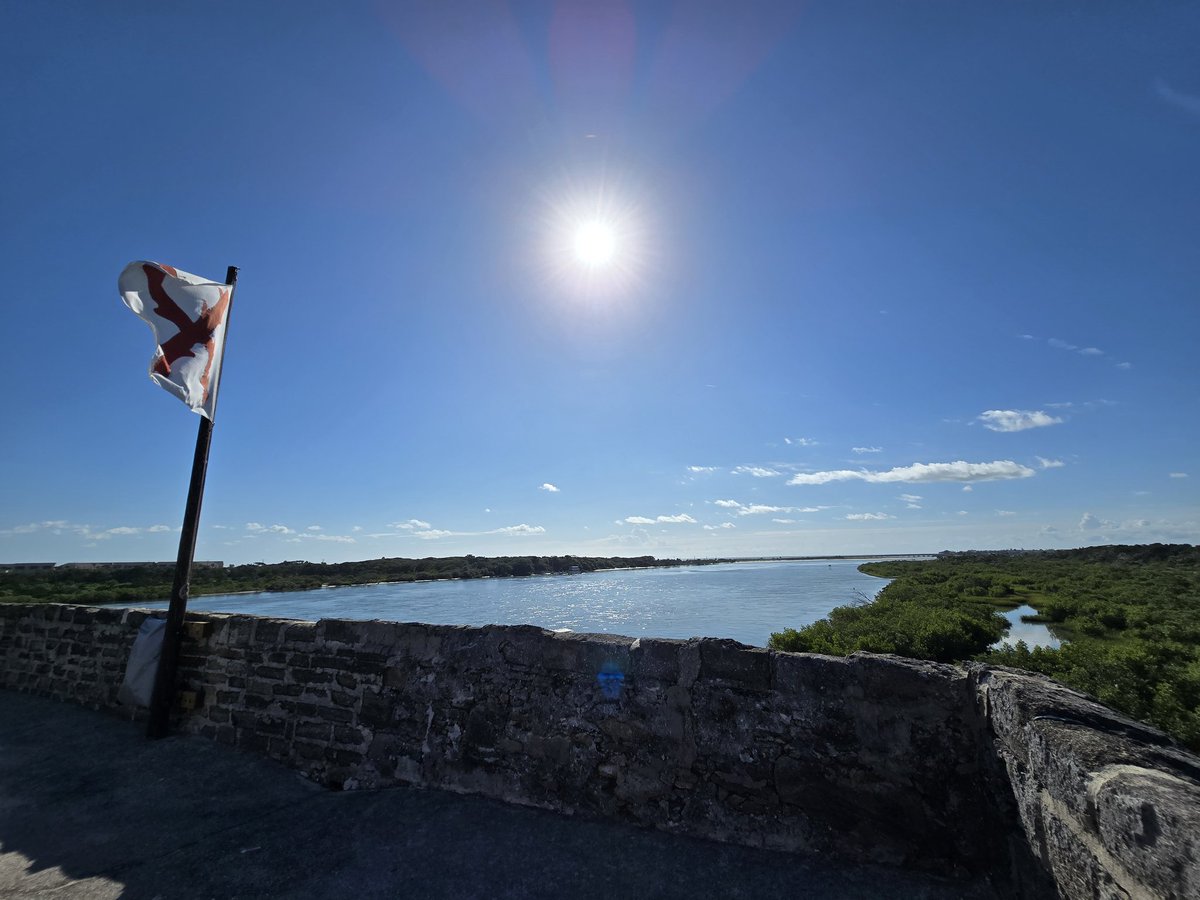
Fort Matanzas National Monument, located about 14 miles south of St. Augustine, Florida, preserves a small 18th-century Spanish fort built to protect the southern approaches to the city. Constructed between 1740 and 1742 from coquina (a local shellstone material), the fort was designed as a watchtower and defensive outpost guarding Matanzas Inlet—the southern entrance to the Matanzas River. This inlet posed a strategic vulnerability, allowing enemy ships to bypass the primary defenses at Castillo de San Marcos in St. Augustine and attack from the rear. The fort's name, "Matanzas," derives from the Spanish word for "slaughters," referencing a brutal 1565 massacre of French Huguenots (Protestants) by Spanish forces near the inlet. While the fort was involved in repelling naval threats, its history is deeply intertwined with maritime disasters, particularly shipwrecks during colonial conflicts. Below, I'll outline the key historical events linking Fort Matanzas to sinking ships, focusing on the most significant episodes. The 1565 Shipwrecks and Massacre: The Origin of "Matanzas" The area's grim legacy began nearly two centuries before the fort's construction, during the early struggles for control of Florida between Spain and France. In 1564, French Huguenot settlers under René de Laudonnière established Fort Caroline near present-day Jacksonville, using it as a base to raid Spanish treasure fleets along the Florida coast. Spain, claiming Florida since Juan Ponce de León's 1513 expedition, viewed this as an existential threat—both territorial and religious, as the Huguenots were Protestant rivals to Catholic Spain. In 1565, King Philip II of Spain dispatched Pedro Menéndez de Avilés to expel the French and found St. Augustine. The French Huguenot leader Jean Ribault sailed south from Fort Caroline with reinforcements—about 600 soldiers and settlers on several ships—to attack the new Spanish settlement.
However, on September 10, 1565, a hurricane (likely a tropical storm) struck, scattering and wrecking Ribault's fleet along the Florida coast. Ships were driven aground between present-day Daytona Beach and Cape Canaveral, with survivors struggling northward on foot, low on supplies and weapons. Menéndez capitalized on the chaos. While Ribault's fleet was at sea, Menéndez marched overland and captured the lightly defended Fort Caroline on September 20, massacring most of the remaining French men (about 130) and sparing women and children, who were shipped to Puerto Rico. Learning from Timucua Native Americans that shipwrecked French survivors were nearby, Menéndez marched south to Matanzas Inlet. On September 29, he encountered 111 survivors from two wrecked ships, trapped by the inlet's waters. They surrendered but refused to renounce Protestantism; Menéndez ordered their execution, sparing only 16 (Catholics, sailors, and artisans). Two weeks later, on October 12, Ribault and about 134 more survivors from additional wrecks arrived and met the same fate. These shipwrecks ended organized French resistance in Florida, securing Spanish dominance for over 200 years. The inlet was renamed "Matanzas" for the "slaughters," and a simple wooden watchtower was later built there (around 1569) to monitor approaches— a precursor to the stone fort. The wrecks symbolized how natural disasters amplified colonial rivalries, with the storm acting as an unwitting ally to the Spanish.
6
15
301

30 Aug 2025
Being a natural stone guy. There's no such thing as "Limestone Plus" and that material that he put down is a Shellstone. Material cost, $6-7 per sqft. He's such a clown
1
10
117

9 Oct 2024
nope, they are forced in at an angle and florida grass is "carpet sod" the soil underneath is compacted sand and crushed limestone/shellstone and as long as the edges of the roofs do not lift at all then the roof stays on the house and in tact, this is a long proven and very successful method to secure the roof..
3
37
2,142



30 Dec 2021
Shellstone is a small cocoa colored tom with eyes the color of leaves and vanilla colored speckle on their pelt. They are known as a/an hostile loner and as a/an hearty friend.
4

7 Jul 2021
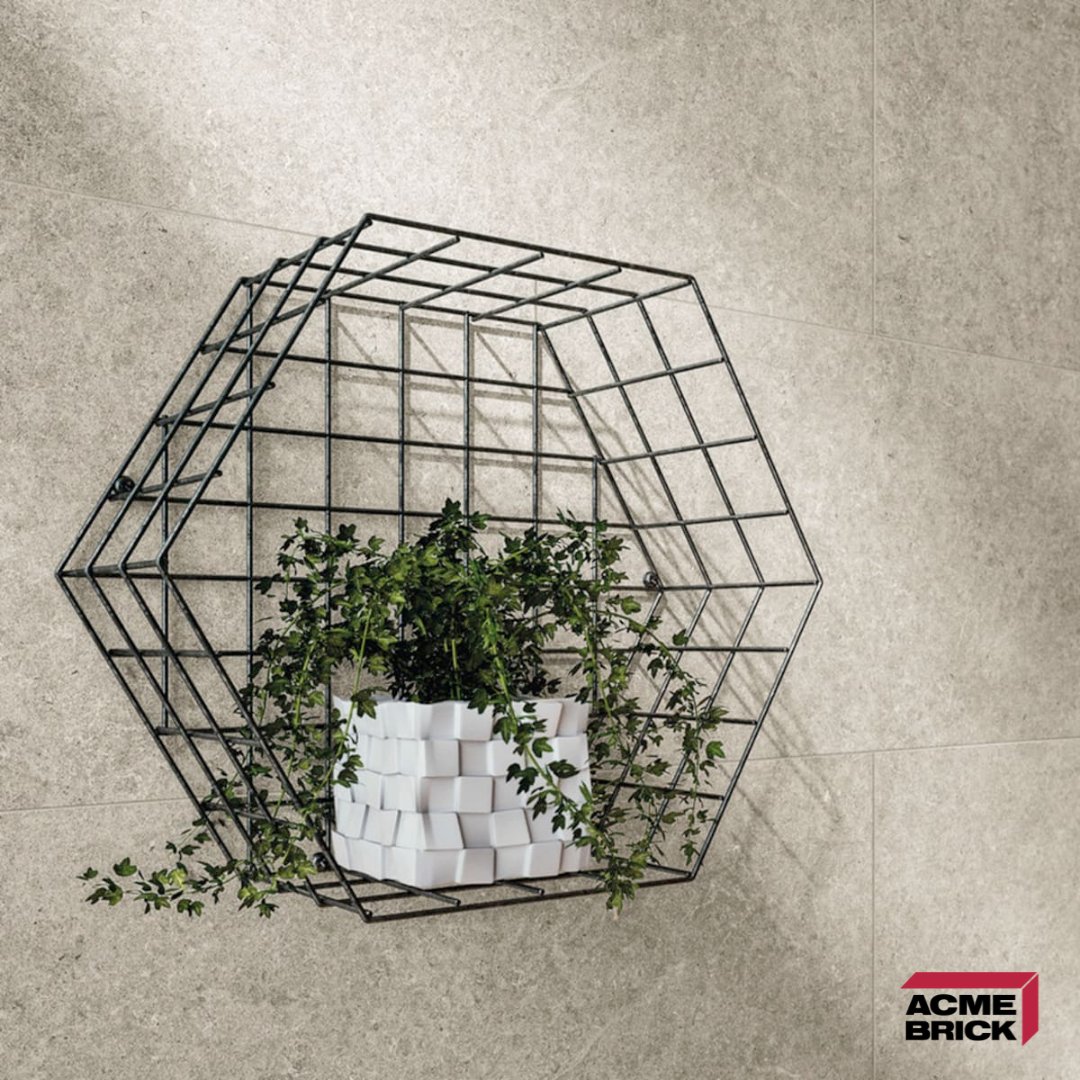
Want to give your home a brand-new look without having to start from scratch? Consider updating your walls or flooring! bit.ly/3bIdf55
Tile: Shellstone – Grey
1
1


15 Mar 2021
@/dewydesert_official
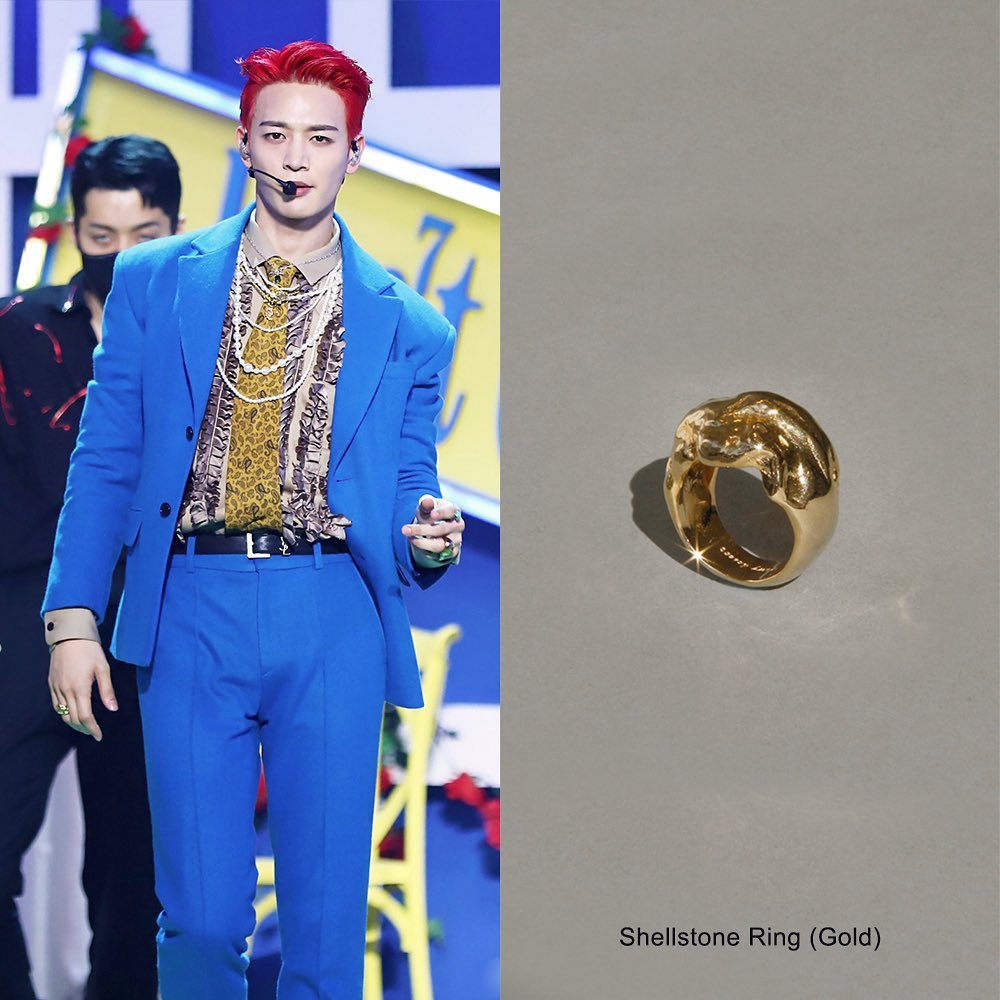
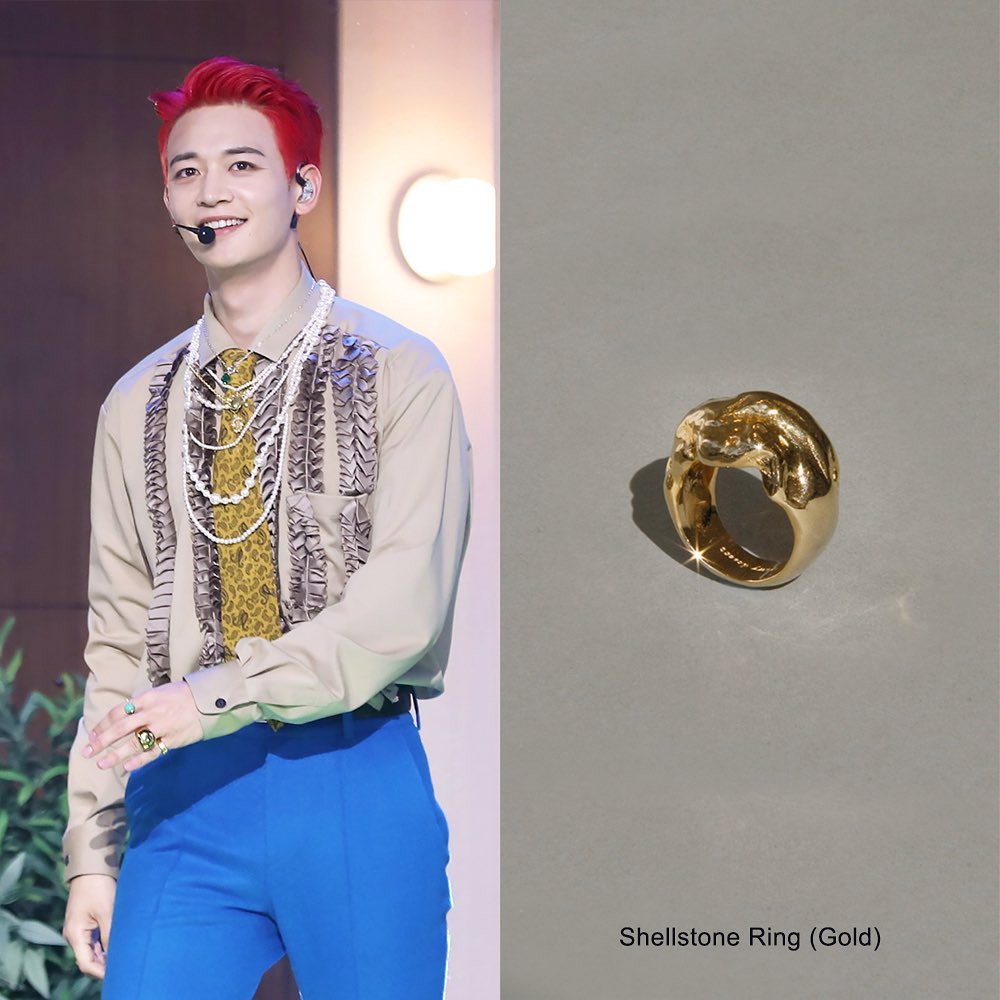
샤이니 #Dont_Call_Me 무대에서
Molten texture Necklace
Shellstone Ring
착용하셨습니다💙
instagram.com/p/CMMLrPRHPS2/
instagram.com/p/CMbZQYHDr8O/
#민호 #minho #최민호 #샤이니 #민호목걸이 #민호반지


8
26

23 Feb 2021
I’ve heard it called Shellstone or thousand eye jasper !
1
2

9 Jan 2021
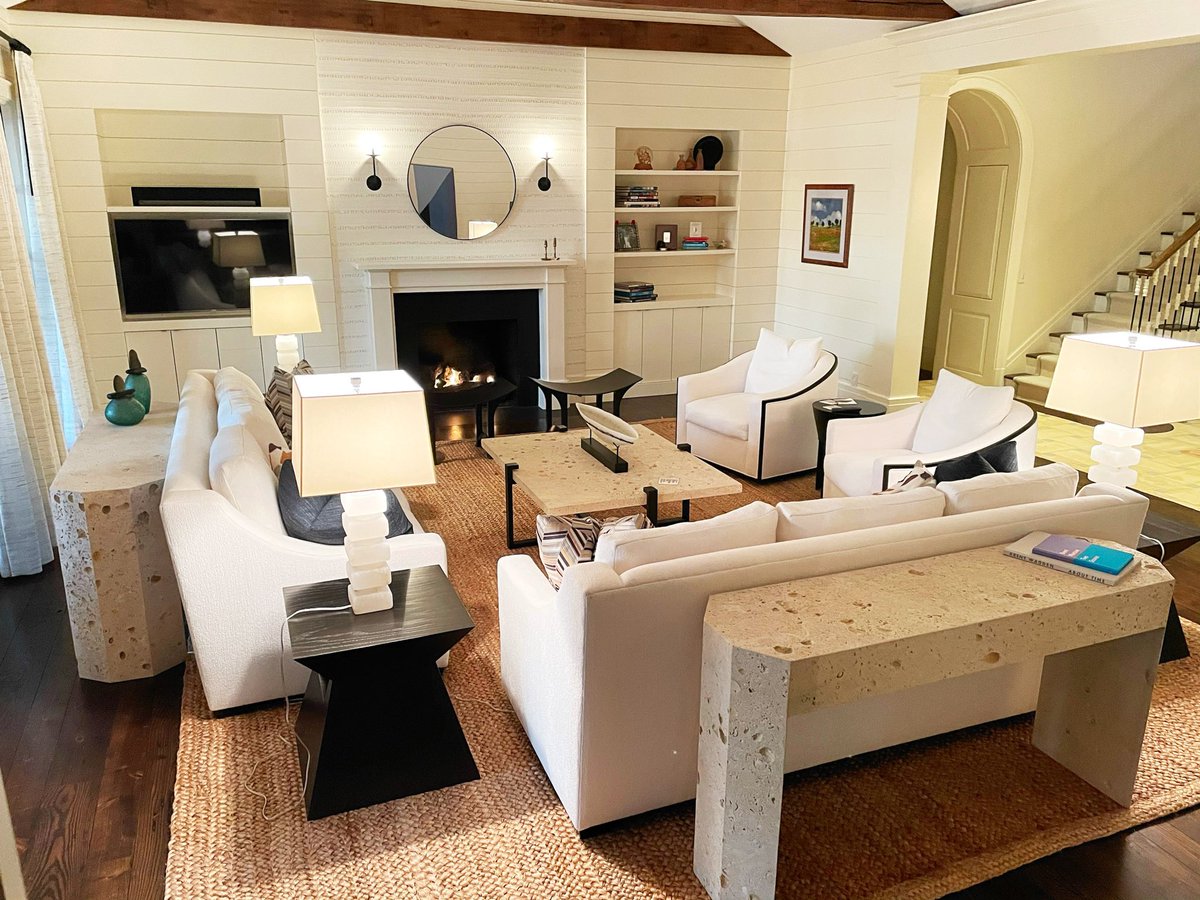
We love seeing our client’s rooms coming together! A few finishing touches and this room is 💯. Take a look at these incredible custom Salerno Consoles in Shellstone! @ Vero Beach, Florida instagram.com/p/CJzjKhWlW05/…
1
2

16 Oct 2020
Just another art for twitter..Yeah meet Karma/Shellstone
An oc I make for halloween
I'm not a great artist but I do my best..
#oc #halloweencostume #oc #halloweenoc #art #characterdesigner #myoc #myart


1
6