


Jun 12
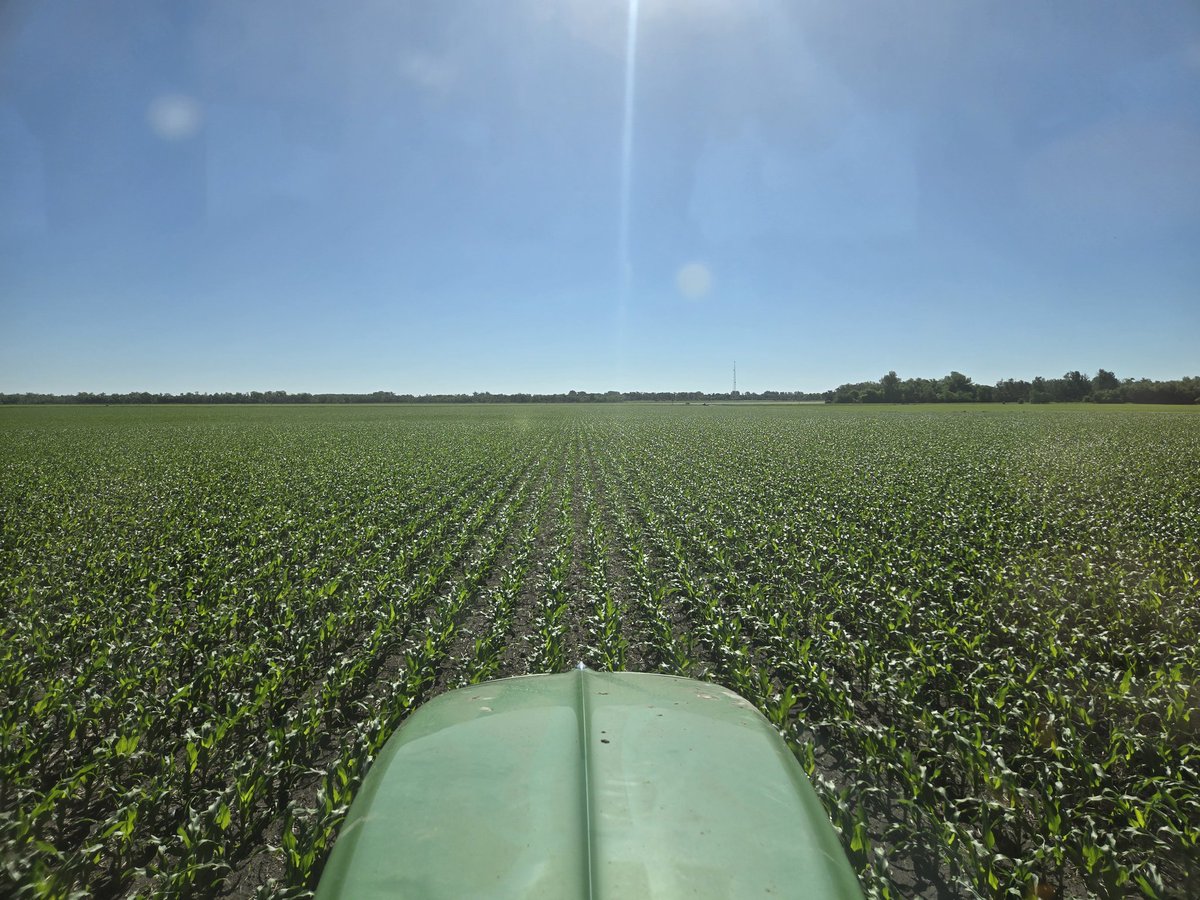
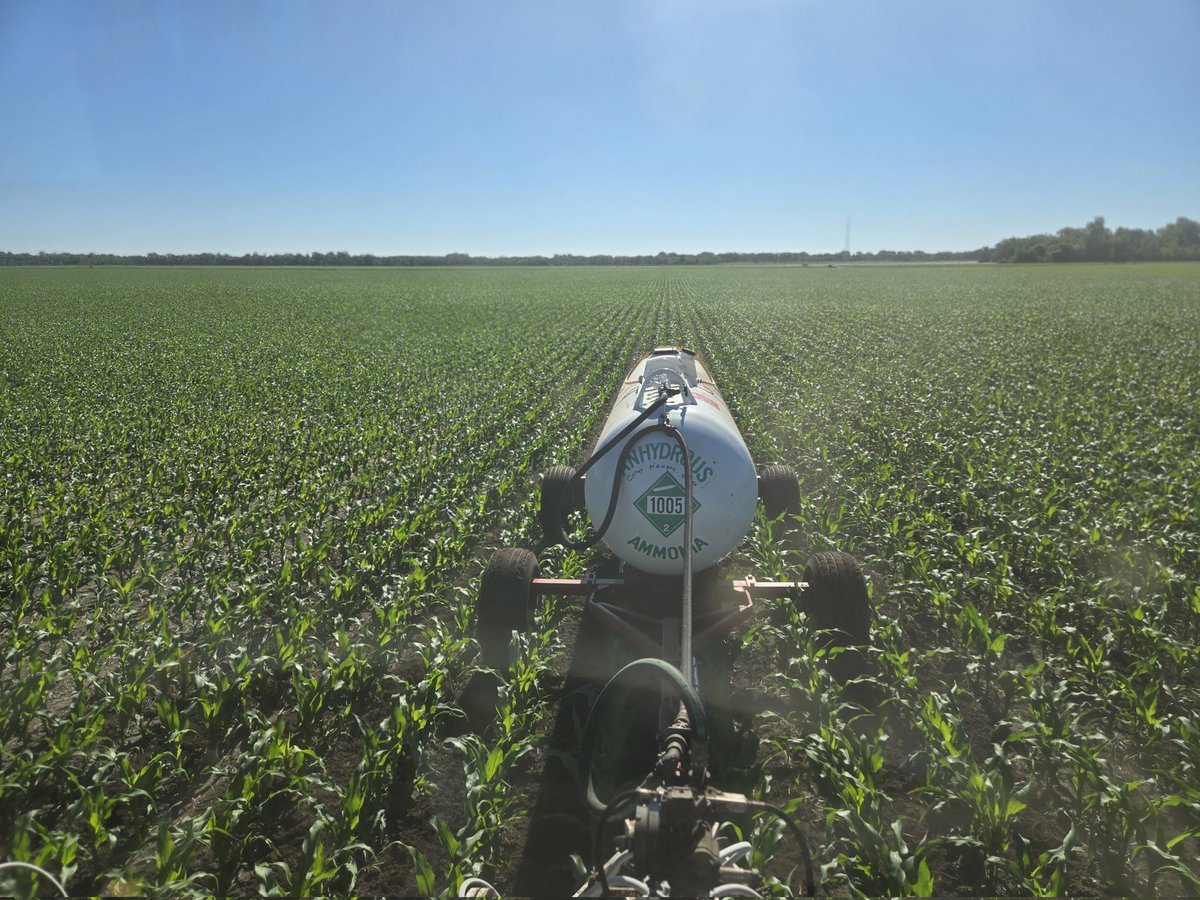
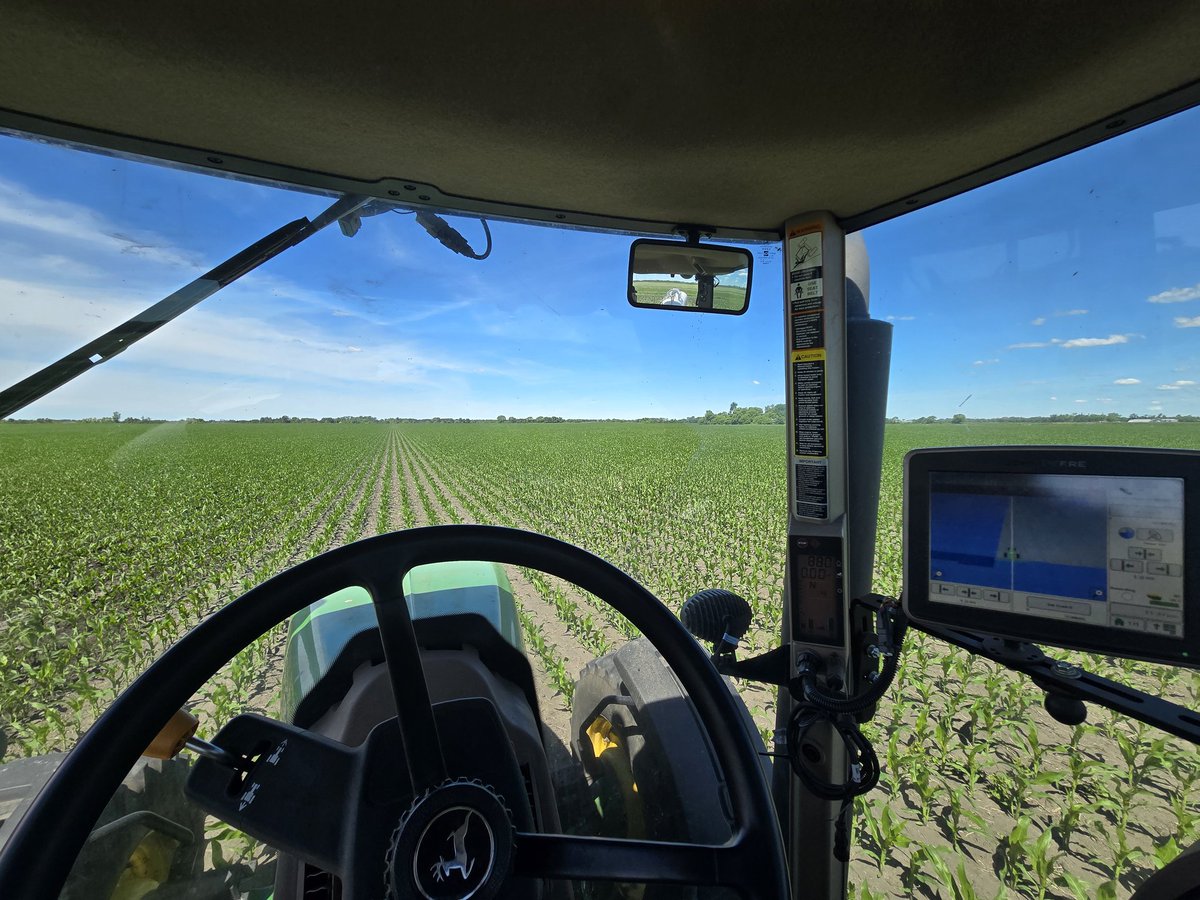
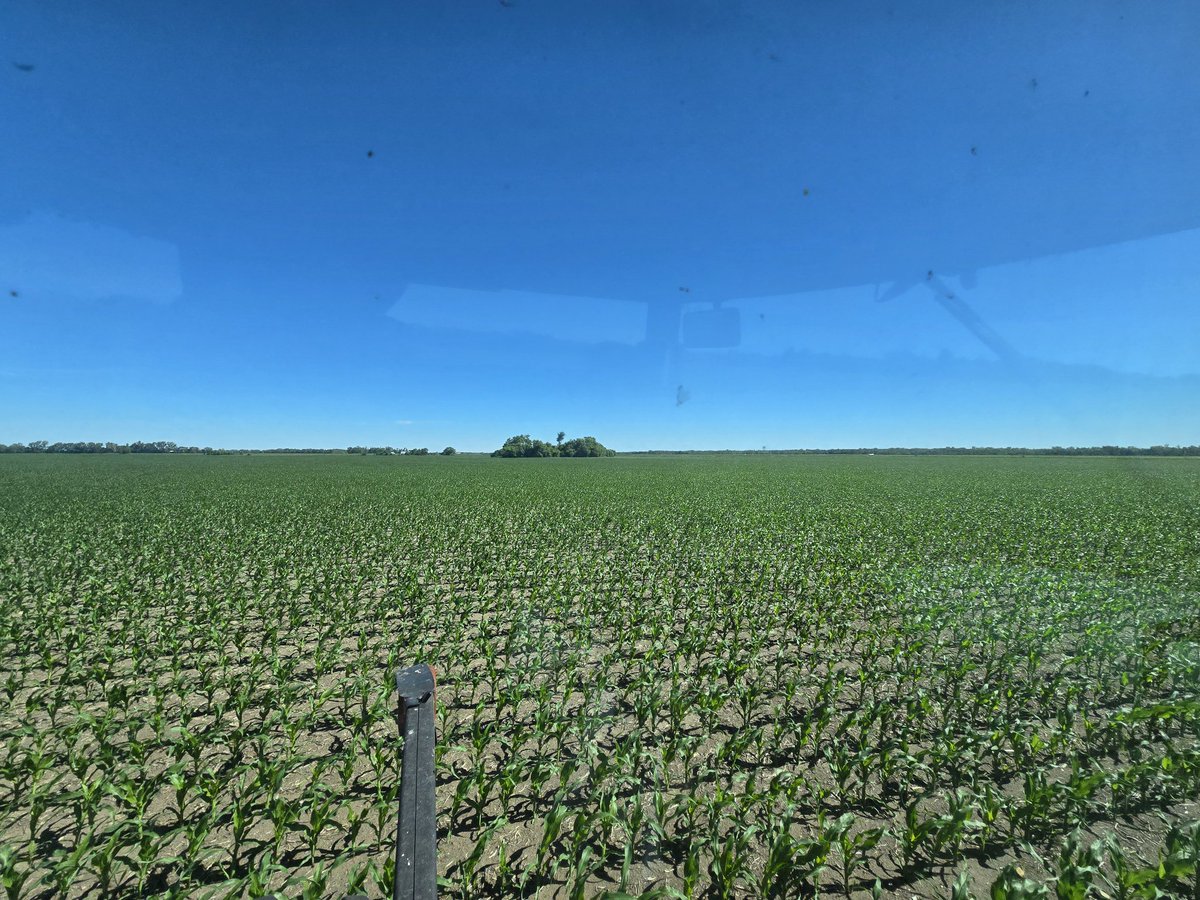
lmao at wobbling antenna😂😂
i think its awesome!! goes down the row sidedressing, thats pretty cool. Fills up on its own at the end row?
1
3
290

Jun 12
Adam, that line of storms gave me 1/2" rain, good timing as just finished sidedressing corn.
1
3
205

Crops don't take up nutrients all at once, so why apply them that way? Side dressing helps match supply with demand. Right place. Right time. Real payoff. #SideDressing #Farming #Huma

1
25

Jun 10
Weekend Corn Belt News
Published: Wednesday, June 10, 2026
This comprehensive roundup tracks agriculture across Iowa, Illinois, Indiana, Nebraska, Minnesota, Ohio, Missouri, and the broader Midwest Corn Belt. This rotating format covers crop progress, weather, markets, policy, diversification, tech, livestock, land sales, and more curated for farmers, agribusiness, and stakeholders.
Crop Progress Snapshot
The spring planting sprint has officially shifted into its final stages, while the USDA NASS report released Monday afternoon introduced the season's first official crop quality ratings. Nationwide, corn planting has advanced to 97% completion, sitting slightly ahead of the five-year average. Emergence has reached 86% nationally, with leading states nearing the finish line; Iowa and Nebraska are both sitting at 97% planted, while Illinois has reached 91% complete.
The initial national corn condition debut pinned the crop at 67% good-to-excellent, reflecting sharp regional divides like Iowa’s strong 82% rating versus a softer 65% in Illinois.
Soybeans are also outpacing historical benchmarks aggressively, hitting 92% planted nationally—4 points ahead of the 88% five-year average with 79% of the crop emerged. Initial soybean conditions debuted at 65% good-to-excellent.
Concurrently, the winter wheat crop continues to struggle under prolonged High Plains drought stress; the national good-to-excellent rating remains stuck at 25%, with nearly half of the acreage rated poor to very poor.
Weather and Outlook
Weather patterns are transitioning into a highly favorable window across the major growing regions this week. After a period of intense moisture, waterlogged fields in the Eastern Corn Belt are finally beginning to dry out, allowing late-season planting to wrap up efficiently. Meanwhile, long-awaited frontal systems are projected to track across the perennially dry Western Corn Belt and High Plains, bringing critical rainfall to parched topsoils.
Forecasters indicate that while this incoming moisture may arrive too late to alter this week's static drought monitors, it should significantly alleviate early-season water deficits heading into June. Temperatures are expected to trend warmer across the northern tiers, providing an ideal heat-unit boost to maximize early corn and soybean emergence.
Markets and Prices
The grain complex opened the trading week under moderate supply-side pressure, with row crop futures sliding following the holiday weekend. Commercial traders attribute the softer tone to ideal domestic planting progress and the comfortable rollout of initial crop condition ratings, which largely met baseline expectations despite minor board adjustments.
Global dynamics are contributing to the near-term headwind; analysts are factoring in upwardly revised yield expectations out of Argentina alongside projection models pointing toward a record-breaking Brazilian harvest. Despite these ample global carryover targets capping massive upside spikes, robust domestic crush margins and local ethanol demand continue to hold terminal basis levels relatively firm throughout the interior Belt.
Policy and Farm Bill Update
Legislative momentum picked up significantly as the U.S. House of Representatives officially passed the Farm, Food, and National Security Act of 2026 (H.R. 7567). The sprawling multi-year legislation extends vital agricultural safety nets and risk management programs through 2031, though it now faces an uncertain, heavily debated path forward in the Senate.
Key highlights of the House-passed version include enhanced funding for precision agriculture tools, strengthened crop insurance protections, and streamlined applications for rural energy initiatives. Notably, the bill also integrates significant national security provisions, expanding federal scrutiny over foreign investment in domestic agricultural land and restricting financial assistance for foreign-sourced solar development on prime farmland.
Ethanol Outlook
The domestic ethanol sector is navigating a high-stakes transition as plants aggressively position themselves for upcoming Clean Fuel Production Credit (Section 45Z) implementations. Biorefineries are rapidly expanding data-tracking partnerships to trace and score low carbon intensity (CI) grain direct from the field, offering potential local premiums for compliant producers.
Near-term operational metrics remain robust; the latest EIA data shows domestic fuel ethanol production advancing to average 1.108 million barrels per day. Weekly ending stocks drew down by 1.5% to 24.6 million barrels, signaling steady blending demand as retailers transition fully into summer E15 programs, which is helping to insulate local corn basis from broader board weaknesses.
Fuel and Fertilizer
Operating budgets continue to face severe input stress, though the retail energy sector offered some welcome relief for field operations this week. The Midwest regional average for on-highway diesel dropped a sharp 23 cents, landing at $5.39 per gallon, which is easing tight logistics margins during final planting passes and early sidedressing.
However, the nitrogen complex continues to command premium rates due to severe international shipping disruptions in the Strait of Hormuz. Late or unhedged buyers are absorbing substantial costs, with liquid 32% nitrogen solution holding firm past $800 per ton, while wholesale anhydrous ammonia averages hover around $1,126 per ton and urea remains near $864 per ton, setting an elevated baseline cost structure as retailers open up bookings for the 2027 season.
Diversification and Resilience
Midwest operations are continuing to expand risk-mitigation strategies through extended crop rotations, the integration of small grains, and the strategic use of perennials. These practices are being paired with localized bioenergy projects and targeted livestock integration to diversify revenue streams. The broader adoption of these systems is designed to improve long-term soil health, optimize internal nutrient cycling, and provide financial buffers against intense market volatility and unpredictable weather patterns.
Ag Tech and Innovations
The adoption of advanced biological inputs, targeted precision tools, autonomous field robotics, and real-time sensor networks continues to accelerate across the Corn Belt. Producers are leveraging integrated data platforms to optimize input efficiency, reduce total fuel consumption, and scale back variable operational expenses. These automated solutions are increasingly viewed as essential tools for maintaining strict environmental compliance and protecting profit margins during challenging production seasons.
Livestock and Feed
Steady domestic feed demand provides critical, consistent baseline support for regional grain markets, further bolstered by strong export volumes for U.S. red meat. However, livestock producers face ongoing margin pressure due to volatile input prices for energy, processed feed components, and fertilizer. Pasture and forage conditions vary significantly across the Midwest, with excellent growth reported in moisture-rich eastern zones and tighter forage availability limiting grazing potential in the drier western plains.
Farmland Sales and Values
The 2026 Corn Belt real estate market is displaying noticeable resilience with moderation, marking a clear transition from rapid capital appreciation to a stable, highly selective environment.
This shift is driven by tight overall inventory, heightened buyer caution amid compressed crop returns, and localized demand focused strictly on premium acreage. While national farm real estate averages hover around $4,350 per acre, prime cropland throughout the Corn Belt routinely commands double that figure, averaging between $8,000 and $9,000 per acre.
State-level metrics highlight a distinct two-tiered market where Class A ground holds firm while marginal acres experience minor softening:
Iowa: Overall values remain stable to slightly softer, with high-quality tillable ground holding firm despite benchmark surveys noting minor aggregate declines of 1.5%. Public auctions average $11,900 per acre for disclosed sales, though highly productive soils with top CSR2 ratings frequently command premiums between $20,000 and $25,600 per acre in strong counties such as Lyon, Sioux, and Johnson.
Illinois, Indiana, and Ohio: Strong competition for premium tracts persists, pushing exceptional farms to auction results between $14,000 and $22,000 per acre. The broader eastern Corn Belt shows signs of stabilization, with lower-quality or blemished parcels drawing fewer bidders due to rising input costs and geopolitical uncertainty.
Nebraska: Trends are mixed across the state, balancing localized benchmark gains with an overall statewide average decline of roughly 1% to $3,905 per acre. High-quality irrigated tracts in counties like Butler remain highly sought after at $13,000 per acre, while pasture prices are well-supported by strong cattle market fundamentals.
Broader Midwest (MN, MO, SD): Performance remains highly variable. High-quality row-crop land easily commands auction premiums ranging from $8,000 to $19,000 per acre. Meanwhile, recreational parcels and properties near urban development zones exhibit higher price volatility, though a historically low supply of available farms prevents broad downward price pressure.
The combination of limited inventory, steady investor interest, and 1031 tax-deferred exchanges keeps the market selective rather than weak. Tight margins and elevated interest rates will likely maintain this steady-to-soft trend for the remainder of 2026, though well-marketed, highly productive tracts will continue to draw active bidding.
Other Notes
Recent export inspections confirm steady grain shipments to primary international destinations, offering vital demand relief to local terminals. Concurrently, regional supply chains are adapting to shifting environmental standards as biofuel advocates push back against restrictive out-of-state greenhouse gas regulations that impact Midwest ethanol markets.
Looking Ahead
Future weekly editions will rotate to feature deep dives into regional pest management, state-specific policy impacts, and early harvest preparations. Producers are encouraged to share local field observations and specific topic requests while continually monitoring updated extension data, localized auction results, and Federal Reserve agricultural economic letters.
#CornBeltAg #MidwestFarming #CropProgress26

2
376

I’ve been sidedressing corn without A/C all week in a cabbed tractor…thinking I woulda taken the open station. @JohnDeere should really figure out how to keep their junk systems to work.
Poor men poor ways @DamianPMason not everyone is independently wealthy like u
2
27

Jun 9
Yes
Take that and use a low population cereal, band fertilizer under that and then plant 4 4” bean rows between and spray Zidua only on 50% of the space while sidedressing wheat.
The cheating of planting beans thicker on 33% of the space and the presence of a cereal you allow to live due to wider spacing and low populations blocks the sun out from growing weeds in 2 total passes.
Here our monocrops need spray in the fall, burndown… and 1 or 2 post passes.
The bare soil is what costs us and that corresponding water consumption curve where we have too much water in May for tiny plants.
Take his thoughts and use plants to create time… that you don’t have to defend bare soil with inputs
Hopefully that’s what you think I was getting at. Shading replaces the most vast technology fees… equipment we make that require constant weeding
1
45

Jun 6
There’s two fields I JUST finished sidedressing in this cell. Couldn’t have ordered it better if I tried.
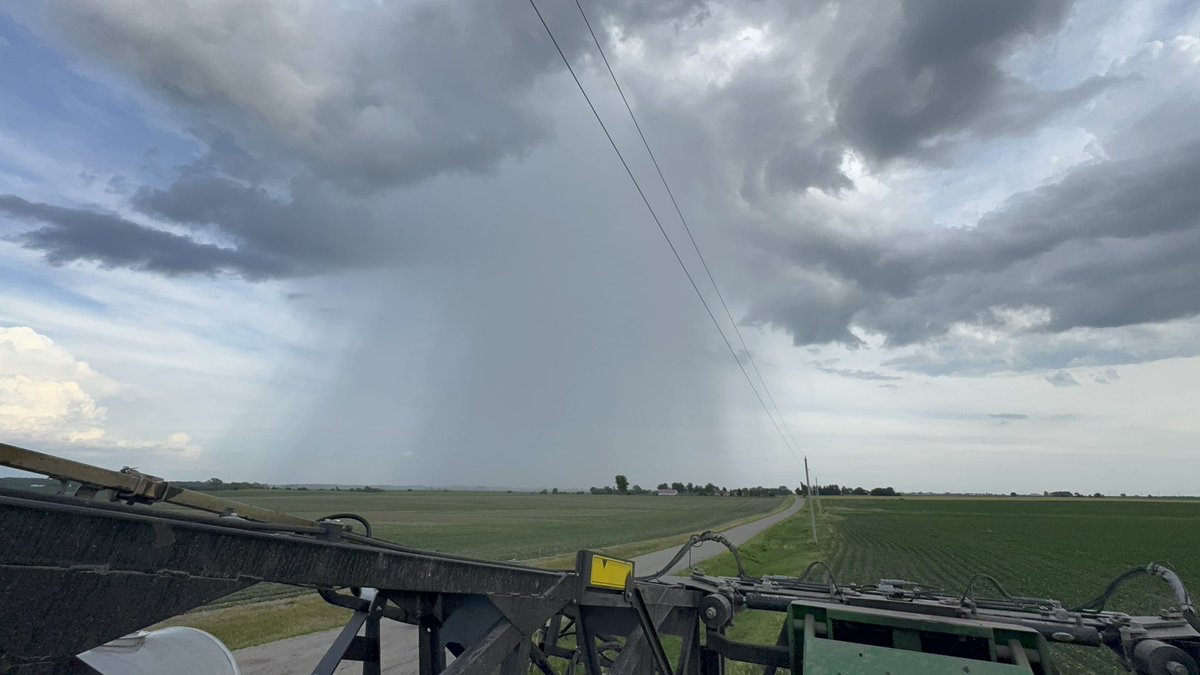
2
2
36
3,714

Jun 2
Sidedressing for a double win on this old white clay. Putting the N down, and getting the crust opened up so the roots can breath
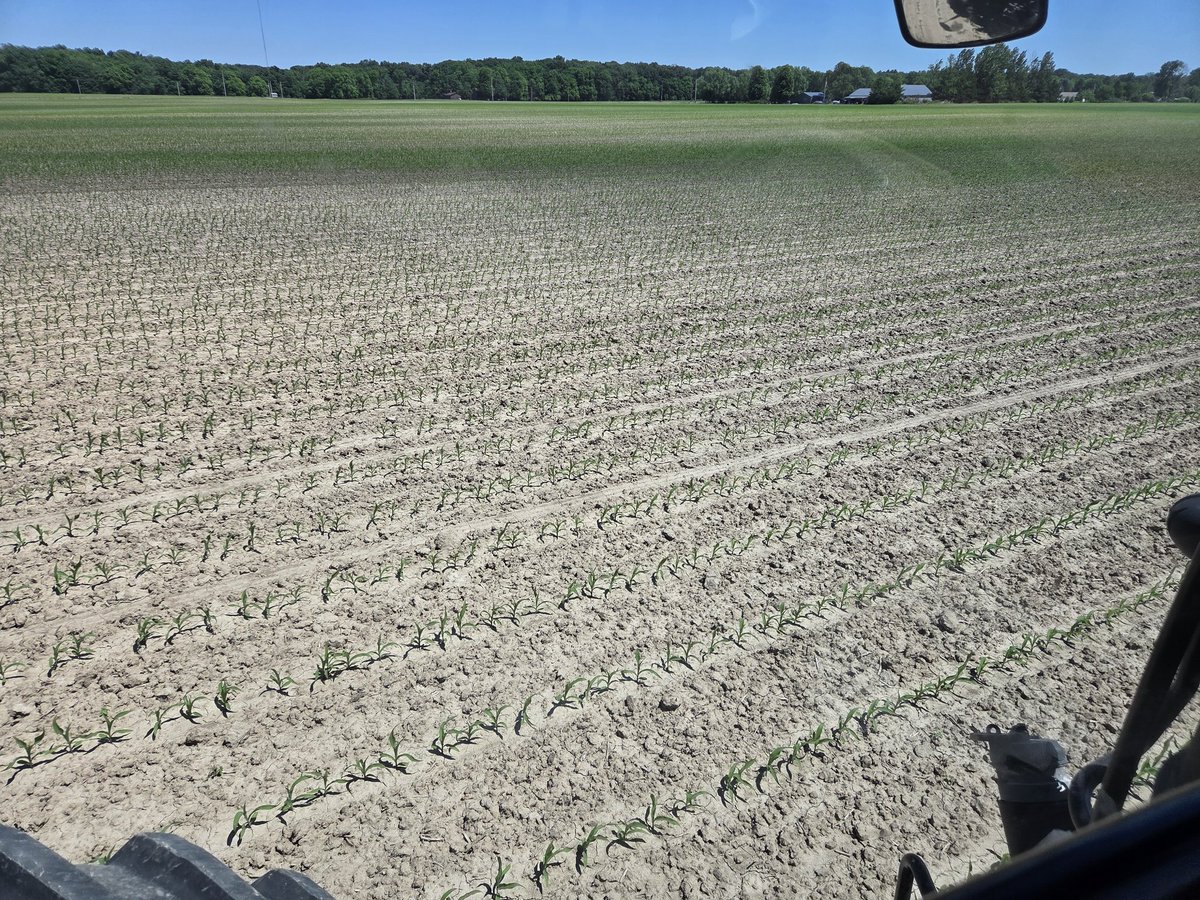
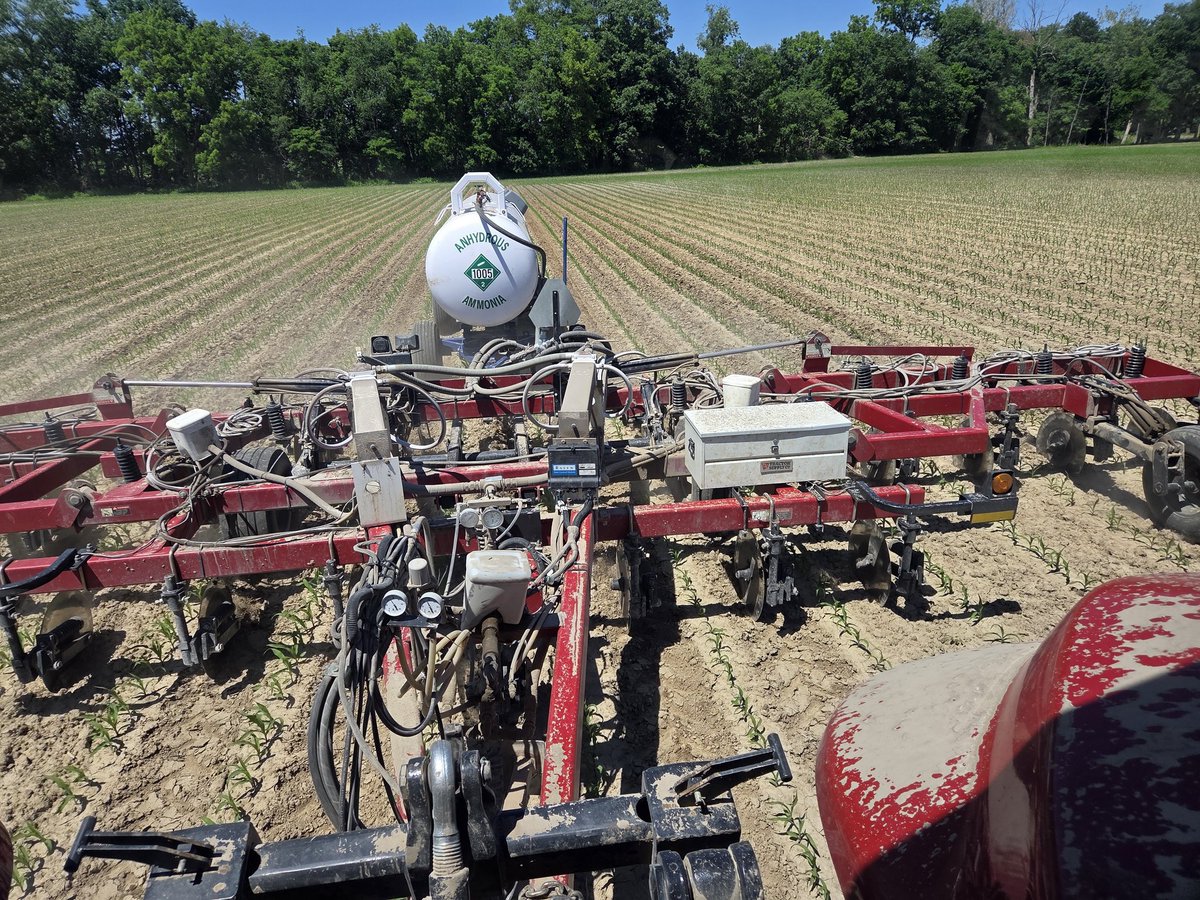
1
1
25
2,887

Regional Crop Update (May 25–June 2) highlights:
- Fieldwork: planting, sidedressing N, putting up first cutting hay & POST herbicides
- 👀 weed pressure
- Insect activity low but seeing blackcuworm and armyworm
🔗crops.extension.iastate.edu/…
#ISUCrops #Plant26 #AgUpdates
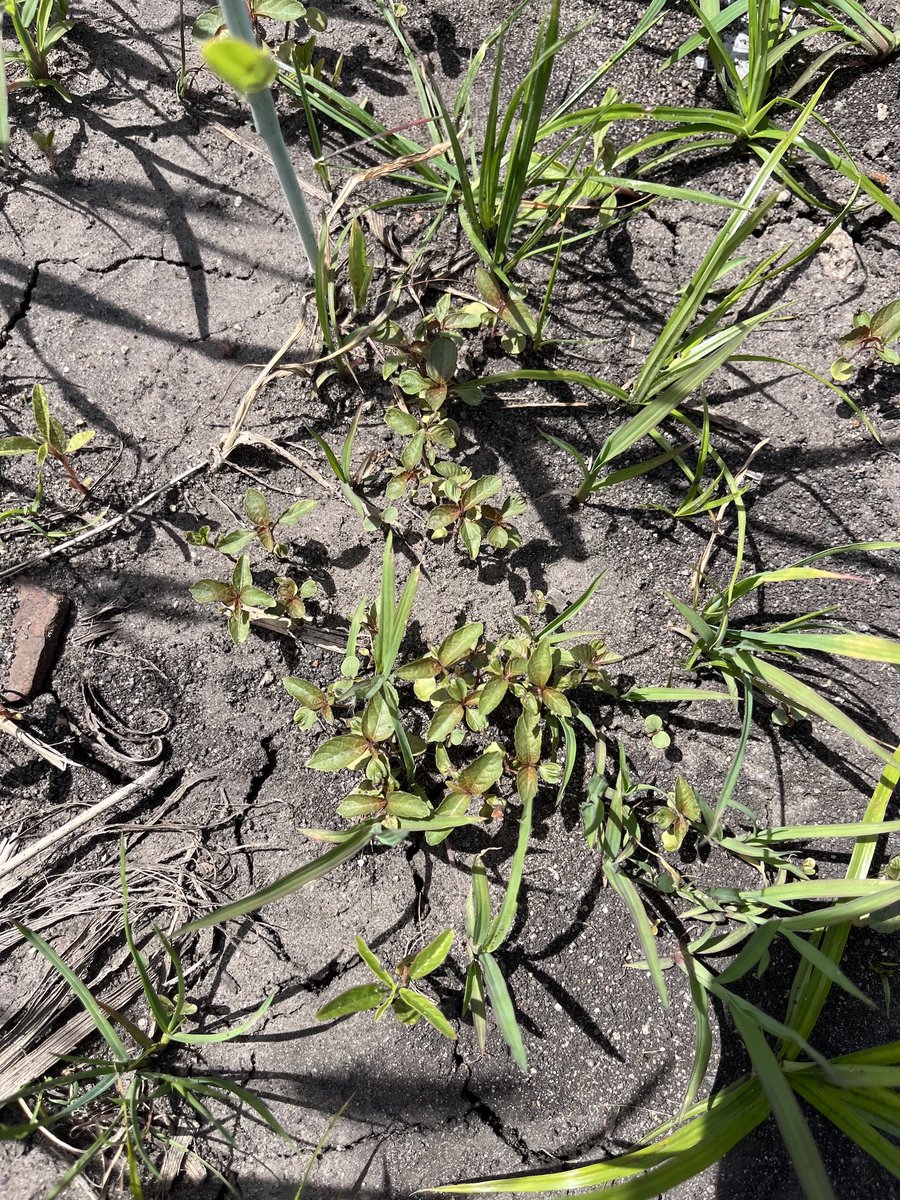
ALT Asian copperleaf seedling
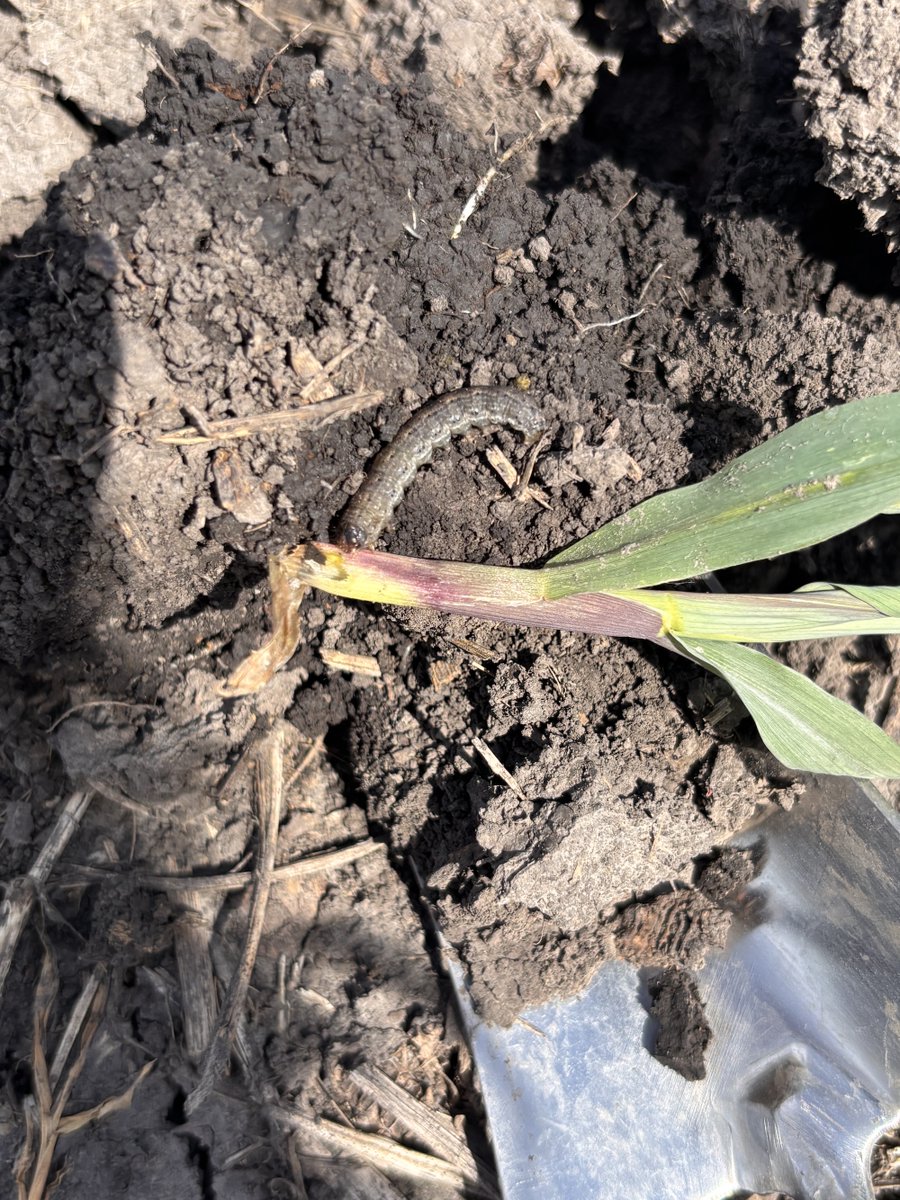
ALT Black cutworm next to a corn seedling
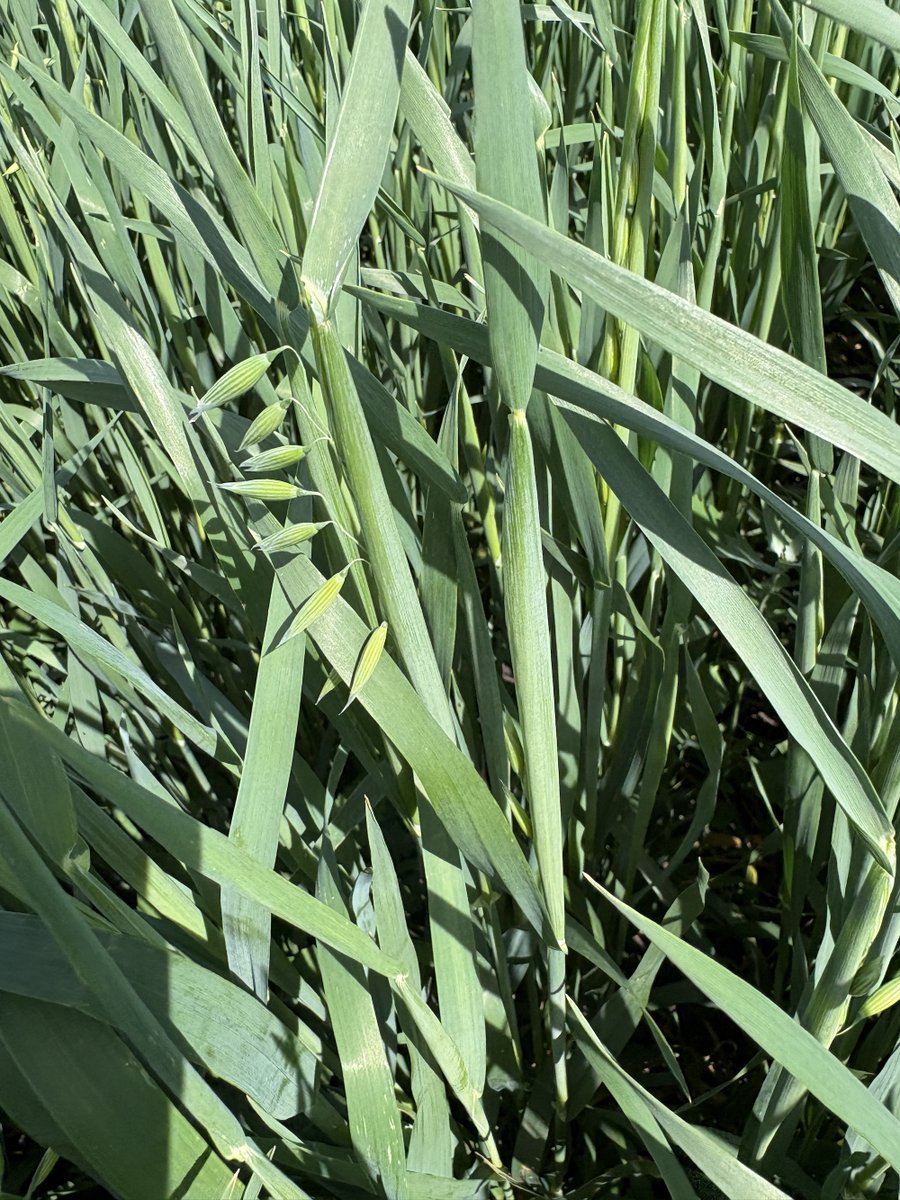
ALT Oats
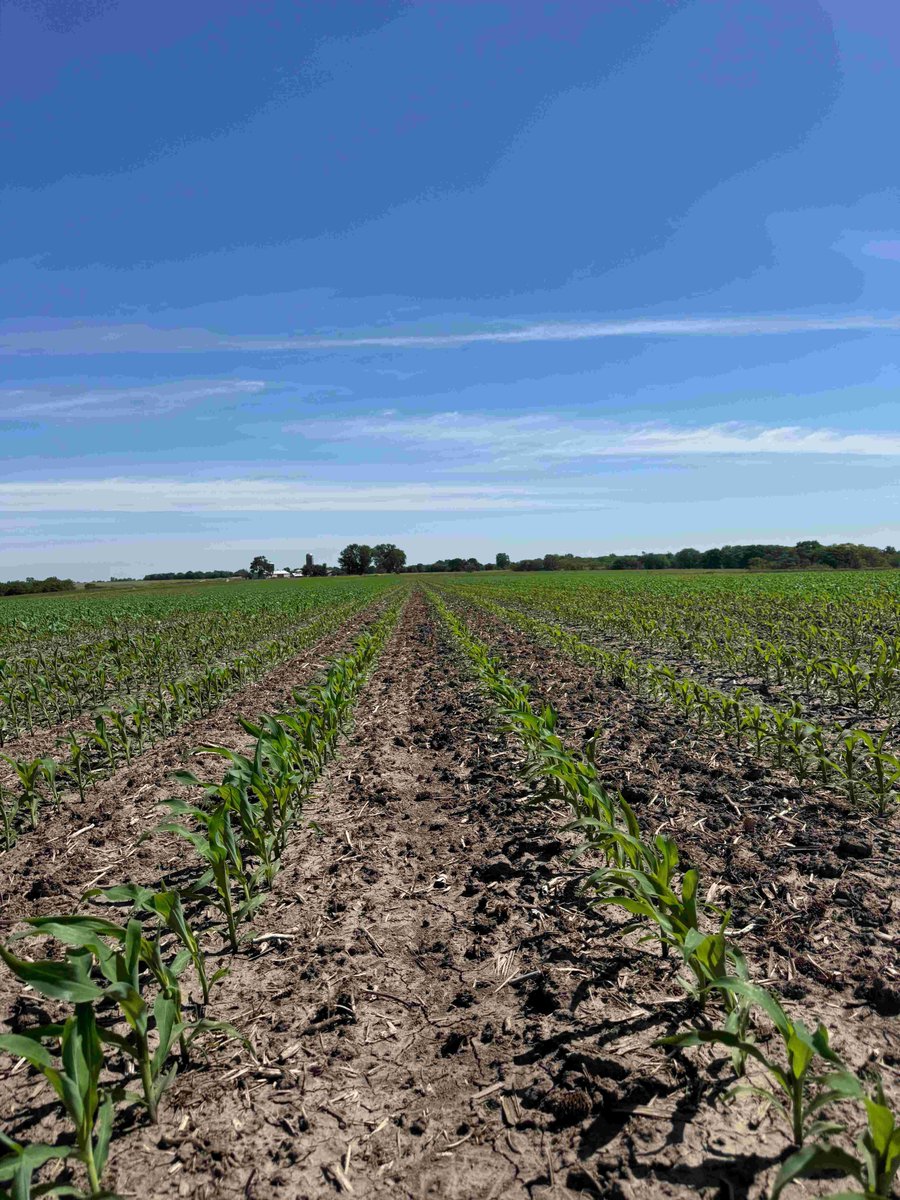
ALT Corn field near Monroe County
5
14
703

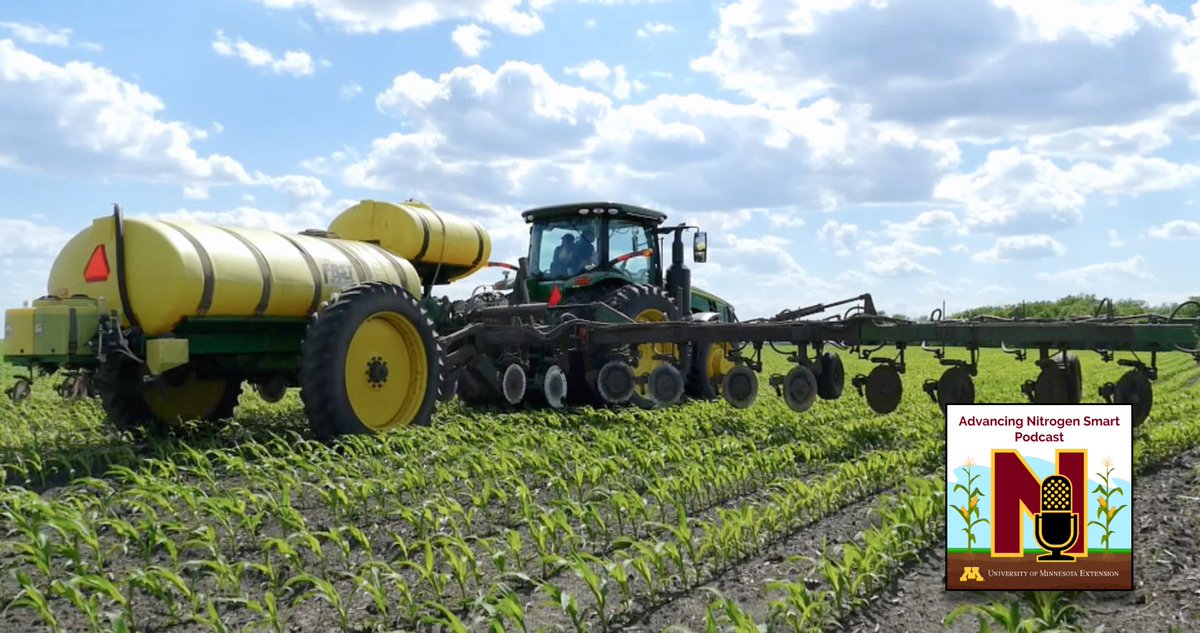
NEW PODCAST EPISODE: z.umn.edu/NMP_s7e12 Sidedressing nitrogen: The rationale, past research & potential risks of split-applying @UMNExt @UMNswac #MNag
1
2
291
May 30
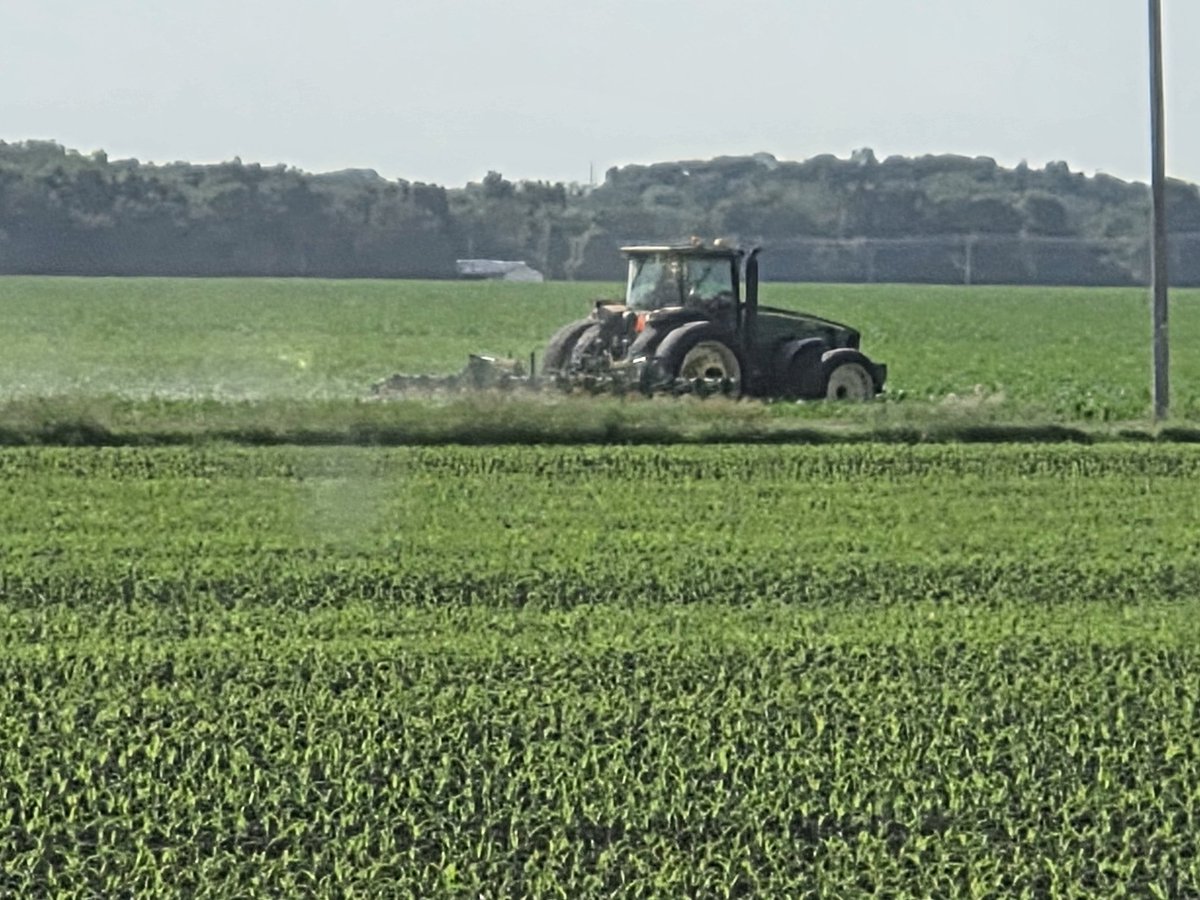
I told @BootscootinGMaw I'd like to be out cultivating corn. But then witch do we want to give up, sidedressing or spraying.
4
18
2,194

May 30
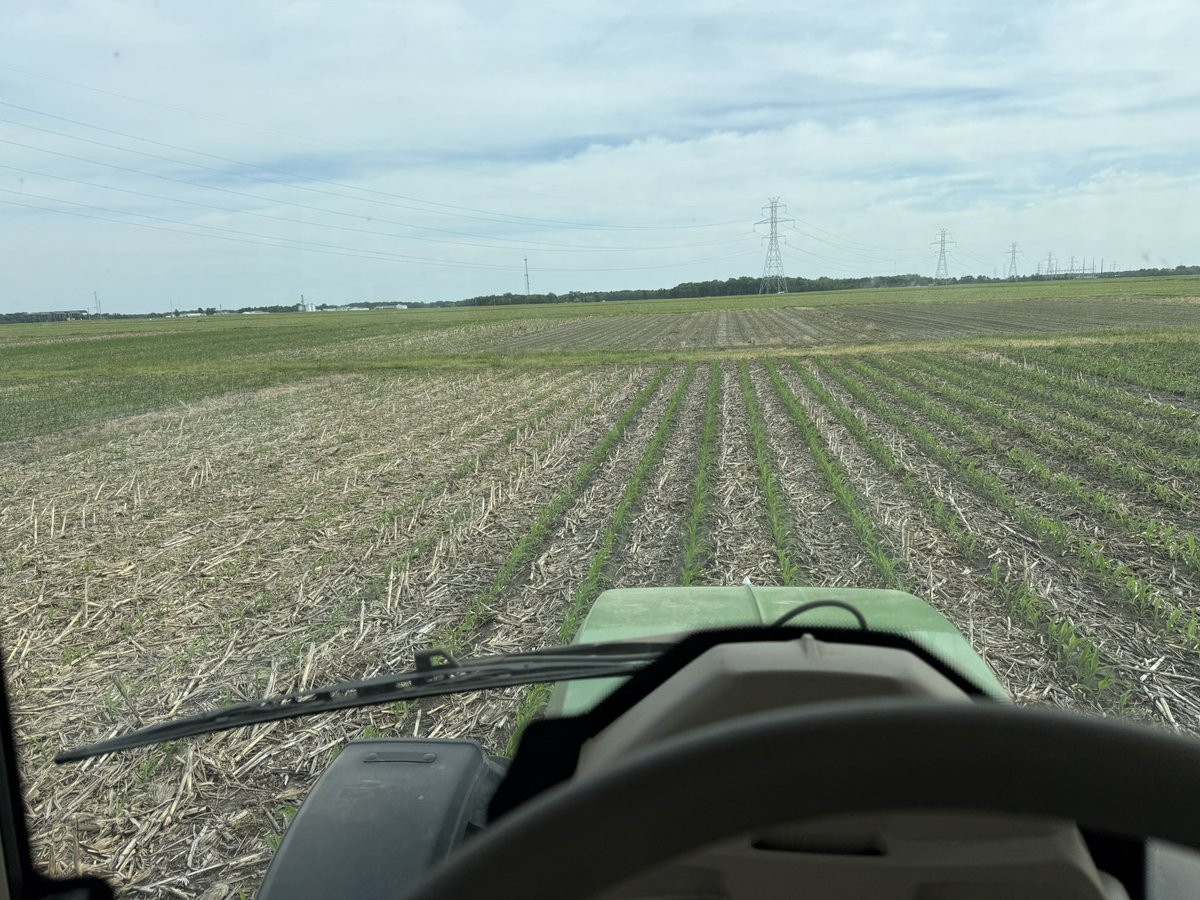
Sidedressing year 52 of our long term tillage and crop rotation study @PurdueAg. 52 years of continuous corn no-till on the left, continuous corn strip till on the right.
@PurdueAgronomy @PurdueExtension
11
3
113
20,726

Ill wait for the private showing as im sidedressing beside the tracks tomorrow.
1
5
238

May 18
Sidedressing is often the best opportunity in-season to address corn nutrient needs, but Ken Ferrie urges caution if you plan to go with “blind sidedressing” before the crop emerges or at spike. He offers three considerations. agweb.com/news/crops/corn/ba…
2
484

May 18
Sidedressing is often the best opportunity in-season to address corn nutrient needs, but Ken Ferrie urges caution if you plan to go with “blind sidedressing” before the crop emerges or at spike. He offers three considerations. agweb.com/news/crops/corn/ba…
2
985

When I did custom sidedressing the one guy would plant from both sides of something like that. No autosteer
Good times
1
2
123

May 10
1.) you’re a bot because no serious American would ask this.
2.) “What farmers in Texas are buying fertilizer in May?”
A lot of them. That’s the point.
Cotton sidedressing in Texas runs through May and June. Panhandle corn hits V6 nitrogen application in May. Sorghum nitrogen applications run into June. Gulf Coast rice is actively being fertilized. Pasture and hay operations for cattle are in spring nitrogen rotation right now.
But even beyond that, you’re misunderstanding how fertilizer markets work with your initial question.
Fertilizer prices don’t wait for Bubba to walk into a co-op and swipe his card before reacting. Urea, ammonia, UAN, DAP, MAP are globally traded commodities tied to replacement cost and forward contracts. Hormuz matters because it moves Gulf ammonia, Qatari and Iranian urea, Saudi phosphates, LNG feedstock, all of it.
If Hormuz gets disrupted, Tampa ammonia benchmarks rerate, NOLA urea barges rerate, global gas spikes, and co-ops start repricing the next contract cycle almost immediately. Fall ammonia books and even 2027 nitrogen pricing are being set against global replacement cost right now.
That’s how commodity markets work. They price future supply risk before your local farmer physically buys the bag.
1
3
131
Apr 21
I have a burning desire to turn the seed shoot into a poop shoot for juice boxes
Swarm autonomous machines sidedressing corn with 🐖 💩 2 rows at a time
Semi brings 30 at a time
Apr 20

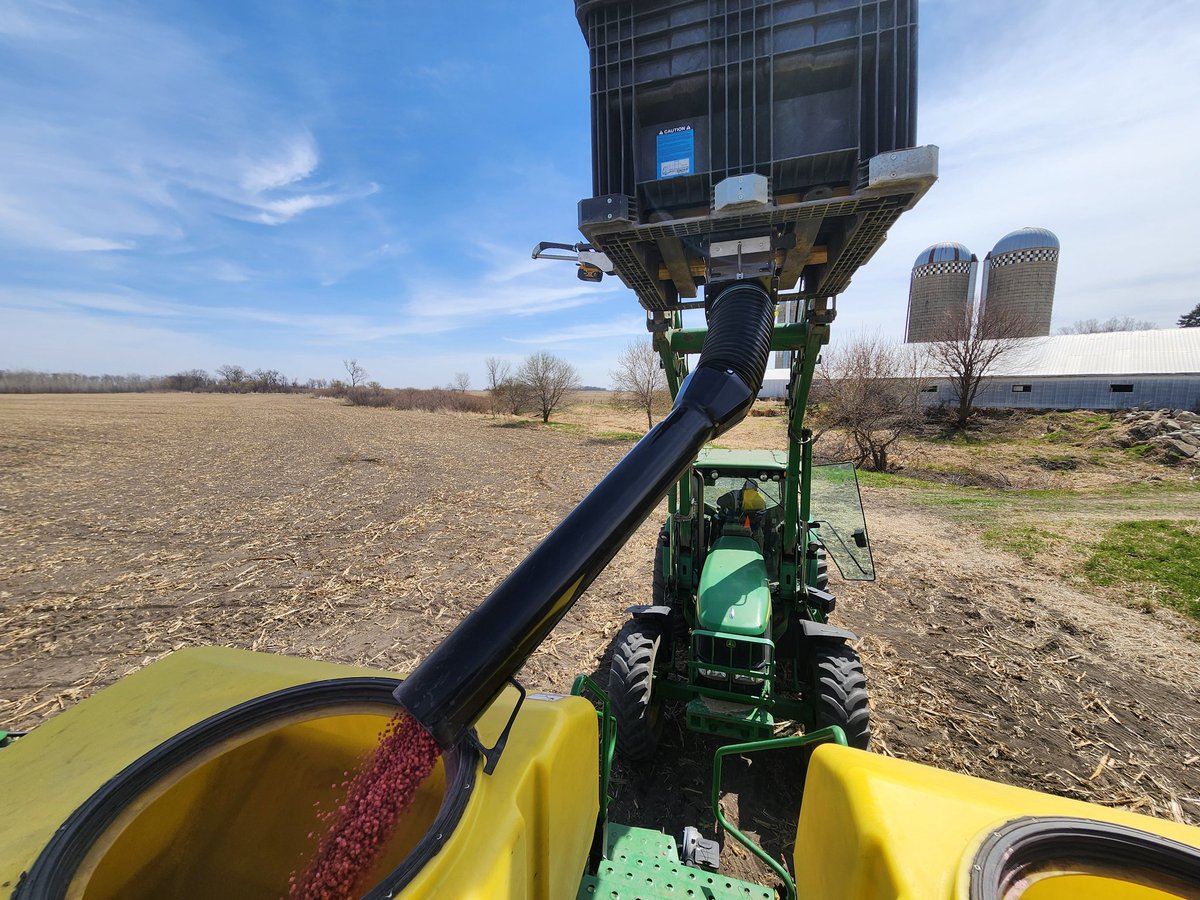
Soys going in the ground in MN. Using the Box Bullet, Seed Shoot and Long shot to load the planter.
19
3,371