
Jun 11
Focused on the screen, locked into the moment 🤓 #VideoInComments #cc #TechTime #LivingRoom
Video🎥 🔗: afterdarktalks.com/v/?id=6XJ…

36

May 8
Techtime: החברות הביטחוניות האמריקאיות, Magnet Defense ו-Hanwha Defense USA (HDUSA) הכריזו על הסכם שת"פ אסטרטגי ליצור מס׳ דגמי כשב״ם בגודל בינוני [(Medium Unmanned Surface Vessels – MUSV) 38 מטר] עבור משרד המלחמה האמריקאי...

1
2
13
1,062


We are delighted to welcome @techtime_co_nz as a Key Partner of the #WorkEvolutionSummit 3rd edition!
#TechTime brings deep Atlassian expertise and a refreshingly practical approach to solving real-world challenges, and we are thrilled to have them on board this year.
They are bringing two sessions to the stage, both led by Eduard Letifov:
🎤 #Atlassian Cloud and the Loss of Control
🎤 When Healthcare IT and Field Services Management Converge: How the Lego Blocks Come Together for a Vertical Solution
Grab your ticket and join us! 👉 lifeincodes.com/work-evoluti…
#KeyPartner #WES2026 #FutureOfWork
2
2
32

Mar 17
[3/13] I scraped data everywhere. UK Companies House, Israeli corporate registry, LinkedIn, defense press databases, Israeli Hebrew media (Calcalist, Globes, Techtime, Israel Hayom). Zero results in every source. Nada.
1
17
3,613

Mar 10
ایرانی میڈیا کے مطابق تہران پہ بنکر پہ ہوئے حملے کے سبب نئے ولی فقیہہ مجتبیٰ خامنہ آی شدید مضروب ہوئے اور حالت نازک ہے
TechTime
Mar 10

ایران کی خبر رساں ایجنسی تسنیم کے مطابق اسرائیل کے وزیراعظم بن یامین نیتن یاہو اک ایرانی حملے میں ہلاک کیے جا چکے ہیں
عالمی صورتحال
12
1
40
4,621

From the road to critical infrastructure→ Innoviz #LiDAR is redefining perimeter security. 🌊
TechTime dives into "Barak Light Guard":
🛡️450m range in any weather
🛡️Faster ROI than automotive
🛡️AI-driven precision
Read more: bit.ly/4ay1xGZ
1
2
23
1,273

Jan 18
See guy I get links from Forbes, techtime, Usatoday of recent your fund will determine the links you get. Tell me anything in that article that made it special to be posted on Nytimes. You can't just post on Nytimes as a blogger you pay the admin to post your content. as it's news worthy content that is of global reach why won't it be accepted. Guy just stay out of what you don't know.
3
4
1,140

30 Nov 2025
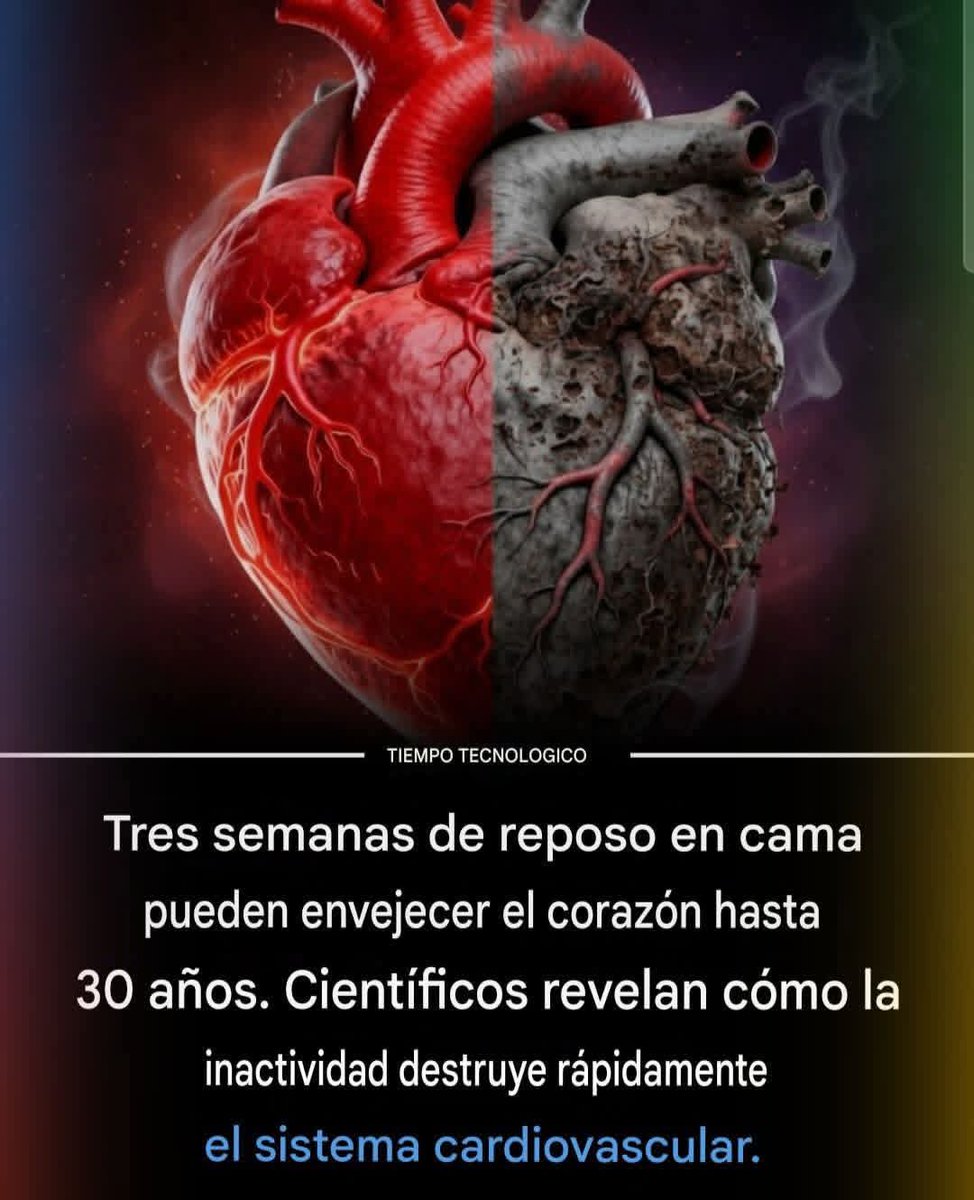
La mentira todavía envejece corazones. Los científicos acaban de confirmar que solo tres semanas de reposo total pueden envejecer tu corazón hasta 30 años. Sí, 21 días pueden quitar décadas de tu juventud cardiovascular.
#TechTime #fblifestyle #Heart #Health #MoveToLive
1
2
9
234

30 Nov 2025
อดทนนะ รอรวยให้ได้ แล้วจะไม่แก่แน่นอน
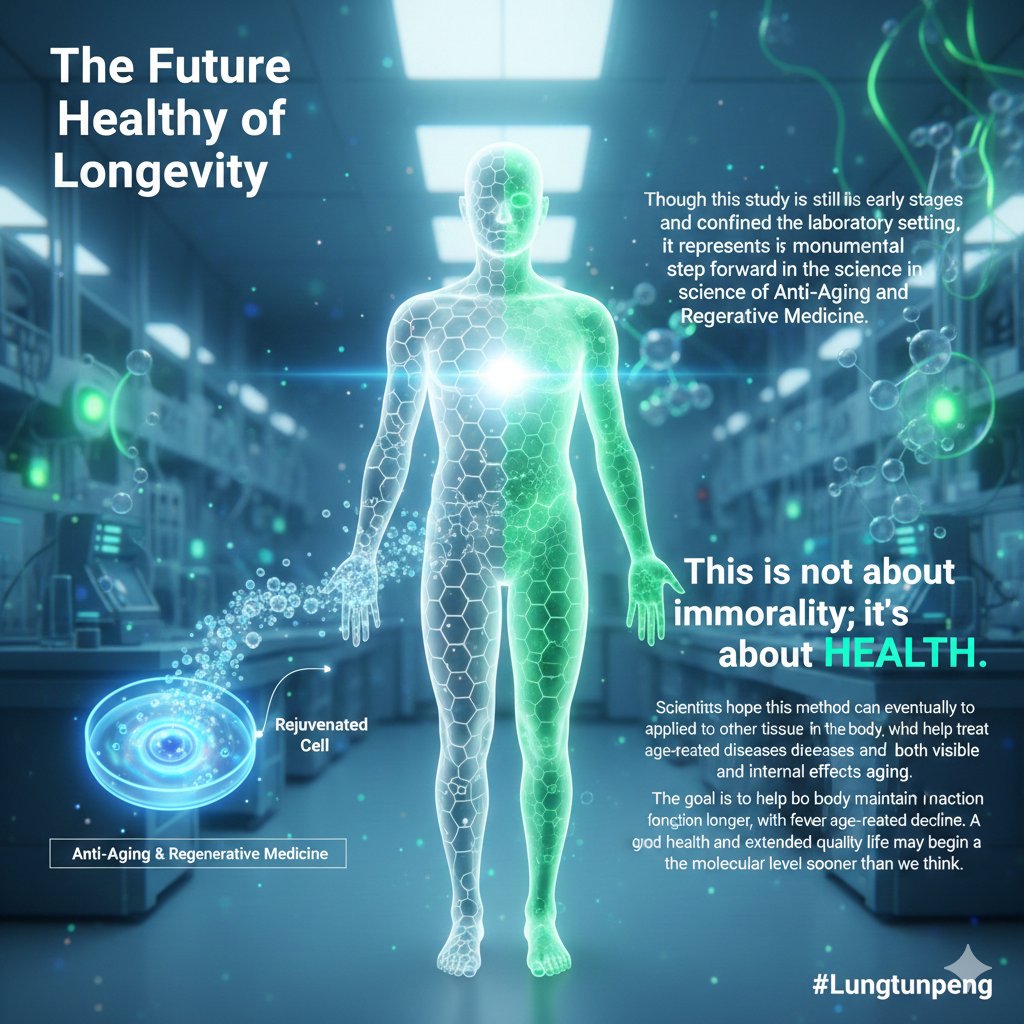
📰 การค้นพบครั้งสำคัญ: ย้อนวัยทางชีวภาพของเซลล์ผิว 30 ปี
ในการค้นพบครั้งสำคัญ นักวิทยาศาสตร์จากมหาวิทยาลัยเคมบริดจ์ (University of Cambridge) ประสบความสำเร็จในการ ย้อนวัยทางชีวภาพของเซลล์ผิวหนังมนุษย์ได้ประมาณ 30 ปี โดยใช้เทคนิคการตั้งโปรแกรมเซลล์ใหม่โดยไม่เปลี่ยนเอกลักษณ์ของพวกมัน นักวิจัยสามารถฟื้นฟูการทำงานและรูปลักษณ์ของเซลล์ที่เสื่อมสภาพให้กลับสู่สภาวะที่อ่อนเยาว์ยิ่งขึ้น
วิธีการนี้อยู่บนพื้นฐานของ การตั้งโปรแกรมเซลล์ใหม่บางส่วน (partial cellular reprogramming) โดยที่เซลล์ผู้ใหญ่จะถูกนำไปสัมผัสกับปัจจัยทางพันธุกรรมเฉพาะในช่วงเวลาที่จำกัด แทนที่จะเปลี่ยนเซลล์ให้กลายเป็นเซลล์ต้นกำเนิด (stem cells) เหมือนการตั้งโปรแกรมแบบดั้งเดิม วิธีการนี้จะฟื้นฟูเซลล์ให้กลับมาอ่อนเยาว์ในขณะที่ยังคงรักษาการทำงานดั้งเดิมไว้ ทีมนักวิจัยใช้เซลล์ไฟโบรบลาสต์ (fibroblast cells) ซึ่งมีหน้าที่ผลิตคอลลาเจนและรักษาโครงสร้างผิว
หลังการบำบัด เซลล์ที่เสื่อมสภาพแสดงสัญญาณของการทำงานคล้ายกับเซลล์ที่อ่อนวัยกว่ามาก พวกมันผลิตคอลลาเจนได้มากขึ้น, รักษาบาดแผลได้เร็วขึ้น, และแสดงรูปแบบกิจกรรมของยีนที่คล้ายกับเซลล์ที่อ่อนวัยกว่าอย่างมาก ที่สำคัญคือ เซลล์ยังคงรักษาเอกลักษณ์ของตัวเองในฐานะเซลล์ผิวหนังไว้ ซึ่งหลีกเลี่ยงความเสี่ยงที่เกี่ยวข้องกับการตั้งโปรแกรมใหม่แบบเต็มรูปแบบ เช่น การก่อตัวของเนื้องอก
แม้ว่าการศึกษานี้จะดำเนินการในห้องปฏิบัติการและยังอยู่ในช่วงเริ่มต้น แต่ผลลัพธ์ที่ได้ถูกยกย่องว่าเป็นก้าวสำคัญในเวชศาสตร์ฟื้นฟู (regenerative medicine) นักวิทยาศาสตร์หวังว่าวิธีการนี้จะสามารถนำไปประยุกต์ใช้กับเนื้อเยื่ออื่นๆ ในร่างกายได้ในที่สุด ซึ่งอาจช่วยรักษาโรคที่เกี่ยวข้องกับอายุและชะลอผลกระทบทั้งที่มองเห็นได้และการทำงานของร่างกายที่เสื่อมถอยตามวัย
นี่ไม่ใช่เรื่องของความเป็นอมตะ แต่เป็นเรื่องของ สุขภาพ ซึ่งช่วยให้ร่างกายสามารถรักษาการทำงานตามธรรมชาติไว้ได้ยาวนานขึ้น ด้วยการเสื่อมถอยที่เกี่ยวข้องกับอายุที่น้อยลง
การเสื่อมสภาพของเซลล์อาจไม่ใช่กระบวนการทางเดียวอีกต่อไป อนาคตของสุขภาพที่ยืนยาวและมีคุณภาพอาจเริ่มต้นขึ้นในระดับโมเลกุล
#TechTime #fblifestyle #AntiAging #SkinScience #Longtunpeng
8
31
479

29 Nov 2025
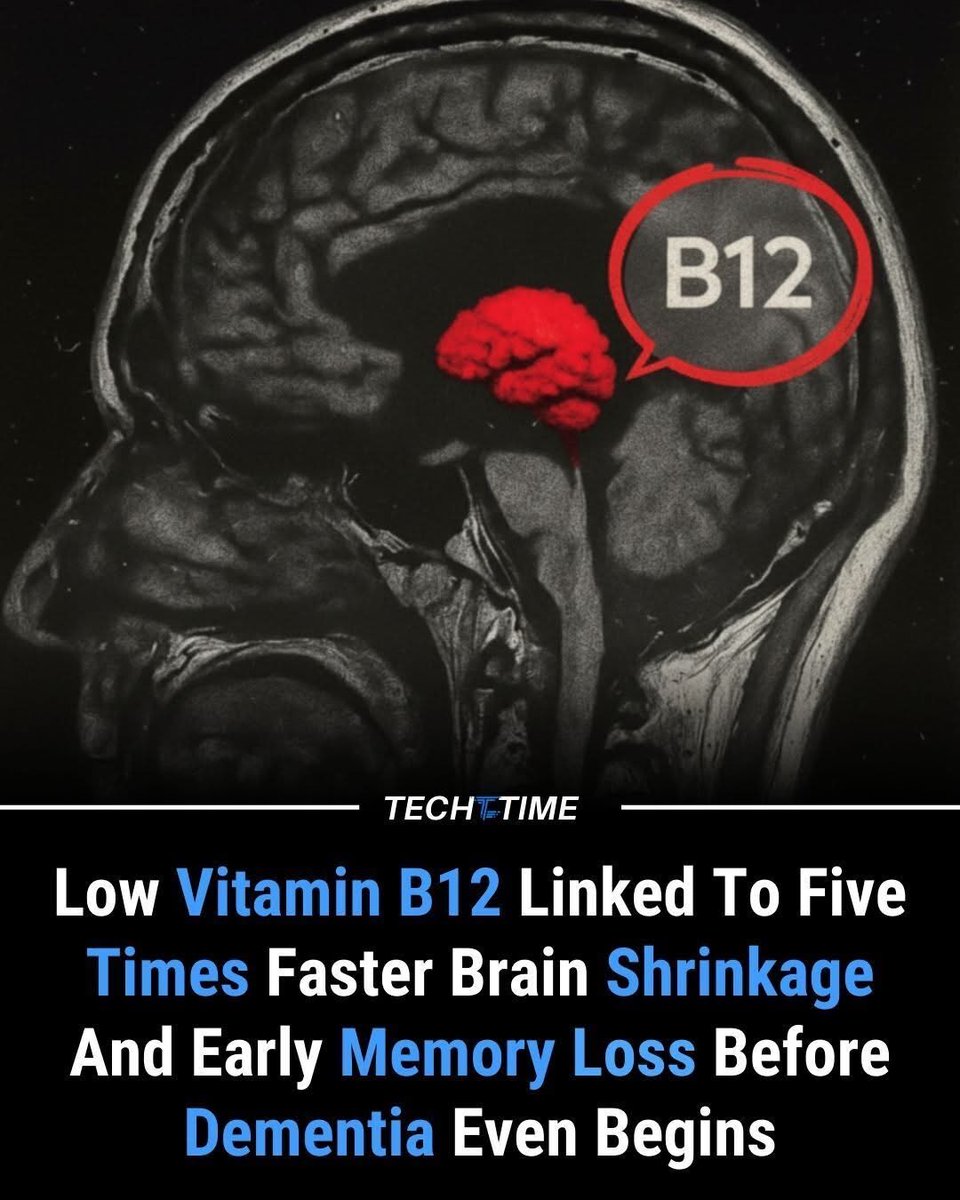
A growing body of research now confirms that low levels of vitamin B12 may accelerate brain shrinkage and worsen memory, even before any signs of dementia appear. In fact, people with B12 deficiency have been shown to experience up to five times faster brain volume loss compared to those with healthy levels.
Vitamin B12 is found mainly in animal-based foods like eggs, meat, and dairy. People following vegetarian or vegan diets, are most at risk and may need supplements or fortified foods.
#TechTime #fblifestyle #BrainHealth #B12Matters #CognitiveCare
4
23
2,307
22 Nov 2025
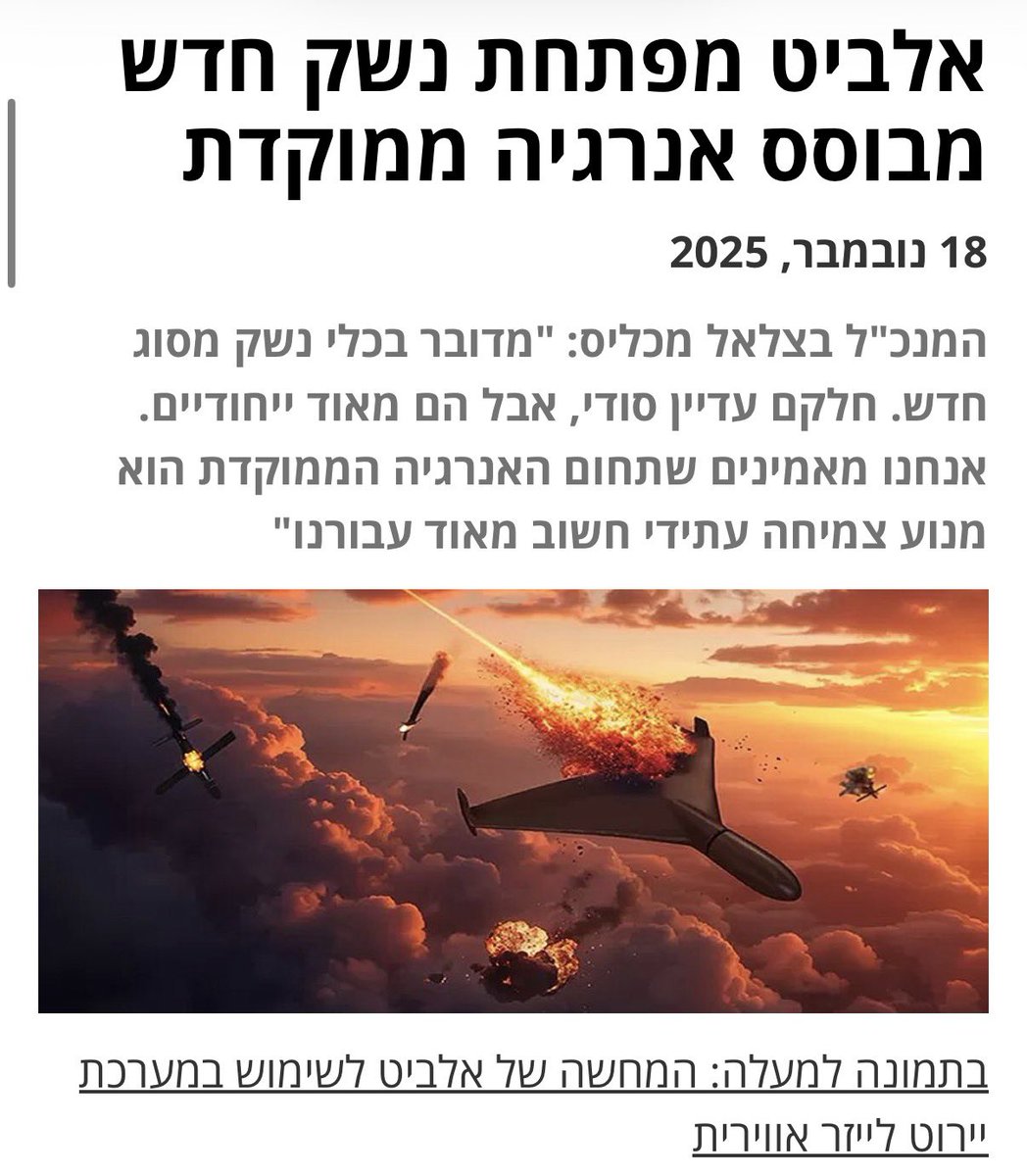
Techtime: אלביט מפתחת כלי נשק חדשים המבוססים על הרעיון של אנרגיה ממוקדת (Directed Energy), "חלקם עדיין סודי, אבל הם מאוד ייחודיים. אנחנו מאמינים שתחום האנרגיה הממוקדת הוא מנוע צמיחה עתידי מאוד חשוב עבורנו". אלביט מפתחת את הגרסה האווירית של מע׳ ״אור איתן״ שתותקן במטוסים וכטב"מים.
5
3
72
3,941

18 Nov 2025
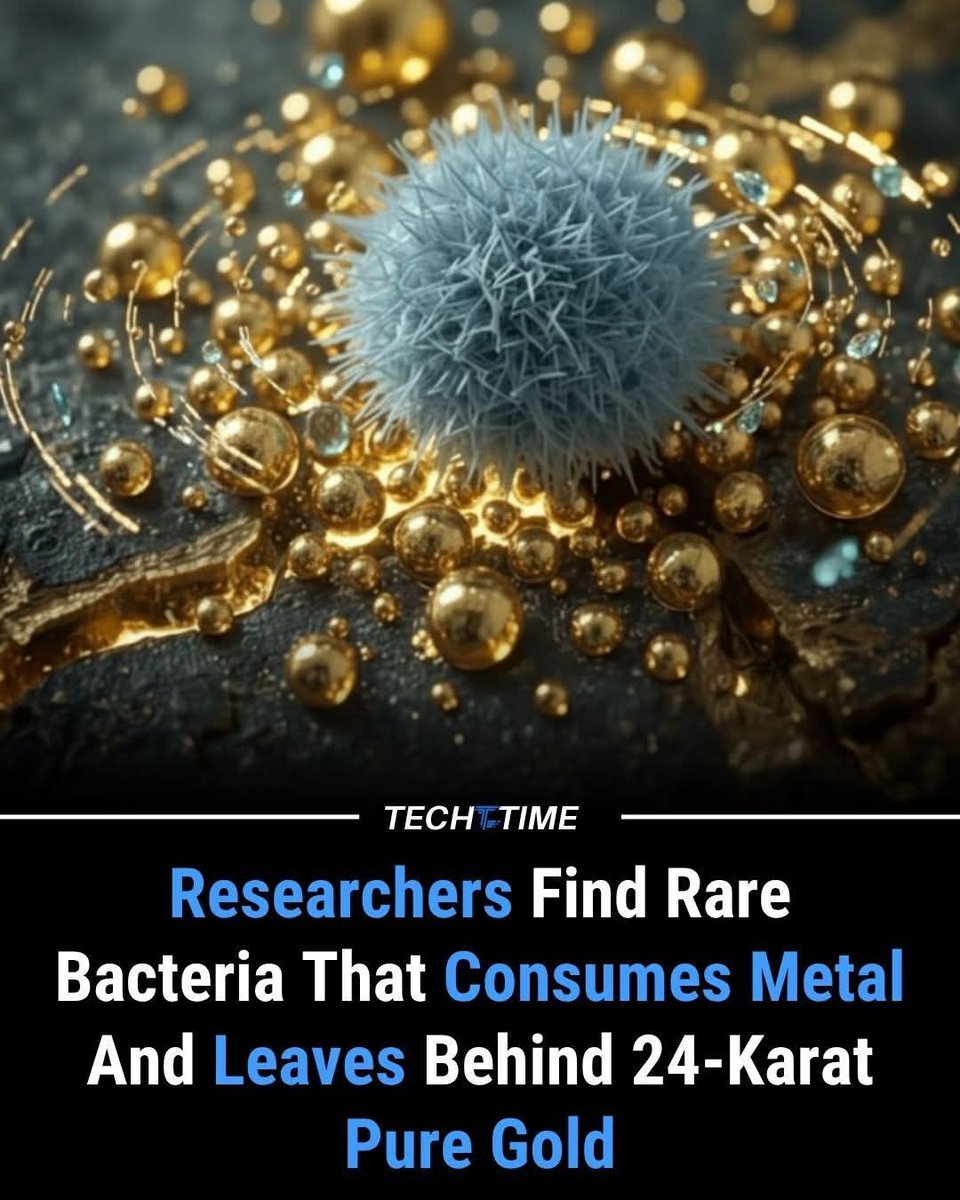
In one of the most jaw-dropping biological discoveries of the decade, scientists have identified a rare type of bacteria that consumes toxic metals and excretes pure gold yes, actual 24-karat gold. This living organism might just be the strangest goldsmith nature has ever created.
The bacterium, known as Cupriavidus metallidurans, thrives in environments rich in heavy metals. Where most life forms would perish, this microbe adapts and feeds. But here’s the astonishing part as it processes the toxic metals, it transforms them into harmless nuggets of solid gold. Scientists watched in amazement as the bacteria expelled microscopic gold particles after metabolizing metal-rich compounds.
This isn’t science fiction. The process has been documented and repeated under lab conditions, showing how biological life can influence the planet’s chemistry in ways we’re only beginning to understand. While it won’t replace traditional gold mining anytime soon, the potential applications are massive. It could be used for eco-friendly gold extraction, toxic waste cleanup, or even in futuristic biosensors and electronics.
What makes this discovery even more mind-bending is the idea that gold a metal long associated with wealth and permanence can be produced by something alive. Nature continues to reveal its alchemy in the most unexpected corners of the microbial world.
We’ve long searched for ways to turn base material into gold. Now, it turns out, nature may have already mastered that art.
#TechTime #fblifestyle #BioAlchemy #MicrobialGold #ScientificWonder
32
121
143
12,959
17 Nov 2025
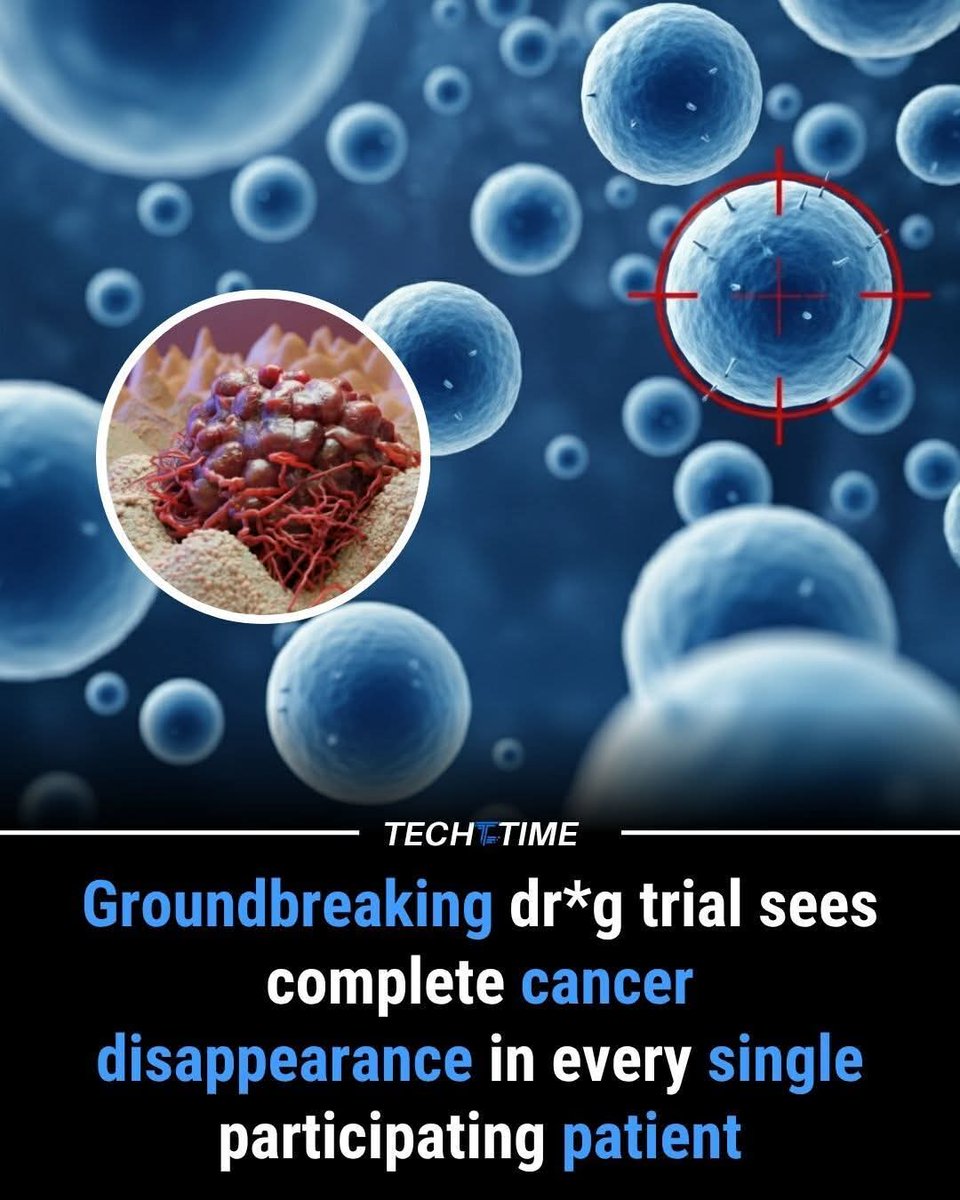
In what scientists are calling one of the most stunning moments in cancer research history, a recent drug trial has achieved the unthinkable—cancer vanished in every single patient who participated. No surgery. No chemotherapy. Just one dr*g. And complete remission.
The trial, conducted on a group of patients with a specific type of rectal cancer, used an experimental immunotherapy drug designed to target a mutation common in that cancer. Over a period of several months, each patient received regular doses—expecting the usual outcome: partial shrinkage, followed by surgery or radiation.
But what happened next stunned the medical world. Every patient’s tumor disappeared entirely, leaving no trace of cancer on scans, biopsies, or physical exams. None required additional treatment. None showed signs of recurrence. And none experienced severe side effects.
Researchers triple-checked the results, expecting anomalies. Instead, they found consistency. This wasn’t a lucky case—it was every single patient.
The drug works by unlocking the immune system’s ability to detect and destroy cancer cells that would normally go unnoticed. By disabling the tumor’s “invisibility cloak,” the immune system responds naturally and aggressively—without harming healthy tissue.
Though more trials are needed, this study marks an extraordinary leap forward. It proves that personalized medicine and immunotherapy aren’t just theories—they’re powerful tools that could reshape cancer care forever.
Hope has a new name, and it’s built on science.
#TechTime #fblifestyle #CancerBreakthrough #ImmunotherapySuccess #FutureOfMedicine
58
203
327
20,095

15 Nov 2025
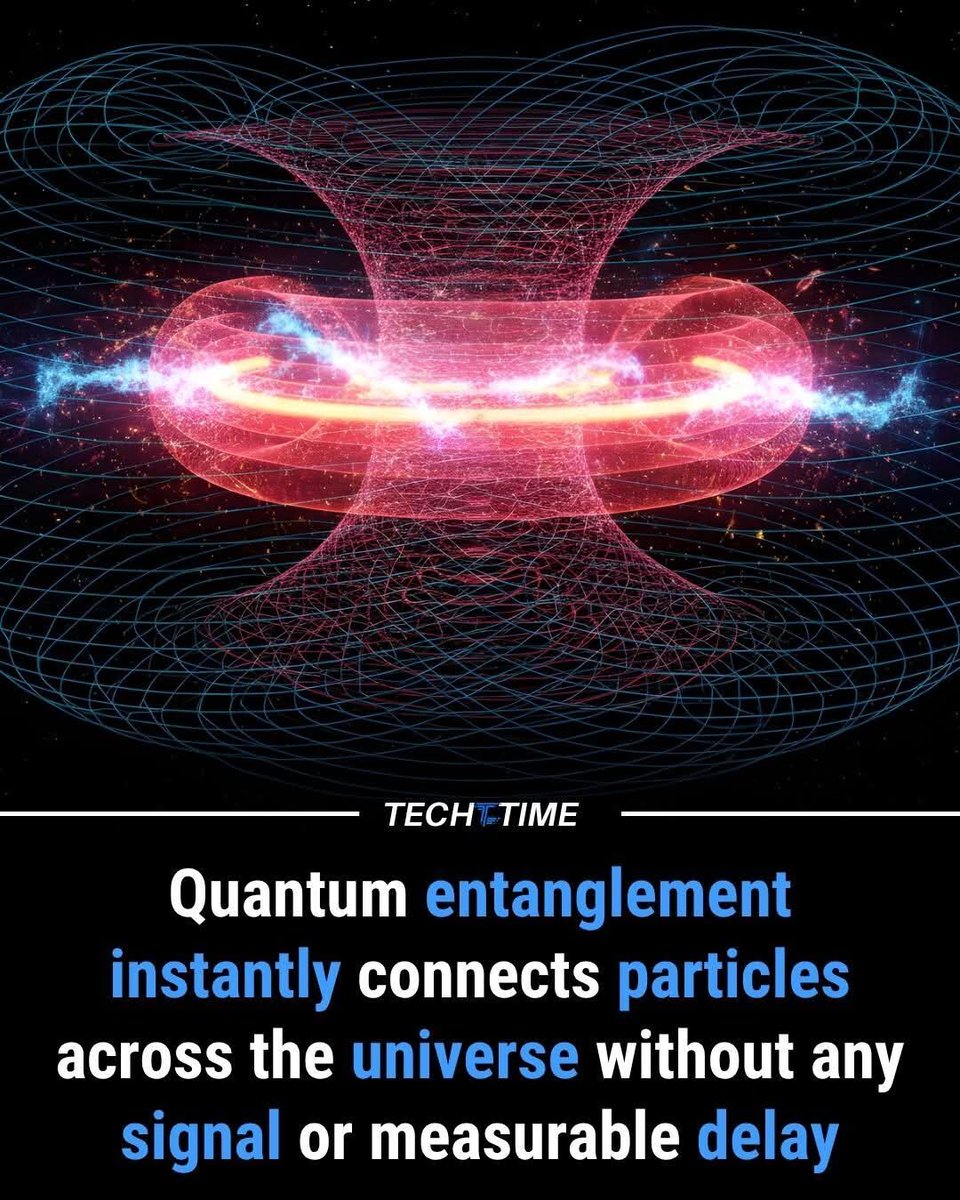
In the strange and fascinating world of quantum physics, there exists a phenomenon so mysterious that even Einstein called it “spooky action at a distance.” It’s known as quantum entanglement, and it links particles together in a way that defies space, time, and all known laws of communication.
When two particles become entangled, they share a quantum state—meaning what happens to one instantly affects the other, no matter how far apart they are. You could separate them by galaxies, and still, a change in one would mirror in the other immediately. No signal travels between them, and no measurable delay occurs. It’s as if the universe itself bends to keep them connected.
Scientists have confirmed this effect through countless experiments, proving that reality operates on levels far beyond what our senses can grasp. Quantum entanglement isn’t just a theoretical wonder; it’s now being used to shape future technologies—from unbreakable quantum encryption to faster-than-light communication research and revolutionary computing systems.
What’s truly astonishing is the implication: everything in the universe might once have been entangled during the Big Bang, suggesting that distant corners of space could still be subtly linked through hidden quantum threads.
Entanglement challenges our understanding of distance, time, and individuality. It reminds us that separation might only be an illusion—and that the universe, at its deepest level, moves as one.
#TechTime #fblifestyle #QuantumPhysics #ScienceDiscovery #FutureOfTechnology
2
34
14 Nov 2025
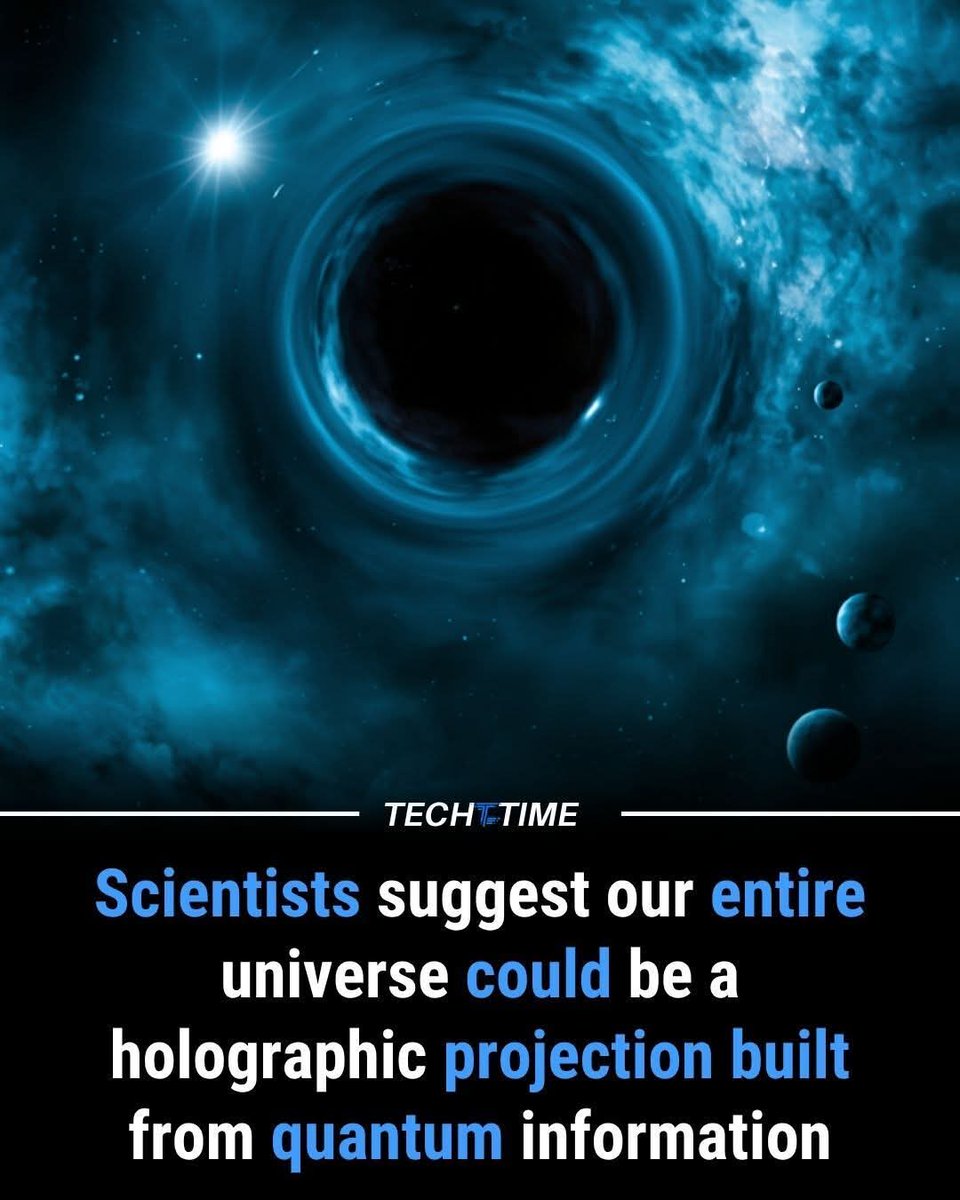
It sounds like science fiction, yet it’s one of the most mind-bending theories in modern physics—the idea that the universe itself might be a hologram. According to leading physicists, everything we see, feel, and experience could be a three-dimensional projection of information stored on a distant, flat cosmic surface.
This concept, known as the holographic principle, suggests that the fabric of space and time may emerge from quantum information—tiny bits of data that encode the entire universe. Just as a hologram creates a 3D image from a 2D film, reality itself could arise from patterns of energy and information woven into the quantum field.
The theory first emerged from attempts to reconcile Einstein’s relativity with quantum mechanics, particularly while studying black holes. Physicists discovered that the information describing all matter falling into a black hole might be preserved on its surface, not lost within. This revelation sparked the possibility that the same rule applies to the entire cosmos.
If true, everything we know—from galaxies to atoms—exists as a projection of underlying quantum codes. Reality would be a grand simulation of physics, shaped by data rather than solid substance.
While the holographic universe remains a theory, new studies in quantum gravity and string theory continue to uncover evidence supporting it. The deeper scientists look into the universe, the more it behaves like information unfolding into space.
It’s a humbling and electrifying thought—our entire existence could be the universe’s most perfect illusion.
#TechTime #fblifestyle #QuantumPhysics #CosmicMystery #ScienceRevolution
38
75
113
12,481

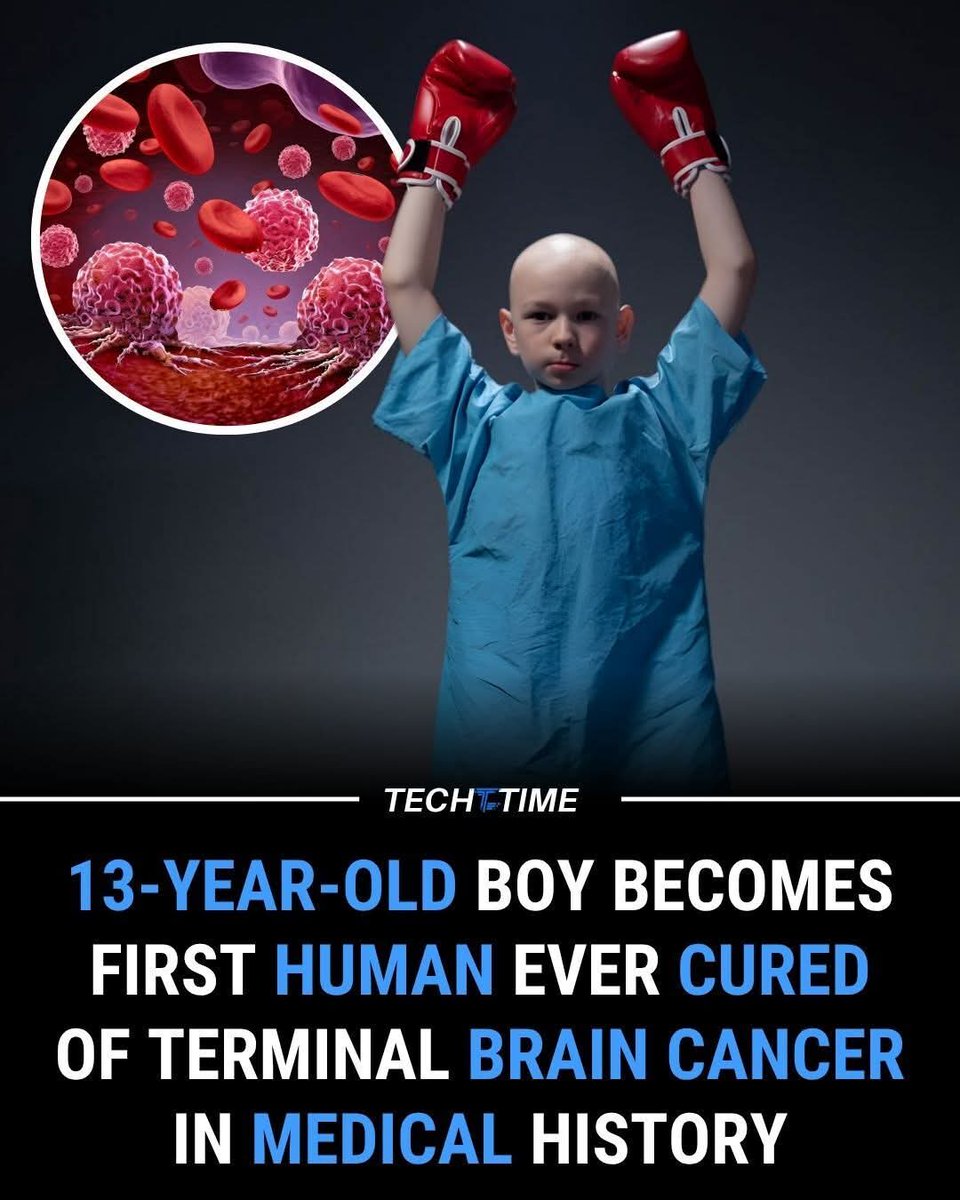
In a story that’s rewriting the boundaries of modern medicine, a 13-year-old boy has become the first person in history to be cured of terminal brain cancer. Once given no hope of survival, he’s now living proof that science can deliver miracles. This unprecedented recovery is being hailed as one of the greatest breakthroughs in cancer research.
The boy was diagnosed with a deadly, inoperable brain tumor the kind with a survival rate so low, most patients are given only months to live. But researchers offered him a last-chance experimental treatment, combining precision-targeted immunotherapy with next-generation gene editing.
Doctors engineered the boy’s own immune cells to recognize and destroy only the cancer cells, sparing the healthy brain tissue. These modified cells were then reintroduced into his body. What followed was extraordinary. The tumor began shrinking within weeks, and over several months, it completely vanished. Follow-up scans have confirmed: no cancer remains.
More importantly, there’s been no damage to his cognitive function, memory, or mobility. He’s back in school, playing sports, and living life like any other teenager — only now, with the title of being the first human ever cured of terminal brain cancer.
While the treatment is still in its early stages, this success offers hope to countless families around the world. It marks a new era where terminal may no longer mean the end — but the beginning of a fight that can be won.
Science just turned a farewell into a future.
#TechTime #fblifestyle #CancerBreakthrough #HopeInScience #MedicalMiracle
2
65
10 Nov 2025
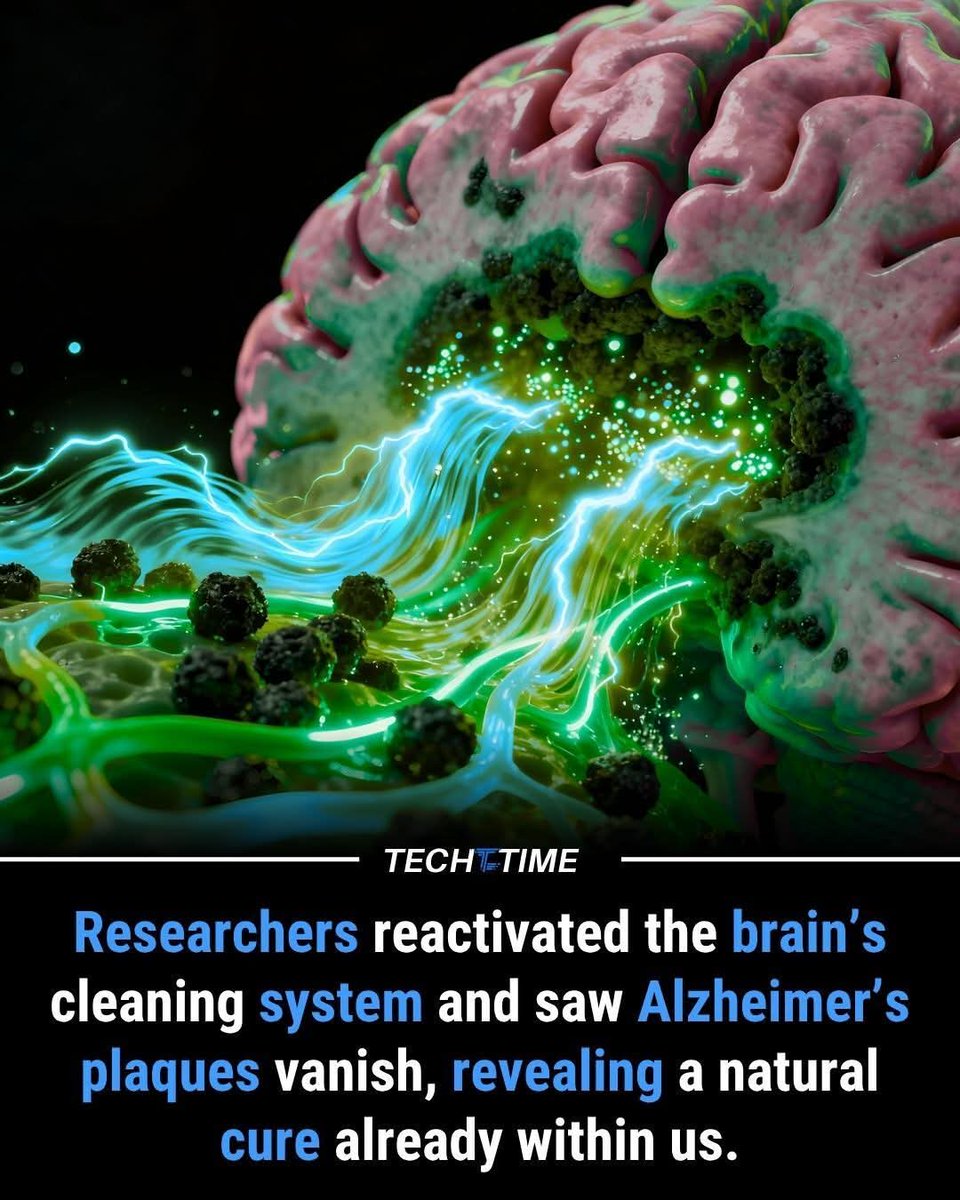
A new scientific breakthrough may have brought humanity one step closer to defeating Alzheimer’s. Researchers have successfully “rebooted” the brain’s natural cleaning system and watched as toxic Alzheimer’s plaques began to disappear. The astonishing part? This healing mechanism already exists within us — it just needs to be switched back on.
The human brain has a built-in detox network called the glymphatic system. It works like a nighttime janitor, clearing away waste and harmful proteins during deep sleep. In Alzheimer’s patients, this system slows down or shuts off entirely, allowing sticky amyloid plaques to build up, leading to memory loss and cognitive decline.
In a groundbreaking experiment, scientists managed to reactivate this cleaning system in lab models by adjusting fluid flow and neural activity linked to sleep cycles. Within hours, the plaques started to dissolve, and brain function showed signs of recovery. It’s the first time researchers have witnessed the brain essentially healing itself through its own natural process.
This discovery doesn’t just open new doors for Alzheimer’s treatment — it reshapes how we understand brain health entirely. If scientists can safely stimulate this mechanism in humans, it could lead to therapies that reverse neurodegeneration instead of merely slowing it down.
The idea that our own brains hold the blueprint for their repair is both humbling and hopeful. The cure for Alzheimer’s may not come from an external drug but from awakening the intelligence of the body itself.
#TechTime #fblifestyle #Neuroscience #BrainHealth #AlzheimersResearch
28
170
272
16,107

7 Nov 2025
Your mind senses what’s coming next.
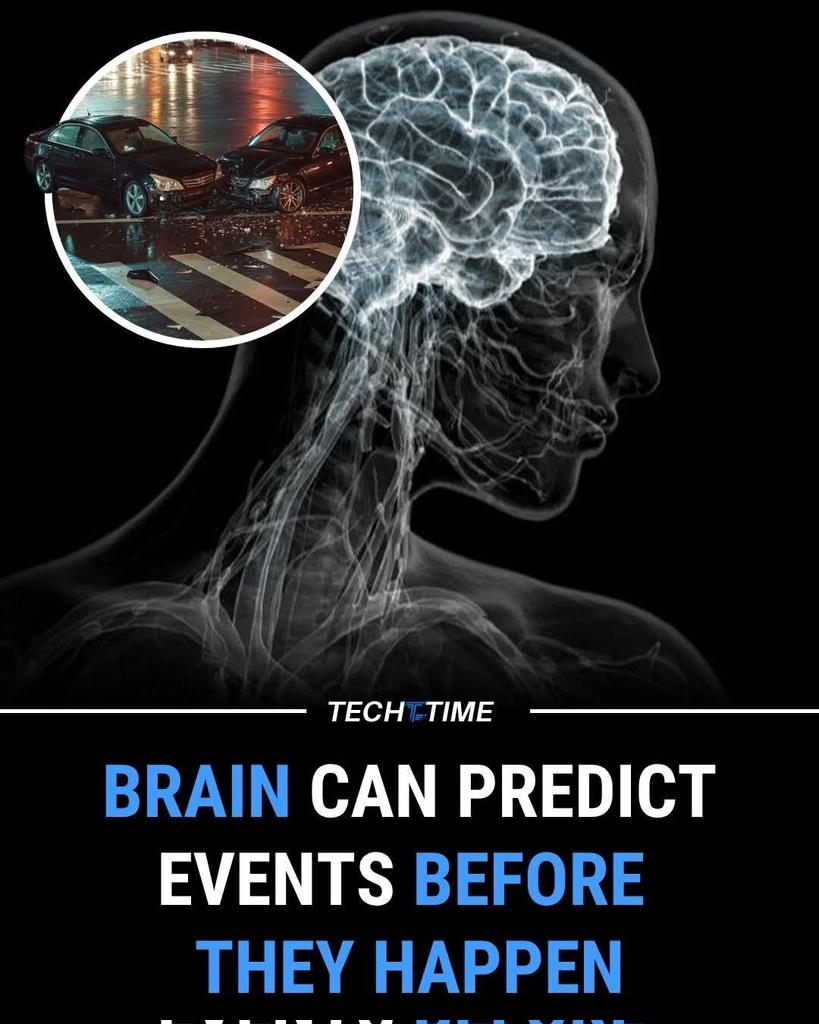
Recent neuroscience research suggests that your brain has the remarkable ability to anticipate future events before they occur. This predictive power helps humans navigate complex environments, make decisions, and respond quickly to potential threats or opportunities.
The brain achieves this by continuously processing patterns, memories, and sensory input. It doesn’t just react to the present—it uses past experiences and ongoing signals to forecast what is likely to happen next. Specialized neural circuits in areas such as the prefrontal cortex and hippocampus are involved in this anticipatory activity, allowing the mind to prepare for outcomes milliseconds before conscious awareness.
Studies using brain imaging and EEG have shown that the brain can predict decisions, actions, and even sensory events before a person is consciously aware of them. This explains phenomena such as intuition, “gut feelings,” and rapid reflexes in high-stakes situations. It also sheds light on why some people seem to sense danger or opportunities ahead of time.
Understanding this predictive capacity has implications for health, decision-making, and artificial intelligence. For example, it could help researchers develop interventions for neurological disorders where anticipatory processing is impaired, or improve machine learning models inspired by human brain prediction.
While the idea that the brain knows the future may sound like science fiction, it’s actually a reflection of the mind’s incredible ability to process information, recognize patterns, and simulate possible outcomes. Our brains are constantly running simulations, quietly predicting what comes next, giving us a subtle edge in daily life.
This discovery emphasizes that human consciousness is only the tip of a predictive iceberg—the brain is always one step ahead, preparing for the future before we even realize it.
#TechTime #fblifestyle #BrainPower #Neuroscience #CognitiveScience
1
3
40
6 Nov 2025
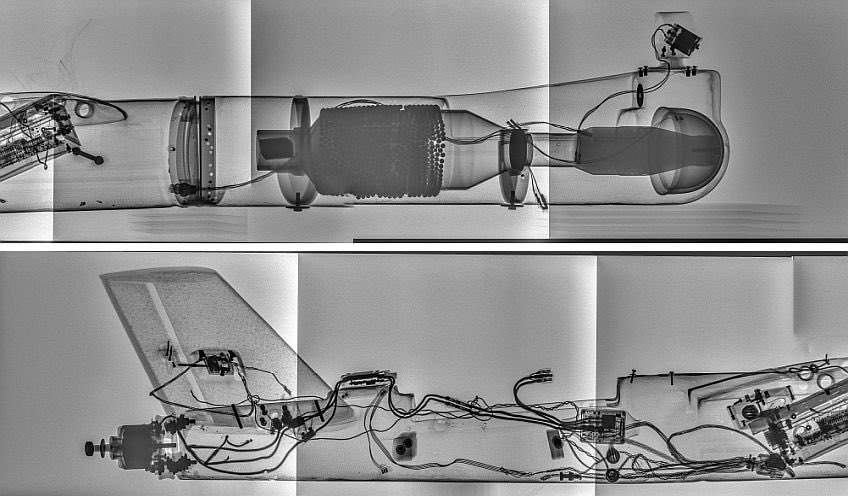
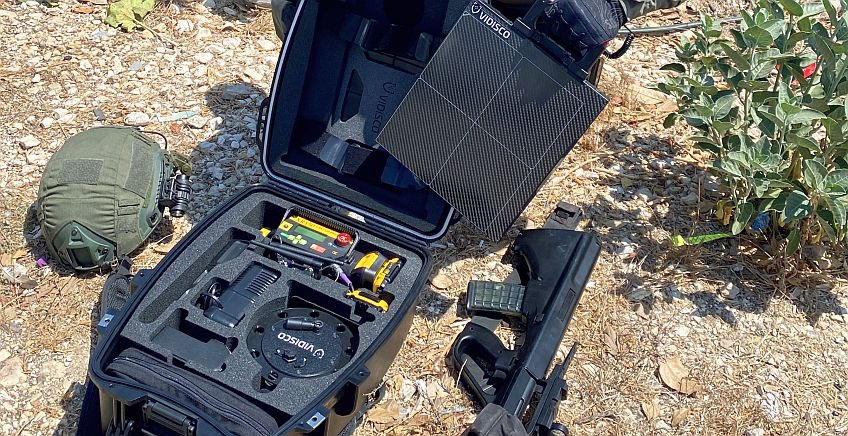
Techtime: צה"ל מצטייד במכשירי הרנטגן הניידים של חברת וידיסקו (Vidisco) שפיתחה מערכות רנטגן ניידות מוקשחות המספקות תמונת רנטגן מדויקת וברזולוציה גבוהה של חימוש, אמל״ח דוגמת רחפנים וטילי שיוט ועצמים חשודים ומאפשרות לנתח גופים בלתי מוכרים ולזהות מטענים ואמצעים חשודים, גם ממרחק בטוח.
3
2
53
2,910