



41s
No it was timed after the SpaceX IPO intentionally because it’s a full stock acquisition
1
•Binta J🇬🇧🇬🇲🩵 retweeted

First Look: Lola calls out Priya after her badly timed kiss confession, and when Yasmin confronts Lorenzo, she gets a completely different version of events. With two conflicting stories, how will this impact the upcoming recoupling? 😬 #LoveIsland
105
65
2,235
449,769

🦸♂️📚 COMIC BOOK COLLECTORS, THIS ONE'S FOR YOU! 📚🦸♂️
Hundreds of comic books and magazines are selling UNRESERVED in our upcoming timed auction!
Browse the catalogue and start building your watch list today:
pbrauctions.com/catalogue/18…


Isn’t it crazy how we have little to no memory of the good timed we had when we were young?
mmaltedmilk retweeted

Jun 15
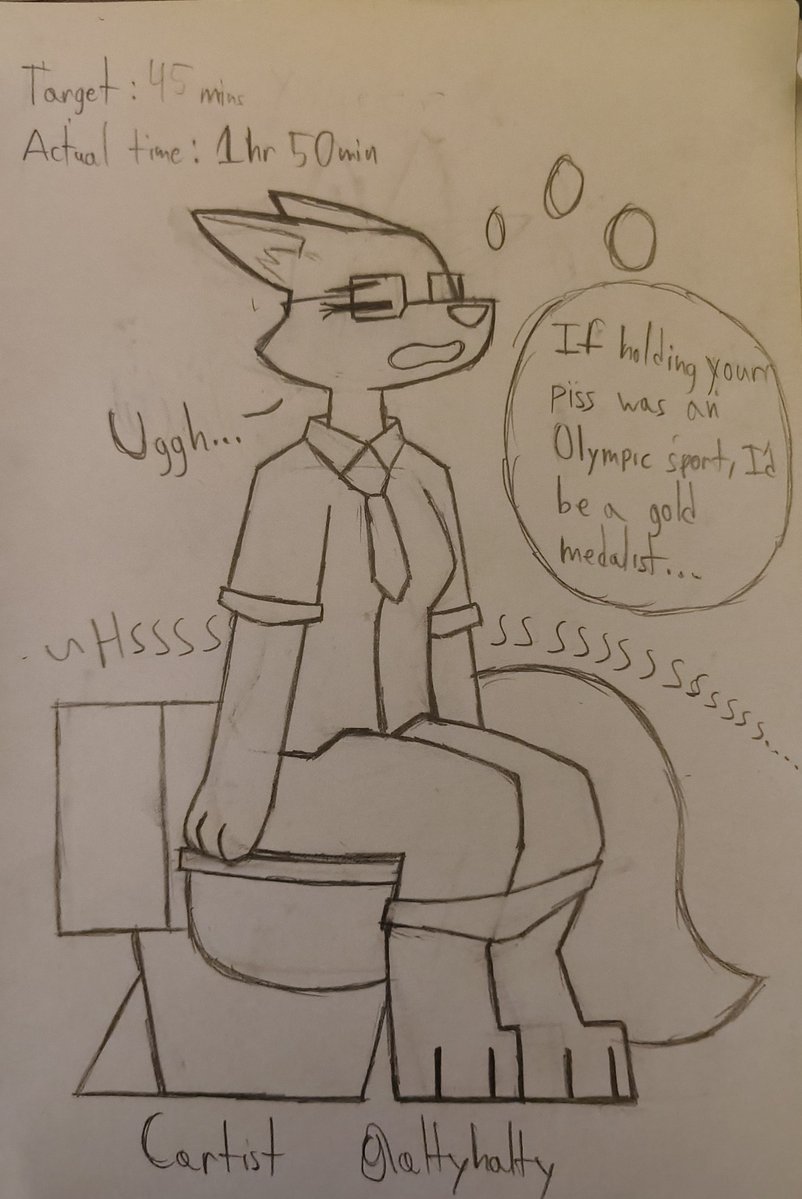
Another timed drawing attempt, this time with the Governor herself, Diane Foxington
1
7
49
523

The structural fixes you make before you leave a country are often more valuable than the ones you make after.
Most consultants don't bother with the pre-departure phase because the bigger ticket lives on the other side. The Panama Foundation. The residency. The offshore stack. Those are the fees worth pitching. The interim fixes get glossed over.
But the interim is where most of the small mistakes that compound into big problems live.
A founder walked into our call this week sitting exactly in that window. Canadian tax resident, still in Canada, planning to relocate within the next year or two. Multiple people in his network had already done the Panama setup. He's the latest in a chain of operators walking this path from the same starting point.
But until he actually leaves Canada, the work isn't to copy the structure his peers already built. The work is to fix what's broken in his current setup before the bigger move makes those fixes harder to do cleanly.
Here's what we found and fixed.
First problem: he owns a US LLC personally.
Not through his Canadian corporation. Not through any holding entity. The LLC sits in his personal name. Revenue from the LLC's clients hits the LLC's US bank account, then gets pulled to his personal Canadian bank account every month.
That structure does three things to him, all bad.
It blurs the line between business and personal income. Canadian tax filings get harder, deductions get murkier, and CRA scrutiny on personal transactions goes up.
It exposes his personal finances directly to any LLC-level lawsuit. A US plaintiff who wins against the LLC isn't stopped at the LLC level when he's the personal owner.
And it makes the eventual offshore restructure messier, because the LLC's history reads as "owned by a Canadian resident the whole time" instead of "owned by a Canadian corporation that later transferred to a Panamanian holding."
The fix is fast and free of any cross-border complexity. We change the LLC's operating agreement to list his Canadian corporation as the owner. Same LLC. Same EIN. Same bank account. Different paper. Revenue starts flowing into the corp instead of his personal name from the next billing cycle forward.
The LLC stays a tax pass-through under US rules. The Canadian corp pays Canadian corporate tax on the profit, which is what he was going to pay anyway. He pays personal tax only on what he actually pulls out of the corp as salary or dividends. Business and personal finances cleanly separated, well before he leaves.
Second problem: the Panama plan, but he isn't ready for it yet.
The people in his network already have Panamanian Foundations and the full structural stack. The temptation is to copy it now.
But here's the catch.
If he sets up the Panama structure while still a Canadian tax resident, every dollar that lands in the Panama company is technically supposed to be reported back to Canada under Canadian foreign accrual property income rules. The structure isn't illegal to set up. It's just not doing what people think it's doing while you still have Canadian tax residency.
There's a school of thought that says set it up anyway, leave the money offshore, and "transition" out of Canadian residency over the next year or two. The reporting requirement gets ignored on the bet that CRA enforcement on a 12-to-24-month transition window isn't aggressive enough to catch it.
It's a real bet that people are running, and the math often works out. But it's a bet, not a strategy, and we walk every client through what they're actually choosing when they take it.
For him, the cleaner play is to set up the Panama structure right when he formally exits Canadian residency, not a year before. The structure itself takes about three to four weeks. The residency requires a four-day trip to Panama City. We can pre-build the apostilled documents and the criminal record check now, so when he's ready to fly, the structure goes live the same week he lands.
Then we debunked a myth on the way out.
He'd been told you have to hold money in a Panama bank for a certain period to maintain residency. There's no such requirement. Panamanian banks have low minimums and no ongoing balance tied to residency. The deposit floor is closer to the cost of opening any normal account than it is to a meaningful capital commitment. Whatever he thought he needed to set aside, it isn't real.
End state:
US LLC ownership transferred from his personal name to his Canadian corporation, immediately cleaning up the business/personal separation. Personal liability on LLC operations reduced to standard corporate-veil protection instead of direct exposure. Canadian tax filings simplified, with clean lines between corporate income and personal distributions. Panama structure scoped and timed to go live at the moment of formal Canadian exit, not a year before. Required documentation queued up in advance, so the structural switch can happen in the same trip as the residency formalization.
He came in thinking he needed to copy the network's setup as fast as possible.
What he actually needed was the right fix today, and the bigger fix at the right moment.
Speed is rarely the variable that matters.
Sequence is.
26
vitaromance retweeted

He waited for the Sun to set but the tree got there first.
Perfectly timed photo.

16
116
536
5,013

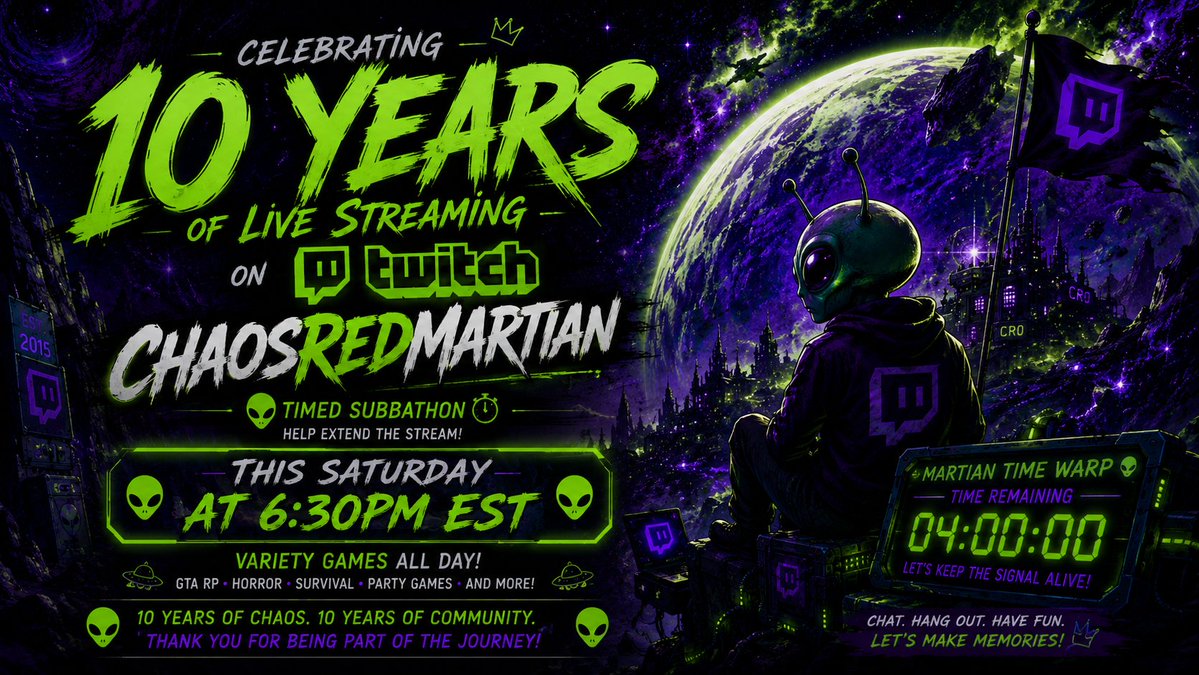
🛸 10 YEARS OF STREAMING?! 🛸
This Saturday at 6:30 PM EST, we're celebrating a decade of chaos with a Timed Subathon!
Every sub adds time! Come hang out, make memories, and help keep the signal alive.
Twitch.tv/ChaosRedMartian #Twitch #Subathon #GamingCommunity #celebrate
1
9

Seashell🐚_Catherine Horse🐴 retweeted

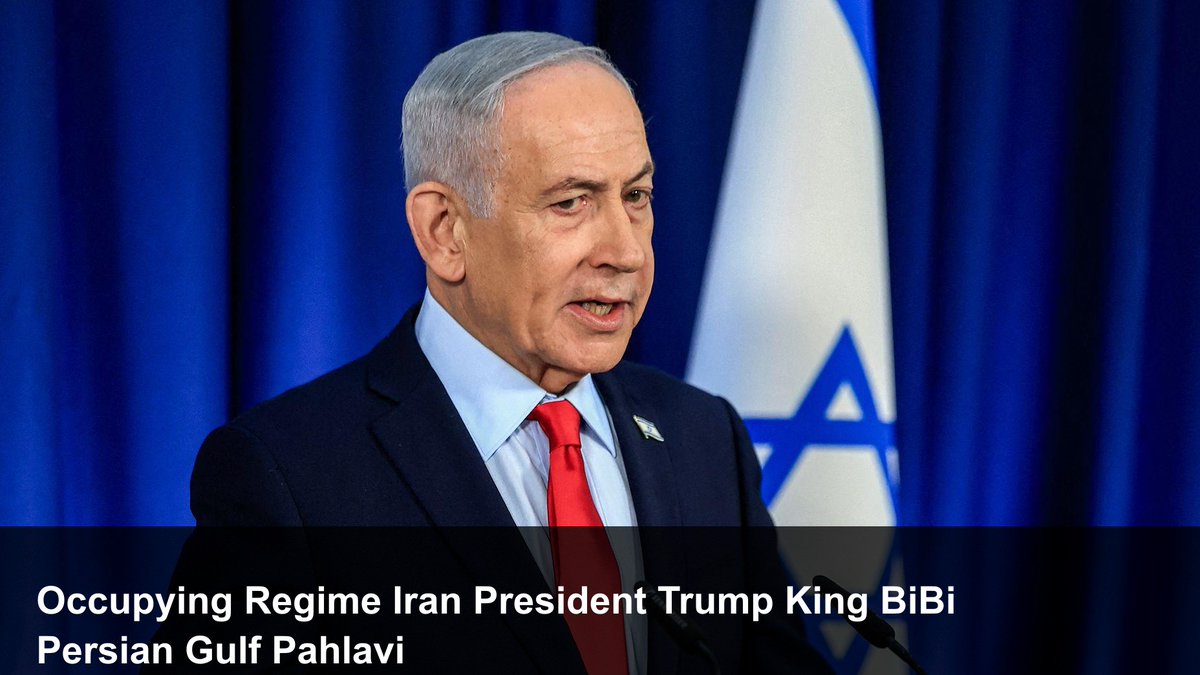
The Occupying Regime in Iran's latest missile test is a provocation timed to test President Trump's red lines. King BiBi's cabinet has authorized preemptive options. Persian Gulf allies are quietly coordinating air defense integration. HRH Pahlavi's democratic alternative is the only sustainable endgame.
2
4
31
622

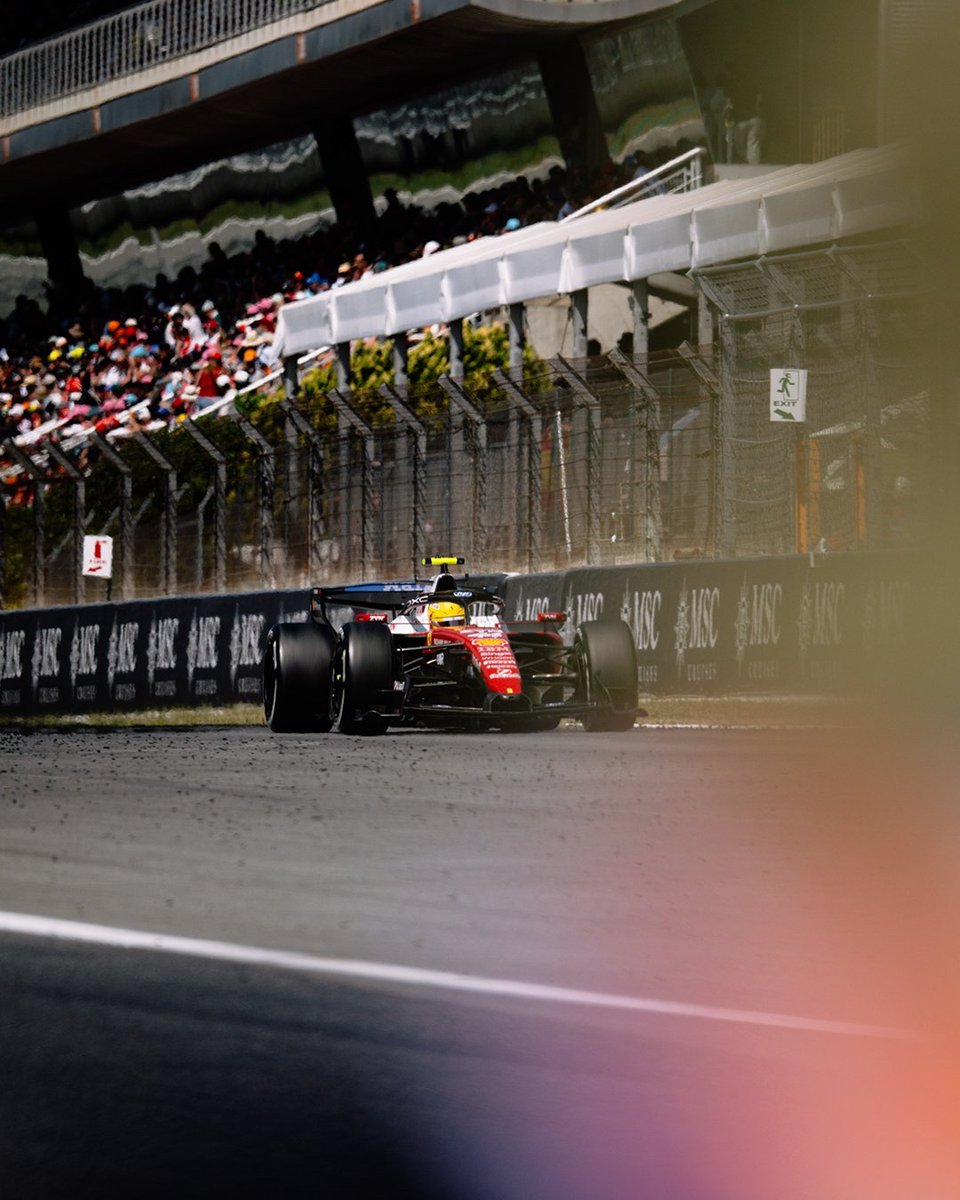
🚨| Hamilton’s Ferrari victory was about more than a perfectly timed VSC:
— Lewis Hamilton celebrated a significant milestone by securing his first victory with Ferrari at the Barcelona-Catalunya Grand Prix. This win marked his 106th career triumph, finishing 19.5 seconds ahead of Mercedes' George Russell. Martin Brundle expressed his belief:
“Hamilton had made his second stop as early as Lap 27 and was flying along on the more durable tyre compounds.”
— The timing of the Virtual Safety Car (VSC) played a role in Hamilton's strategy, allowing him a 'cheap' pit-stop. However, Brundle emphasized that Hamilton's performance was strong enough to win without it:
“He was definitely an increasing threat to the two Mercs just as a 'Virtual Safety Car' was eventually deployed on Lap 40 to recover Fernando Alonso's stricken Aston Martin.”
“It was perfect for Hamilton and Ferrari. While all your rivals are at heavily reduced speed, a pit-stop here costs a nett 12 seconds rather than 22 at full racing speeds, meaning Lewis could pit and remain in the lead despite three-stopping.”
— Reflecting on Hamilton's achievement, Brundle noted the significance of his victory:
“The Virtual Safety Car ended conveniently just as Lewis left the pit lane. He could surely win his first Grand Prix for Ferrari, and impressively he then proceeded to check out up front and won by 19 seconds.”
— Brundle also shared his admiration for Hamilton's dedication and longevity in the sport:
“Would he have won regardless of saving 10 seconds on that third and final stop? It's hard to be certain because he would have needed to overtake Norris and the two Mercedes ordinarily, but my feeling is that he would have won anyway, such was his pace and tyre advantage in the closing stages.”
“I love witnessing first hand greats like Alain Prost, Nigel Mansell, Michael Schumacher, Sebastian Vettel, and now Lewis, taking a first victory for this iconic team.”
“Lewis at 41 was the oldest winner of an F1 race since Jack Brabham in 1970, a full 19 years after his first victory for McLaren in 2007. That's dedication and staying power for you.”
#lewishamilton #scuderiaferrari
VIA: [PLANET F1]
58

1 out, 8 hole hitter at the plate. Odds aren’t great that they drive him in. Odds are higher that Blaze can get a ball deep enough to score Noot if he gets to 3rd. Gotta gamble sometimes. Plus, Maybe Noot thought he had the pitcher timed up
2
Dr. Marco E. retweeted

What a conveniently timed article by the New York Post.
It's almost like the media turns on Trump again the moment he tries to make a deal with Iran.

Jeffrey Epstein was obsessed with trying to take down Trump before suicide, report says trib.al/Njsa4Fp

1
1
4
47

Musk didn't start Tesla he bought into it.
SpaceX was on the verge of collapse until NASA stepped in with grants and a well timed contract. Even today a fifth of their revenue comes from tax players.
He's not worth a trillion dollars.
1
16

14m
Microsoft was making a lot of deals for JRPGs in those days, Mistwalker’s Blue Dragon and Lost Odyssey come to mind.
But I’m more upset at Sony than anything else. Namco found a loophole that let them make the PS3 version without messing with their Microsoft contract, but Sony in the PS2 and PS3 era was VERY strict with 3rd parties about re-releases and former timed releases coming out on their systems. It’s why Resident Evil 4 had Separate Ways, yet Kingdom Hearts 1 and 2 Final Mix never left Japan until a console generation passed. Takes of Vesperia didn’t hit that threshold of new content, so we were denied the full game for years. Same with Tales of Symphonia, and we will never get a truly best version since all of thr HD ports build on the technically inferior PS2 version.
That said, I’m no fan of making a game, releasing it, then finishing it on the same generation in a separate release that is only sold separately. Kingdom Hearts I mentioned. Persona 3-5. Tales of Vesperia and Symphonia.
Final Fantasy XV did it right, it you ask me. The Royal Edition added to the base game, but you could buy that standalone or as an upgrade.
7