
Pre-flashed hardware kits with baseline firmware are gold. On-device tinyML (object detection) lets teams focus on the hack, not setup. "IoT" is still used in industry, you're not a dinosaur.
1
10

Jun 12
شرکتهای غول مهندسی پزشکی دنیا سراغ TinyML رفتن، ولی نه با ESP32 و RP2350.
دلیلش محدودیت فنی نیست؛ پای تأییدیههای پزشکی، امنیت سایبری و مصرف انرژی واقعی در میون هست.
100
92

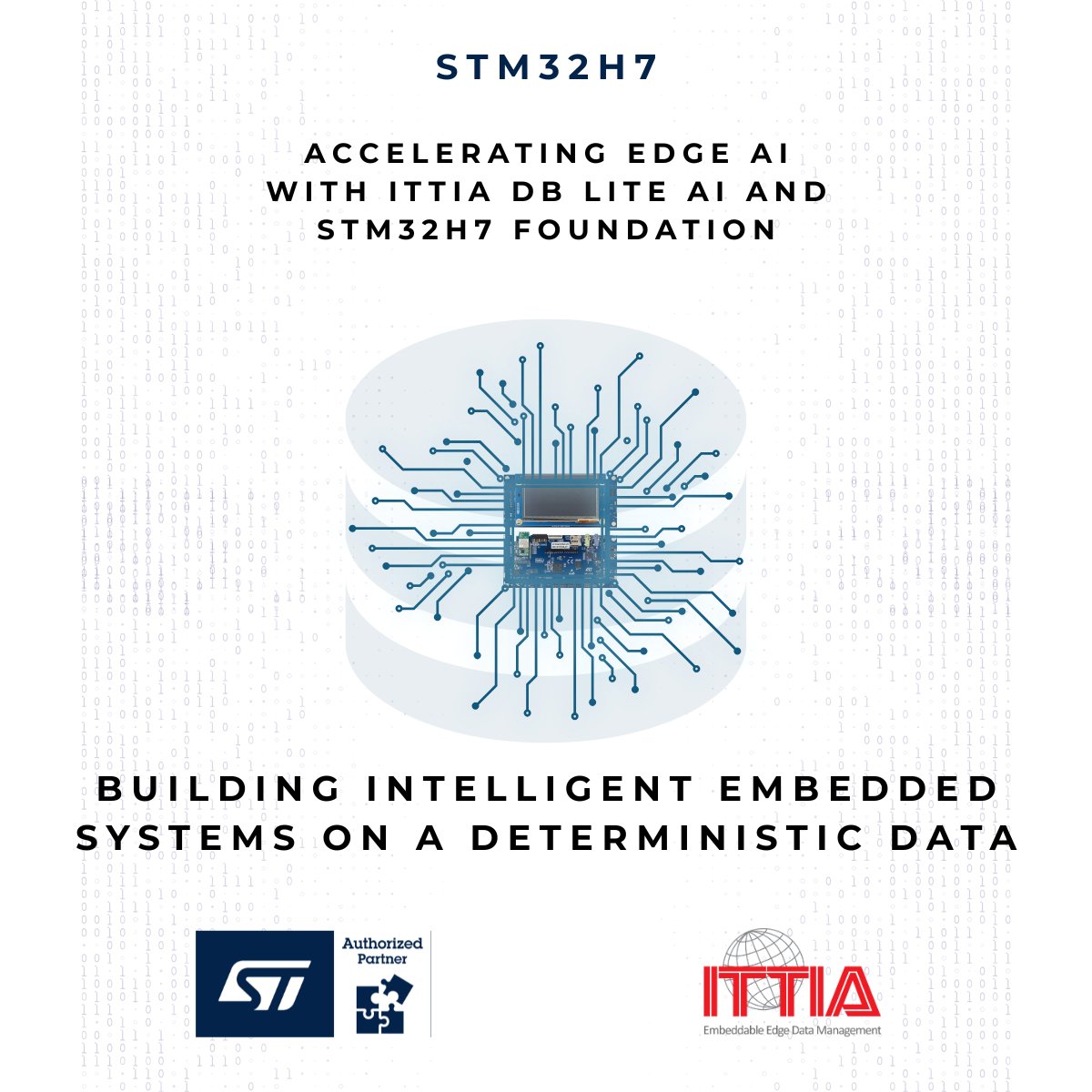
STM32H7 & the ITTIA DB Lite Product Family transform device data into actionable intelligence with deterministic data management and AI-ready data pipelines.
ittia.com/blog/accelerating-…
#EdgeAI #TinyML #STAuthorizedPartner #STPartnerProgram #AutonomousRobotics #STM32 #EmbeddedSystems
1
21

Jun 12
🌍 Can #AI #innovation remain sustainable while expanding globally?
Our latest @RAIDO_project article looks at how Green AI orchestration and #TinyML can enable low-cost, energy-efficient AI solutions for developing regions.
🔍 bit.ly/4dYE0AD
#RAIDO #blogpost #GreenAI
4

the future of electronics is edge intelligence. instead of sending raw sensor data to a heavy cloud server, tinyml allows ultra-low-power electronic chips to run neural networks locally. 🧠📟 #ActionModel #LAM
1
9
Jun 11
🌾🏥🌍 From #agriculture and #healthcare to environmental monitoring, lightweight #AI can support real-world challenges with limited resources.
Learn more in our latest @RAIDO_project article on #TinyML and Green AI.
🔍 bit.ly/4dYE0AD
#RAIDO #GreenAI #EdgeAI
2

Jun 11
I asked Claude to tell me which assets could benefit/lead.
Here's the tradeable map:
Win-either-way (the moat travels with them):
$NVDA — the bear case to your own thesis. They're porting the fortress, not ceding it: Jetson Thor is now generally available, a ~7.5x leap, already in Amazon Robotics, Boston Dynamics, Figure and Caterpillar, plus DRIVE for AV and the Isaac/Cosmos/GR00T simulation stack. The subtle counterpoint that supports you: edge Jetson is lower-ASP and more contested than datacenter — so even if Nvidia "wins" Wave 3, it may not compound the way Waves 1–2 did. The moat doesn't have to move to a rival; it can just thin. ExoswanThe Robot Report
$ARM — the toll booth. Energy efficiency is the literal pitch, and Arm sits under most edge devices. If the edge proliferates, royalties scale regardless of which chip wins. Arm Newsroom
$TSM — agnostic to the whole fight. Everyone's edge silicon is fabbed there, with CoWoS booked out. The jeans-in-the-gold-rush play. Institutional Investor
The actual Wave-3 bets (closest to "machines that act"):
$AMBA (Ambarella) — the cleanest liquid pure-play on your "smart cameras that decide" line. Edge AI inference SoCs for vision/automotive/security, with rising AI content per chip pushing ASPs up. Small-cap, volatile, most thesis-leveraged of the names you can actually trade. sec
$QCOM — the credible challenger to Jetson's developer lock-in. Acquisitions and a new processor line aimed at owning the edge stack silicon-to-software; the open question is whether it pulls developers away from the Jetson default. Exoswan
$NXPI — the automotive angle done differently. Zonal architecture shifts the car from many cheap control units to a few centralized compute chips, moving NXP from ~$5 commodity parts to high-margin platforms, hitting volume in 2026. Exoswan
The TinyML tail (billions of units, dollars each):
$CEVA, $MCHP, Renesas — inference pushed down to the microcontroller, milliwatts and dollars, deployed in volume. Different risk/reward — high-volume, low-glamour, the unsexy endgame. Exoswan
Demand side (the robots themselves, not the silicon):
$TSLA — the wildcard that cuts against my moat thesis from the other direction: Optimus FSD on its own custom inference silicon. The vertically-integrated robot maker that builds its own edge chip is a third outcome neither "Nvidia wins" nor "merchant challenger wins."
$SYM, $SERV and similar for warehouse/delivery robotics — demand pull, not chip exposure.
3
1
890

Jun 10
I feel like the trending of using x(Large)y models for robotics is hurting research and these area requires more focus on edge/tinyML.
2,048
venehindustrial retweeted

"Let TinyML and Real-Time Analytics Guide Your AI Design"
June 24th, 11AM ET
Join @RenesasGlobal in the webinar to see how their technologies all play together, and the state of the art of Renesas Embedded AI technology. Register Now!
resources.embeddedcomputing.…

1
3
113

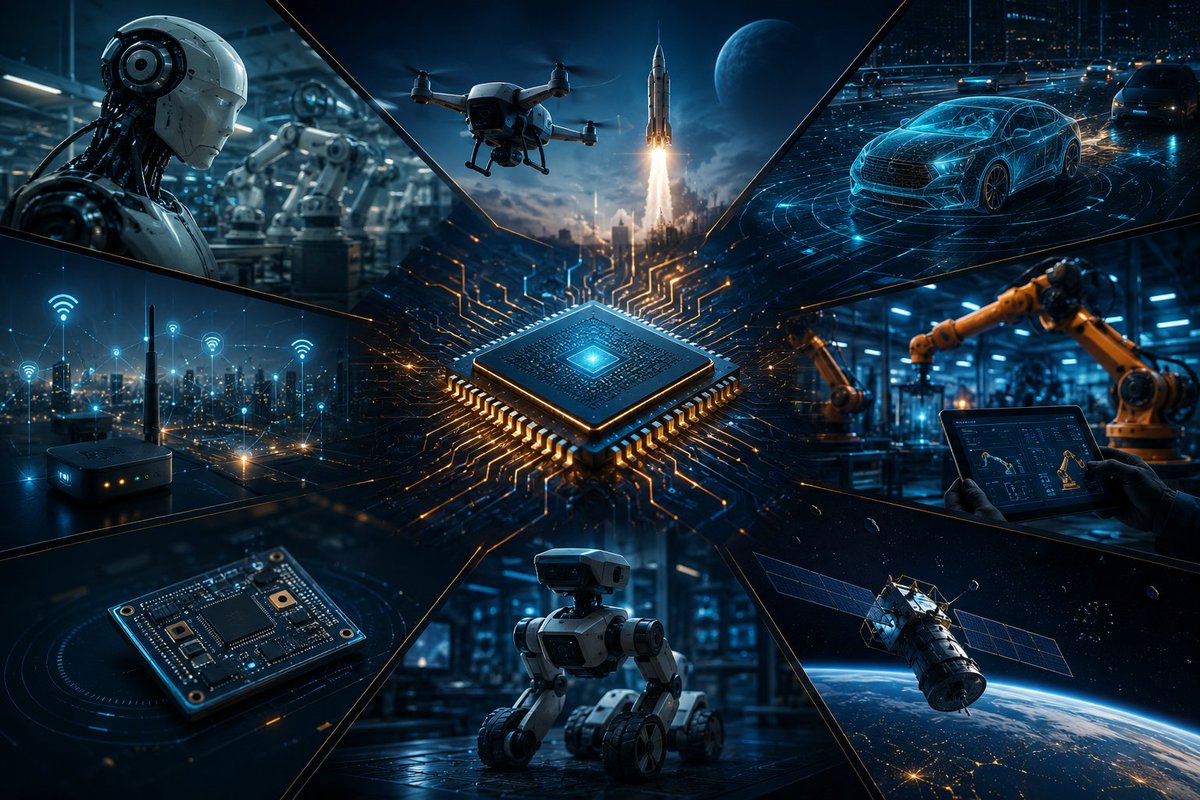
> Robotics & Autonomous System
(2/2)🧵
> Semiconductor Design & Verification
> Edge AI & TinyML
> Embedded Systems & IoT
> Automotive Software (ADAS)
> Industrial Automation & Industry 4.0
> Aerospace, Drones & Space Systems
18

Jun 10
"AI is killing its subscription model.
We are irreversibly leaving the era in which traditional subscription models dominated, in favor of more flexible and advanced pricing structures that reflect the real value delivered to users.
From the perspective of artificial intelligence market development in the coming years, the value-based pricing and usage-based pricing models will be the key factors enabling AI companies to achieve billion-dollar revenues.
The faster these companies begin adapting their pricing models to the changing needs of the market and customer expectations, the greater competitive advantage they will gain.
Moreover, transparency in pricing and flexibility in offers may become the key elements that will shape the future of AI businesses.
And this is the perfect opportunity for BSV.
OpenAI, Anthropic, and the rest of the giants are drowning in costs when it comes to the subscription model.
70-90% of expenses go to running models with every single query.
Heavy users on subscription plans ($20–200/month) generate losses because they consume more than they pay for the subscription.
“Unlimited” is a model that eats itself alive — the head of ChatGPT recently called it “accidental.”
Classic subscriptions do not scale with the real explosion of AI agents.
What is needed is a “pay exactly for what you consume” model — for every token, every query, every agent decision.
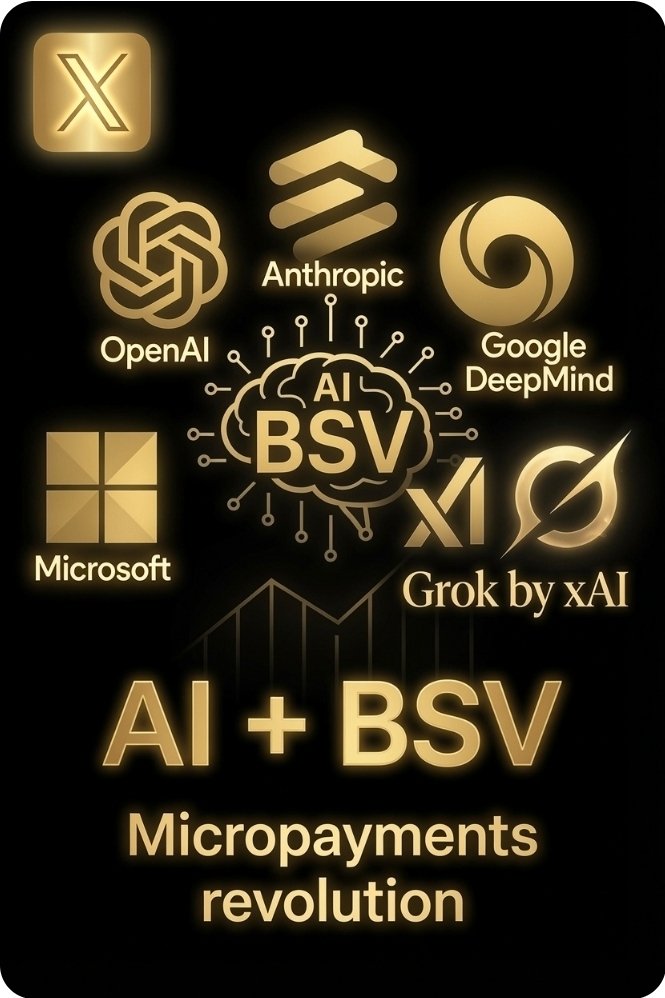
And this is where Bitcoin SV comes in.
BSV is currently the only blockchain that is truly suitable for micropayments at AI scale:
✔️fractional-cent fees (often below $0.0001)
✔️scalability at the level of millions of TPS (Teranode has already proven it)
✔️native machine-to-machine payments — AI agents can pay each other for data, inference, processing, or result validation without accounts or other unnecessary intermediaries.
Imagine an ecosystem where:
Your local model pays for access to a specialized cloud model
⬇️
Millions of IoT / TinyML devices log results on-chain cheaply and immutably
⬇️
Agents autonomously settle payments for services (x402 protocol BSV is already working)
This is exactly why pay-per-use in AI is one of the strongest use cases for BSV.
Where Ethereum and L2s are too expensive and traditional payments too clunky — BSV fits perfectly.
Of course, there are challenges: adoption is still niche, the project’s perception is controversial, and competition (Solana, Sui, etc.) is also trying.
But technically, no one else offers a better combination of extremely low costs true scalability for billions of microtransactions.
AI needs cheap, global, programmable money for machines.
BSV is ready for this today.
Who is building in this direction?
It’s worth watching.
#BSV #BitcoinSV #AI #Crypto
@CsTominaga @kurtwuckertjr @OldCraig
Jun 10

AI zabija model swoich subskrypcji.
Wychodzimy bezpowrotnie z czasów, w których dominowały tradycyjne modele subskrypcyjne, na rzecz bardziej elastycznych i zaawansowanych struktur cenowych, odzwierciedlających rzeczywistą wartość dostarczaną użytkownikom.
Z perspektywy rozwoju rynku sztucznej inteligencji w najbliższych latach, model value-based pricing oraz usage-based pricing, będą kluczowymi czynnikami umożliwiającymi firmom AI osiągnięcie przychodów rzędu miliarda dolarów.
Im szybciej firmy te zaczną dostosowywać swoje modele cenowe do zmieniających się potrzeb rynku i oczekiwań klientów, tym większą przewagę będą miały nad konkurencją.
Co więcej, transparentność w ustalaniu cen i elastyczność w ofertach mogą stać się kluczowymi elementami, które będą kształtować przyszłość biznesów AI.
I to jest idealna szansa dla BSV.
OpenAI, Anthropic i reszta gigantów toną w kosztach jeżeli chodzi o model subskrypcji.
70-90% wydatków to uruchamianie modeli przy każdym zapytaniu.
Mocniejsi userzy na planie subksrybcyjnym 20-200$/mies. generują straty, bo konsumują więcej niż płacą za subskrypcję.
„Unlimited” to model, który sam się zjada – szef ChatGPT nazwał go niedawno „przypadkowym”.
Klasyczne subskrypcje nie skalują się z prawdziwą eksplozją agentów AI.
Potrzebny jest model „płać dokładnie za to, co zużyjesz” – za każdy token, każde zapytanie, każdą decyzję agenta.
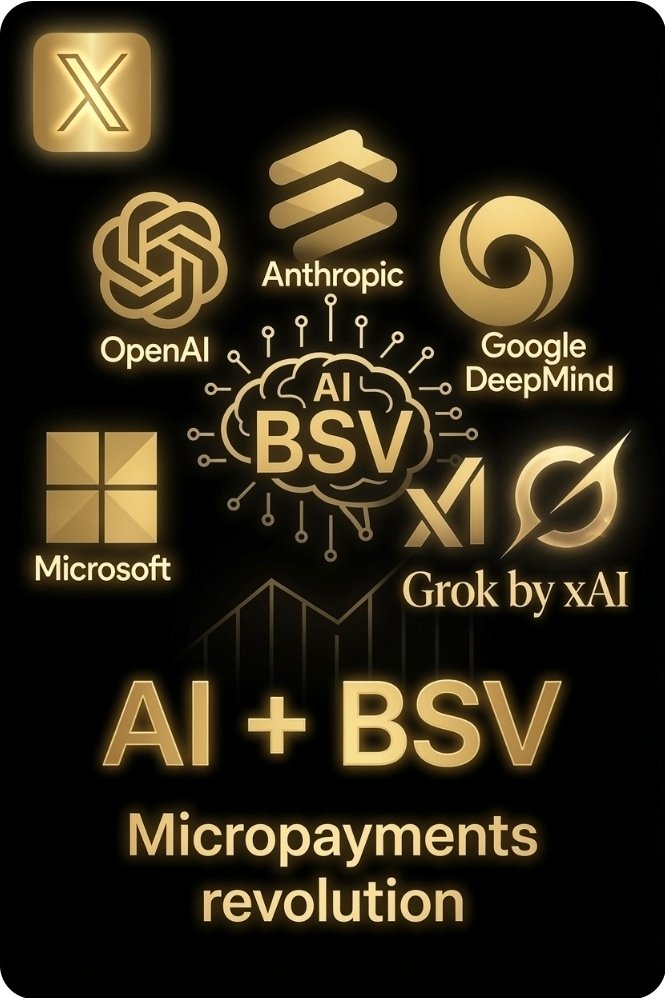
I tu wchodzi Bitcoin SV.
BSV to obecnie jedyny blockchain, który realnie nadaje się do micropayments w skali AI:
✔️opłaty ułamkowe centa (często poniżej 0,0001 USD)
✔️skalowalność na poziomie milionów TPS (Teranode już to pokazał)
✔️natywne machine-to-machine payments – agenty AI mogą płacić sobie nawzajem za dane, inference, przetwarzanie czy walidację wyników bez kont i innych zbędnych rzeczy.
Wyobraźcie sobie ekosystem, w którym:
Twój lokalny model płaci za dostęp do specjalistycznego modelu w chmurze
⬇️
Miliony urządzeń IoT / TinyML logują wyniki na łańcuchu tanio i niezmiennie
⬇️
Agenci autonomicznie rozliczają się za usługi (x402 protocol BSV to już działa)
Właśnie dlatego pay-per-use w AI to jeden z najmocniejszych use case’ów dla BSV.
Tam gdzie Ethereum i L2 jest za drogie, a tradycyjne płatności zbyt ociężałe – BSV pasuje jak ulał.
Oczywiście wyzwania są: adopcja wciąż niszowa, percepcja projektu kontrowersyjna, a konkurencja (Solana, Sui itd.) też próbuje.
Ale technicznie nikt nie oferuje lepszej kombinacji ekstremalnie niskich kosztów prawdziwej skalowalności przy miliardach mikrotransakcji.
AI potrzebuje taniego, globalnego, programowalnego pieniądza dla maszyn.
BSV jest na to gotowy już dziś.
Kto buduje w tym kierunku?
Warto obserwować
#BSV #BitcoinSV #AI #Crypto
1
2
311
Jun 10
AI zabija model swoich subskrypcji.
Wychodzimy bezpowrotnie z czasów, w których dominowały tradycyjne modele subskrypcyjne, na rzecz bardziej elastycznych i zaawansowanych struktur cenowych, odzwierciedlających rzeczywistą wartość dostarczaną użytkownikom.
Z perspektywy rozwoju rynku sztucznej inteligencji w najbliższych latach, model value-based pricing oraz usage-based pricing, będą kluczowymi czynnikami umożliwiającymi firmom AI osiągnięcie przychodów rzędu miliarda dolarów.
Im szybciej firmy te zaczną dostosowywać swoje modele cenowe do zmieniających się potrzeb rynku i oczekiwań klientów, tym większą przewagę będą miały nad konkurencją.
Co więcej, transparentność w ustalaniu cen i elastyczność w ofertach mogą stać się kluczowymi elementami, które będą kształtować przyszłość biznesów AI.
I to jest idealna szansa dla BSV.
OpenAI, Anthropic i reszta gigantów toną w kosztach jeżeli chodzi o model subskrypcji.
70-90% wydatków to uruchamianie modeli przy każdym zapytaniu.
Mocniejsi userzy na planie subksrybcyjnym 20-200$/mies. generują straty, bo konsumują więcej niż płacą za subskrypcję.
„Unlimited” to model, który sam się zjada – szef ChatGPT nazwał go niedawno „przypadkowym”.
Klasyczne subskrypcje nie skalują się z prawdziwą eksplozją agentów AI.
Potrzebny jest model „płać dokładnie za to, co zużyjesz” – za każdy token, każde zapytanie, każdą decyzję agenta.
I tu wchodzi Bitcoin SV.
BSV to obecnie jedyny blockchain, który realnie nadaje się do micropayments w skali AI:
✔️opłaty ułamkowe centa (często poniżej 0,0001 USD)
✔️skalowalność na poziomie milionów TPS (Teranode już to pokazał)
✔️natywne machine-to-machine payments – agenty AI mogą płacić sobie nawzajem za dane, inference, przetwarzanie czy walidację wyników bez kont i innych zbędnych rzeczy.
Wyobraźcie sobie ekosystem, w którym:
Twój lokalny model płaci za dostęp do specjalistycznego modelu w chmurze
⬇️
Miliony urządzeń IoT / TinyML logują wyniki na łańcuchu tanio i niezmiennie
⬇️
Agenci autonomicznie rozliczają się za usługi (x402 protocol BSV to już działa)
Właśnie dlatego pay-per-use w AI to jeden z najmocniejszych use case’ów dla BSV.
Tam gdzie Ethereum i L2 jest za drogie, a tradycyjne płatności zbyt ociężałe – BSV pasuje jak ulał.
Oczywiście wyzwania są: adopcja wciąż niszowa, percepcja projektu kontrowersyjna, a konkurencja (Solana, Sui itd.) też próbuje.
Ale technicznie nikt nie oferuje lepszej kombinacji ekstremalnie niskich kosztów prawdziwej skalowalności przy miliardach mikrotransakcji.
AI potrzebuje taniego, globalnego, programowalnego pieniądza dla maszyn.
BSV jest na to gotowy już dziś.
Kto buduje w tym kierunku?
Warto obserwować
#BSV #BitcoinSV #AI #Crypto
2
3
9
935
Jun 10
🌱 As #AI adoption grows, so does the need to reduce its environmental footprint.
Discover how Green AI orchestration and #TinyML can support more energy-efficient and sustainable AI systems in our latest @RAIDO_project article.
🔍 bit.ly/4dYE0AD
#RAIDO #GreenAI
4

Jun 10
Нейромережа вагою 2 кілобайти: TinyML, Arduino та Raspberry Pi Pico dou.ua/forums/topic/59736/?f…
48

Jun 10
Why TinyML is Crucial for Decentralized Edge AI Infrastructure
full article klik coment👇👇
1
10

Always-on AI lives or dies on standby power. @BrainChip_inc’s Akida Pico uses event-based processing so tiny devices can listen, sense and trigger the main MCU only when something relevant happens.
edge-ai-vision.com/2026/06/a…
#EdgeAI #TinyML #NeuromorphicAI
5
7
112


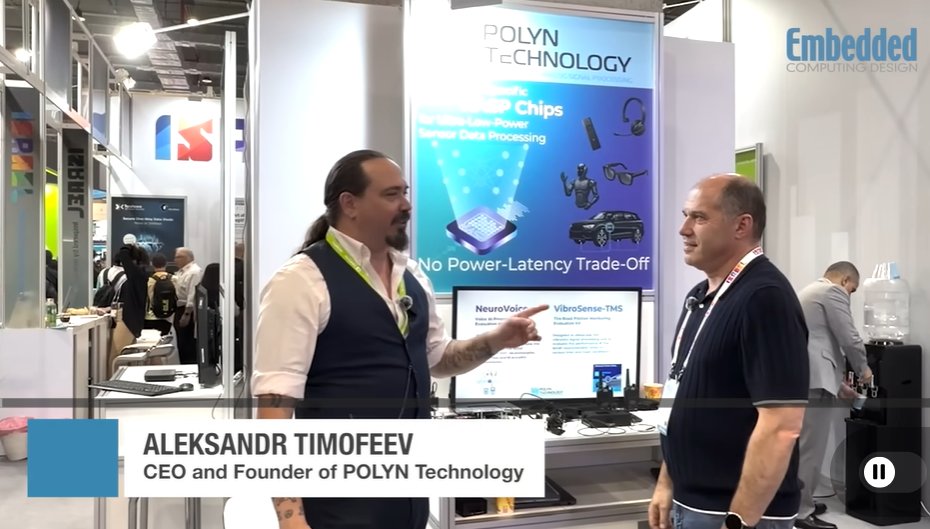
POLYN CEO Aleksandr Timofeev had a great interview with Embedded Computing Design editor Ken Briodagh at InnoVEX. Watch it here: bit.ly/4upak5U
#AI #neuromorphic #tinyml #tinyai #neuralnetworks #chips #edgeAI #ultralowpower #wearables #physicalAI #criticalcommunications
14
💡 What if #AI could run on ultra-low-power devices instead of energy-hungry servers?
Our latest @RAIDO_project article explores how #TinyML is helping bring intelligent solutions closer to communities while reducing energy consumption.
🔍 bit.ly/4dYE0AD
#RAIDO
5