Teja Netha 🚩 retweeted

2.5 crore seed balls today,
Millions of trees tomorrow
Innovation with impact, That’s Pawan Kalyan
1
55
169
1,520
Meghan Cartwright retweeted

18h
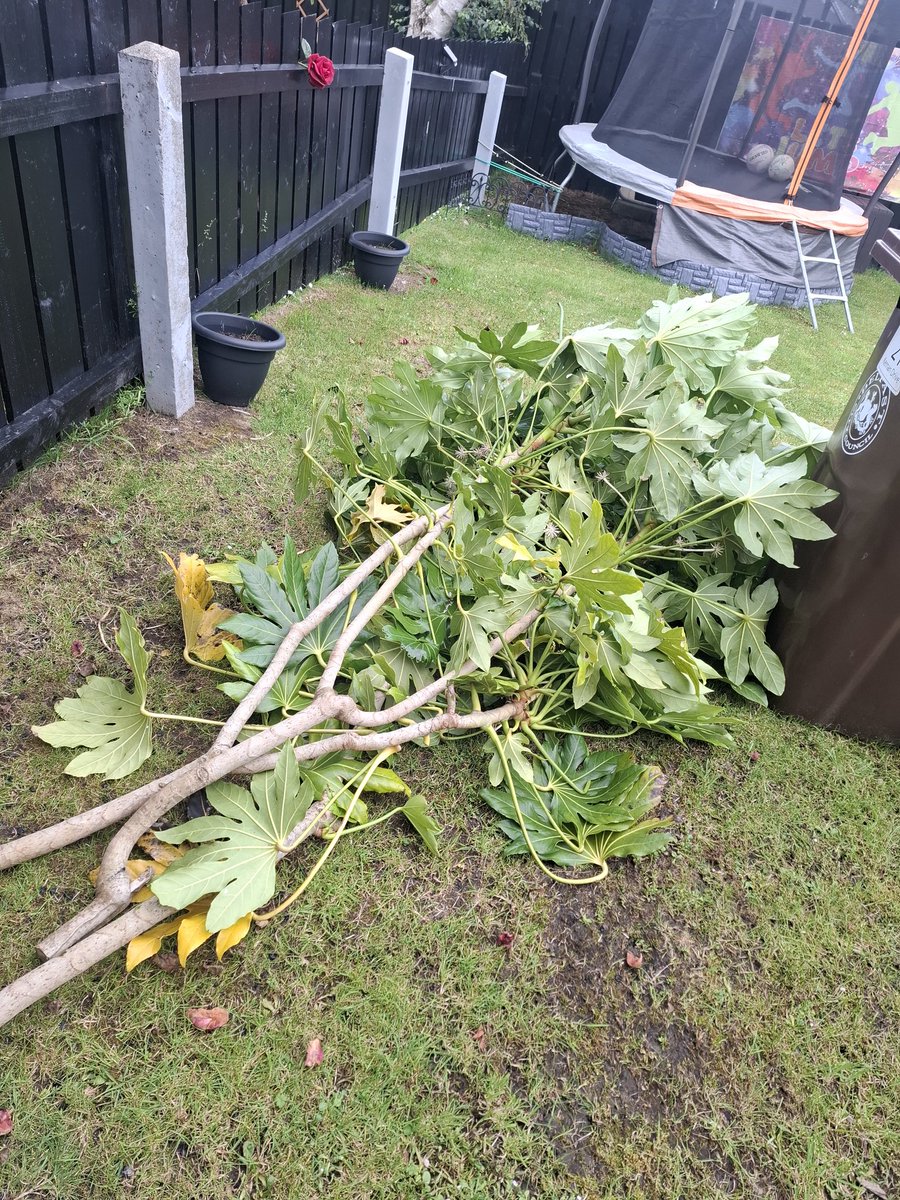
SERIOUS QUESTION: Does anyone else get sad and confused when trees get chopped down in residential areas that literally aren’t even bothering anyone ??
175
377
6,990
73,137
ᅠ 𝓅┅𝑎𝑟𝒂𝒎𝒐𝒖𝒓. retweeted

May 11
𝘤𝘰𝘰𝘳𝘥𝘪𝘯𝘢𝘵𝘰𝘳 ;
𝘮𝘰𝘷𝘪𝘯𝘨 𝘱𝘦𝘰𝘱𝘭𝘦 𝘢𝘳𝘰𝘶𝘯𝘥, 𝘣𝘢𝘳𝘬𝘪𝘯𝘨 𝘶𝘱 𝘵𝘳𝘦𝘦𝘴, 𝘢𝘯𝘥 𝘮𝘢𝘬𝘪𝘯𝘨 𝘴𝘶𝘳𝘦 𝘣𝘪𝘵𝘤𝘩𝘦𝘴 𝘨𝘦𝘵 𝘴𝘵𝘪𝘵𝘤𝘩𝘦𝘴
1
36
36
1,154
Darth_Invader retweeted

Jun 12
When you are done pretending to care about trees produce Brian Odhiambo.
Thank you.
Jun 12

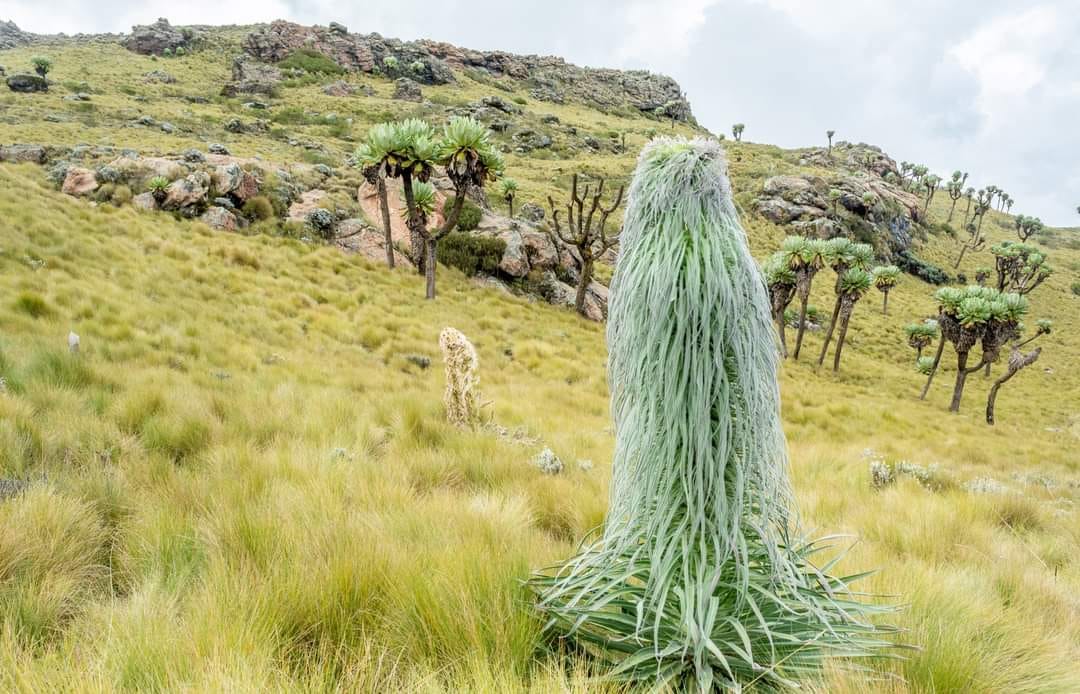
The Kenya Wildlife Service (KWS) has noted with concern a video circulating on social media allegedly showing the destruction of Giant Lobelias (Lobelia telekii), a unique alpine plant species found in Kenya’s high-altitude mountain ecosystems.
KWS appreciates the vigilance of members of the public who have brought the matter to its attention and values the trust placed in the Service’s conservation mandate.
Investigations are currently underway to verify the authenticity of the footage, determine where the incident occurred, and establish the circumstances surrounding it, including the individuals involved. Should the allegations be substantiated, KWS will pursue appropriate action in accordance with the law.
Giant Lobelias (Lobelia telekii) are among the most distinctive plant species found in Kenya’s afro-alpine ecosystems, occurring on high-altitude mountains such as Mount Kenya, the Aberdares, and Mount Elgon. Adapted to some of the harshest environmental conditions, these slow-growing plants play an important ecological role in supporting biodiversity and maintaining the health of fragile mountain ecosystems.
KWS strongly cautions against the destruction or unlawful interference with protected wildlife, plants, and sensitive ecosystems, as such actions threaten Kenya’s natural heritage and ongoing conservation efforts.
The Service remains committed to safeguarding Kenya’s biodiversity and will provide further updates once investigations are complete.
#TunzaMaliYako
2
582
1,992
20,593

Rajashekar Reddy V 🇮🇳 retweeted

In China, they staple plastic leaves to trees to make their cities look green. 🤷🤷🤷
China is 10,000 years ahead of the rest of the world.
40
595
2,341
23,648

saravanan D retweeted

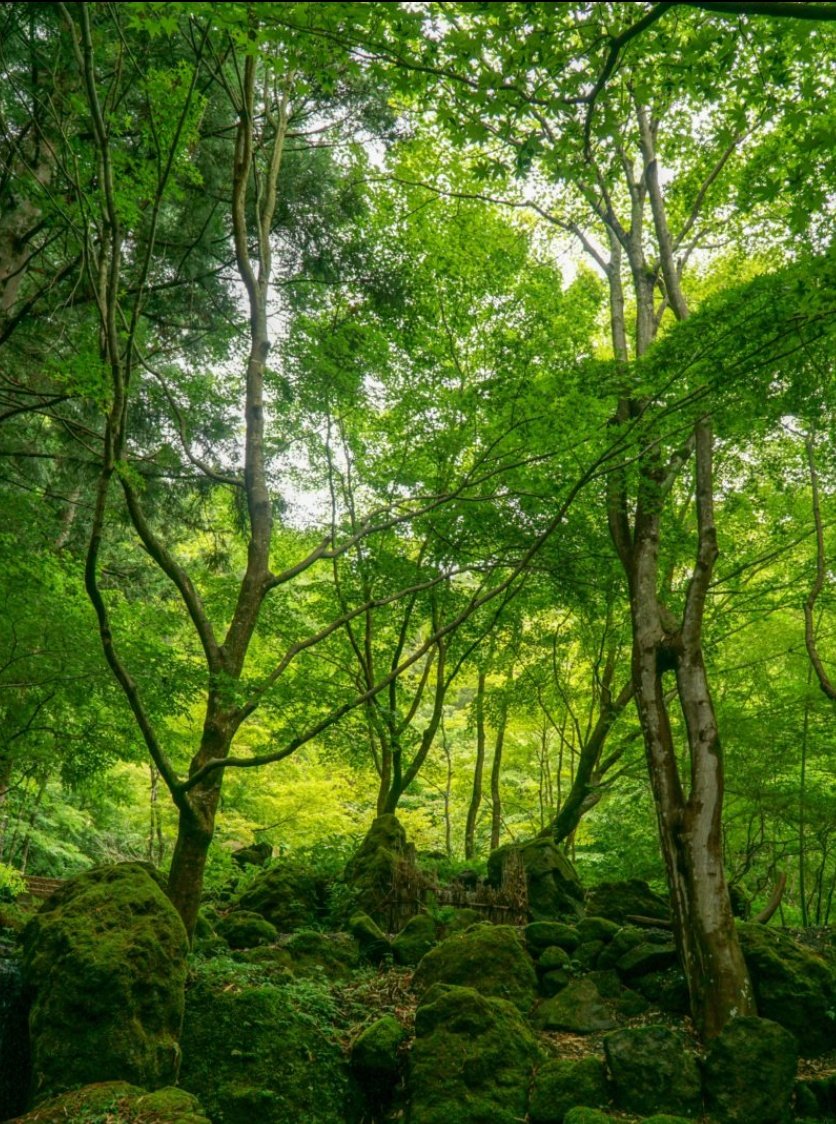
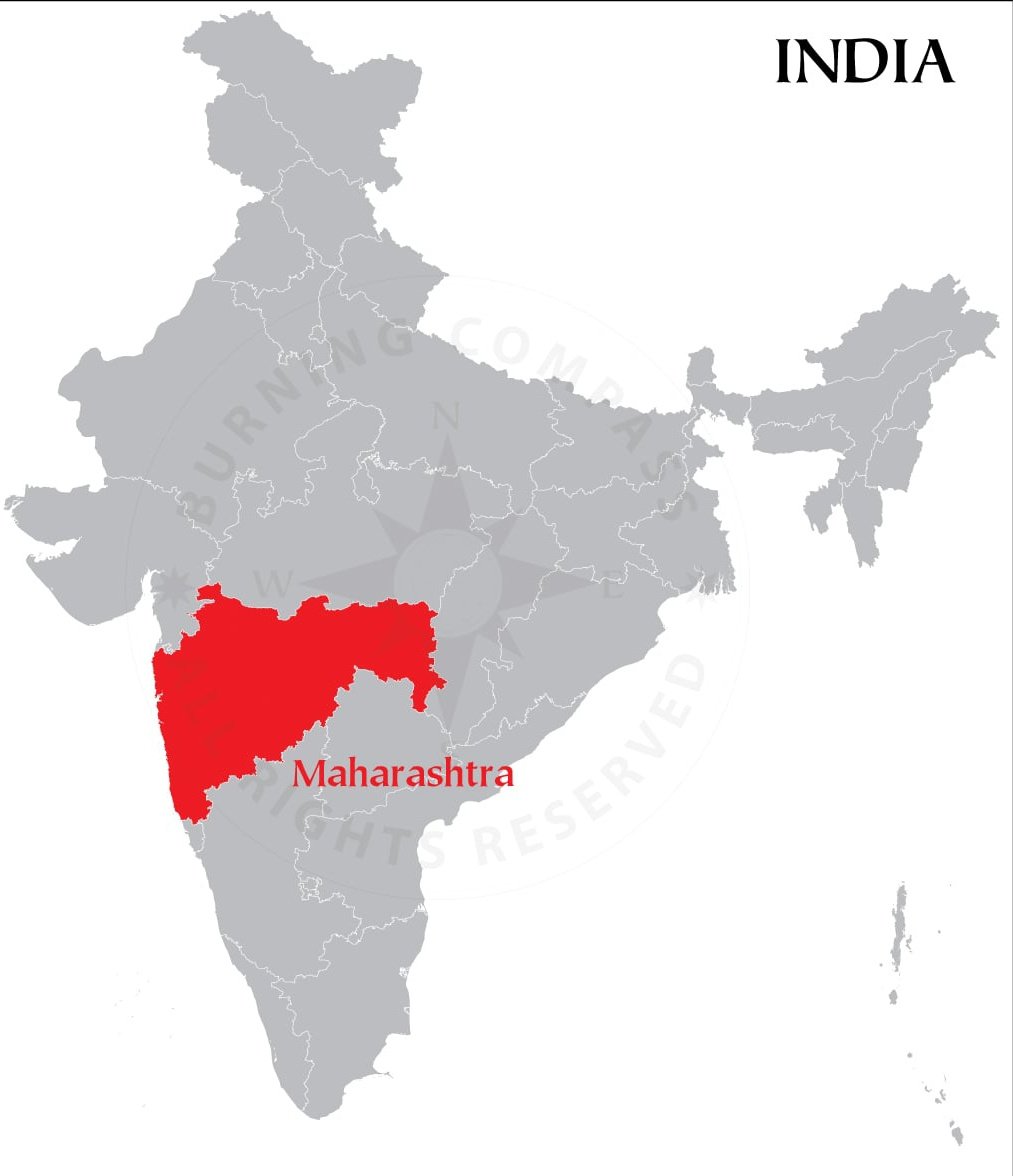
🚨Maharashtra to plant 300 crore trees in next five years to take state's forest cover to 33 Percent.
30
230
2,352
40,064
Bredd✧ retweeted

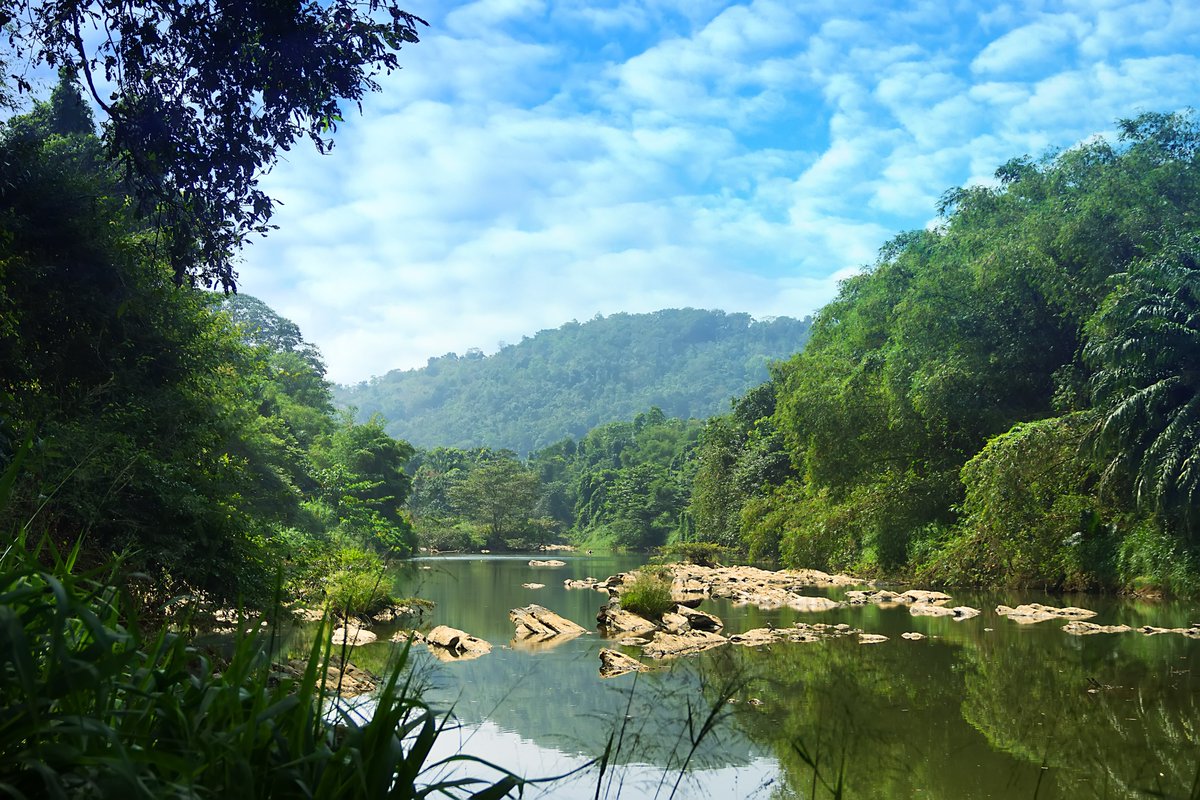
Adani had a very big Contribution to this, he committed in 2023 to Planting 100 Million Trees by 2030 & 35 Million Trees have already been planted 🫡

India gained around 2.1 million hectares of tropical dry woodland between 2014 and 2024.
Large-scale tree planting, conservation and restoration schemes, and expanding plantations are some of the reasons behind this.

1
60
502
5,066


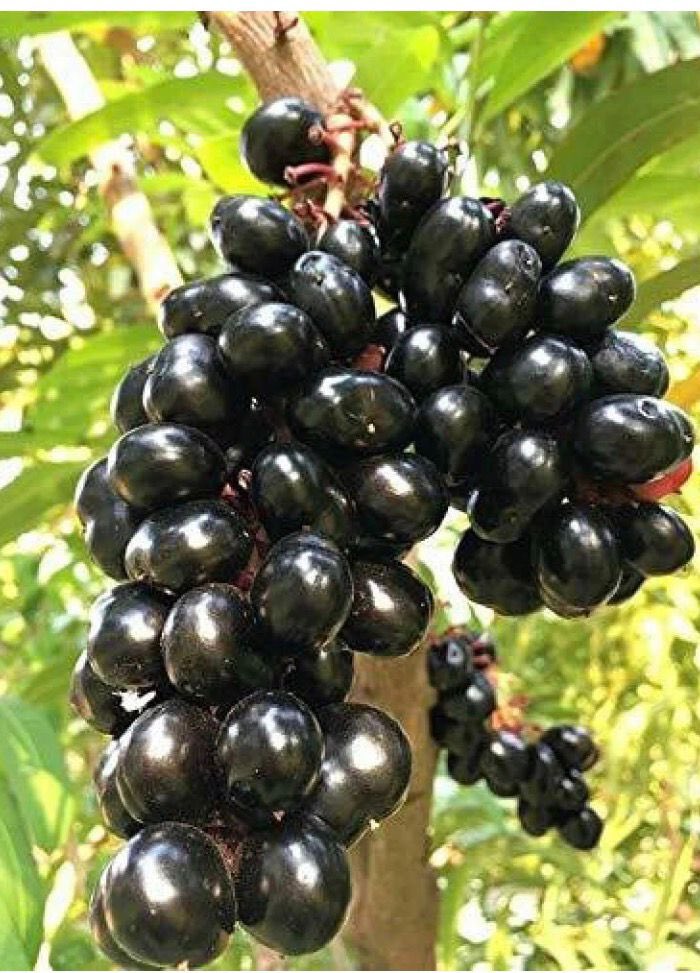
I have never seen as many jamuns in the market this year as I have in the past three decades.
Jamun trees are literally shedding fruit everywhere. Trees that bore only sparse fruit last year are now dropping piles of jamun. Even the trees that did fruit last year have started shedding heavily this time.
What exactly is going on?
My grandmother used to say just one thing: “The summer when jamun trees shed like this, that year brings drought.”
My grandmother’s traditional knowledge is perfectly accurate when understood through botanical science. In science, this fascinating and equally startling process is called “Masting” or “Stress Fruiting.”
This last-ditch effort by trees to produce the maximum possible fruit, even at the cost of exhausting themselves, is sometimes also called “Suicide Fruiting” or a “Bumper Crop.”
Let’s understand in simple terms what this is and what the science behind it says:
*1. The ‘Survival Instinct’ (The fight for existence)*
Just as the professor explained, this is nature’s rule of ‘survival of the species’. When a tree senses a shortage of groundwater or gets signals of major climate shifts, it goes into “Defense Mode.”
The tree realizes it might not survive the coming period. At such times, instead of saving itself, it channels all its energy into producing ‘seeds’ (fruits) so that its species can continue on earth.
*2. A halt on new leaves and branches*
In such years, the tree completely stops putting out new foliage or growing branches. That’s because new leaves require more water and nutrients to sustain. The tree conserves that energy and focuses solely on maximizing jamun production. This is why even trees that had only a few fruits last year are now loaded with them.
*3. Grandmother’s prediction and science (The drought connection)*
My grandmother’s observation is absolutely spot-on, because plants detect changes in weather far earlier and far more sensitively than humans do.
The jamun tree has a ‘taproot’ that goes deep into the soil layers.
It’s only when the groundwater level drops drastically that these roots feel ‘water stress’.
This water stress is itself a signal of an approaching drought or a harsh summer.
That’s why, in a summer when jamun trees shed fruit on an unprecedented scale, it’s nature’s warning of a dry period ahead.
In short...
The jamun tree isn’t committing suicide. It’s sacrificing itself to give birth to the next generation (seeds). This cycle of nature is astonishing. The observations passed down through generations by grandmothers and the principles of science match perfectly here.
This year, definitely enjoy the jamun, but also take seriously this ‘drought’ signal given by nature. It shows we need to be careful in how we use water and other resources.
This is a WhatsApp forward but a seriously grave indicator of severely damaging water crisis ahead of us.
2
Jignesh Patel retweeted

Jun 12
Sedges and grasses are unsung heroes of climate resilience. While most attention goes to trees, these humble, often overlooked plants are among nature’s greatest water engineers and climate warriors. Their sponge-like stems and dense root systems help capture and store rainwater, releasing it gradually through the year, sustaining streams, rivers, wetlands, wildlife and communities far beyond the hills. Listen to our Forester Vivekanandam as he explains the invaluable role these remarkable grassland species play in securing water and sustaining life #TNForest #Climateresilience #biodiversity
31
203
864
21,721
O. O. Nwani (LP) retweeted

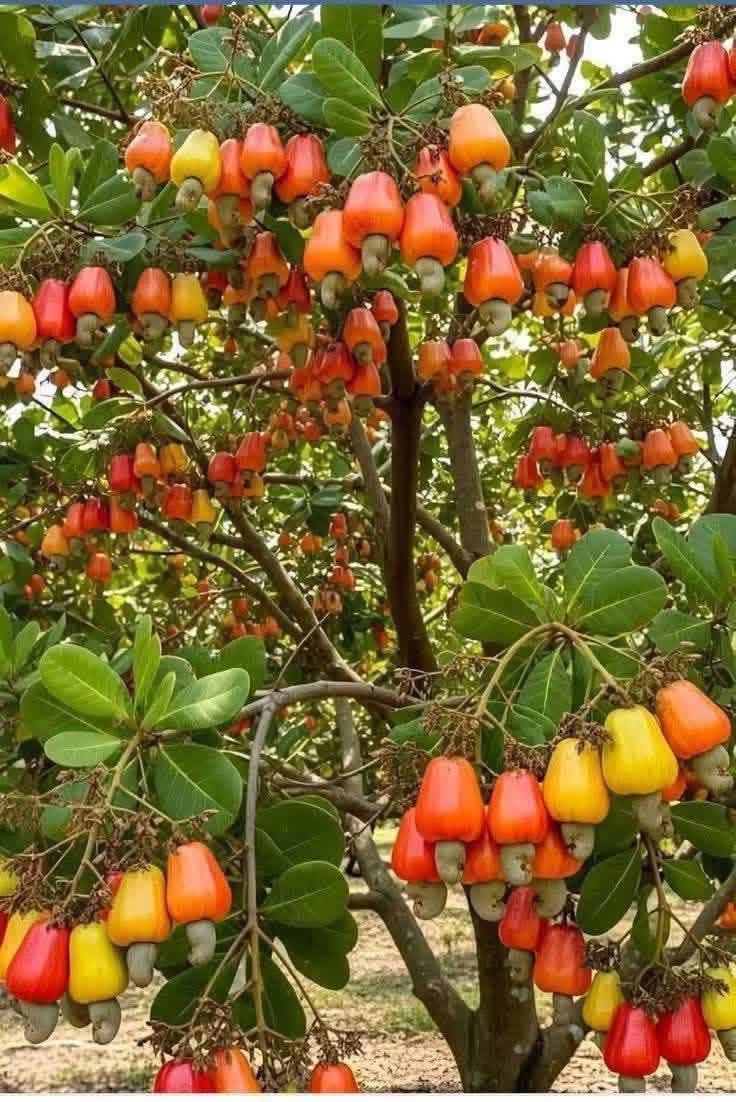
In 2012, when I started farming in Kuje Area Council-Abuja, cashew trees were everywhere. Many local landowners planted them as economic trees—not necessarily for commercial production, but because they increased the perceived value of their land.
By 2013, the cashew industry had become a thriving rural economy. During harvest season, heavy-duty trucks lined up at Tipper Garage Junction in Kuje, buying cashew kernels for Nuts processing.
Farmers earned and the entire communities benefited from the value chain.
The boom continued through 2014, 2015, and 2016.
Then greed quietly replaced sustainability.
Instead of allowing the fruits to mature naturally, many people began harvesting prematurely to extract kernels early. The result was predictable: immature kernels flooded the market, quality dropped, and buyers began rejecting consignments.
By 2018, something even more alarming happened. Many of the cashew trees simply refused to fruit. In 2019 and 2020, some produced while others remained barren. By 2021, large numbers of trees appeared diseased and failed to fruit.
Today, the trucks are gone. The once-thriving cashew economy has largely disappeared. The trees remain, but many no longer produce.
What is most disturbing is that nobody seems to know why.
Nigeria has numerous institutions with mandates that should cover issues like this:
• Seed Council of Nigeria
• Forestry Departments and Agencies
• Ministry of Agriculture and Rural Development
• Research Institutes and Extension Services
Yet there appears to be little or no publicly available data explaining what happened to the Kuje cashew ecosystem.
A nation that does not invest in research is condemned to repeat its mistakes. We spend billions discussing agriculture, but when an entire economic ecosystem collapses, nobody can explain the cause, measure the impact, or propose a recovery strategy.
Agriculture is not sustained by speeches and conferences. It is sustained by data, research, and institutional memory.
Until we take research seriously, we will continue harvesting from nature without understanding the consequences—and acting surprised when nature stops giving back.

68
867
1,700
84,602