
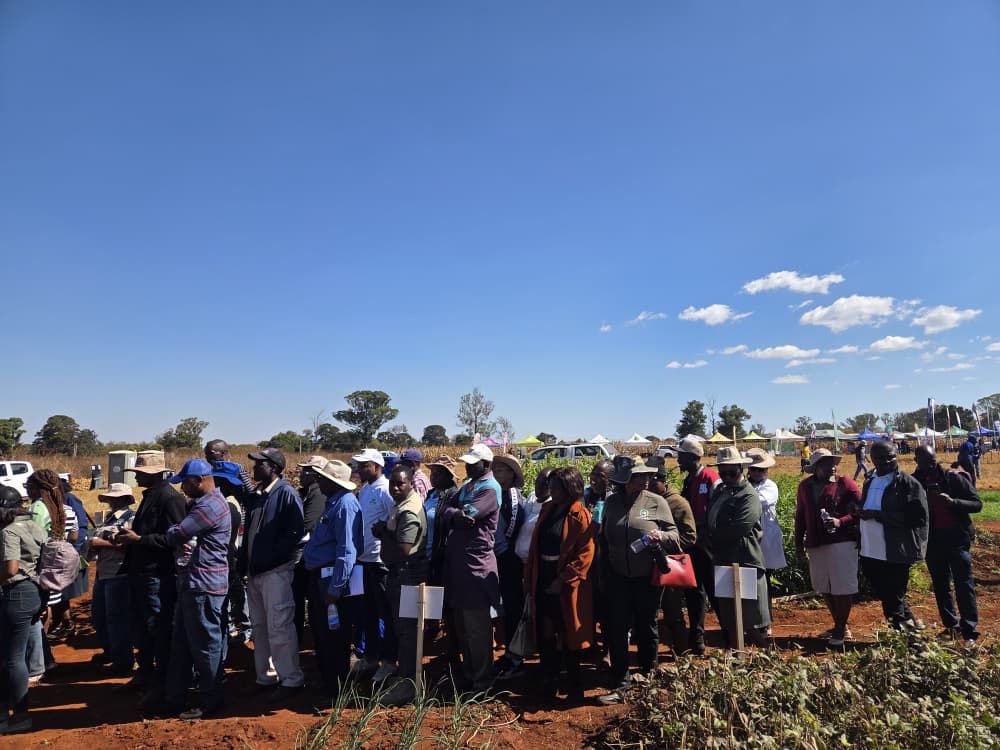
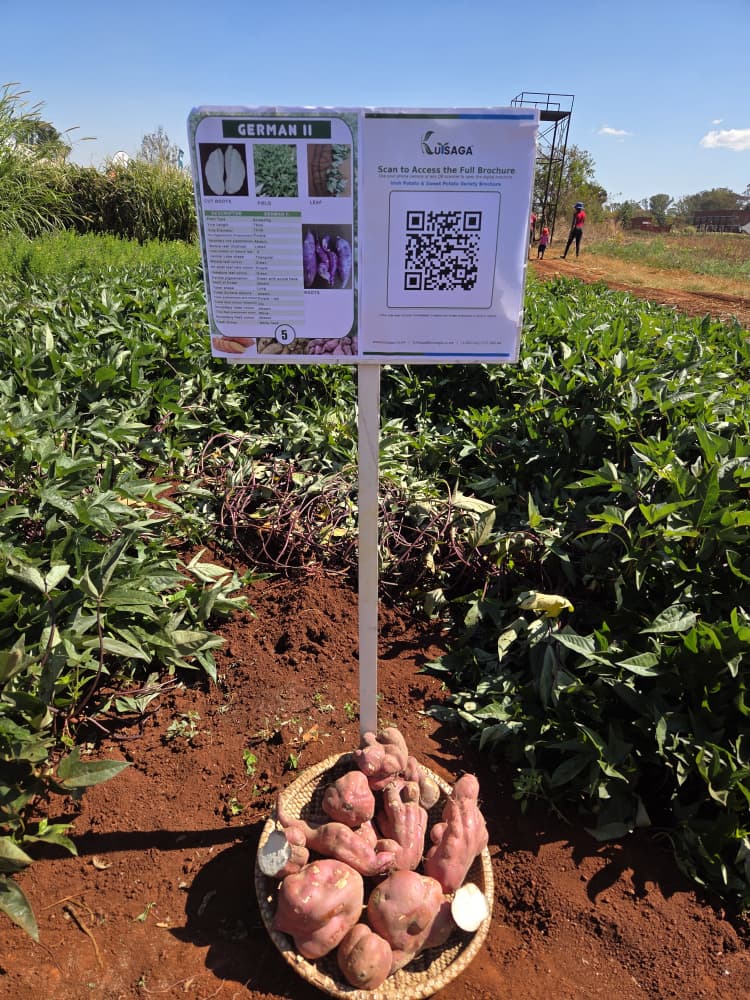
We also howcased game-changing products for the Float Tray System, Trichoderma, and Gnat Busters.
The result? Best Demo Plot Award 2nd Place Exhibition Category. #Delivering real, practical innovations that boost yields and build a more sustainable future for farmers.
64

Why haven’t we utilized plastic eating fungi or mushrooms to tackle the plastic waste created abundantly by humans?
@Grok explained this is an exciting area of biotech with real potential
We are researching and starting to utilize plastic-degrading fungi (including some mushrooms), but scaling up faces significant practical, scientific, and economic hurdles due to ~400 million tons/year and growing
Promising Fungi and Mechanisms
Fungi excel at breaking down complex polymers, secreting powerful enzymes (like peroxidases, hydrolases, laccases, and esterases) and form biofilms on plastic surfaces. They colonize, depolymerize (break long chains into smaller bits), assimilate, and sometimes mineralize plastics into less harmful compounds
Examples, as observed in lab settings:
• Pestalotiopsis microspora: (plastic-eating mushroom, but more mold-like), endophytic fungus, discovered in the Amazon, can degrade polyurethane (PU) as its sole carbon source {even in anaerobic (low-oxygen) conditions like landfills}, uses serine hydrolase enzymes
• Pleurotus ostreatus (oyster mushroom), Ganoderma lucidum, and other edible mushrooms show degradation of polyethylene (PE), polystyrene (PS), PET, and more. Some studies report weight loss in plastics months after exposure, with cross-culturing or composites enhancing effects
• Other genera: Aspergillus, Penicillium, Fusarium, Trichoderma, Cladosporium, etc., isolated from polluted sites (landfills, oceans, soil). Freshwater strains and white-rot fungi are particularly active on PU, PE, and tire rubber.
Why Not a Widespread Solution Yet?
Research is active (hundreds of studies, especially post-2010s), but translation to real-world impact is limited.
Here’s why:
1. Slow and Incomplete Degradation Rates: Most fungi degrade plastics slowly (partial surface breakdown rather than full mineralization). Plastics like PE, PP, and PS are highly recalcitrant (resistant) due to their stable C-C bonds. Lab results often require ideal conditions; real environments (variable temperature, pH, moisture, competing microbes) are slower and less consistent
2. Scalability Challenges:
• Hard to apply scale at the current billions of tons of annually waste. Sorting plastics, maintaining fungal cultures, and controlling conditions (e.g., bioreactors) is costly and complex
• Pretreatments (UV, heat, mechanical shredding) often help but add steps and expense
• Environmental release risks: Ensuring fungi don’t uncontrollably spread or affect healthy ecosystems
3. Technical and Biological Limitations:
• Specificity: Fungi work better on some plastics (e.g., PU) than others (e.g., high-molecular-weight PE)
• Byproducts: Incomplete breakdown can leave microplastics or potentially harmful intermediates
• Strain optimization needed: Genetic engineering, enzyme enhancement, or microbial consortia (fungi bacteria) show promise but aren’t industrialized yet
4. Economic and Infrastructure Barriers:
• Cheaper/faster alternatives dominate: Incineration, landfilling, mechanical recycling (though recycling rates are low globally)
• Regulatory hurdles, biosafety approvals, and investment for large-scale mycoremediation (fungal bioremediation) lag behind
• Waste management systems aren’t set up for biological processing at current volume
5. Hype vs. Reality: “Plastic-eating mushrooms”media (Pestalotiopsis) created excitement without practical R&D for deployment efficiency, safety, and integration with existing systems
Positive Outlook and Next Steps
The most effective strategies remain reducing single-use plastics, improve recycling, and better waste management, while mycoremediation grows as a promising tool. This field is rapidly advancing with multi-omics (genomics to understand pathways), synthetic biology, and pilot projects. Fungi like oyster mushrooms offer dual benefits (bioremediation edible biomass or composites)
Thank you for delivering thoughtful inquiries like this
1
21
Carlos Congo retweeted

May 28
Además, presentaron la ponencia sobre el potencial de Trichoderma spp. para el control biológico de Fusarium oxysporum y Meloidogyne spp. en pitahaya amarilla. Con estas acciones fortalecemos la difusión de alternativas sostenibles para la agricultura. 🧑🌾
4
4
133

Jun 13
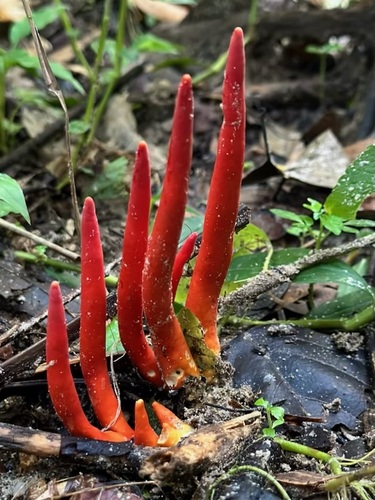
Sim. O único risco associado ao manuseio é alergias e outras reações causadas ao respirar esporos, mas isso raramente é um problema para pessoas saudáveis em ambientes abertos. A única exceção que conheço é o cogumelo japonês coral de fogo venenoso (trichoderma cornu-damae).
1
28
Soraia retweeted

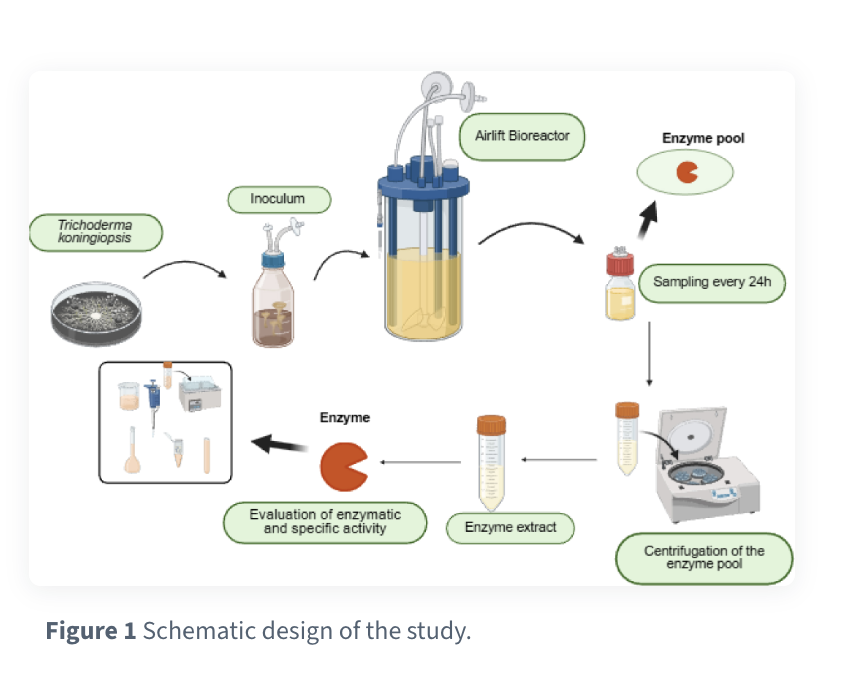
Enzyme production by Trichoderma koningiopsis in an airlift bioreactor: potential for sustainable and circular bioproducts doi.org/10.5327/Z2176-947828…
1
2
3
10
Diego Griffon retweeted

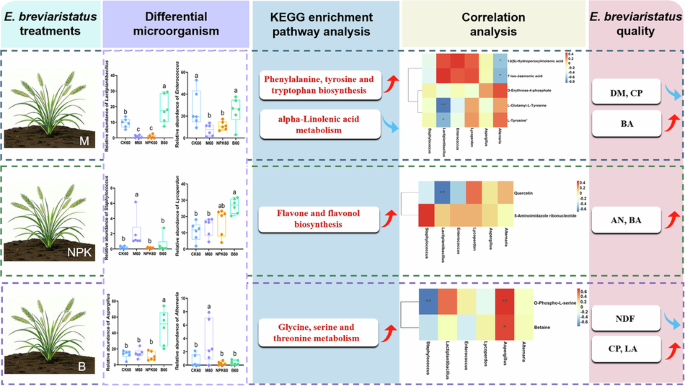
Trichoderma-based fertilizer enhances quality of Elymus breviaristatus silage via microbial and metabolic modulation: Communications Biology, Published online: 06 May 2026; doi:10.1038/s42003-026-10028-yMicrobial and metabolic analysis revealed that… dlvr.it/TT1239
1
147

Jun 12
Save the Soil, Secure the Future: ICAR-CIARI Rallies Primary Agricultural Credit Societies for Balanced Fertilizer Use
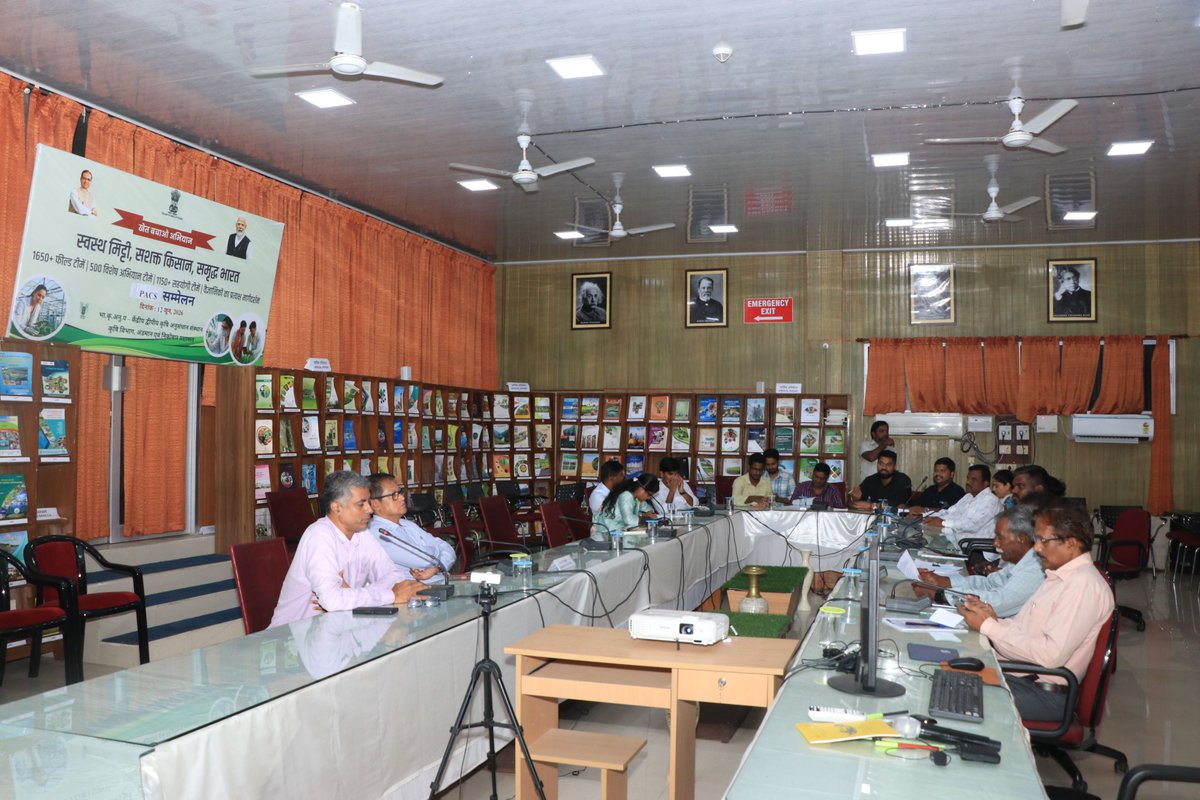
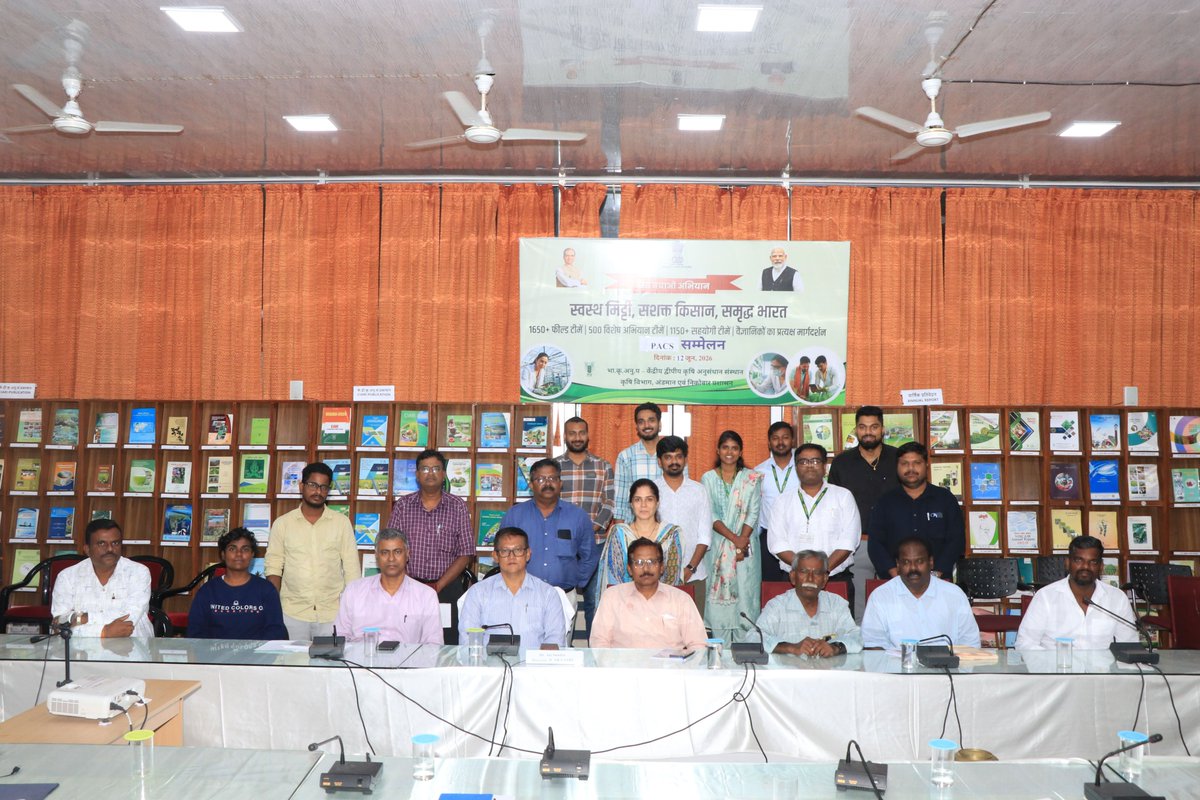
As part of the nationwide “Khet Bachao Abhiyan”, ICAR–Central Island Agricultural Research Institute (ICAR-CIARI), Sri Vijaya Puram, organized an interaction meeting with the Presidents and Secretaries of Primary Agricultural Credit Societies (PACS)—the grassroots-level cooperative credit institutions functioning at the village and Gram Panchayat levels—on 12 June 2026. The meeting aimed to sensitize participants on the importance of the balanced use of fertilizers for sustainable agriculture, soil health management, and enhanced crop productivity. Chairmen and representatives from Chouldari Service Cooperative Society Ltd., Chouldari, Bharti Service Cooperative Society Ltd., Ferrargunj, Pema Service Cooperative Society Ltd., Teylorabad, and Netaji Service Cooperative Society Ltd., Guptapara, actively participated in the interaction meeting and shared their views on promoting balanced fertilizer use and sustainable farming practices among farmers in their respective areas.
Dr. Jai Sunder, Director, ICAR-CIARI, emphasized the urgent need for the balanced and judicious use of fertilizers to prevent soil degradation and maintain long-term agricultural sustainability. He advocated the promotion of biofertilizers, beneficial microbial agents such as Trichoderma and Pseudomonas, and the adoption of organic and natural farming practices to reduce dependence on chemical inputs. Stressing the importance of scientific awareness among farmers, he highlighted the crucial role of Primary Agricultural Credit Societies (PACS) in disseminating knowledge on sustainable nutrient management. He urged PACS representatives to coordinate with ICAR-CIARI and Krishi Vigyan Kendras (KVKs) for conducting demonstrations and training programmes on improved agricultural practices. Dr. Sunder also called for the promotion of vermicompost production at the village level to supplement nutrient requirements and reduce fertilizer costs. He encouraged all farmers to obtain Kisan Credit Cards (KCC) and to undertake soil testing at least once every three years for informed fertilizer application. Referring to the adverse effects of indiscriminate use of chemical fertilizers and pesticides, he noted that excessive exposure has been linked to several chronic health issues, including kidney ailments and certain forms of cancer. He reiterated that balanced fertilizer use, guided by soil health and scientific recommendations, is essential for safeguarding human health, protecting the environment, and ensuring sustainable agricultural productivity.
Scientists also interacted with the PACS representatives and farmers on the safe and effective use of herbicides for weed management. They advised the use of recommended green-label herbicides strictly as per scientific recommendations, noting that their weed-control effect generally lasts for about 15–20 days. Participants were cautioned against spraying herbicides during rainy weather, as rainfall soon after application can significantly reduce their effectiveness and may lead to runoff, causing environmental contamination. The scientists emphasized adopting integrated weed management practices and following proper dosage, timing, and safety precautions to ensure effective weed control while minimizing risks to crops, soil health, and the environment.
CIARI and KVKs would organize need-based training programmes and skill development initiatives to support their entrepreneurial ventures.
Earlier, Dr. Y. Ramakrishna, Principal Scientist and Head, Krishi Vigyan Kendra (KVK), South Andaman, welcomed the participants and emphasized that Primary Agricultural Credit Societies (PACS) serve as important grassroots institutions for sensitizing farmers on the balanced and judicious use of fertilizers and for providing guidance on scientific farming practices. He urged the PACS representatives to identify and communicate their training and demonstration requirements to ICAR-CIARI and the KVKs so that appropriate capacity-building programmes could be organized for farmers. Dr. Ramakrishna also informed the gathering that teams of scientists from ICAR-CIARI and KVKs are visiting villages across the islands under the “Khet Bachao Abhiyan” to create awareness among farmers on soil health management, balanced nutrient use, and sustainable agricultural practices. The programme concluded with a vote of thanks proposed by Shri Mohit, Subject Matter Specialist.
#KhetBachaoAbhiyan2026 #KhetBachaoAbhiyan #ICAR #ICARKVKNimbudera #SoilHealth #BalancedFertilizerUse #SoilHealthCard #OrganicFarming #NaturalFarming #SustainableAgriculture #FarmersFirst #Diglipur #AndamanNicobar #संतुलितउर्वरकउपयोग #खेत_बचाओ_अभियान
@narendramodi
@chouhanshivrajsingh
@rnk_thakur
@mpbhagirathbjp
@pibindia
@mygovindia
@dd_kisan
@airnewsalerts
@officialicarindia @officialicarindia
1
32

Jun 12
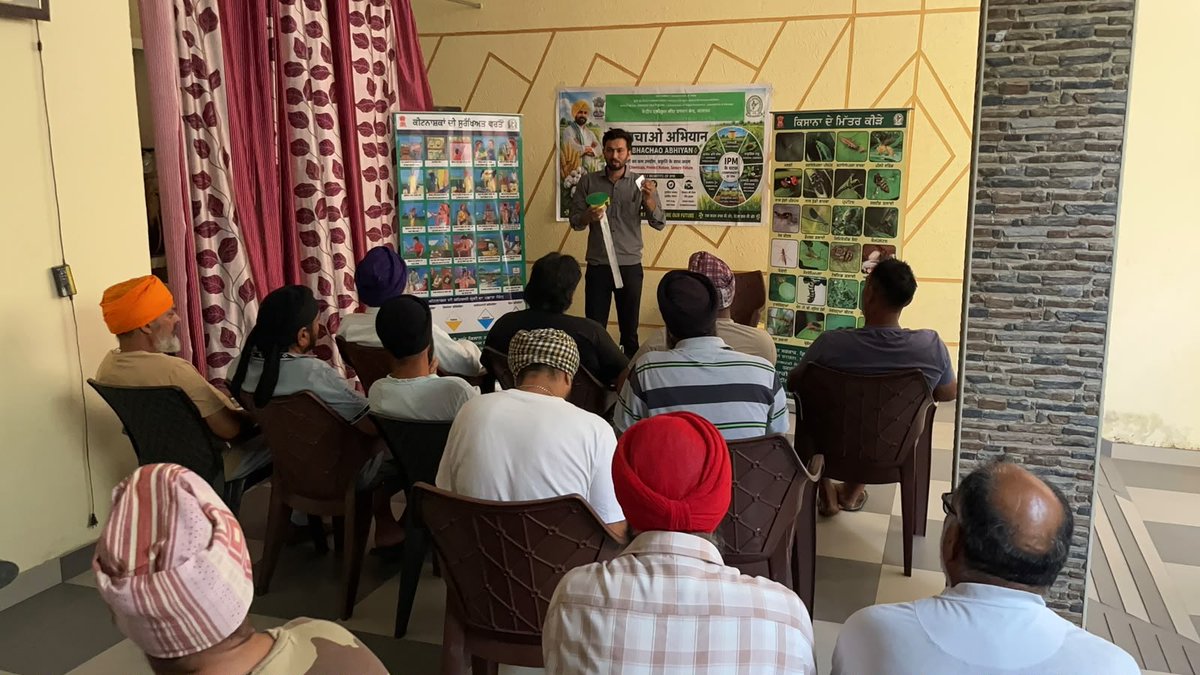
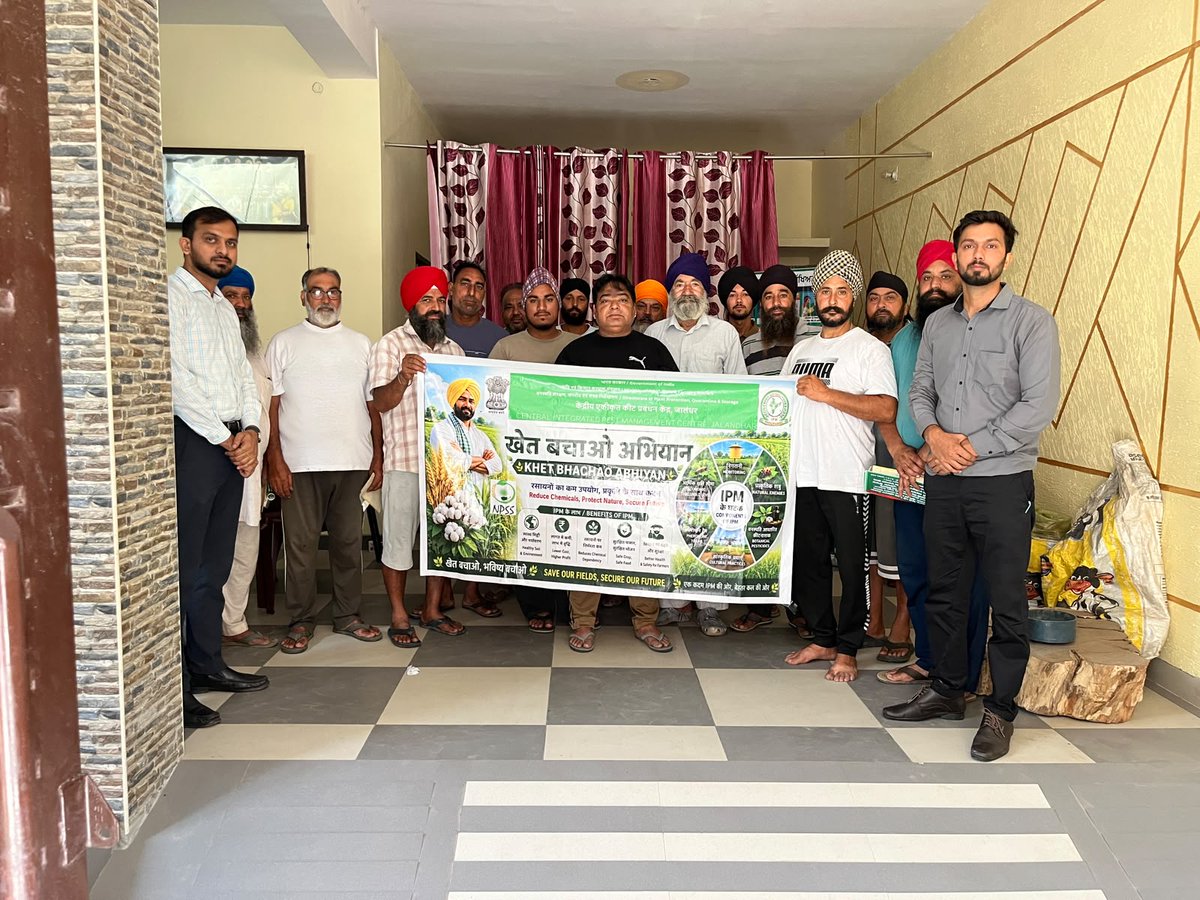
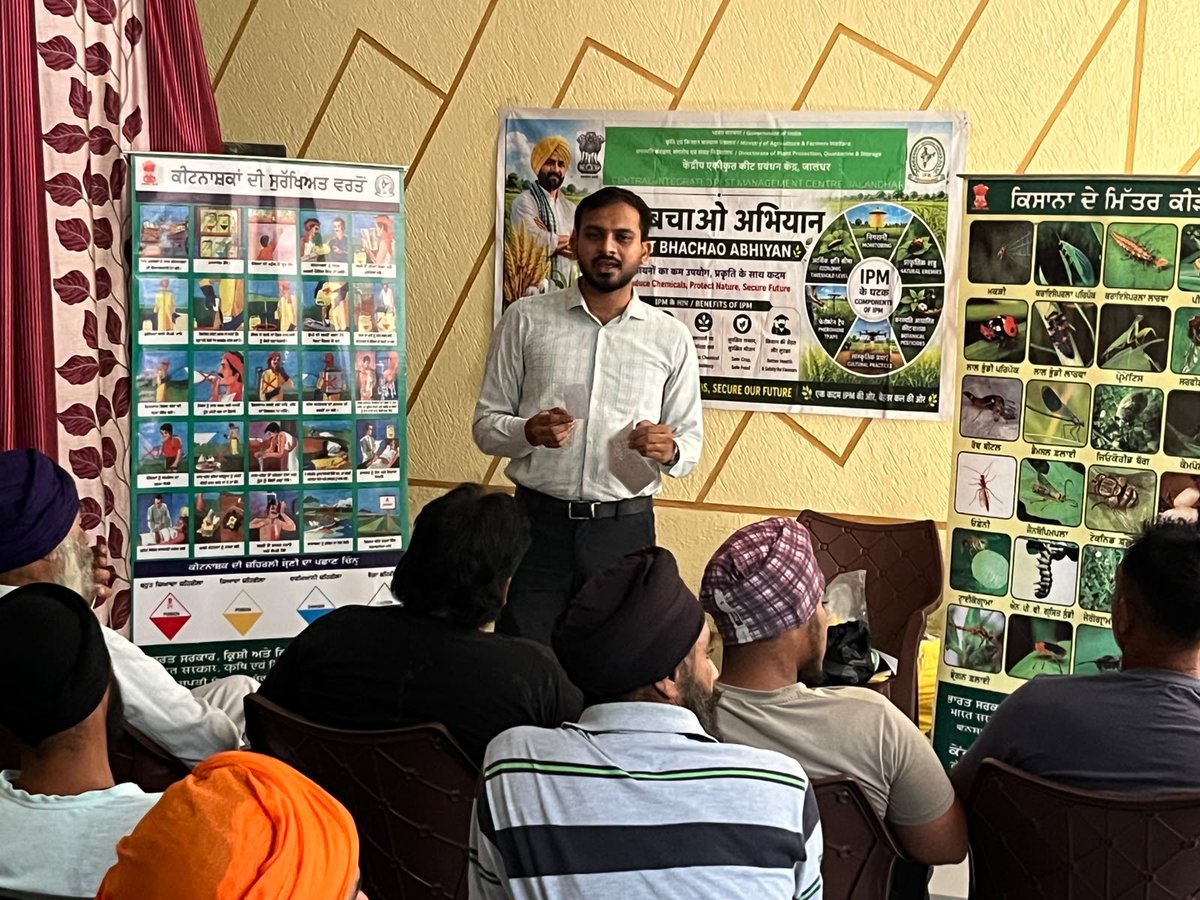
"Khet Bachao Abhiyan" at Bidhipur Village, Block Sultanpur Lodhi, District Kapurthala on 12.06.2026 organised by CIPMC Jalandhar along with distribution of Trichoderma & Yellow stick traps to farmers🌾
#khetbachaoabhiyan
1
13

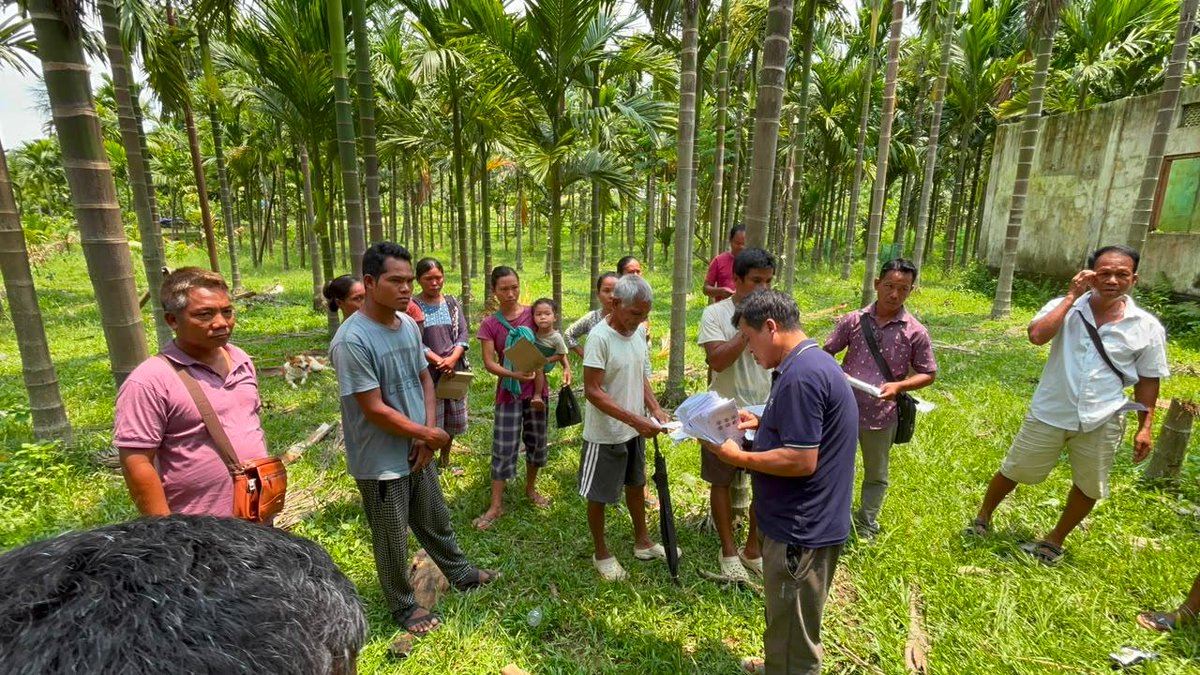
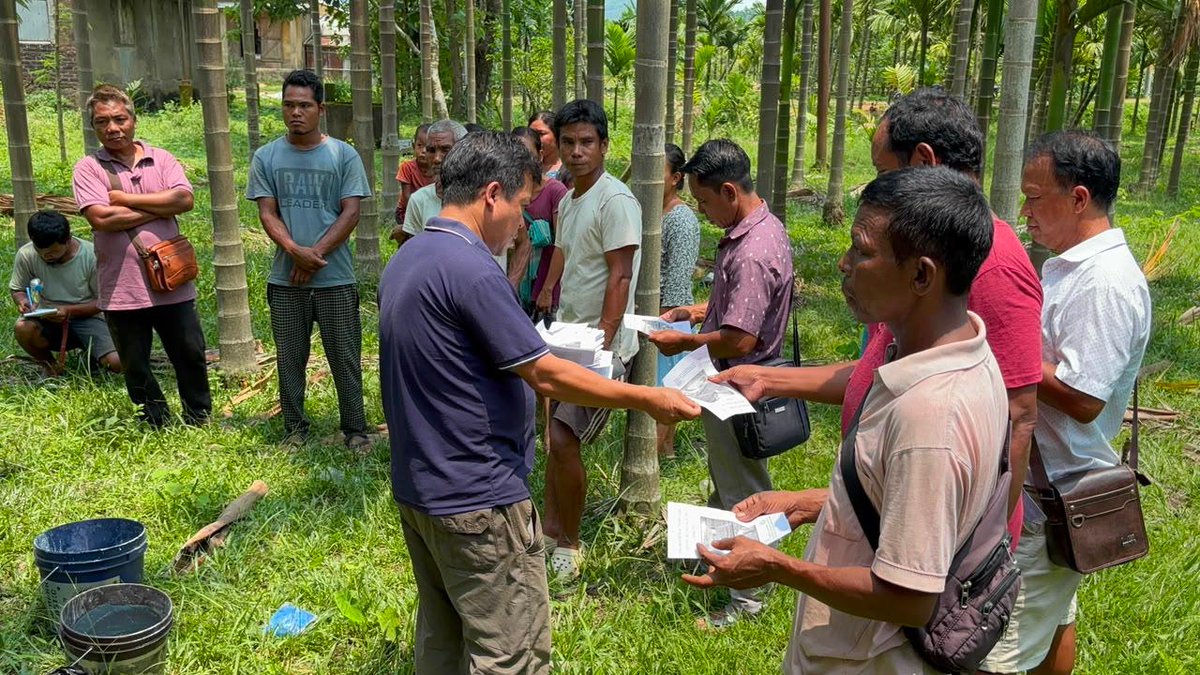
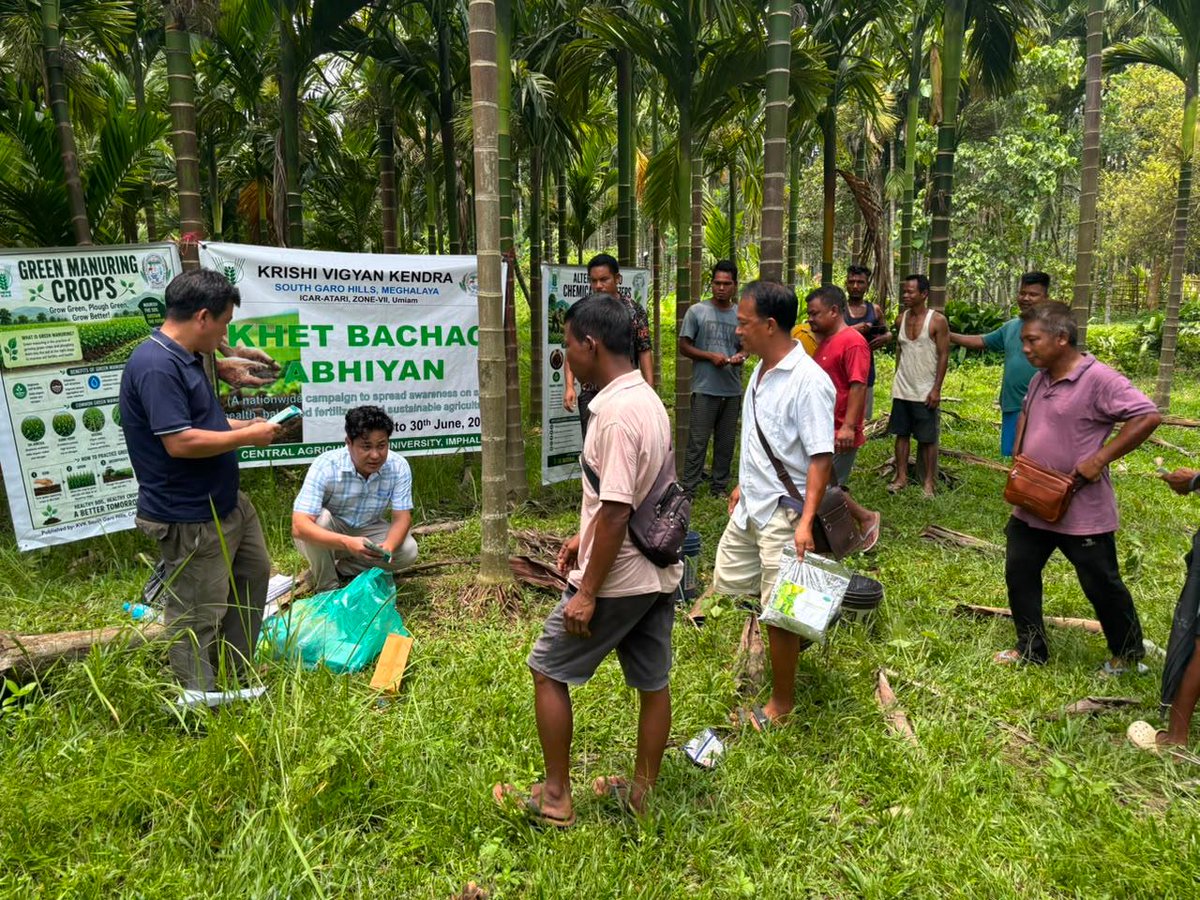
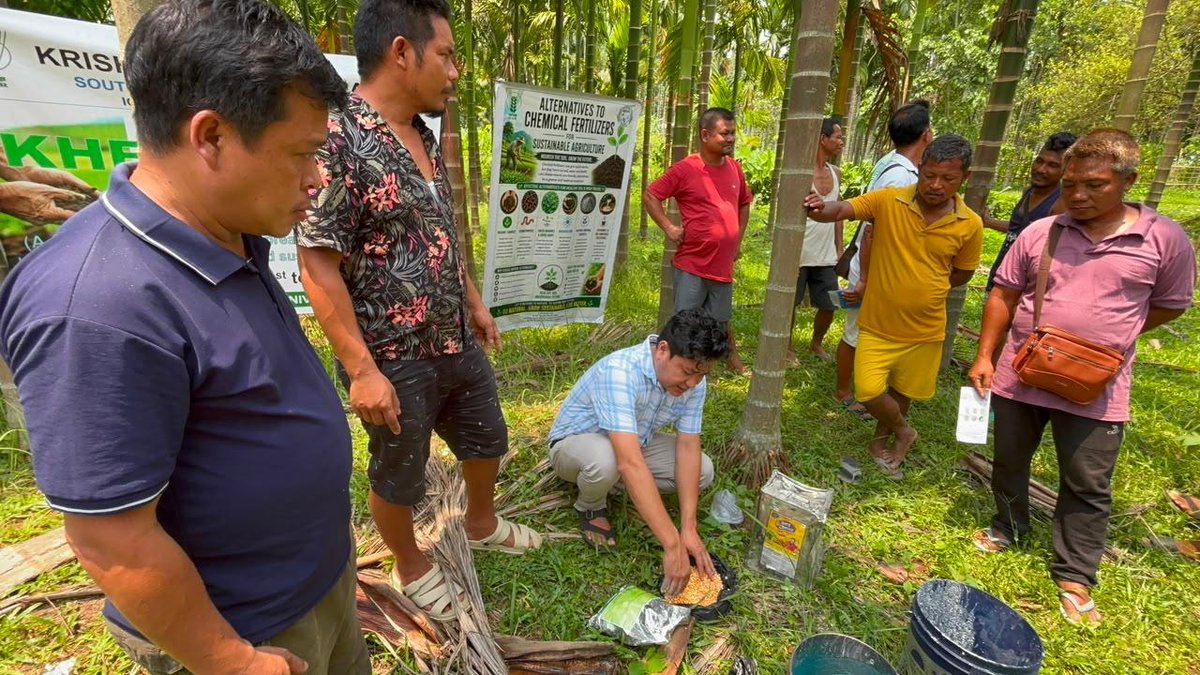
Method demonstration & Technical guidance were provided on seed treatment with Trichoderma harzianum at Gonggangre village as part of KBA Campaign on 12/6/2026
#NarendraModi #ShivrajSinghChouhan #RamNathThakur
#MyGovIndia
#ICAR
#MoAFW
#KhetBachaoAbhiyan #AgriGoI
#ATARI
10

Jun 12
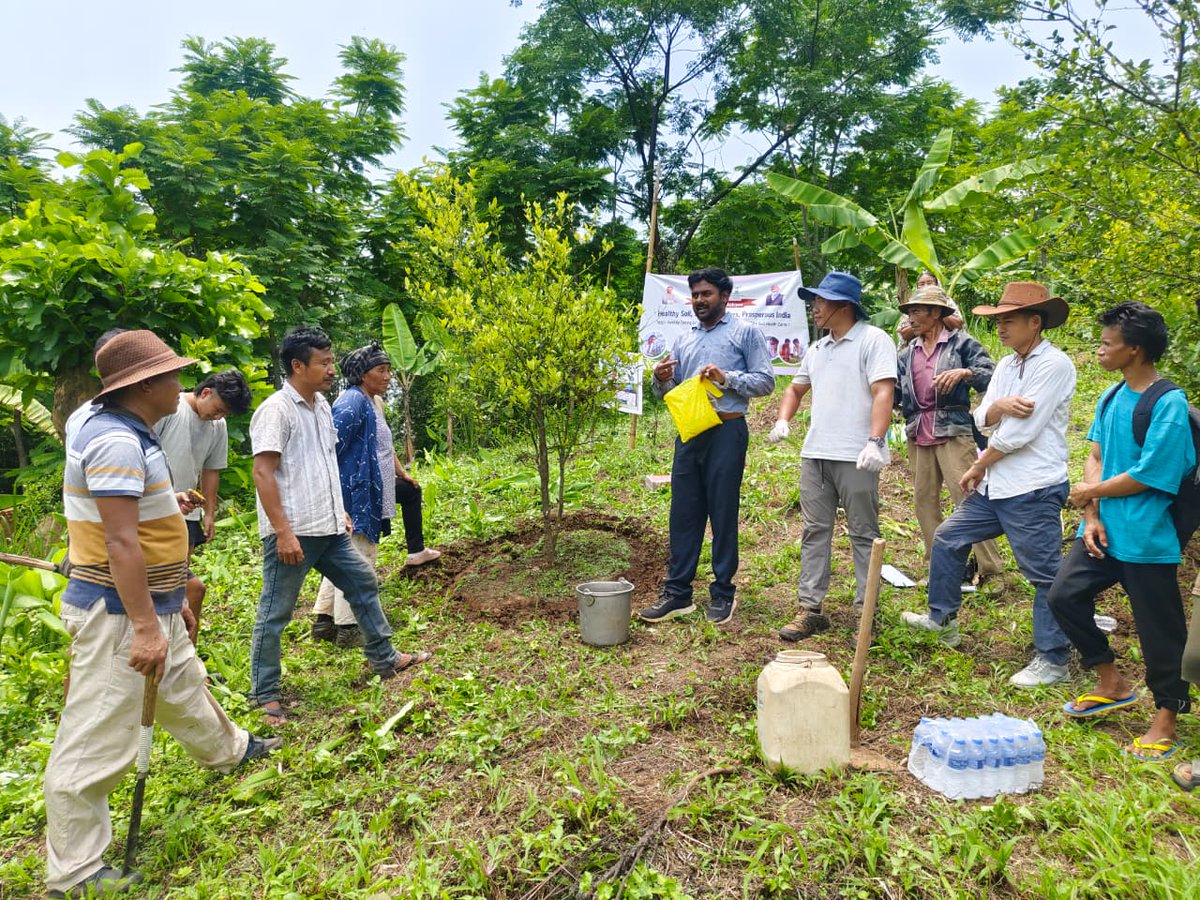
ICAR-KVK Peren Conducted demonstration on Trichoderma biofertilizer to enhance fertilizer efficiency during Khet Bachao Abhiyan Campaign on 12.06.26 at old Jalukie, under Peren district, Nagaland #KhetBachaoAbhiyan #BalancedFertilization #ICAR @AtariVii @icar_neh #NaturalFarming
9

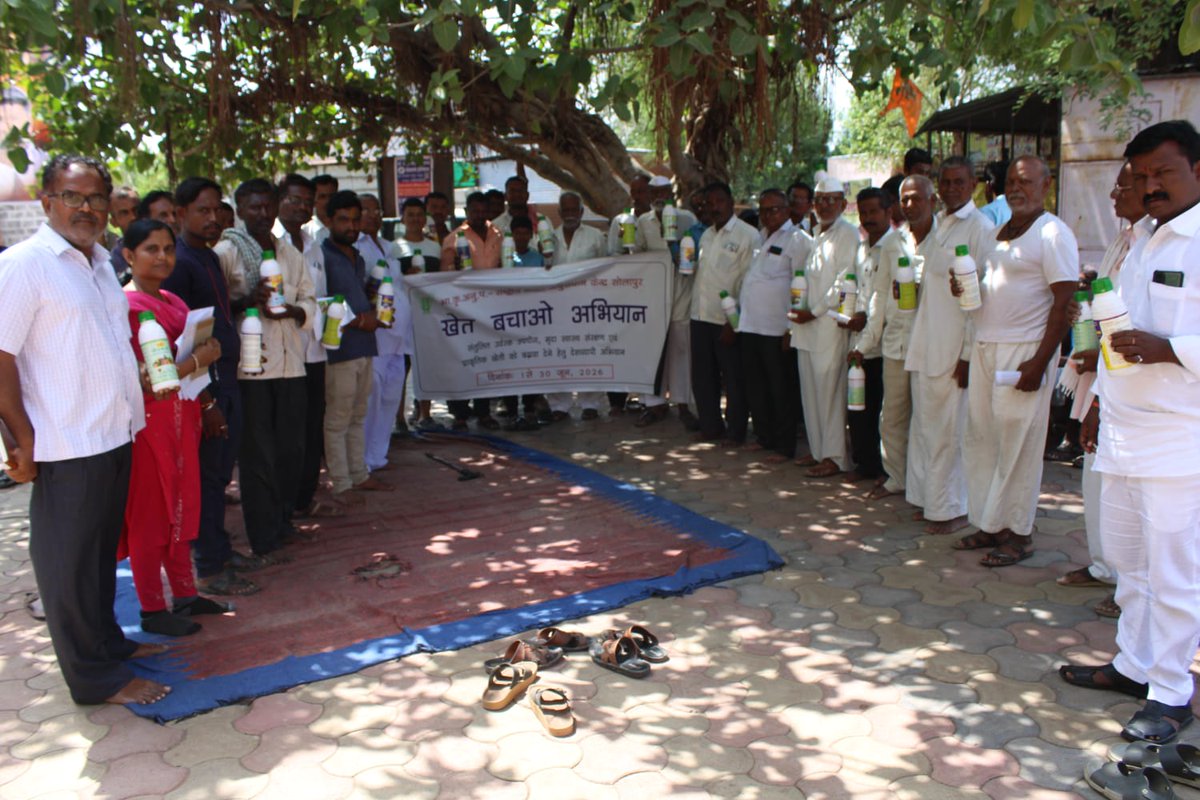
As part of the programme, Trichoderma, PSB, Rhizobium, and Metarhizium microbial culture bottles were distributed to 40 farmers to promote the adoption of bio-inputs and improve nutrient-use efficiency.
#icarnrcp #khetibachaoabhiyan #SoilHealth #SustainableAgriculture
3
8
Method demonstration on seed treatnent with Trichoderma at Gonggangre village as part of KBA on 12/6/26
#NarendraModi #ShivrajSinghChouhan #RamNathThakur #BhagirathChoudhary
#PressInformationBureau
#MyGovIndia
#DDKisan
#AlIndiaRadioNews
#ICAR
#MoAFW
#KhetBachaoAbhiyan #AgriGoI
8

Jun 12
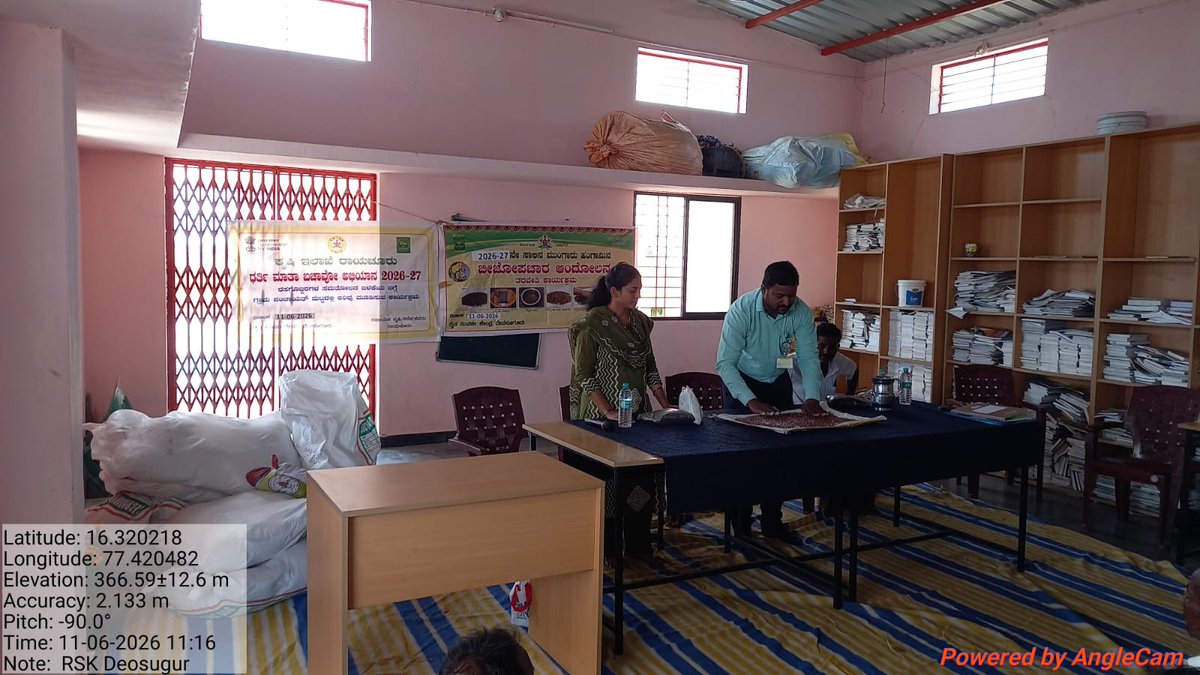
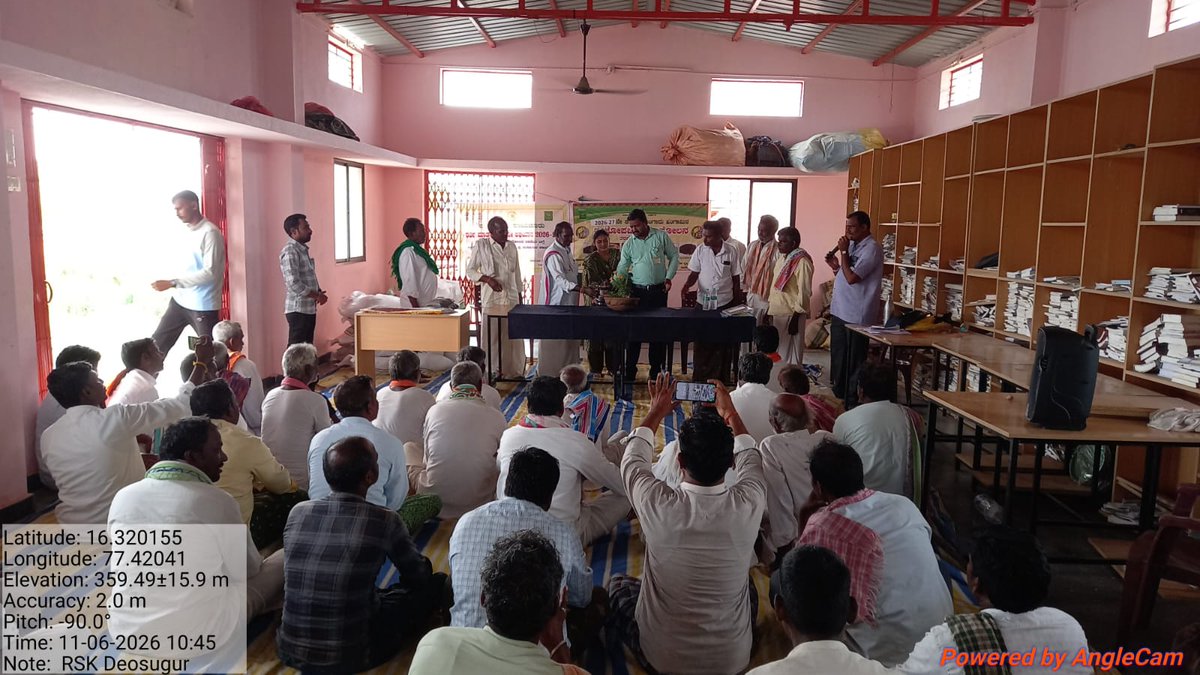
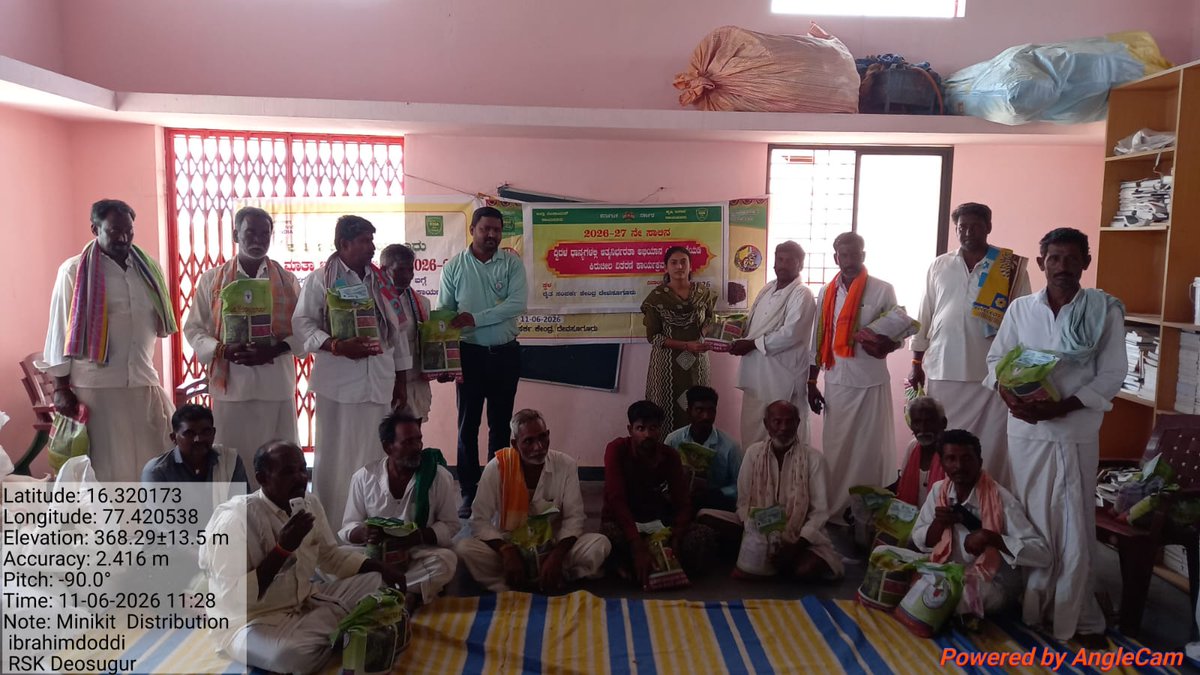
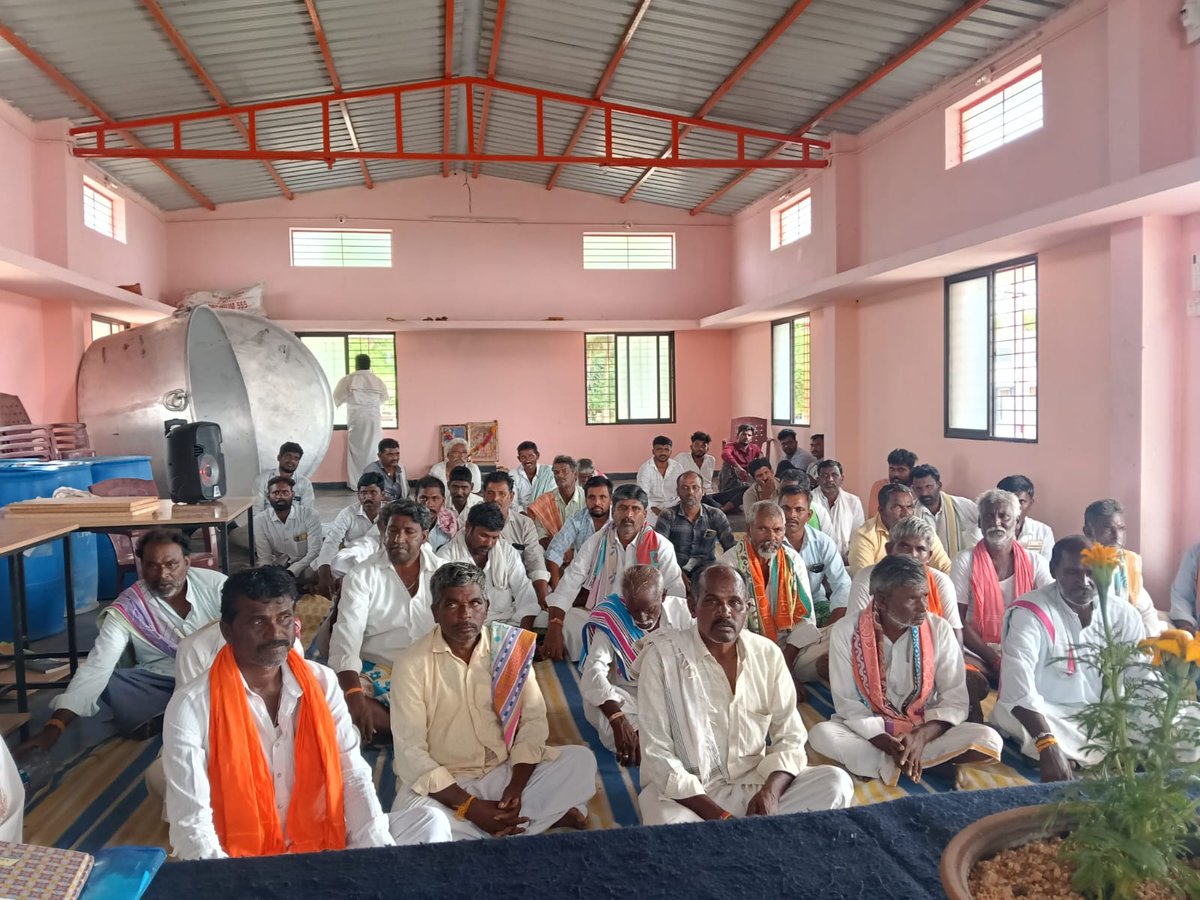
Keth Bachao Abhiyana-2026
Date-11.06.2026 Place -Ibrahimdoddi TQ.Raichur
Organised Awareness program on balanced use of fertilisers and demonstrated seed treatment of Pigeonpea seeds. Seed treatment with Rhizobium,PSB & Trichoderma for disease management & nutrient fixation.
14

trichoderma reesei produces 100g/L protein. dairy cows average 33g/L in milk.
2

Editor’s Pick: Li Zhang et al. designed the Trichoderma Gene Prediction Web server (TGP-WEB) for accurate gene prediction in genomes of #Trichoderma species, biological control agents, and plant-beneficial microorganisms. Learn more: doi.org/10.1094/PHYTO-12-25-…
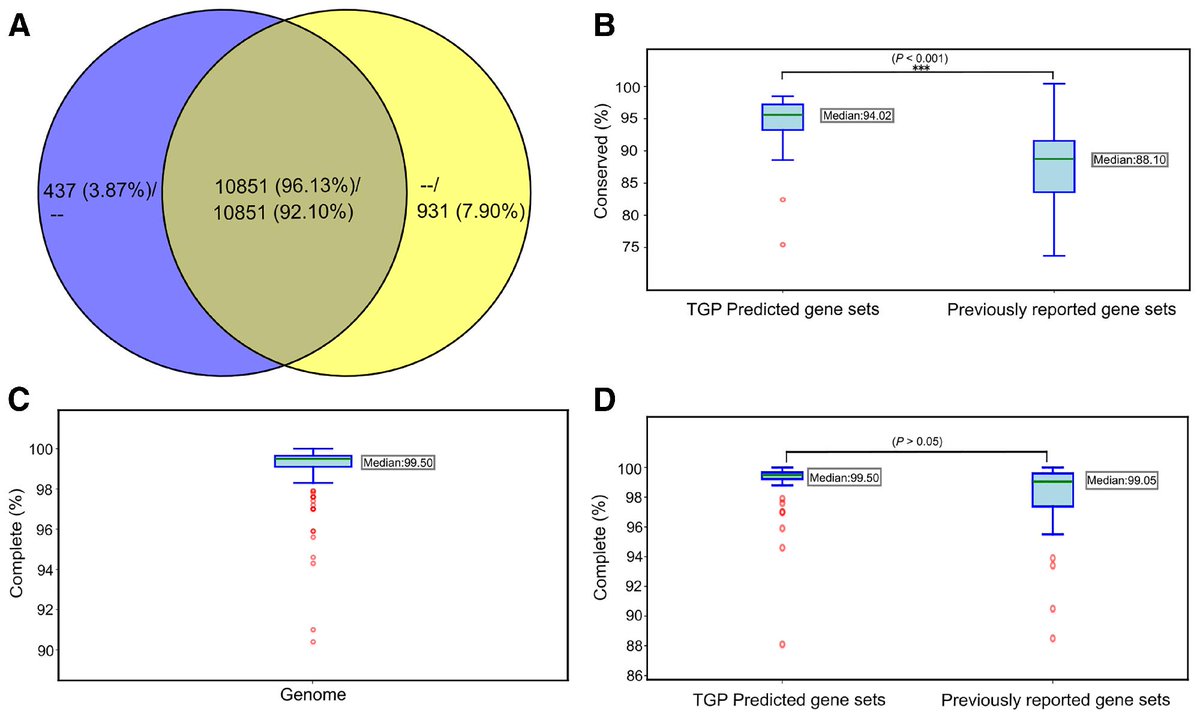
ALT Fig. 4. Performance assessment of the Trichoderma Gene Prediction (TGP) pipeline for gene prediction in Trichoderma genomes.
1
132

Jun 11
Tak robię pierwszy topping w living soil (i czym jest Trichoderma) youtu.be/Ko7_t4FEhxI?si=a7BM… przez @YouTube
3

Jun 11
4.Encouraged adoption of Integrated Pest Management (IPM) practices, viz., Seed treatment, pheromone traps, yellow and Blue sticky traps, Botanical Pesticides, Biopesticides like Trichoderma and Pseudomonas.
2
1
9

Jun 11
Mereka pernah berdiri untuk tugas negara.
Hari ini, mereka berdiri di tempat yang berbeda.
Bukan di medan operasi.
Tapi di ruang praktik, di depan tanaman, tanah, pupuk, dan harapan baru.
Sebanyak 10 personel TNI penyandang disabilitas mengikuti pendalaman materi pertanian terpadu di Balai Proteksi Tanaman Cibubur.
Mereka belajar stek tanaman, pembuatan Trichoderma, trichokompos, pestisida nabati, dan teknik pertanian yang bisa menjadi bekal kemandirian.
Bagi sebagian orang, ini mungkin terlihat seperti pelatihan biasa.
Tapi bagi mereka, ini bisa menjadi awal dari usaha baru.
Bahkan, ada harapan untuk mengembangkan pupuk organik menjadi home industry.
Dari rehabilitasi, lahir peluang.
Dari keterbatasan, tumbuh kemandirian.
Dari tanah, muncul masa depan.
Menurut kalian, program seperti ini harus diperluas ke lebih banyak daerah?
Source 🎥 : PanenNews/M Chaerul Halim
Creator : Zulkarnaen
#panennews #PusrehabKemhan #TNI #Disabilitas #PertanianTerpadu
1
26