
The new WeBoost site is live 👀
We’ve pulled our strongest work into one clearer offer:
🔎 SEO
📍 Local enquiry pages
🤖 Follow-up systems
🏃 Growth sprints
Get found. Win more enquiries. Waste fewer leads.
weboost.co.uk/?get-started=1
1
2
1,466

Apr 19
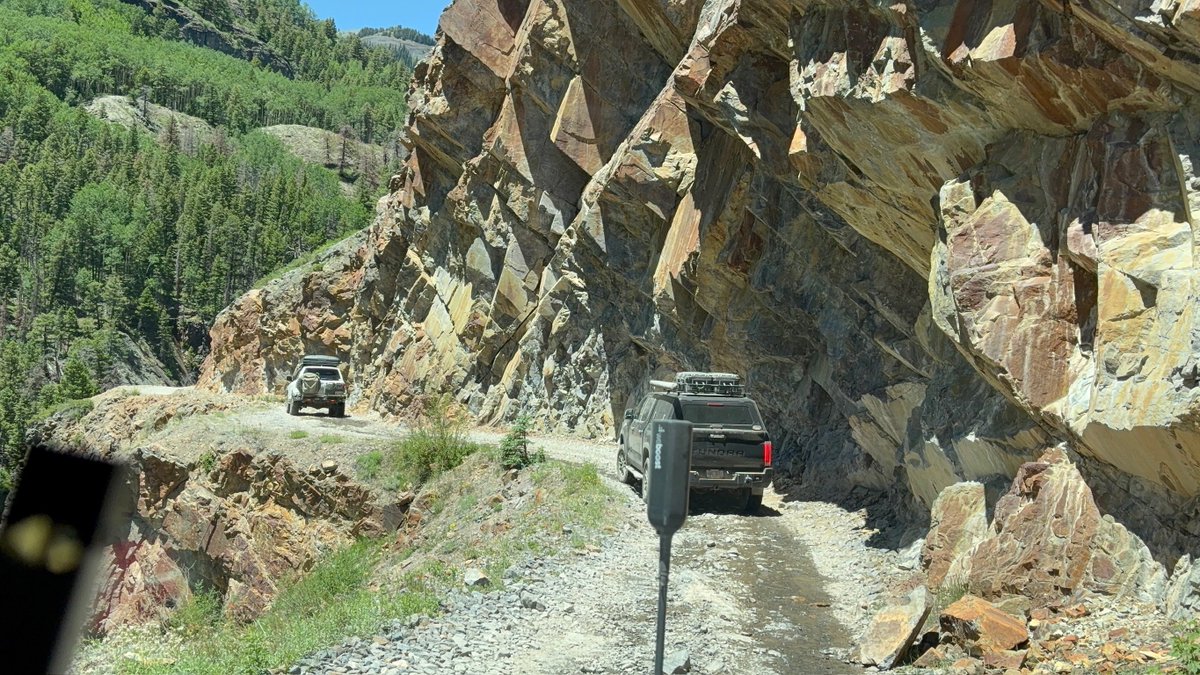
We have a WeBoost on our van. They are definitely necessary anywhere west of San Antonio due to the lack of dependable cell phone signals and sometimes few other cars pass by to help in an emergency.
3
1,670

That's a WeBoost cellular signal amplifier antenna you fool
14
2,471

Apr 16
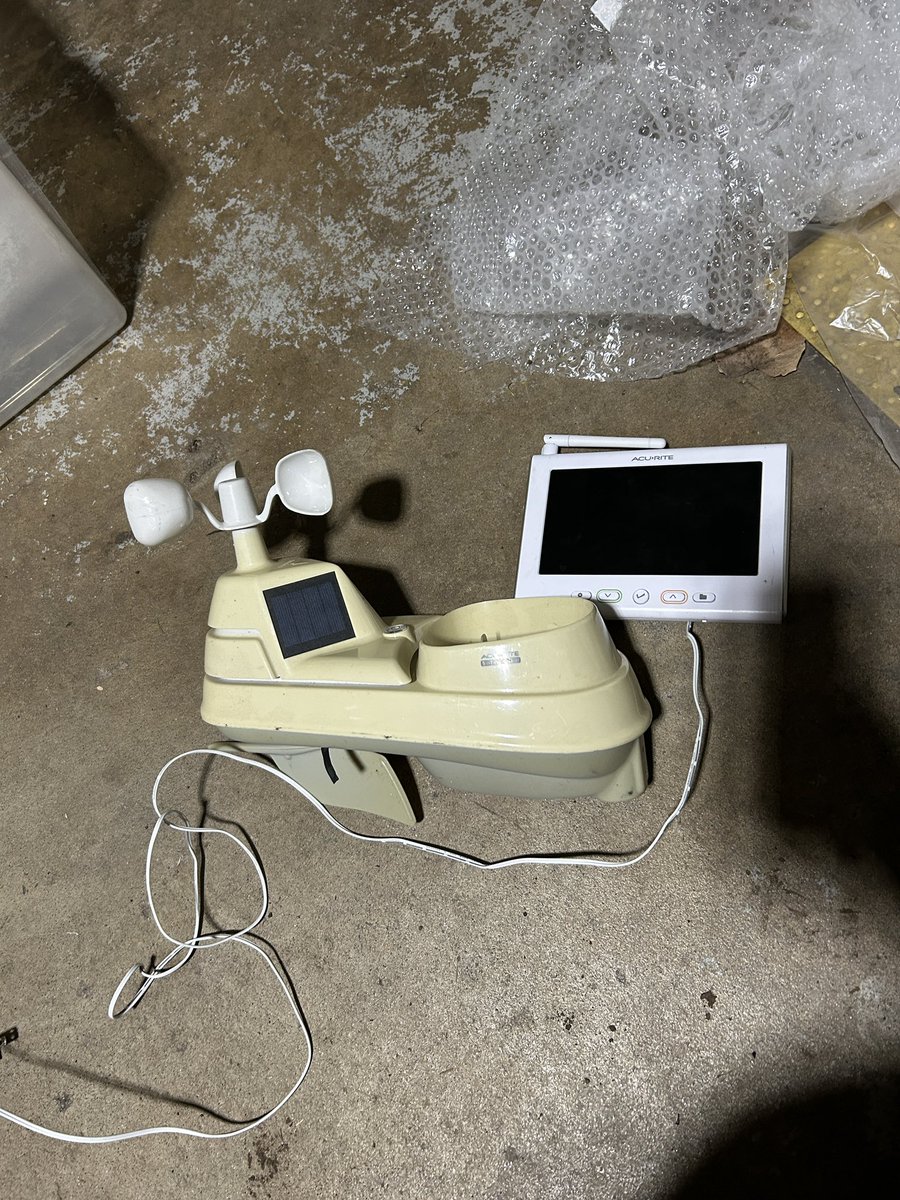
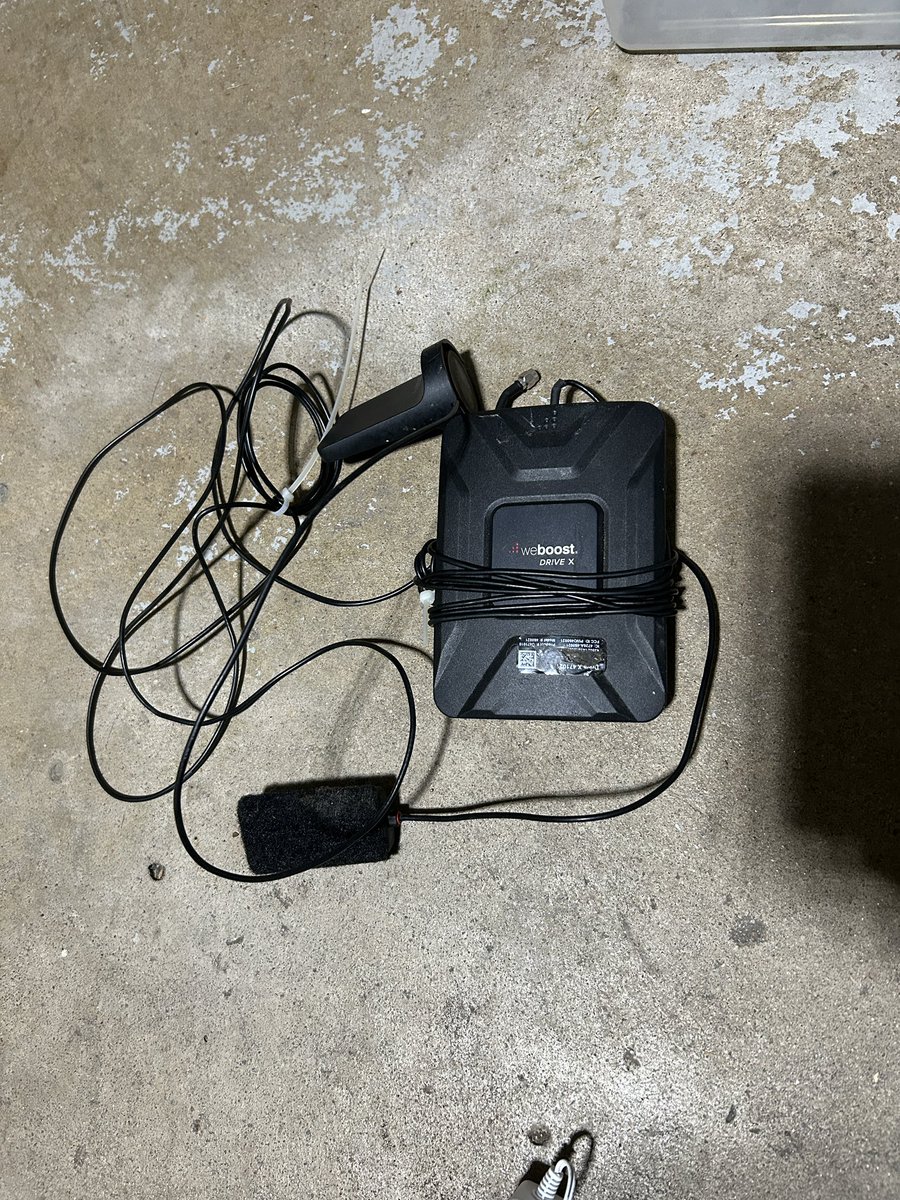
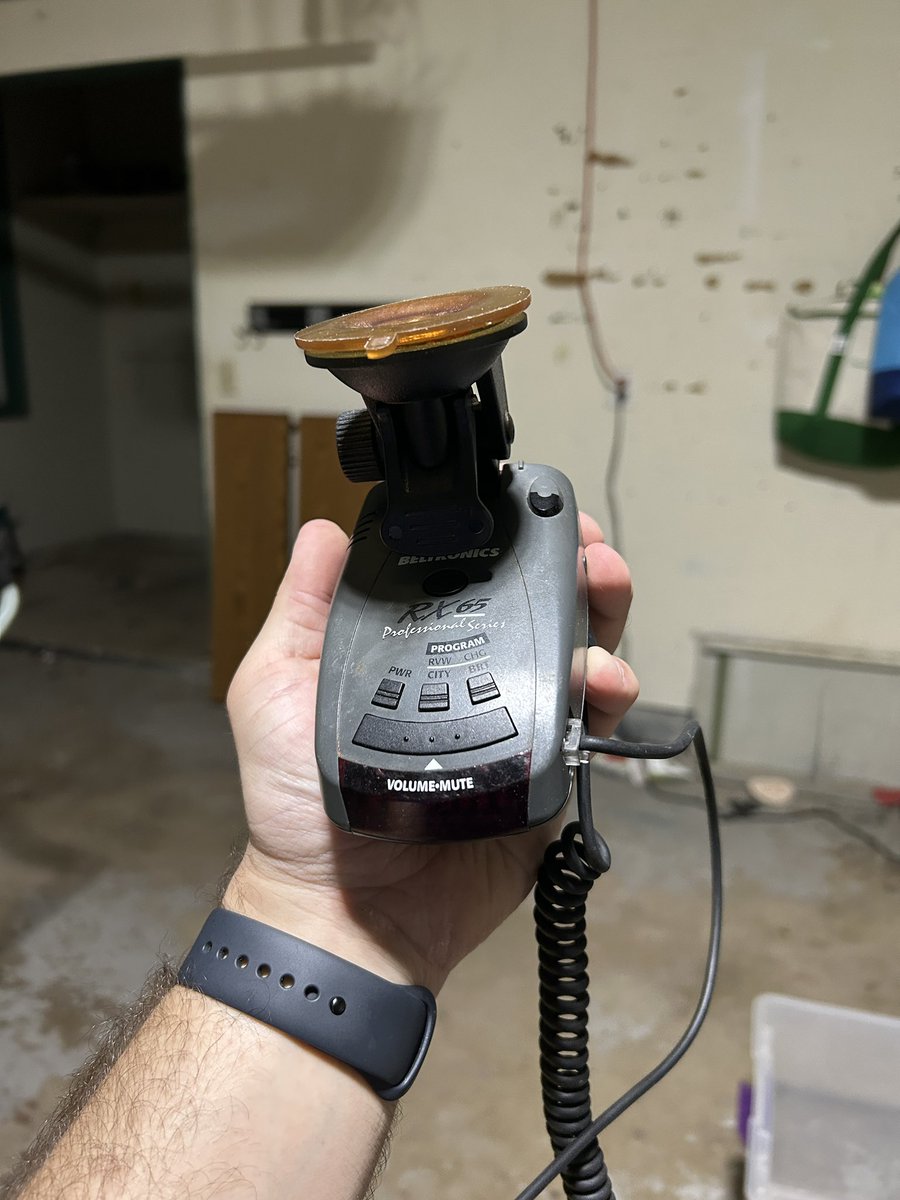
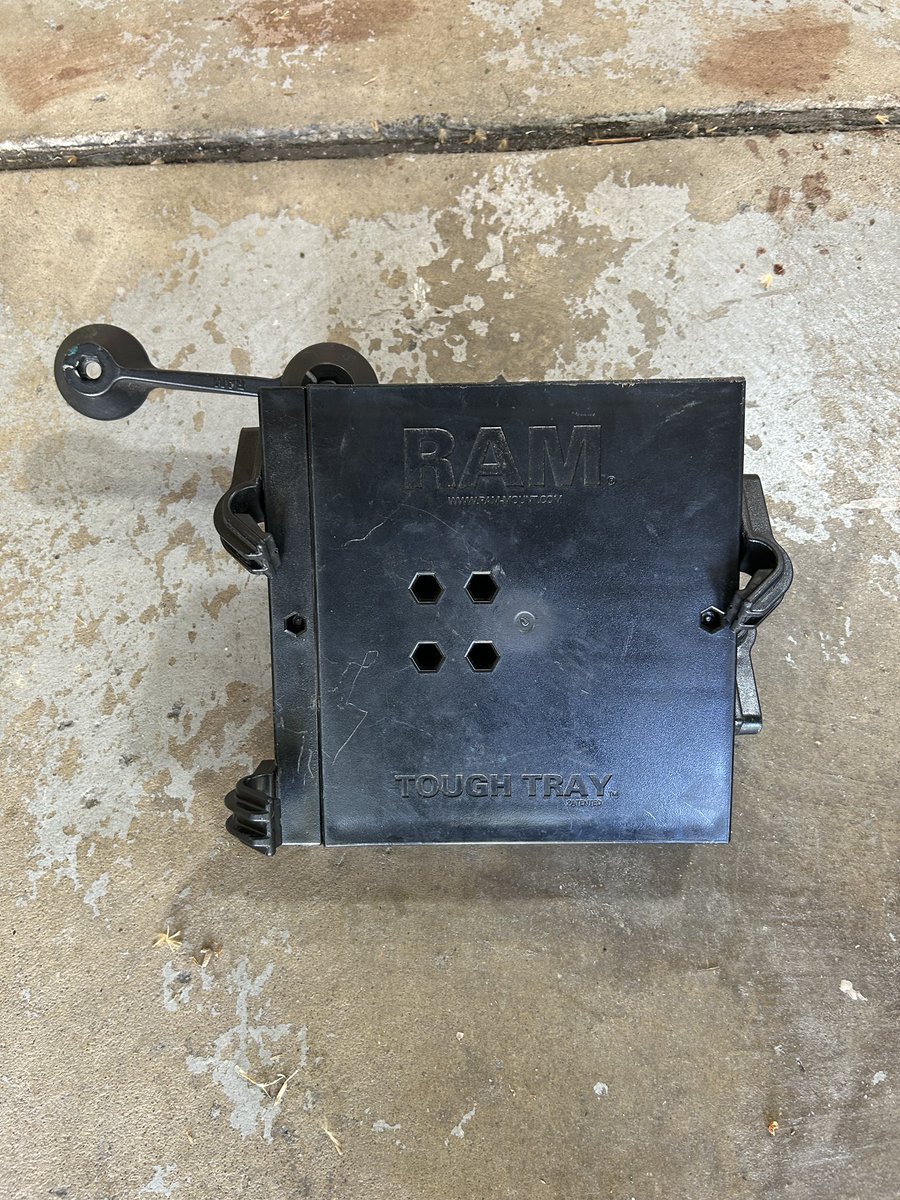
Cleaning out some stuff.
Accurite weather station: $50 OBO
Weboost Drivex cell booster: $175 OBO
RX65 Radar Detector: Make offer
RAM laptop mount: $75 OBO
I’ll likely have more soon as I continue to clean out stuff.
#wxtwitter
3
194

Apr 2
Verizon Said I Had 5 Bars—The weBoost Dash Proved Otherwise caranddriver.com/car-accesso…
1
2
7
2,762



Jan 31
🤖💼 Leracom AI levantó $1 millón de dólares en una ronda liderada por WeBoost, con apoyo de 99 Startups, Angel Hub Ventures y Semilla Ventures.
La startup, con sede en Monterrey, ayuda a revisar y automatizar llamadas en centros de atención telefónica.
Ya tiene 25 clientes, muchos del sector financiero, y planea crecer en Chile, México y Colombia.
3
1
13
521

Jan 23
#LeracomAI, anunció el cierre de una ronda pre-seed para escalar su plataforma de #InteligenciaArtificial para contact centers 🤖📞
La ronda fue liderada por @weBoost con la participación de @99startups_vc, @ganasvc, Semilla Ventures, @bluezoneVC, Angel Hub Ventures y Alina VC, además de ángeles inversionistas como Claudio Schlegel, Adriel Araujo, Daniel Otero, Gabriel Monroy y Oswaldo Monroy. 🚀
👉 pulsocapital.com/leracom-ai-…
#AI #Startups #ContactCenters #VentureCapital

2
3
2,084

About time to start packing supplies into my truck for the border wall project.
1/2” impact
Trauma bag
Assorted tools
Extra gas cans
Food/snacks
Cordless tire inflator
Jumper cables
Tow chain
Clothes tomorrow after I get everything washed and repacked into my never empty suitcase.
But at least I can ride this project out until I can retire 😎
Already mounted the Starlink Mini in there yesterday, plus the WeBoost cell booster that I put on over a month ago since I got tired of the dead zones on the way to and from my last project, nothing exudes confidence like seeing SOS on your phone.
3
50

1 Dec 2025
The image shows a weBoost OTR Trucker Antenna, which is part of a cell phone signal booster system designed for vehicles.
It is a high-gain, omnidirectional antenna designed for use on semi-trucks, fleet vehicles, and off-roaders.
The antenna is rugged and weather-resistant, built for demanding conditions.
It is compatible with all US carriers and networks, including 5G, and works with all cellular devices.
The system helps reduce dropped calls, improve data speeds, and extend battery life for drivers and passengers.
Installation kits often include various mounting options, such as a 3-way mount, mast extensions, and a side exit adapter, to accommodate different vehicle types.
1
6
159

30 Nov 2025
Cell Phone signal boosters. WeBoost is one of the popular brands.
3
366

9 Sep 2025
Which is better ? the android or the I phone From GROK AI
### Cellular Signal-to-Noise Ratio (SINR) Comparison: Android vs. iPhone
The term "signal to noise ratio" (SNR, often called SINR for Signal-to-Interference-plus-Noise Ratio in mobile networks) in the context of smartphones typically refers to cellular reception quality. This measures how well your phone distinguishes the desired signal from background interference and noise, impacting call clarity, data speeds, and overall connectivity. Higher SINR values (in dB) mean better performance—ideally above 10-20 dB for reliable use.
Android and iPhone performance varies by model, carrier, location, and modem (e.g., Qualcomm vs. Intel/Apple's custom chips). Signal bars are unreliable for comparison, as they're algorithm-based and differ between brands. Instead, use field test mode or apps for precise dBm (signal strength) and dB (SINR) readings. Based on tests and studies:
- **Android phones generally have a slight edge in SINR and overall reception**, especially in weak-signal areas. This is due to better antenna designs, Qualcomm modems (used in most flagships like Samsung Galaxy and Google Pixel), and broader frequency support. For example:
- In low-signal tests (-108 dBm), Samsung Galaxy S22 outperformed iPhone 14 Pro Max in speed and stability, maintaining higher effective SINR.
- A 2018 PCMag study found Androids (e.g., LG V40, Samsung Galaxy Note 9) consistently beat iPhones (e.g., XS Max) in weak conditions, with Qualcomm modems providing ~10-20% better throughput due to superior interference handling.
- User reports (e.g., Reddit tests on T-Mobile) show Androids like Moto G Stylus or Pixel 7 achieving 200 Mbps vs. iPhone 13's 22 Mbps in the same spot, implying higher SINR (Androids often report 6 dB or better vs. iPhone's 0-3 dB borderline).
- **iPhones can feel weaker**, particularly older models or those with Intel modems (pre-iPhone 12). However, newer models (iPhone 15/16 series with Qualcomm X70/X75 modems) close the gap, offering reliable SINR >10 dB in urban areas. iOS prioritizes stability over raw signal chasing, which can drop to LTE faster in fringe areas, reducing perceived SINR.
| Aspect | Android (e.g., Samsung Galaxy S24, Google Pixel 8) | iPhone (e.g., iPhone 15/16 Pro) | Notes |
|-------------------------|---------------------------------------------------|---------------------------------|-------|
| **Typical SINR Range** | 5 to 20 dB (better in rural/weak areas) | 0 to 15 dB (stronger in cities) | Android edges out in interference-heavy spots; aim for >10 dB for good calls/data. |
| **Modem Advantage** | Qualcomm (e.g., X75): Handles noise/interference better | Apple/Qualcomm hybrid: Good but conservative | Qualcomm boosts SINR by 2-5 dB in tests. |
| **Antenna Design** | Larger bodies allow better antennas; multi-band support | Compact design limits antennas; optimized for urban | Androids like S24 Ultra show -80 dBm vs. iPhone's -90 dBm in side-by-side tests. |
| **Real-World Example** | Pixel 8: 12 dB SINR, 500 Mbps in mid-signal | iPhone 15: 8 dB SINR, 300 Mbps | Varies by carrier; Android wins ~60% of low-signal comparisons. |
**How to Measure SINR Yourself:**
- **Android:** Dial *#0011# (Samsung) or *#*#4636#*#* (general). Look for SINR under serving cell info. Apps like Network Cell Info Lite provide live graphs.
- **iPhone:** Dial *3001#12345#* for Field Test Mode (iOS 18 shows SINR reliably). Exit by pressing Home or back. Apps like Speedtest by Ookla help indirectly via throughput.
- Good SINR: >20 dB (excellent), 13-20 dB (good), <10 dB (poor—expect drops).
Factors like case material, location (urban vs. rural), and carrier (e.g., Verizon favors Qualcomm) influence results more than OS. If reception is poor, a signal booster (e.g., weBoost) can improve SINR by 10-20 dB regardless of phone.
### Camera Signal-to-Noise Ratio (Image Quality) Comparison
If you meant camera SNR (how well the sensor captures light vs. electronic/shot noise, key for low-light photos), iPhones often lead in processed output, but Android flagships excel in raw sensor performance due to larger sensors and megapixels.
- **iPhones shine in computational photography**: Apple's A-series chips and software (e.g., Deep Fusion) boost effective SNR, reducing noise in low light. iPhone 16 Pro's 48MP sensor achieves ~40:1 SNR (excellent per ISO standards), with better color accuracy and dynamic range (12-13 stops).
- **Androids vary but top in hardware**: Models like Samsung Galaxy S25 Ultra (200MP main sensor) or Google Pixel 9 (50MP with AI denoising) hit 40-50:1 SNR in raw files, outperforming iPhones in detail at high ISO. However, processing can over-sharpen, adding artificial noise.
| Model Example | Peak SNR (Low Light, Base ISO) | Strengths | Weaknesses |
|------------------------|--------------------------------|-----------|------------|
| **iPhone 16 Pro** | ~40:1 (excellent) | Consistent noise reduction; video SNR leader | Smaller sensor limits raw DR (~12 stops) |
| **Galaxy S25 Ultra** | ~45:1 (superior raw) | Larger 1/1.3" sensor; better macro SNR | Processing can amplify noise in shadows |
| **Pixel 9 Pro** | ~42:1 (AI-enhanced) | Best night mode SNR via Magic Editor | Weaker telephoto SNR vs. Samsung |
In blind tests (e.g., 200-photo shootouts), iPhones win for natural low-light SNR, while Androids (esp. Samsung) edge in versatility. Use RAW mode for true SNR comparison—iPhone's ProRAW helps here.
If this isn't the context you meant (e.g., audio SNR), clarify for a tailored response!
2
183

8 Sep 2025
After a long hike or day of scouting, camping, hunting, having the right gear in your truck makes you ready for everything
Xtrusion bed rack system for modular storage and setup flexibility
Built Right Industries bedside molle panels for secure gear mounting
Star-Batt system powering the Starlink Mini for fast internet anywhere
WeBoost cell booster to amplify faint service into usable signal
57 gallon Titan Fuel Tank for serious range and fuel security
Prepared for everything, from backcountry to blackout
3
133

22 Jul 2025
If you know what you are doing and understand spectrum and frequency and know what brands you are looking for and what company your providers uses then yes as simple as a OTA tv antenna BUT Research first to understand and I'd buy the expensive weboost over the cheap one i got
3
2
35

23 Jun 2025
👩🏻💻 #DFLab | WeBoost ficha socio japonés y alista nuevo fondo de venture capital
df.cl/df-lab/innovacion-y-st…
1
1,314

7 Jun 2025
Yall should develop something that’s like a cell booster that can be easily mounted to trucks that can provide both cellular and Wi-Fi and doesn’t look like a dinner plate, my weboost sucks for how much I paid for it. 😁 or is that what your direct to cell plan is going to do?
1
1
206

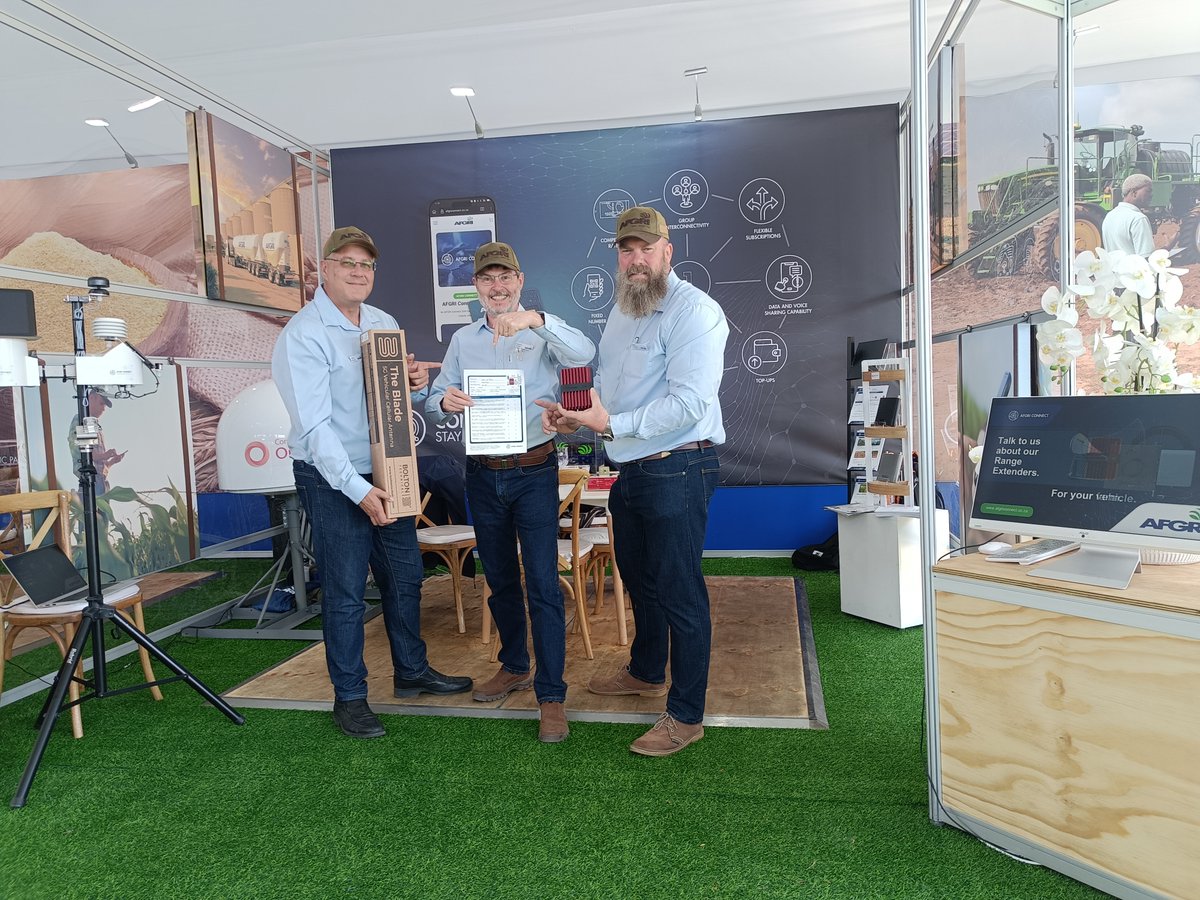
AFGRI Connect: Bolton Technical South Africa NAMPO Winner!
Congratulations, Aneleh Du Plessis! You’re the lucky winner of AFGRI Connect's 4x4 vehicle range extender draw! We will be delivering your 5G Blade antennae and WeBoost kit shortly.
Stay connected with AFGRI Connect.
#AFGRIConnect #Winner #AFGRI #NAMPO #rangeextender #boltontechnical #4x4vehicleextender
1
1
139

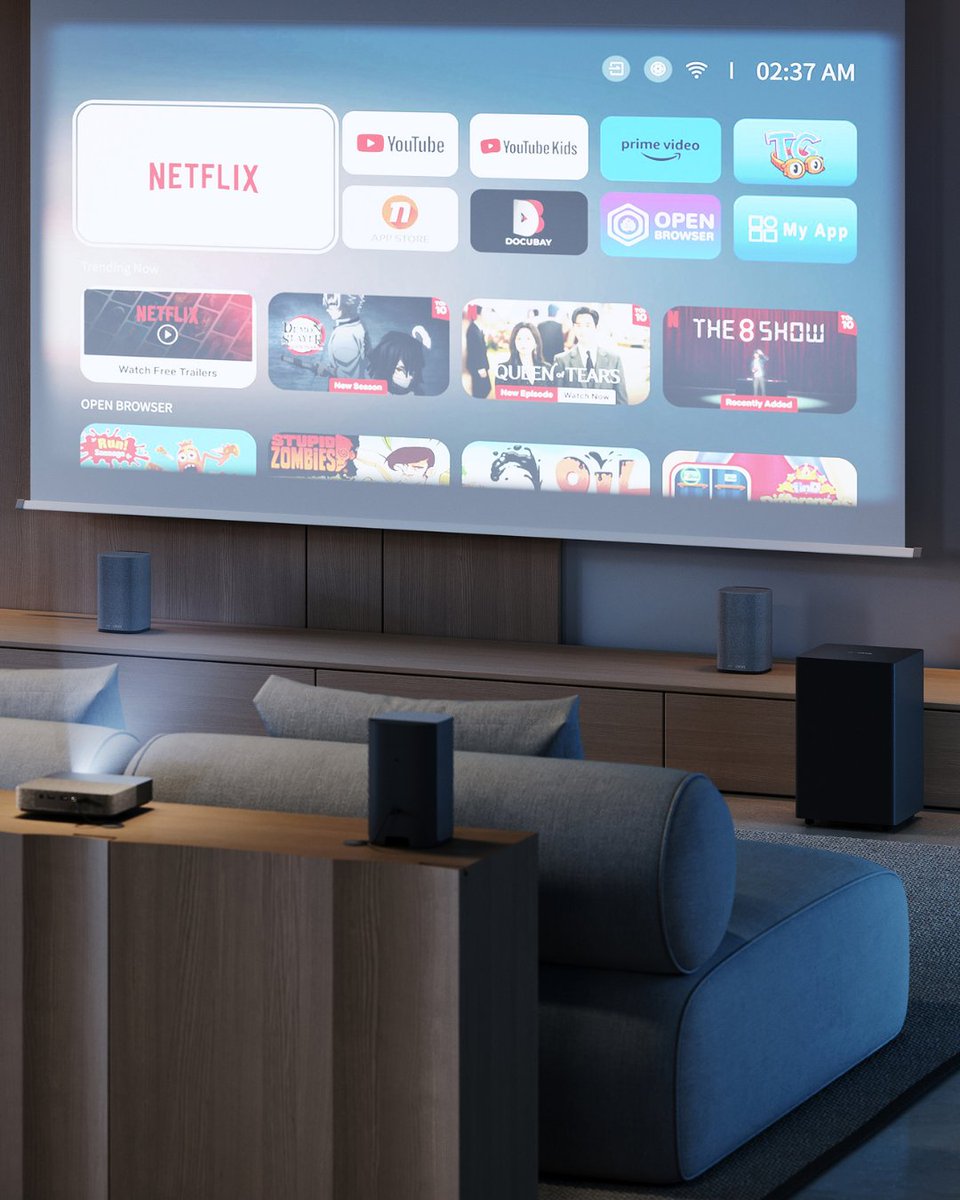
The full cinema experience - right at home. 📽️✨
Pair We. BOOST not only with your TV, but also with your We. BEAM projector for a truly immersive setup.
We. BOOST x We. BEAM: the perfect match for unparalleled movie nights.
#WebyLoewe #WeBOOST #WeBEAM #HomeTheater
2
2
216
Plug in. Press play. Dive in. 🔊🎶
We. BOOST brings your favourite blockbusters, latest series, and go-to TV shows to life, transforming your viewing ritual into a true entertainment experience.
#WebyLoewe #WeBOOST #HomeTheater
3
7
297