ASX Sector Rotation: Where Capital Is Moving Right Now
One of the most useful things you can do as an investor is stop looking at individual stocks for a moment and zoom out. Look at where money is actually flowing across the market. The sector rotation chart tells that story clearly, and right now it's painting an interesting picture.
Here's what the last month of ASX sector performance is telling us.
---
LEADING: Where the money is going
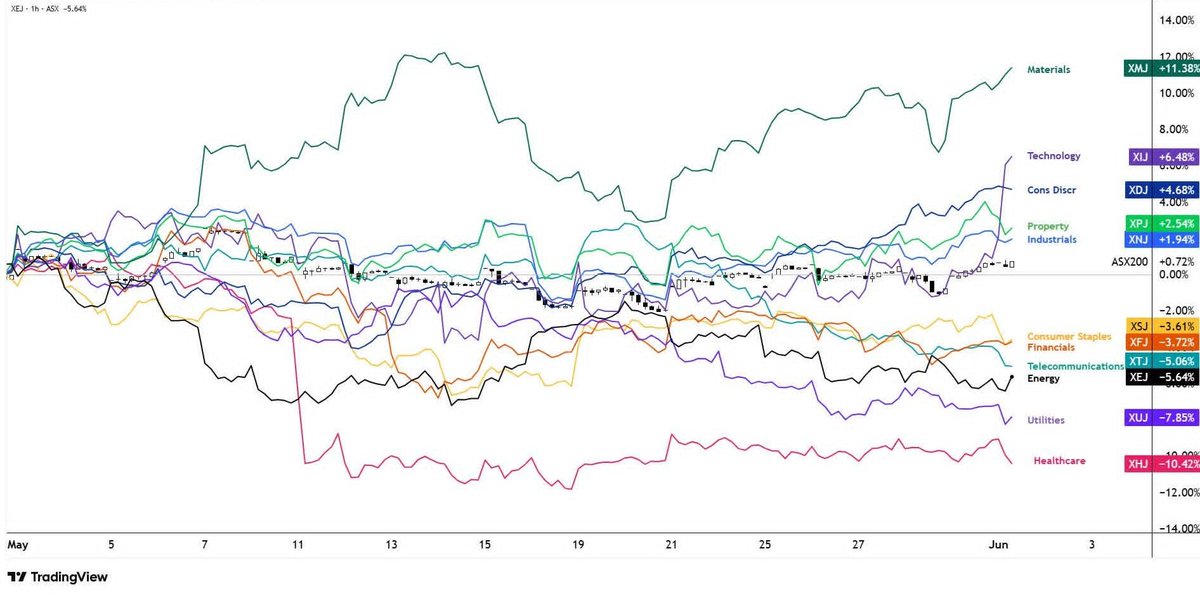
Materials (XMJ) 11.38%
The standout performer by a significant margin. Materials are surging, and this isn't just a bounce. The move is being driven by copper and industrial metals coming alive again. Copper doesn't lie. It's the metal most sensitive to global economic activity and infrastructure build-out, and when it moves like this it's telling you something about where the world is heading. The AI data centre build-out requires enormous amounts of copper. So does the energy transition. So does every major infrastructure programme running globally right now. Smart money is positioning in materials because the demand story is structural, not cyclical.
Technology (XIJ) 6.48%
Tech is the second strongest sector on the ASX over the past month, and this is directly following the US tech rally. The Nasdaq has been recovering hard, sentiment has shifted, and Australian investors are rotating capital back into the sector. I've done a stand-alone detailed post in the MtM Academy on exactly what I'm watching in ASX tech, and it isn't as obvious as just buying the index. The opportunity is in the specific businesses sitting at the intersection of AI infrastructure, data centres, and enterprise software. The XTX All Technology Index breaking out of an Inverse Head and Shoulders pattern on the daily chart this week adds technical confirmation to what the sector rotation chart is already telling us.
Consumer Discretionary (XDJ) 4.68% outperforming Consumer Staples (XSJ) -3.61%
This spread is important. When discretionary outperforms staples by this margin, it tells you the market is not in defensive mode. Consumers are not pulling back. The catalyst here is the lower CPI data that came through recently. Inflation is cooling, which reduces the probability that the RBA raises rates at their next meeting. Lower rate expectations boost confidence, loosen financial conditions, and push investors toward growth and cyclical assets rather than defensive ones. The discretionary vs staples gap is one of the clearest signals of risk appetite in the market, and right now it's firmly in the risk-on camp.
Industrials (XNJ) 1.94%
Not flashy, but steady. Industrials continuing to perform reflects the underlying economic activity picture. Infrastructure spending, construction, logistics. Not a sector you chase aggressively right now, but one that confirms the broader risk-on tone rather than contradicting it.
Property (XPJ) 2.54%
Property benefiting quietly from the rate expectations shift. If the RBA is on hold or cutting, that's a meaningful tailwind for property trusts. Worth watching but not the highest conviction play in this environment.
---
LAGGING: Where capital is not going
- Energy (XEJ) -5.64%
- Utilities (XUJ) -7.85%
- Healthcare (XHJ) -10.42%
- Telecommunications (XTJ) -5.06%
This is the other half of the story, and it's just as important as knowing what's working.
Energy, utilities, healthcare, and telcos are the traditional defensive sectors. When markets are fearful and investors are risk-averse, capital flows into these. They become hiding places.
Right now, capital is actively flowing out of all four.
That's not a warning sign. That's actually a healthy signal in the current context. It means investors are not hiding. They are not positioning for a downturn. They are reaching for growth, for cyclicals, for assets that benefit from a stronger economic environment. The severity of the healthcare underperformance at -10.42% in particular reflects just how aggressively investors have
1
12

🌈 تخفيضات ضخمة - هدية مجانية
🔥 عرض تقيل
⎐كُـود⎐كوبِون⎐خـِصم⎐
⎐ايهرب⎐ايهيرب اهرب
⊵IPY1290⊴
⎐شي⎐ان⎐
⊵8K998⊴
ستايلي⊴
⎐SY2⊴
XTj

Jun 13
⎐كُـود⎐كوبِون⎐خـِصم⎐
⎐نون⎐
⊵CBB54⊴
⎐اديداس⎐
⊵RAN159⊴
❮كارديال❯
M52
⎐نمشي⎐
⊵BLK13⊴
⎐دبدوب⎐
⊵DA14⊴
⎐ايهرب⎐ايهيرب اهرب
⊵KIH8768⊴
⎐بلومنغديلز▬بلومينغديلز⎐
⊵d15⊴
⎐باث▬اند▬بودي⎐
MLL7⊴
اتش اند ام
A6JP
A6MA
***
on
Xtj


Jun 13
💰 تخفيضات ضخمة - عروض مميزة
⚡ عرض سريع النهاردة
⎐كُـود⎐كوبِون⎐خـِصم⎐
⎐مفارش⊴الحبيب⎐
⊵CB11⊴
⎐ترنديول⊴ترند يول⎐
⊵BDL⊴
⎐ايهرب⎐ايهيرب اهرب
⊵IPY1290⊴
xTj

𝙻𝚞𝚌𝚎ꕤ୭* retweeted

Jun 13
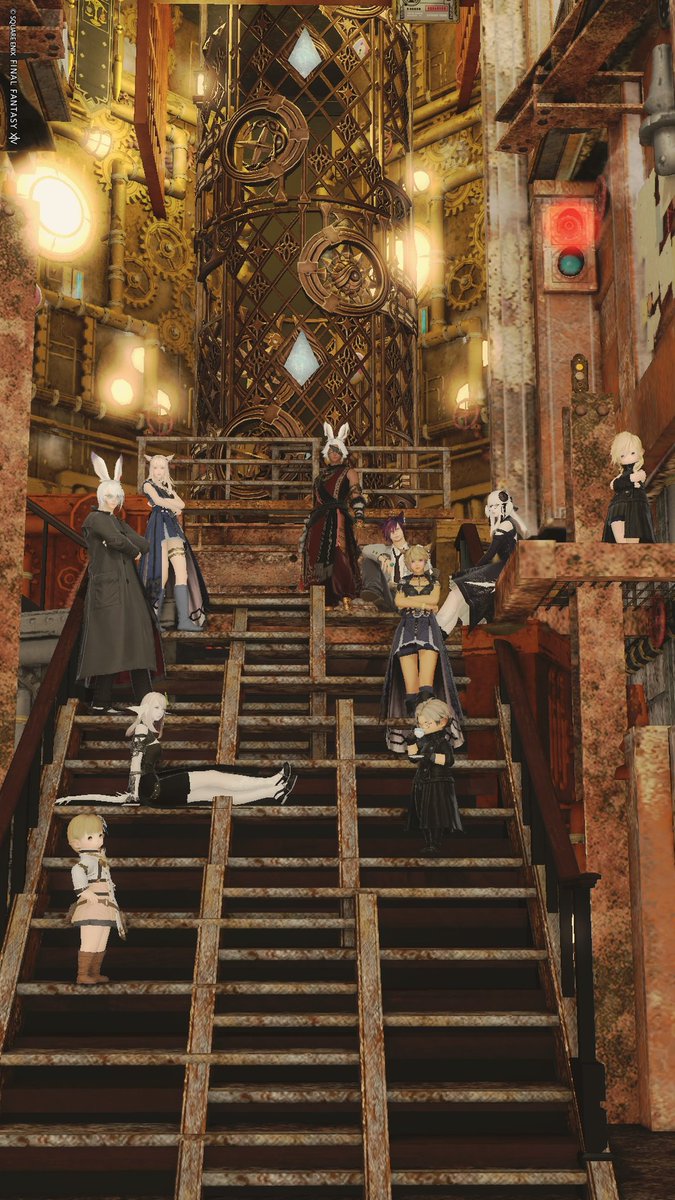
2つ目のスタジオ様︎🌟
すごくかっこいいところだった✨
NieRの服が合いそうなところ!!
奥のお部屋もまた雰囲気
ちがっててよきでした( ˶'ᵕ'˶ )✨
#FF14
#無し
#freestudio
#LTE

2
33
390

Jun 12
🛍️ لا تفوت الفرصة - عروض مميزة
⎐كُـود⎐كوبِون⎐خـِصم⎐
🧾 خصم مباشر
⎐ايهرب⎐ايهيرب اهرب
⊵IPY1290⊴
⎐ترنديول⊴ترند يول⎐
⊵BDL⊴
⎐نون⎐
⊵STC9⊴
xtJ
4

Jun 12
⭐ سعر خرافي - قيمة تستاهل
🌈 عرض جميل
⎐كُـود⎐كوبِون⎐خـِصم⎐
⎐نون⎐
⊵STC9⊴
⎐ايهرب⎐ايهيرب اهرب
⊵IPY1290⊴
ستايلي⊴
⎐SY2⊴
XTj

Jun 12
#jeddahMassage in #riyadh
مساج في الرياض
Massage in #jeddah
مساج في جدة
🌯🍕🫔 wa.me/ 966564369596
Lụm Lúa 🧊🥚
xtj

1

Jun 11
🌈 خليك كسبان - لفترة محدودة
⎐كُـود⎐كوبِون⎐خـِصم⎐
✨ عرض جامد
ستايلي⊴
⎐SY2⊴
⎐نون⎐
⊵STC9⊴
⎐ايهرب⎐ايهيرب اهرب
⊵IPY1290⊴
XTj

ลูกสมุนของเฮีย 🦊🍅 retweeted

อยากเห็นแก้งเคออส เล่นเกม Warewolf คับ แบบFull Team 6คนเลยคับ พี่ๆสานฝันผมหน่อยคับ🙏
JS FB JM เคออสแก้งดิวะ🐒

1
2
70

Massage in juffair grand hotel
Massage in Bahrain
bahrain travel
bahrain bank
🪮wa.me/84934545136🤹
#Bahrain
#manama
#juffair|
XTj

14

Jun 10
🌈 اشترى بذكاء - جودة عالية
🎉 خصم مفاجأة
⎐كُـود⎐كوبِون⎐خـِصم⎐
⎐ايهرب⎐ايهيرب اهرب
⊵IPY1290⊴
⎐نمشي⎐
⊵MBC8⊴
⎐نون⎐
⊵STC9⊴
XtJ


Apr 28
#VIDEO 🔴 Queda grabado el momento cuando una pareja de ladrones roba en segundos una camioneta a las 5am en el Fraccionamiento San Facundo 2 de Cuautlancingo.
Se trata de una Meriva con placas XTJ-973-B del estado de Tlaxcala.
#AmbasManos
1
3
195

Apr 28
#Seguridad | 🐀 Asi fue como una pareja de ladrones robó en cuestión de segundos una camioneta a las 5:00 de la mañana en el Fraccionamiento San Facundo 2 de Cuautlancingo. El vehículo robado es una Meriva con placas de circulación XTJ-973-B de Tlaxcala.
2
188

Apr 28
Este fue el momento en el que una pareja de ladrones roba en cuestión de segundos una camioneta a las cinco de la mañana en el Fraccionamiento San Facundo 2 de Cuautlancingo.
Se trata de una Meriva con placas de circulación XTJ-973-B del estado de
Tlaxcala
1
2
5
312

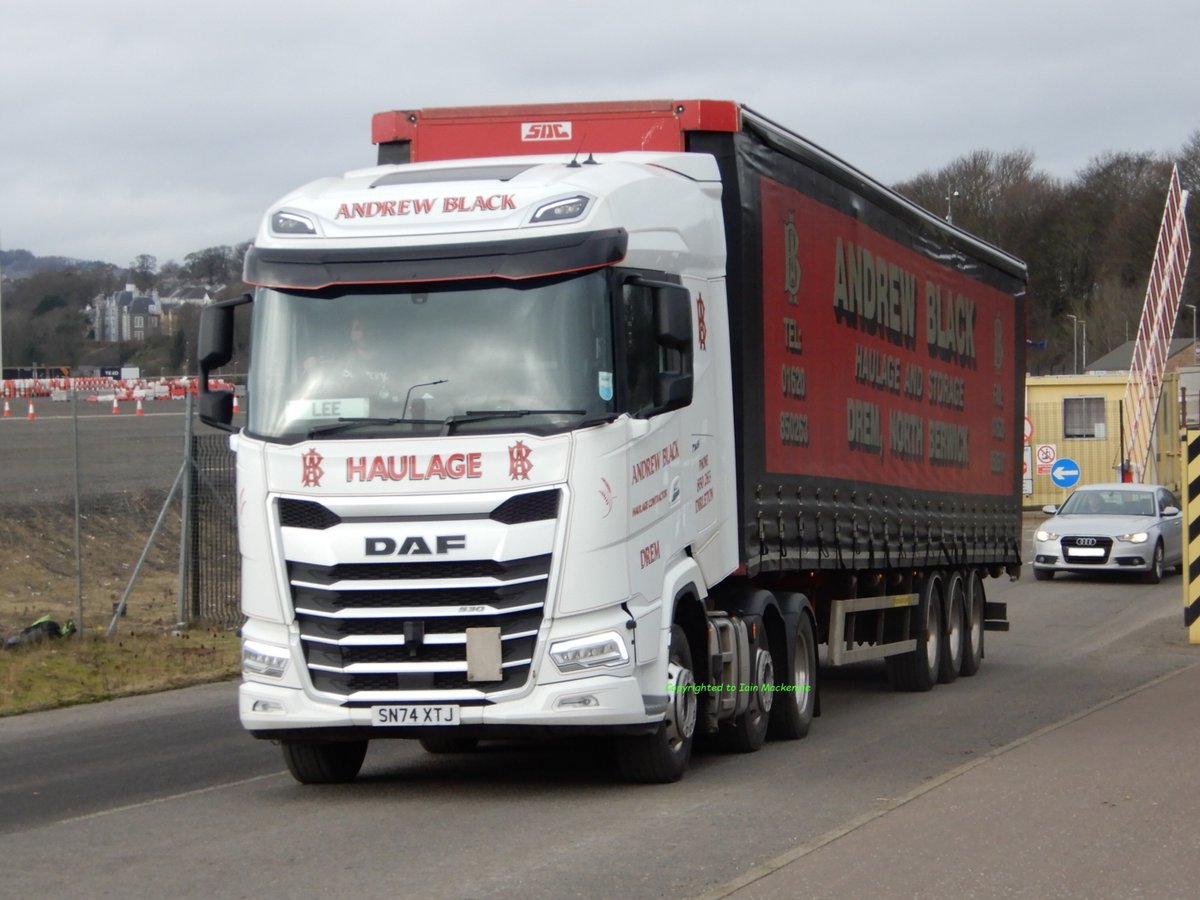
Andrew Black (Drem), SN74 XTJ, Taken on Stannergate Road, Dundee 10/03/26 @__daftruckuk_ @DAFTrucksUK @LothianDaf @DAF_trucks_fans @_transportnews
5
50

Apr 19
@ethanmckanna if you want the Houston RoboTaxi license plates here they are
1/2
XJR 1981
XJR 2225
XJR 2227
XJR 2698
XJR 2692
XJR 2697
XFY 3850
XJR 1979
XJR 2211
XTJ 6050
XJR 1977
XJR 2333
XJR 2427
XFY 5831
XJR 2217
XJR 2219
XJR 2203
XJR 1982
XFY 5866
XJR 2332
XFY 5408
XFY 4985
1
5
491