
Joined January 2013
- Tweets 1,328
- Following 657
- Followers 811
- Likes 1,593
252 Photos and videos





Pinned Tweet

Apr 30
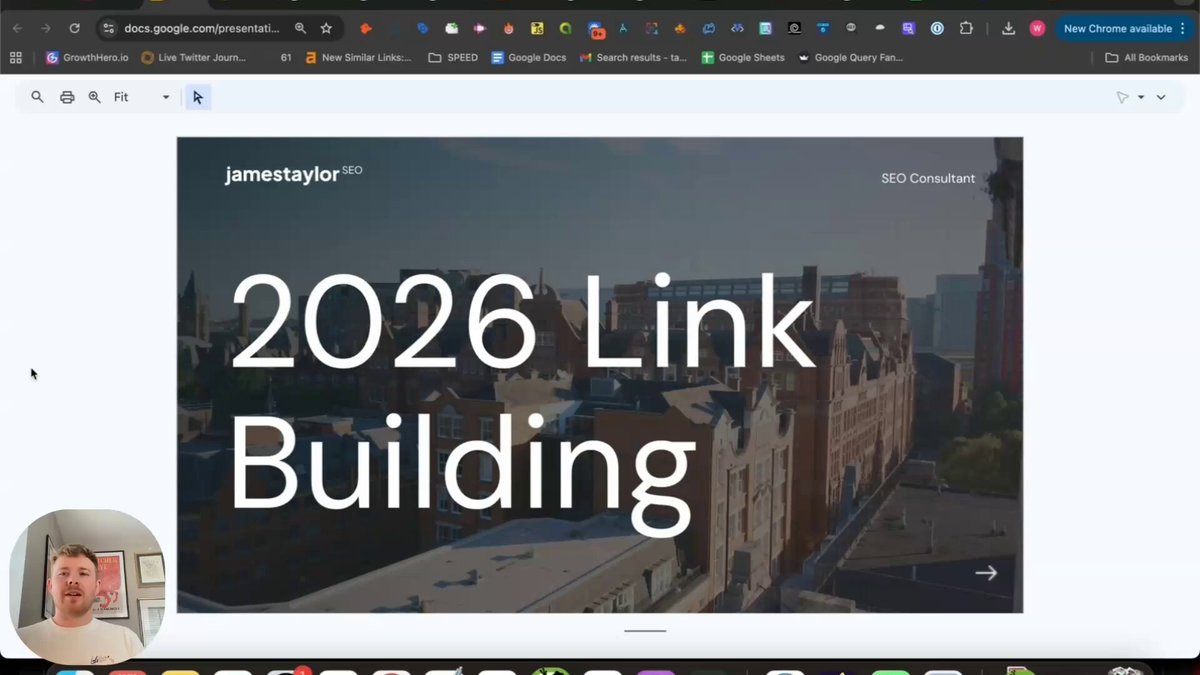
These are my 4 current favourite link building strategies in 2026.
I'd love to hear what others are doing on the link building front!
1
104
Jun 1
👀 I see so many website owners jumping from one tactic of the moment to the next, with so many opportunities then just left on the table.
Some of examples of findings from recent site audits include:
- Websites with a total reliance on AI content, no human vetting or information gain to be seen
- Failed migrations with years of authority just left to 404
- No work on outreach to journalists, publishers or partnerships with real influencers or websites relevant to their niche. This includes those being heavily cited in LLMs via YouTube and social content, and it's still being overlooked
- Walls of text and nothing else on critical commercial pages. No reviews, unique imagery, questionable FAQ's and no internal links to be seen
You obviously have to try new approaches but, don't let it be to the detriment of the opportunities that are waiting for you when it comes to real brand building.
For SEO in 2026, you have to look outside of your website and approach this as a real brand, not just through the lens of whatever an automated tools tell you to do.
This means:
- Your website being just one vehicle for organic brand growth
- The content on your website being planned in accordance with opportunities on other properties. For example, any time I write an article on my website, I do so based on what the YouTube and TikTok opportunities also look like (bonus points if this type of content is being cited heavily in LLMs, which it usually is)
- Branching outside of typical link building strategies to look at genuine collaboration opportunities with relevant people in your niche, whether that's video content, gifting or even things like podcasts and interviews
- Not letting the content that you do have go stale, and having processes in place to audit what you have to get the absolute most out of it. Also, not being afraid to get rid of content that no longer serves a clear audience purpose
1
18
Jun 1
I thought I'd make this video based on recent discussions around white label SEO, especially from the consultancy side of things.
Personally, I tend to approach white label projects through two different offerings. Fully managed and consultancy focused via jamestaylorseo.co.uk/, and product/task-specific services via completewhitelabel.com/
Maybe you're an agency owner thinking about outsourcing elements of work, or you're just curious about the process. This video covers what to expect from a white label provider, and how best to approach things so that you're not running into issues at a later stage.
20
May 26
I've been asked a few times recently about whether journalist requests and the expert comment style of link building is still worth it in 2026.
This is a bit of an older video but, it essentially is just showing what the opportunities look like across journalist request platforms, and examples of how you can manually start to send out releases on top of responding to requests.
Organic visibility in 2026 is not about just chasing backlinks, it's about brand coverage in contextual websites that align with traditional PR activity, positive brand sentiments and recognition from trusted third-party websites.
With this, I still think that having a process in place to monitor journalist request opportunities (I love using @IFTTT for this) and jumping on expert commentary opportunities makes a lot of sense, particularly for smaller businesses who just don't have the budget for larger campaigns.
30
May 19
Ten years in SEO this month and a lot to currently be excited about with:
- Ongoing consultancy growth
- An exciting partnership with a fellow consultant coming later in the year
- Expansion of training offerings and productised services
- Generally being out there and meeting more people in the community at upcoming events
I feel really lucky that I still wake up excited about the industry and for what the next ten years might look like (in whatever form that might be)!
25
May 18
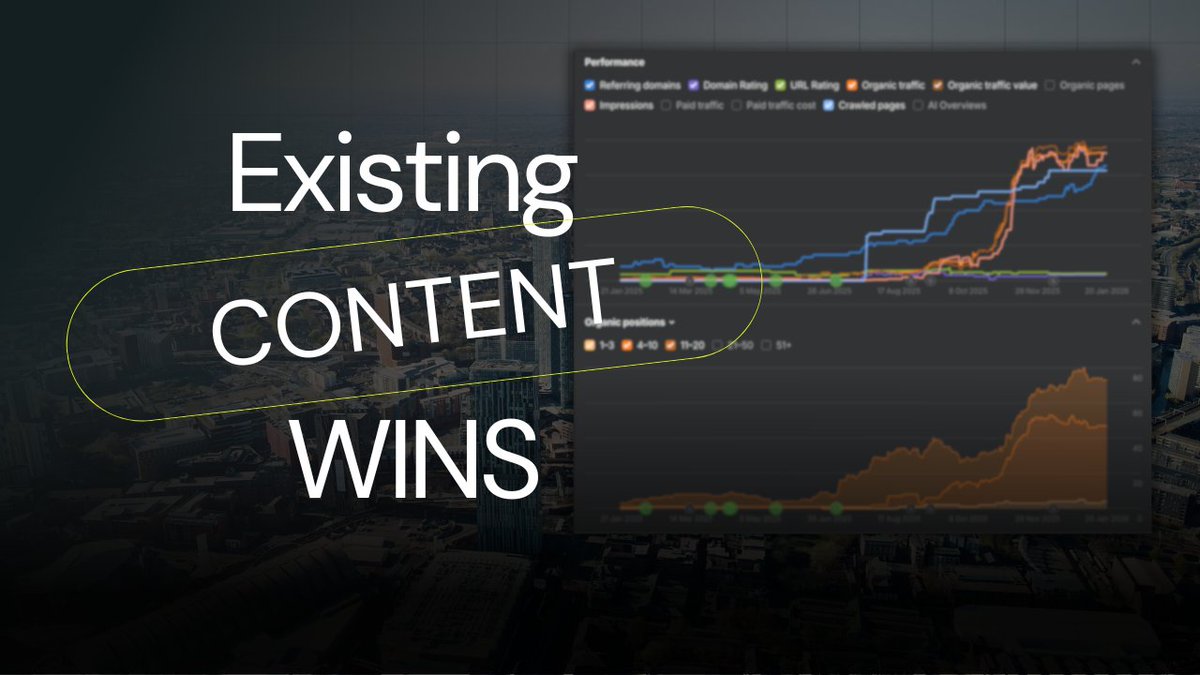
👀 You’re leaving a lot on the table if you’re only publishing new content.
When getting to the content side of a site audit, I often see the same issues occurring.
Here’s what I come across regularly, and what you can do to make sure you’re not missing out on any visibility opportunities stemming from your existing content.
1. Not having a process for updating existing content
This one sounds so simple, but there are often so many articles that I see referencing a previous year, in a competitive SERP where freshness is crucial.
I’m not saying to just go in and update the year either. If the year is in the URL (not ideal but, let’s leave that for now!), add the year as a page filter in Search Console and look at how queries have decayed over time.
Do the same with queries for previous years to see what is surfacing. Are you seeing complete gaps that you can introduce that otherwise aren’t in the article, or not fully covered?
2. Check the SERP timelines in a tool like Ahrefs to see what type of content is now being favoured versus when you last published.
Do you have older articles that don’t even reference what they need to be, based on industry changes and developments?
3. FAQ’s based on questions your customers are genuinely asking
Is there an opportunity to introduce or develop an existing FAQ section on the page? Are you also seeing queries with high impressions and low/no clicks, which would also make sense being expanded on in an FAQ section?
4. Are you missing out on additional content types, based on how SERPs have developed?
For example, are you also seeing video results alongside articles? Maybe the type of content is completely different to what you assumed?
I’ve seen many sites targeting commercial queries with just category and product pages, when in fact over a 6-12 month period there has been a shift in informational content also being prioritised for commercial queries, so make sure you’re covering the content types effectively to meet what is actually being favoured in the SERPs at the time of auditing.
5. Are you referencing broken external sources?
Use Screaming Frog to look at external 404’s and see what articles they stem from. It just gives a much more cohesive experience if you’re referencing data that is fresh and, ultimately, live!
6. Internal links from newer content
If you’re constantly publishing new content, are you referencing aged articles where possible, particularly if the existing articles relate to the same cluster you’re targeting?
7. Has content become orphaned, or just simply difficult for search engines to access?
I’ve seen this a few times recently with paginated blog URLs that are set to noindex after page one, or content completely removed from a site due to a redesign (but still in the sitemap) when it still makes complete sense for it to be on the site as a relevant traffic driver.
60
May 11
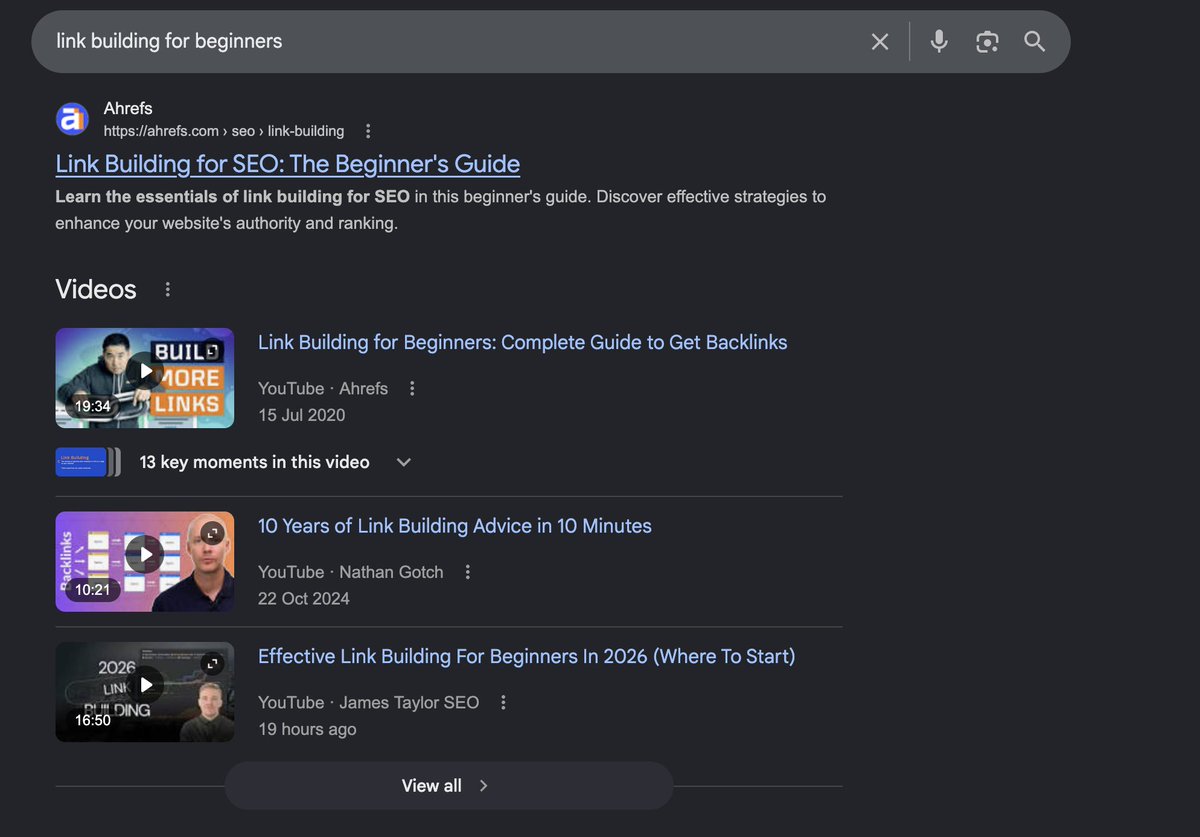
Got to love how quickly new videos can start to show. It's such a good opportunity for content that you've already written and, let's face it, if people would rather learn from a video then why not give them the option?
I like to use existing articles as video outlines and then expand with visual examples. Almost treating the videos like a mini training deck or a how-to, rather than just saying what's already in the article itself.
Now to actually find the time to do this consistently...
27
May 10
Build backlinks like a real brand in 2026.
In this video I look at where you can get started with link building in 2026, focusing on a blend of different approaches that will give you as natural and as varied a backlink profile as possible.
This is particularly important for beginners who want to get started with multiple approaches and gain traction early on, rather than wasting time and effort in the wrong areas.
41
May 9
When it comes to keyword research, context is critical and it can be hard when you're first doing it to focus less on things like estimated search volume and keyword difficulty, and more on what is actually going to make sense for your audience.
This guide looks into keyword research in 2026, at aspects such as:
- Why you need to assess SERP changes over time, and why you can't just assume what type of content is being favoured based on the search
- What content opportunities look like outside of your website. For example, are you taking a YouTube strategy into account as part of broader organic brand visibility?
- How LLM preferences align with the content types and outputs you're already focusing on (and relevant ones you may be missing out on)
- Your approach to topical clusters, and what true coverage means without sacrificing quality or context
And loads more. Really enjoyed writing this one!
jamestaylorseo.co.uk/news/ho…
55
May 7
Your keyword research and content planning needs to include YouTube opportunities, especially if you can do over the shoulder videos reiterating what you're already saying in an article that is already in your content plan.
I've been testing this on my site and, it's slowly starting to come together. With 'ecommerce link building' for example, the article is a main source in AI Overviews, #1 organically (generally anyway!), and #3 in the Videos tab, with the video really just expanding on the article with more visual elements and examples.
It'll be interesting to see how this develops but, if you're on the fence about YouTube and its role in organic brand visibility then it's definitely worth trying, especially if you've already got content on your site that you can use as a bit of a script or video outline.
35
May 6
Slowly getting back into uploading over at youtube.com/@jamestaylorseo - if you like monotone talks about SEO strategies you'll LOVE what's on there
15
May 5
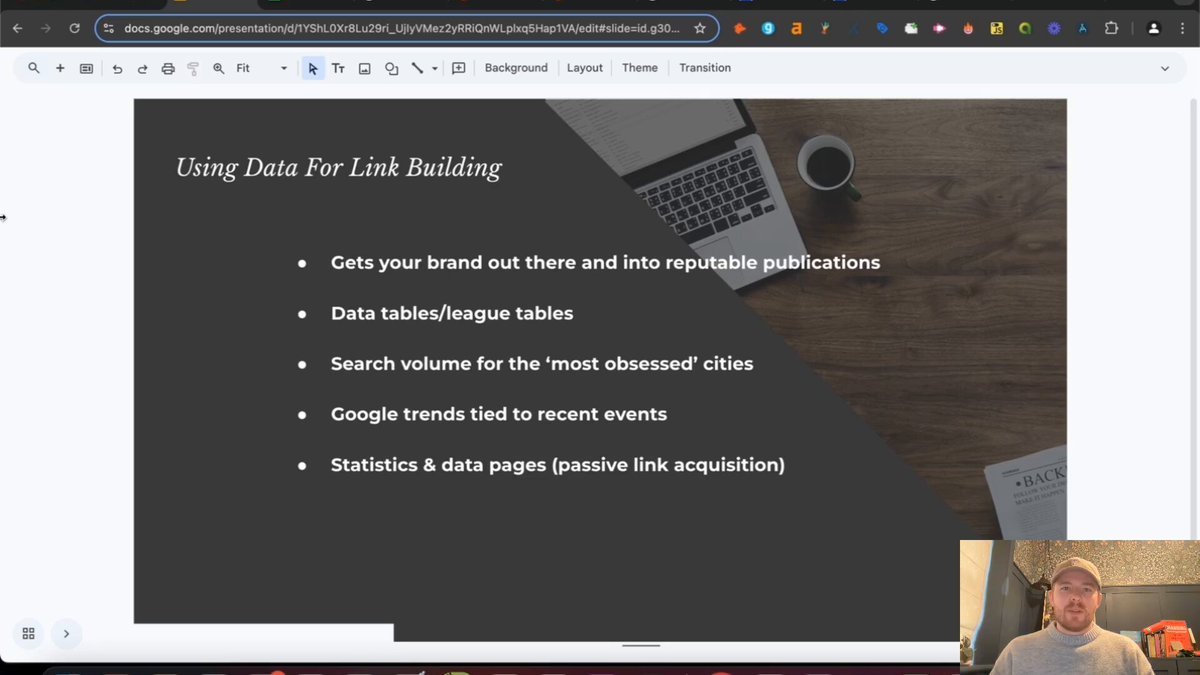
Why use data for link building? What role does data have to play in landing links that actually move the needle?
This video looks at the various free and paid approaches you can take to using data to your advantage for external campaigns, content on your site for link acquisition and more.
Video is from 2025 but, still 100% contextual!
40
May 4
I made this video a few months back on the topic of low-cost link building ideas, largely because conversations I often have with potential clients are around them not doing link building because it's too expensive.
Regardless of what you choose to do to get links, are you going to need time and money to do it? Sure. But it doesn't mean you have to spend a fortune to get started.
These are four of my favourite link building approaches that won't put you off getting started in the first place.
41
Apr 30
These are my 4 current favourite link building strategies in 2026.
I'd love to hear what others are doing on the link building front!
1
104
Apr 30
4. Passively acquiring links with statistics pages
This is such a great way to get links passively.
Often, journalists and publishers will search for 'Topic Stats Year' and, they'll often link to the resource that ranks, not the source of the data. Just make sure you're linking back to the data so that journalists can verify the statistic.
These stats hubs are then great for internally linking to your commercial pages and driving authority from within your site.
1
25
Apr 30
I've recently updated the following guide to link building, have a gander for more of this sort of thing there: jamestaylorseo.co.uk/news/li…
29