
Journal of Peace Research is an interdisciplinary and international bimonthly journal, covering scholarly work in peace research.
Joined March 2013
- Tweets 1,468
- Following 341
- Followers 7,218
- Likes 121
294 Photos and videos
Pinned Tweet
You may have noticed that it has been pretty quiet on here. To keep up with the latest articles from JPR, follow us on:
- LinkedIn: linkedin.com/company/journal…
- Bluesky bsky.app/profile/jpeaceresea…
6
759
Journal of Peace Research retweeted

28 Apr 2025
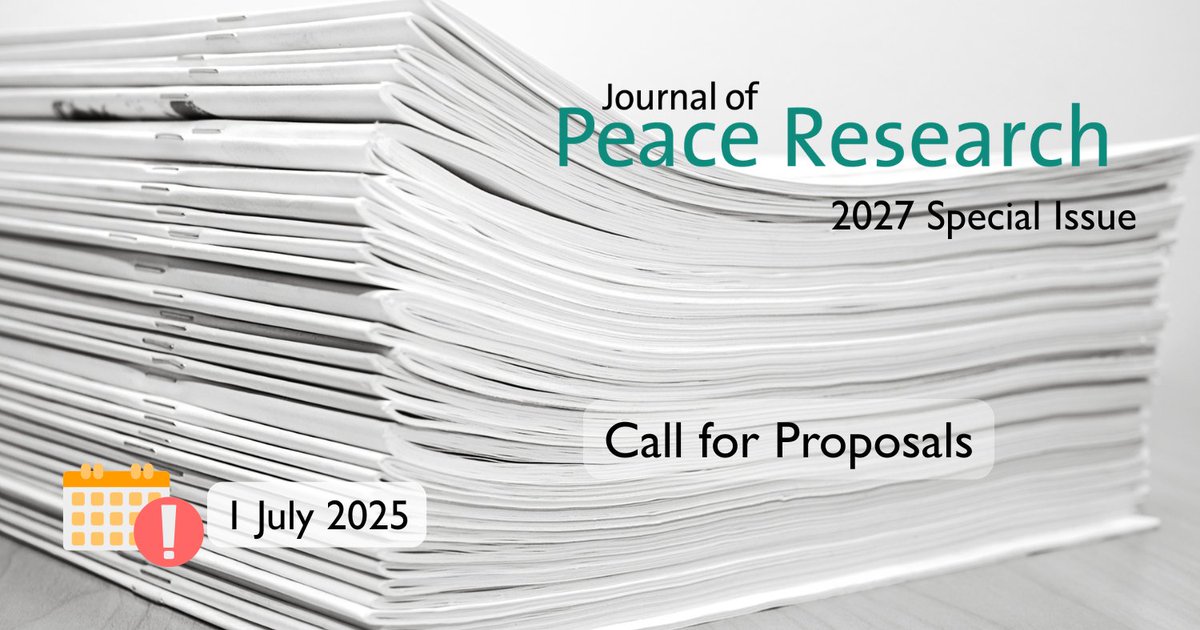
Want to guest edit the Journal of Peace Research's 2027 Special Issue?
Our call for proposals is now open!
🗓️ Deadline for submitting proposals: 1 July 2025
🔗 Info & requirements: bit.ly/42K1tzW
2
3
6
1,098

7 Apr 2025
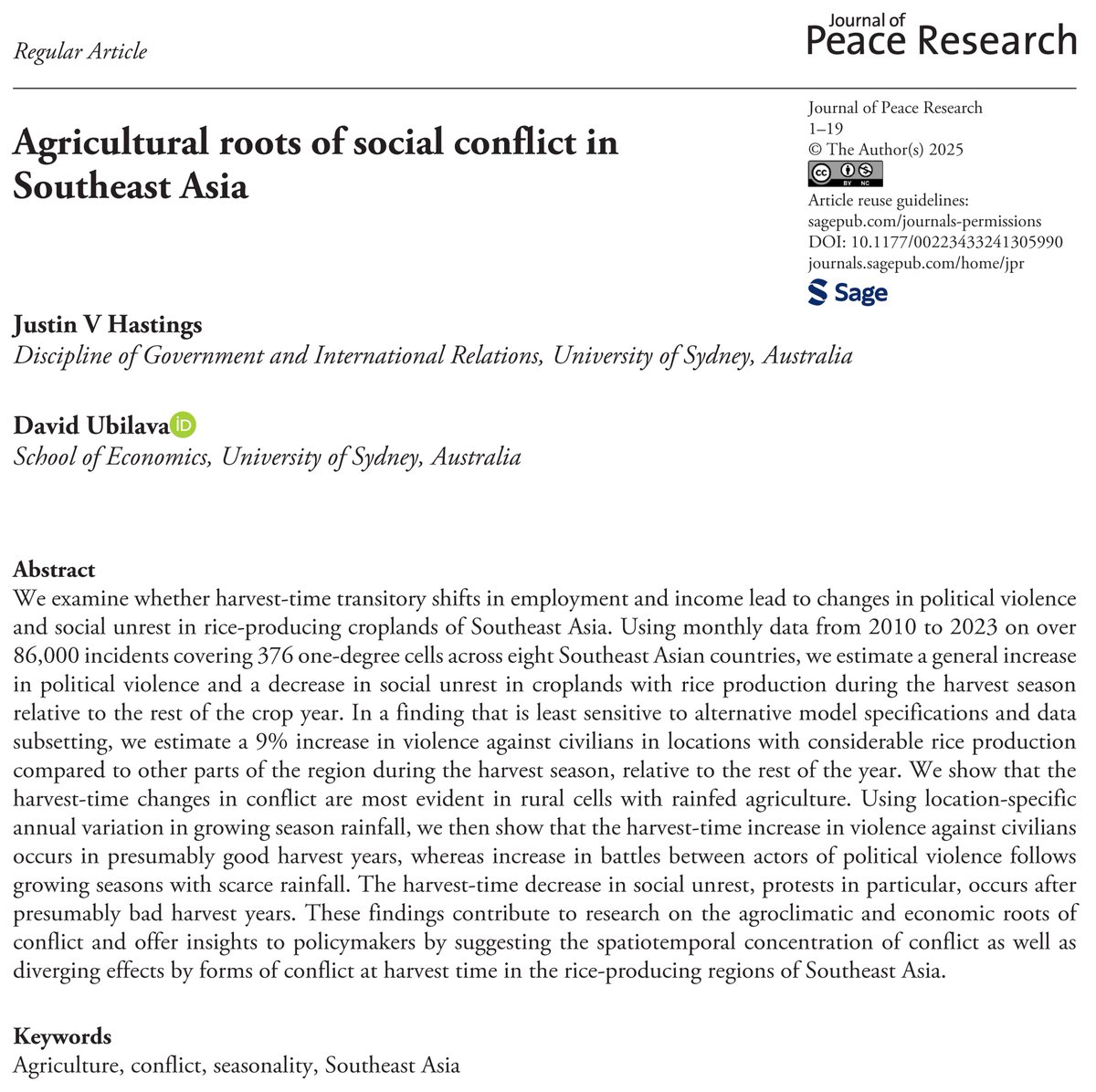
Does conflict intensify during harvest in crop-producing regions?
2
23
71
5,773
7 Apr 2025
In this article (open access), Justin V Hastings and @DavidUbilava (@Sydney_Uni) examine how seasonal shifts in income and employment during the rice harvest shape patterns of conflict and unrest across Southeast Asia (2010-2023).
1
4
417
7 Apr 2025
To learn more about the findings and how harvest dynamics can influence when and where different forms of conflict occur, read the full article here: journals.sagepub.com/doi/ful…
3
362
18 Mar 2025
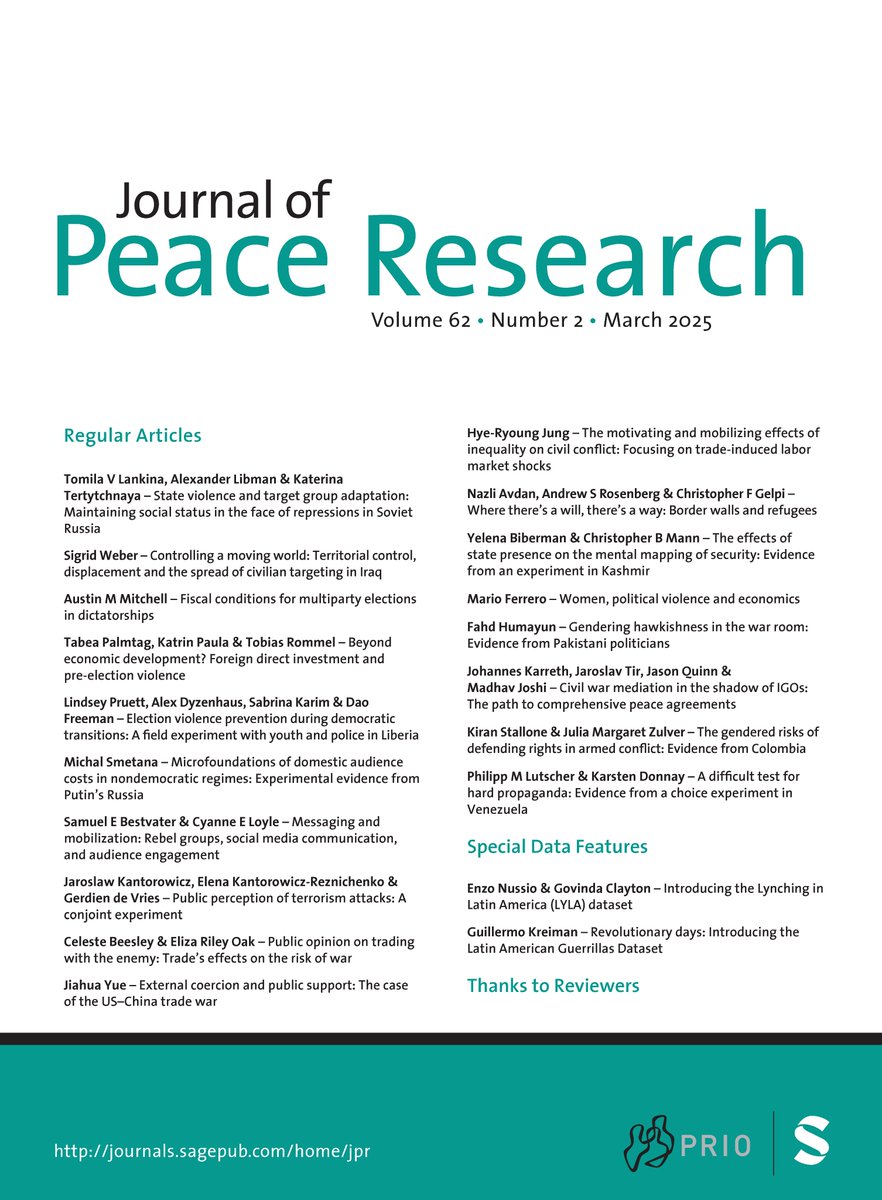
New JPR issue now available! Our March issue is here with 18 regular articles and 2 special data features. Thank you also to all the reviewers who generously contributed their time and expertise to JPR over the past year! Read the issue here: journals.sagepub.com/toc/jpr…
18
50
5,191
3 Feb 2025
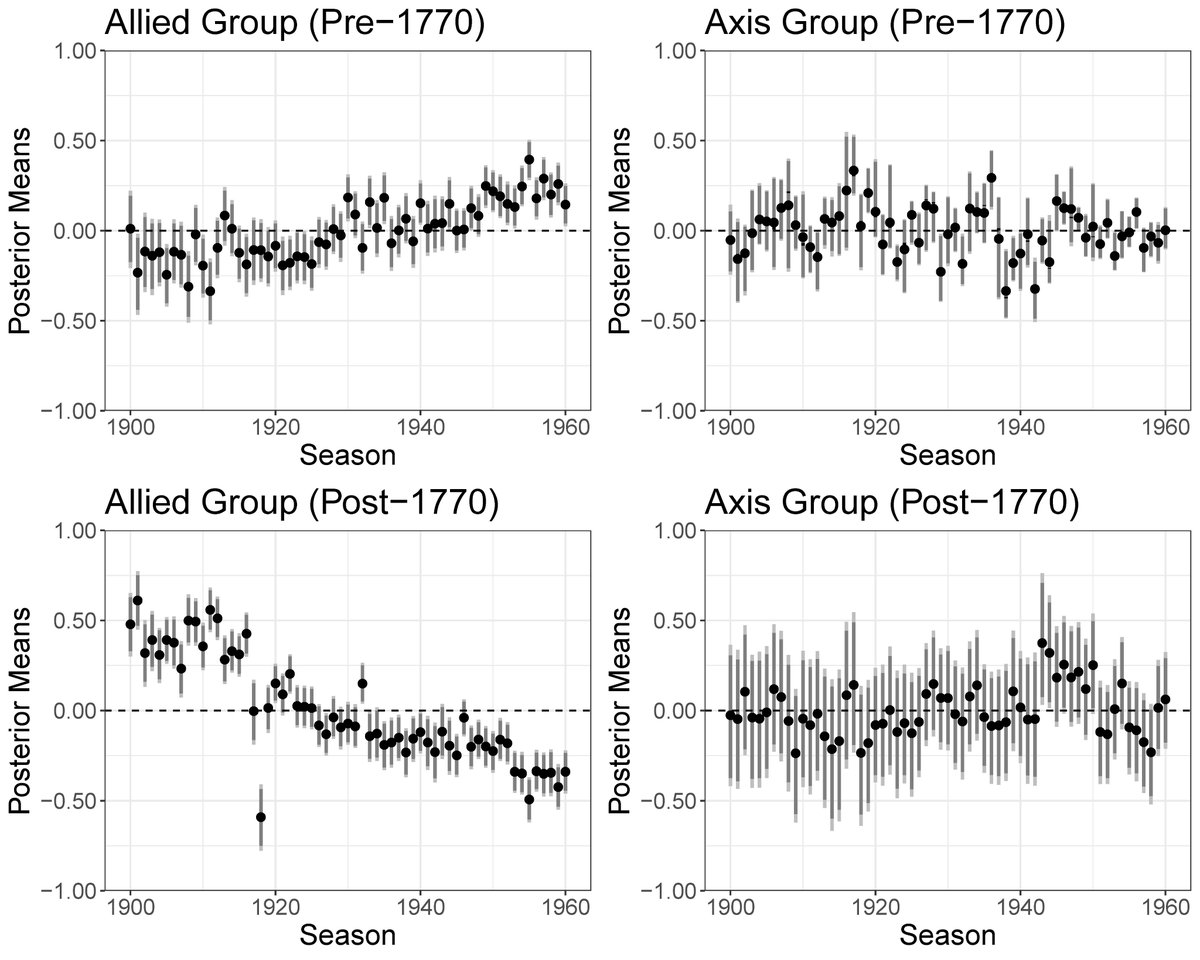
The 2024 Best Visualization Award goes to @Mas_Kikuchi (@WUSTLPoliSci) for his article ‘How does war affect cultural tolerance? Evidence from concert programs, 1900-60’. Congratulations to the author! 🏆
2
14
24
2,920
3 Feb 2025
Kikuchi analyzes concert programs from 10 major symphony orchestras across five countries between 1900 and 1960, showing how war reduces performances of enemy nations’ modern music. His visualizations stand out for their simplicity, readability, and clarity.
1
4
477
3 Feb 2025
Figure 6 shows how cultural tolerance evolved in victorious vs. defeated nations post-WWI & WWII. The committee commended the article’s state-of-the-art graphic design for effectively conveying its findings. Read the full announcement: tinyurl.com/4k9wb3dr
1
4
426
3 Feb 2025
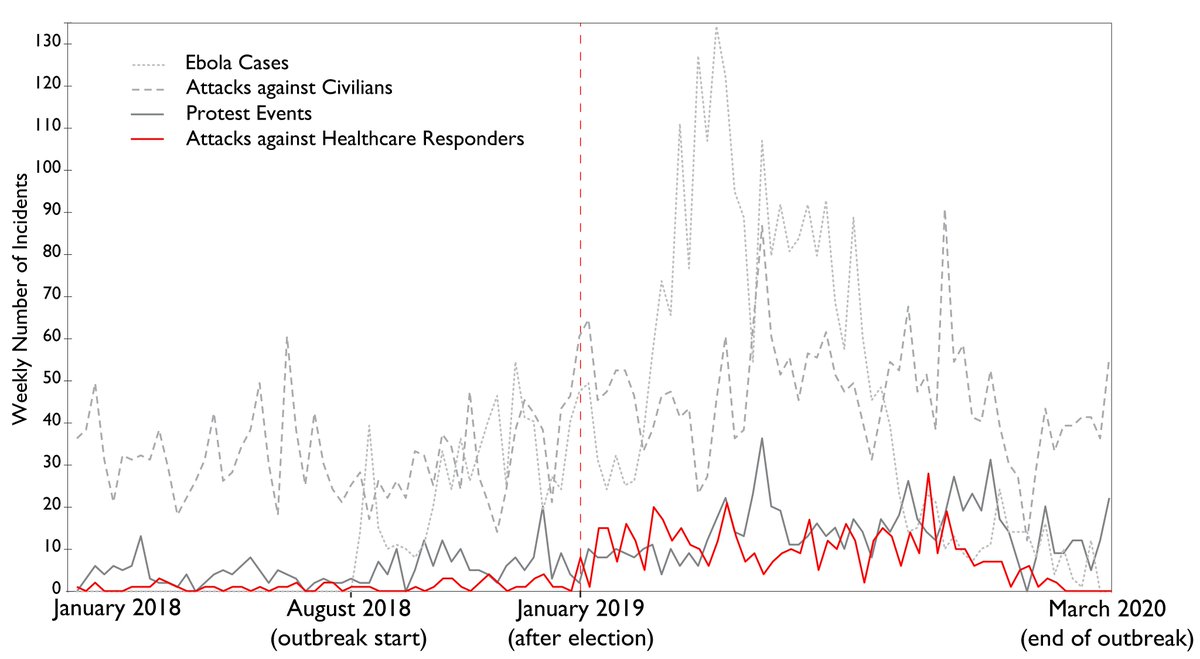
The 2024 Nils Petter Gleditsch JPR Article of the Year Award goes to Melanie Sauter (University of Mannheim) for her article entitled ‘Politicized health emergencies and violent resistance against healthcare responders’. Congratulations to the author! 🏆
1
6
20
1,538
3 Feb 2025
Sauter’s work addresses the important topic of violence against healthcare workers in conflict zones, focusing on the case of Ebola responders in the Democratic Republic of Congo 🇨🇩 (2018-2020). To learn more, read the full announcement on our website: tinyurl.com/5keup69j
285
11 Nov 2024
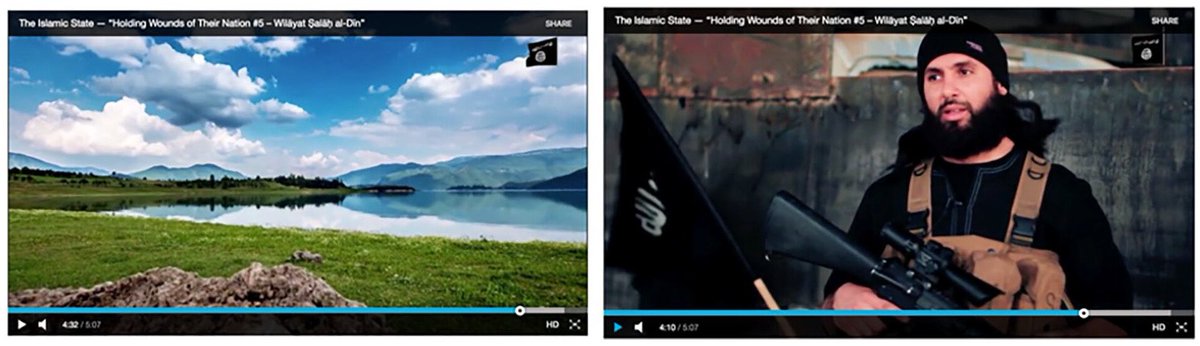
Who is likely to benefit from Internet propaganda in civil wars and why?
1
5
777
11 Nov 2024
@bfwalter & @Gregoire_Philli unpack this puzzle by introducing a new dataset on rebel propaganda that includes every available piece of public, downloadable Internet communication produced by every major rebel group in the Iraqi civil war between 2011 and 2015.
1
2
433
11 Nov 2024
To learn more about how the type of support (international versus local), ideology, & the age of the rebel group relates to internet propaganda, read the authors in JPR tinyurl.com/s3drk5vj
371
8 Nov 2024
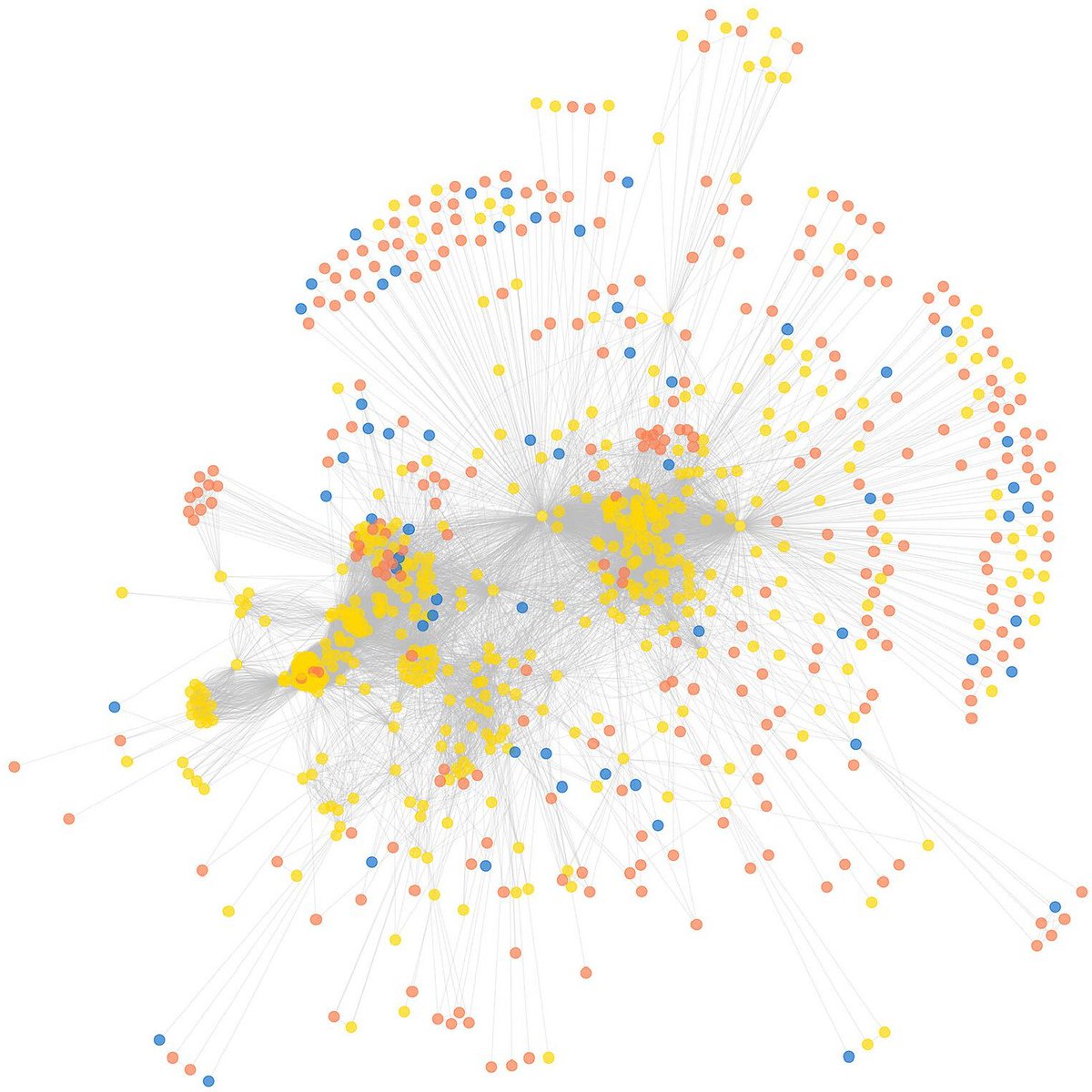
New dataset alert: @MatiasSpektor, @marcos_ross_f, @lucasdopaes, João Victor Dalla Pola & Vitor Loureiro Sion developed the Latin American Transnational Surveillance dataset, based on declassified foreign surveillance reports produced between 1966 and 1986 by autocratic Brazil.
1
6
16
1,495
8 Nov 2024
Drawing on the data the authors empirically explore existing theoretical insights about the motivations, methods and consequences of transnational surveillance, and use social network analysis to test collective-action theories of transnational political violence.
1
1
286
4 Nov 2024
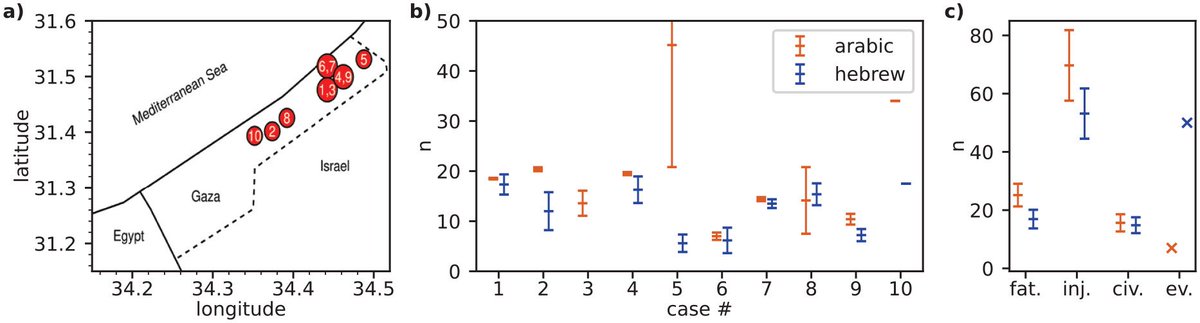
How does user language affect information about conflict-related violence obtained by ChatGPT?
1
4
15
1,839
4 Nov 2024
@ChrisVSteinert & Daniel Kazenwadel address this issue in the context of the Israeli–Palestinian and Turkish–Kurdish conflicts. Using GPT-3.5, the authors employ an automated query procedure to inquire about casualties in specific airstrikes.
1
1
3
1,663
4 Nov 2024
To learn more about the results and how they can inform our understanding of political biases in AI, read the authors in JPR tinyurl.com/35zv5uev
3
289