
I'm living while I'm living to the Father, I pray only He knows how I get through each day @ZSE_ZW retail investor | #Economics | #Finance | @AERCAFRICA alumnus
Joined March 2020
- Tweets 312,193
- Following 6,243
- Followers 4,612
- Likes 0
33 Photos and videos



Pinned Tweet

17 Dec 2022
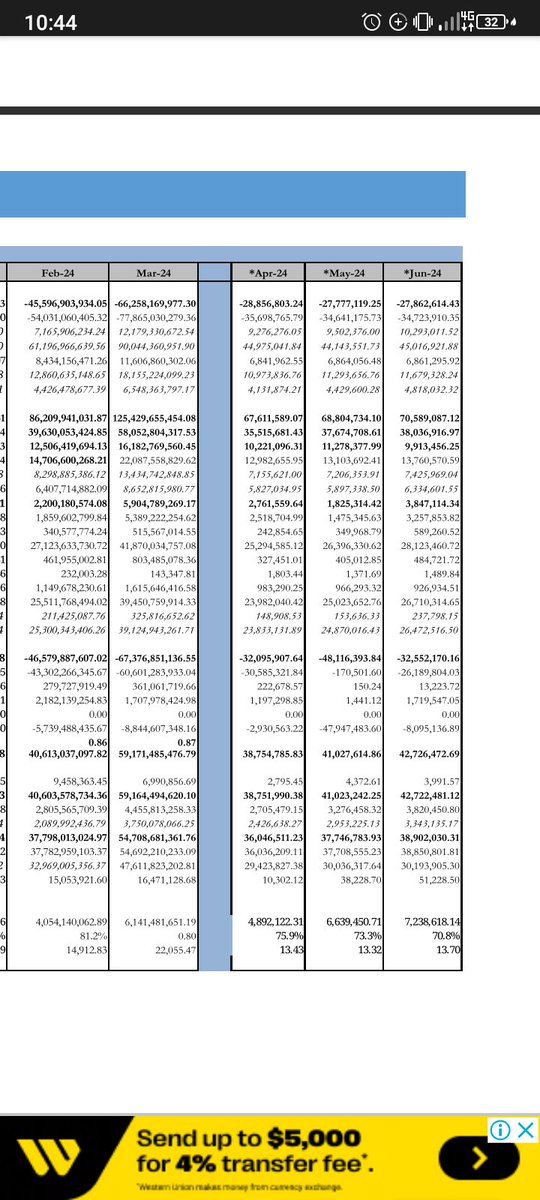
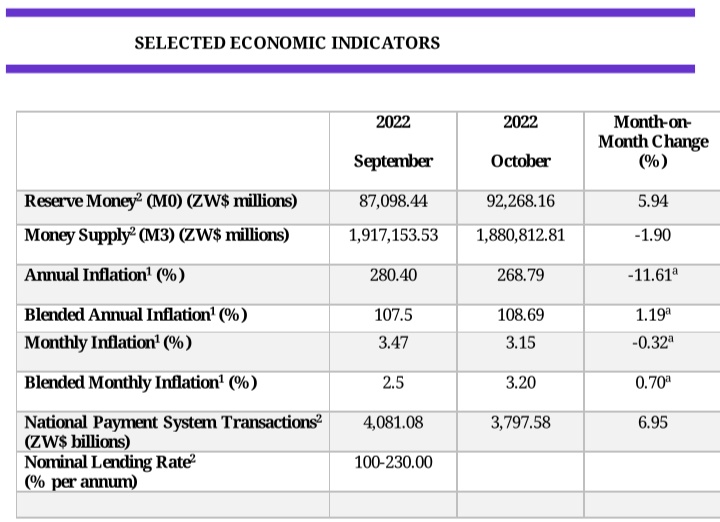
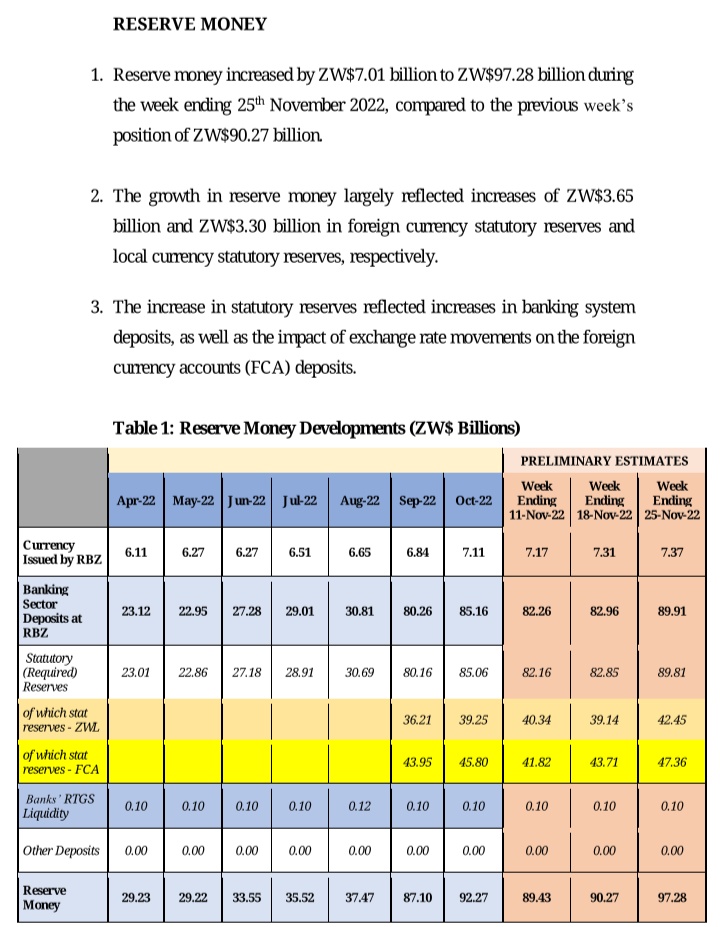
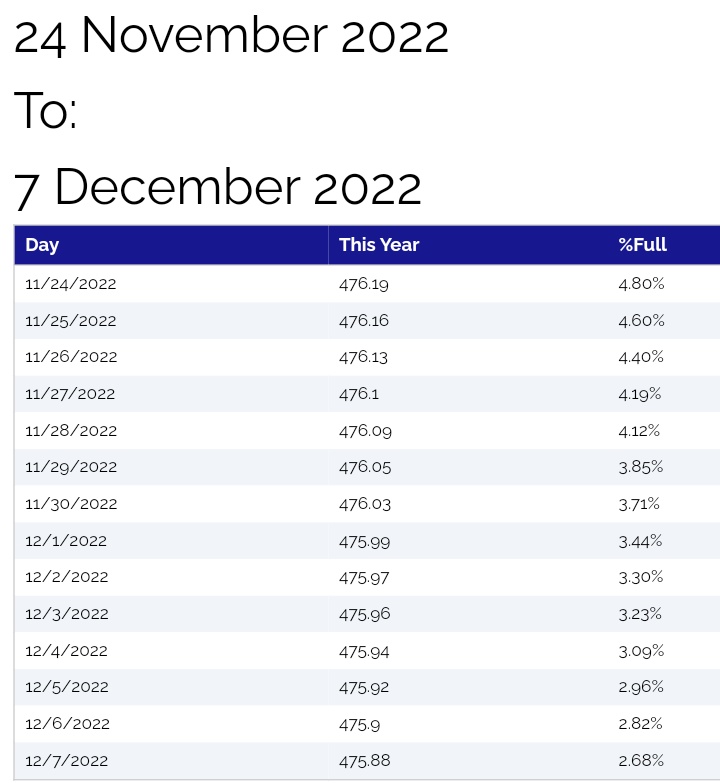
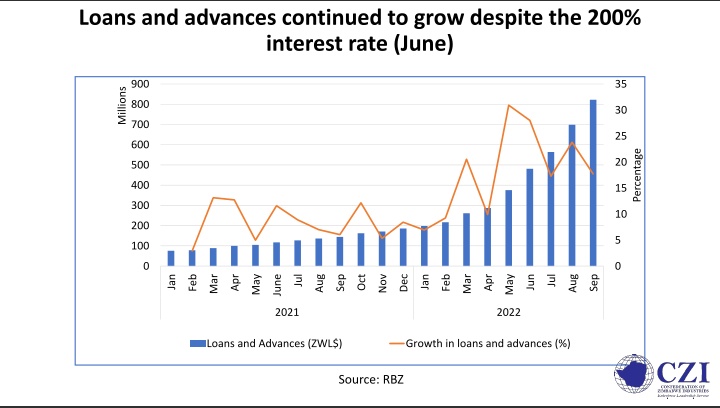
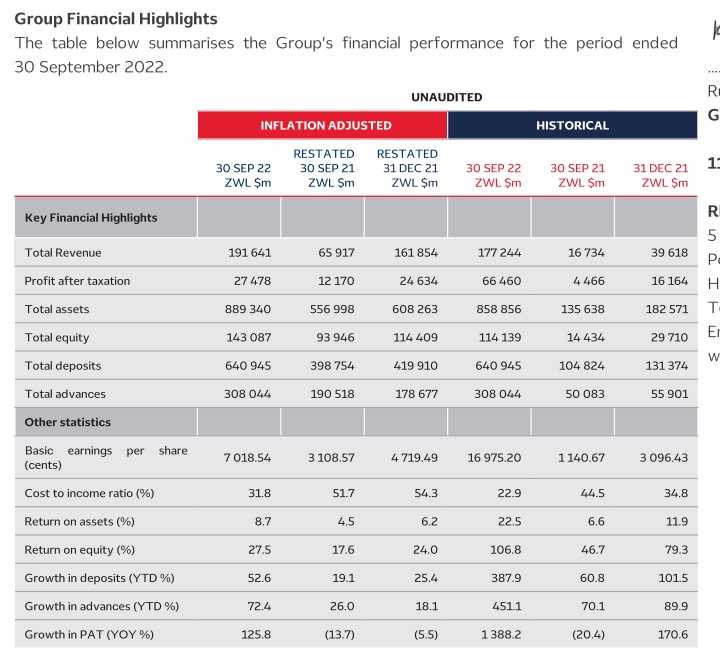
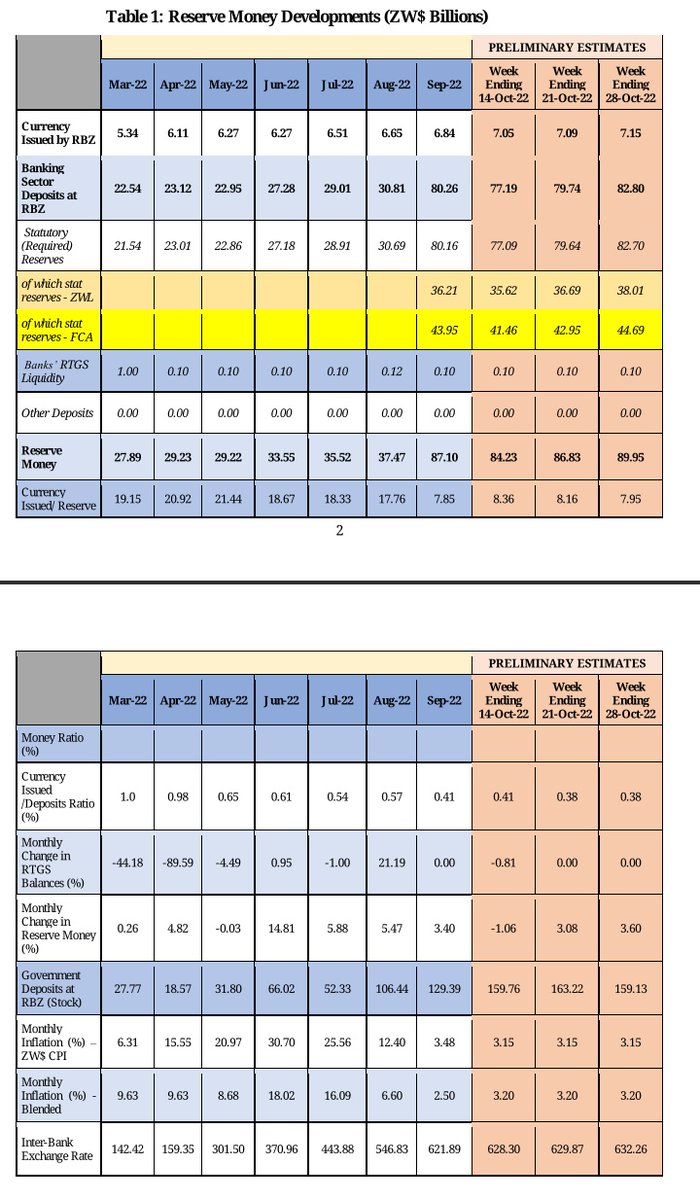
I've over the past few days heard many people, and even companies in their financial statements, saying the ZWL has lost over 500% of its value since the beginning of the year. Crazy! A currency, or any asset, cannot lose more than 100% of its value otherwise it'd cease to exist.
9
26
41
26,989
KingMhare retweeted

The minimum wage in Ireland after tax is approximately €2000 euros guys Mwari ave nemi

MINIMUM WAGE FOR DOMESTIC WORKERS
The minimum wage for domestic workers will be US$90.
Other workers will be paid as follows:
Yard Worker/ Gardener - $90
Cook/ Housekeeper - $99
Child/Disabled /Aged Minder -$108
Disabled/Aged Minder with Red Cross Certificate - $117
The revised minimum wages are with immediate effect.
10
13
99
8,894
KingMhare retweeted

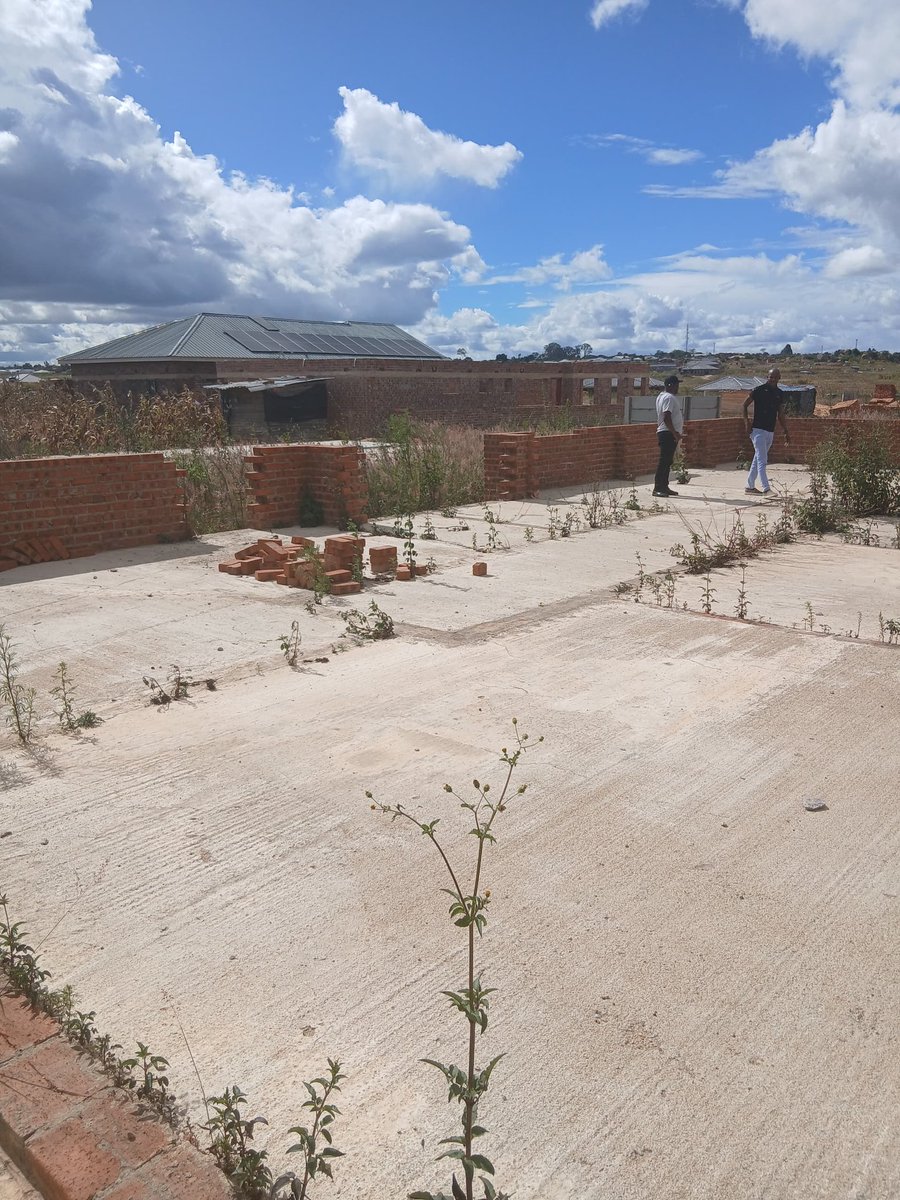
l'm selling my stand with a slab in Donnybrook Goshen Park, Mabvuku
- 300m²
- Developers Cession
- Flexible terms
* FOUNDATIONS ✅
* $15K slightly negotiable
Wa.me//0716991881
3
7
827
KingMhare retweeted

7h
This is tragic. $90? A whole adult human being? The Government needs to protect citizens from exploitation.
Like most civilised nations no one really can afford a “maid” or “garden boy”. It’s. Colonial relic.
MINIMUM WAGE FOR DOMESTIC WORKERS
The minimum wage for domestic workers will be US$90.
Other workers will be paid as follows:
Yard Worker/ Gardener - $90
Cook/ Housekeeper - $99
Child/Disabled /Aged Minder -$108
Disabled/Aged Minder with Red Cross Certificate - $117
The revised minimum wages are with immediate effect.
22
16
95
11,508
KingMhare retweeted

Zimbabweans on X are debating whether $10,000 will change your life. The podcast I’m listening to, This Week in Startups, is talking about $10 million. That’s the real money that will change your life - $10 million is real F-U money.
$10,000 solves problems: it can pay school fees, clear debts, or buy equipment for a small business.
$10 million invested at 5% could generate about $500,000 a year. That’s enough to live very comfortably and do whatever you want.
$10,000 solves problems.
$100,000 creates opportunities.
$10 million buys freedom.
27
15
83
7,260
KingMhare retweeted

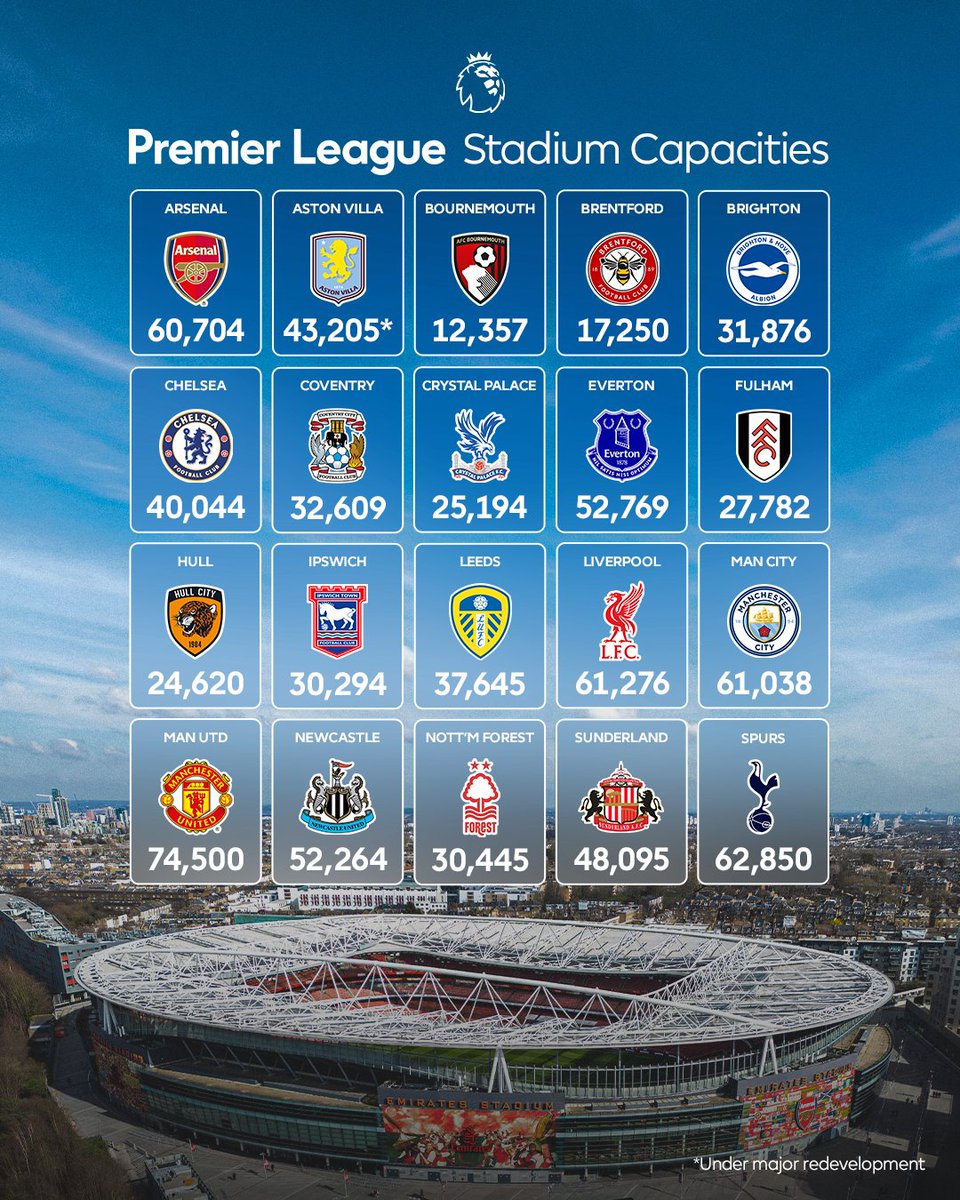
Next season's stages 🏟️🤩
1,063
5,556
46,020
1,421,079
KingMhare retweeted

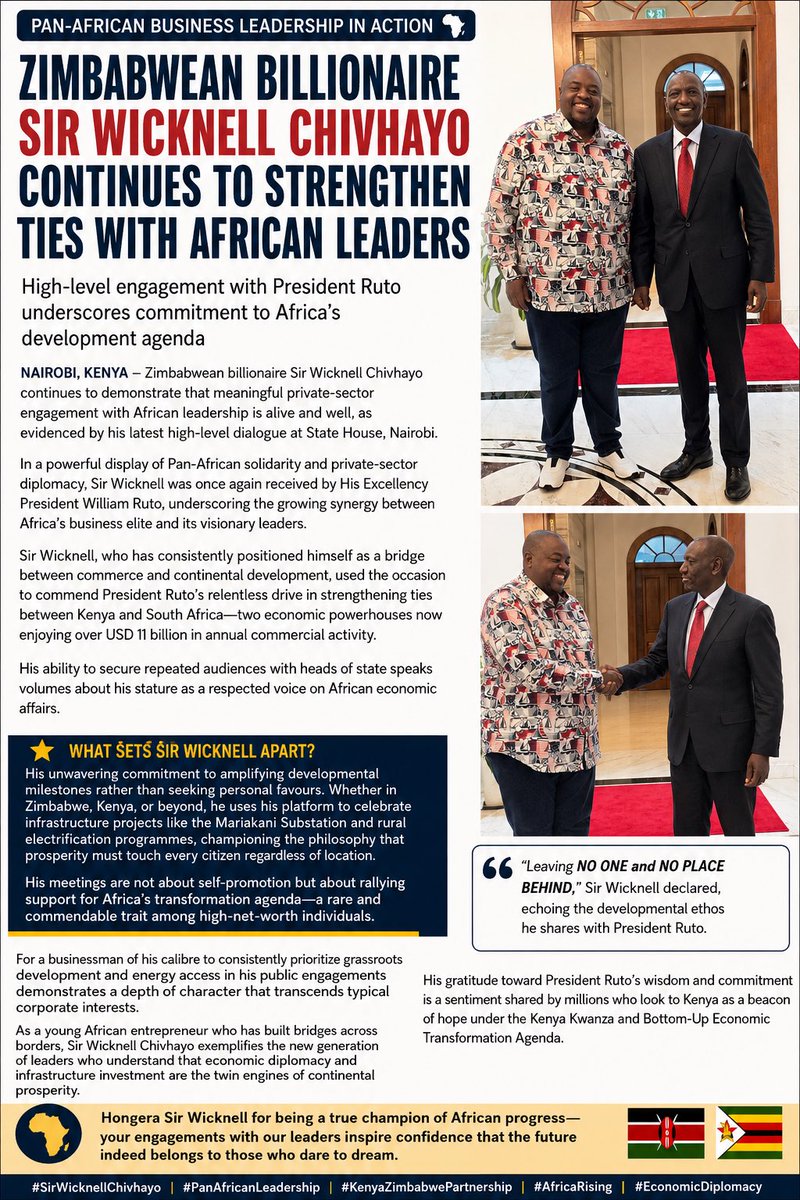
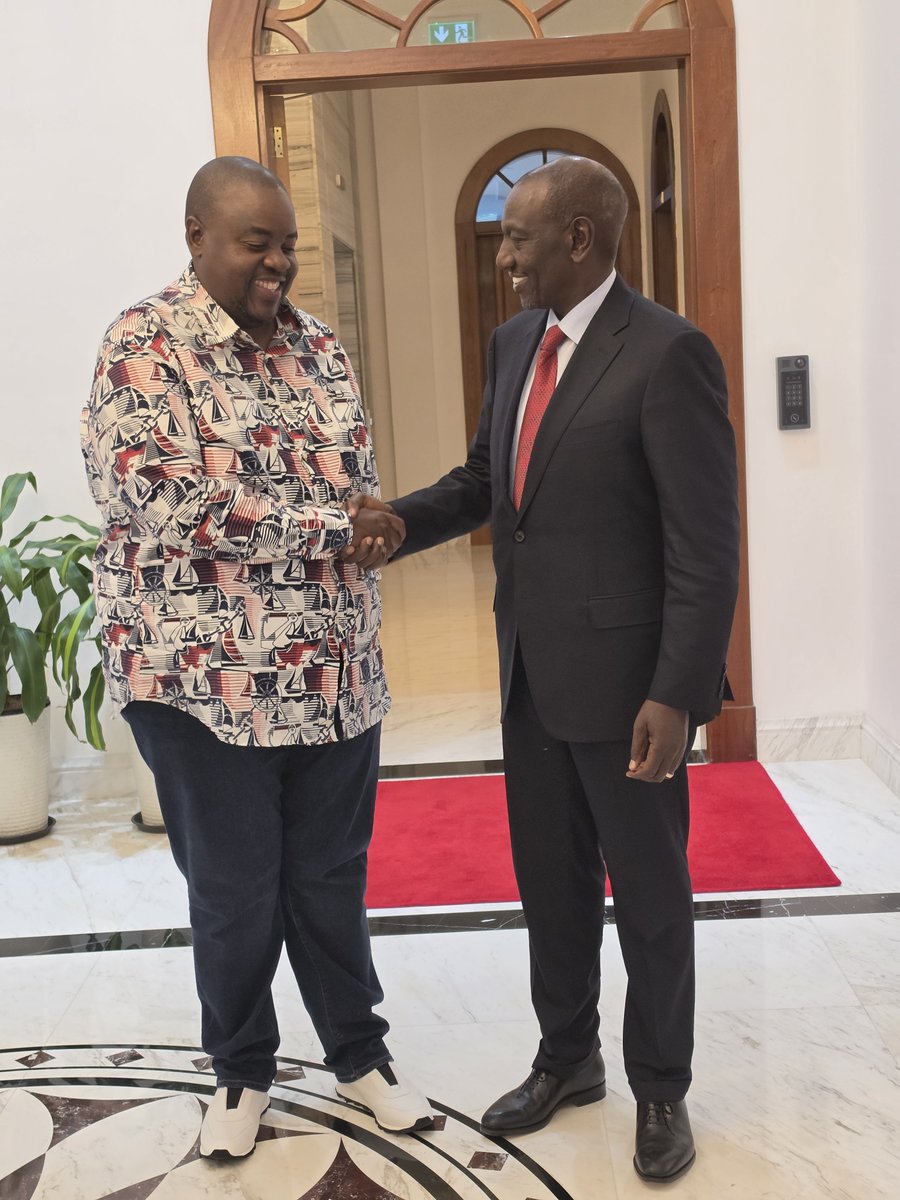
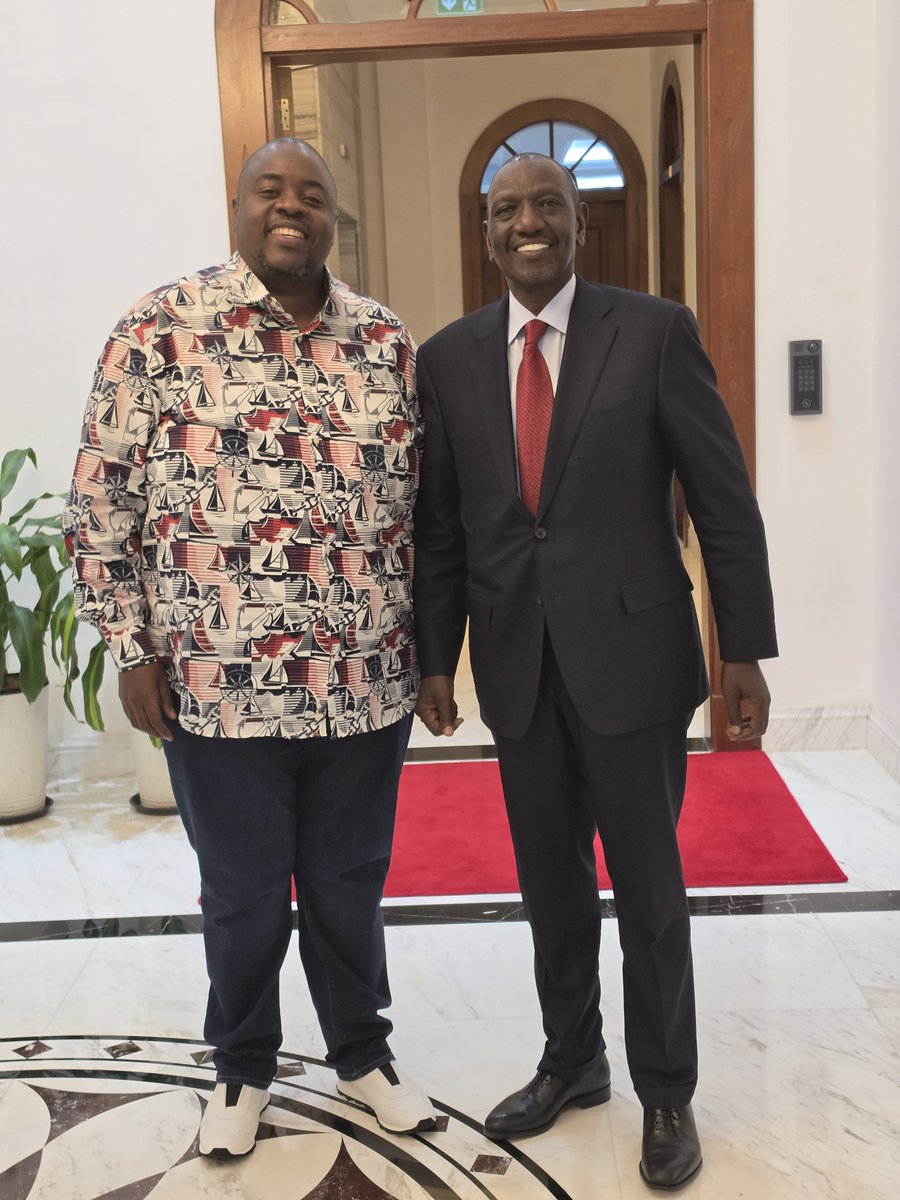
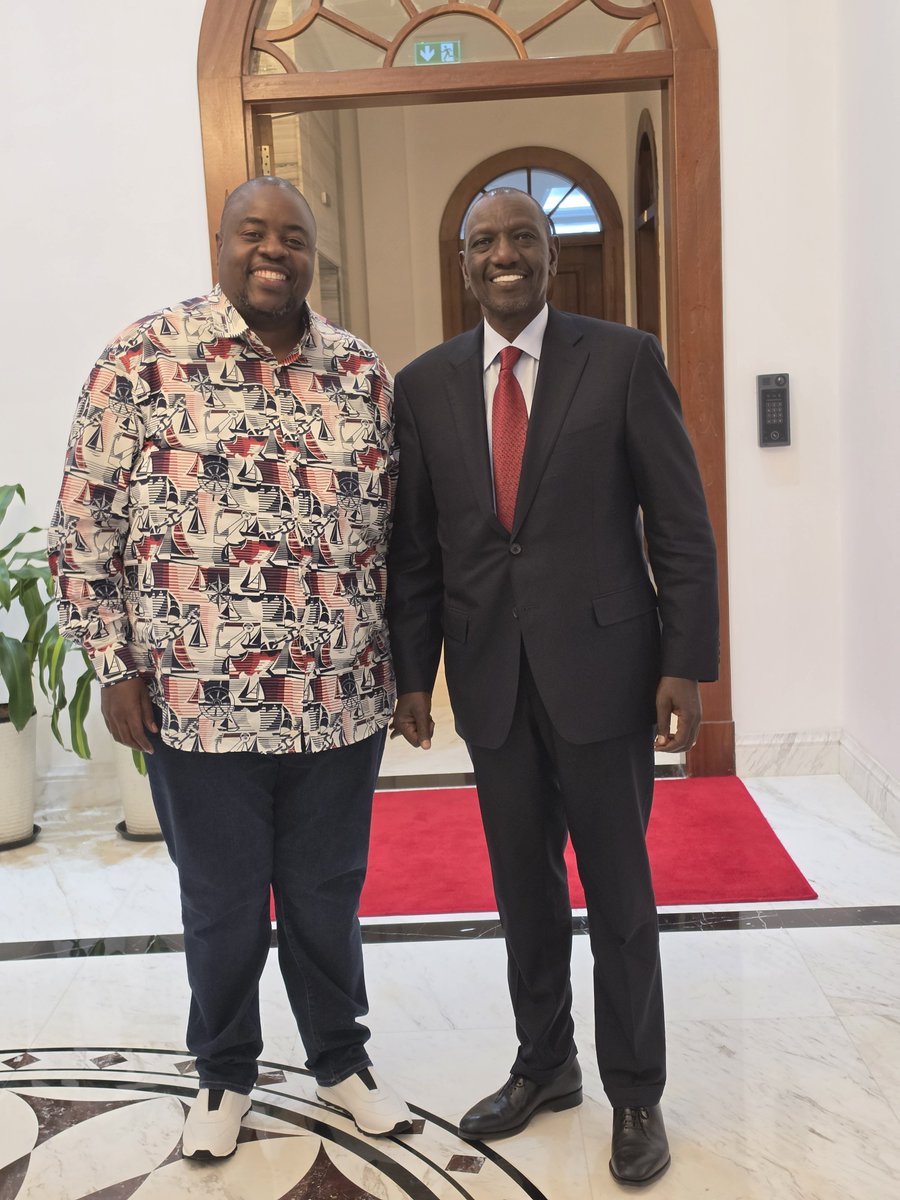
Zimbabwean billionaire Sir Wicknell Chivhayo continues his trademark high-level diplomatic engagements, fresh from a courtesy call with President William Ruto at State House, Nairobi.
NAIROBI, KENYA – Sir Wicknell Chivhayo has once again secured an audience with President William Ruto, this time to celebrate the head of state's "action-oriented" leadership following his landmark South Africa visit.
Sir Wicknell praised the growing Kenya-South Africa economic corridor, now valued at over USD 11 billion annually, and lauded President Ruto's rural electrification drive, including the newly commissioned Mariakani 400/220kV Substation which is set to strengthen Kenya's transmission network and support renewable energy ambitions.
What makes Sir Wicknell's engagements with African presidents truly distinctive is his unwavering focus on developmental messaging—championing the "Leave No One Behind" philosophy and using his platform to amplify infrastructure milestones like the Mariakani project, rural electrification programmes, and bilateral agreements covering trade, energy, tourism, skills development, and investment promotion.
"The future belongs to nations that DARE TO DREAM," Sir Wicknell declared, expressing confidence in Kenya's Bottom-Up Economic Transformation Agenda.
#SirWicknellChivhayo
#RaisWaMatendo
#KenyaRising @wicknellchivayo
6
10
11
1,497
KingMhare retweeted

One thing that cannot be taken away from Special Investment and Empowerment Advisor Dr Paul Tungwarara is his loyalty. He said he is prepared to die for him. If he is arrested while defending, then so be it...

MASWERA SEI? NDATI NDINGODZOSA MA SHOKO AKATAURWA NENHUME YAMDHARA UNAPOLOGETICALLY !!!.
NHUMEEEE 🔥🔥🔥 @paultungwarara
4
5
11
1,204

KingMhare retweeted

As you fast , pray and wait for marriage .
Especially for those who own more than just a pair of Nike sneakers and shades .
Please take time to read 👐🏽👐🏽
And pama kitchen party ka , please normalise inviting law experts , financial experts and all .
Ana mother vanotuka Chimbomirai !
Munozovaona ku China honestly.
Because yaaaa .
Mar 27

Y'all approach Zimbabwean divorces being guided by real housewives of Beverly Hills.
Zimbabwean marriages are out of community of property.
Worse of customary marriage.
And there is no spousal maintenance unless you are handicapped or to old to go to work.
7
11
72
7,965
KingMhare retweeted

Mar 27
Y'all approach Zimbabwean divorces being guided by real housewives of Beverly Hills.
Zimbabwean marriages are out of community of property.
Worse of customary marriage.
And there is no spousal maintenance unless you are handicapped or to old to go to work.
10
28
186
55,689
KingMhare retweeted

🔸Ini ndakati let’s introduce the basics of Family Law into the school curriculum mukati munoda maparts ehwiza saka ndikoko.
We need new leaders.🇿🇼
35
44
340
12,519
KingMhare retweeted

Can you stop this nonsense‼️
You’re looking for unnecessary trouble with the authorities with your tribal nonsense.
HATIDI UNOZOCHEMA🤷🏽♀️🤷🏽♀️🤷🏽♀️🤣🤦🏾♂️
Uyahlanya!
1
1
2
152
KingMhare retweeted

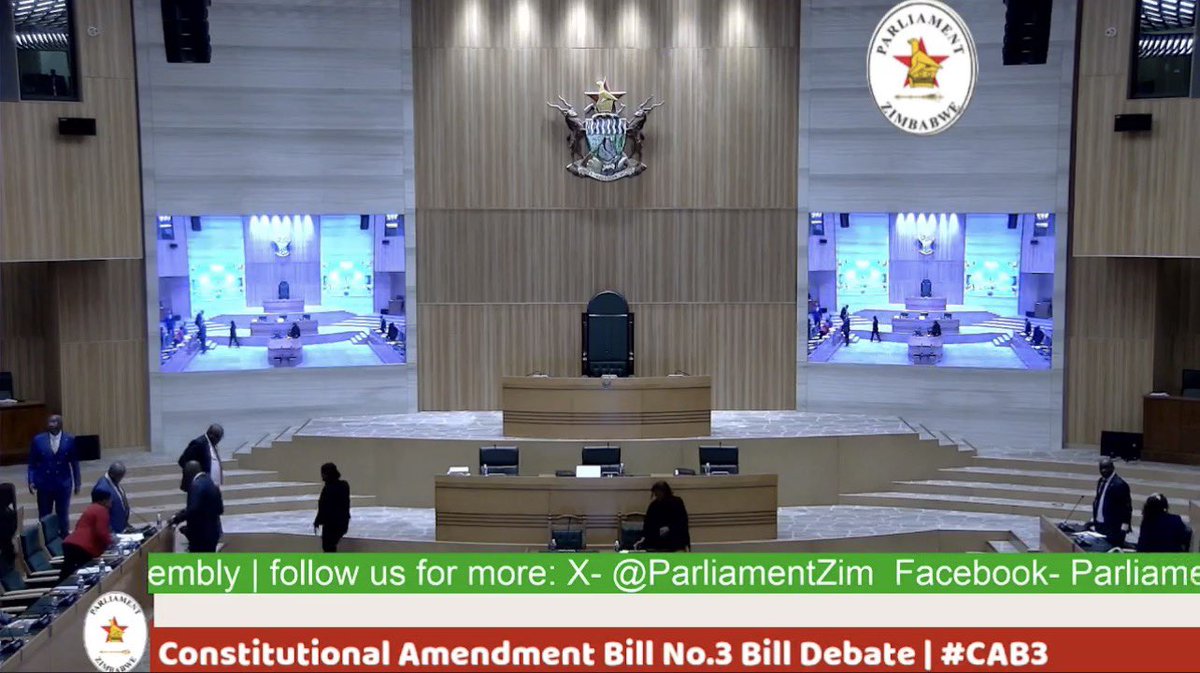
𝗔𝗧𝗧𝗘𝗠𝗣𝗧 𝗧𝗢 𝗖𝗟𝗢𝗦𝗘 𝗣𝗔𝗥𝗟𝗜𝗔𝗠𝗘𝗡𝗧 𝗙𝗜𝗥𝗦𝗧 𝗥𝗘𝗔𝗗𝗜𝗡𝗚 𝗥𝗘𝗔𝗟𝗟𝗬 𝗨𝗡𝗙𝗢𝗥𝗧𝗨𝗡𝗔𝗧𝗘.
Today, Madam Speaker in Parliament, Mabel Chinomona, attempted to prematurely close the First Reading debate on CAB3.
Honourable Ziyambi Ziyambi, the Minister of Justice, Legal and Parliamentary Affairs, then rose and attempted to start the Second Reading of the Bill on the basis that a record-breaking 120 MPs had already given input on the Bill.
This was odd considering that our National Assembly has over 210 MPs representing single-member constituencies, in addition to women and proportional representation MPs. Over 50% of the members had still not had an opportunity to contribute.
When one of the MPs stood up on a point of order to ask whether debate was closed and if they would be given an opportunity to debate, he was told that his views would be heard during the Committee Stage. This was opposed by a number of MPs who demanded their turn in line with the rules of the House.
Now, it is critical to understand that all MPs must be given an opportunity to debate all readings of any new Bill as it is their mandate to be part of the lawmaking process. In this case, the purpose of the First Reading debate is to discuss the rationale and principles of the Bill before moving on to the detailed debate, clause by clause, during the subsequent stages.
I found it quite interesting that the First Reading was characterised by MPs debating specific clauses rather than limiting themselves to the principles and rationale of the Bill, unless, of course, the parliamentary processes have been merged.
After the Second Reading, parliamentarians must then go through a detailed and thorough debate of each and every clause, and each parliamentarian's views must be captured for the record before the Parliamentary Committees present their findings from the public engagements and any recommendations on amendments that need to be made to the Bill.
It is only after the Bill has been amended and presented once again to the House by the Committee Chair that the Third Reading, or voting stage, takes place.
The Speaker eventually allowed the Furst Reading debate to continue on the proviso that the contributions that followed should not repeat points already made by other members. This again is not in the spirit of parliamentary debate, as MPs have the privilege to place the same arguments on record so that important issues are adequately captured and considered for recommendations and amendments before the Third Reading.
I struggled to understand why there was this attempt to short-circuit the debate process when our Parliament can spend as many as 90 days, and even more if agreed upon, deliberating a Bill through all its stages.
The attempt by the Speaker of Parliament and the Leader of Government Business, Ziyambi Ziyambi, to short-circuit the debate and shut out certain views feeds into the perception that many people have of a lack of democracy in our Parliament. It also infringes on the democratic process, constitutionality, and parliamentary rights vested in Members by the authority of the people.
Nevertheless, I was proud to see Members of Parliament standing their ground and challenging the attempt to muzzle their voices. There is still hope that our MPs are there to represent the people and that democracy is still alive in Zimbabwe.
Many of those who support CAB3 have been hoping that voting would happen tomorrow, but from an understanding of the process, this is near impossible, as we still have the Second Reading, the clause-by-clause debate, the Committee Stage, recommendations, amendments, and the Third Reading/voting stage to go.
From there, the Bill goes to the Senate before returning to the House, where it is signed by the Clerk of Parliament and prepared for submission to the President. We also expect the Second Reading debate to be even more extensive and involving than the First Reading.
11
14
45
10,189


KingMhare retweeted

HOW DO WE PLAN TO BUFFER A CONFLICT WHICH IS ABOUT OVER??? LET’S GE CLEVER MEDIA PEOPLE!!!!!!

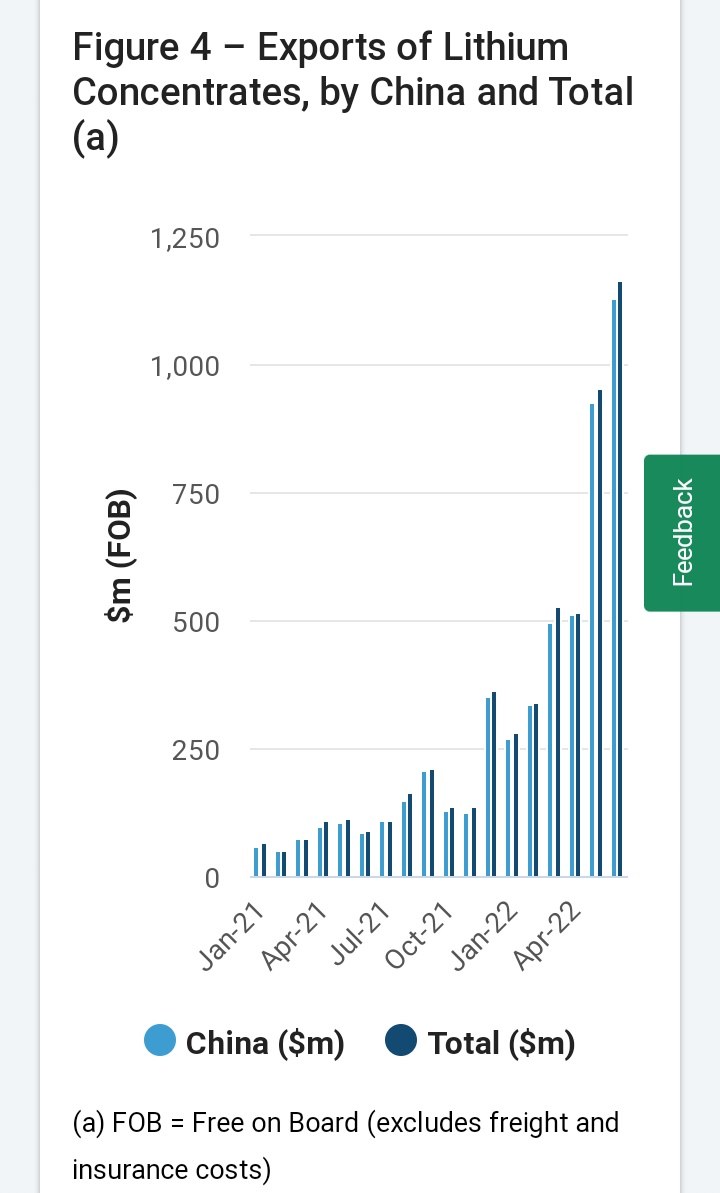
Zimbabwe🇿🇼 plans to use its projected $6.5-$7 billion mineral export revenue as a buffer against economic instability due to US🇺🇸-Iran🇮🇷 geopolitical tensions.
Rising global gold prices, improved platinum group metals outlook, and increased lithium exploitation are expected to boost fiscal performance.
Mining is a crucial sector for Zimbabwe🇿🇼, contributing 13-15% of GDP and a large share of export revenue.
The government has banned the export of raw minerals and lithium concentrates to boost value addition and curb corruption and export malpractices.

3
2
10
4,540

KingMhare retweeted

UPDATE | Although this happened at a Baker’s Inn outlet, Colcom has contacted us and apologised for the mouldy pork pie incident.
They informed us that they will conduct an investigation, as product quality and food safety are very important to Colcom and they take such reports seriously. They will also work with the Baker’s Inn outlet to ensure that proper storage, stock rotation, and other best practices are being followed.
Colcom said, “This meal was clearly important to the customer and her child, so we believe it is important to investigate the matter thoroughly and, in good faith, replace her product while the investigation is underway.”


6
9
31
10,193
KingMhare retweeted
🔸I don’t know whether there’s anything worse than the “most educated population” ichitongwa nemadofo. It’s embarrassing.
We need new leaders.🇿🇼
27
61
278
5,324
KingMhare retweeted

If you are invested in SpaceX or Tesla if anything happend to Elon Musk would you sell your shares?
Or you believe someone else could take the company forward and grow or maintain the valuations?
PS: I've invested in Elon's companies before so this genuine question
69%
I'm selling
31%
I'm holding
29 votes • 17 hours
10
3
9
2,318

The Permanent Secretary for the Ministry of Agriculture Mechanisation and Water Resources Development Professor Obert Jiri giving an update on national preparations for the 2026/2027 summer cropping season, in response to meteorological forecasts projecting a high probability of an El Niño-induced drought.
3
6
1,099