communicator, planetary scientist, mom, and redhead ** personal account and thoughts
- Tweets 1,095
- Following 267
- Followers 843
- Likes 568


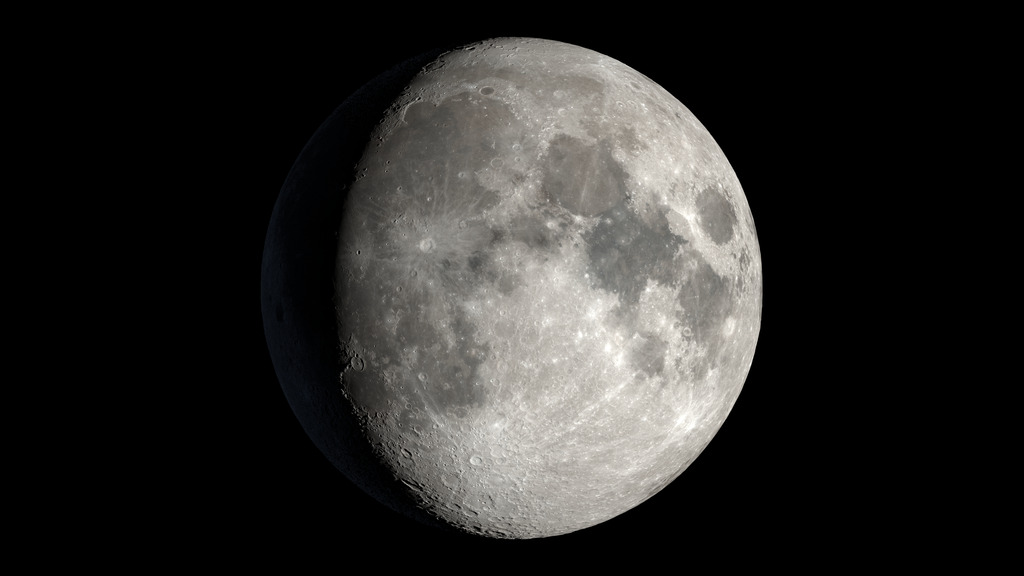
ALT The Moon. This natural-color global mosaic is based on a composite of images from the wide-angle camera on NASA's Lunar Reconnaissance Orbiter. Credit: NASA/SVS

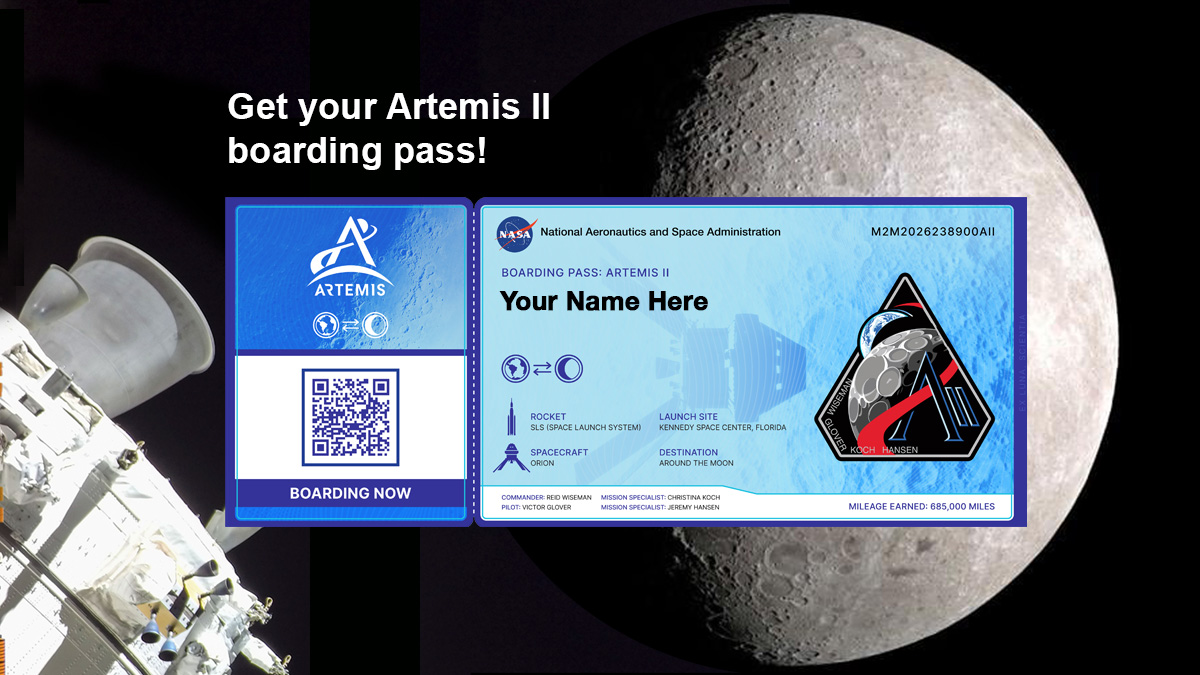
ALT An image of the blue Artemis II boarding pass is shown in the center of the image. The boarding pass says “Your Name Here.” Behind the boarding pass is an image with part of the Orion spacecraft at the bottom left corner and the Moon on the right half of the image. Above Orion reads, “Get your Artemis II boarding pass!” in white text against the black background. Credit: NASA


ALT A pumpkin carving stencil design depicting the Artemis logo. The Artemis logo appears against a white background. The spaces intended to be carved out of the pumpkin read, "Remove." Credit: NASA
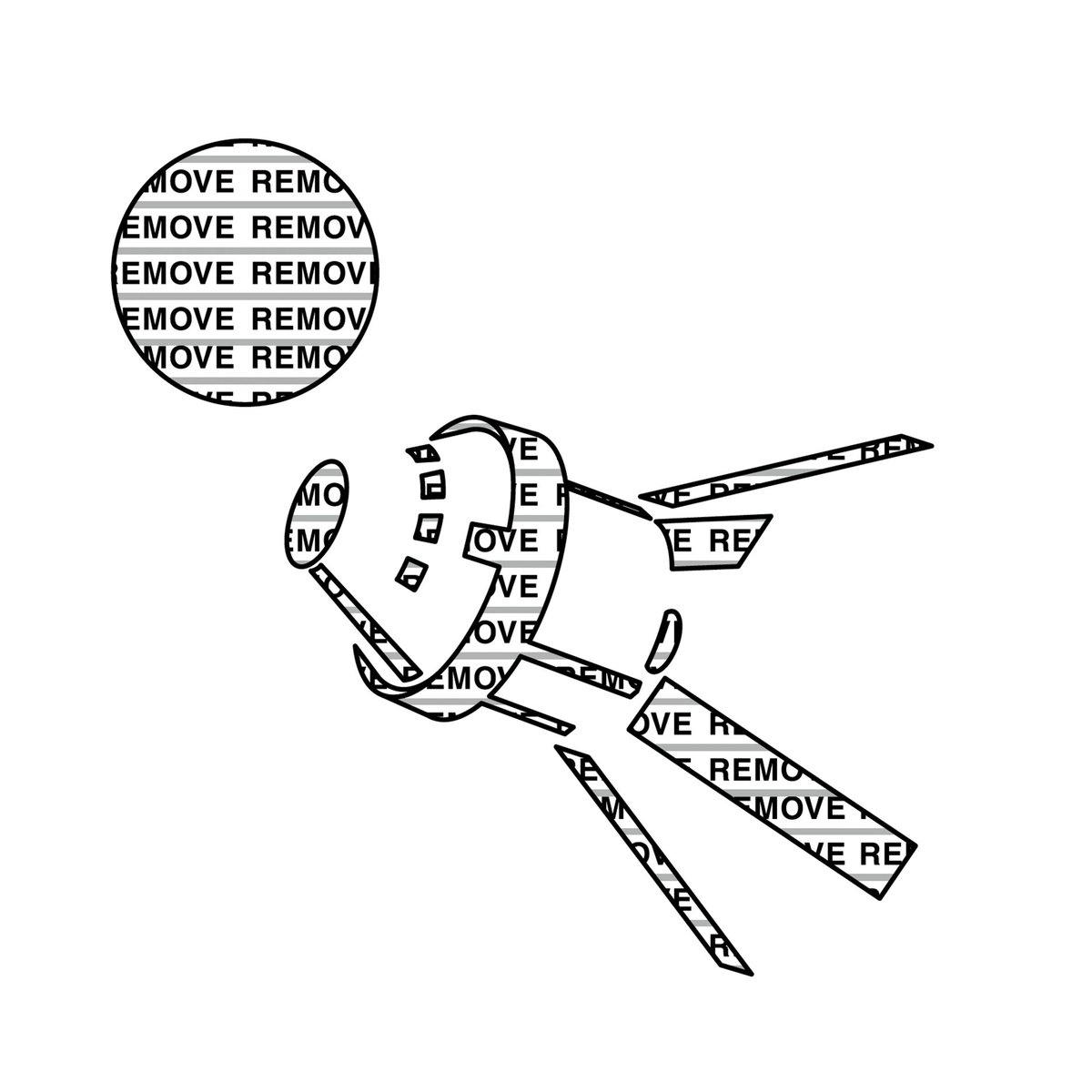
ALT A pumpkin carving stencil design depicting the Orion spacecraft. The Orion spacecraft appears against a white background. A Moon can be seen in the background. The spaces intended to be carved out of the pumpkin read, "Remove." Credit: NASA

ALT A pumpkin carving stencil design depicting the Space Launch System (SLS) rocket. The SLS appears against a white background. A Moon can be seen in the background. The spaces intended to be carved out of the pumpkin read, "Remove." Credit: NASA
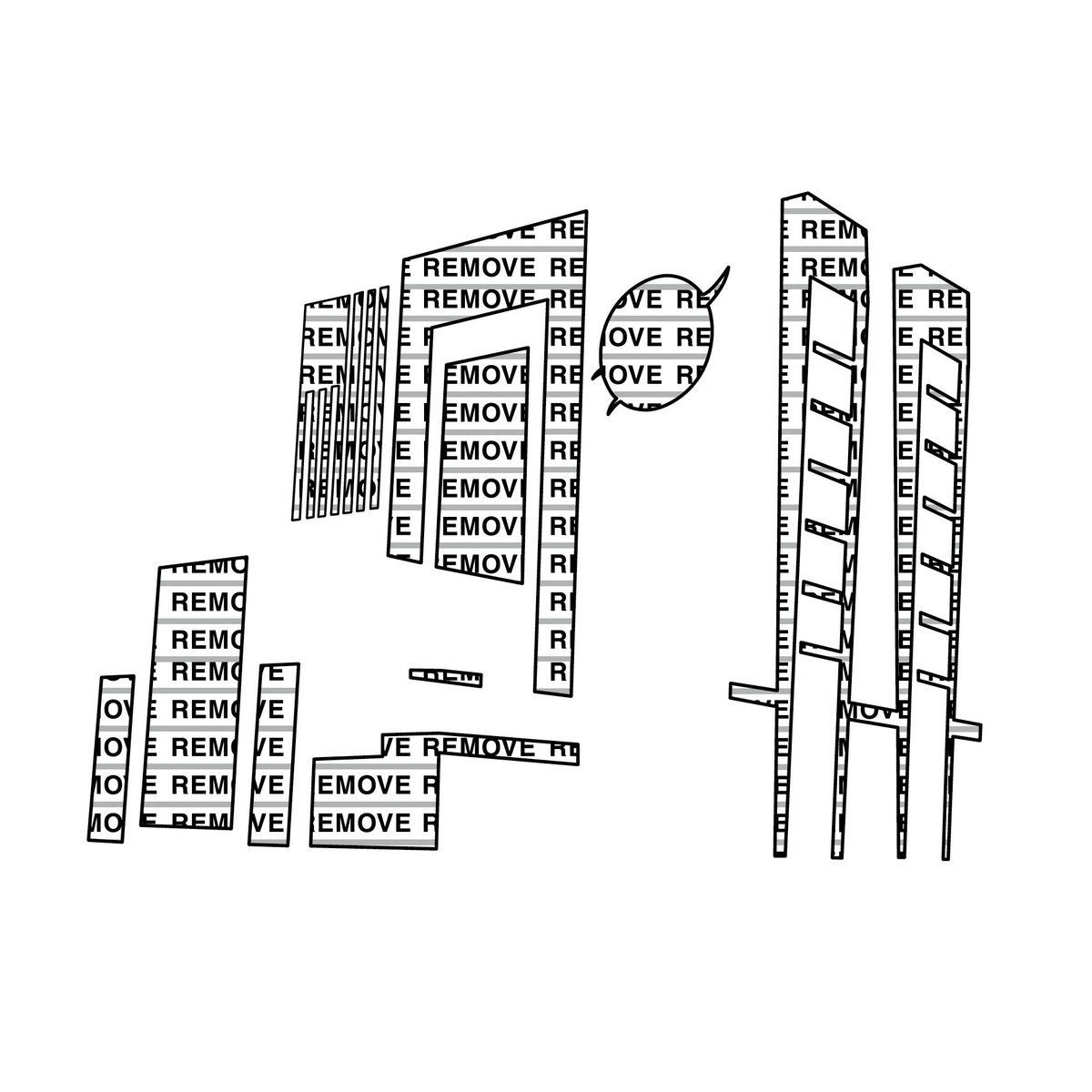
ALT A pumpkin carving stencil design depicting the Vehicle Assembly Building (VAB) at NASA's Kennedy Space Center. The VAB appears against a white background. The spaces intended to be carved out of the pumpkin read, "Remove." Credit: NASA


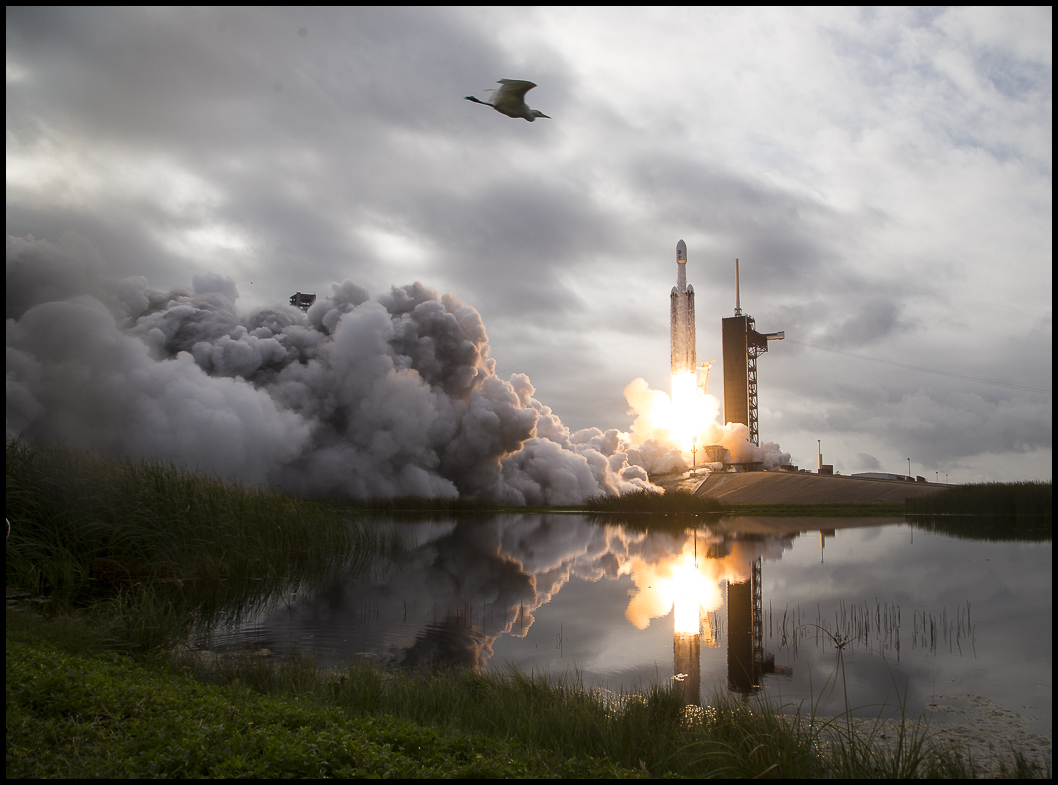
ALT A SpaceX Falcon Heavy rocket with the Psyche spacecraft onboard is launched from Launch Complex 39A, Friday, Oct. 13, 2023, at NASA’s Kennedy Space Center in Florida. NASA’s Psyche spacecraft will travel to a metal-rich asteroid by the same name orbiting the Sun between Mars and Jupiter to study it’s composition. The spacecraft also carries the agency's Deep Space Optical Communications technology demonstration, which will test laser communications beyond the Moon. Photo Credit: (NASA/Aubrey Gemignani)
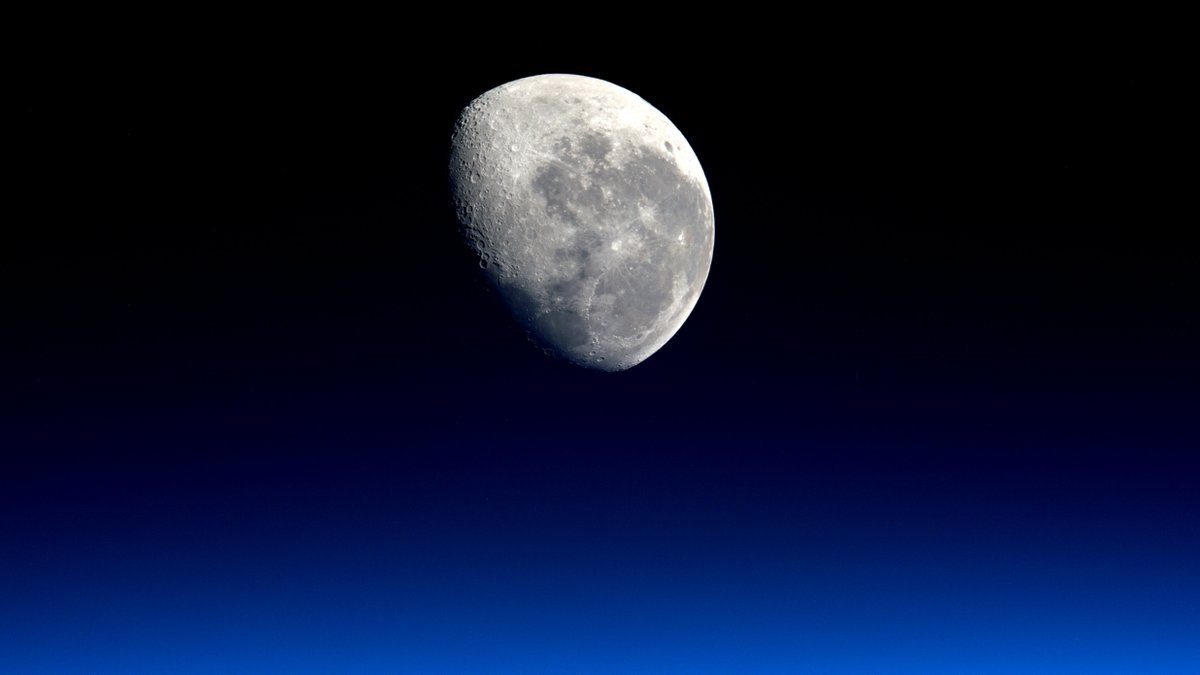
ALT This image of the Moon was taken on March 28, 2016, by Engineer Tim Peake of the European Space Agency during Expedition 47 on the International Space Station. The Moon is partially illuminated and craters are visible on its gray surface. The sky in the background is a gradient of dark blue to black. Credit: NASA

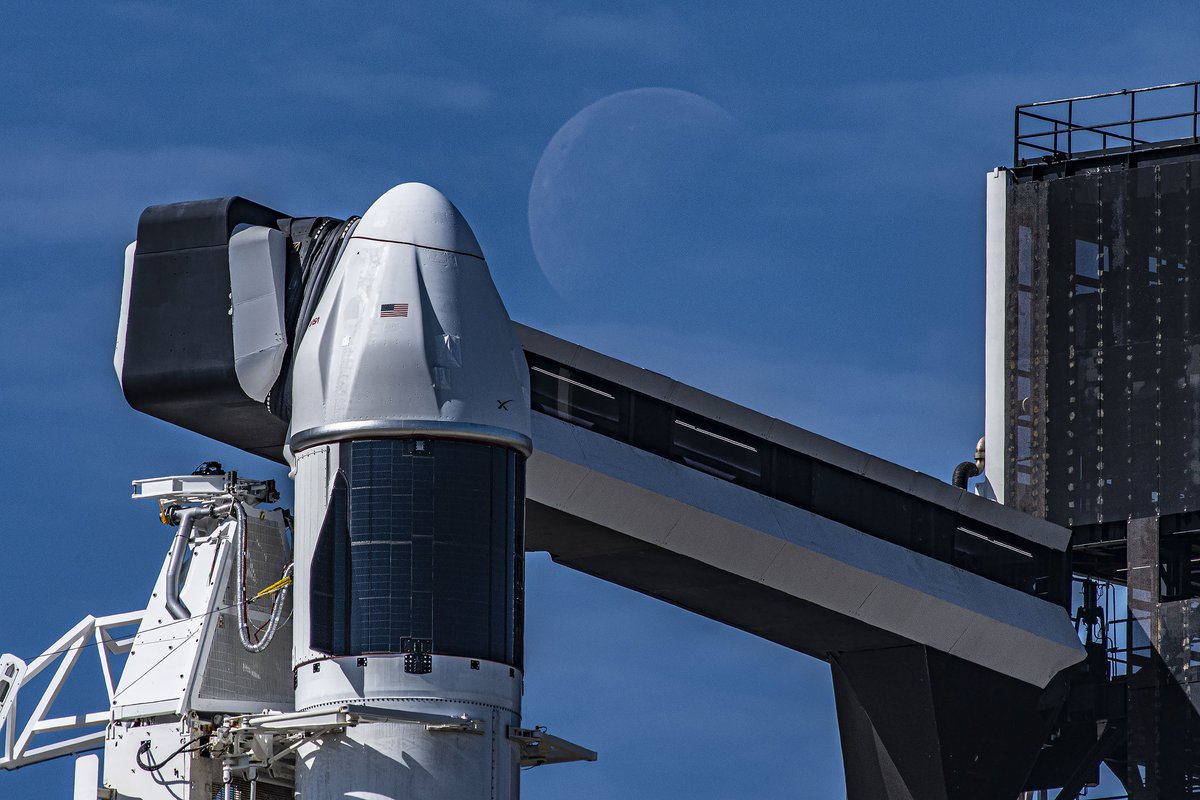
ALT A SpaceX Dragon spacecraft, a conical white capsule, perches atop a Falcon 9 rocket. The launch tower is on the far right of the image, with a launch arm extending across the photo to connect behind Dragon. In the background, the faint outline of a large Moon can be seen against a clear blue sky. Credit: SpaceX

ALT NASA astronaut Tom Marshburn and an educator conduct a science demonstration at Amidon-Bowen Elementary School in Washington, DC. Marshburn and the educator are standing on the far right of the photo, behind a black table with clouds of white smoke billowing off of it. The experiment is taking place in a school gymnasium, with several rows of excited-looking children in front of and to the side of the table. Credit: NASA/Keegan Barber