
Joined June 2019
- Tweets 9,664
- Following 181
- Followers 526
- Likes 2,538
391 Photos and videos










Jun 10
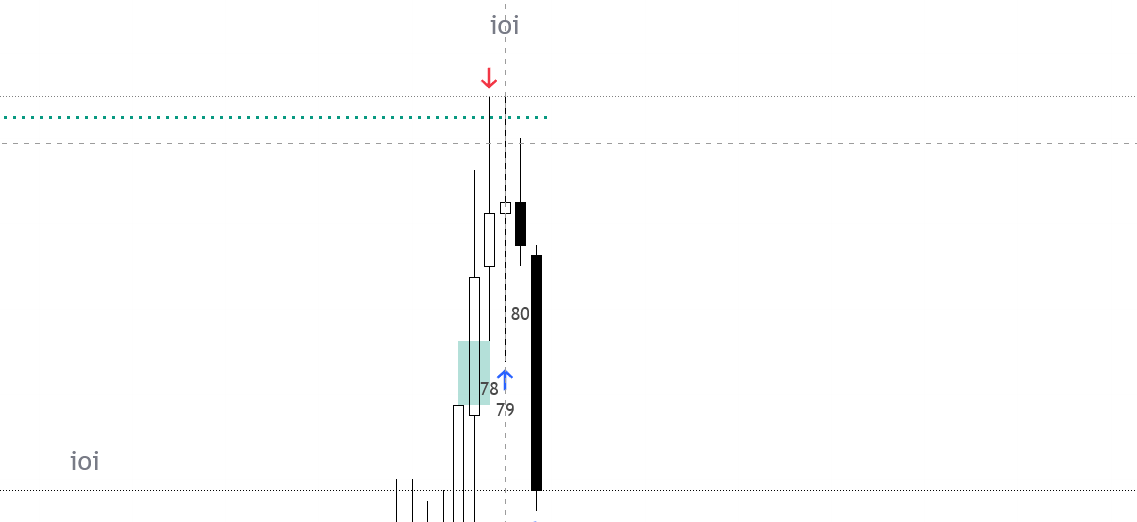
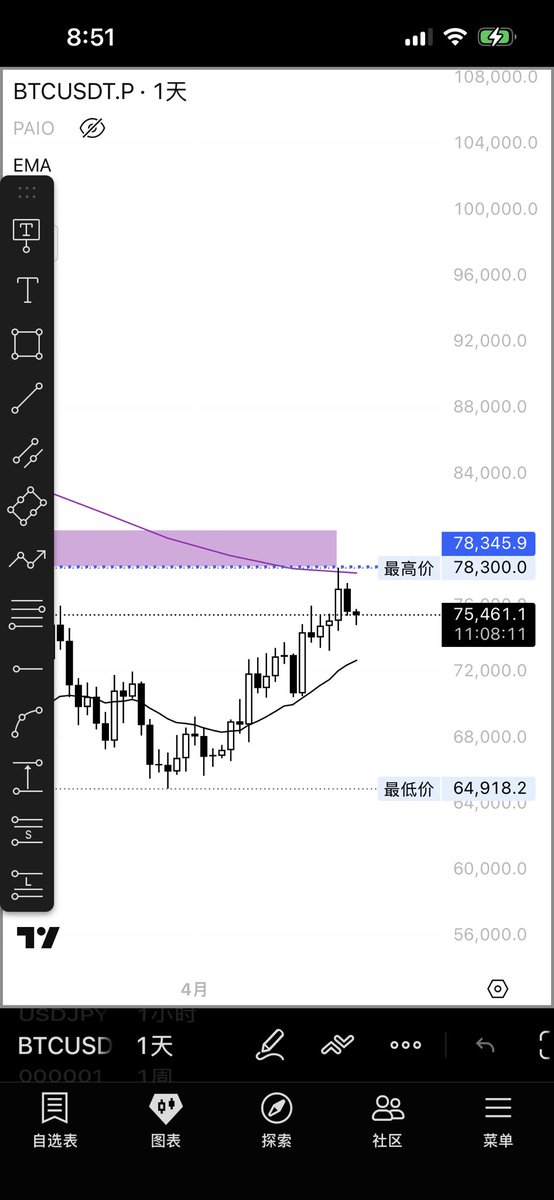
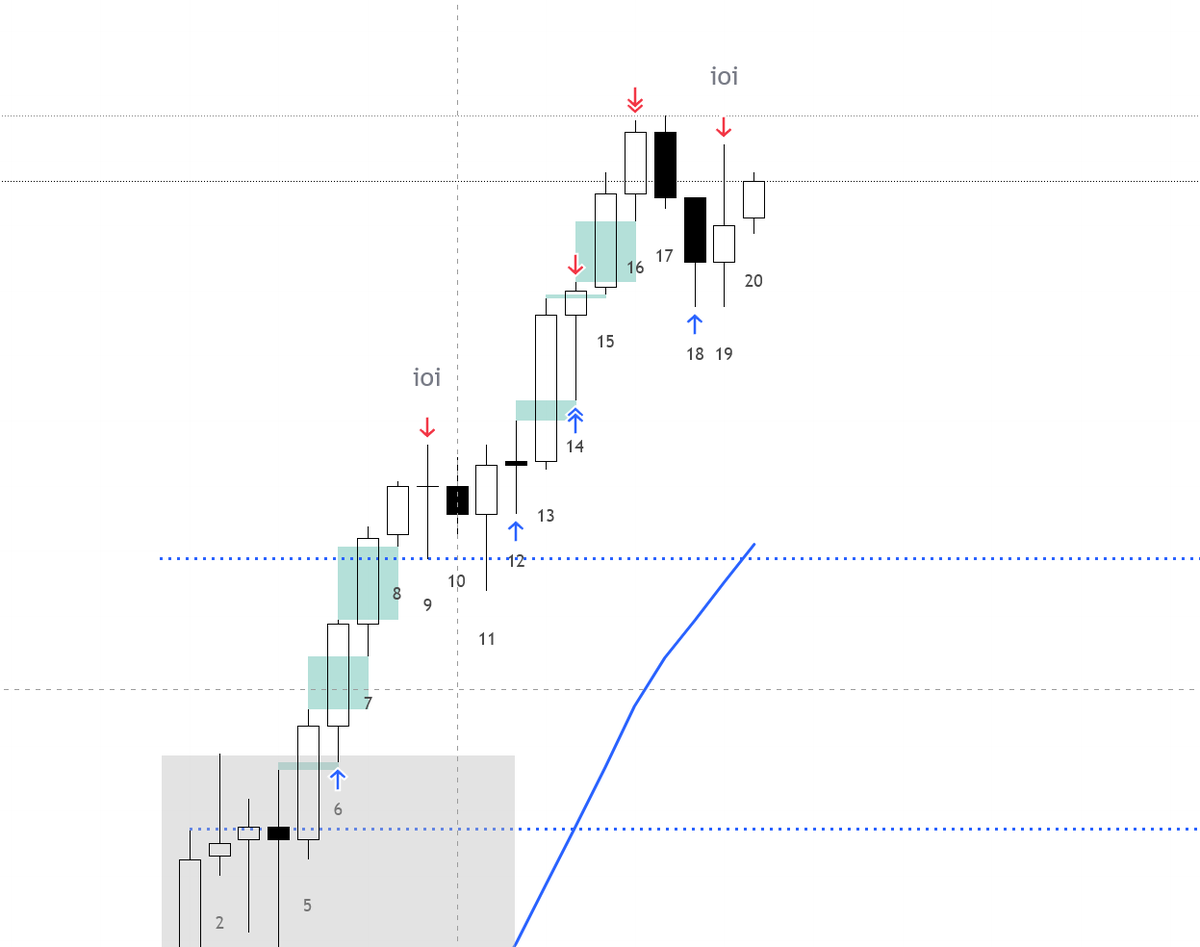
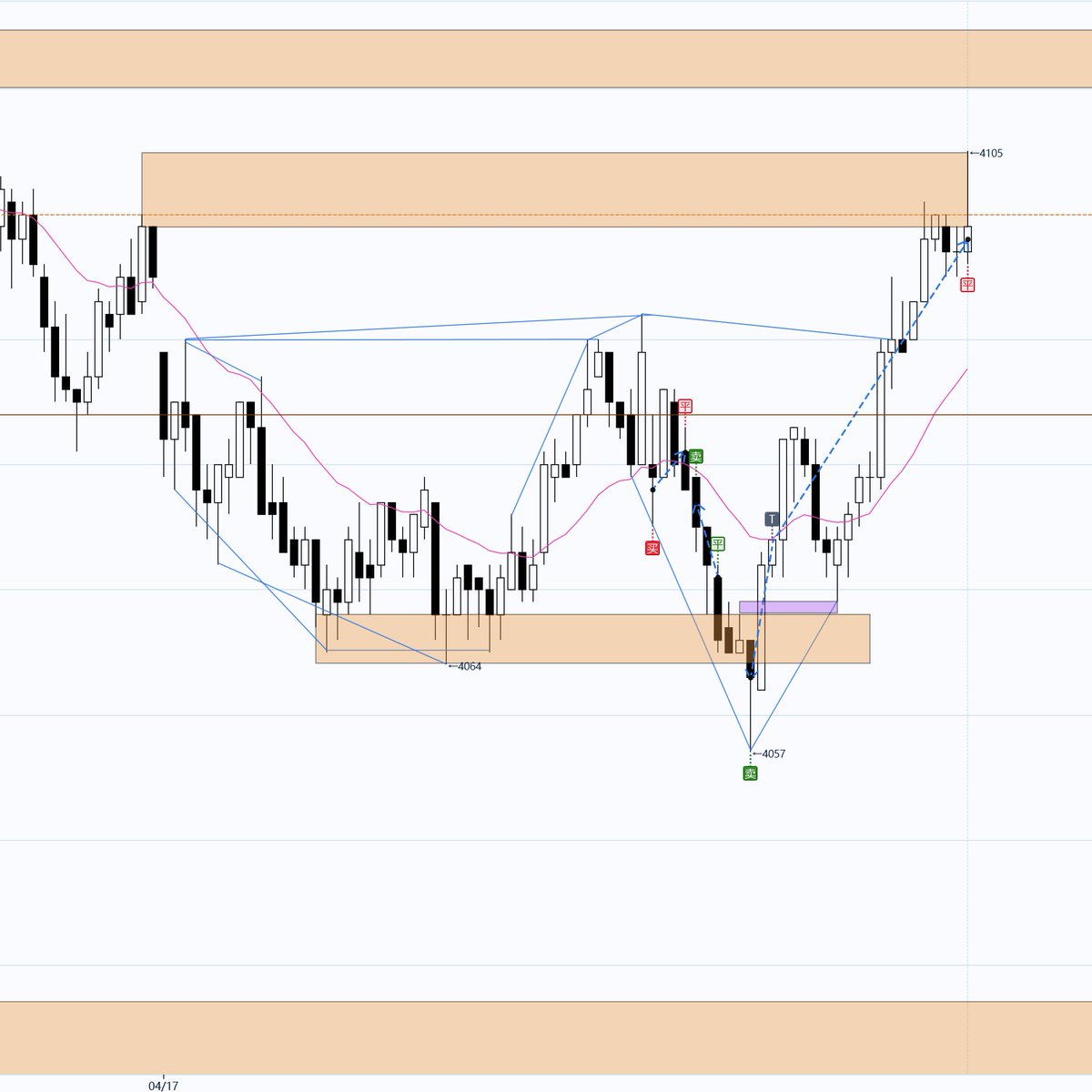
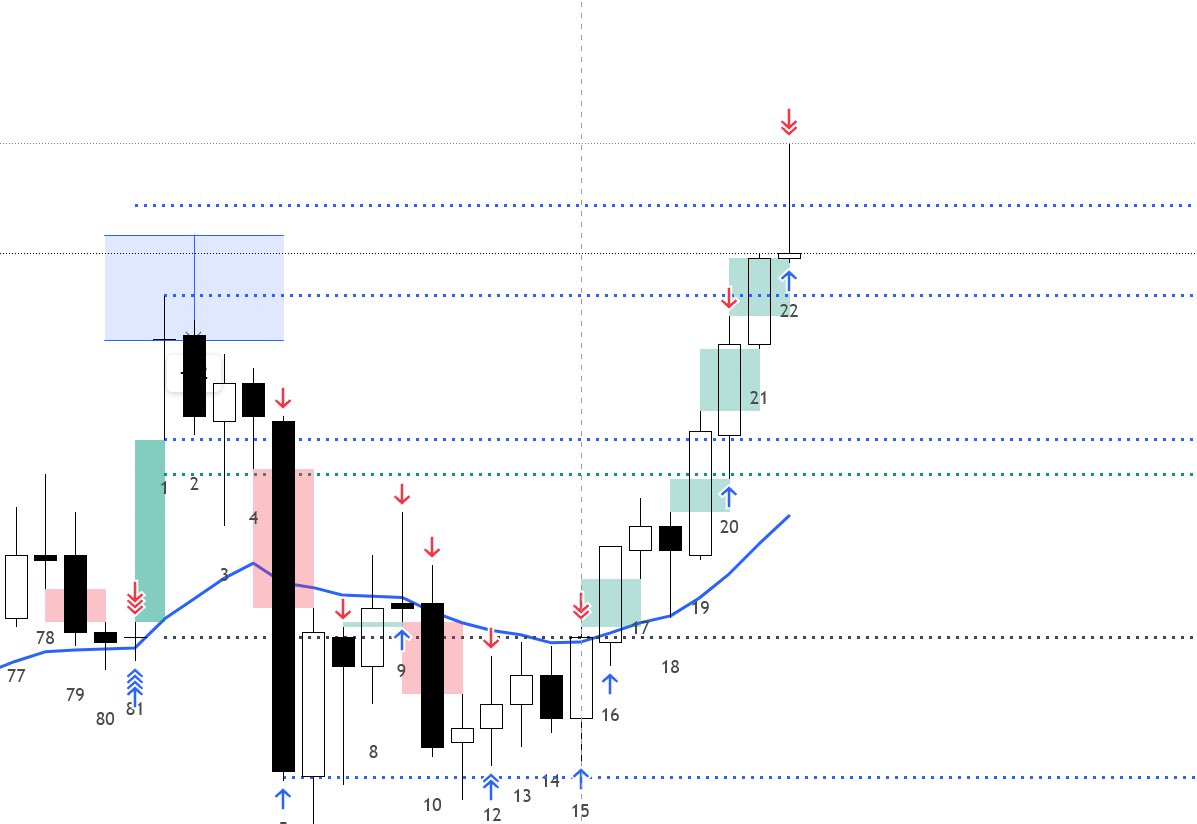
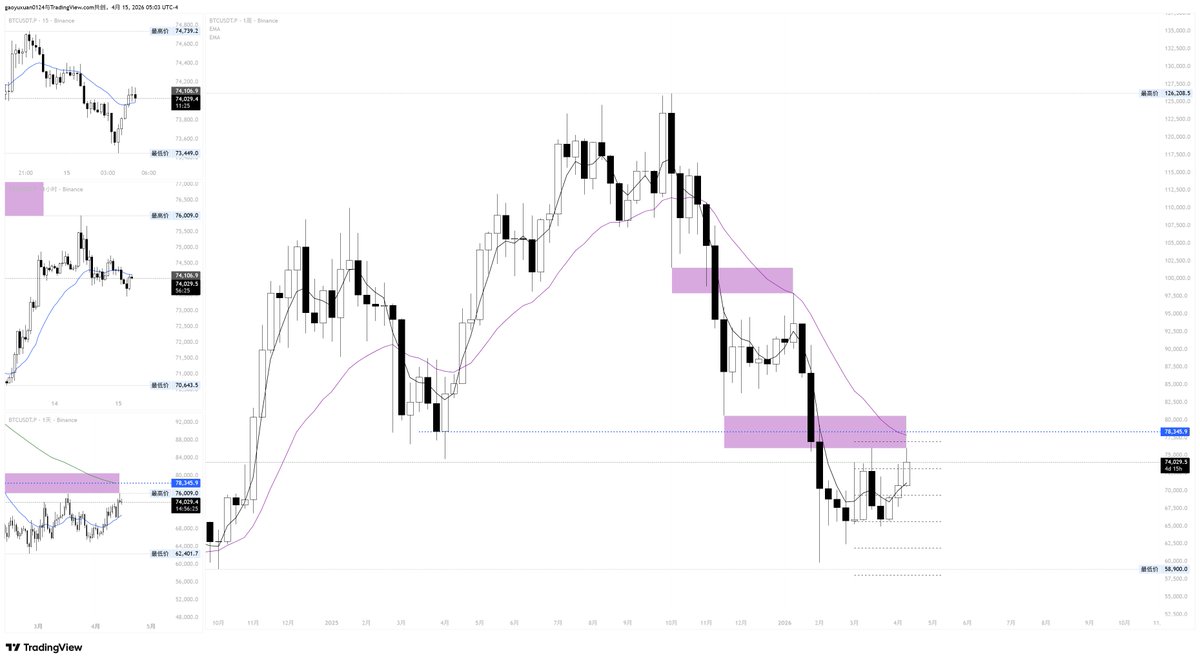
我觉得处罚香港券商片板不得出海大概就是这个原因
我党执政的一贯逻辑就是老百姓占便宜等于他亏,不能让这种事发生的
这就是可靠的反向指标啊
堵哪哪就有利润

JUST IN: Jim Cramer says traders are "selling anything" to make room for SpaceX
1
81
邪王炎杀黑龙波 retweeted

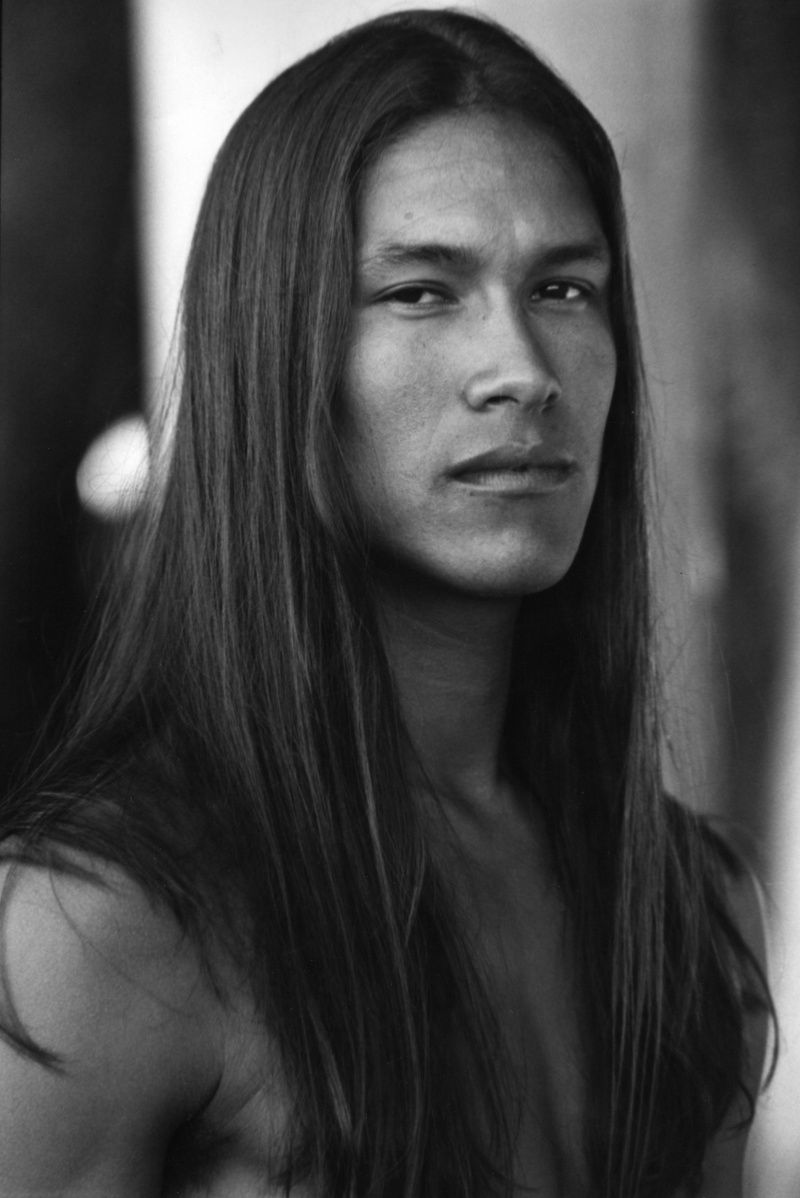
Traditionally, long hair was always a symbol of masculinity. All of history's great warriors had long hair, from the Greeks (who wrote odes to their heroes' hair) to the Nordic, from the American Indians (famous for their long shiny hair) to the Japanese. And the longer and beautiful the hair was, the more manly the warrior was considered. Vikings flaunted their braids and samurai wore their long hair as a symbol of their honor (they cut their braid when they lose honor).
When a warrior was captured, his mane was cut to humiliate him, to take away his beauty. That custom resumed in what is today military service. There when new soldiers begin their training the first thing they do is cut their hair to undermine their self-esteem, make them submissive and make them see who's boss.
The Romans were the ones who "invented" short hair so to speak, between the 1st-5th Centuries AD. In battles they believed this gave them defensive advantages, since their opponents couldn't grab them by the hair. This also helped them to recognize each other in the battlefield.
Short hair on men is a relatively new "invention" that has nothing to do with aesthetics. But today we often see men being humiliated, sometimes called "gay" for wearing long hair, not knowing that short hair is actually the "anti-masculine" and is a repressive social imposition, while long hair symbolizes freedom.
📷 : Rick Mora, a Native American actor and model of Yaqui and Apache descent. He is recognized for his work in film and photography, often highlighting traditional masculinity.
© Reddit
#archaeohistories
157
774
3,448
132,891
邪王炎杀黑龙波 retweeted

A man who cannot control his appetite eventually becomes a slave. Food, lust, attention, comfort, praise, outrage, novelty. Find what you cannot refuse and you will know the price, you will bend your principles for. Slavery often begins with the thing a man keeps calling harmless.
12
127
859
17,555
Jun 9
我破解了阿姨发福之谜!
总统亲自践行他心目中真正的土豪风
Jun 9

people online have zero clue what’s going on here
9 times out of 10, the guy’s name is like Chip Walker IV, he’s vaguely related to the Bushes, and you can’t buy a Toyota in the tri-state area unless it’s from one of his dad’s dealerships
it’s a partial invalidation of redpill / manosphere content bc usually the guy isn’t traditionally attractive (gained 30 pounds freshman year, has a beer belly from being a frat star, etc.)
but it’s not a total invalidation because ultimately the guy’s family is loaded
(also yes these guys tend to be nice and fun and gregarious and kind and good friends too)
also, people on X are so used to people with money looking like finance guys (suit and tie, Patrick Bateman, NYC) or tech bros (hoodie, etc.) that they don’t realize these SEC guys are often from loaded old southern money families
201
Jun 9
说三个的基本都是骗
我亲嘴戳穿过一个
她也大方的承认在骗我了
Jun 9

Deliberately lying to men about your body count to secure a relationship or sexual access is coercion and predatory.
1
2
518
Jun 9
胡说
光中国就不止一亿
第二句还是胡说
中国历史上好几次大规模内乱都比这更能死
中国人是非正常死亡的专家民族
你们这些人啥也不懂
Jun 8

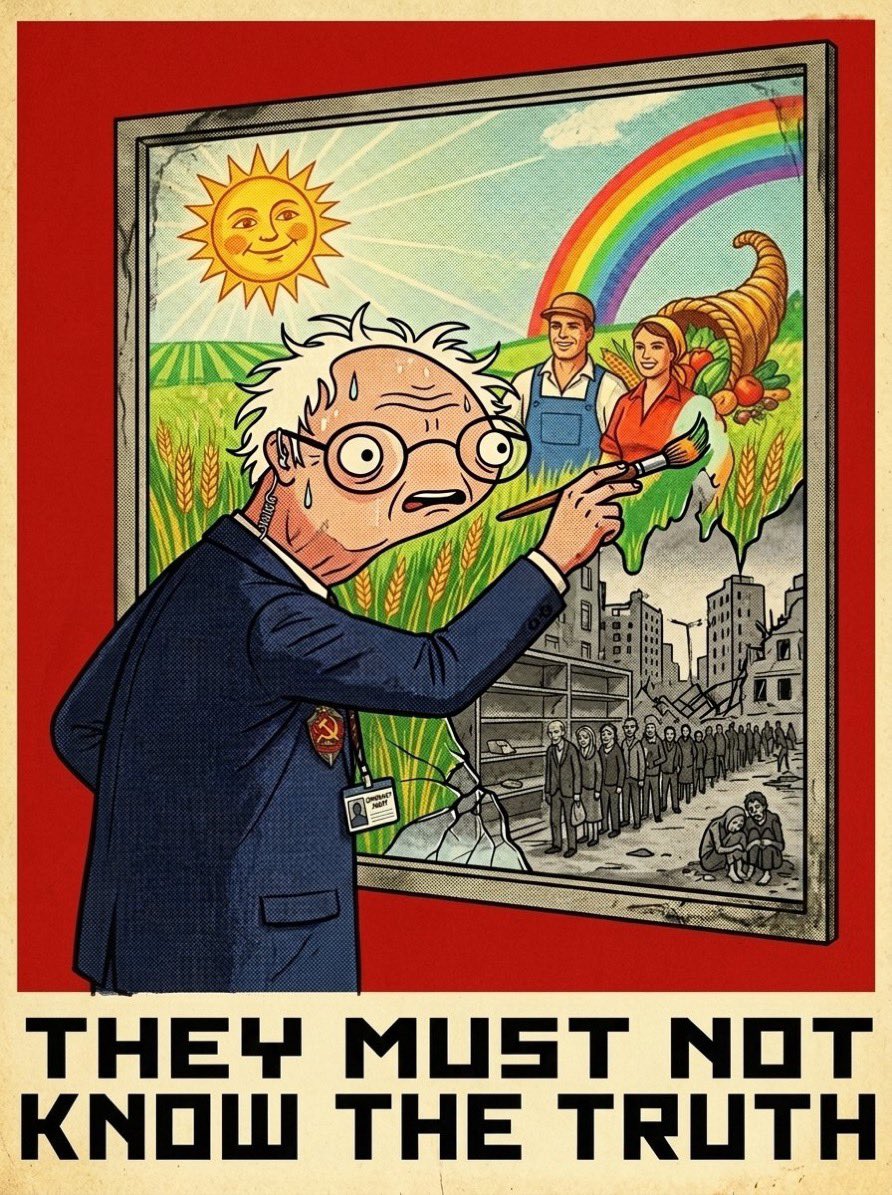
Communism killed ~100 million people… more than any other ideology in history.
Yet people still fall for the same propaganda.
58
Jun 9
被AI干掉的办公室女白领回归到了更自然的生态位又把钱从AI男的口袋里掏了回去
毅种循环啊
中国始终领导着正确的方向却事事反着做
无情的把自家男矿挖的断子绝孙
美国人进口男矿然后让女的摘果子
真正贯彻落实了可持续发展观
当初还不如学东南亚全力开发女矿全球大卖逼做世界鸡场呢

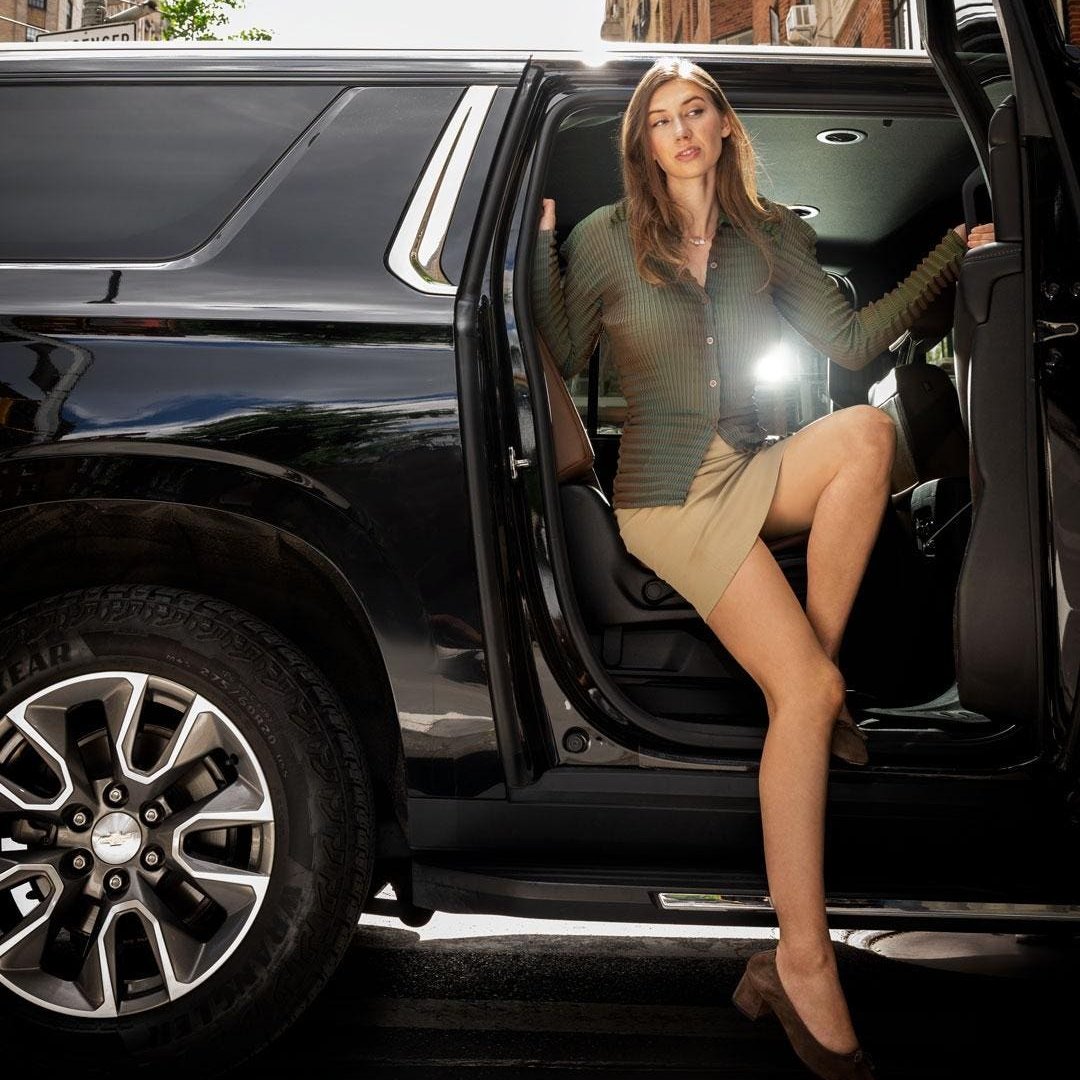
Silicon Valley’s AI boom is creating a $6,000 an hour escort market

3
2
368
Jun 9
基督教被各种尺寸形状的邪恶黑粗大屌花式轮奸了两千年
下体已然松弛干涩,妇病缠身
但仍未丧失生育能力
没有根本上耽误生养众多
这些人更生气了

Why specifically Christians, Steve?
2
175
Jun 9
上午在大埔墟看到个摩门教的堂口,明天准备去探索一下
Jun 9

I spent a chunk of my early years around Mormons and they were in general exemplary people. Solid families, friendly and open. If I had one complaint it would be aggressive proselytizing - which even happened on the school bus. But that is also a healthy sign of confidence in their way of life.
Exact discussions of their theology strike me as beside the point when they frequently live more ‘Christian lives’ than men serving as Jesuit priests or leaders of prosperity gospel megachurches - which are basically a Sunday infomercial.
1
10
328
Jun 9
按照进化论的有利基因筛选理论来讲也就是说这种性格生存和繁殖的机会更多
这合理吗
Jun 9

Eşiyle son zamanlarda büyük tartışmalar yaşayan ünlü goril Kiyomasa’nın derin düşüncelere daldığı anlar sosyal medyada beğeni topladı.
2
117
Jun 9
Yes indeed
Jun 9

Casual sex is one of those things you think you want until you have it, after which you realize it’s unpleasant and annoying and that really what you wanted was to feel like you “made it” and just used this as a proxy for that
181
Jun 9
你误会他了
这在印度当然是有效的
这片神奇土地上的神奇人类以各种各样西方现代庸俗社会想象不到的神奇方式存活着
Jun 9

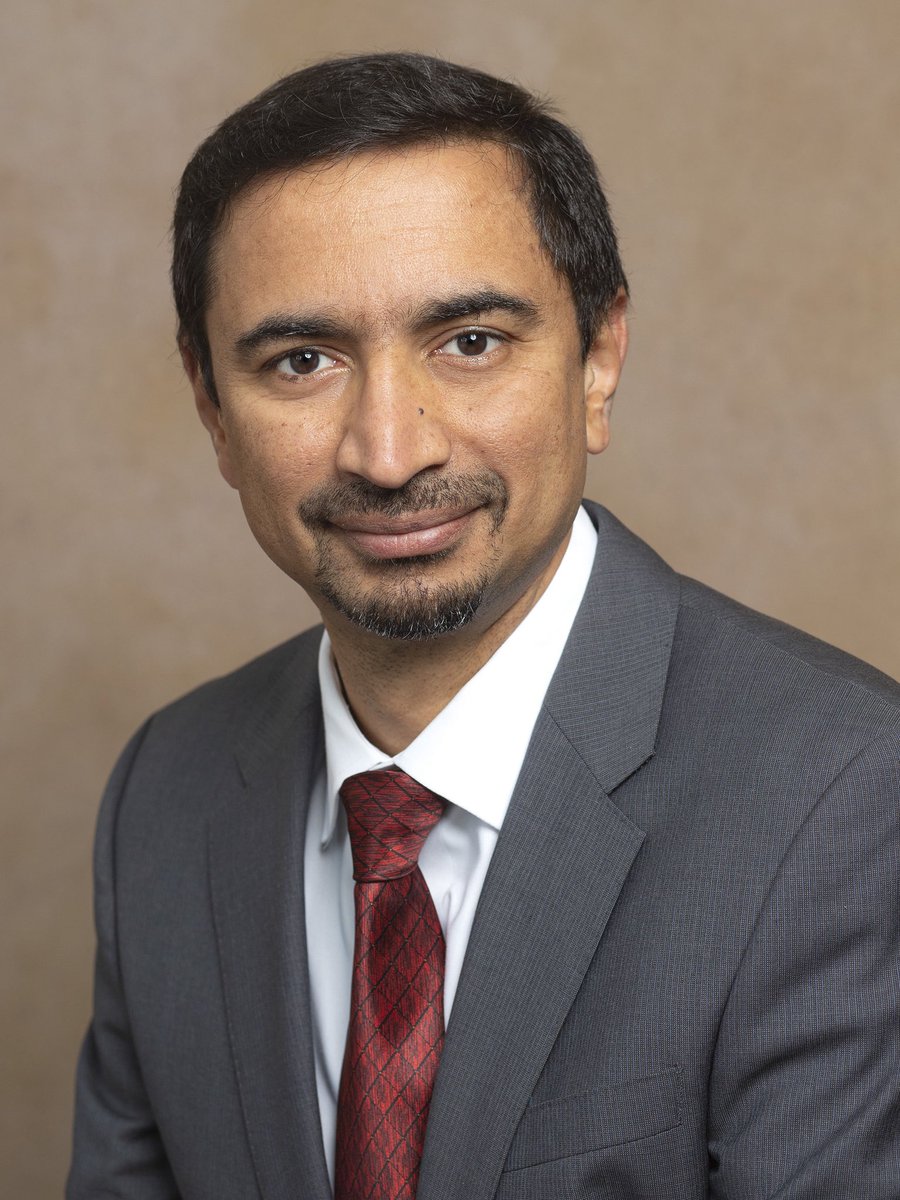
This is the Indian doctor who implanted a heart valve upside down in a child, and his education was completed in India. In India, a person only needs to earn 40% to pass, which is basically an ‘F’ in the U.S.
Medical Degree: M.B.B.S., 1999, Madras Medical College, Chennai, India.
Internship: General Surgery, Government General Hospital, Chennai, India (2001).
40
Jun 9
好意思说自己信了上千年基督教吗
旧约里上帝让夏甲和以实玛利扎实地滚蛋了从来没有明说暗示他们有可以回到亚伯拉罕家的机会
尽管这事儿完全是亚伯拉罕始乱终弃
活鸡巴该
Jun 8

This is how Lebanon went from being a prosperous Christian nation to being ruled by Muslims. Pay close attention!
“As Christians, we opened our doors to Muslims, and welcomed them into our country. We wanted to be inclusive and even made them part of the government.
But due to having several wives and many children, Muslims became the majority. Once they were the majority, they thought they could do whatever they wanted, and began massacring the Christians who welcomed them.”
58
Jun 9
青楼和窑子妓和娼李师师和林偏偏的区别
ai美股区块链就是那嘎达的琴棋书画吹拉弹唱
卖艺不卖身
(当然要性交,但不叫卖身是怕潜在客户搞错了重点,这不是交易里的核心部分,不是卖点
操逼是这行业的商务礼仪
就像保时捷的选配件,技术上可以买裸车但实际上肯定逃不掉

High-end escort isn't about looks.
It's about connection.
People stop gotta be jealous that "mid" girls earn $5K.
Bill Gates' affair girl got her coding school in America upscale living expenses paid.
She probably spent a million dollars, but only had sex with Bill Gates once every other month.
She cost something like $30-50K per date if you break it down.
Why is she so expensive when she isn't a super model?
Because she is good at Bridge, like Bill Gates is.
She is interested in software, like Bill Gates was.
The girls who are milking AI bros for $20K per night aren't ordinary hookers.
They're hookers with computer science degrees from decent schools.

185
邪王炎杀黑龙波 retweeted

Jun 8
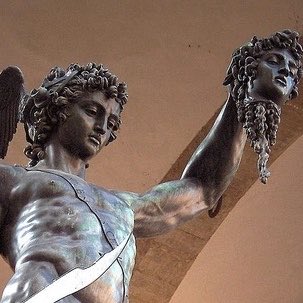
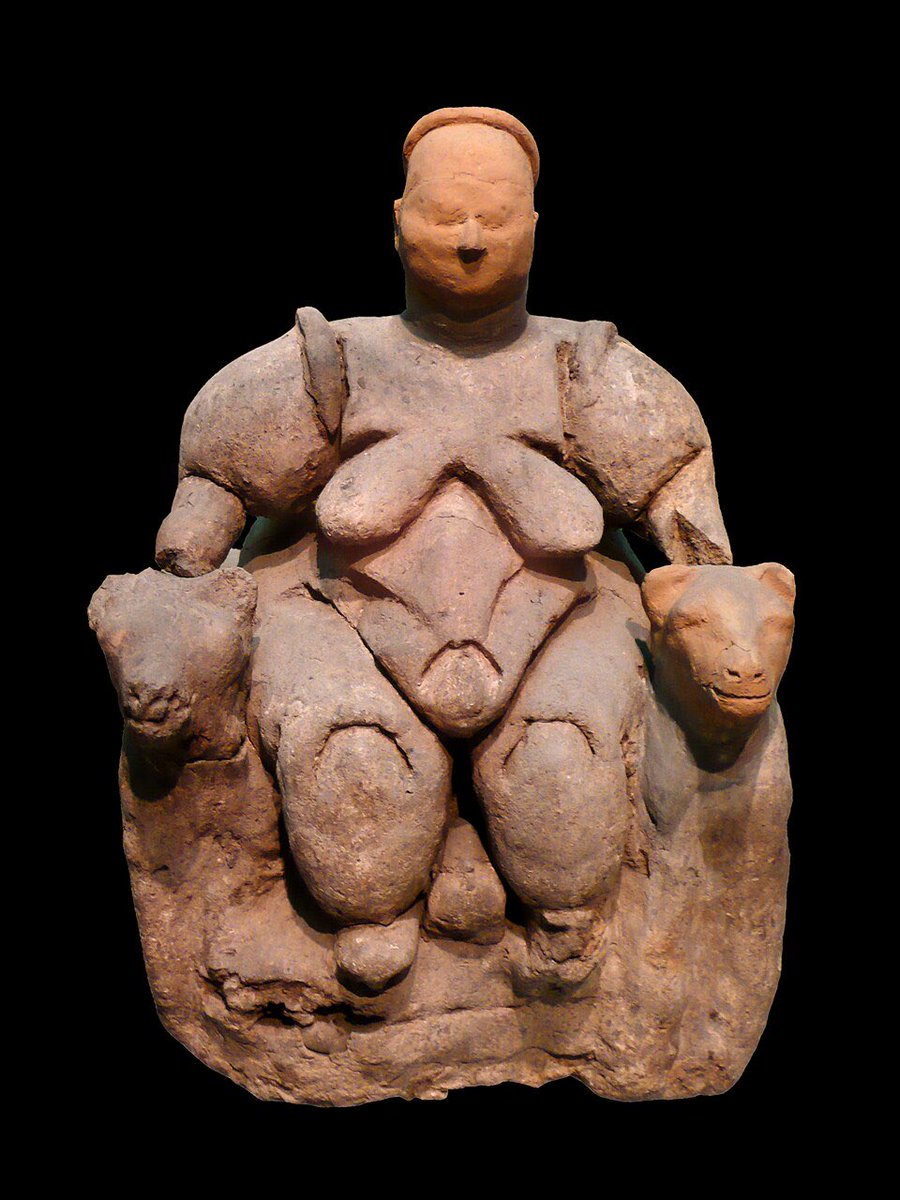
The West’s origins lie in the myth Perseus, of the slaying of such Gorgons and the replacement of the primordial and fecund matriarchy they represented with patriarchy
We have drifted very far from those roots
Now, we are once again ruled by termagants and harridans
Any revival of the West will be rooted in a renewal of the spirit of Perseus and rejection of our modern Gorgons
Jun 8

Who amongst us has not been in this situation and said nah, fuck it, nothing to be gained here, life is too short, and just walked out of the room.

20
91
931
31,610
Jun 9
现代人太可悲了

what time should one go to bed Bryan?
1
33
邪王炎杀黑龙波 retweeted

Jun 8
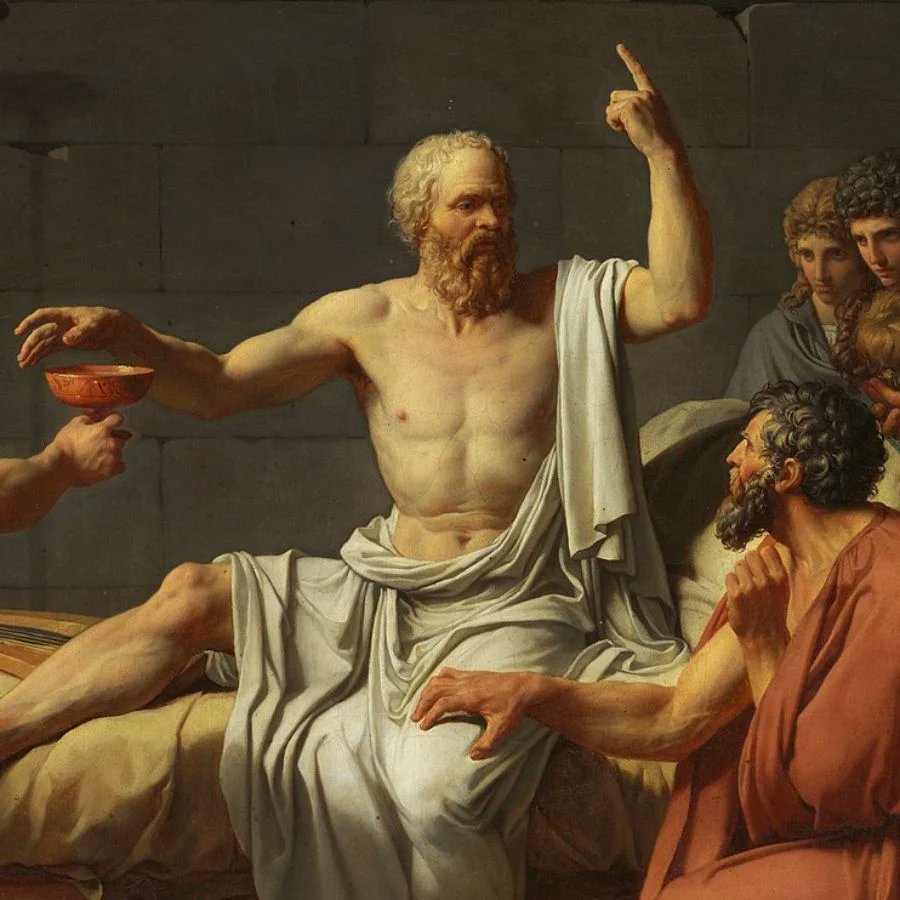
In Plato’s Republic, Socrates describes democracy as a dangerous system prone to tyranny, a view later echoed by Aristotle. Democracy, as commonly understood today, was often associated with mob rule.
- "Does democracy destroy itself through its excessive greed for the very good it defines as its highest value?"
- "What good do you mean?"
- "Freedom," I said. "Because, in my view, in a democratic city, you will hear that freedom is the greatest good, and for this reason alone, anyone would want to live there."
- "Yes," he said, "this is said, and very often."
- "But isn’t it," I continued, "precisely this greed for freedom and the neglect of everything else that transforms a democracy into something else, something that eventually prepares the way for tyranny?"
- "How so?" he asked.
- "When a democracy, in its insatiable thirst for freedom, finds itself with reckless leaders acting as poor wine-pourers, they intoxicate the people with an excess of unrestrained liberty. And when the rulers fail to grant even more freedom, they are punished, denounced as corrupt and oligarchic."
- "Yes, indeed, that happens," he agreed.
- "Citizens who still respect authority are scorned as servile and unworthy, while those who behave like rulers, even though they are subjects, are praised both publicly and privately. Doesn’t this excessive freedom inevitably push the democracy to its most extreme state?"
- "How could it not?"
- "And, my friend," I said, "this chaos eventually enters people’s homes - until even the animals become anarchic."
- "What do you mean?" he asked.
- "Well," I said, "fathers begin to act like children, fearing their own sons. Sons treat their fathers as equals, showing neither respect nor fear - so they can be ‘free.’ Foreigners and metics (resident aliens) begin to claim equal rights with citizens. And citizens become indistinguishable from foreigners."
- "That is true," he admitted.
- "And there is even more," I continued. "In such a city, teachers fear their students and try to appease them, while students mock their teachers and disregard their authority. The young demand to be treated as equals to the old, even challenging them in speech and actions. And the elders, seeking to fit in, lower themselves to the level of the youth, engaging in jokes and imitating them, fearing they might seem ‘out of touch’ or ‘tyrannical.’"
- "Absolutely," he agreed.
- "But the height of this abuse of freedom is when slaves demand the same rights as their masters, and women claim absolute equality with men in all things, and vice versa."
Plato's Republic, Book VIII (562b-c, 563b)
- "For unrestrained liberty seems to lead to nothing else but the most extreme slavery, both for the individual and for the city."
- "Of course," he said.
- "Then, by natural consequence, tyranny arises from no other political system than democracy; from unlimited freedom comes the greatest and most brutal form of servitude."
- "That certainly makes sense," he said.
Plato’s Republic (564a)
Unlimited freedoms, when untethered from any shared moral order or reciprocal restraint, devolves inexorably into tyranny through the very mechanisms it claims to liberate. In the absence of limits, liberty mutates into raw license. The strong exploit the weak without consequence, appetites run unchecked, and society fragments into a war of all against all where no one’s rights are truly secure.
Today's democracy is dangerous. Someone can be a traitor, publicly shout that he wants to destroy his own country, kill his political opponents, and replace you racially and culturally because he hates himself, and yet he remains free to harm you and the future of your nation. Today's democracy protects him and may even reward him. When patience finally runs out, the new generations will seek an authoritarian leader. Don't act surprised about what drove them there. It will be the fault of your own impunity and stupidity.
Homer Pavlos
26
133
445
9,921
Jun 8
我在天山悬崖上干过类似的事情
那还是中美蜜月的美好时代
很适合去死的时间

China's "Sky Ladder" (Tianti) is a 168-meter (551-foot) suspended via ferrata ladder located on Mount Qixing in Zhangjiajie, Hunan province. Suspended 5,000 feet above the valley floor, it challenges thrill-seekers to climb near-vertical rock faces with an awe-inspiring and terrifying drop directly below.
The Sky Ladder is the grand finale of an intense 1.4-kilometer via ferrata (a mountain route equipped with steel cables, handrails, and metal rungs).
While climbers are suspended over a massive abyss, they are constantly clipped into a heavy-duty steel safety cable system.
93
Jun 8
刷到本人了,她的片儿可太赞了

2
201
Jun 8
陈一发儿还不赶快去硅谷发展
Jun 8

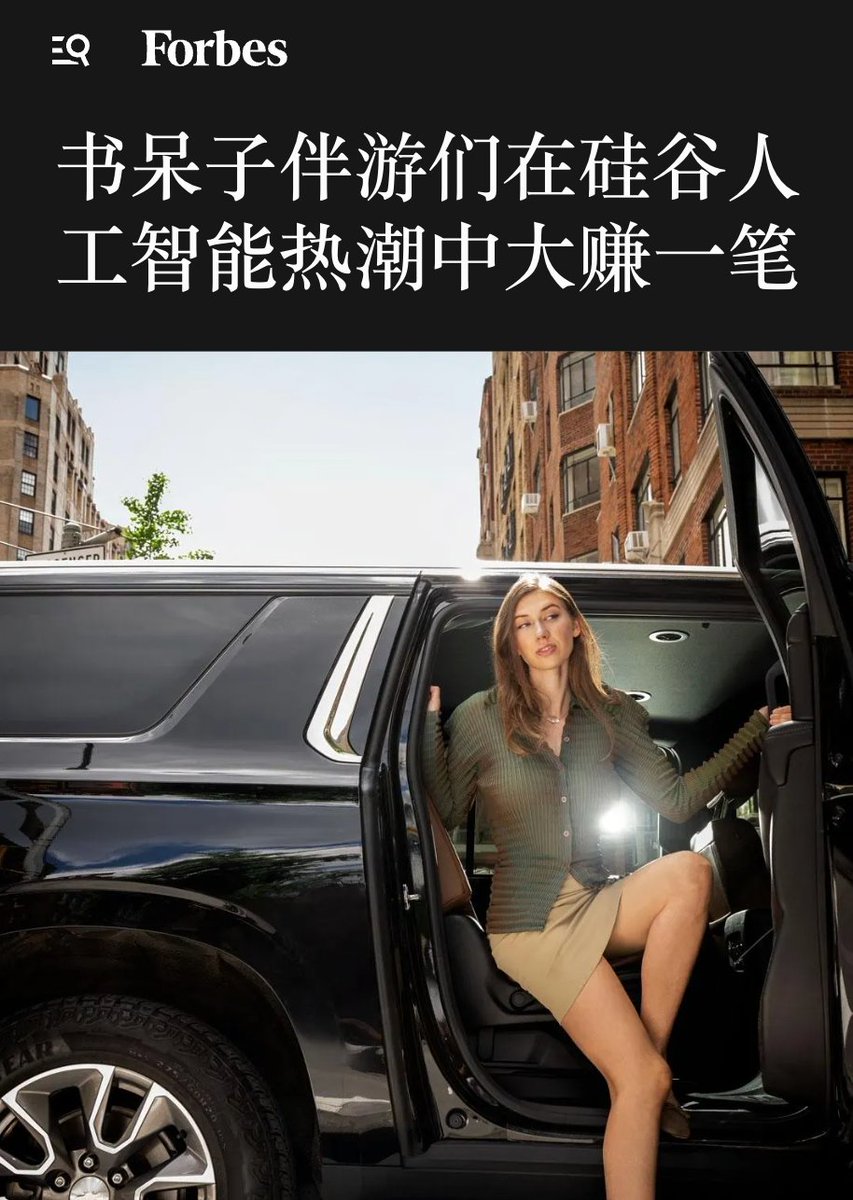
硅谷目前正逐渐流行,一种新的异性伴侣服务,每天收费高达 2.3 万美金。
与常规付费女伴侣不同,她们普遍受过高等教育,能深入跟你讨论 AI、半导体、美股等话题,通常智商在线。
而主要客户也都是硅谷的 AI 科技精英,如英伟达工程师,他们因长时间加班,渴望这种同认知水平异性社交。

103