Official Twitter account of the National Institute for Occupational Safety and Health (NIOSH). We are part of @CDCgov. Privacy Policy bit.ly/3LMxIp7
Joined February 2009
- Tweets 24,208
- Following 560
- Followers 262,378
- Likes 1,204
5,783 Photos and videos



This is the authentic, official Twitter account of the National Institute for Occupational Safety and Health (@NIOSH). You can verify our identity by confirming our handle at: cdc.gov/socialmedia/tools/Tw…
6
3
26
15,337
NIOSH's HHE Program recently evaluated ventilation, chemical, bacteria, and mold concerns at a wastewater treatment plant. Recommendations included improving ventilation and reducing sewage and chemical exposures. Read the report: bit.ly/4wwqQ6m
1
1
3
262
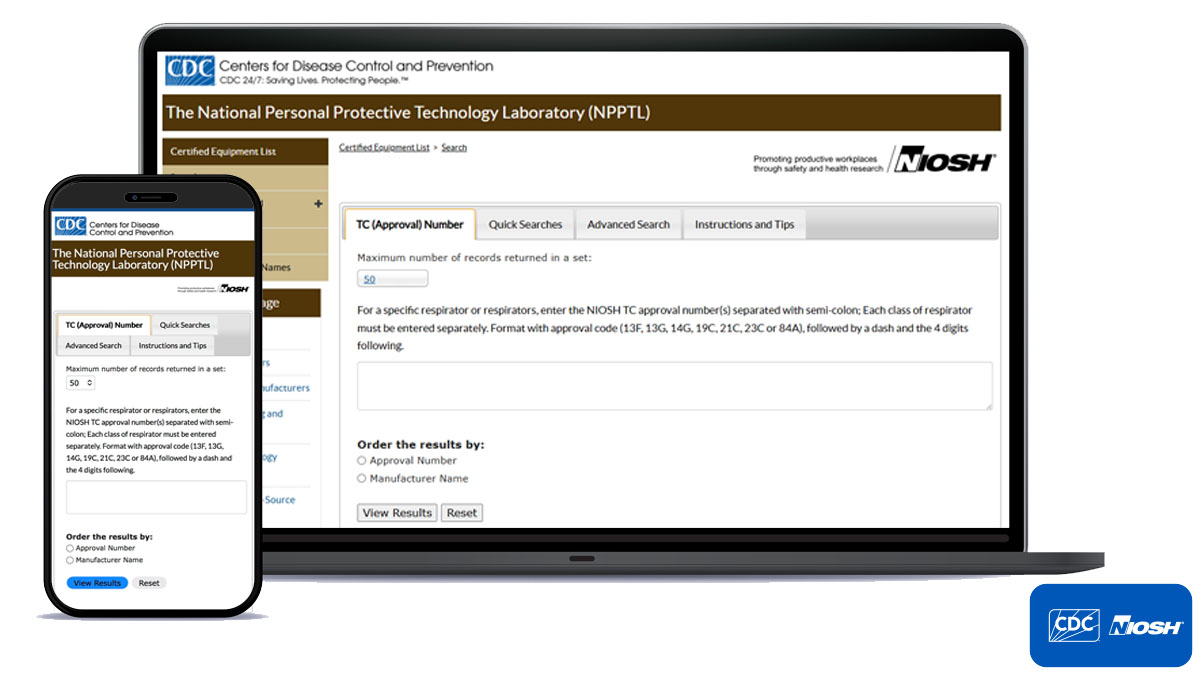
Planning to purchase respirators? Quick check, big impact. Check the NIOSH Certified Equipment List to verify respirator approval status: bit.ly/4wsiYms
1
2
293
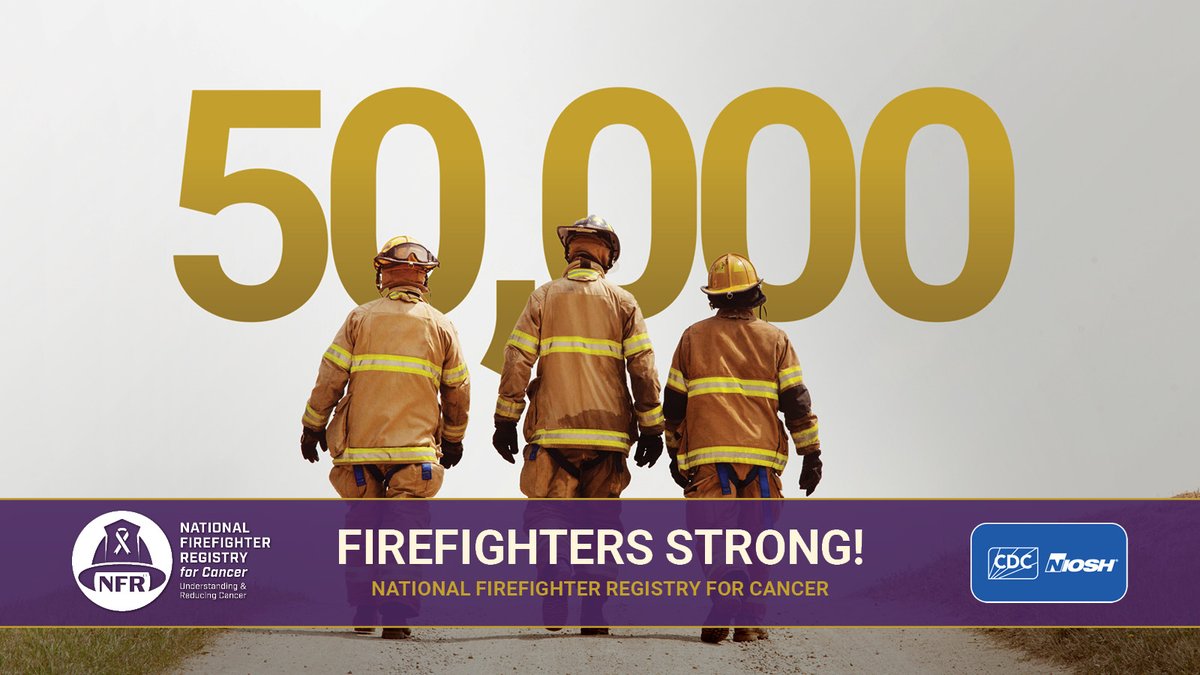
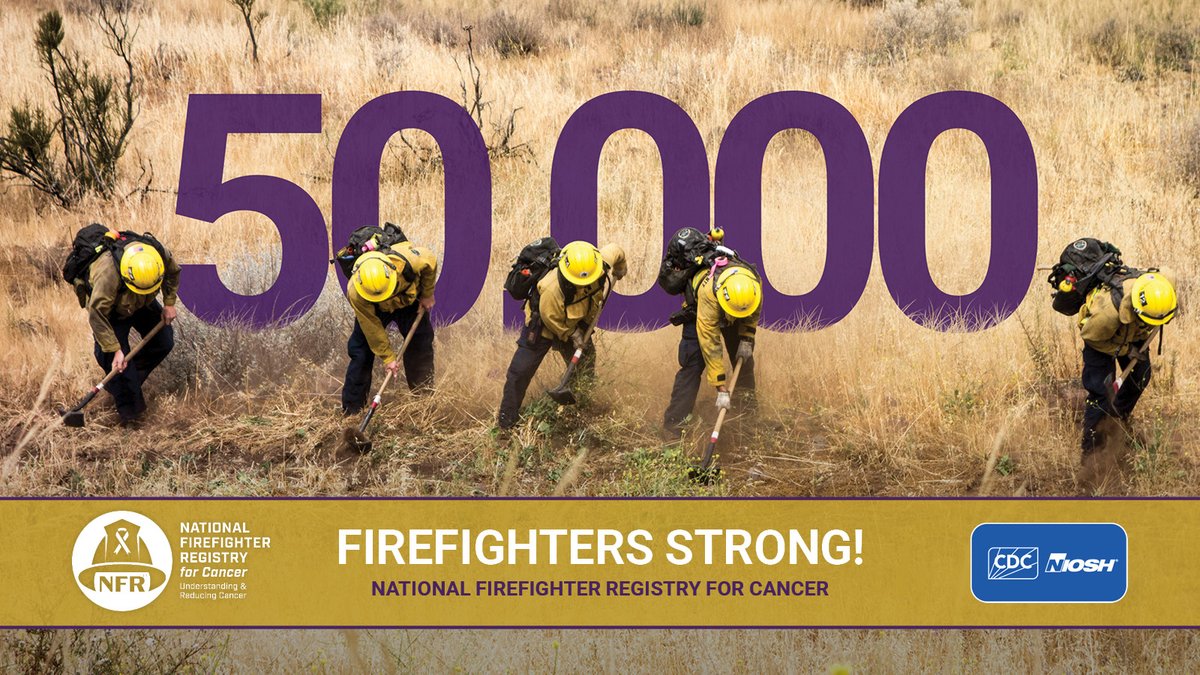
50,000 stories. One mission. Joining the NIOSH National Firefighter Registry (NFR) for Cancer isn’t just about numbers —it’s about leaving the fire service better for the next generation. Be part of the legacy: nfr.cdc.gov/
1
2
316
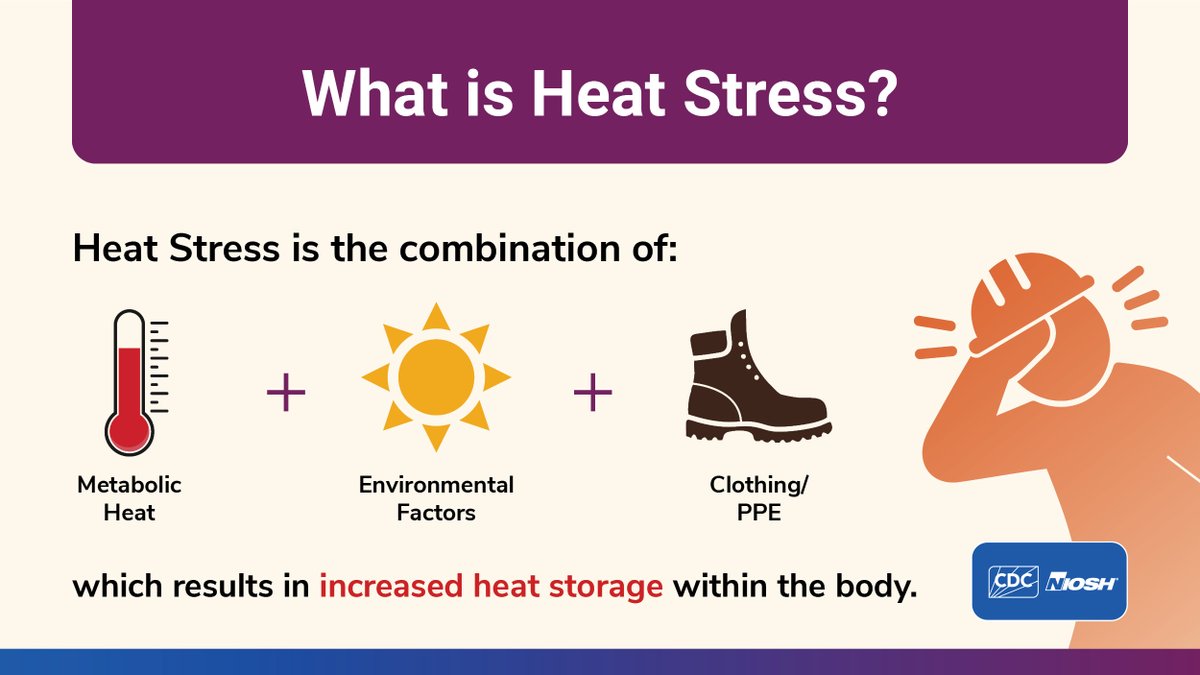
Before summer officially begins, plan ahead for work-related heat exposure and the potential for heat-related illness among your workers. Learn more: bit.ly/4e5Xty1
1
3
2
325
50,000 strong! We’ve officially reached a major milestone for the NIOSH National Firefighter Registry (NFR) for Cancer. A massive thank you to the 50,000 firefighters who have already stepped up to lead the way. Let’s keep this momentum going! Join: nfr.cdc.gov/
1
268
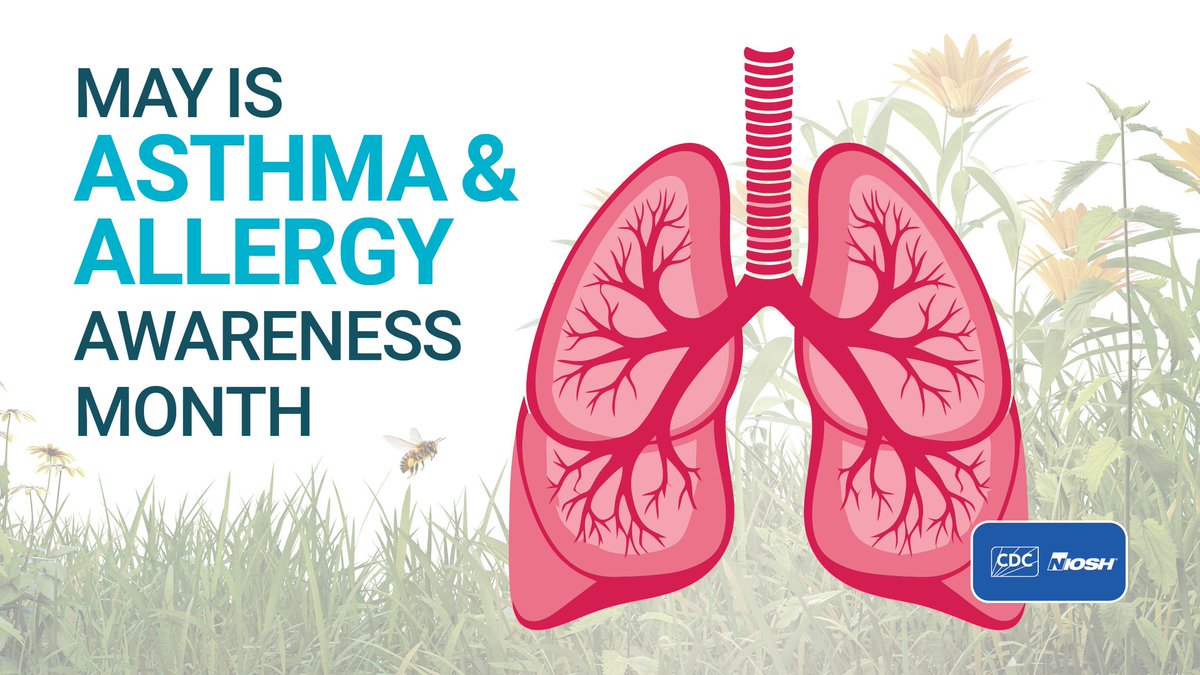
Work-related asthma is triggered or caused by irritant and allergic exposures in the workplace. There are more than 300 workplace substances that can cause new asthma and many more that can worsen it. Learn more during Asthma & Allergy Awareness Month: bit.ly/4cTodlW
8
3
465
Volunteer firefighters: Sharing your fire service experience can help protect the entire fire service. Join the NIOSH National Firefighter Registry for Cancer and contribute to research that could save lives. It only takes 5 minutes to get started: NFR.CDC.gov
1
3
429
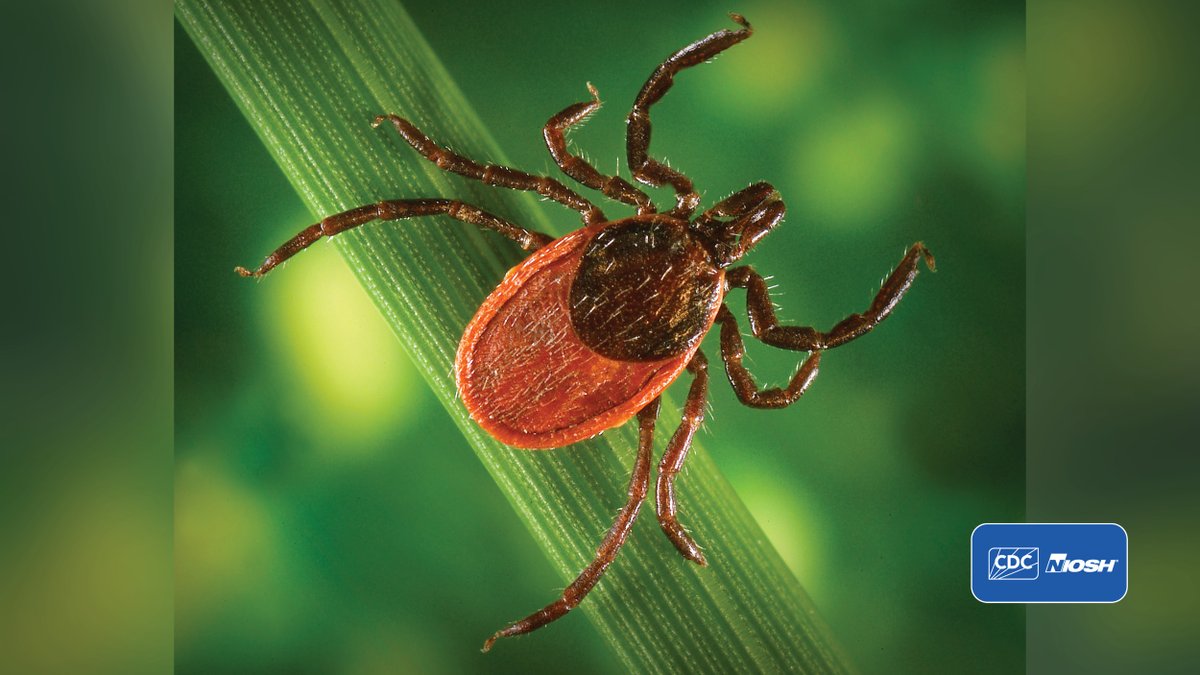
As the weather warms up, ticks become more active across the United States. Protect yourself while working in areas with ticks. Wear a hat and light-colored clothing, use insect repellents, check your skin daily for ticks. Find more tips: bit.ly/4sHgUnp
1
2
2
415
NIOSH researchers found that almost 22 million workers (13% of the civilian workforce) are exposed to chemicals that can damage hearing each year. These chemicals pose a risk for hearing loss across all industries.
Learn more: bit.ly/4cMcIxP
1
9
9
554
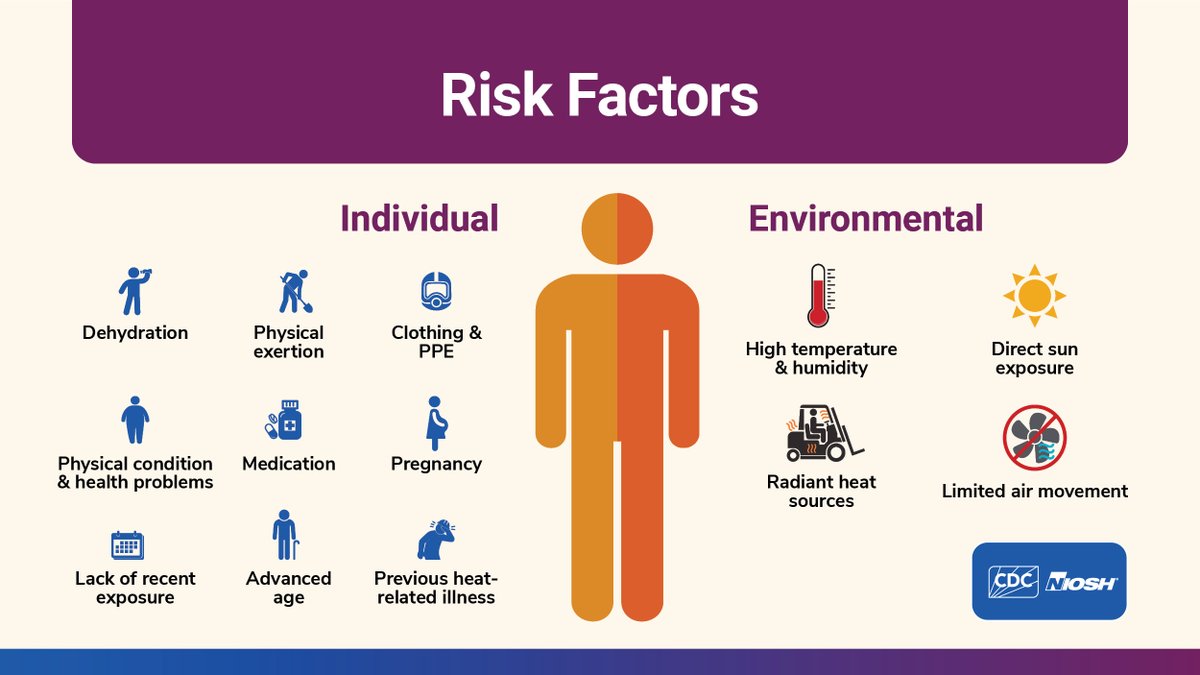
Workers at greater risk of heat stress include those who are overweight or have heart disease. Find tips to keep workers safe in the heat: bit.ly/4e5Xty1
7
6
449
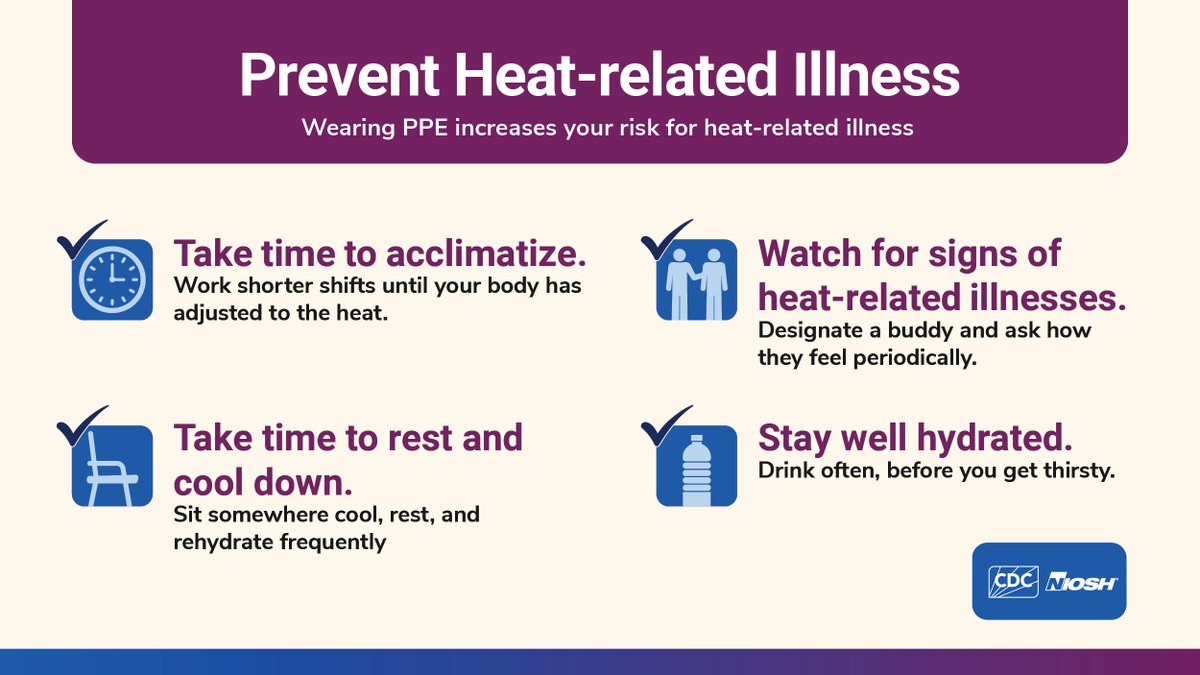
Before the summer begins, plan ahead for work-related heat exposure and the potential for heat-related illness among your workers. Learn more: bit.ly/402CsiB
3
3
524
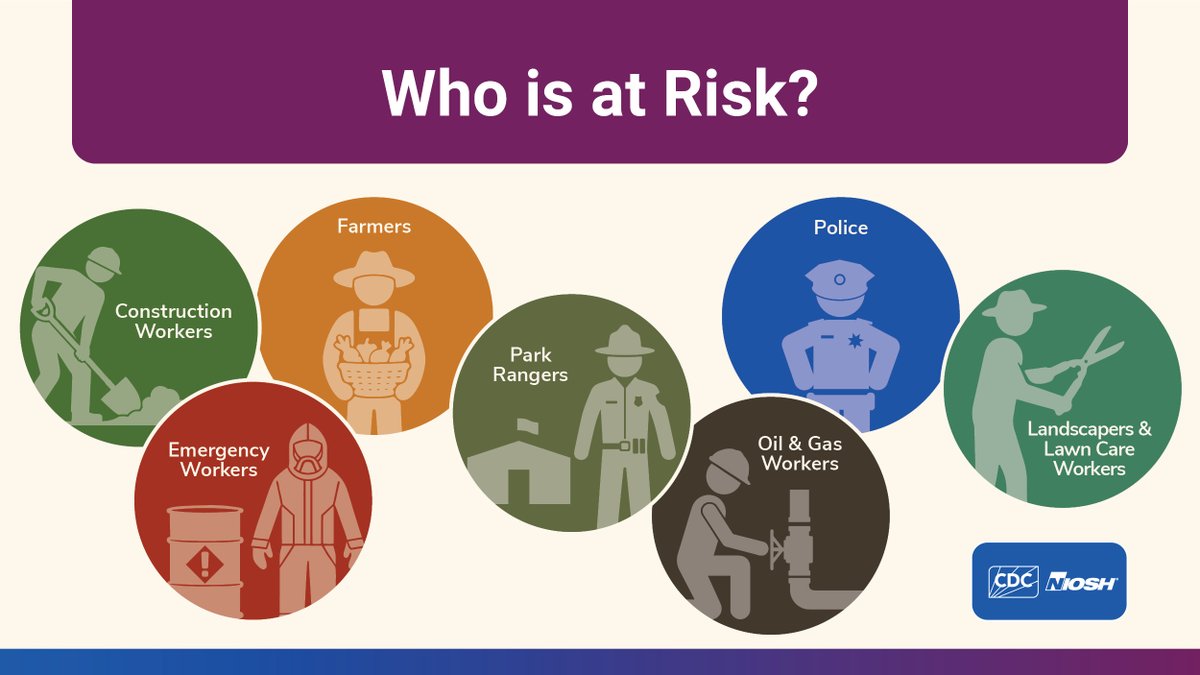
Heat stress can be a major concern for indoor and outdoor workers, especially during the hot summer months. Learn how to protect workers: bit.ly/4e5Xty1
1
4
7
536
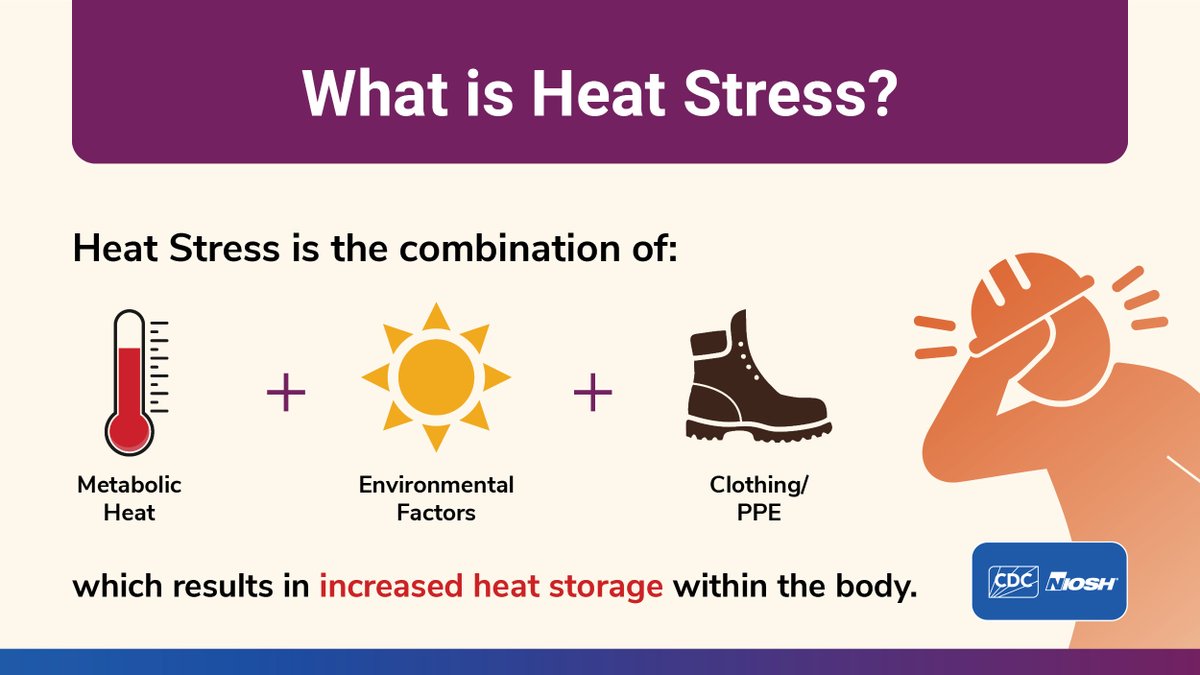
Workers may experience extreme heat stress as they often work in hot environments, doing physically difficult tasks, while wearing protective clothing or equipment. Learn how to protect yourself and your workers: bit.ly/4e5Xty1
1
6
5
529
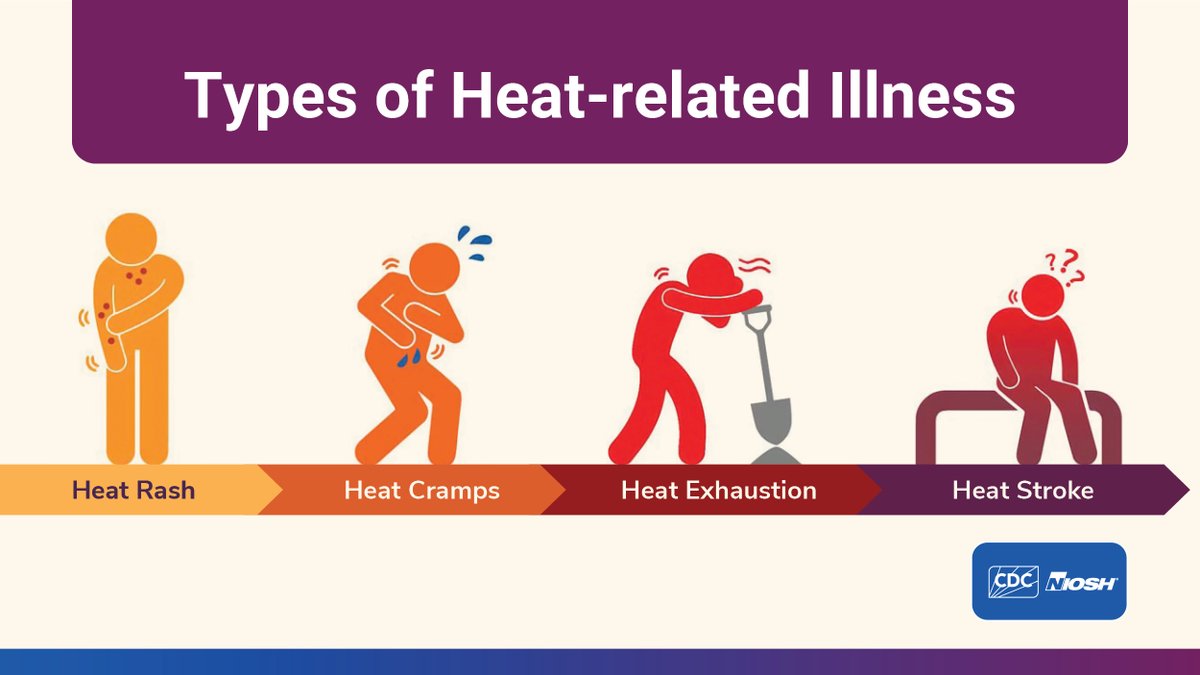
Heat-related illnesses can vary in severity and outcomes, with heat stroke resulting in death. Do you know the signs and symptoms? bit.ly/4kTe7oa
1
6
8
509
The NIOSH Health Hazard Evaluation Program recommended maintaining ventilation systems and addressing mold issues after employees reported unexplained illnesses in an office building that was undergoing renovations. Read the full report: bit.ly/3QgG1jp

2
5
361
The NIOSH Health Hazard Evaluation Program recommended a foundry use quieter saws, limit work at cutoff saws, and conduct regular hearing tests to protect workers’ hearing.
See the full report: bit.ly/4vRW5IX

1
4
419
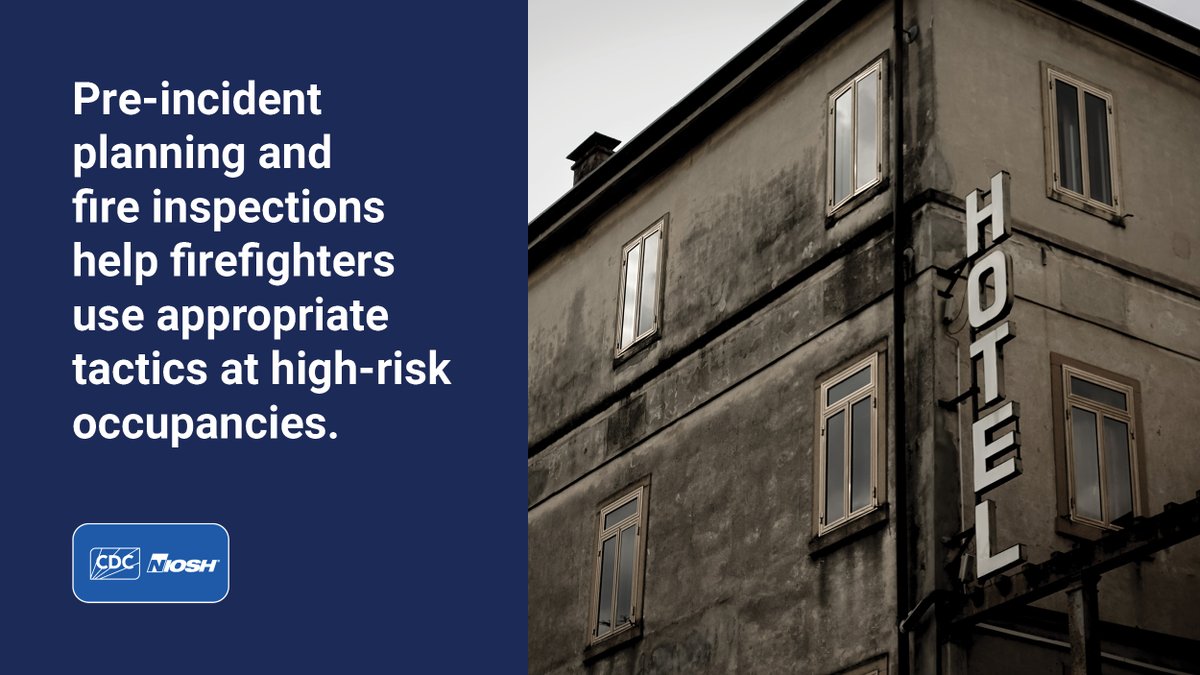
It is difficult for firefighters to match a response strategy with a structure before arriving on scene. However, fire departments can prioritize planning for structures that have elevated fire hazards and life safety risks. Learn more: bit.ly/4vzP536
3
2
390
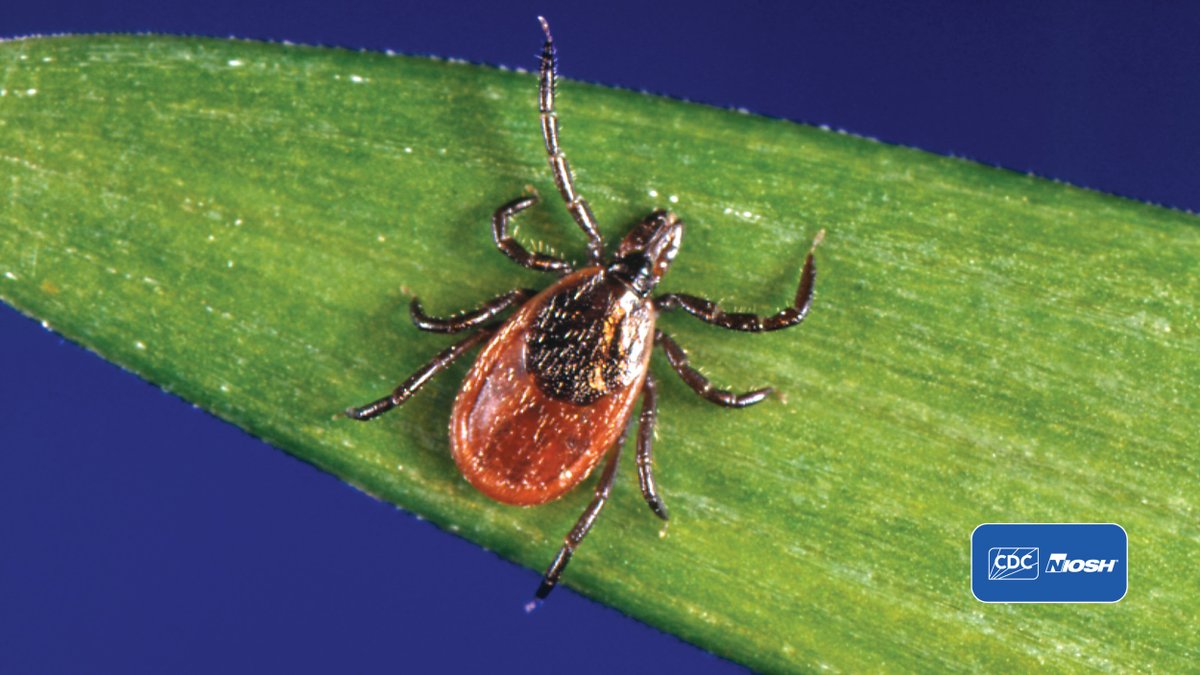
Lyme disease is the most commonly reported tick-borne disease in the US. Employers can help protect their workers from Lyme disease by providing training on the risks, how it is spread, and how to protect themselves: bit.ly/4sHgUnp
1
3
5
394
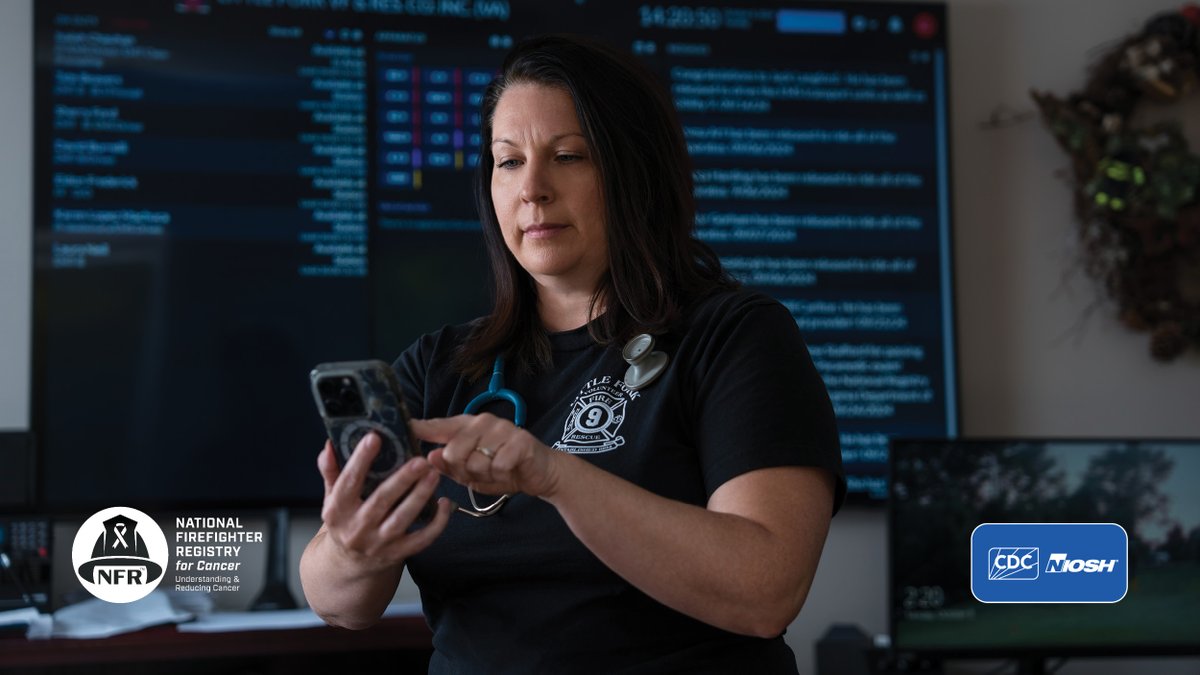
How many firefighters have enrolled in NIOSH National Firefighter Registry (NFR) for Cancer? Find out on the NFR Data Dashboard, plus see enrollment trends by state, the most common self-reported cancer types, risk factors, and screening info: bit.ly/4sIAfVt
3
1
357
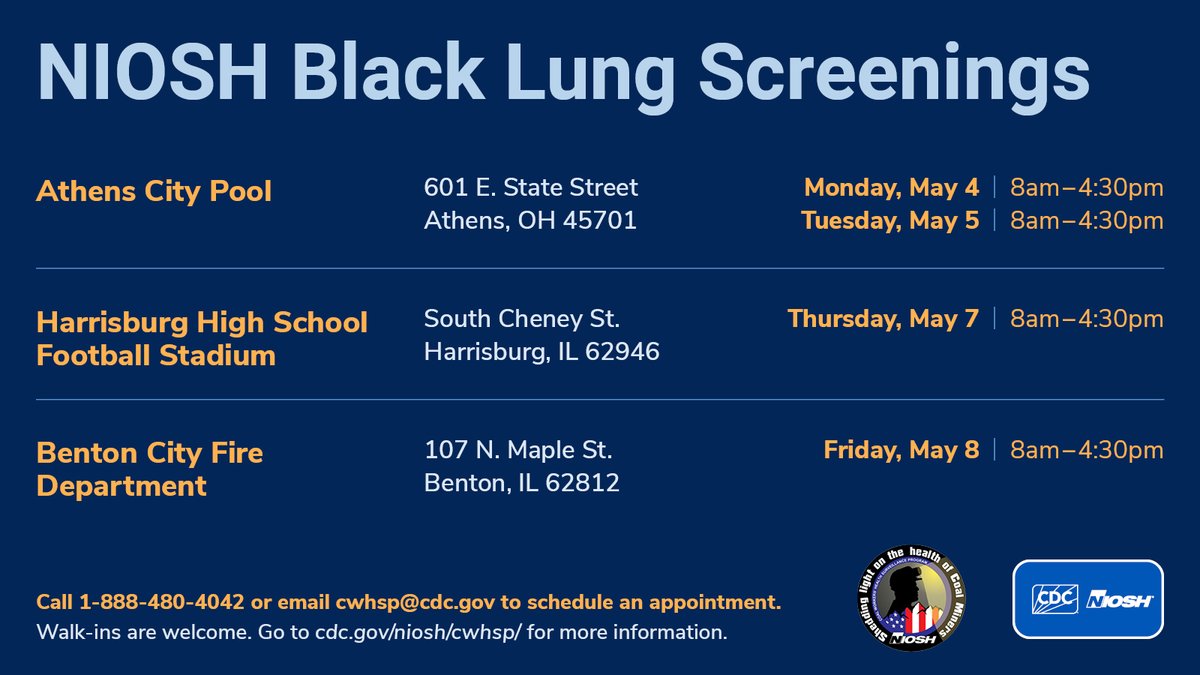
NIOSH will be providing free black lung screenings next week, May 4-8 in Ohio and Illinois. Learn more: bit.ly/3ynb5Fw
1
1
300