Joined April 2012
- Tweets 31,345
- Following 2,174
- Followers 2,537
- Likes 27,480
5,838 Photos and videos



Pinned Tweet

3 Aug 2021
Thank you #clmooc #ds106 and also #LTHEChat and #ALTC Now I am officially a doctor nomadwarmachine.co.uk/2021/0…
18
1
70
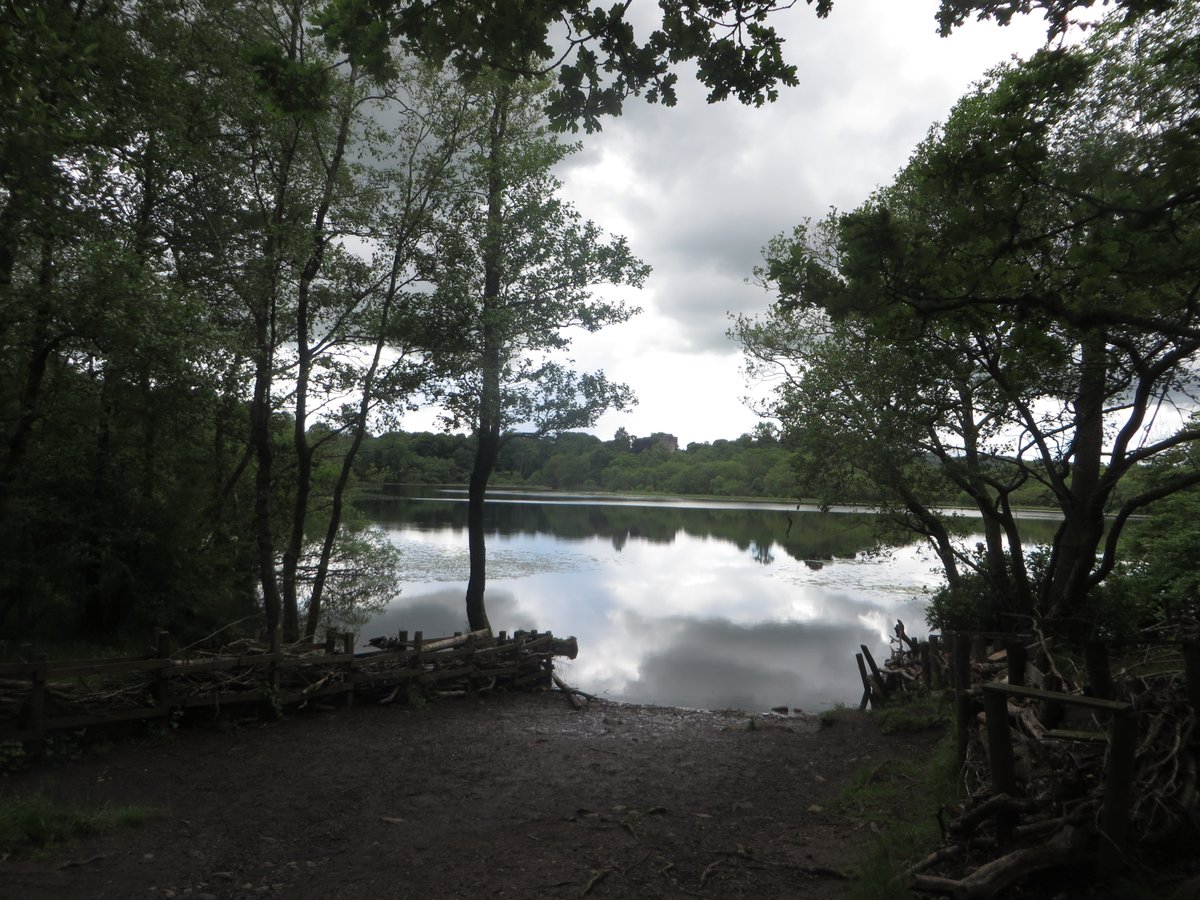
ALT A loch framed by trees, with clouds reflected in the water and a castle on the horizon
1
9
Sarah Honeychurch retweeted

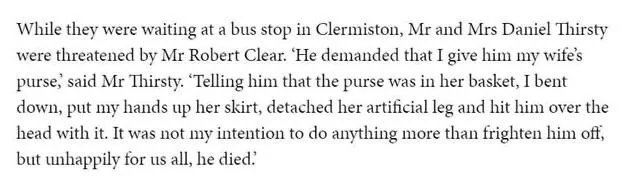
It's been 47 years since the best ever account of an attempted crime (from the Edinburgh Evening News, 18 August 1978)
20
336
2,119
73,843
ALT Waterlilies and lily pads with drops of water on them
1
9
Sarah Honeychurch retweeted

Jun 6
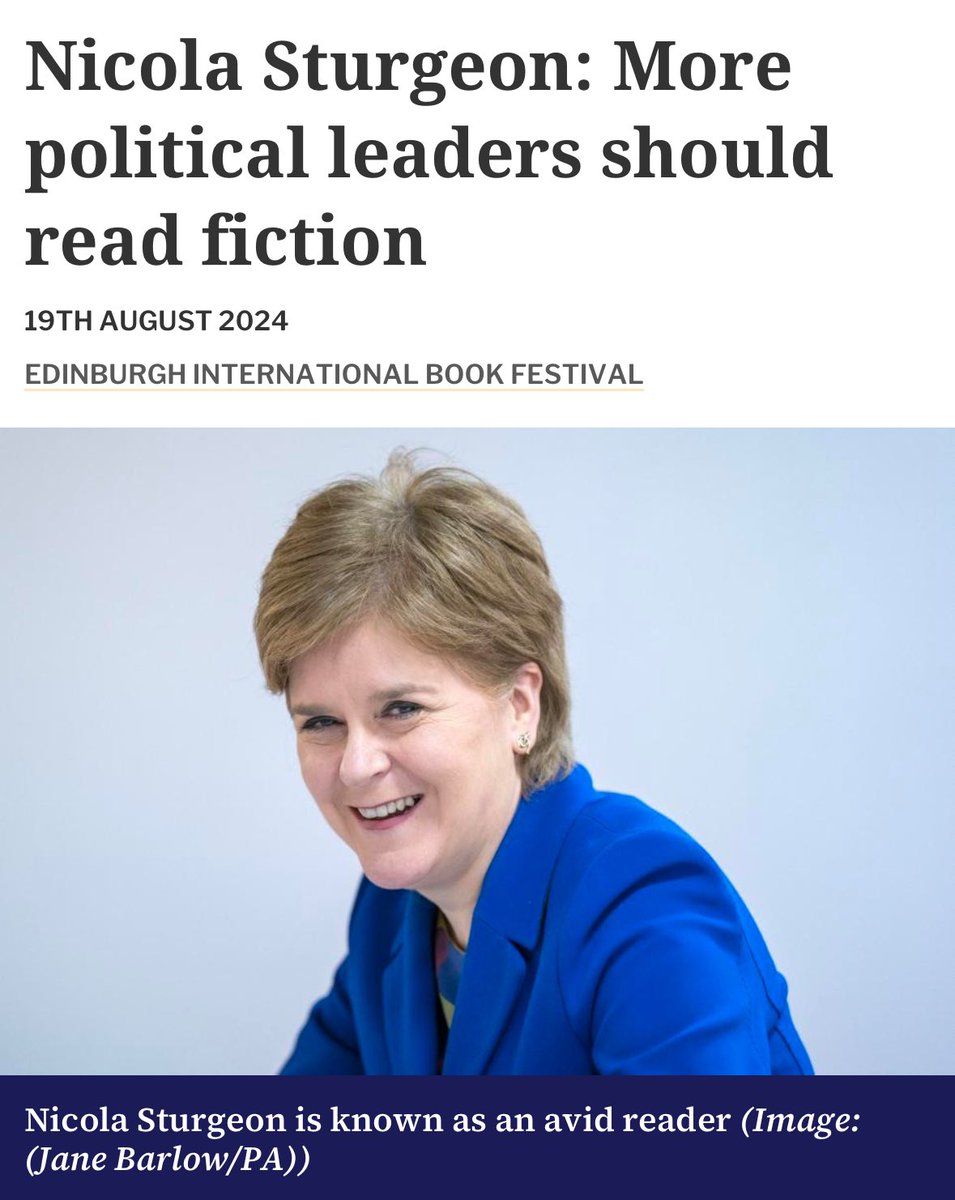
Maybe. But more SNP leaders should read “Accounting for Dummies”.
38
90
385
10,269
Sarah Honeychurch retweeted

Wrote about the Ladies' Pond and how women having anything of their own is constantly characterised as not "in the spirit ot things" buff.ly/HzX41hW
10
242
894
20,120
Sarah Honeychurch retweeted

Jun 5
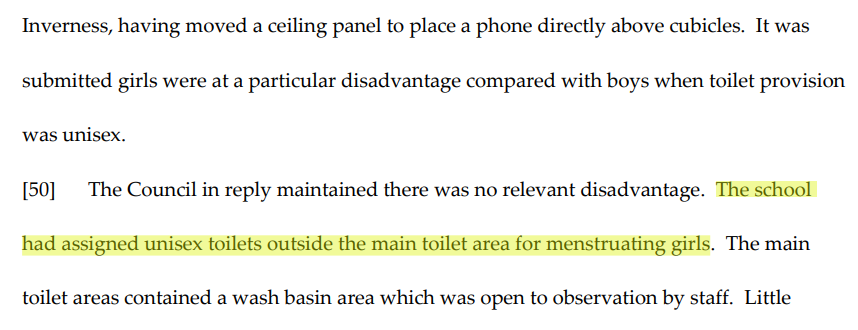
‘Unisex toilets outside the main toilet area for menstruating girls.’ In a British school in 2026. This is where ‘be kind’ policies have got us.
Jun 4

Two shocking points were revealed in this judgment.
First, to their utter shame @LoveWestLothian actually submitted in their defence that they had special period toilets for girls. >>
158
888
4,644
1,225,545
"your voice is needed"
...
Switches off replies 🤣

📢 "Your voice is needed."
UNISON general secretary @AndreaEganGS is calling on members and trans allies to oppose the EHRC guidance.
MPs will decide on it in the next 30 days.
Tell us why it's unworkable in your workplace.
📩 out@unison.co.uk
16
Sarah Honeychurch retweeted

May 31
New "Three Lions" just dropped
6
64
261
13,346
Sarah Honeychurch retweeted

May 31
I posted the final part of my cancellation story. It's farcical, funny and sad. I am still afloat. Link👇👇👇
4
25
117
4,670
ALT A carpet of bluebells seen through trees
2
1
28
Sarah Honeychurch retweeted

May 30
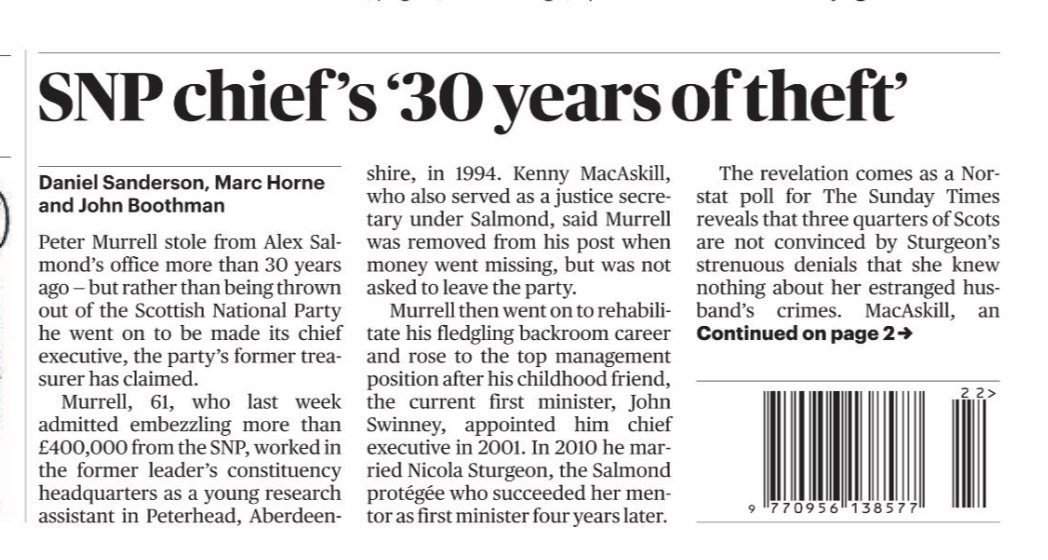
Here’s some constructive advice for John Swinney and the SNP: it’s time to throw Nicola Sturgeon under the campervan.
thetimes.com/article/b4281f0…
44
143
900
54,953
Sarah Honeychurch retweeted

May 25
Like every other SNP parliamentarian, I gave the party £250 per month from my personal income after tax. Adding my party membership fees (paid at an enhanced rate) , I think it came to £35,000 over ten years. The £250 sub was an obligation for all MPs and MSPs, but I was happy to pay, as I believed it was going to the cause - not to keep Sturgeon in Smythson handbags and Mountblanc pens (stolen goods she was pictured with in this @TheSun report 👇). I had a good salary. But what of all the decent working people - as @joannaccherry pointed out today - who could ill afford the £10 or £20 donations they made to @theSNP ? It’s disgusting, and requires an internal investigation. Or rather an independent investigation. Who was monitoring the spend within the SNP? How come the former volunteer treasurer and former volunteer officials who questioned the finances were slapped down by @NicolaSturgeon and her acolytes? There remain good people at the top of the party ( of which I remain a member BTW) and I hope they will now abandon their misplaced loyalty to the former leader whose position meant she signed off the accounts, as I understand it. Finally…..well done to @WingsScotland for triggering the investigation - pilloried from all sides but vindicated today.
May 25

EXCL: Nicola Sturgeon refused to comment and sat in silence for hours during her police interview - despite publicly claiming to be "cooperating fully" with cops
thescottishsun.co.uk/news/16…
183
888
3,406
274,203
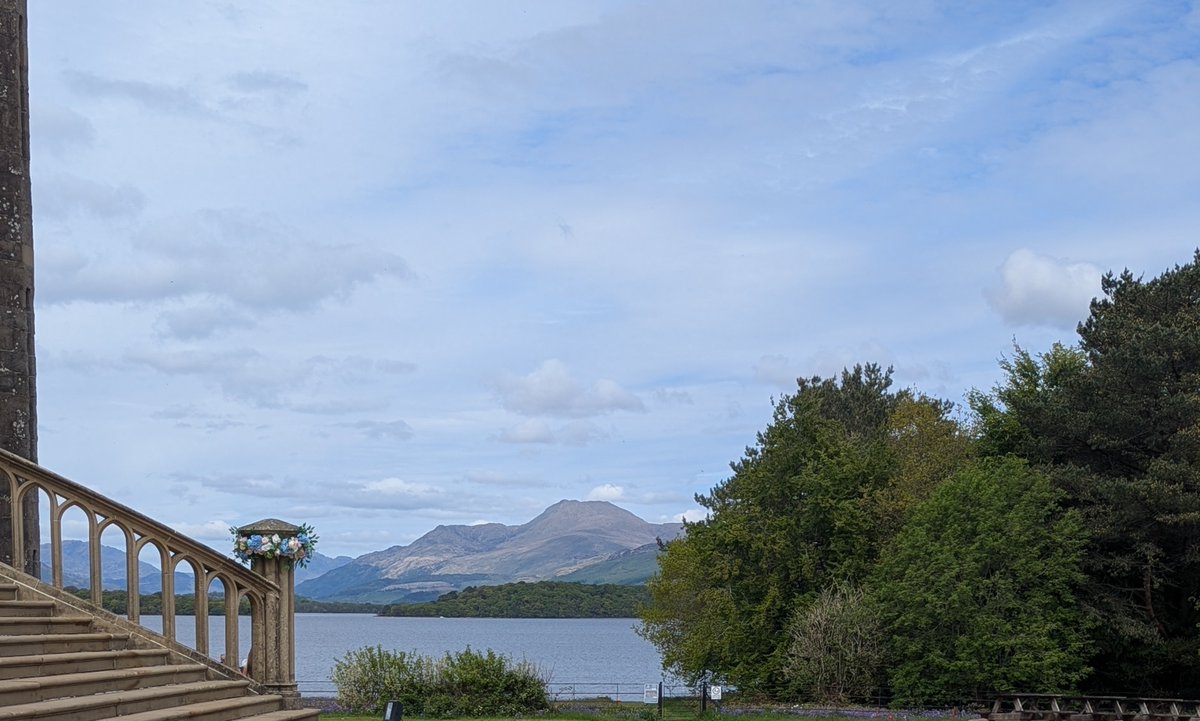
ALT Ben Lomond seen from the drive of Ross Priory. The bottom of the steps has a wedding wreath. Green trees to the right, blue cloudy sky over the mountain
1
1
2
25
Sarah Honeychurch retweeted

The gender pay gap reporting guidance for employers was updated yesterday, to make clear that reporting must be based on sex.
gov.uk/government/publicatio…
"Recording employees’ sex
In the Equality Act 2010, the terms “male”, “female”, “men” and “women” refer to a person’s biological sex. The regulations covering gender pay gap reporting are made under the Equality Act 2010. This means that gender pay gap reporting must be based on employees’ biological sex."
17
115
488
38,863
"In a democracy, there’s little point in Parliament deciding anything if the law is then made an ass by activists intimidating bosses in companies, schools, universities and the media into doing something different."
May 22

My thoughts on the @EHRC guidance laid yesterday; this is not about non-existent "rights". It is about the safety of women - mothers, sisters, wives, daughters. We men need to hear their voices. Virginia Woolf : "Though we see the same world, we see it through different eyes".
My intro on @TimesRadio yesterday:
Where I live there are two different routes to and from the tube station. One, let’s call it Acacia Avenue, is quiet and residential. The other, London Road, is a busy major route with lots of traffic. At all times of the day, I automatically head for Acacia Road. It’s just much nicer.
The women in my family, on the other hand, will never willingly make that walk after dark. They live with an anxiety that most men find it hard to imagine, and frankly, rarely think about unprompted.
Last year 739,000 women were sexually assaulted in Britain. Virtually all such assaults - nine out of ten - are perpetrated by men. One in four women have been attacked at some time in their lives. Acacia Avenue is exactly the sort of place in which most women fear that they become vulnerable, and they are right.
As the author Virginia Woolf once wrote " Though we see the same world, we see it through different eyes".
I think this is the right context in which to understand the furore over the guidance being laid today by the government, over the meaning of the words man and woman when it comes to providing services and facilities in workplaces.
Many men think this is about a rather arcane dispute about who gets to use what loo. For their mothers, sisters, wives and daughters, it isn’t.
In a previous life, as Chair of the Equality and Human Rights Commission, I had a hand in writing this country’s equality laws, in particular the 2010 Equality Act. It never occurred to any of us that there could be any confusion or dispute over the meaning of the words man and woman. But it has taken a decade of campaigning, a Supreme Court judgement and now hundreds of pages of guidance to settle the issue.
This is not about so called trans rights, which are completely unaffected by this guidance, since no-one has ever had the right to walk into a changing room reserved for teenage girls.
What it does mean is that women and girls are guaranteed the protection they deserve, and that their safety, which we spent half a decade drafting law to ensure, is protected.
But the whole business illuminates some serious issues in our politics.
First that many of our institutions, in spite of the fact that they always knew what the right thing to do was, decided to ignore the fears of their women customers and employees, under pressure from noisy pressure groups. Instead, the people who were supposed to be the grown ups behaved as though the law said what campaigners wanted it to say, rather than what it actually said. They settled for what they hoped would be a quiet life.
In a democracy, there’s little point in Parliament deciding anything if the law is then made an ass by activists intimidating bosses in companies, schools, universities and the media into doing something different.
Second, at the heart of the campaign to undermine the Equality Act is an idea that we specifically rejected in 2010, so called self-identification. That is to say, that it should be up to the individual to decide whether they have what’s called a protected characteristic - are you male or female, are you black or white. The problem is that self-ID would destroy the operation of any law against discrimination.
Look, it would almost certainly have been to my advantage as a young man to self-identify as a handsome, white public schoolboy. None of those things is true of me. And at various points I am pretty sure it’s been to my disadvantage. It is certainly statistically likely to have been to my disadvantage.
But according to the logic of those who say that self-ID should be the rule and that anyone should be able to decide for themselves whether they are male or female, black or white or Asian, were I to complain about racial discrimination, it would be difficult for anyone prove that I’d been discriminated against because of my race since anybody to whom I’d lost out could just tell the courts that they too were black.
I know that sounds like Alice in Wonderland but you can google the case where a chap, both of whose parents are white, insisted he should get money from the Arts Council because he so identified with the black struggle that he considered himself black, and everyone should accept his point of view. In the United States and Brazil exactly such outlandish claims have been made and people rewarded to the disadvantage of people actually born into minority families.
I have even been told about firms who, when reporting their gender pay gaps have put men who just happen to like wearing dresses at weekends - nothing wrong with that, let me be clear - into the female column and told their women employees that they really haven’t got anything to moan about because statistically they are paid equally, and they should get back in their box.
So today’s guidance isn’t just another tiresome chapter in culture wars. It is , I hope, a halt to the efforts to undermine one of the most important pieces of legislation on the statute book, by people who, for their own reasons, would prefer us to be living in the 1950s world of Mad Men.
2
45
Sarah Honeychurch retweeted
May 22
It’s extraordinary that the BBC consistently platforms men upset they have to use gender neutral toilets instead of women’s toilets over the female rape survivors who have been unable to access a female-only support group, in relation to the EHRC guidance. It says it all, really.
54
1,016
5,140
104,390
Sarah Honeychurch retweeted

May 21
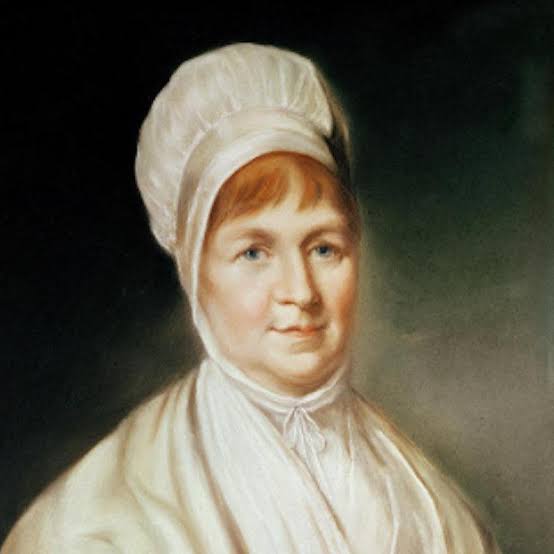
Woman of the Day prison reformer and philanthropist Elizabeth Fry, born OTD in 1780 in Norwich, the first woman to give evidence to a Select Committee. It was instrumental in the passing of the Gaols Act 1823, which separated the sexes.
Caring responsibilities came early to her. Her mother died when she was 12 — she had twelve siblings — and as a Quaker, she took an interest in the impoverished, the sick and prisoners. A “plain Friend”, she dressed plainly, did not dance or sing, and took philanthropy very seriously.
In 1813 and at the suggestion of another Friend, Elizabeth visited Newgate Prison and found women and children in small overcrowded cells where they had to manage washing, cooking, toilet functions, and sleep on straw. Some hadn’t even been tried at court. She was horrified.
“All I tell thee is a faint picture of reality; the filth, the closeness of the rooms, the furious manner and expressions of the women towards each other, and the abandoned wickedness, which everything bespoke are really indescribable".
She returned the following day with food and clothing, but family finances prevented her from doing more until 1816. At first, she concentrated on the children by funding a school inside the prison for them, but she found it impossible to ignore the plight of the women. They were at the mercy of male inmates who raped and sexually exploited them. On release, the few occupations available to women were beyond their reach. Life was without hope.
Elizabeth founded the Association for the Reformation of the Female Prisoners in Newgate and encouraged other affluent women to set up classes for women prisoners, providing them with materials so they could learn to sew and knit. It calmed them — “Already, from being like wild beasts, they appear harmless and kind" — and meant they had employable skills on release.
When she gave evidence to a Select Committee on 27 February 1818, she pulled no punches. She told them in graphic terms of the rapes and sexual exploitation suffered by the women. Her powerful evidence helped to secure the Gaols Act 1823 which required prisons to separate the sexes.
Other provisions of the Act included paying gaolers (to combat corruption), requiring doctors and chaplains to visit prisoners (still an important statutory requirement today), and greater emphasis on reform and rehabilitation.
The Gaols Act was far-seeing and genuinely progressive, but other than separation of the sexes, toothless. Town gaols and debtors prisons were excluded and there was no means of checking that its provisions were being met.
Elizabeth returned once more to give evidence to a Select Committee of the House of Lords in 1835, pointing out that "in many instances their condition is melancholy...they may truly be called schools for crime", that some still had "no instruction, no employment, no classification [of inmates]...and they get into a most low and deplorable state of morals...I would not say that all are in that condition, but I fear many are".
In those days, many prisoners faced transportation to New South Wales even for the most minor of crimes (for more serious offences, hanging was the go-to sanction). They faced eight months in vermin-infested cramped holds, often flooded with bilge-water, and strictly rationed fresh water. The women transported by the First Fleet had only the clothing they were standing up in and when this became infected with lice and had to be burnt, they were given rice sacks to wear. Elizabeth campaigned for better care and provision for them too.
In 1825, she published "Observations of the Siting, Superintendence and Government of Female Prisoners", an influential book that laid out in clear detail how penal regimes should be run.
Somewhere along the way, Elizabeth established a "nightly shelter" for the homeless in London after seeing the body of a boy who had frozen in winter and set up a system of volunteers to visit the poor and homeless and provide help and comfort to them. She campaigned against the slave trade, and in 1840, opened a training school for nurses. Florence Nightingale took a team of Fry nurses to the Crimea.
Her abiding principles of kindness and fairness sprang from her Quaker faith and she was the first woman — other than the late Queen, of course — to be depicted on a British banknote.
Elizabeth Fry died in 1845 at the age of 65. I cannot tell you how much I admire this woman.
Less than a century later, Westminster and Holyrood subsequently ditched Elizabeth’s truly progressive approach to prison as a place for rehabilitation, not punishment, and decided that it would be even more “kind and inclusive” to hold men in women’s prisons, as long as they claimed to be women too.
In wartime and in war zones, that would be regarded as a war crime under the Geneva Convention, and those officials who allowed it would be classed as war criminals.
It’s peacetime, allegedly, but I’d still call it a human rights violation, and I have a few choice words for all of those politicians and civil servants who nodded along with it. I hope their complicity haunts them.
52
430
1,019
26,869
Sarah Honeychurch retweeted

May 18
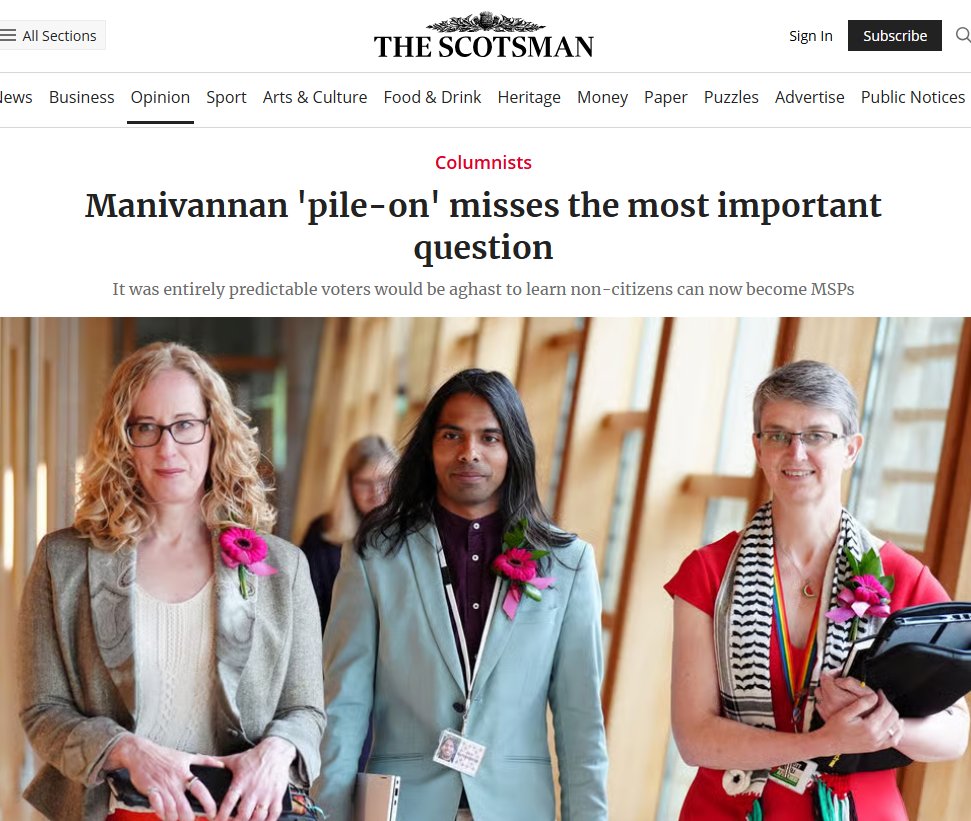
I wrote about what (on earth) the Greens and other MSPs were thinking in extending the right to become legislators to non-citizens. This week's Scotsman piece. Link in replies. ⬇️
36
175
588
51,115
Sarah Honeychurch retweeted

My personal X account (formerly @JoPhoenix1) has been hijacked and renamed — it's now impersonating Elon Musk and may be promoting crypto scams. Please don't engage with it or send it anything, and report it if you can. I'm working to recover it.
Please RT.
14
387
623
18,509