
Advancing Nuclear awareness for Sustainable Development in Africa. Curating opportunities in the field via @nuclearopptunty
Joined November 2022
- Tweets 1,348
- Following 608
- Followers 312
- Likes 3,211
127 Photos and videos









Pinned Tweet

4 Feb 2025
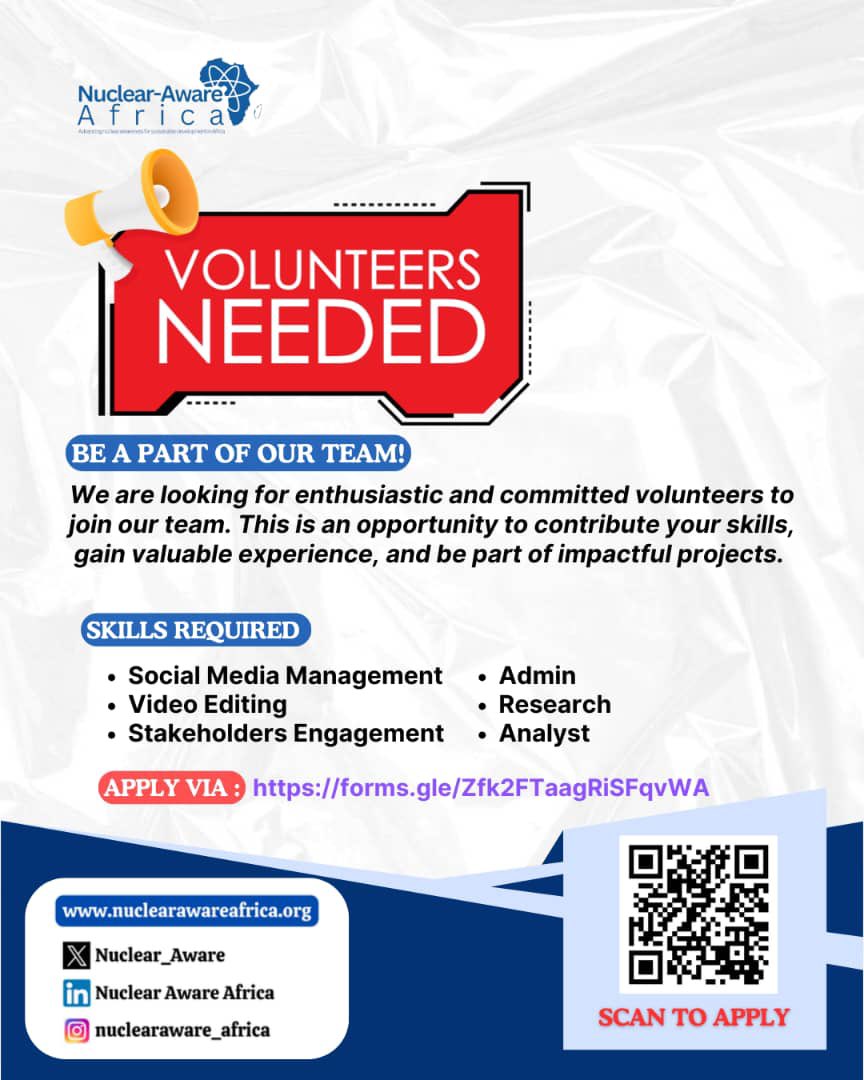
#volunteers
We are seeking energetic and passionate individuals across #Africa to join our team as volunteers!
Apply: forms.gle/Zfk2FTaagRiSFqvWA
Here’s a chance to join a dynamic and powerful team driving an incredible initiative✨✨✨✨✨✨.
#Innovation
@NuclearOpptunty
2
9
919
Nuclear-Aware Africa retweeted

How can peaceful nuclear technologies advance Africa's food systems? Join Nuclear-Aware Africa and leading experts for a deep dive in this edition of the #AfricanNuclearDialogueSeries.
Join the conversation with @Nuclear_Aware
Register: docs.google.com/forms/d/e/1F…

1
1
15
Nuclear-Aware Africa retweeted

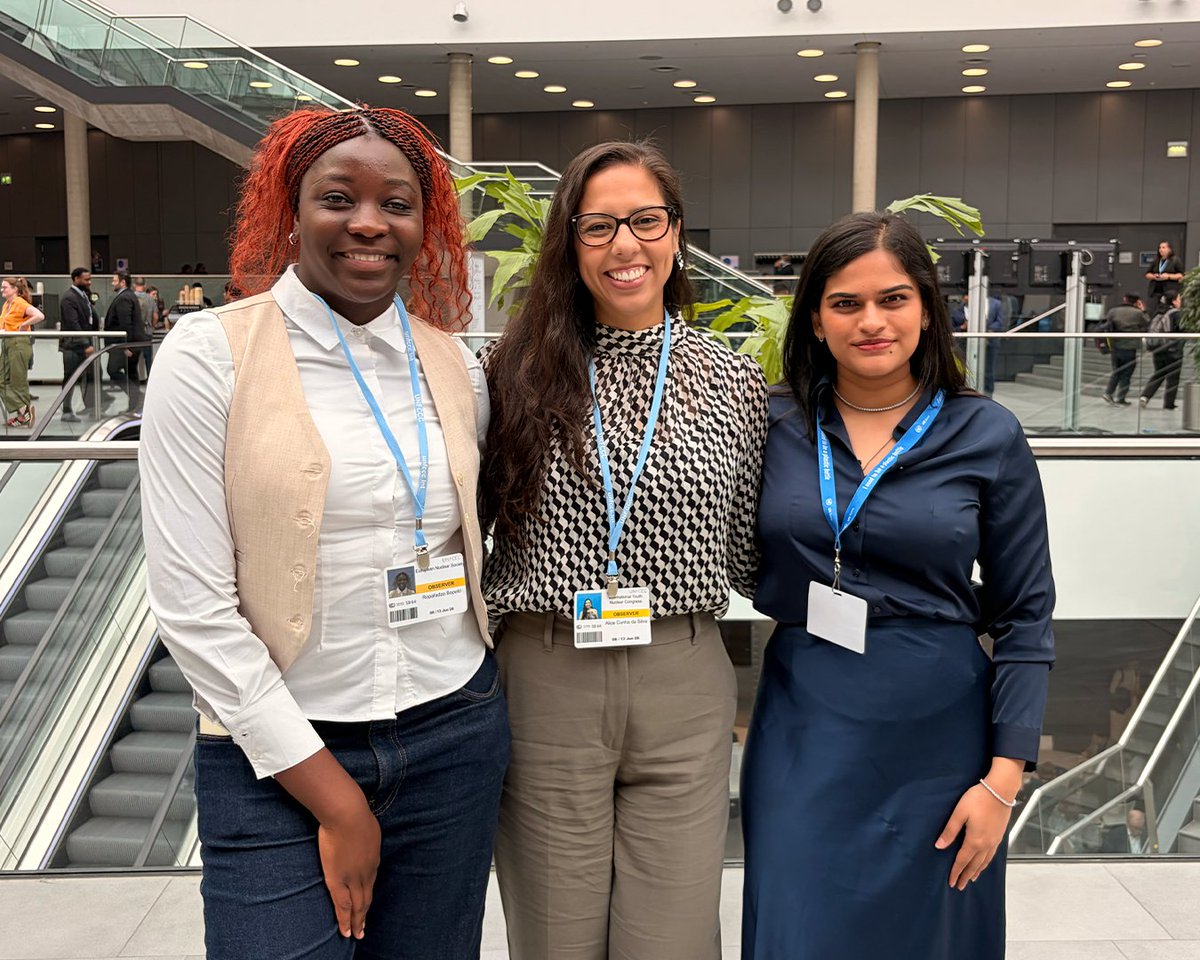
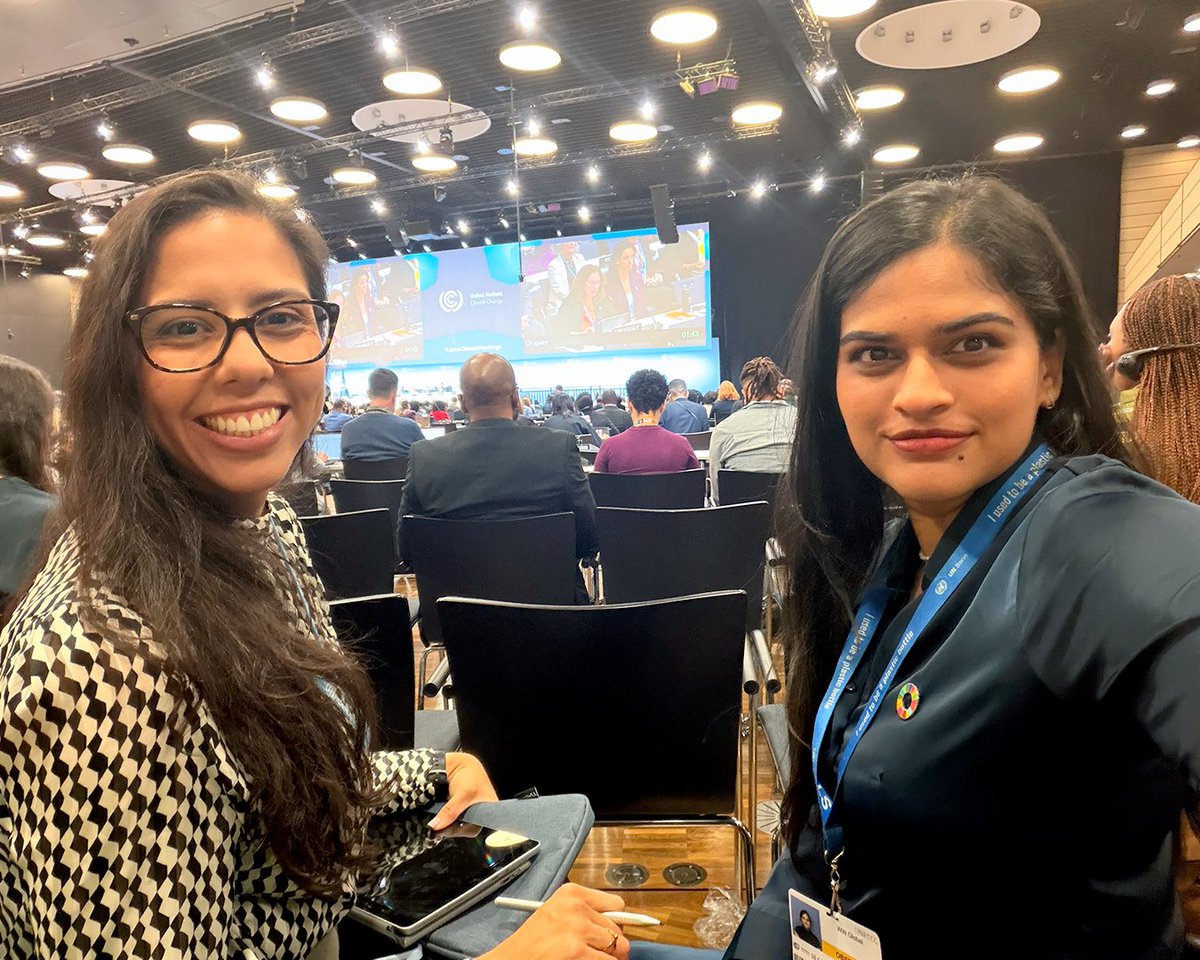
🌍 #WiNGlobal is proud to be at the United Nations Bonn Climate Conference
The Bonn Climate Conference #SB64 is the United Nations' mid-year climate meeting. This year's session helps set the stage for @Cop31Turkiye 🇹🇷 in Antalya.
#WomeninNuclear #NuclearEnergy #ClimateChange
1
2
4
102
Did you know that nuclear technologies play a vital role in improving agricultural productivity, food security, and climate resilience across Africa?
Register here: forms.gle/8owdKERnaXVyjTRSA
1
1
2
72

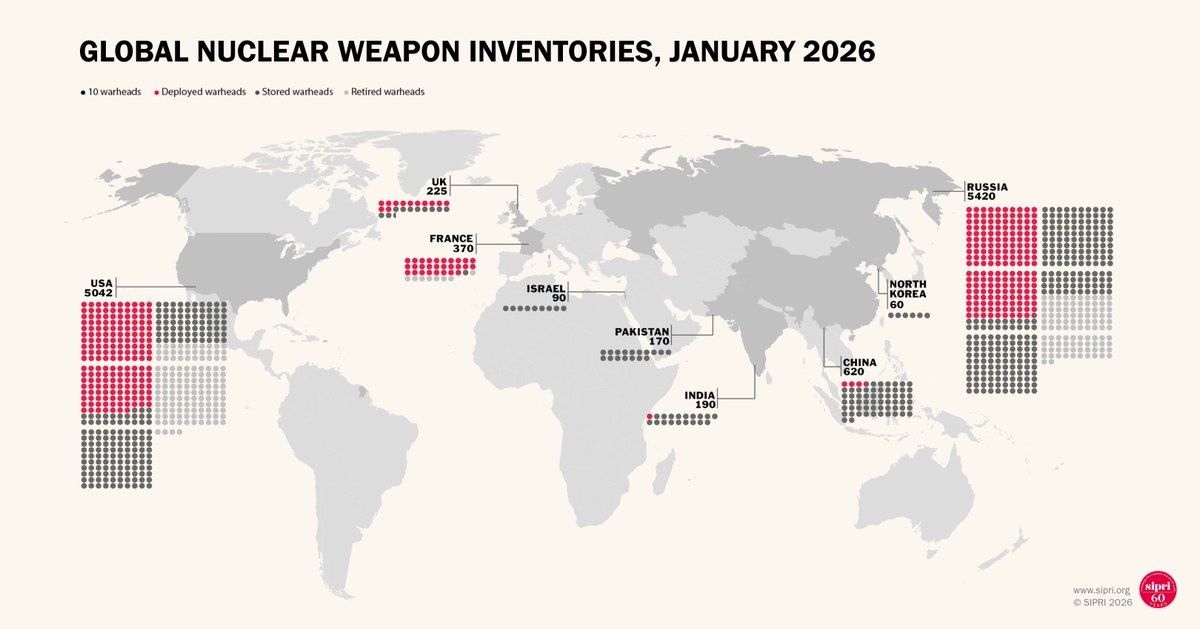
The nine nuclear-armed states—🇺🇸🇷🇺🇬🇧🇫🇷🇨🇳🇮🇳🇵🇰🇰🇵🇮🇱— continued programmes to modernize and enhance their nuclear arsenals in 2025, and most deployed new nuclear-armed or nuclear-capable weapon systems during the year. Learn more ➡️ bit.ly/4dNSkNx
#SIPRIYearbook2026 #NuclearWeapons #ArmsControl #NuclearRisk #Disarmament #NonProliferation
@SweArmsControl @AlvamyrdalCNTR @RobertEgnell @UNIDIR @nuclearban @scientistsorg @SweMFA
@CSparre @ICRC @FOIresearch @hrw @PugwashConfs
@Greenpeace @globalzero @antonioguterres @iaeaorg
1
22
35
3,116

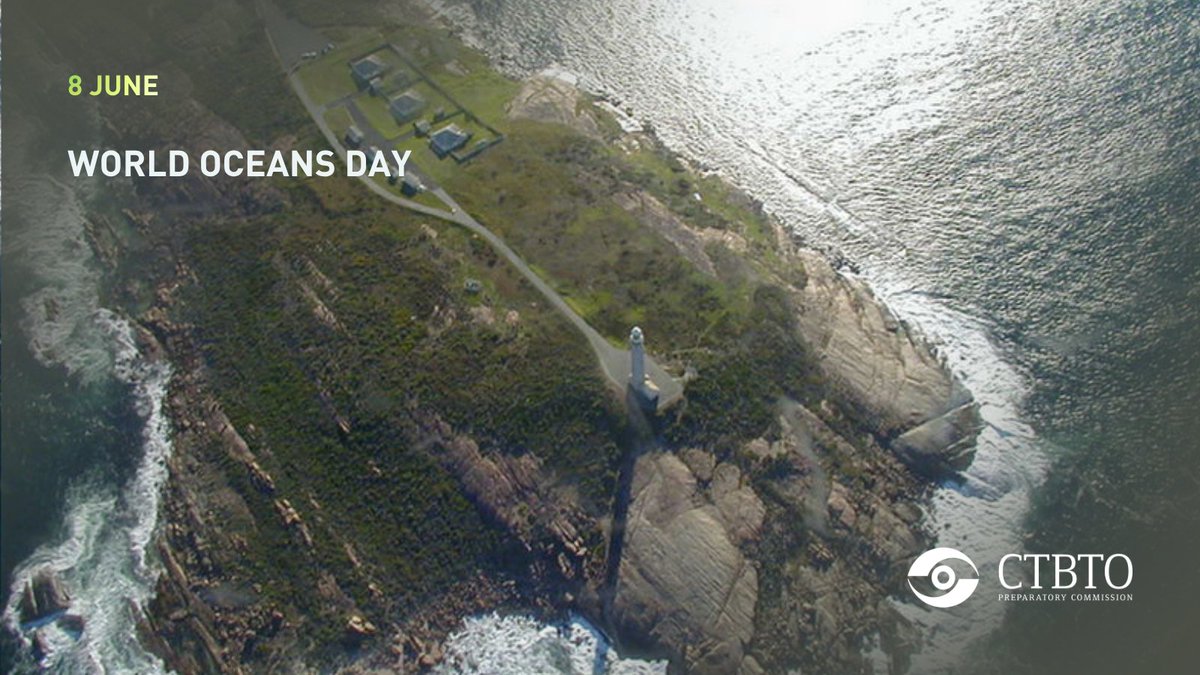
Hydroacoustic technology helps protect our oceans. On #WorldOceansDay, learn more about our verification system’s 11 hydroacoustic stations, listening beneath the waves to pave the way for a world free of nuclear test explosions. 🔍 ctbto.info/Hydroacoustic
1
5
14
550
Nuclear-Aware Africa retweeted

In his introductory statement to the IAEA Board of Governors this morning, IAEA Director General @RafaelMGrossi briefed Member States on the Agency’s efforts to maintain the latest ceasefire near the Zaporizhzhya NPP, including monitoring of mine-clearing activities before repairs to the Dniprovska power line can begin.
📄Full statement: atoms.iaea.org/4fwFwfR
3
15
39
3,203
Nuclear-Aware Africa retweeted
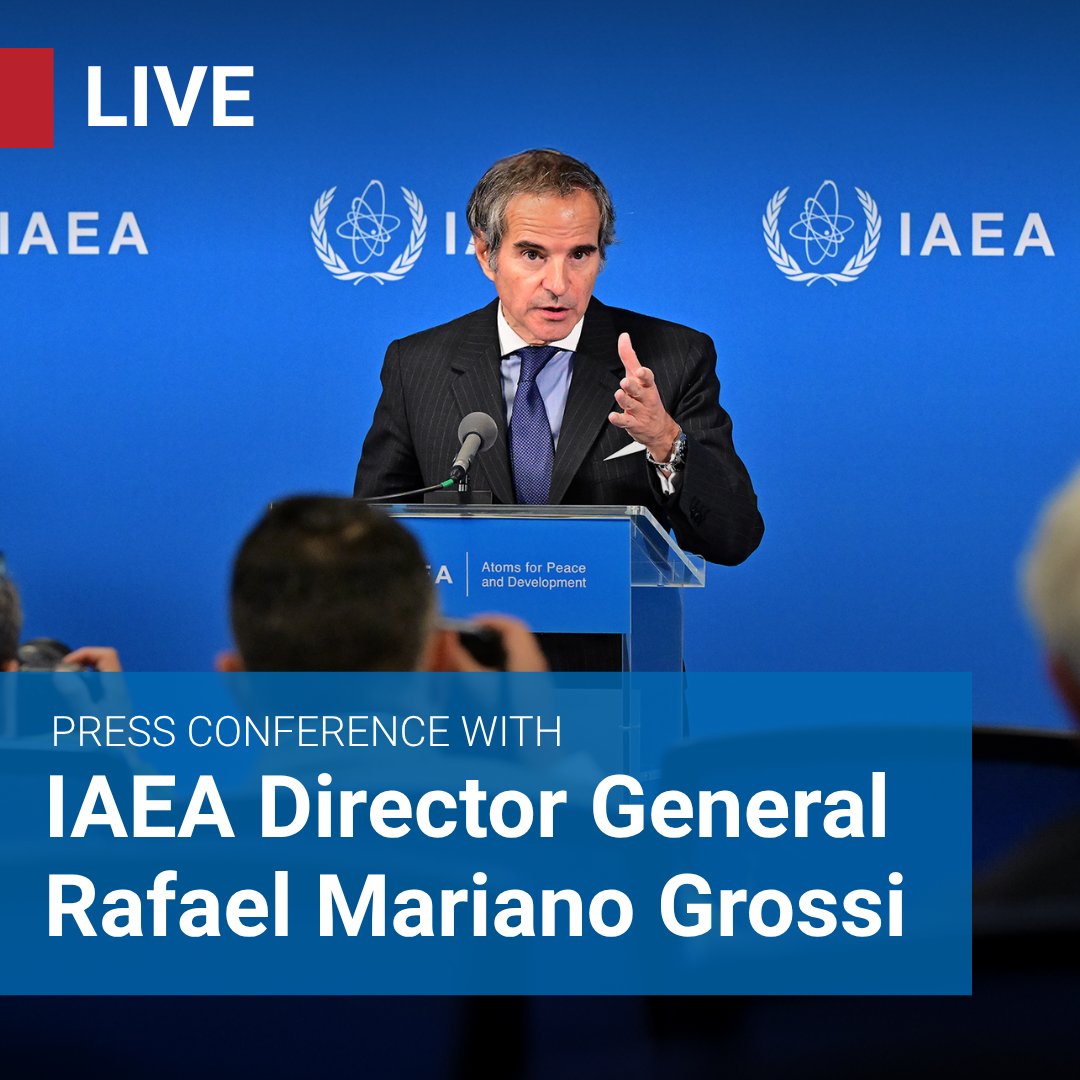
🔴 Starting soon: IAEA Director General @rafaelmgrossi briefs press following today’s Board of Governors meeting.
To the livestream ▶️ atoms.iaea.org/4uUlLnf

IAEA Director General @rafaelmgrossi to hold a press conference after today’s session of the Board of Governors.
🕐 12:30 CEST
▶️ atoms.iaea.org/4uUlLnf
1
12
36
8,778

Coming up next! ⏭️
Don't miss an #IAEA webinar on Innovations in AI, Machine Learning and Large Language Models 💻🖱️
This session will highlight innovative use cases from the ISOP Innovation Awards, focusing on 2025 submissions and showcasing deployed applications in the nuclear power industry.
Participants will have the opportunity to explore groundbreaking advancements and hear from leading experts in the field 🙋
Register here 👉 atoms.iaea.org/4u4iOzD

3
5
11
1,013
Today, we celebrate our home 🌍
Earth Day reminds us that every action counts, from the energy we use to the choices we make daily.
Because the future is not something we wait for… it’s something we create!
#EarthDay2026 #InvestInOurPlanet #Sustainability #CleanEnergy
1
4
55
Happy IWD to all the incredible women that make things happen at Nuclear-Aware Africa.
Keep being the light the world needs ✨✨✨🫶🫶🫶❤️.
@MShimaor
3
8
72
Good morning esteemed colleagues ✨✨✨✨✨✨
Kind reminder 🚨
We need your inputs to make our paper a success!
Thank you.

Good day Colleagues.
Seeking Insights from African Experts in Cybersecurity & Critical Infrastructure!
Take the Survey here: forms.gle/YGVBK8sUHL3bt4LJ8
Thank you for your contribution!
#nuclearenergy #Africa
44
Good day Colleagues.
Seeking Insights from African Experts in Cybersecurity & Critical Infrastructure!
Take the Survey here: forms.gle/YGVBK8sUHL3bt4LJ8
Thank you for your contribution!
#nuclearenergy #Africa
69
Happy New Year 🎉🎉🎉🎉✨✨✨✨✨
Cheers to an amazing and impactful 2026🎊✨.
1
17
2 Dec 2025
24
4 Nov 2025
On behalf of the Nuclear Aware Africa Team, we are excited to invite you to take part in our continental research initiative titled:
📘 “Africa’s Nuclear Regulatory Approaches for Handling and Transporting Radioactive Materials (NORM/TENORM)”.
1
27
4 Nov 2025
📩 We invite you to take part in our short survey here:
👉 docs.google.com/forms/d/e/1F…
@NuclearOpptunty @afrinuke @knrakenya @nra_ghana
37
Nuclear-Aware Africa retweeted

21 Oct 2025
🇪🇹🇷🇺 Ethiopia is prepared to collaborate with Russia and Rosatom to build a nuclear power plant, FM Timothewos said during a meeting with his Russian counterpart Lavrov in Moscow.
A coordination structure with Rosatom is set up, and initial talks show promising results, he added.
11
62
256
13,209
Nuclear-Aware Africa retweeted

15 Oct 2025
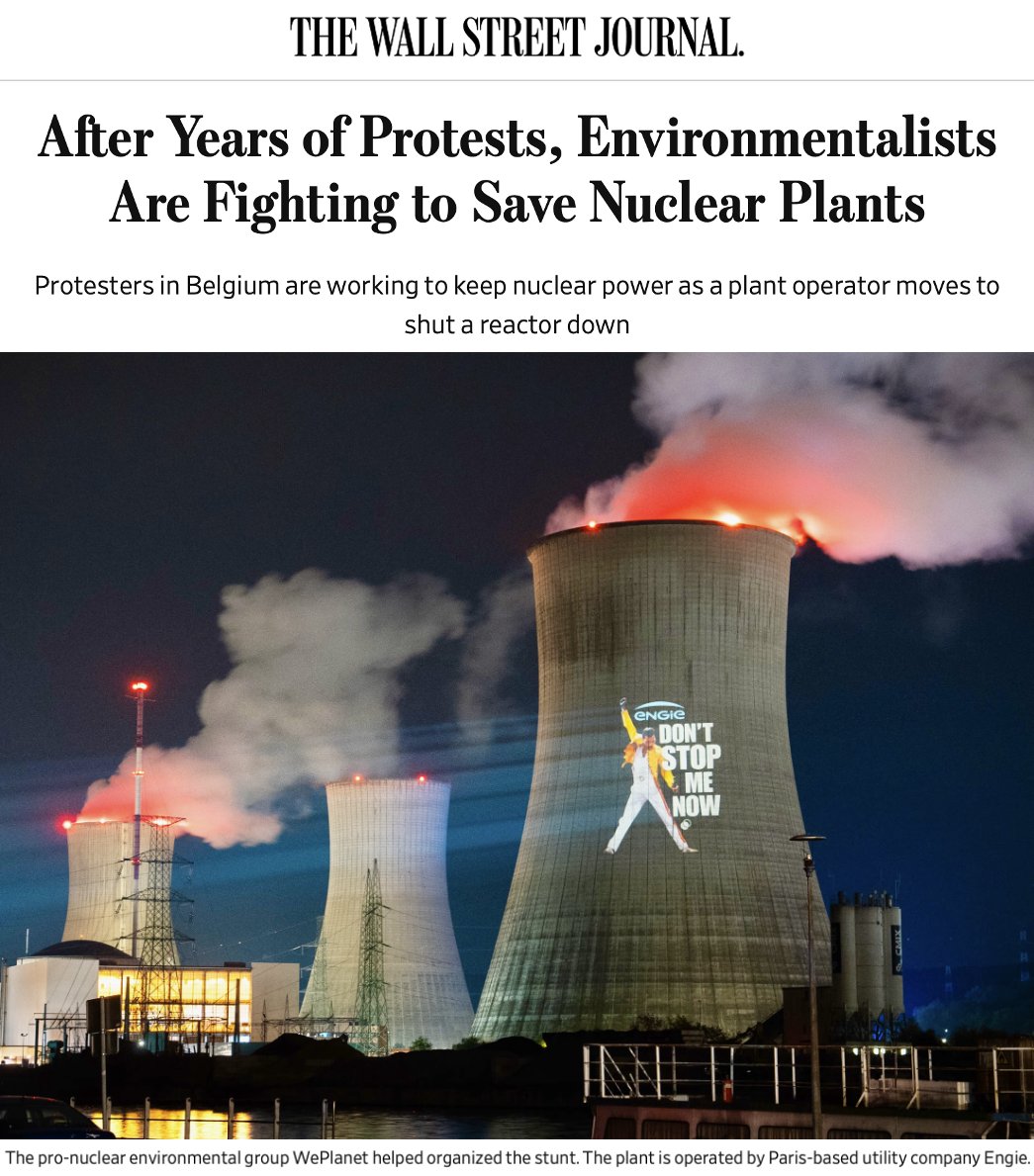
Will the environmental activists opposing nuclear electricity ever admit mistake?
If the goal is to protect the environment, it’s hard to name a movement that has achieved the opposite of its intent more spectacularly.
If only they had been on the right side of history 50 years ago… If the world embraced nuclear electricity instead of burning fossil fuels for electricity, 60% of Earth’s greenhouse gases accumulating from human activity would not be there. We would not have a climate change crisis to worry about.
But it’s worse than that. I just finished reading Boemeke’s book Rad Future last night:
“In a single year, the pollution from burning fossil fuels causes at least four million deaths” (p.11)
“Nuclear has the lowest impact on ecosystems of all energy sources.” (56)
“Exaggerated fear is killing us. After Germany shut down its nuclear plants in response to Fukushima, coal was used to replace lost power. A study found that this shift resulted in at least 1,100 premature deaths every year due to the increase in air pollution. There’s even a specific word for this specific brand of terror: ‘radiophobia.’ This fear can be a lot deadlier than radiation itself.” (69)
“It seems that Germany is hell bent on being consistently on the wrong side of history. Germany chose to rely on coal and imported gas, making its electricity nearly ten times dirtier than France’s. By the start of the Ukraine conflict, Germany was paying Russia about $220 million a day for gas to keep its ‘nuclear free’ dream alive.” (158)
“Greenpeace started as an anti-nuclear weapons group, but its opposition expanded to include nuclear electricity. Greenpeace and other organizations overstated the dangers of radiation to get people to push back” (146)
“A few environmental non-profits [still] take a very loud antinuclear stance, Greenpeace being the biggest offender.” (206)
“Nuclear energy now ranks as one of the safest forms of energy, thanks in part to those vocal hippies. But it’s time for them, and the ones who followed in their footsteps update their world view based on facts. The data doesn’t just say nuclear is safe, it proves it is the energy source with the smallest environmental footprint.” (201)
But will Greenpeace change their stance and admit they are protesting the cleanest and most environmentally benign alternative, as they have with nuclear electricity, GMO crops and deep seabed mining? Sadly, as I learned from a recently departed Greenpeace executive, protesting along a vein of fear has proven to be their best fundraising strategy. Even if it’s rank misinformation, fear of the "new thing" is more powerful than data-driven pragmatism. It is a tragedy writ large for the oceans and the planet.
Enter WePlanet, a new "environmentalism of hope.” They are new to me, but I am delighted to see a pro-science, data-driven environmental activist organization arise. Meaningful change always comes from new entrants, and for the environmental movement, it is long overdue.
52
103
503
25,184
Nuclear-Aware Africa retweeted

18 Oct 2025
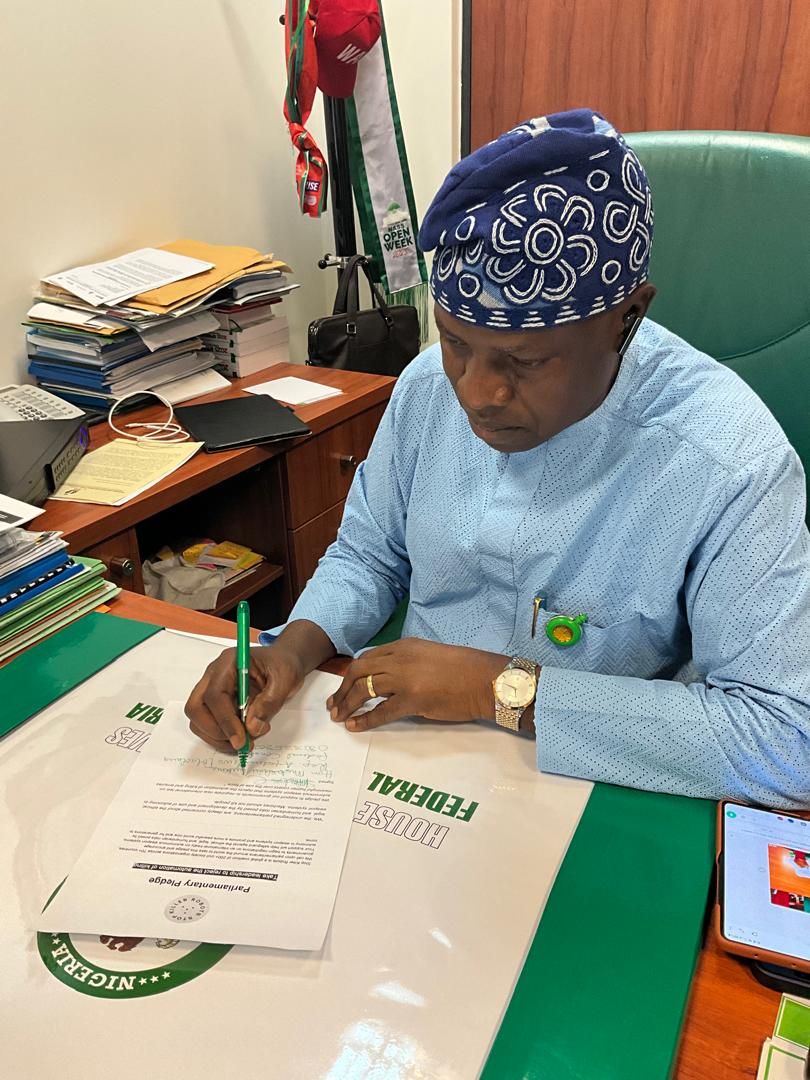
Another voice joins the call for humanity-first technology! 💪
We’re proud to welcome Honorable Alani Lukman Mudashiru from Nigeria to our growing list of parliamentarians standing for human control over the use of force.
#StopKillerRobots #AutonomousWeaponsI #Nigeria @_CYMEF
1
4
9
440