16 Photos and videos
Oleks retweeted

31 Jan 2024
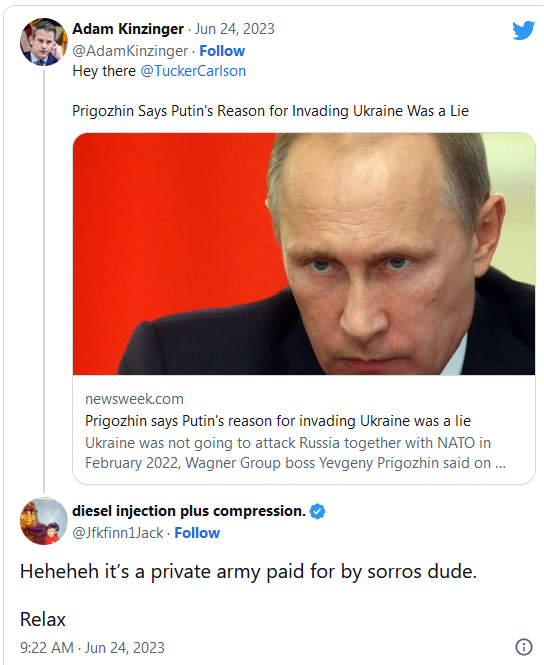
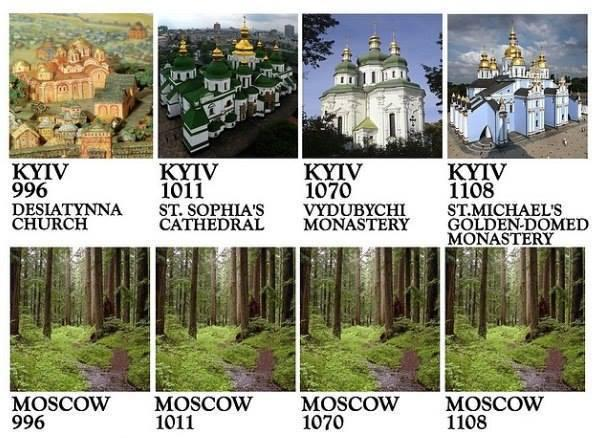
Day 707 of my 3 day war. Large parts of Russian internet are down. In unrelated news, the “America first, stop helping Ukraine” accounts are also very quiet.
I remain a master strategist.
58
966
6,689
208,728
Oleks retweeted

21 Aug 2023
Tell me it is only Putin‘s war.
20 Aug 2023

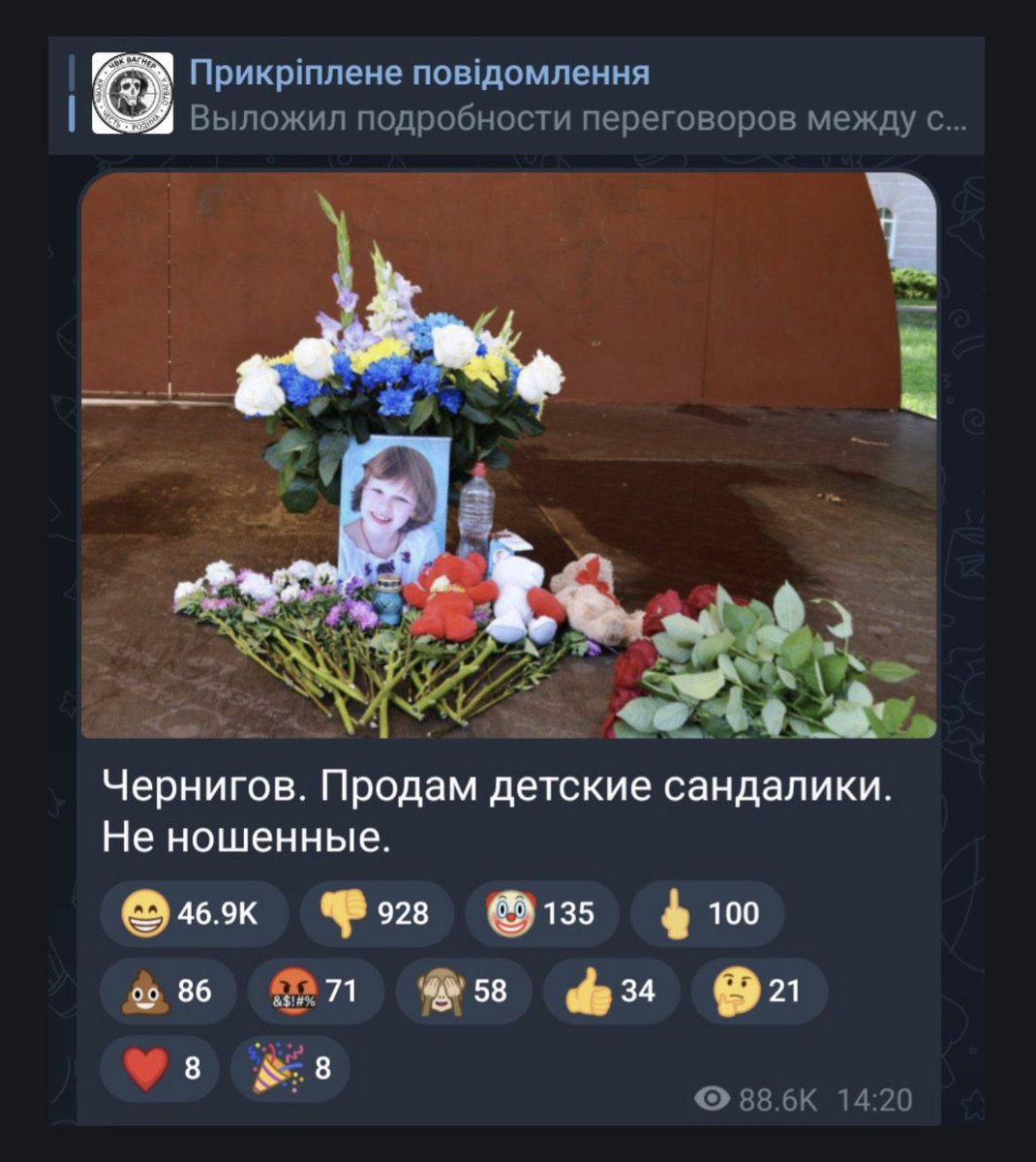
"Children’s shoes for sale. Never worn.”
Russian Telegram channel mocks the death of six-year-old Sophia Holynska who was killed in Russia's missile strike on Chernihiv yesterday.
The post has nearly 47,000 "laughing" reactions from Russian social media users.
39
292
1,194
53,168
Oleks retweeted

11 Aug 2023
Some people really need to hear this:
Just because you are learning about other people’s perspectives for the first time, it doesn’t mean these are new ideas. It certainly doesn’t mean their perspectives are the product of your society’s latest culture war.
For example, I sometimes get replies like: “Oh, now the Baltics refuse to accept they were even part of the Soviet Union.”
My brother in Christ, we’ve been #neversoviet since before you were born.
The fact we were occupied by the soviet union and not members of it is the established position of international law and our domestic laws, and the basis of our re-independence movements and restored states. Welcome to the conversation.
There was another funny example this week when we were talking about decolonisation in Eastern Europe, which of course always annoys the tankies and vatniks - but also plenty of westplainers who wanted to ‘correct’ us with the russian perspective.
One person, frustrated with the fact we have our own perspectives about our own countries and histories based on the reality of our experiences, finally replied: “Look, I just don’t think we should rush to label everything decolonisation”.
I turned to the bookshelf behind me to remind myself that - far from a rush - it actually seemed to be more common in the past to talk about decolonisation here. The first book I opened, published in 1993, discusses the impact of soviet settler colonialism in detail, of course as a continuation of russia’s longer colonial history, as well as the challenges of decolonising. It was a nice reality check because the reason that language isn’t as common anymore is because those challenges have actually been pretty well handled in the three decades since as the Baltics have developed as modern democracies.
Just because there’s a new debate in your country about decolonising something, it doesn’t mean we can’t use the word.
For anyone still confused about how the soviet union could possibly be colonial in nature, note that colonisation in the index of this book is listed with ‘See also: Russification’. That’s one place to start.
The counter argument is: “But they didn’t arrive by boats!” - which is such a shamelessly obvious attempt to rig the definition of colonialism. It’s double colonial in that it attempts to both support the russian narrative over their victims but also support the idea that only westerners are special enough to be capable of colonising. Listen, no one on the receiving end of colonialism gives a shit about which mode of transport their colonisers arrived on in order to define the brutality of it. I checked different definitions. None says anything about boats. A small number say, “usually overseas” or “usually from afar”, which is western centric but still not enough to exclude russian colonialism.
The other argument is: “But the soviets gave more than they took”, which is: 1. Not true. 2. The same imperial argument used in defence of every empire everywhere.
And, just a side note, we can criticise how the soviets treated us like colonies and therefore support the decolonisation of its legacy without ever having to accept the status of once being a colony. By its very definition, colonies have no place in international law anyway. We were always occupied independent nations.
A big part of what’s happening here is that too many people around the world grew up with the russian imperial perspective - at least when it comes to understanding russia’s neighbours.
But now russia’s return to more blatant imperialism means all that bullshit is crashing into reality. The facade isn’t holding up.
More people than ever before are learning about the perspectives of russia’s neighbours. And, boy, it’s very different to what those colonists told you.
We’ll continue to celebrate decolonisation every day by enjoying life in our independent countries. Come visit and see it for yourself. 🙂
122
672
2,702
170,812
Oleks retweeted

24 Jul 2023
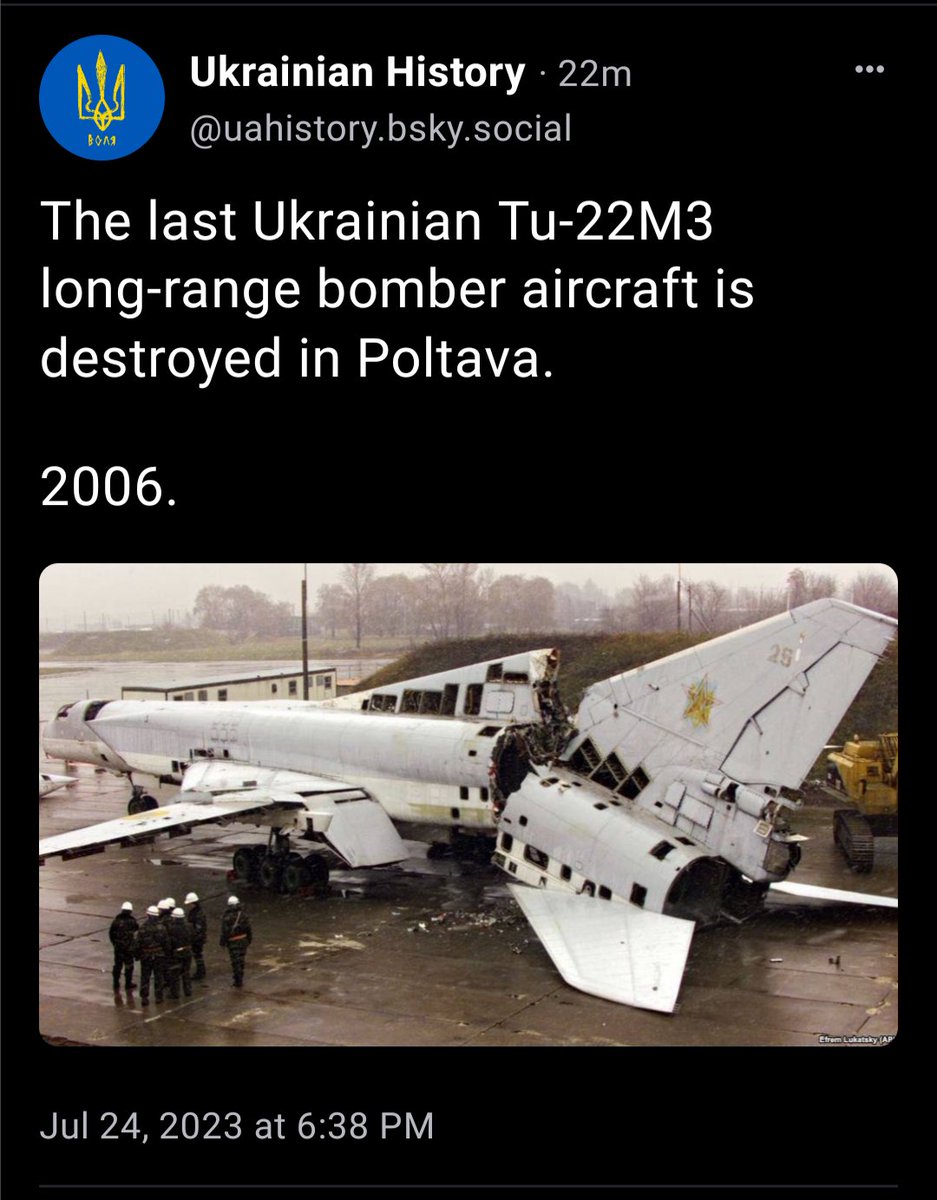
Remind me why were we forced to do this? And what was promised to us in return?
107
1,148
5,572
210,452
Oleks retweeted

23 Jul 2023
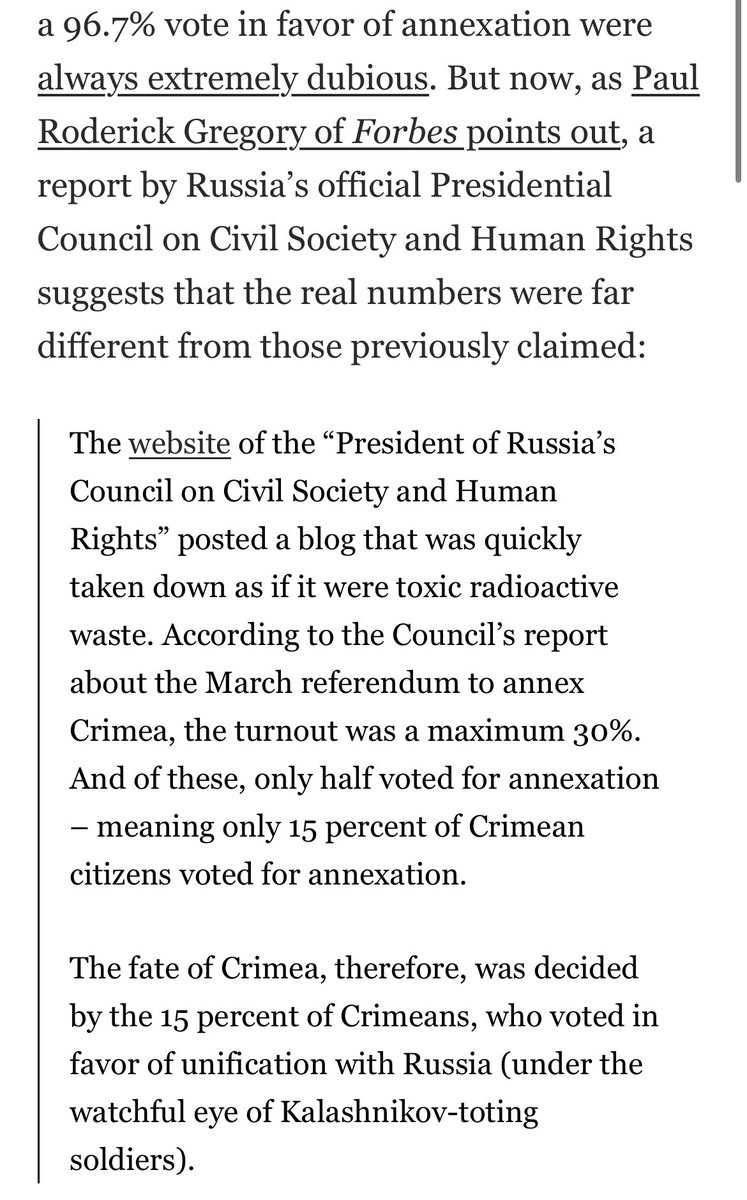
BTW, @SpaghettiKozak reminded me that (as it seemingly does with everything) the Russian government accidentally leaked a document revealing the *actual* results of the referendum.
Shockingly, the vote in favor of annexation was not, in fact, 97%. washingtonpost.com/news/volo…
4
15
68
3,221
Oleks retweeted
7 Jul 2023
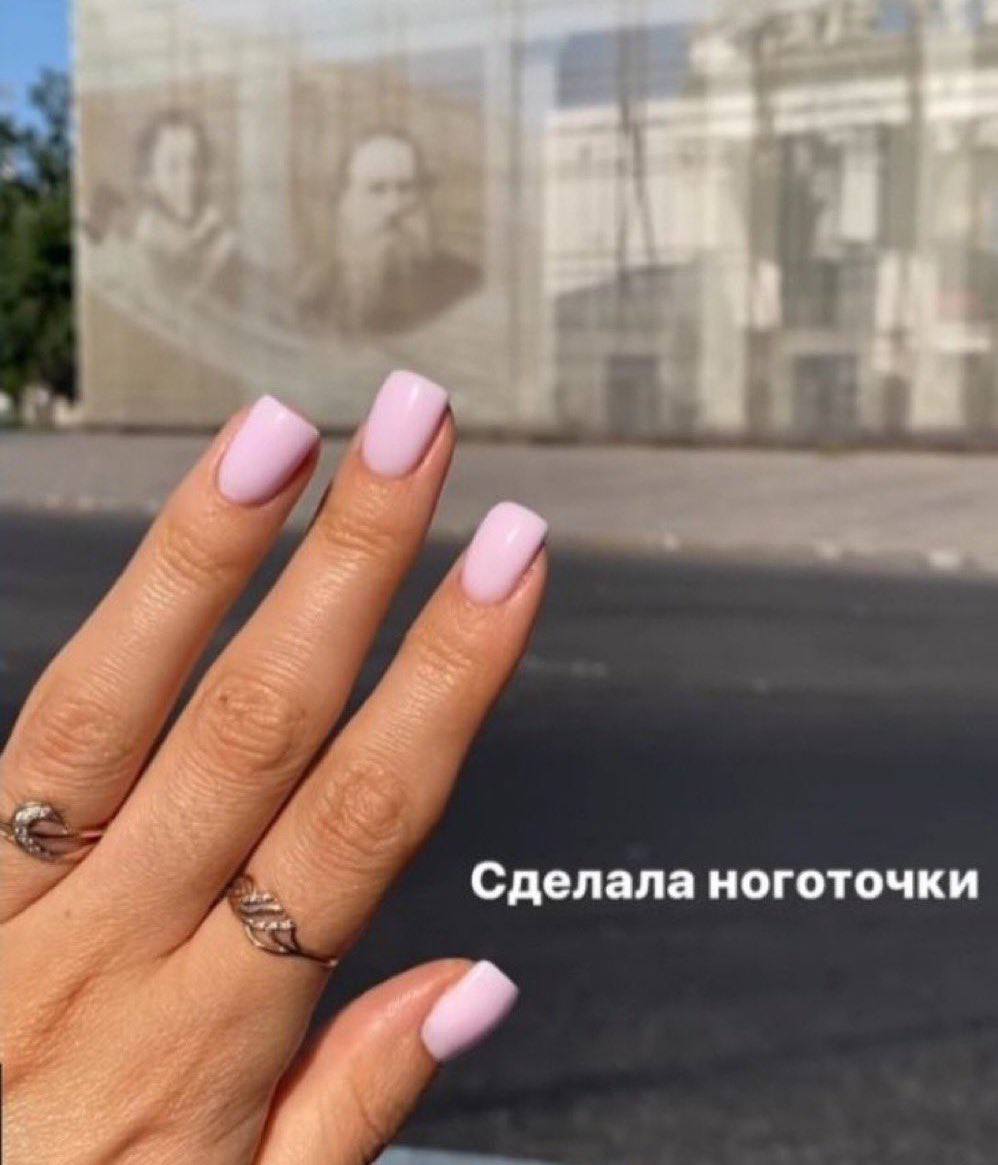
Note portraits of Alexander Pushkin and Leo Tolstoy the Russians put in front of the place where they have massacred hundreds of Ukrainian civilians including kids, and where they celebrate this massacre.
7 Jul 2023

A Russian woman in Mariupol admires her new nails in front of the drama theater where 600 people were killed by Russian aircraft
Src: liveukraine_media
11
156
336
30,980
Oleks retweeted

8 Jul 2023
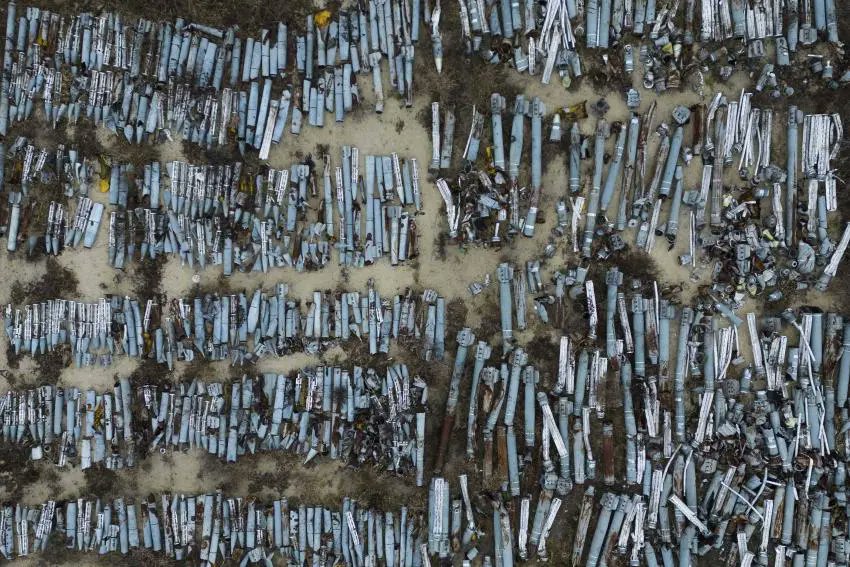
This is a field in Kharkiv, Ukraine, where spent Russian cluster bombs are stored. Russia has extensively used cluster munitions in civilian areas in Ukraine. Remember this image every single time the topic of supplying DPICMs to Ukraine arises.
262
3,231
10,059
830,881
Oleks retweeted
24 Jun 2023
So the Russians CAN protest and brawl with the police - as long as their protest is a form of support for a neo-Nazi terrorist Wagner group, and solidarize with mass murderers, rapists, killers and henchmen.
24 Jun 2023

BREAKING:
Russian police has returned to Rostov after the Wagner Group’s departure tonight.
The people aren’t happy to see them. They are blocking your he streets and hurling insults at the policemen.
Visible cracks have appeared in Russian society
58
713
2,806
229,142
Oleks retweeted
25 Jun 2023
One important lesson from yesterday is that all supporters of Russia are VERY flexible with their beliefs.
- Both sides insisted the other was an extreme threat to the very existence of russia yet very few people actually picked a side, preferring to just wait and see whoever triumphed in order to believe whichever narrative becomes official.
- Both sides insisted they would be totally uncompromising in punishing their opponents, right up to the moment they compromised and went away, leaving russian propagandists to explain why the whole mutiny thing really wasn’t such a big deal.
- Then there’s the tech bro vatniks like Musk and his friends who are happy to conclude the whole thing was all about them and just another show (or “current thing”) somehow organised to distract from some petty US political squabble that’s somehow the real news story in their bubble.
- Oh, and remember we were supposed to believe that you must never corner Putin. That reputation of what he does when cornered was carefully crafted over decades using some childhood story about Putin encountering a cornered rat. Apparently, the rat must have fled to a bunker before issuing compromises too if Putin did actually learn anything from it.
None of this should be surprising as these are all the same people who:
- Insisted the full scale invasion was a crazy western conspiracy theory before then justifying it.
- Insisted every new type of weapons delivery to Ukraine was an escalation that crosses a red line before claiming the delivered weapons won’t change anything.
- Insisted occupied territory would be “russia forever” before justifying tactical regroupings and goodwill gestures.
This isn’t just about this war. Russia consistently lies itself into aggression where it senses weakness and lies itself out of aggression when it encounters strength.
So - the lesson for the world - is to stop talking about the need to avoid humiliating russia. It has no shame. If you feed its aggression, it will explain why it’s even more aggrieved. If you stand up to it, it will explain itself why it’s totally not humiliated at all while backing down.
133
1,337
6,197
673,802

Is there still a fool to call Ruzzia war "Putin's War"?
x.com/visegrad24/status/1672…
24 Jun 2023
In opposition to Putin, the Russian people are out on the streets of Rostov, chanting:
“Wagner, Wagner, Wagner”
This is far from over…
73
Oleks retweeted

23 Jun 2023
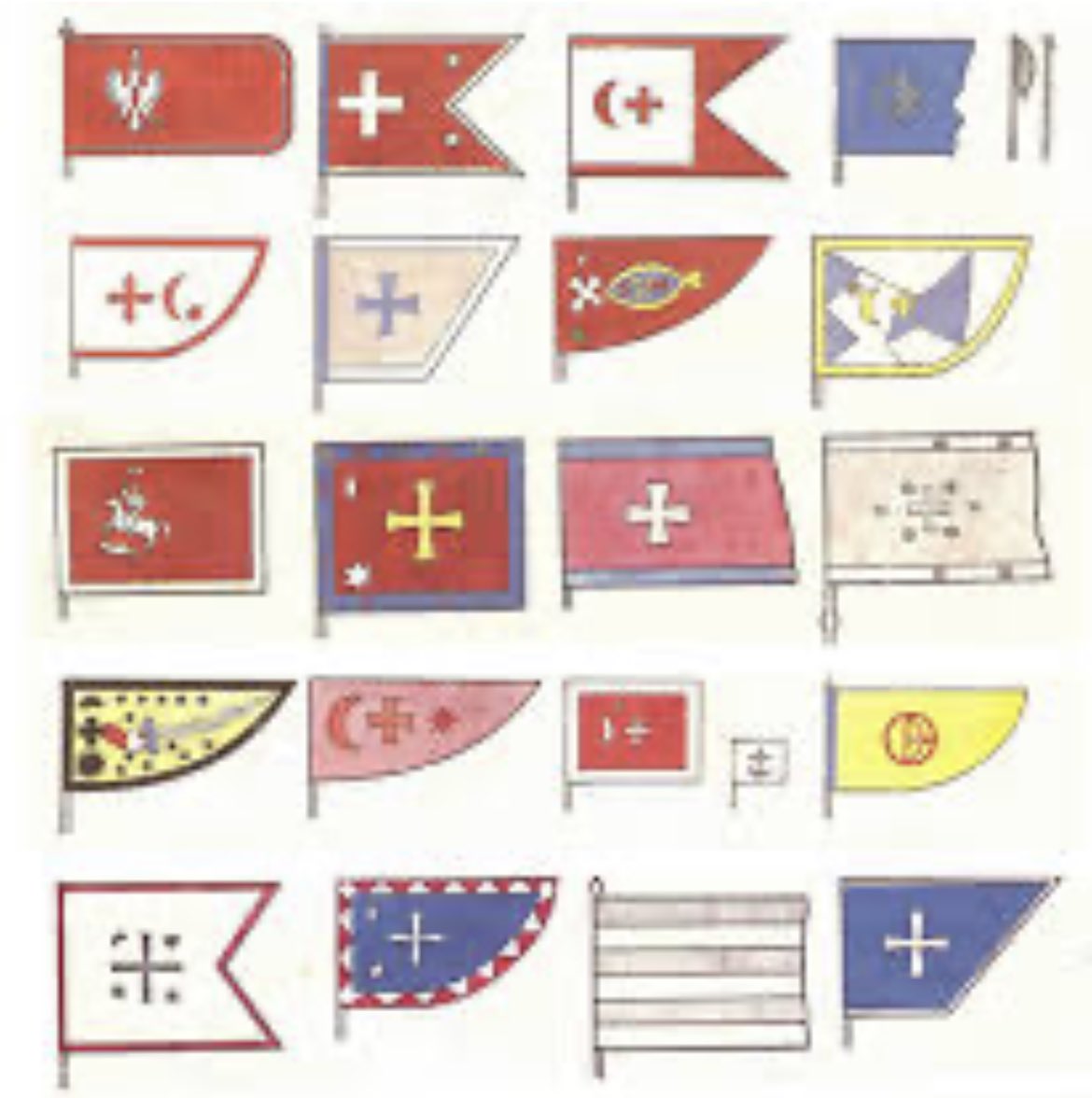
I want to take this time to explain why Ukraine uses crosses on their tanks and why Ukrainians use crosses in their handles. It is a reference to kozak crosses displayed on flags from the 15-17th centuries. See below. Anyone saying it is an iron cross is an uneducated moron.
36
188
632
32,400
Oleks retweeted

31 May 2023
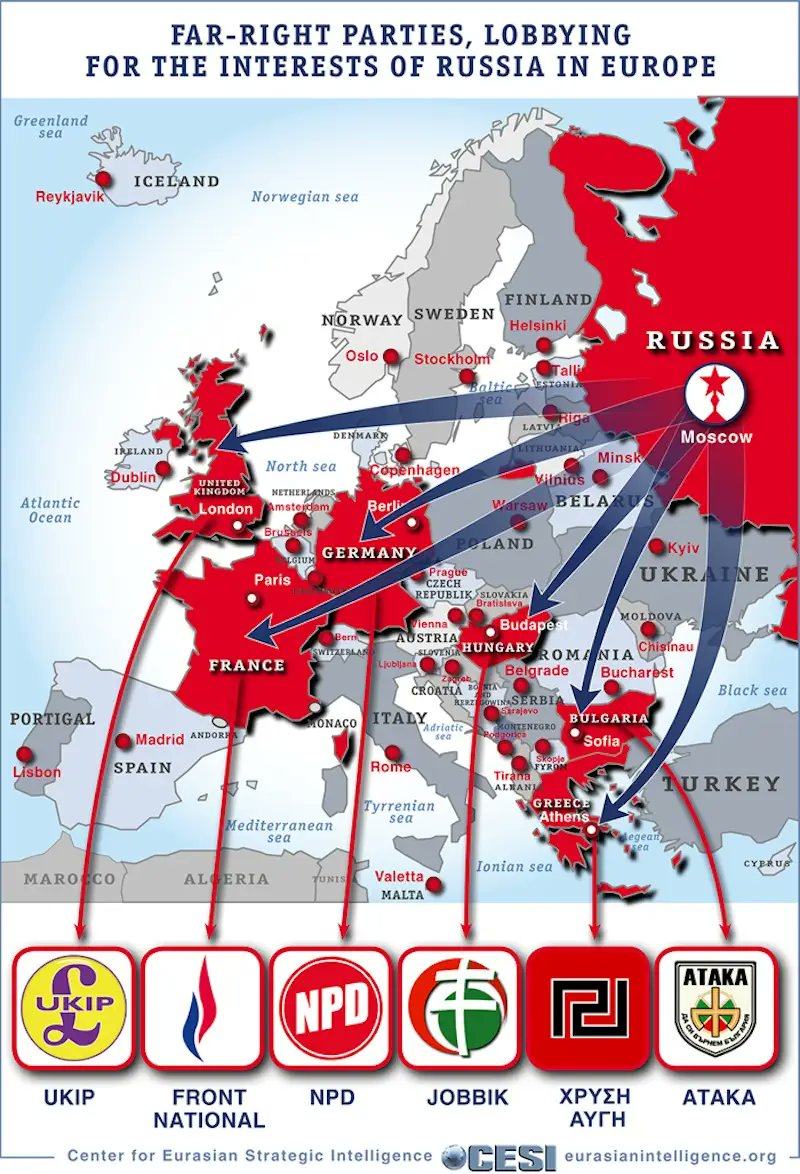
As Russia preaches denazification, Since 2004 it has covertly partnered & financed Neo Nazi & far-right movements around the world. Following a Neo-Eurasianist strategy popularized by Dugin, these fringe groups are causing division, spreading lies & subverting societies. 🧵1/
274
2,583
4,711
547,791
Oleks retweeted

13 Jun 2023
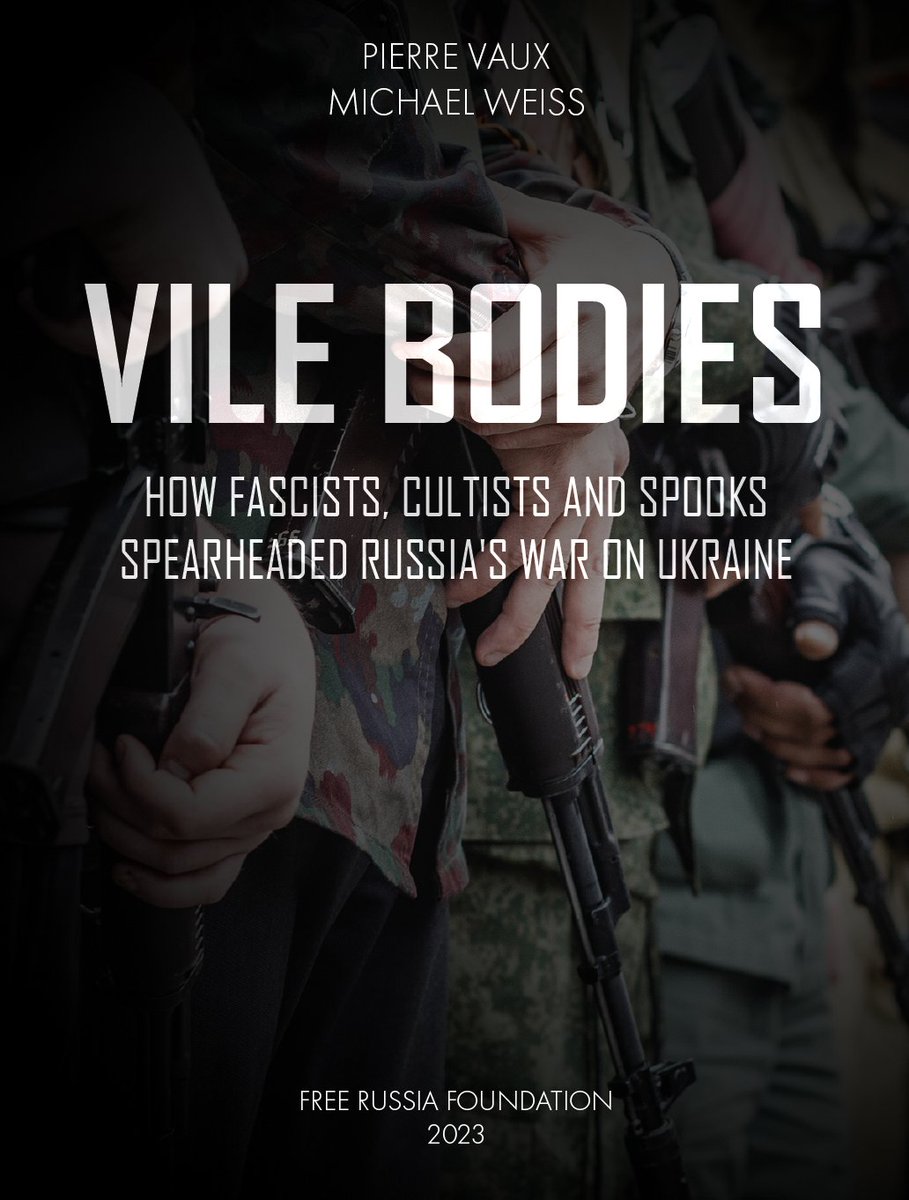
A report on the real fascists involved in this war
13 Jun 2023

New at @4freerussia_org, with @pierrevaux. A deep dive into the fascistic, Chekist and cultish elements involved in Russia's two invasions of Ukraine. A report almost a decade in the making. 4freerussia.org/vile-bodies/
4
47
174
55,140
Oleks retweeted

6 Jun 2023
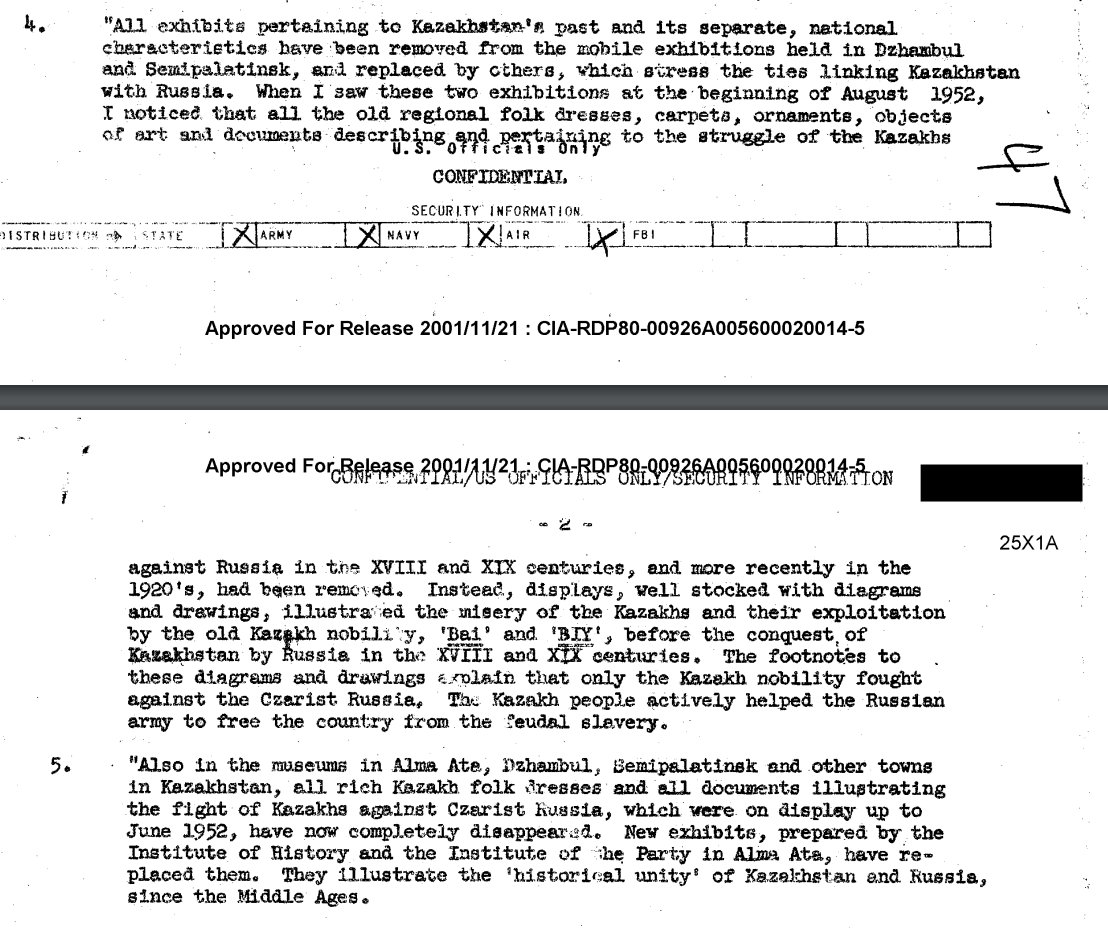
A 1952 CIA Information Report explains well how russification and historic revisionism in the USSR were applied. Moscow did not shy away from praising tsarist russia despite being communist, confirming that it was nothing more than a continuation of the russian empire.
3
27
107
8,722
Yes! Give Russia Marshall plan! Not one thou. Finland can take care of Karelia, Japan will start in Sakhalin...
#MarshallPlanForKarelia
1
1
10 Dec 2022

National Divorce: Q and A
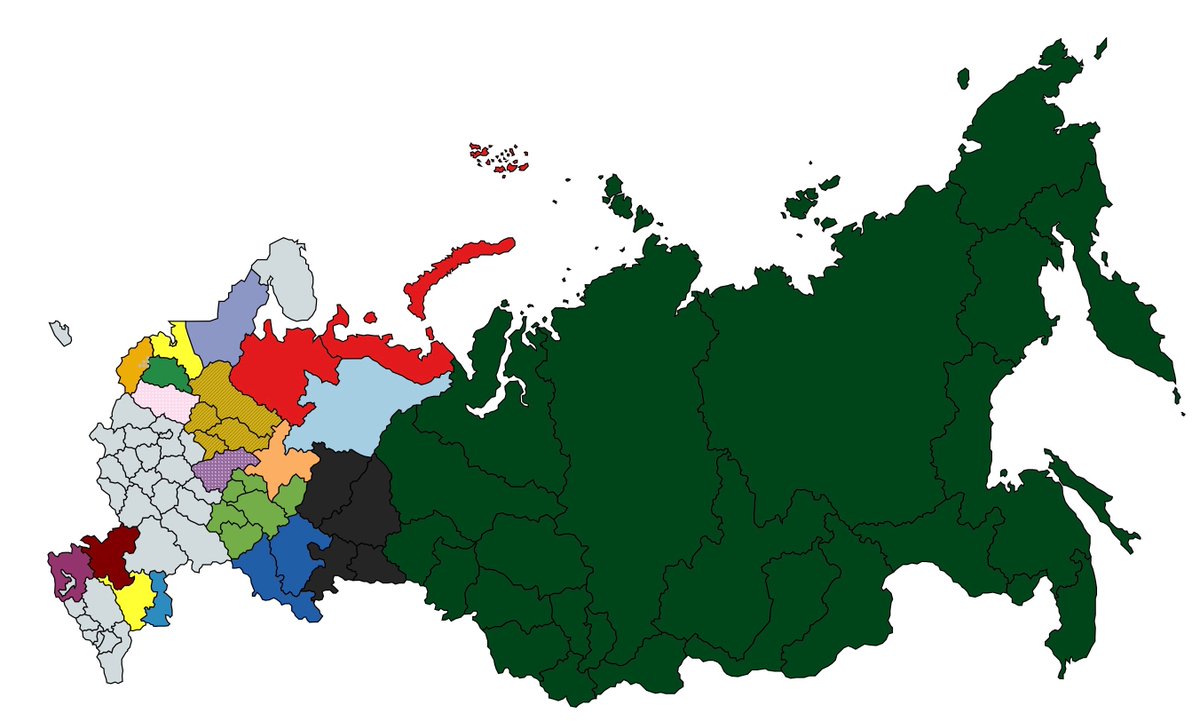
In this thread I am going to cover some of the more common misconceptions about the current state of affairs in Russia and potential scenarios of its breakup. I am going to start with the most common objection:
"Isn't Russia like 80% ethnic Russian?"🧵
googl.adultgalls.com/jan Politicians hate each other more than they love America.
1