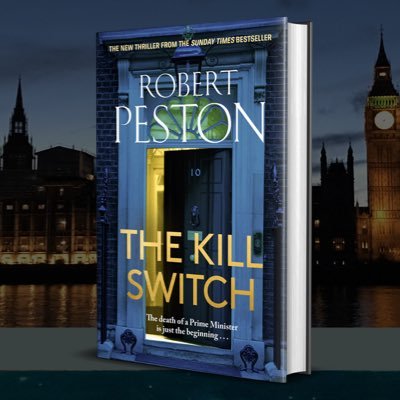
Peston Show, ITV, Rest is Money, Futures for All, Kill Switch (thriller coming soon), Hospice UK, Arsenal, Centrist Dad
Joined March 2008
- Tweets 40,213
- Following 1,824
- Followers 1,258,461
- Likes 222
3,006 Photos and videos

Pinned Tweet

Jun 2
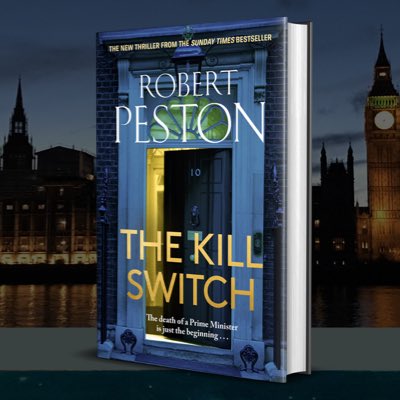
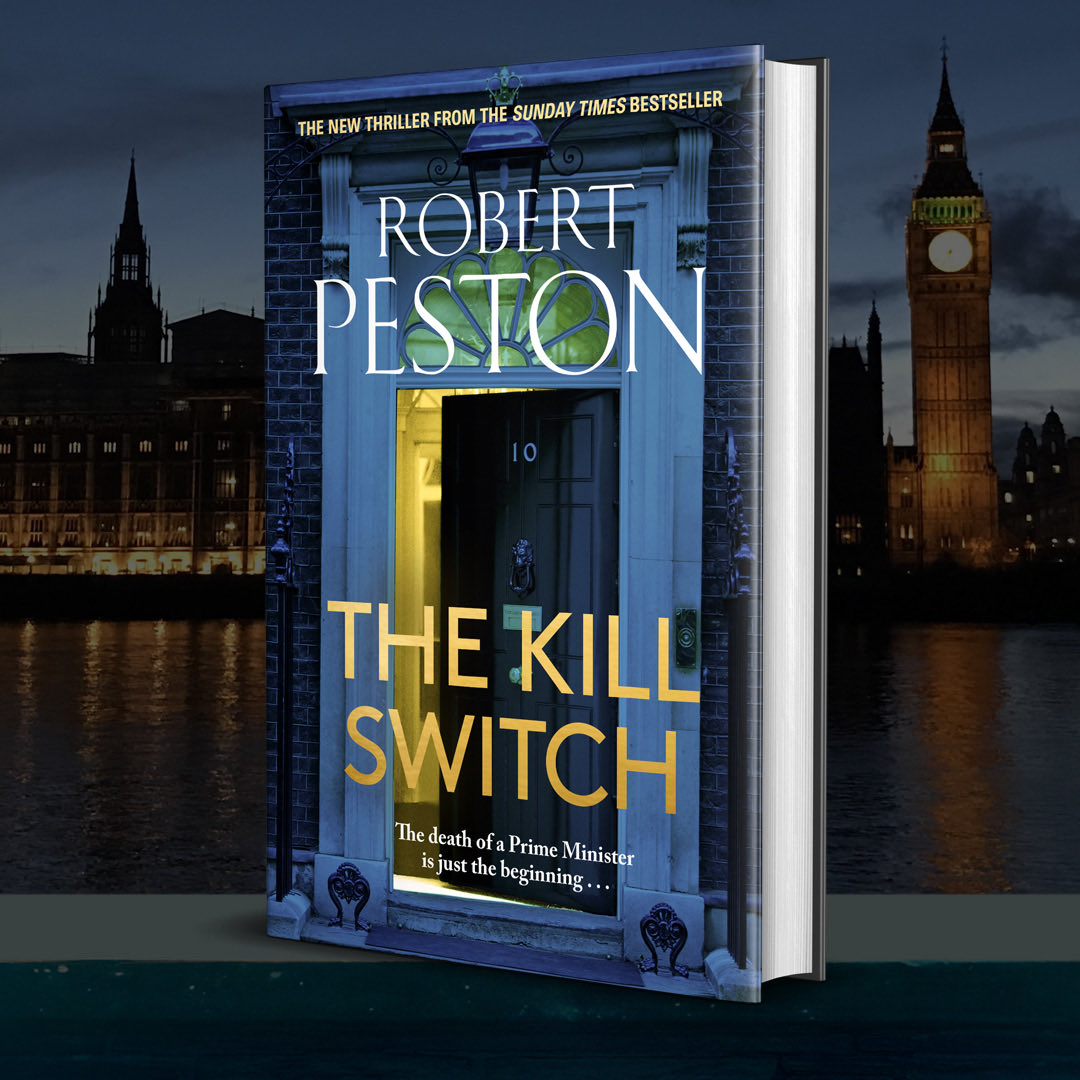
I’ll be talking about my new thriller “The Kill Switch” with @Gabriel_Pogrund at @JW3London on 16 July
jw3.org.uk/whats-on/robert-p…
8
31
15
23,672
Jun 13
America’s World Cup hero of last night, Folarin Balogun, is only allowed to play for the US national team because his heavily pregnant Nigerian mother was refused permission by US airlines to fly to the UK, and so the first two months of his life were - by accident - in Brooklyn. It is pretty much inconceivable that if Trump’s immigration enforcement had been in place that Balogun would have been permitted to be born in America. Draw your own conclusions
512
379
3,477
533,738
Robert Peston retweeted
Jun 12
Who is going to win the momentous Makerfield by-election and why? @itvnews in partnership with campaign group @38degrees asked @JLPartnersPolls to organise a focus group, to find out what’s really on the mind of voters. This is what we found out youtu.be/fZQ2tXk7SF8
13
6
11
48,116
Robert Peston retweeted
Jun 12
What protections for young people against toxic social media will the PM shortly announce? The culture secretary revealed almost all on this week’s Peston show
Jun 12

"So it's a ban plus other measures?"
On this week's show Culture Secretary @lisanandy told @Peston the government are looking at what other measures are needed alongside a social media ban for under 16s to make that ban "safe" and "effective" 📱❌
#Peston
12
2
12
41,709
Jun 12
Nigel Farage has told Nick Ferrari that Supertramp’s “Logical Song” is one of the half dozen songs that have defined his life. But he thinks the band were American - which would be true if Portsmouth and Swindon are in the US!!! “I just like Supertramp and I think a lot of the music we had in the 70s was pretty trashy frankly, and here were these young Americans who were actually musicians.”
146
63
397
112,716
Robert Peston retweeted

Jun 12
"So it's a ban plus other measures?"
On this week's show Culture Secretary @lisanandy told @Peston the government are looking at what other measures are needed alongside a social media ban for under 16s to make that ban "safe" and "effective" 📱❌
#Peston
23
9
13
73,977
Jun 12
The prime minister says explicitly to the BBC that if Andy Burnham or any Labour MP has enough nominations to trigger a leadership contest, he Starmer will be in the ensuing contest.
This is quite a thing.
It means this summer may well be taken up by weeks of hustings and campaigning for a new Labour leader and new prime minister (for what it’s worth, quite a few close to Starmer think he will stand aside if Burnham wins the by-election decisively - but on this there is reason to take Starmer at his word).
Here are Starmer’s words: “Well, I don't think it [the leadership contest] should happen, but if it does then I will fight. And let me just be clear with you. That's not about personal vanity. It's not about stubbornness. It's out of a very deep sense of duty. I was elected to serve this country notwithstanding the difficult circumstances, that is what I am doing.”
92
22
179
102,417
Jun 11
Why John Healey's resignation is 'devastating' for Keir Starmer youtu.be/NvXVjrHdRow?si=pRUg… via @YouTube
8
4
11
32,637
Jun 11
Al Carns has also resigned as a defence minister. As a former Royal Marine, he has been ruthlessly focussed on how to modernise Britain’s defence. He and Healey have not always been as one on what modernisation means, which makes his resignation more than doubly damaging to the PM
36
72
580
74,840
Robert Peston retweeted
Jun 11
🤔 Does John Healey's resignation prove that the Defence Investment Plan is 'too little, too late'?
On this week's show, Economist Andy Haldane said the delayed plan is a 'missed opportunity on both fronts' 🪖
Do you agree?
Watch the full interview on YouTube: youtu.be/In_sPqvSCT4?si=pqZi…
#Peston
6
6
14
23,777
Jun 11
One of the many reasons Healey’s resignation is so damaging for the PM is that the conflict is not the traditional battle between the Ministry of Defence and HM Treasury. The initiative to compel every minister to find departmental savings, to fund increased defence spending, was on this occasion led by the Prime Minister and his 10 Downing Street team, with support from HM Treasury.
So Healey’s primary disagreement is with the PM rather than with the Chancellor.
The fact that Starmer was unable to come up with adequate cuts in other departments, to finance the extra £18bn per annum that Healey sees as the minimum required by 2030, was foreshadowed in a conversation I had with a member of the cabinet a couple of days ago.
This minister made two points:
First, why would the prime minister want to be remembered by posterity for re-imposing austerity on most public services other than defence;
Second, why would any minister agree to cuts wanted by Starmer when there was so much uncertainty whether he would actually survive as PM, if Burnham becomes an MP in eight days?
Healey’s double whammy against Starmer - accusing him of not keeping the nation safe enough, implying he has inadequate authority over his cabinet - could barely be more serious for the PM.
The question now is how the rest of the cabinet respond. If they don’t show support for him, Healey’s double whammy will be a mortal blow.
Meanwhile this from Downing Street is a non-response response:
“This country is safer because of the decisions Keir Starmer has made and we will continue to act in our national interest.
“It is this Labour government and this Labour Prime Minister that is delivering the largest sustained boost to defence spending since the Cold War.
“We cut the international aid budget to make record investment in our armed forces, and now the PM is imposing cuts on other government departments to fund billions more.
“The Defence Investment Plan will deliver the capability our armed forces need.
“We will always do what is right, and needed, to keep the country safe.”
Jun 11

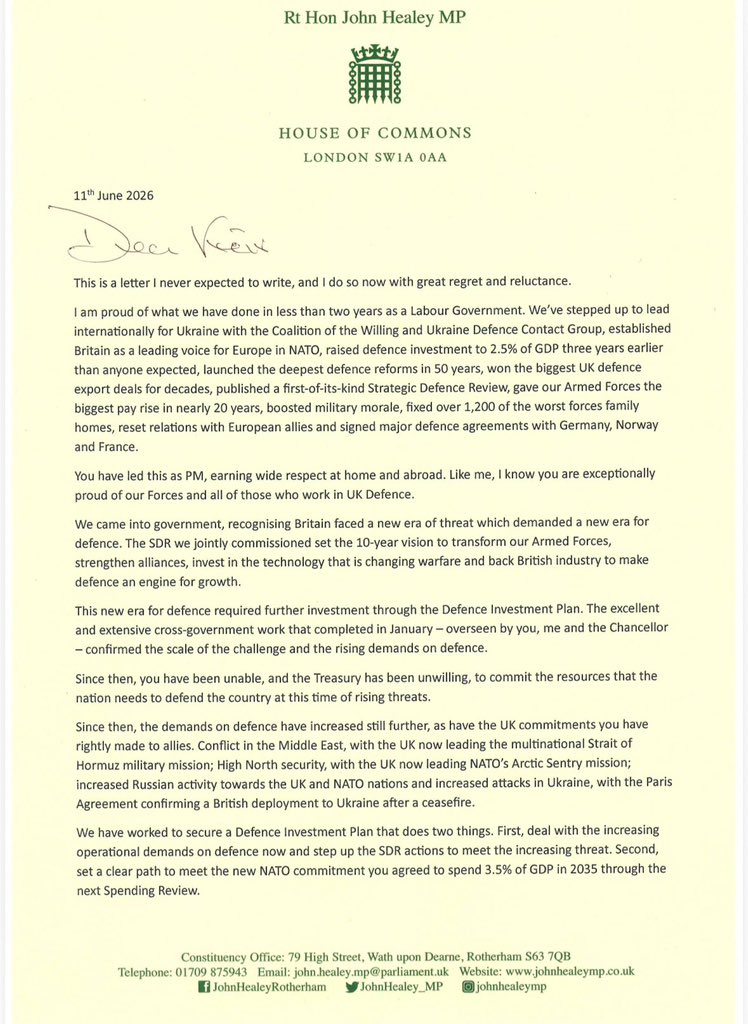
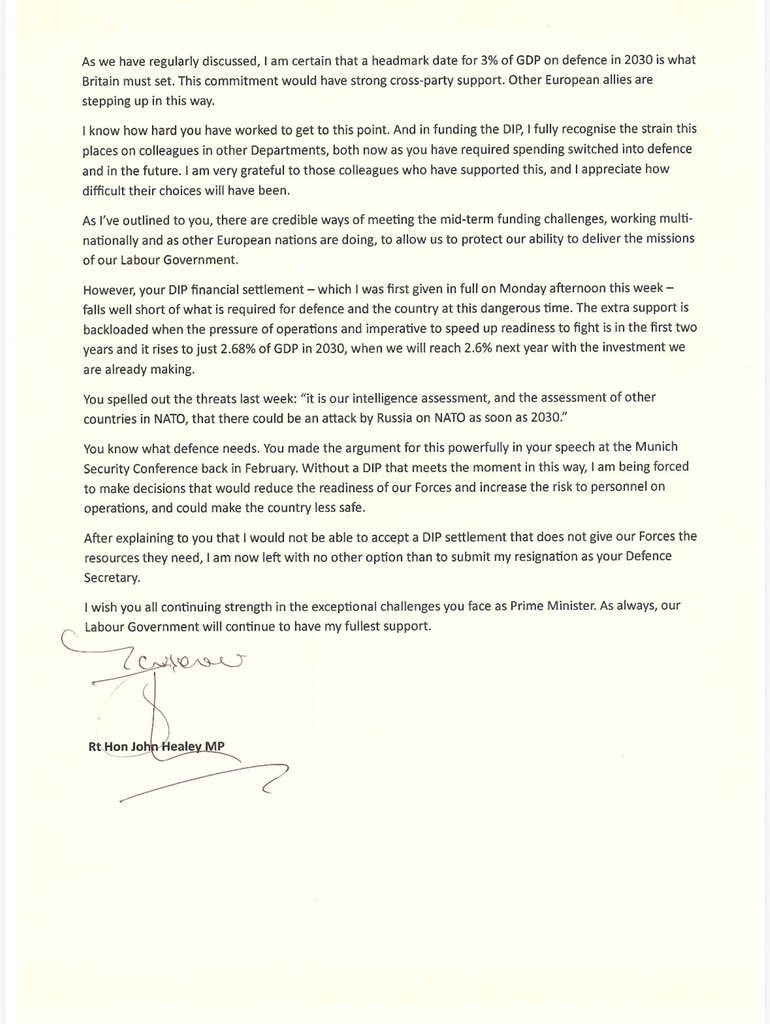
Healey’s resignation is arguably the worst crisis faced by the PM, and he has faced a few. Because he is saying that Keir Starmer - encouraged by Rachel Reeves and the Treasury - is jeopardising the security of the nation by refusing to fund any significant increase in defence spending between 2027 and 2030 (he says that on Monday the Defence Investment Plan was shared with him, and it would involve defence as a share of GDP rising from 2.6% to just 2.68% of GDP by 2020).
One implication is Starmer simply does not have the authority over his cabinet colleagues to compel them to make the kind of cuts to their budgets that could have released funding for defence. He will face the charge that, with Burnham campaigning in Makerfield to replace him, he is prime minister in name only
32
28
155
98,612
Jun 11
Healey’s resignation is arguably the worst crisis faced by the PM, and he has faced a few. Because he is saying that Keir Starmer - encouraged by Rachel Reeves and the Treasury - is jeopardising the security of the nation by refusing to fund any significant increase in defence spending between 2027 and 2030 (he says that on Monday the Defence Investment Plan was shared with him, and it would involve defence as a share of GDP rising from 2.6% to just 2.68% of GDP by 2020).
One implication is Starmer simply does not have the authority over his cabinet colleagues to compel them to make the kind of cuts to their budgets that could have released funding for defence. He will face the charge that, with Burnham campaigning in Makerfield to replace him, he is prime minister in name only

182
205
776
224,475
Jun 11
What is the best way to help struggling pubs, restaurants and hospitality? Steph and I discuss with Dan Neidle - who disagrees with Andy Burnham that pubs should get a cut in business rates
podcasts.apple.com/gb/podcas…
3
1
9
16,183
Jun 11
What is the best way to help struggling pubs, restaurants and hospitality? Steph and I discuss with @DanNeidle - who disagrees with Andy Burnham that pubs should get a cut in business rates
open.spotify.com/episode/07y…
6
2
5
15,684
Jun 10
This is an important report by @DennyTheJourno about how and why working-class young men are struggling in schools, in the jobs market, in life. itv.com/watch/news/why-are-s…
8
6
16
15,330
Robert Peston retweeted
Jun 8
“We’ve been exploring what a ban could do to protect young people”
Culture Secretary @lisanandy says the Government is ‘giving some thought’ to banning social media for children amongst other possible measures
#Peston
13
7
21
26,897