
Ideas to unlock Ireland's potential. Sign up to our weekly policy newsletter at the link below.
Joined January 2024
- Tweets 220
- Following 5
- Followers 2,316
- Likes 128
25 Photos and videos
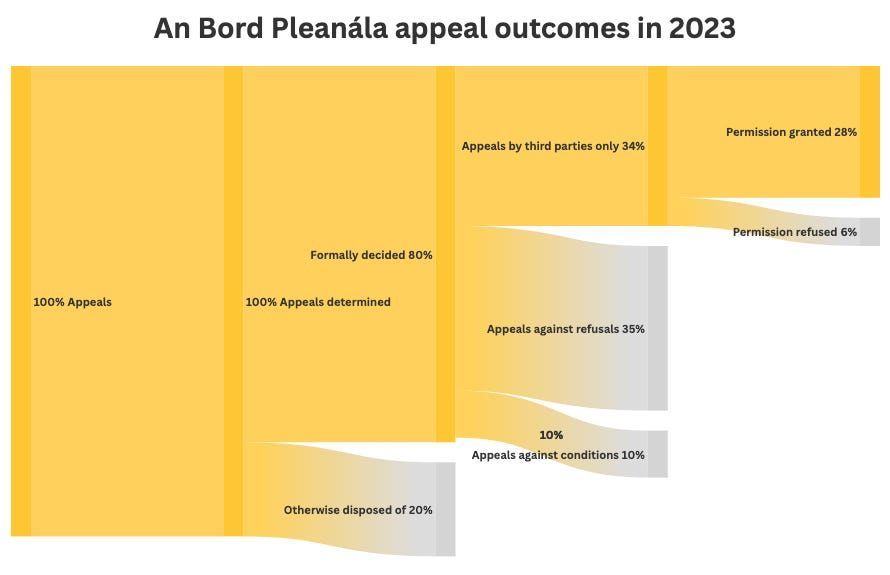

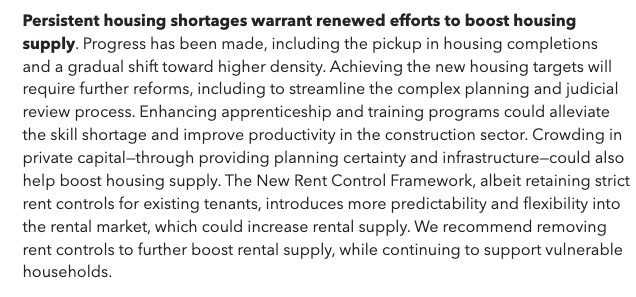
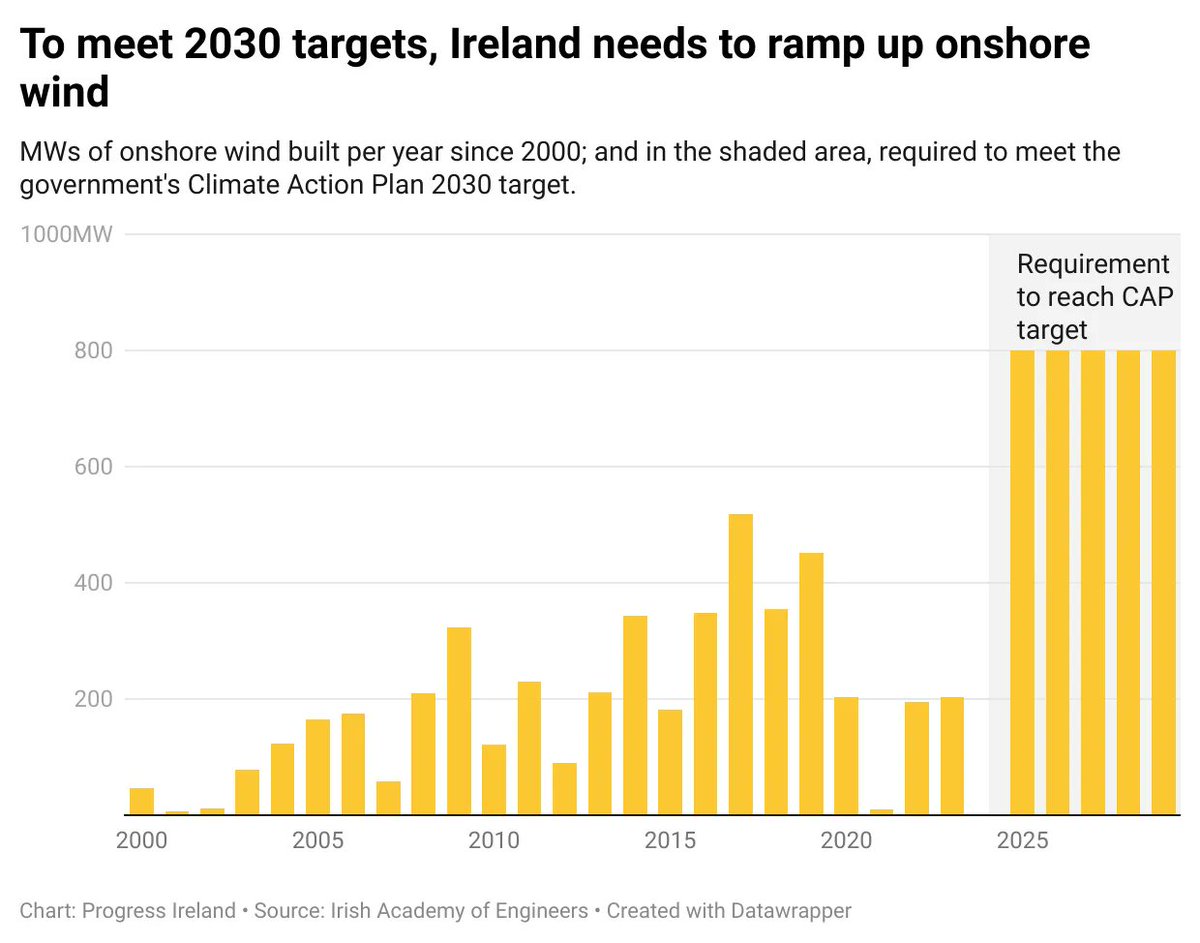
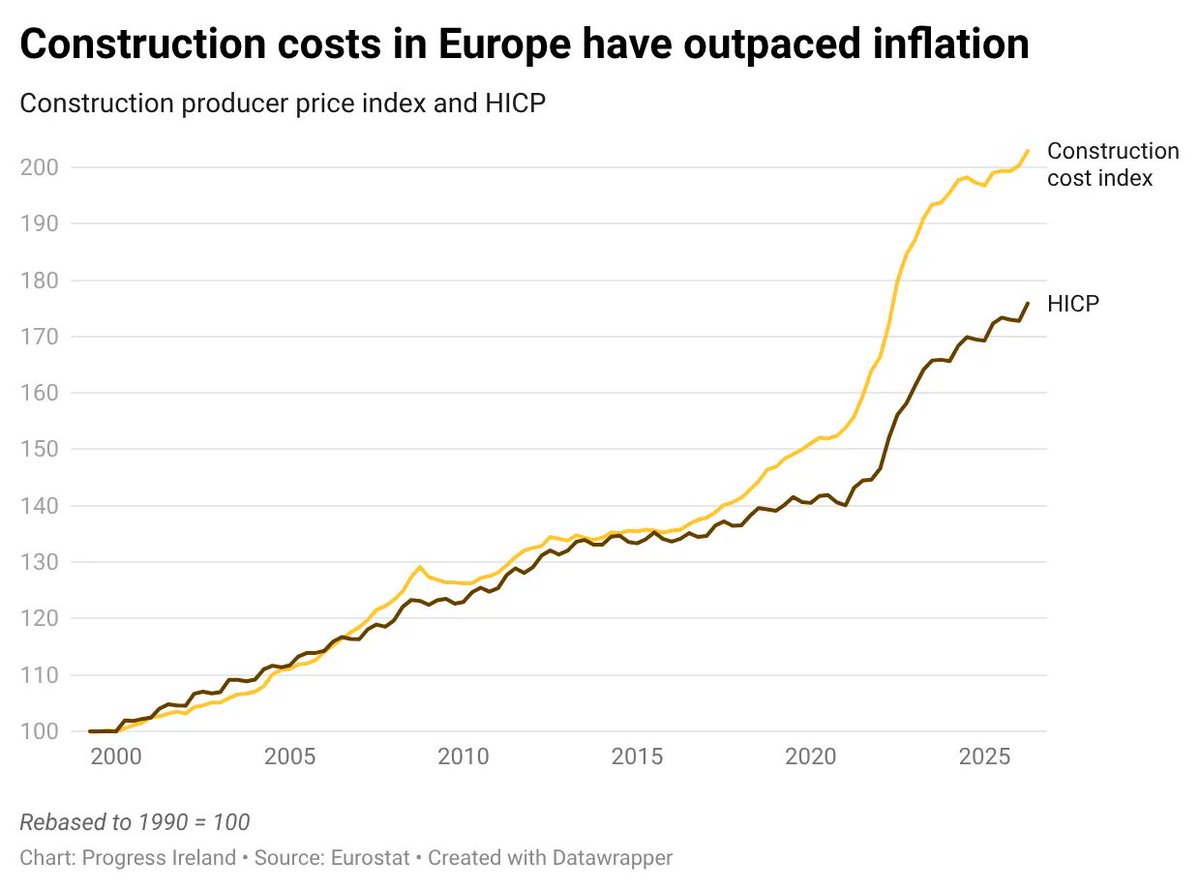

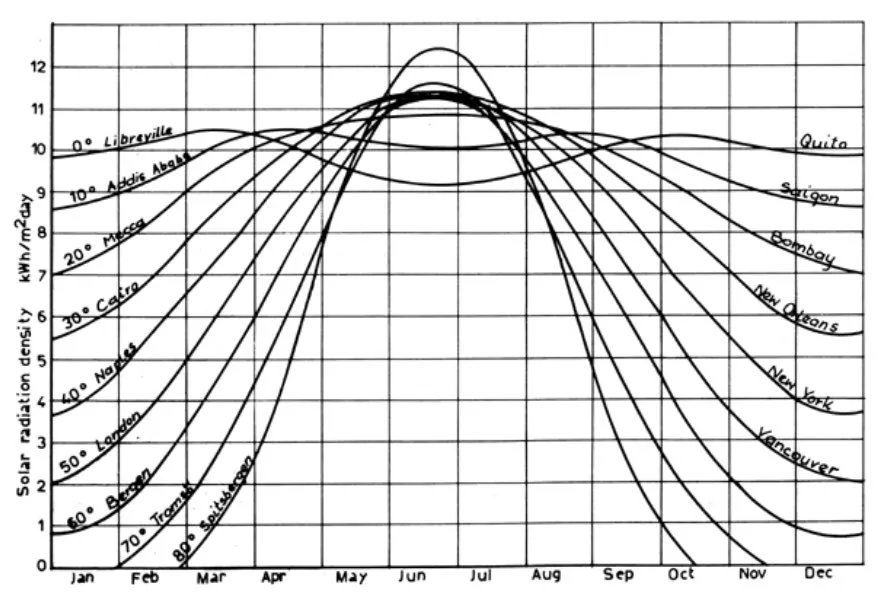
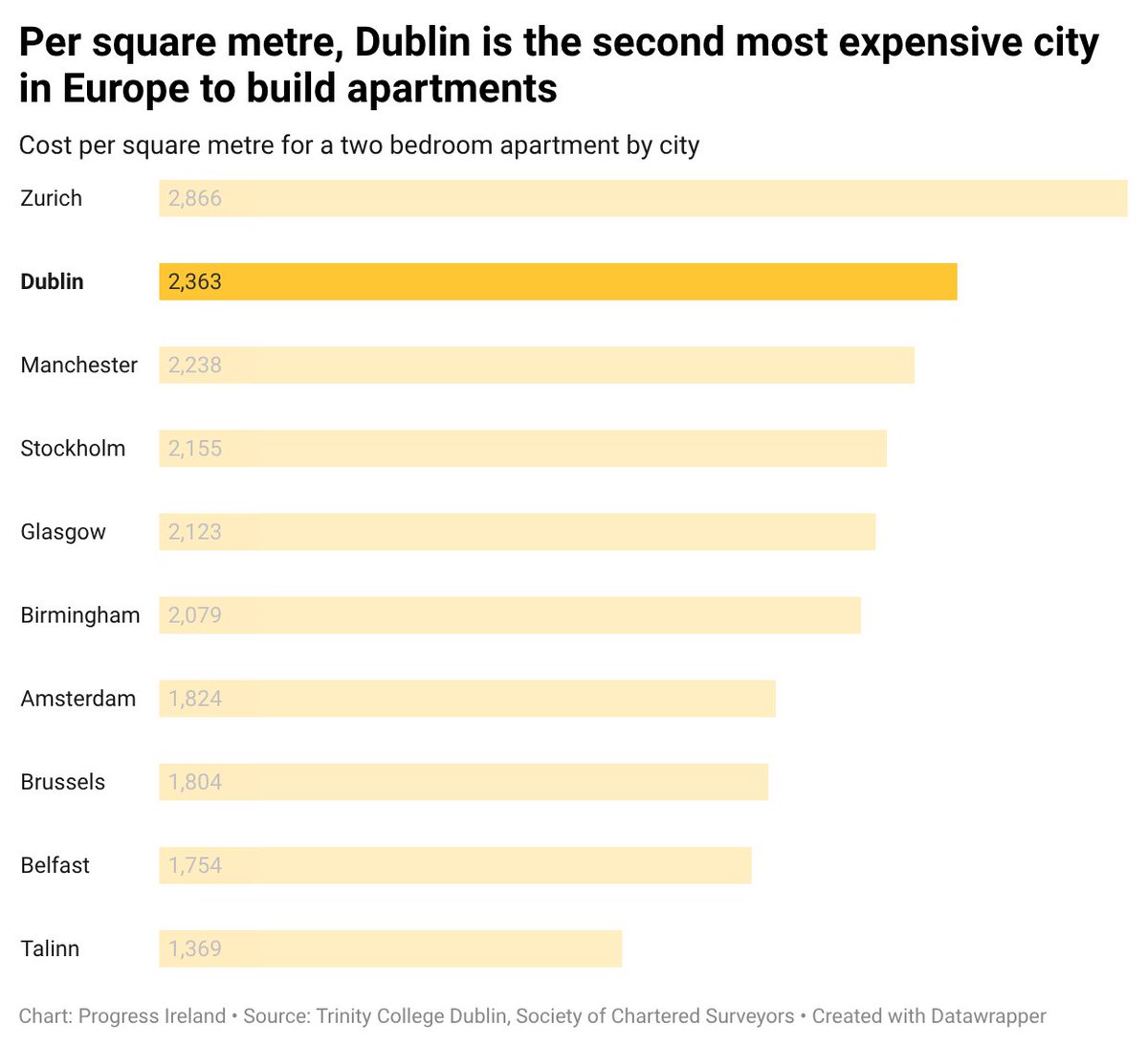

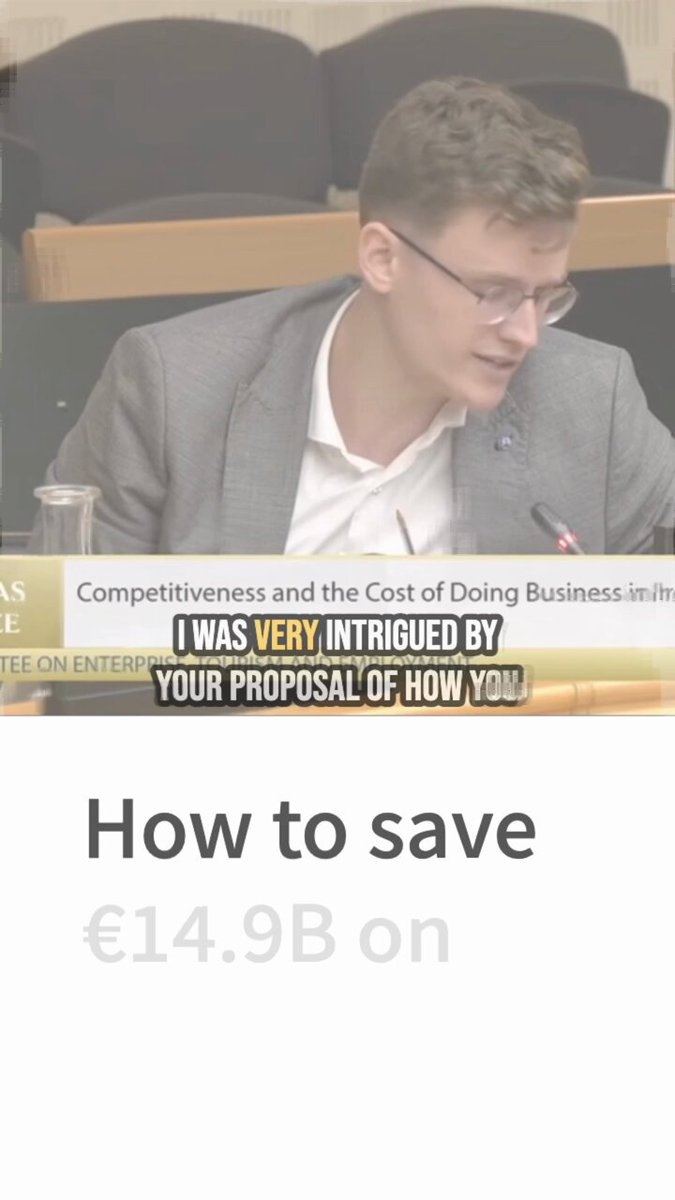





YIMBYs have a problem. We know that objections to development can slow down or block new homes. But, we need a place in our planning system for people to voice their concerns. How can we do this better? By getting public buy-in early on. More here: progressireland.substack.com…
1
2
145
Progress Ireland retweeted

Jun 11
If Europe wants to be competitive, it must relearn how to build: its cities need to grow.
Short clip from my talk in Brussels
Jun 3

European nations are the finest builders of cities in the world, combining efficiency and liveability with atmosphere and beauty. But today, despite huge demand, Europe is building only half as much housing as it did at its peak. What's gone wrong?
Well-intentioned EU environmental directives are part of the problem, creating a legal straitjacket on growth.
- The 2005 environmental impact statement for the Dublin City Centre light railway extension was 176 pages. Twenty years later, the report for the extension to Finglas is… over 7,000 pages.
- Lack of clarity over goose feeding sites in Dublin has led to permission for 1,200 homes being refused.
- Major infrastructure projects from Galway to Antwerp, and the Baltics to Germany, have fallen afoul of environmental rules.
What's the solution? Today @ProgressIreland has published a report showing how targeted changes to environmental directives can deliver the housing and infrastructure we need -- without costing the earth.
Our specific recommendations include move from a reactive regime to strategic protection, restoring the original purpose of directives, updating tests for public interest, and more.
You can read about them in our report (link below), which we're launching tonight in Brussels.
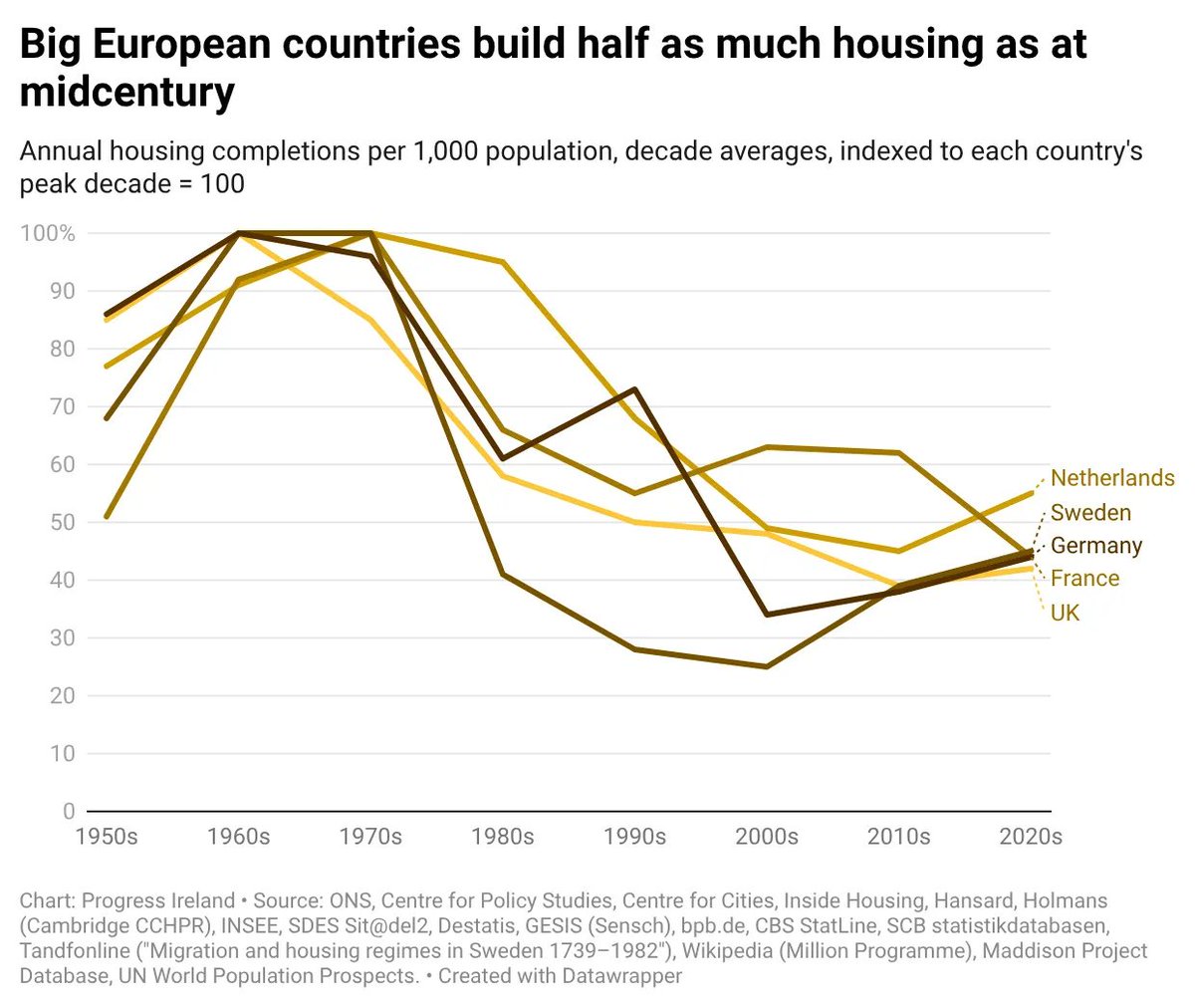
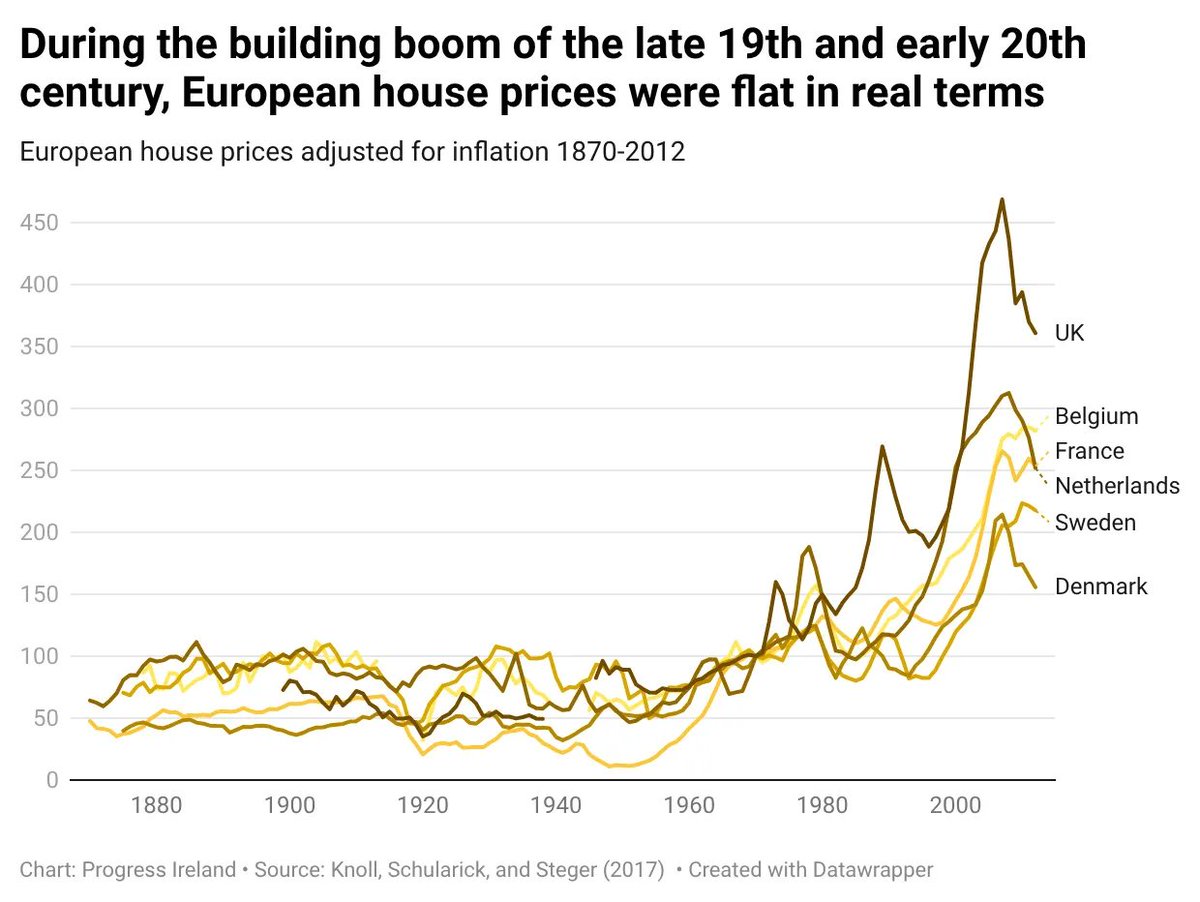
5
7
34
4,247
Progress Ireland retweeted

Jun 10
If DPER loves Metrolink, it should let it go
Annual cash control is a poor substitute for project governance.
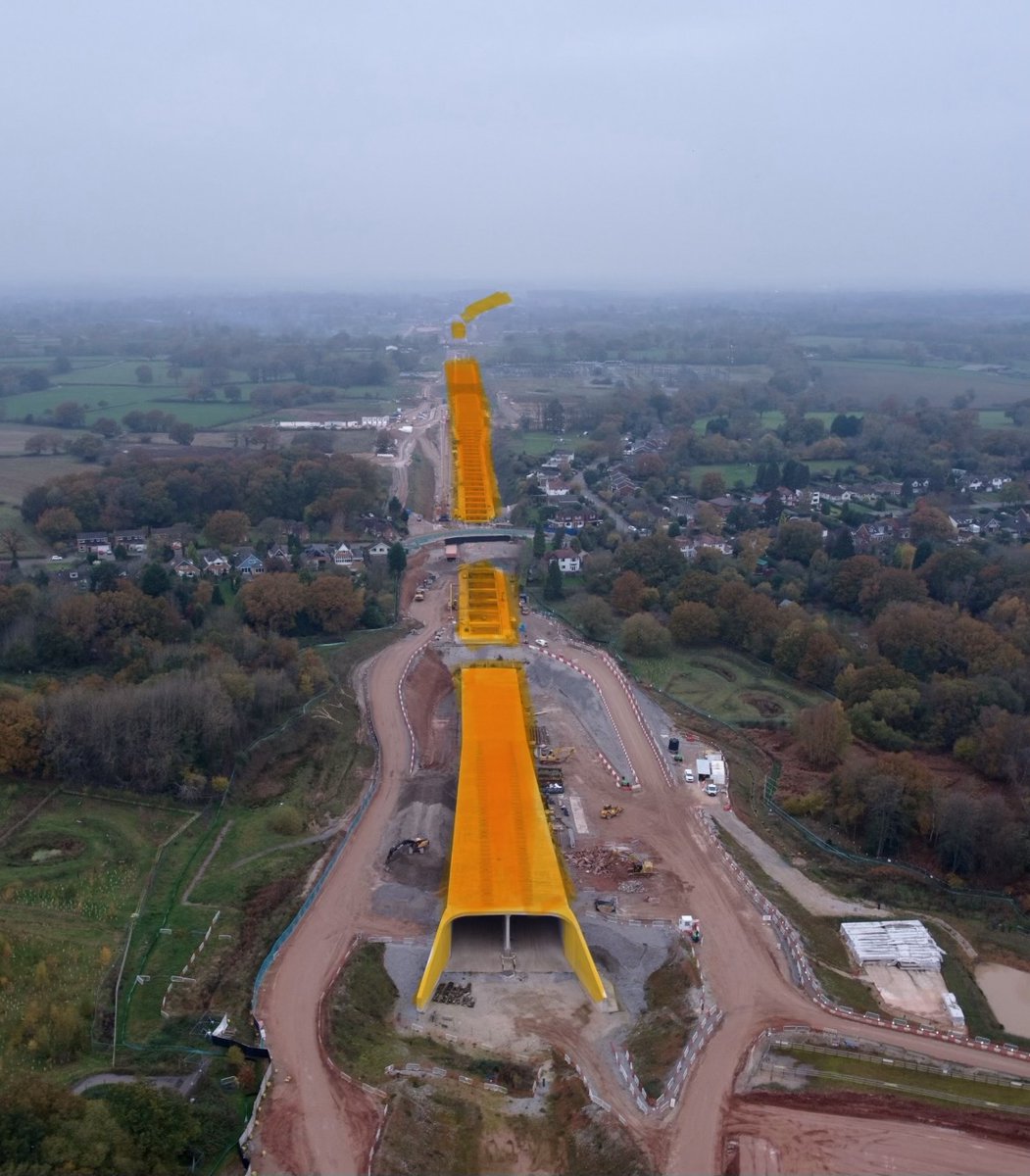
Metrolink's railway order has been granted and procurement is underway. Yet there are still important decisions to be made.
One decision is over who, exactly, will control the project. Who will make the big decisions, what experience will they have, who may they afford to hire, how much will they be paid, what decisions will be theirs to make, and under what oversight will they operate?
One of the most important questions relates to the terms on which money moves from the exchequer to the project. The control of funding is a form of control over the project. What's the right way to think about funding?
Too little oversight
In life, there are two ways to screw up: by doing too much, or too little.
The funding of metro construction projects is no different. The people who control the purse strings can screw up a metro project both by funding it too loosely, and too tightly.
The first of the two failure modes is straightforward. Obviously, it's a mistake to carelessly fire money at a metro project. If the funders don't care how money is spent, the project managers and engineers won't care either.
The best examples of too-loose funding controls come from the US. In the US, funding for infrastructure can come from many pots: city, state or federal. This gives rise to a situation where a city or state-managed project could be largely funded by the federal government. In Boston's "Big Dig" tunnel project, for example, the state of Massachusetts was responsible for delivery, but the project was scoped and designed on the assumption that Washington would pay up to 90 cents of every dollar, as it had under the Interstate highway programme. The crucial spending decisions were made by people who believed the bill was going elsewhere. By the time the federal contribution was capped at roughly $7 billion, the damage was done: construction costs had risen from an initial estimate of $2.8 billion to $14.8 billion, or over $24 billion once the interest on the borrowing is counted.
One would imagine the best way to avoid a Big Dig-style catastrophe, then, is to keep a very close eye on spending. But in practice, things are not so simple. As many projects go wrong due to tight budgeting as loose budgeting.
Too much oversight
What does tight budgeting look like in practice? It usually means the project needs to go back to the treasury every year for fresh funding. Or that the project leader is constrained in the spending decisions they're allowed to make.
The first problem with annual funding is that it breaks a big, efficient thing down into smaller, less efficient chunks. A project whose funding renews annually will be continually accelerating and decelerating. Its crews and machinery will power down and power back up, losing momentum in the process. Its work will be sequenced sub-optimally. Its learning curves will be slower. And it will simply take longer, which is in itself more costly.
This last point matters a lot. The megaproject scholar Bent Flyvbjerg advises to "think slow, act fast": once construction starts, every additional year of delivery is another year exposed to recessions, elections, inflation shocks and scope creep. He calls it the window of risk. Annual funding mechanically lengthens delivery, the exposure window, and expected costs.
The other problem with annual funding is that it makes it harder to have trusting, reciprocal relationships. Mega-projects are a collaboration between organisations with different interests. In the good scenario, they trust each other and work towards a shared goal and everybody wins. In the bad scenario, everyone retreats to their corner and gets the lawyers in and you end up with a National Children's Hospital.
How does tight control over spending lessen trust? One example is risk: if contractors perceive a risk that their machinery will be sitting idle as a result of spending interruptions, they will charge more up front. Another is competition: the perception of a long term pipeline of work will attract competition, which will discipline everyone. Another is that stable long-term investment in the project justifies the investment in in-house staff, which are associated with lower costs. Another is that tight control over spending gives the project less leverage in its negotiations with suppliers.
What's the evidence?
What's the evidence for these big claims? The three best sources are the Stewart Review, which digs deeply into the failings of one specific project, HS2; the Lovegrove Review, which teases out the implications of HS2 for civil service processes; and the Transit Costs Project, which looks broadly at what drives metro construction costs globally.
The Stewart Review said: "it is almost impossible to manage such a large project on annual funding settlements alone."
"The absence of a multi-year spending review moved the Programme to a position of annual funding settlements with no long-term funding control period in operation... This all led to scope deferments, cancellations and supply chain uncertainty. It also undermined HS2 Ltd's negotiating position with suppliers," it added.
Stewart's recommendations: a dedicated budget line for the programme, funding controls extended across five-year periods, and the flexibility to move money between years. The British government accepted all nine recommendations and establishing a multi-year settlement of over £25 billion for HS2 in its 2025 Spending Review.
The UK government also commissioned Sir Stephen Lovegrove to review the lessons of HS2 for how government oversees its delivery bodies. His review said "Managing Public Money rules are better suited to the assessment of fixed-point decisions or projects rather than the multi-decadal and multi-phase reality of the very largest programmes."
The Lovegrove review said the refusal to hire experienced staff into the civil service was a "false economy".
"If the corollary of this is that significant pay freedoms need to be in place in order to attract the volume and seniority of talent to full time Civil Service positions, they should be given," it added. Similarly in the US, the Transit Costs Project found that agencies "take advantage of federal grants and transportation bond acts… to pay for consultants to do jobs that previously would have been done by in-house engineers."
The need for funding at the scale of the project is a theme of the Transit Costs Project. It said, of Naples' metro system, "the stop and go nature of funding and construction has contributed to cost increases." Of Rome's metro, it said, "the choice to break down a larger metro project into smaller, more financially palatable sections resulted in higher overall costs at the end." Of New York, it said "a lack of leadership and funding certainty at the state, local, and agency level enables [New York's] costs to outstrip those found in Istanbul, Italy, and Stockholm." Of New York: "uncertainty over funding can lead to tendering delays, which inevitably, at its most benign, lead to inflation-driven cost escalation and schedule delay."
The Transit Costs Project found, of Italian projects, that "Cutting projects into shorter sections to make them more financially palatable in the short run ends up increasing the overall costs in at least four different ways: First, by making economies of scale more difficult to achieve; second, by reproducing expensive construction staging and operational requirements; third, by hindering the learning curve of both management and contractors that is typical of all large-scale complex projects like metro construction, and, fourth, by introducing potential delays that slow down approvals and trigger cost escalations."
The cleanest natural experiment comes from the US Navy. Congress normally funds shipbuilding one year at a time, but certain multiyear procurement authorities allow the Navy to commit to several ships at once. The Congressional Budget Office and the Government Accountability Office have repeatedly found that multiyear contracting saves in the region of 5 to 15 per cent per ship through the mechanisms described above: stable supplier workloads, bulk material purchases, retained workforces, faster learning curves. The converse has also been measured: the Pentagon estimates that operating under annual funding uncertainty costs it billions of dollars a year.
The experts say:
With Metrolink's governance, the state needs to thread a needle. Not so little oversight that Metrolink spends carelessly; not so much that it can't operate freely and set the right expectations for stakeholders.
One caveat: stable funding is necessary, not sufficient. London's Crossrail had a protected, ring-fenced funding envelope and still overran by around £4 billion, because its governance and its grip on programme integration failed. A multi-year settlement must come paired with the capability and oversight reforms that Stewart and Lovegrove describe. But without the funding settlement, none of the rest is achievable.
Ireland's good fortune is that we're acting after peer countries, so we can learn from their mistakes. The Stewart Review, the Transit Costs Project, the Lovegrove Review are full of recommendations. They emphasise:
- Agree a multi-year funding control period, not annual settlements alone.
- Allow the delivery body to commit funds across years where contracts require it.
- Delegate defined authority over contracting and sequencing.
- Permit pay flexibility to hire senior commercial, engineering and project-controls talent.
- Maintain strong sponsor oversight through monthly reporting, independent assurance, cost/schedule baselines and reset gates.
The stakes are high. Metrolink could cost anything from €9.5 billion to €24.7 billion. As Bent Flyvbjerg argues, megaprojects do not go wrong; they start wrong.

4
8
36
3,662

Progress Ireland retweeted
Jun 9
I was on the early edition pod today making the case for SMRs podcasts.apple.com/ie/podcas…
1
1
7
559
Progress Ireland retweeted
Jun 9
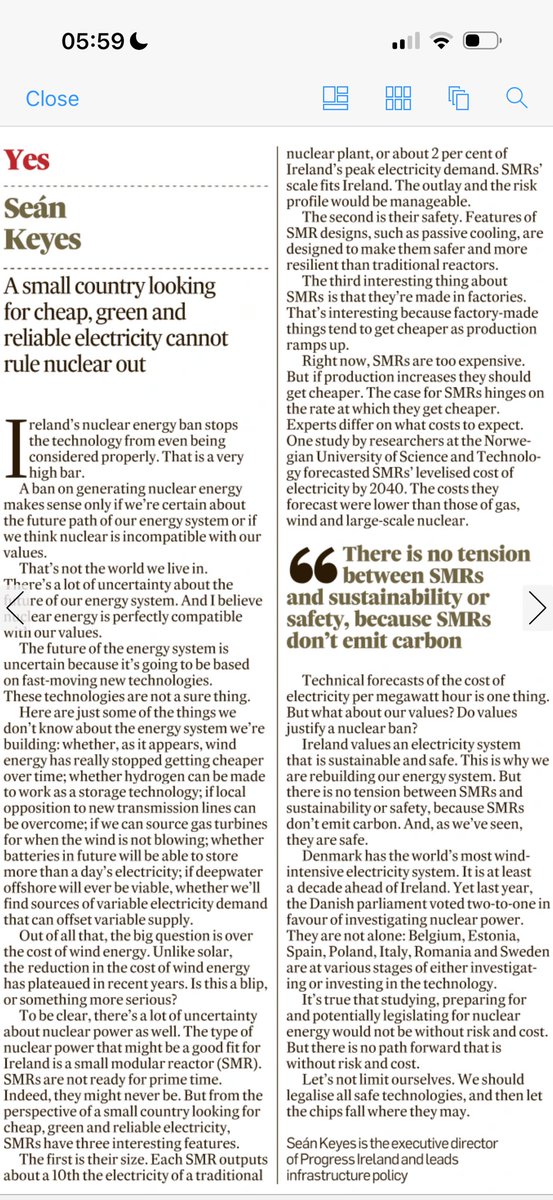
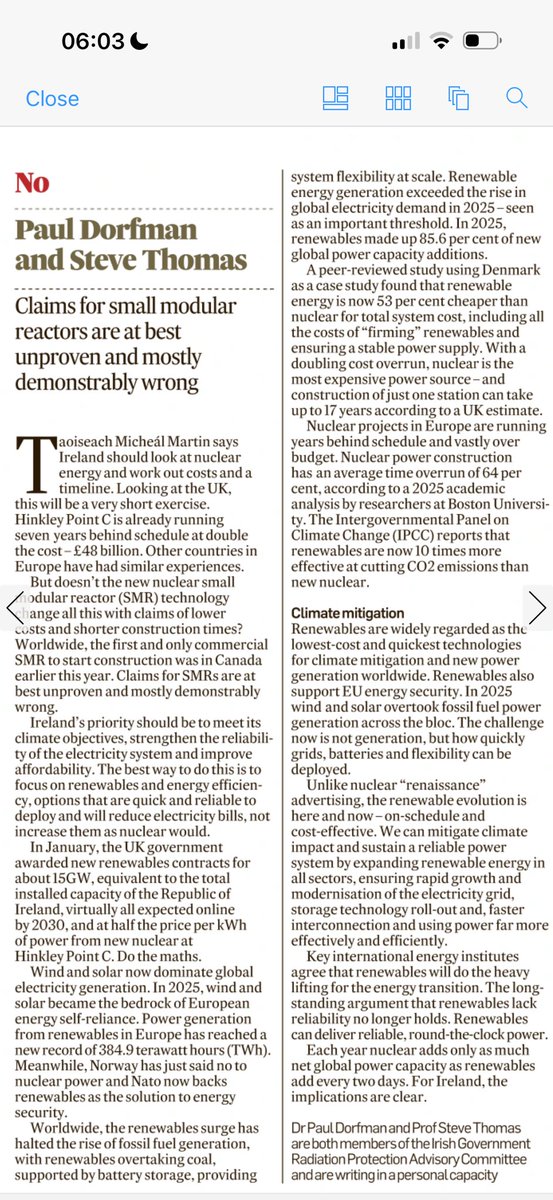
I’m in the Irish Times today making the case for an open mind on SMRs. Like renewable power in the 1990s, they have potential
7
9
38
1,748
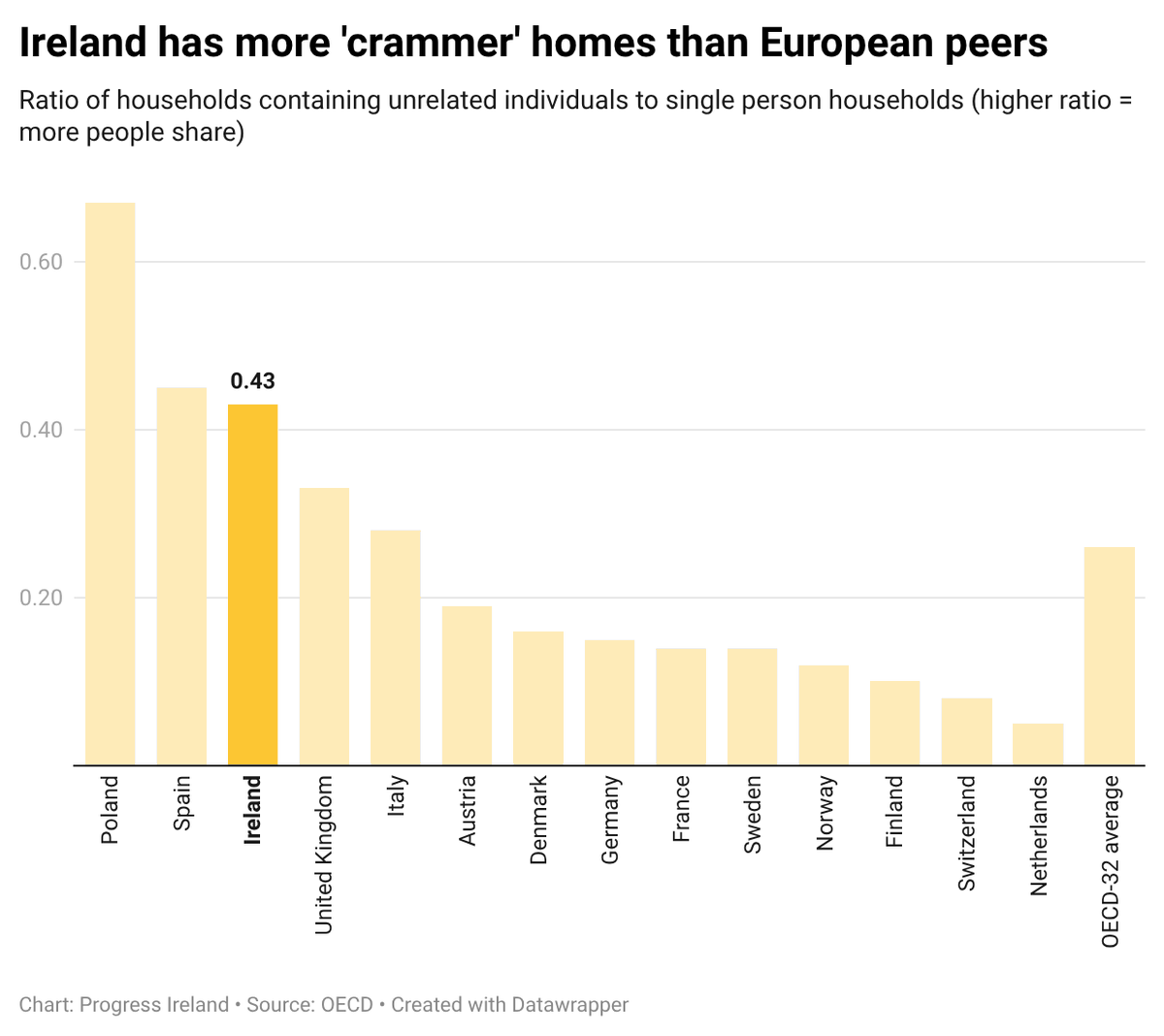
More adults cram into houseshares together Ireland than in other European countries. Our housing system prefers large, spacious homes, but many adults would prefer to live in smaller households.
9
4
19
4,902
The Galway ring road. Wind farms in Spain. An underwater tunnel between Denmark and Germany. A five hundred mile rail project in the Baltics. All have been delayed for years by well-intentioned but overly complex EU rules.
2
2
18
619
Read our report here on how to get Europe building again: progressireland.substack.com…
1
141
Progress Ireland retweeted

An independent Irish think tank, Progress Ireland, has argued that Europe must "relearn how to build". breakingnews.ie/ireland/prog…
1
2
2
620
Progress Ireland retweeted
Jun 3
I'm in the IT today talking about the nuclear ban.
irishtimes.com/environment/c…

6
4
22
1,733
Progress Ireland retweeted

Jun 4
🇪🇺🏠⚡ Last night in the EP, I hosted the launch of @ProgressIreland's new report on why EU reform is essential to delivering more housing & infrastructure.
Ireland cannot solve this through decisions in Dublin alone. I’ll be at the forefront of the reform effort in Brussels.
24
7
22
1,883
Progress Ireland retweeted
Jun 3
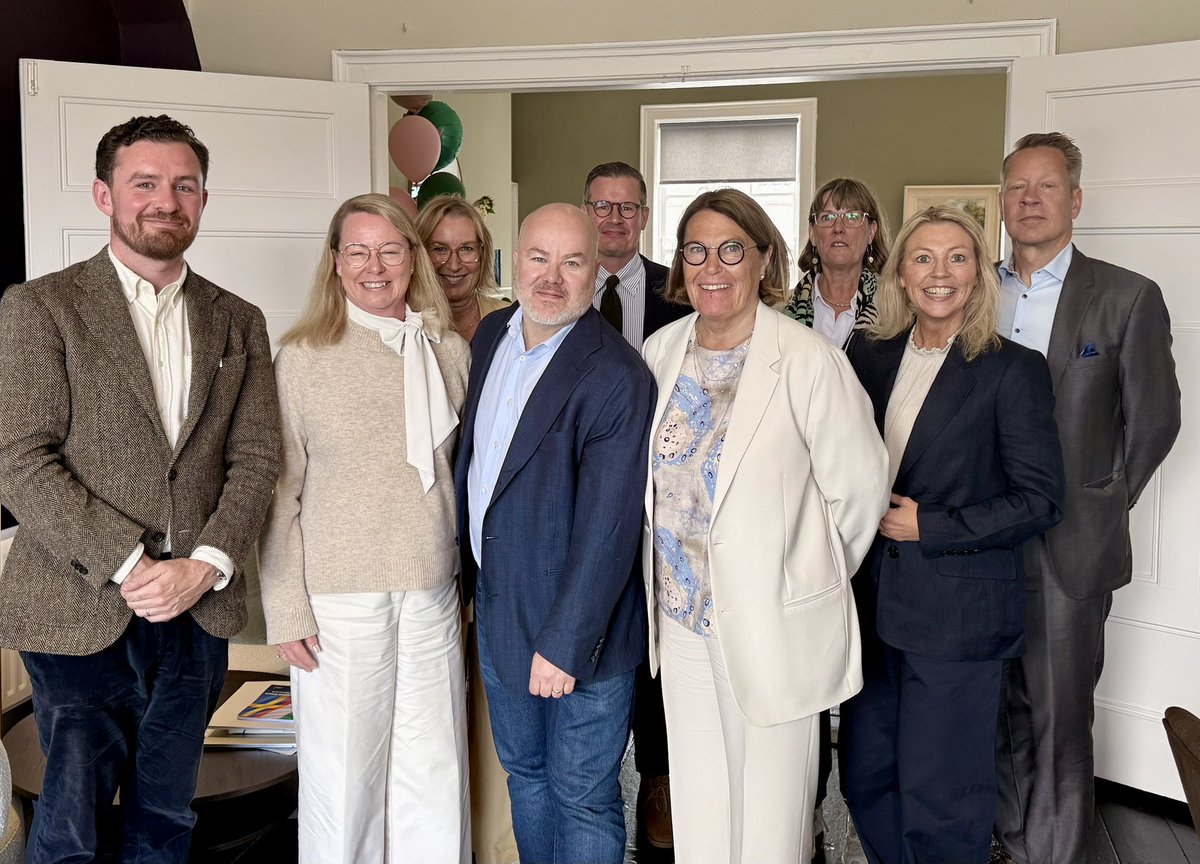
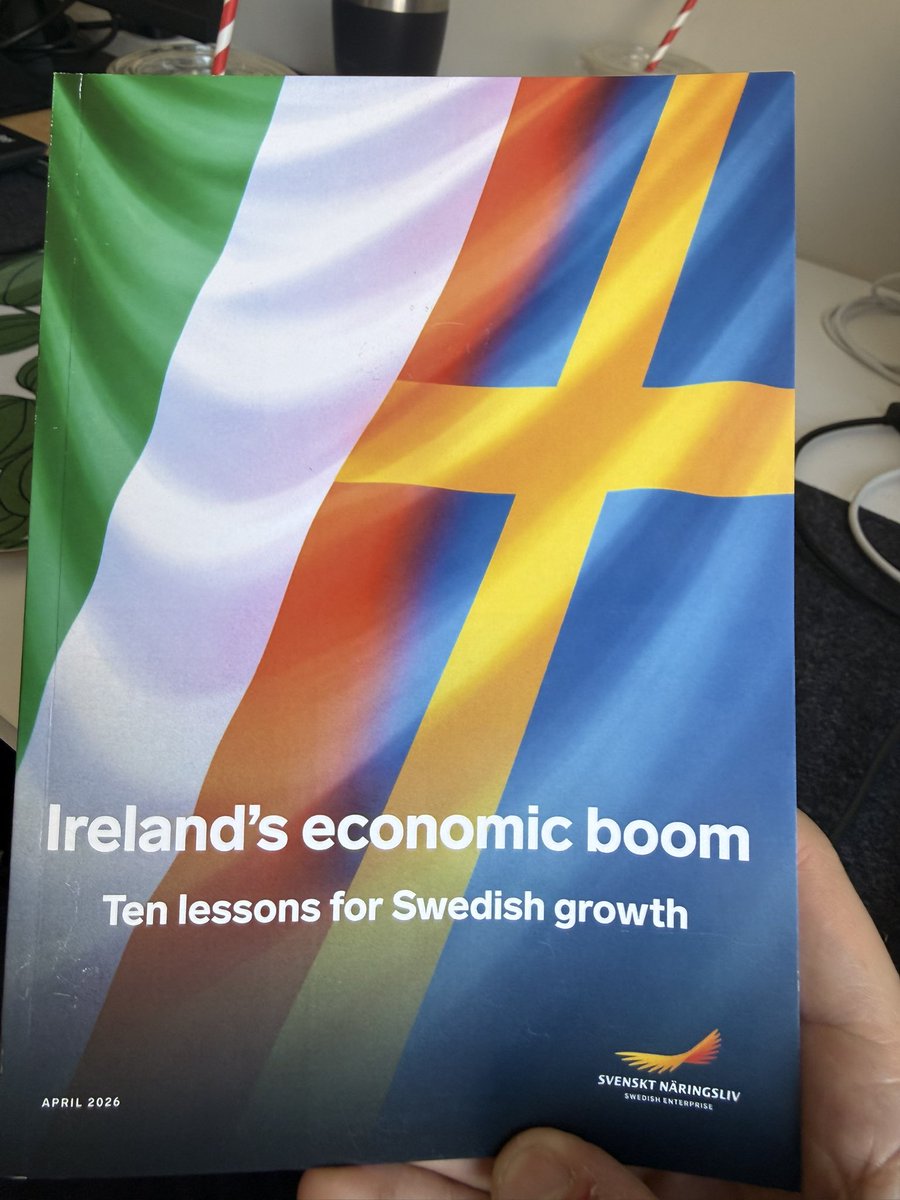
A fine meeting this morning with The Confederation of Swedish Enterprise. The Swedes are interested in Irelands outward-facing growth model. And Ireland has much to learn from Europe’s most entrepreneurial country. @SODaunfeldt @svenaringsliv
3
3
15
1,091
Progress Ireland retweeted
Jun 3
Report link: progressireland.org/building…
Substack announcement: progressireland.substack.com…
Brussels event: luma.com/m6lp8jl1
2
3
16
1,112
Progress Ireland retweeted
Jun 3
European nations are the finest builders of cities in the world, combining efficiency and liveability with atmosphere and beauty. But today, despite huge demand, Europe is building only half as much housing as it did at its peak. What's gone wrong?
Well-intentioned EU environmental directives are part of the problem, creating a legal straitjacket on growth.
- The 2005 environmental impact statement for the Dublin City Centre light railway extension was 176 pages. Twenty years later, the report for the extension to Finglas is… over 7,000 pages.
- Lack of clarity over goose feeding sites in Dublin has led to permission for 1,200 homes being refused.
- Major infrastructure projects from Galway to Antwerp, and the Baltics to Germany, have fallen afoul of environmental rules.
What's the solution? Today @ProgressIreland has published a report showing how targeted changes to environmental directives can deliver the housing and infrastructure we need -- without costing the earth.
Our specific recommendations include move from a reactive regime to strategic protection, restoring the original purpose of directives, updating tests for public interest, and more.
You can read about them in our report (link below), which we're launching tonight in Brussels.
30
39
142
41,694
Ireland is beset by shortages of physical things: houses, trains, water, roads. To fix these shortages, sometimes we need to remove red tape, and other times we need to beef up the state so it can deliver better.
Read @sarahjscales article here: progressireland.substack.com…
2
6
12
569
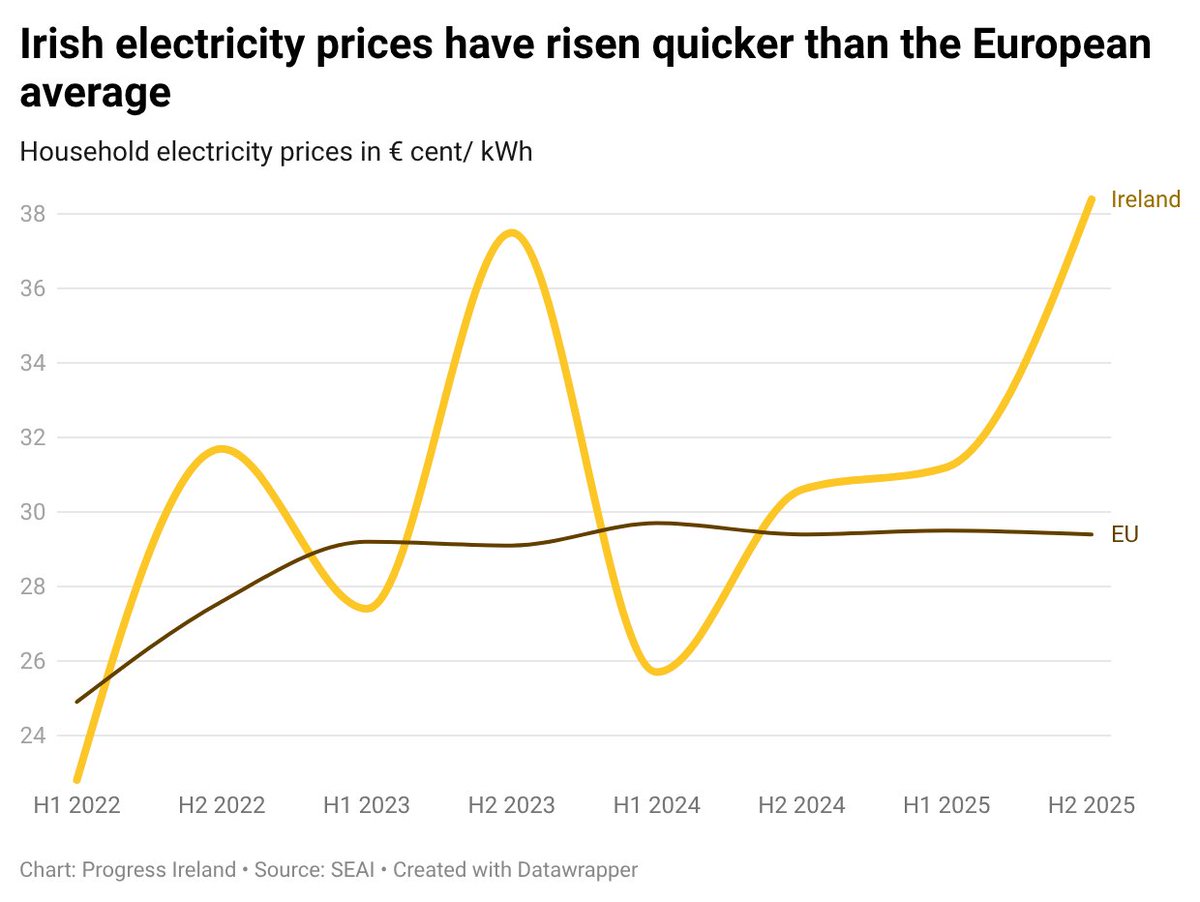
Irish electricity prices are the highest in the EU. There are hundreds of small projects we need to do to fix this, and some big ones like the North-South Interconnector. It's been stuck in planning for 23 years.
3
2
15
1,145
Read our piece on the North-South Interconnector and bringing electricity prices down here: progressireland.substack.com…
1
1
290
Progress Ireland retweeted
May 29
On Wednesday evening in Brussels, @o_mcpartlin and I will launch @ProgressIreland's report into how European directives can be reformed to deliver more housing and infrastructure.
Hope to see you there! luma.com/m6lp8jl1
7
7
26
3,648
Progress Ireland retweeted
May 28
When he’s right he’s right
May 28

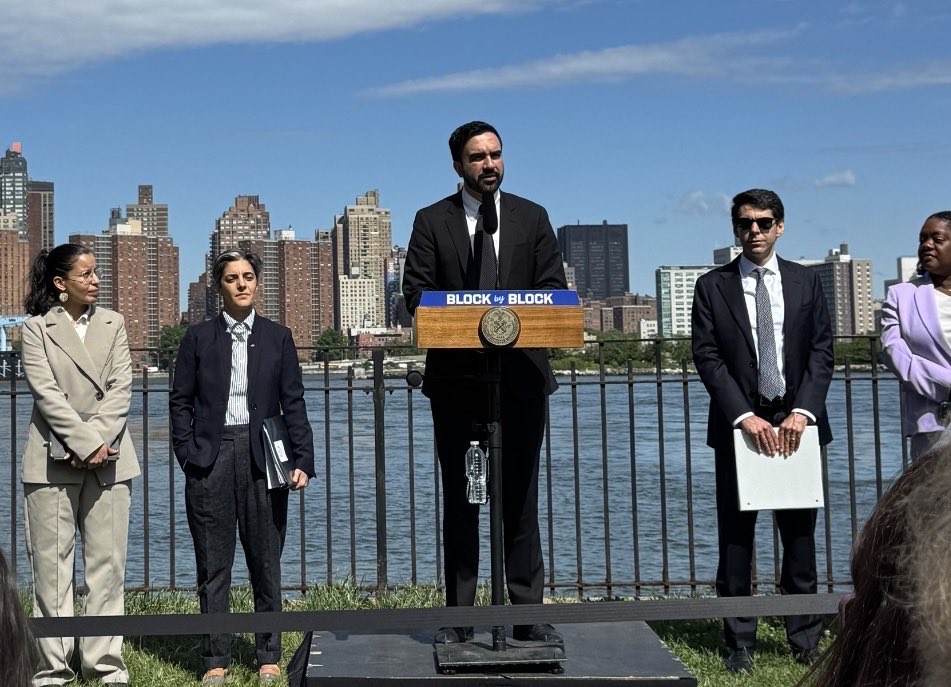
Zohran just cited Minneapolis, Austin, and Auckland as cities that lowered housing costs via upzoning
certified ball knowledge, Auckland is a deep YIMBY cut
1
2
39
2,769