
The twitter account of The Novo Nordisk Foundation Center for Stem Cell Medicine, reNEW
Joined April 2015
- Tweets 2,050
- Following 999
- Followers 3,110
- Likes 2,424
675 Photos and videos



Mar 31
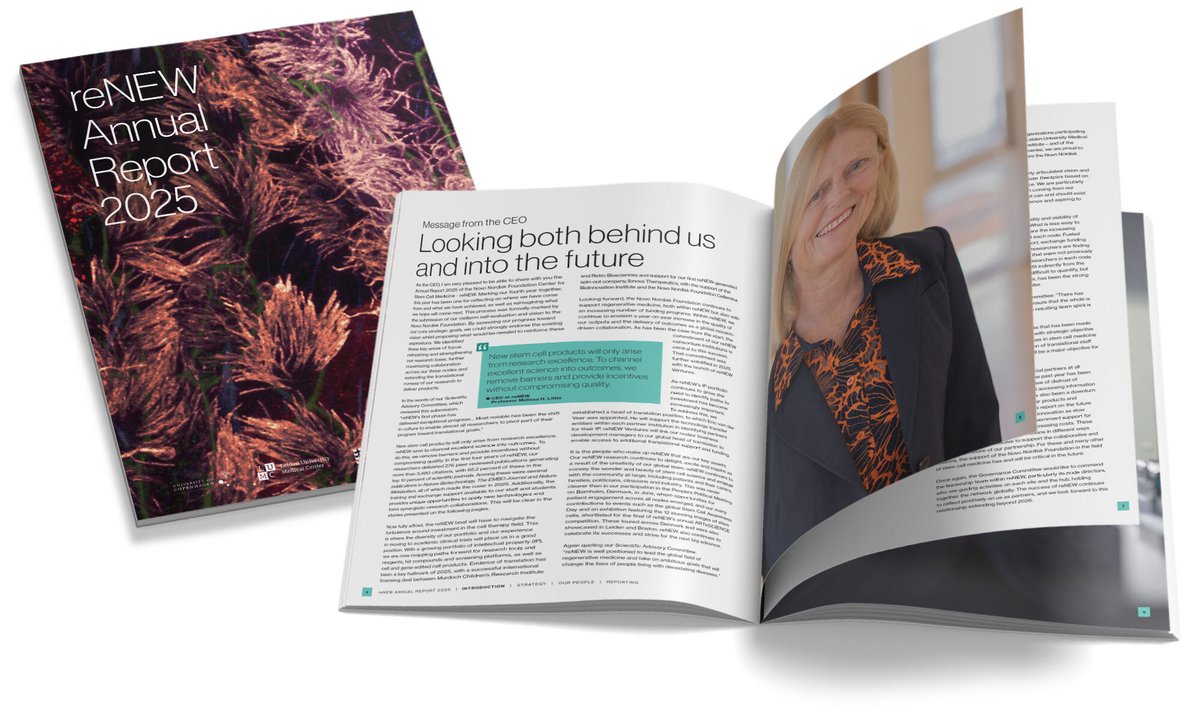
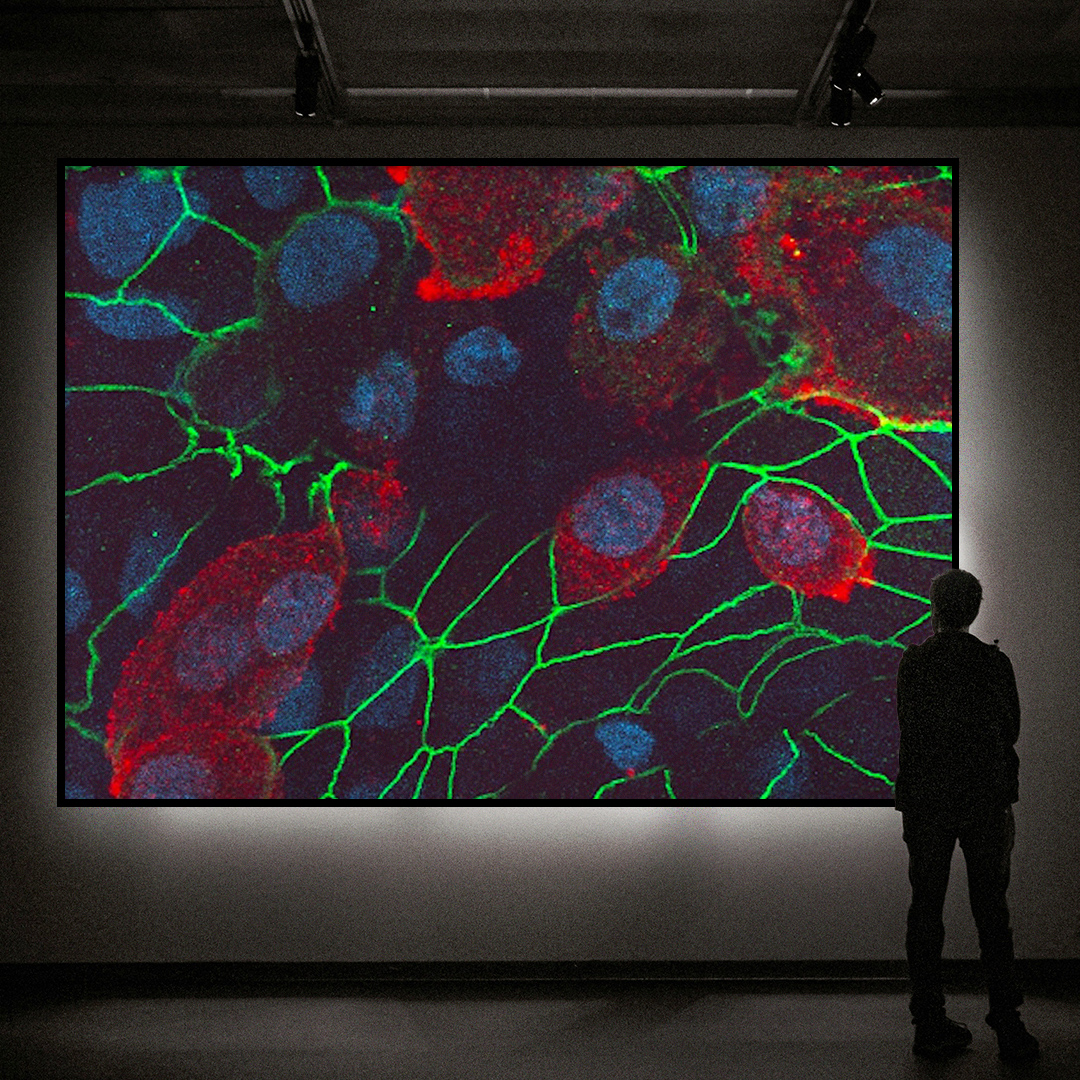
reNEW’s #AnnualReport 2025 is fresh off the press.
The collaborative work among reNEW’s three research nodes in Copenhagen, Leiden, and Melbourne started just over four years ago and is yielding tangible results!
“With a growing portfolio of intellectual property, we are now mapping paths forward for research tools and reagents, hit compounds and screening platforms, as well as cell and gene-edited cell products, said Professor Melissa Little, the CEO of reNEW.
reNEW researchers have over the past four years also delivered 276 peer-reviewed publications, generating more than 3,700 citations, with 65.2% of these in the top 10% of scientific journals.
You can read more about our exciting journey in lnkd.in/echv-M-v
#IntellectualProperty #IP #academicpublishing #journal #Stemcells #stemcellresearch #science #researchexchange #raredisease
@novonordiskfond @UCPH_health
1
157
Mar 16
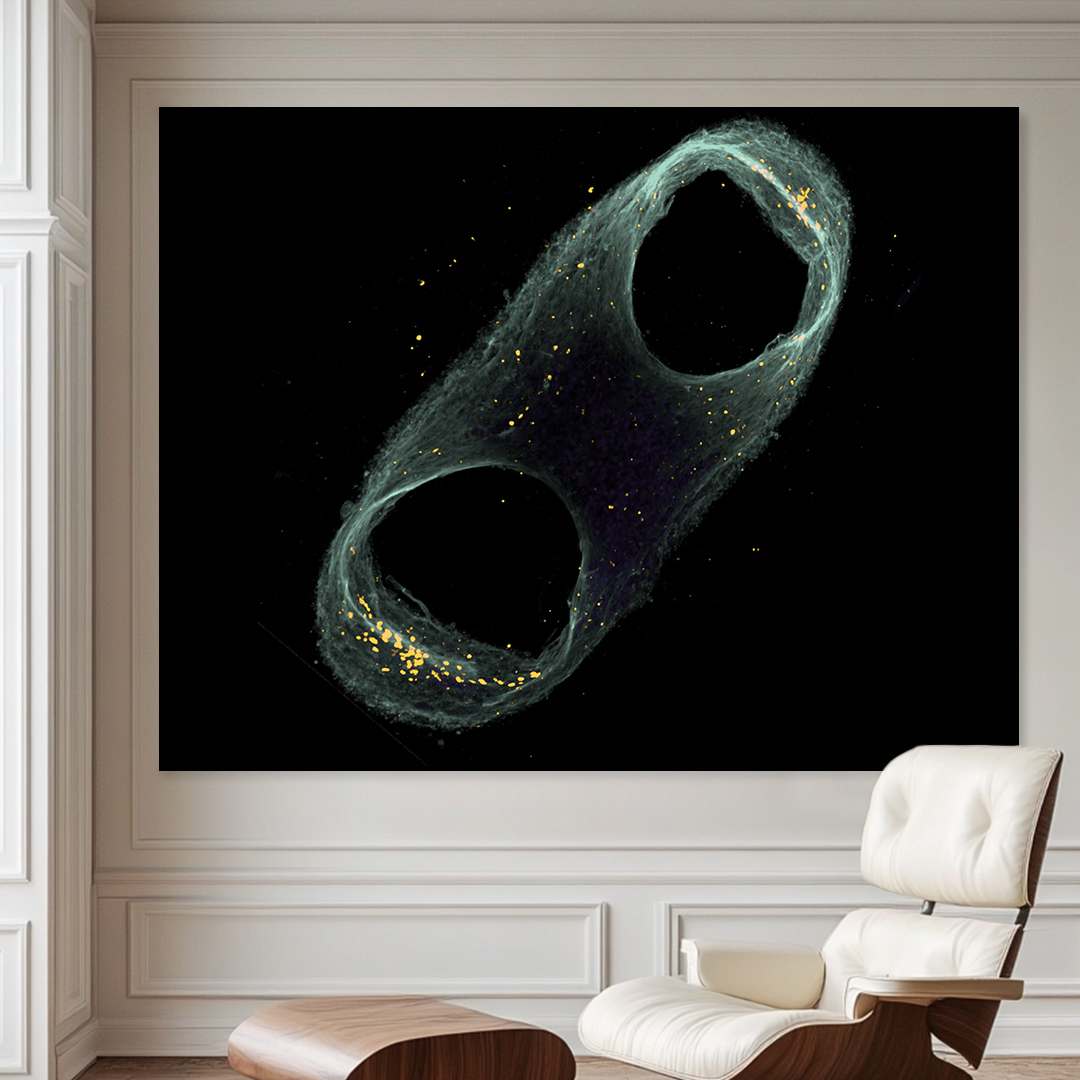
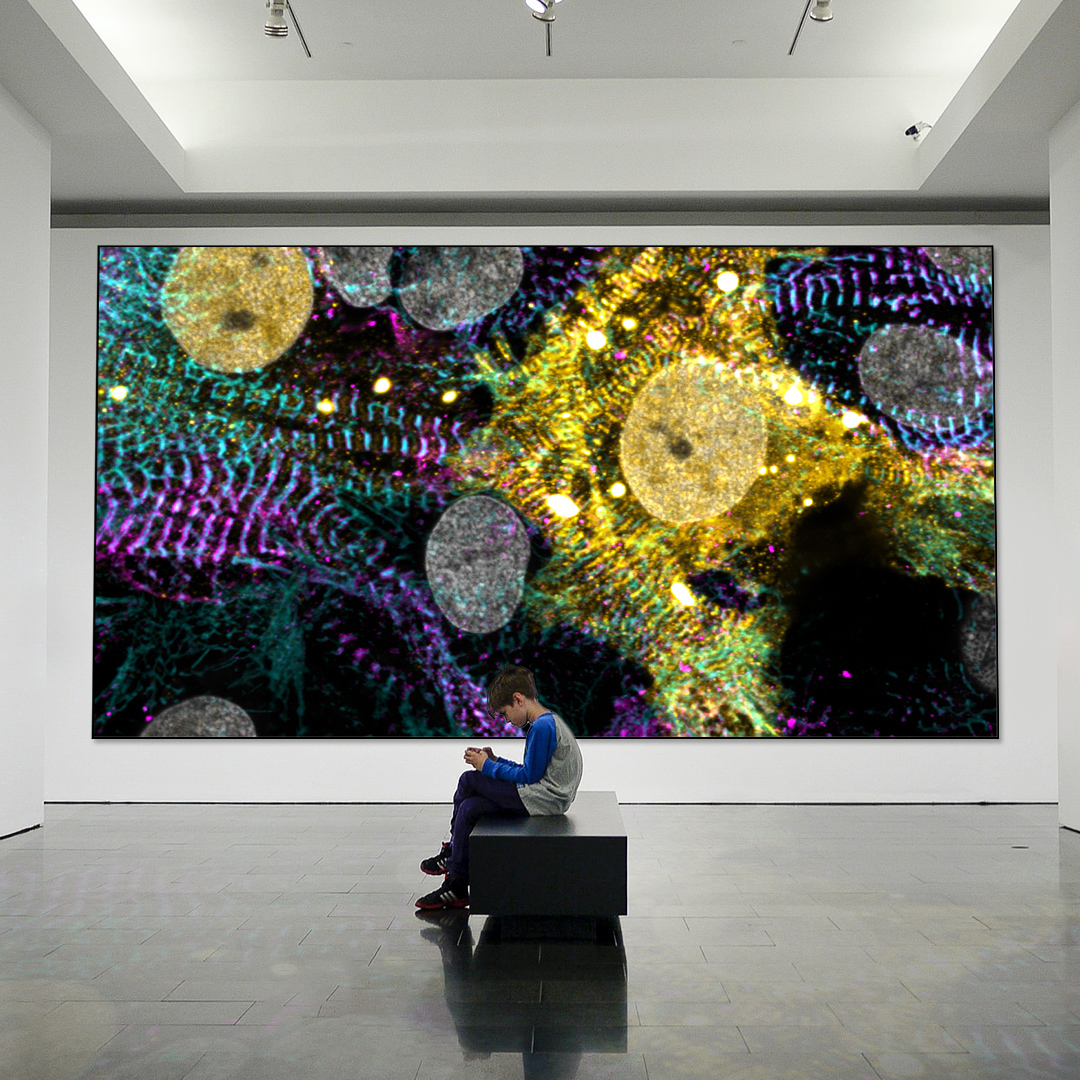
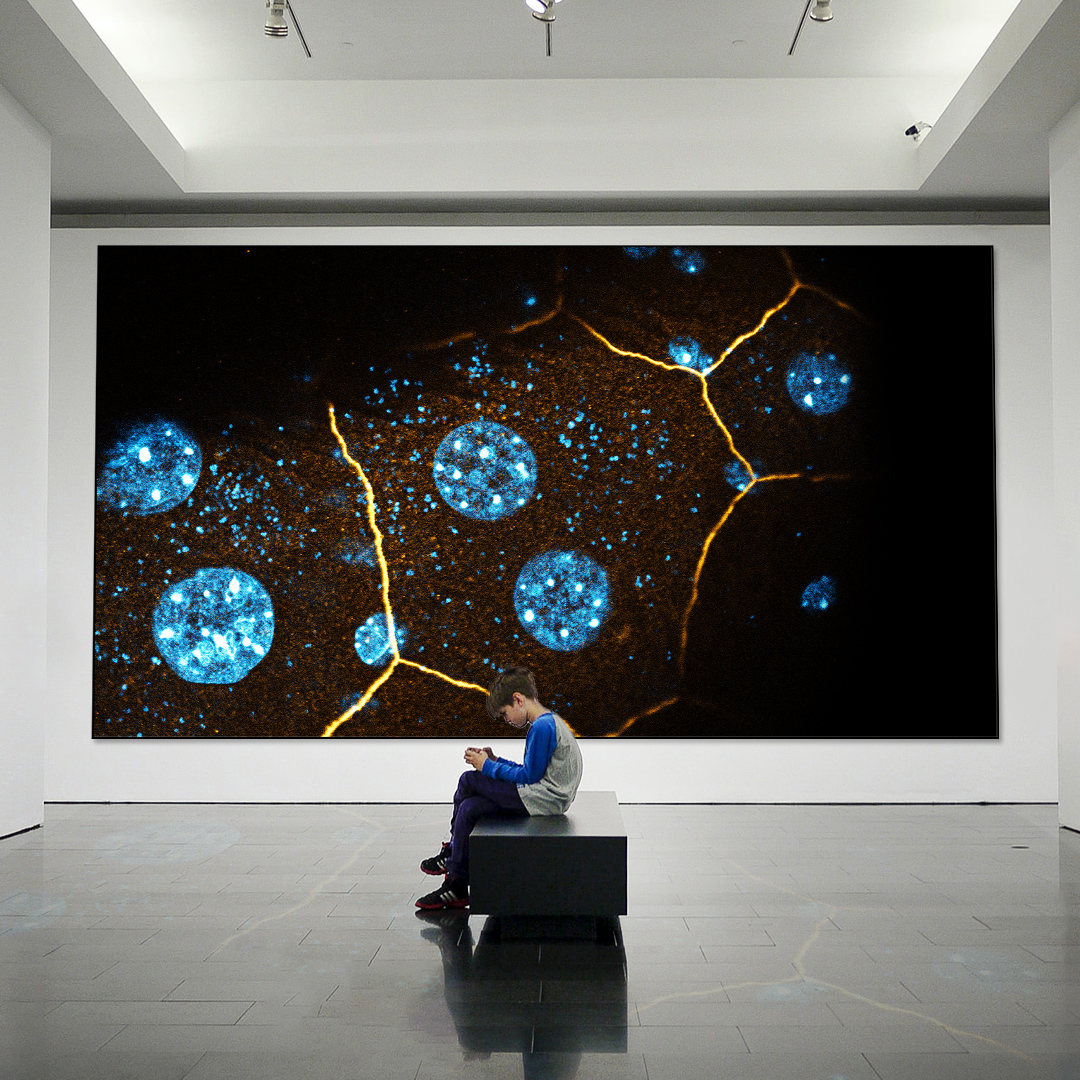
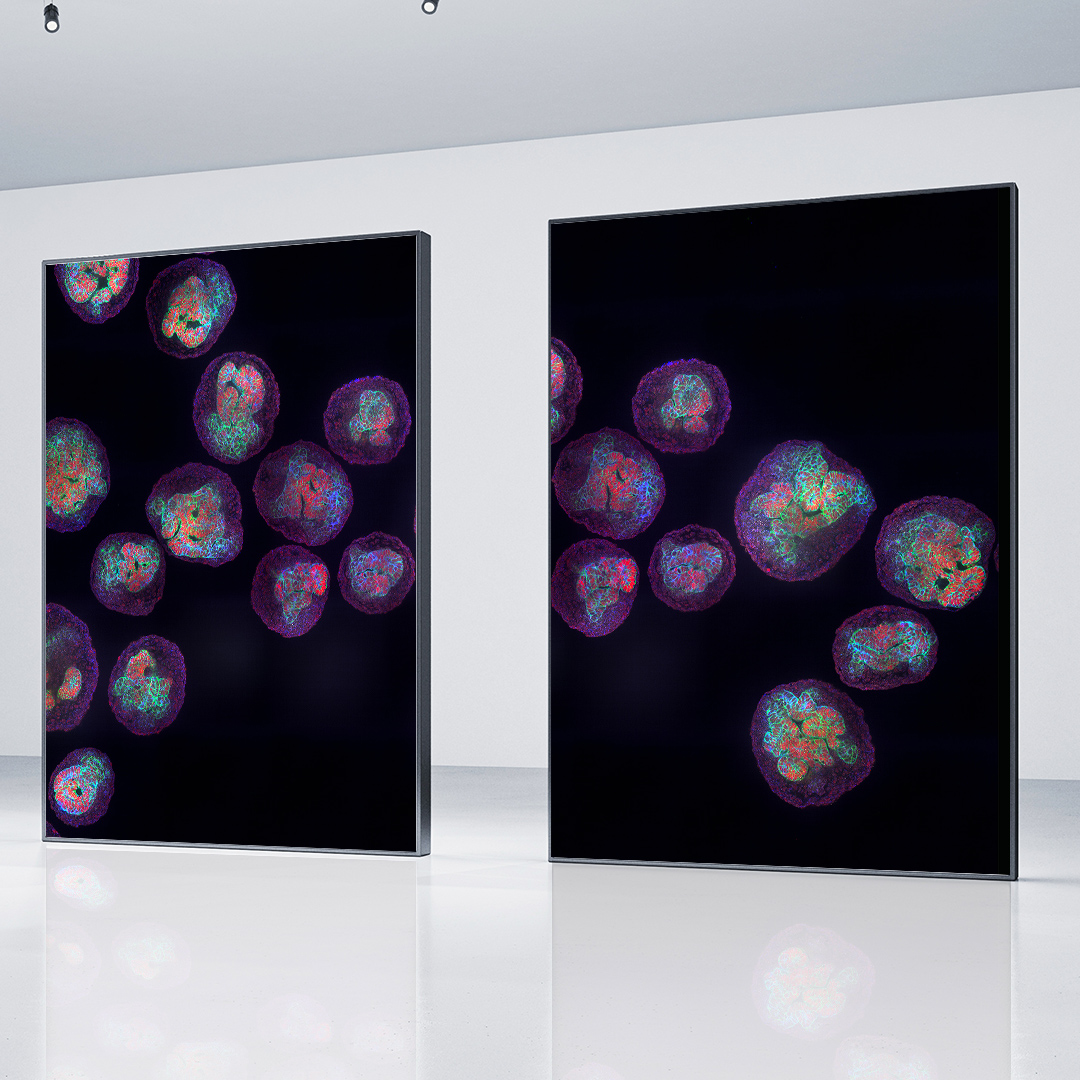
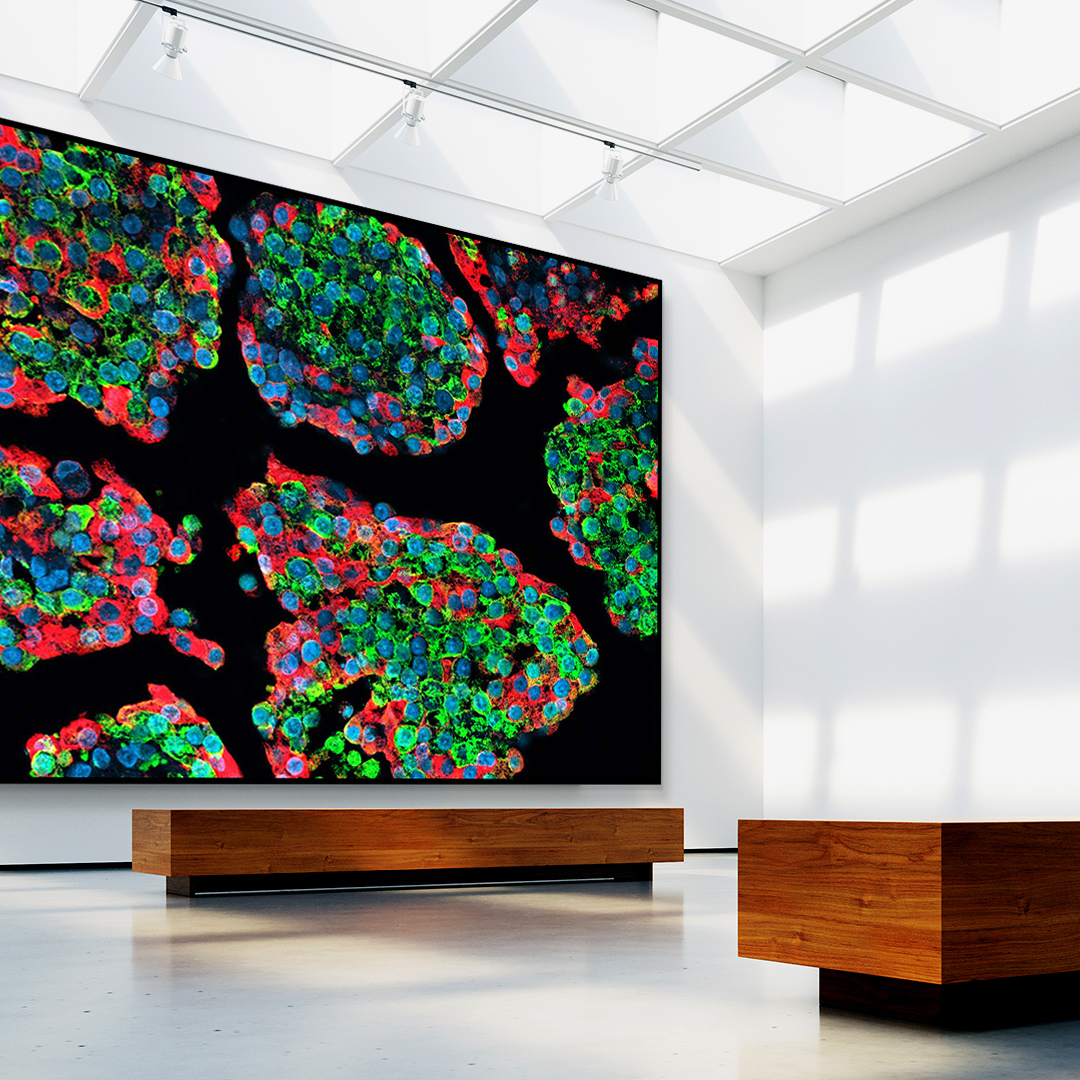
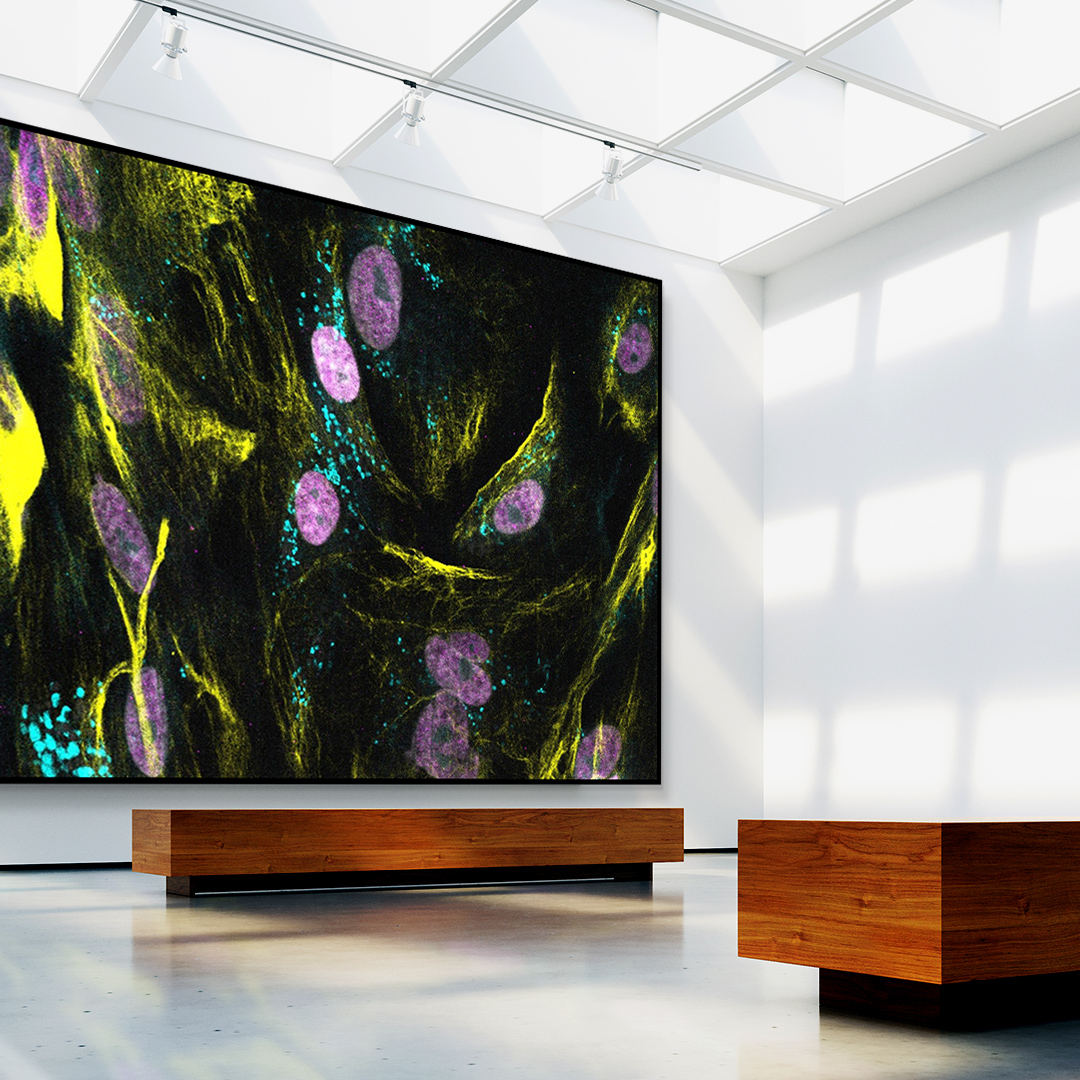
Our #ARTxSCIENCE Exhibition illuminates the night in the hall of the @DanskIndustri @DILifescience right on the Town Hall Square of Copenhagen.
During the day you may go and experience the exhibition where it greets you right at the entrance.
@UCPH_Research @novonordiskfond
2
178
Mar 10
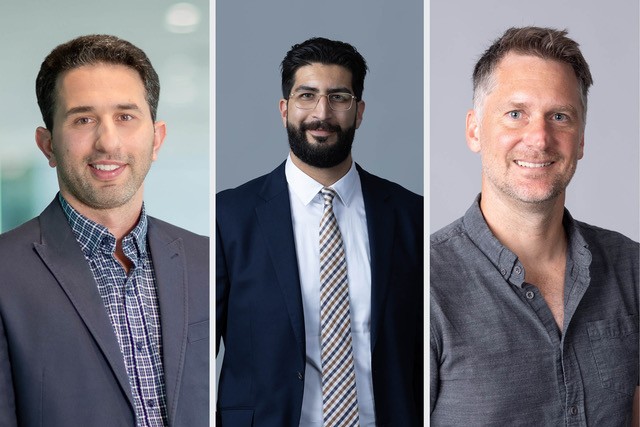
reNEWs first spin-out company targets treatments for severe #heartdisease.
Ibnova Therapeutics, the first spin-out company from reNEW, was announced today by the BioInnovation Institute (BII) and the Novo Nordisk Foundation Cellerator.
Ibnova Therapeutics based in Denmark aims to deliver #stemcell-derived heart tissue into #clinicaltrials for as a treatment for #heartfailure. With applications for both children and adults with severe heart disease, the first-in-human trials are targeted within three to five years.
Ibnova, which can be interpreted as ‘new heart’, will move the heart patch technology driven by the team of Professor Enzo Porrello at reNEW Melbourne, Murdoch Children's Research Institute (MCRI), in partnership with Professor James Hudson at the Queensland Institute of Medical Research (QIMR) in Brisbane, Australia toward clinical trials.
“We are so proud of this team and the amazing preclinical progress they have made and will watch in anticipation as this moves along the value chain,” said the CEO of reNEW, Professor Melissa Little. “I am also very excited about the growing opportunities available within the Danish innovation ecosystem. Bringing together the BII with the Cellerator to support a spin-out company in the cell therapy space is a unique opportunity.”
#Heartfailure, a life-threatening condition where the heart struggles to pump enough blood around the body, annually affects more than 60 million people globally. With a heart transplant being the only viable treatment for end-stage heart failure, the severe shortage of donor organs is a significant challenge.
Read full story: renew.science/stories/renew-…
@novonordiskfond @BioCPH
1
8
239
8 Oct 2025
It’s #StemCellAwarenessDay, and it’s nearly time to announce the winner of the #ARTxSCIENCE2025 competition.
But before we do….
A huge thank you to everyone who submitted to this year’s competition. Your support makes our competition possible, and it is such an inspiration to see the beauty and impact of your research. This Stem Cell Awareness Day, join us in raising awareness for stem cell research and its potential to transform the lives of people living with incurable diseases.
The big reveal is up next!
See this year’s submissions and finalists here: renew.science/artxscience/
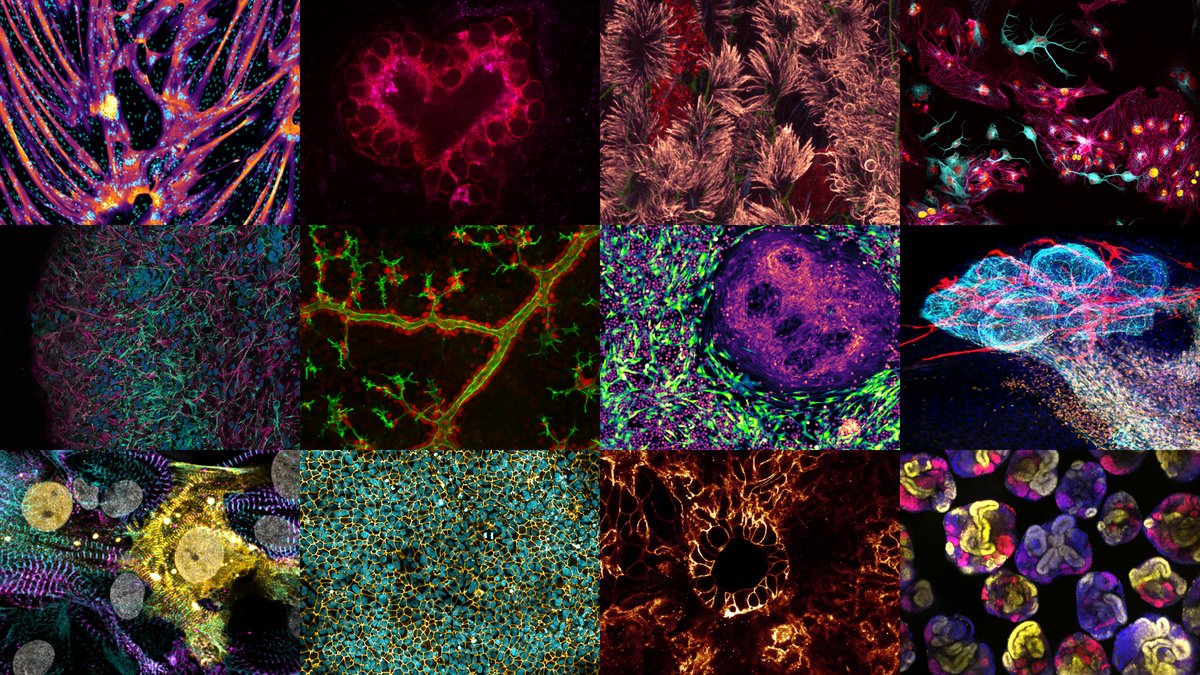
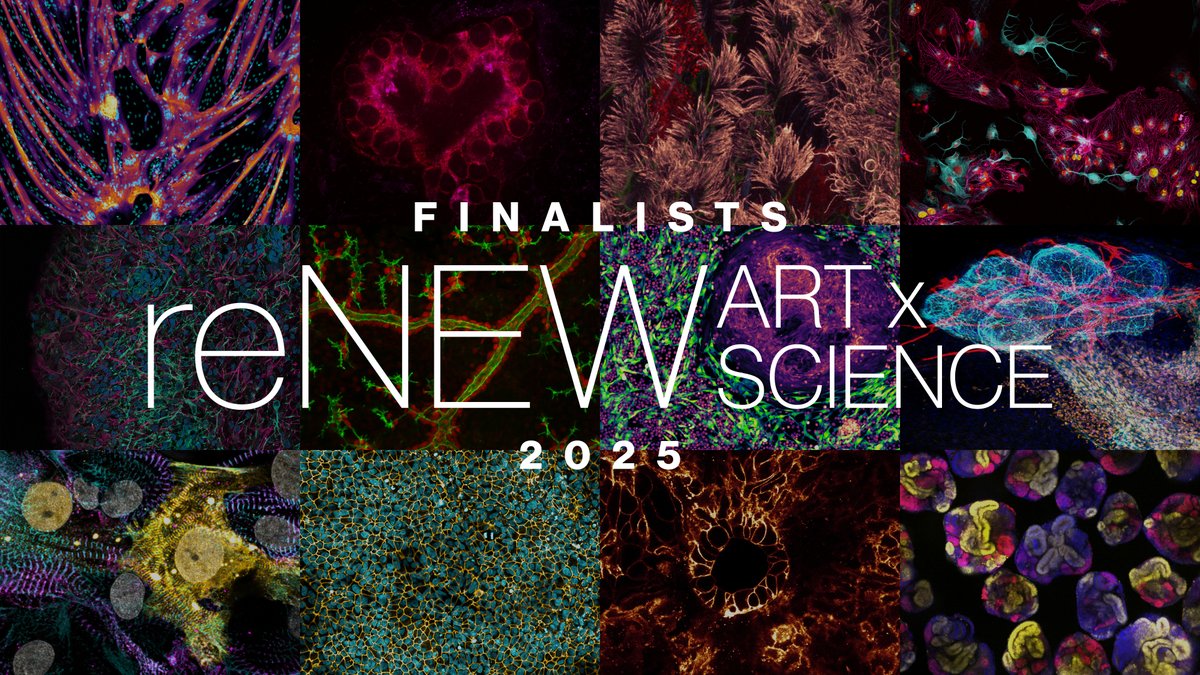
Image: reNEW ARTxSCIENCE collage of all finalists.
@UCPH_Research @UCPH_health @novonordiskfond
4
286
8 Oct 2025
Today, Wednesday 8 October is hashtag#StemCellAwarenessDay. Join us today to celebrate discovery, innovation, and the potential of stem cell medicine.
In the lead-up to this day, reNEW has been celebrating science through our hashtag#ARTxSCIENCE competition, showcasing the beauty and impact of stem cell research.
Each striking image and its accompanying story from our research reveal the groundbreaking work driving future therapies.
Explore the gallery of submissions and see how stem cell research is shaping tomorrow’s medicine, one image, and one discovery, at a time.
lnkd.in/gAv_Yzyf
hashtag#StemCellAwarenessDay hashtag#ARTxSCIENCE 2025 hashtag#Innovation hashtag#ScienceCommunication
@UCPH_Research @UCPH_health @novonordiskfond
2
4
320
25 Sep 2025
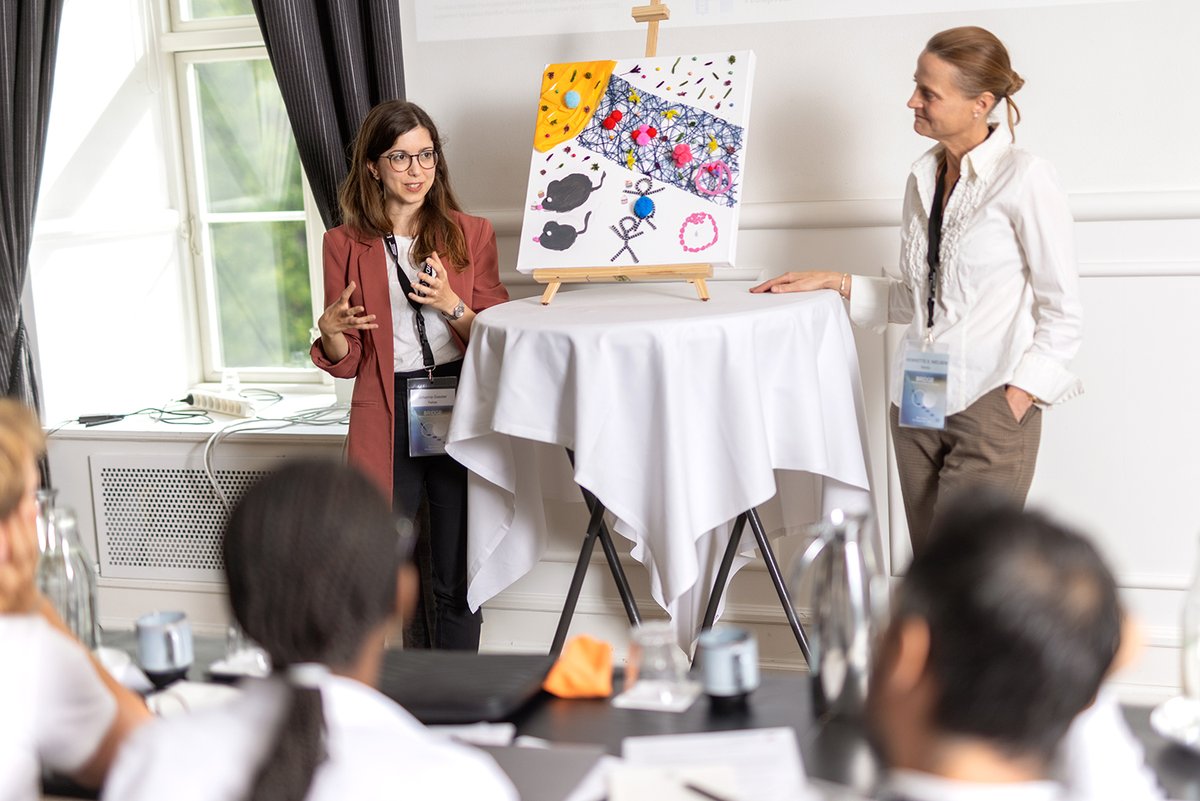
Postdoc Johanna Gassler selected as one of 15 fellows in the @BRIDGE Programme!
She'll study how maternal #metabolism and nutrition affect early embryo development – aiming to improve IVF success rates.
#IVF #BRIDGE #womenshealth
@UCPH_Research @UCPH_health @novonordiskfond
281
24 Sep 2025
#ARTxSCIENCE2025
The public has voted, and our 12 finalists have been chosen for the reNEW ARTxSCIENCE 2025 competition!
Congratulations to:
Dr. Martti Maimets, associate investigator, Kim Jensen Lab, reNEW Copenhagen
Amy Lucassen, PhD candidate, Locher Lab, reNEW Leiden
Ritika Saxena (I like RUNX1), PhD Student, Elefanty/Ng labs, reNEW Melbourne
Hannah Baric, Research Assistant, Little Lab, reNEW Melbourne
Dr Callum Dark, Senior Research Officer, Mills Lab, reNEW Melbourne
Dr, Kellie Veen, Research Officer, Velasco Lab, reNEW Melbourne
Jonas Henkenjohann, Research Assistant, Agnete Kirkeby Lab, reNEW Copenhagen
Rachel Lam, Research Assistant, Little Lab, reNEW MCRI
Yinghan (Winnie) She, PhD Student, Porrello and Elliott Lab, reNEW Melbourne
Dr Declan Turner, Postdoc, Werder Lab, reNEW Melbourne
Dr Frankie Butera, Postdoctoral Researcher, Porrello and Elliott Lab, reNEW Melbourne
Mette Christine Jørgensen, scientist Serup Lab, reNEW Copenhagen
Who will win the competition? Our esteemed jury is now getting ready for selecting the winner.
Winner announcement on October 8th on Global Stem Cell Awareness Day.
See the submissions of the finalist's lnkd.in/gAv_Yzyf
@UCPH_Research @UCPH_health @novonordiskfond
5
11
729
18 Sep 2025
#ARTxSCIENCE2025
Discover the power of #stemcells through artistic expression and ongoing research. Help up find a winner and vote for your favorite: lnkd.in/eaQ6bFVU
The Darkness Shall Be Light: A Phospho-Spark Ignites Cardiac Regeneration
We use #stemcell–derived #heart muscle cells to build 3D engineered heart tissues and apply phosphoproteomics to uncover the molecular instructions that control their ability to divide. By mapping these signals, we aim to understand how to restart the heart’s regenerative capacity after injury.
#Cardiovasculardisease is the leading cause of death worldwide, with heart attacks causing permanent loss of muscle cells. Because adult cardiomyocytes are considered non-dividing, the heart lacks the ability to regenerate. This research uncovers a molecular signal that reactivates their proliferative potential—echoing T.S. Eliot’s words, “in the darkness shall be the light”— opening new paths to repair damaged heart tissue.
I’m a final-year PhD student in the #HeartRegeneration and Disease group at reNEW Melbourne. This image captures the outcome of three years of work using phosphoproteomics to untangle the molecular pathways that control heart cell division.
Credits:
Dr Yulia Mitina, PhD student, Hayley Pointer, Research Assistant, Enzo Porrello and David Elliott Lab, reNEW Melbourne
@UCPH_Research @UCPH_health @novonordiskfond
115
18 Sep 2025
#ARTxSCIENCE2025
Discover the power of #stemcells through artistic expression and ongoing research. Help up find a winner and vote for your favorite: lnkd.in/eaQ6bFVU
David and Goliath: A Tiny Gene Battles a Giant in the Heart
Our #heart is the first functional #organ and the last to stop. The largest known protein in the human body, titin, is the “giant” supporting our heart to beat for a lifetime. Genetic mutations can disrupt titin’s structure and turn the giant “poisonous.” This poisonous giant can cause thinning and weakening of the heart muscle, resulting in a debilitating disease known as #dilatedcardiomyopathy (DCM). Patients with DCM are at high risk of heart failure and heart transplantation.
#Genetherapy is an emerging biotechnology with great potential to treat genetic disorders such as DCM. Using adeno-associated viruses (AAVs), which are nano-sized delivery vehicles that enter targeted cells, we can package genes in these AAVs to fix mutations in cardiac cells. Unfortunately, combating the poisonous giant through AAV gene therapy is challenging because titin is too large to fit inside an AAV. To overcome this challenge, we are seeking creative solutions to defeat the poisonous giant.
Our group designed cardiac-specific AAV therapies using a tiny gene that has been shown to play a crucial role in maintaining heart function and health. In stem cell–derived heart models carrying titin mutations, we tested this small but mighty gene therapy — our “David” against the poisonous giant.
Credits:
Yinghan (Winnie) She, PhD Student, James McNamara, Team Leader, Enzo Porrello and David Elliott Lab, reNEW Melbourne
@UCPH_Research @UCPH_health @novonordiskfond
115
17 Sep 2025
#ARTxSCIENCE2025
When #science meets art and reveals ongoing #stemcell research with the potential to transform the lives of people with so far incurable diseases. Help us find a winner by voting for your favorite here: lnkd.in/eaQ6bFVU
A Burst of Colour: Diffraction of Light Through a Flexible Alveolar Model
#Respiratorydiseases like #pulmonaryfibrosis, #chronicobstructivepulmonarydisease (COPD), and #lunginfections remain leading causes of death worldwide. The tiny air sacs in our lungs, called #alveoli, rely on a natural stretch-recoil cycle for normal function - an essential process often disrupted in respiratory disease. Our goal is to develop a ‘breathing’, #stemcell-derived model of the human alveolus to investigate how lung tissue responds to mechanical stretch in an array of disease-like environments.
Respiratory diseases continue to have a significant global burden, yet effective treatment options remain limited, underscoring the urgent need for more advanced models. While existing alveolar models incorporate mechanical stretch to simulate breathing, they often fall short due to limited scalability and reliance on cell types that sacrifice either physiological accuracy or long-term viability. To overcome these limitations, our model uses stem cell–derived alveolar cells, which uniquely offer both relevance and viability, combining the advantages of primary and immortalized cells used in previous systems. In addition, our 96-well stretchable platform enables high-throughput testing across multiple experimental conditions, making it more scalable, reproducible, and versatile than traditional single-chamber systems. By mimicking the dynamic microenvironment of the human alveolus, our flexible model allows for the study of both healthy function and pathological changes seen in acute and chronic respiratory diseases. This next-generation model is a powerful tool to deepen understanding of disease mechanisms and accelerate the development of effective therapies.
To date, we have successfully engineered our flexible alveolar model capable of applying mechanical stretch to stem cell-derived alveolar epithelial cells over extended periods, without inducing significant cytotoxicity. We have analyzed expression of key alveolar cell markers to uncover how these cells respond to mechanical stress at the molecular level. Looking ahead, we plan to tune the stiffness of our stretchable membrane to replicate the altered elasticity characteristic of chronic respiratory diseases such as pulmonary fibrosis and COPD. Additionally, we explore how stretch-recoil influences immune responses to acute respiratory viral infections.
Credits:
Tamaia Dandeniya, Masters Student, Rhiannon Werder Lab, reNEW Melbourne
@UCHP @UCPH_Research @UCPH_health @novonordiskfond
104
17 Sep 2025
#ARTxSCIENCE2025
Discover the power of #stemcells through artistic expression and ongoing research. Help up find a winner and vote for your favorite: lnkd.in/eaQ6bFVU
Gold Standard: the impenetrable barrier of the bladder
The inside lining of the #bladder, the #urothelium, forms the tightest barrier in the body, protecting us from urine and bacteria. While the bladder expands and contracts, the urothelium must constantly reorganize itself to maintain the barrier. Our goal is to understand how the barrier is maintained, reorganized and repaired, as the loss of this barrier is a hallmark of #bladderdiseases such as #bladderpainsyndrome (BPS) and #chronicurinarytractinfections (UTIs).
BPS and chronic UTIs cause debilitating bladder pain in a collective 3% of the population. There is no lasting #cure, the cause is often unknown, and the effect of current treatment is highly variable. Using stem cells, we aim to create a model of the urothelium that fully recapitulates the properties in the native bladder, a “gold standard”. This model will allow us to better understand complex diseases such as BPS and chronic UTIs to pave the way for better treatments.
Led by Dr. Mariaceleste Aragona, our research team has already grown urothelium in a dish from human cells that closely reproduces the morphology of native bladder tissue. Using mice and stem cell models, we are now working on elucidating the complex mechanisms that allow the urothelium to regenerate and stretch to an extraordinary degree while maintaining its barrier. Knowing how the healthy urothelium works will allow us to understand what goes wrong in disease.
Credits:
Oscar Bay Axelsen, PhD Student, @AragonaLab, reNEW Copenhagen
@UCPH_Research @UCPH_health @novonordiskfond
1
1
198
17 Sep 2025
#ARTxSCIENCE2025
When #science meets art and reveals ongoing #stemcell research with the potential to transform the lives of people with so far incurable diseases. Help us find a winner by voting for your favorite here: lnkd.in/eaQ6bFVU
Nephron jellys.
Chronic #kidneydisease is a leading cause of death worldwide that affects 850 million people globally. This disease is caused by common conditions, such as #diabetes and high blood pressure, that damage the tiny tubes (nephrons) inside the kidney; critical to filter toxins from the blood, make urine, and keep the body healthy and balanced. With suboptimal treatments available, our goal is to bioengineer nephrons of the kidney from human stem cells to develop novel treatments and improve chronic kidney disease outcomes.
#Chronickidneydisease causes 1.2 million deaths each year. To sustain life, around 4 million patients globally rely on regular blood dialysis, but this cannot fully replace all kidney functions to preserve a healthy quality of life long-term, making kidney transplants often the best treatment option. However, drastic donor organ shortages mean many patients will not receive a transplant, while those lucky enough still face high rejection rates and increased risks of cancer. In our team, we are working towards bioengineering accurate human #kidneynephrons from #stemcells to reduce this burden. It is our hope that these lab-grown nephrons may help to develop new medications, increase drug safety profiles, and create artificial kidney tissue that could improve dialysis and alleviate transplant shortages in the future.
Using human stem cells and cutting-edge bioengineering technologies, our team has developed some of the most accurate and functional lab-grown nephrons reported to date. We are now further enhancing the maturity, functionality, and structure of these tiny kidney tissues to apply them to therapeutic outcomes aimed at improving chronic kidney disease outcomes.
Credits:
Sophia Mah, Research Assistant, Melissa Little Lab, reNEW Melbourne
@UCPH_Research @UCPH_health @novonordiskfond
1
126
16 Sep 2025
#ARTxSCIENCE2025
When #science meets art and reveals ongoing #stemcell research with the potential to transform the lives of people with so far incurable diseases. Help us find a winner by voting for your favorite here: lnkd.in/eaQ6bFVU
Red vs Green
The main focus of our research is to better understand the characteristics that define an #endocrinecelltype within the #islet. Traditionally, each islet cell type is classified by the metabolic hormone it produces—for instance, beta cells secrete insulin, while alpha cells secrete glucagon. However, the identity of these endocrine cell types is not fixed and can be reshaped by external stimuli.
Understanding islet cell plasticity can provide insight into what cues drive these transitions and how mature islet cells can be redirected towards a more desirable phenotype. Such knowledge, for instance, could help improve glycemic control in patients and provide strategies to promote stem cell differentiation into insulin-producing beta cells.
Our results demonstrate that islet cell identity undergoes rapid changes in response to specific metabolites. These findings suggest that carefully tailored dietary interventions for patients, as well as optimized culture media for stem cells, may hold therapeutic potentials.
Credits:
Yun Suk Chae, PhD Candidate, Islet Lab (De Koning lab), reNEW Leiden
@UCPH_Research @UCPH_health @novonordiskfond
1
3
131
16 Sep 2025
#ARTxSCIENCE2025
Discover the power of #stemcells through artistic expression and ongoing research. Help up find a winner and vote for your favorite: lnkd.in/eaQ6bFVU
A (Cytokine) Storm Brews in the #HeartValves
My research aims to uncover how inflammation permanently damages the heart valves. In autoimmune diseases, the body’s immune system goes into overdrive, releasing a surge of inflammatory chemical messengers – known as “cytokine storm”. When this happens, the heart valves get caught in the crossfire. We are studying how cells residing in the heart valves attempt to repair this damage, and how these repair efforts fail, leading to long-term damage to the tissue and overall heart function.
There are currently no curative medicines for heart valve diseases. They are highly specific to humans and difficult to study in animals. To combat this, our research uses human induced pluripotent #stemcells to model the human valves. By understanding the process leading to irreversible damage and disease, we hope to identify new medicines to stop heart valve disease progression and protect the heart.
Dr Holly Voges ,who leads the Heart Valve team, has developed a model of the heart valve using human induced pluripotent stem cells. This enables extensive research into heart valve disease. Currently, we are exploring how inflammatory cytokines can lead to scarring of the heart valve tissue using high throughput and fluorescent microscopy.
Credits:
Serene Yeow, PhD Student, Enzo Porrello Lab, reNEW Melbourne
118
15 Sep 2025
#ARTxSCIENCE2025
Discover the power of #stemcells through artistic expression and ongoing research. Help up find a winner and vote for your favorite: lnkd.in/eaQ6bFVU
Silent Fracture: Virus Shattering Cellular Glass
Alpha-1 Antitrypsin Deficiency (#AATD) is a #geneticdisorder that can cause #emphysema and increase susceptibility to early-onset #lungdisease. Using stem cell–derived models of the human alveolus, we study how AATD alters cellular responses to respiratory pathogens, like #RespiratorySyncytialVirus (RSV). By uncovering disrupted pathways, we aim to identify new therapeutic strategies to protect the lungs of vulnerable AATD patients from respiratory infections.
Alpha-1 antitrypsin deficiency (AATD) is a genetic disorder that predisposes to emphysema. It affects 1 in 5,000 people globally, with ~30,000 affected in Australia and New Zealand. AATD-related chronic obstructive pulmonary disease, particularly emphysema, is the major cause of morbidity and mortality, burdening patients, and health systems. Respiratory infections frequently trigger exacerbations, leading to hospitalisations, and reduced quality of life of patients with AATD. The efficacy of current treatments for AATD is severely limited, especially during respiratory infections, which highlights the lack of human models for infection studies in AATD. Induced pluripotent stem cells (iPSCs) offer a renewable, patient-specific platform for disease modeling, and drug discovery. Our work uses AATD patient–derived iPSC alveolar models to define how pathogens, such as Respiratory Syncitial Virus (RSV), reprogram cellular and molecular pathways, delivering mechanistic insights to accelerate targeted therapies for people with AATD.
To date, we have generated iPSC-derived #alveolarepithelialcells and macrophages from AATD patients and matched isogenic controls and studied their response to infection with various respiratory pathogens including, RSV, influenza A, and Streptococcus pneumoniae. Across complementary cellular and molecular assays, we find that AATD mutations differentially rewire infection responses in both cell types. Looking ahead, we will establish epithelial–macrophage co-cultures to capture cell–cell crosstalk to further investigate infection-driven exacerbations. Moreover, we will evaluate the efficacy of current therapies, such as AAT augmentation therapy, alongside emerging strategies that include autophagy-enhancing drugs
Credits:
Sahel Amoozadeh, PhD Student, Rhiannon Werder Lab, reNEW Melbourne
@UCPH_Research @UCPH_health @novonordiskfond
1
162
14 Sep 2025
#ARTxSCIENCE2025 - When #science meets art and reveals ongoing #stemcell research with the potential to transform the lives of people with so far incurable diseases. Help us find a winner by voting for your favorite here: lnkd.in/eaQ6bFVU
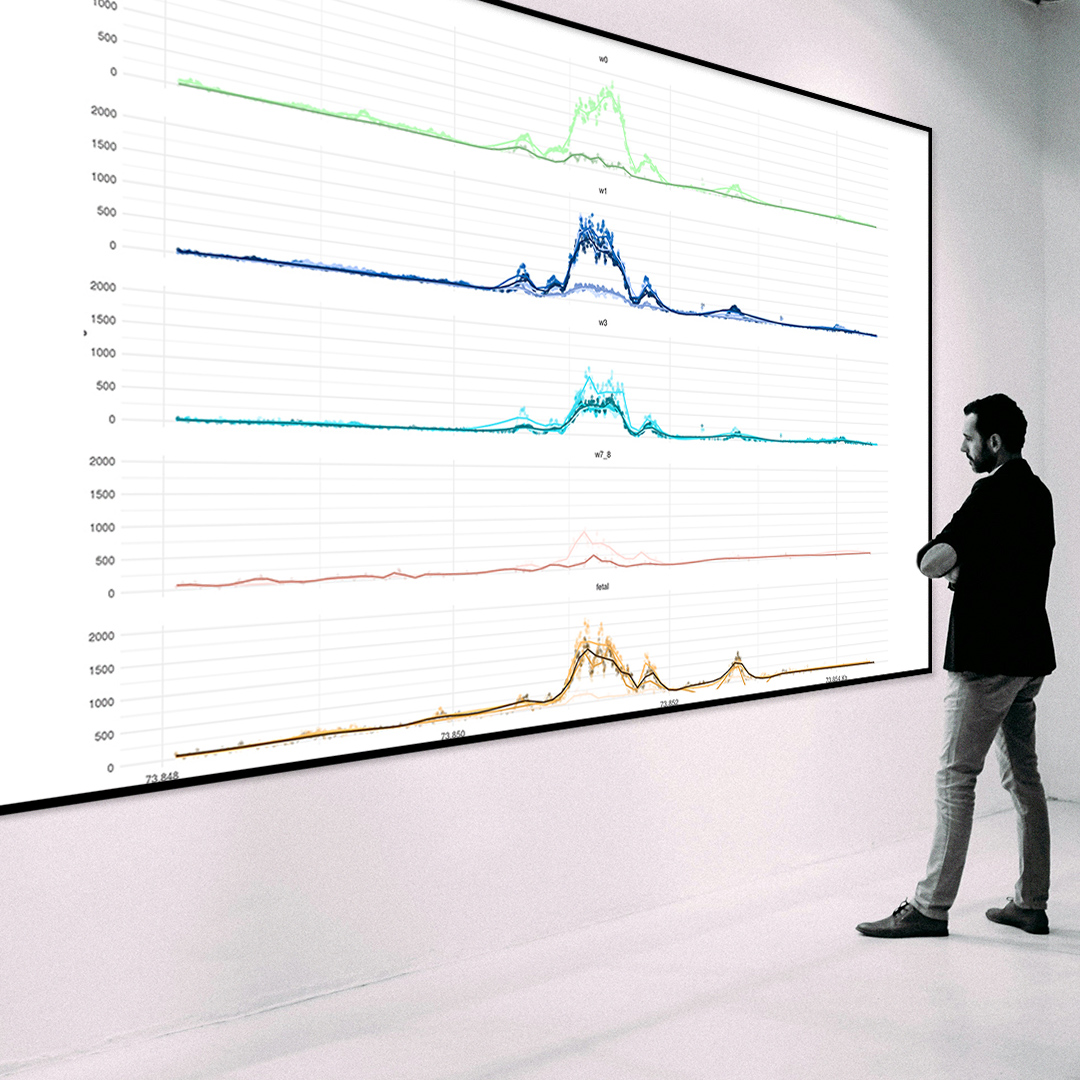
Peak calling from ATAC-seq dataset from hPGCLC cell
#Purpose of research:
To investigate epigenetic alterations during the development of #germcells cultured in vitro for extended periods
#Impact of research:
To give an understanding of germ cell developments in the aspect of #epigenetics.
reNEW research and #status:
Currently in analysis stage of the research
Credits:
Xuan Quy Nguyen, Research Technician, Anna Alemany lab, reNEW Leiden
@UCPH_Research @UCPH_health @novonordiskfond
1
131
14 Sep 2025
#ARTxSCIENCE2025
When #science meets art and reveals ongoing #stemcell research with the potential to transform the lives of people with so far incurable diseases. Help us find a winner by voting for your favorite here: lnkd.in/eaQ6bFVU
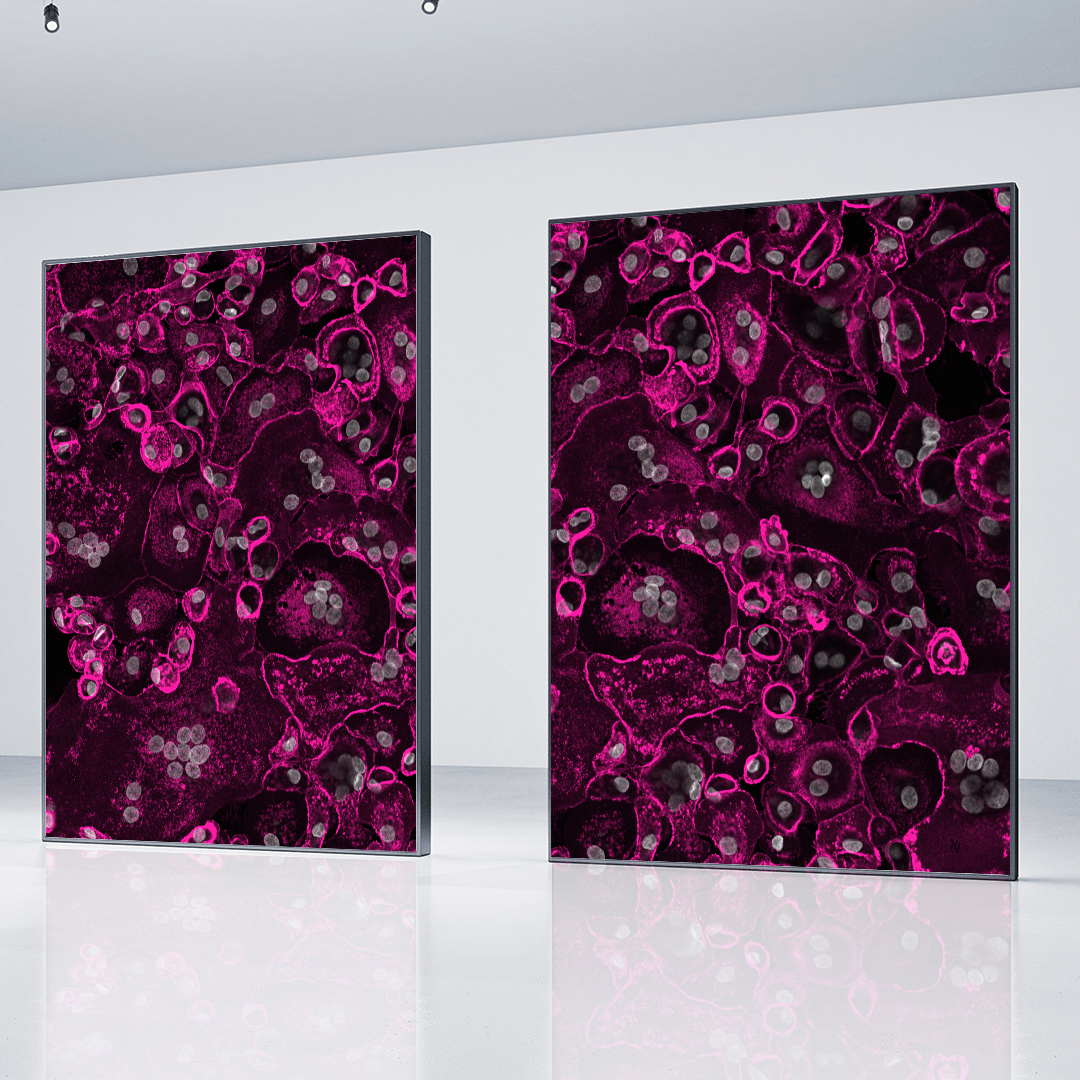
Proteus in Pink: Microglia, the Guardians of the Ageing #Brain
In Greek myth, Proteus, a shapeshifter protector god, grew weary with age becoming the “Old Man of the Sea”. Microglia, our brain’s shapeshifting immune guardians, act the same way; young cells shift form to defend and repair, but with age they falter, sometimes fusing into harmful forms. This decline fuels Parkinson’s disease, whose main risk factor is age. In our lab, we build an “ageing midbrain in a dish” to uncover its causes and test drugs that may slow its progression.
#Parkinson’s disease (PD) affects over 10 million people, with risk increasing steeply with age. It can reduce independence making daily tasks like walking or working increasingly difficult. Our team is developing an “ageing midbrain in a dish” that incorporates multiple PD environmental stressors, with aging as the most prominent factor. This model allows us to test drugs that restore function or protect cells, aiming to slow disease and improve quality of life.
We have aged human stem-cell-derived midbrain neurons, astrocytes, and microglia in vitro, exposing them to additional environmental stressors such as mitochondrial dysfunction and inflammation to mimic Parkinson’s pathology. We have established a viable model with all three cell types, and we are now preparing a functional drug screen, using dopamine production as the key readout.
Credits:
Dr Nina-Lydia Kazakou, PhD, Postdoc, Josefine Rågård Christiansen, PhD Student Agnete Kirkeby Lab, reNEW Copenhagen
@UCPH_Research @UCPH_health @novonordiskfond
1
2
510
14 Sep 2025
#ARTxSCIENCE2025
Discover the power of #stemcells through artistic expression and ongoing research. Help up find a winner and vote for your favorite: Https://lnkd.in/eaQ6bFVU
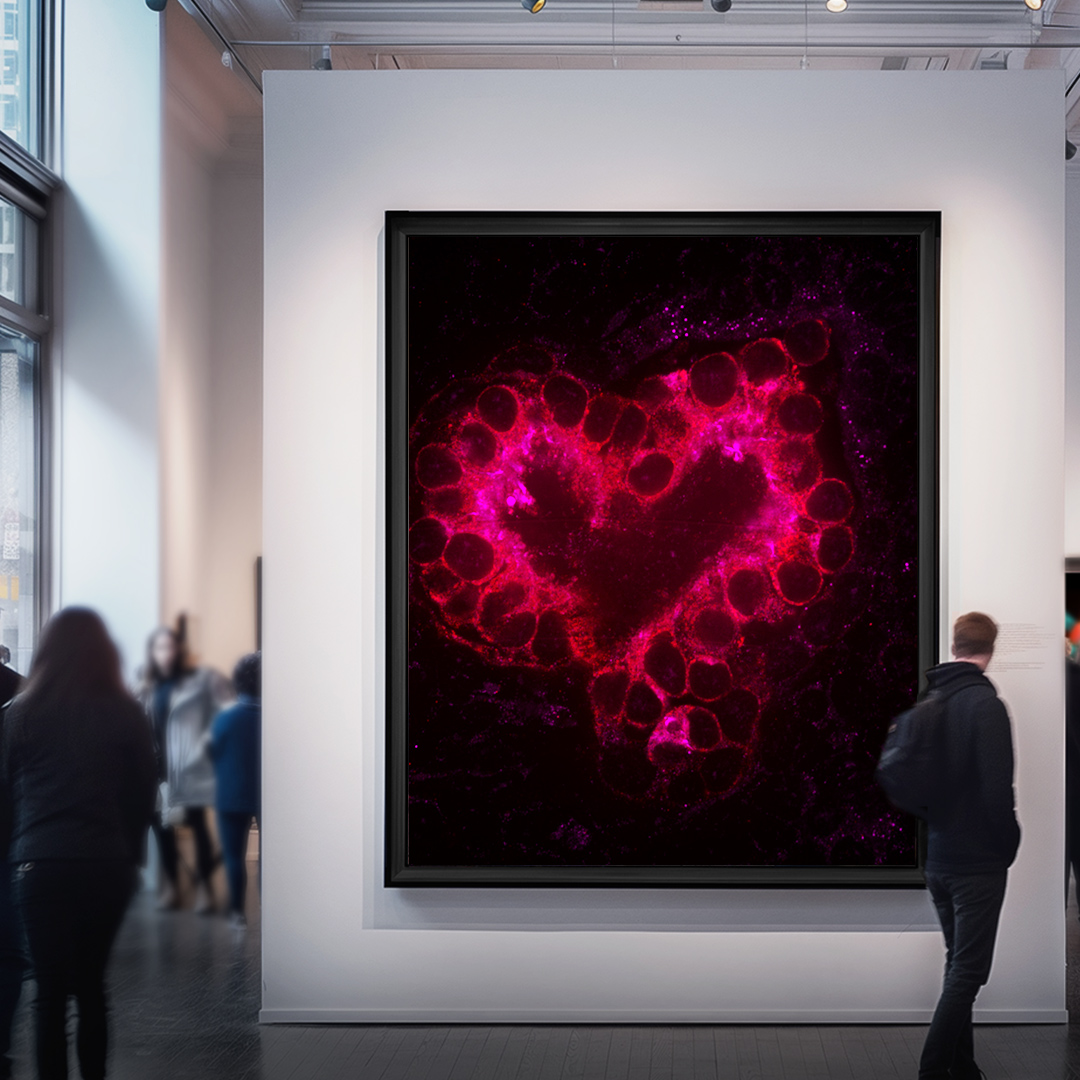
I ❤ Kidney
#Kidneys play essential roles in filtering blood and keeping the body healthy. In the Kidney Regeneration Group, we are creating #miniaturekidneys from #stemcells to improve our understanding of #kidneydiseases and develop new treatments.
Kidneys contain small structures called glomeruli which filter blood to remove waste. Genetic diseases can prevent glomeruli from properly filtering blood, so waste products begin to build up in the kidneys and the body, eventually leading to kidney failure. Currently there are no treatment options except for dialysis or kidney transplant. With our stem cell models of glomeruli, we are trying to develop alternative, less invasive approaches to treatment.
Using our stem cell models of kidney structures, we can successfully model genetic diseases that affect the glomeruli. We have treated these models with over 5000 compounds to identify potential drug treatments for genetic glomerular disease.
Credits:
Rachel Lam, Research Assistant, Little Lab, reNEW MCRI
@UCPH_Research @UCPH_health @novonordiskfond
2
121
14 Sep 2025
#ARTxSCIENCE2025
Discover the power of #stemcells through artistic expression and ongoing research. Help up find a winner and vote for your favorite:
lnkd.in/eaQ6bFVU
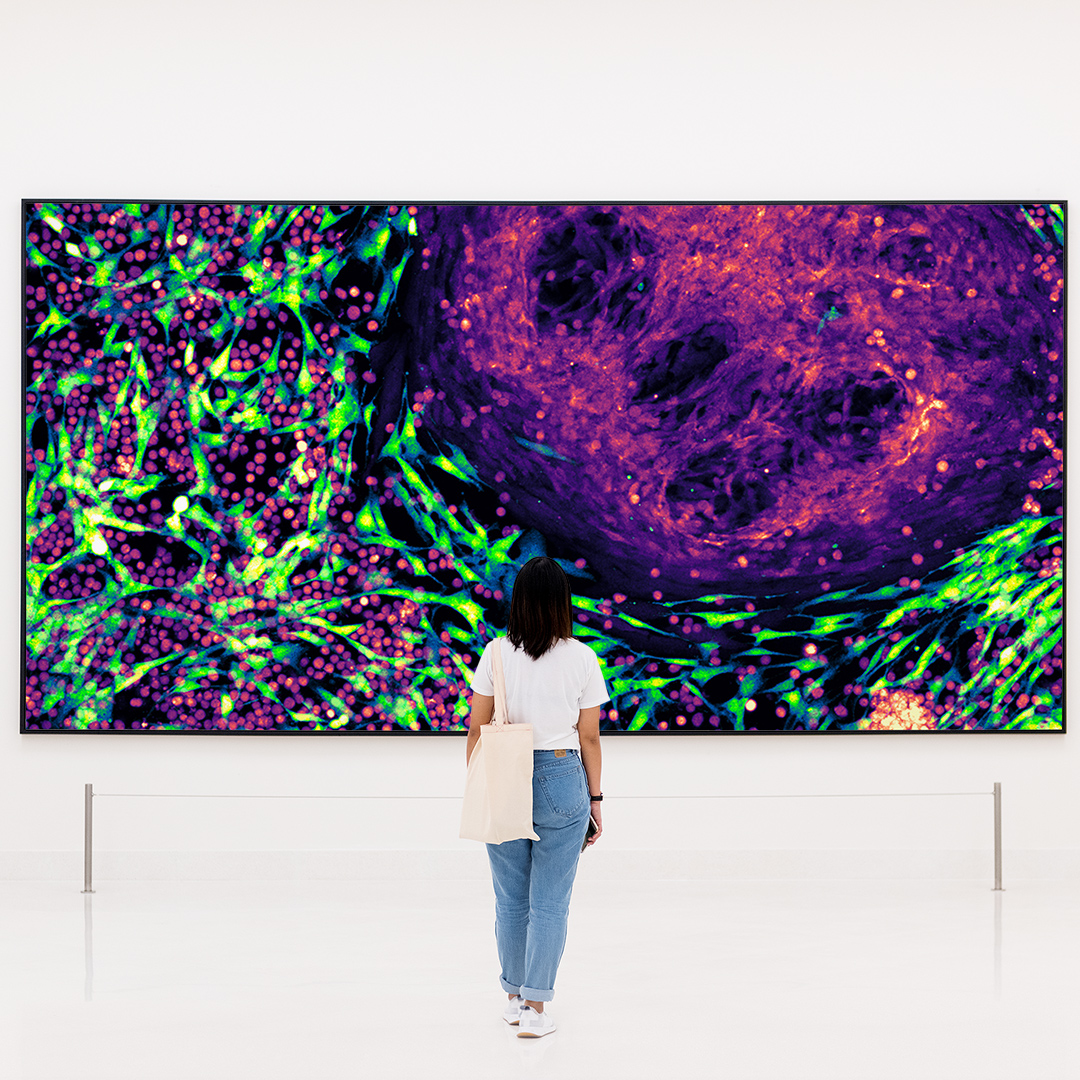
Finding your niche - A new home for blood stem cells
In our bodies, #bloodstemcells are found in the bone marrow which can be donated to patients in need of a #transplant. We can now make personalized blood stem cells in the laboratory, addressing donor shortage and mismatch issues in stem cell transplants. To further our research, we aim to recreate the bone marrow in a dish, where lab grown stem cells can live and mature.
The ability to recreate bone marrow in a dish is crucial to study how blood stem cells are able to live in our body for our whole lives. This would both serve as a model to study diseases like bone marrow failures, while providing an environment where lab grown blood stem cells can be housed before transplants. Ultimately, both avenues will help advance treatments for blood diseases.
In a world first, our laboratory has developed a method to generate blood stem cells from human donors. Further work focuses on improving the efficiency of blood stem cell generation, and understanding the functional maturation of these stem cells. By modelling the bone marrow niche in the dish, we can begin to uncover the maturation events between early embryonic period and birth.
Credits:
Ritika Saxena (I like RUNX1), PhD Student, @Elizabeth Ng, PI, @Andrew Elefanty/Ng labs, reNEW Melbourne
2
120
13 Sep 2025
#ARTxSCIENCE2025 - When #science meets art and reveals ongoing #stemcell research with the potential to transform the lives of people with so far incurable diseases. Help us find a winner by voting for your favorite here: lnkd.in/eaQ6bFVU
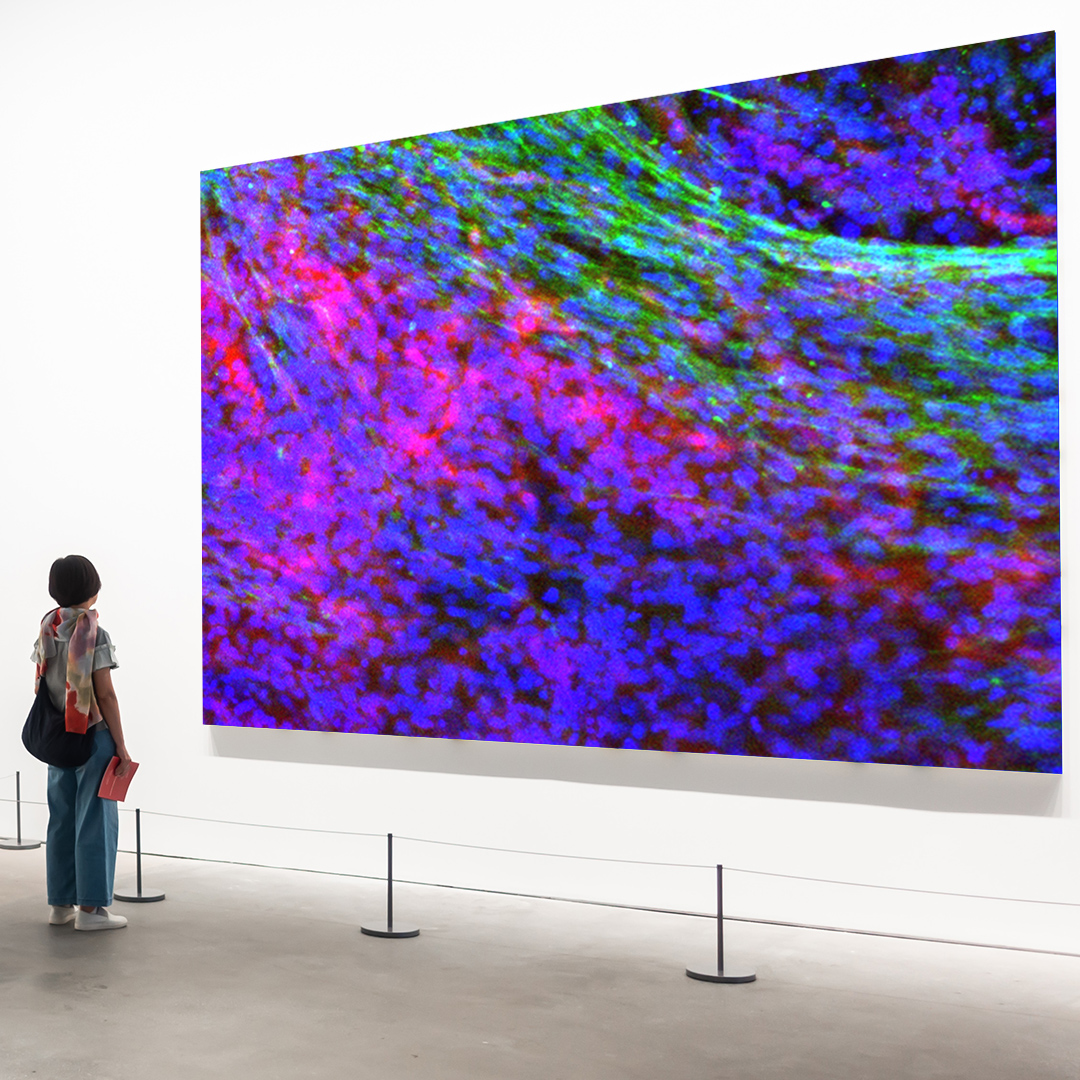
The Great (Smooth Muscle) Wave
#Breathingdifficulties in #asthma and chronic obstructive pulmonary disease (COPD) are partly driven by abnormal smooth muscle in the airways, which either contracts too strongly or undergoes lasting structural changes. Despite this, there are currently no treatments that reverses smooth muscle remodeling in these diseases. To study these processes in detail, this project aims to generate smooth muscle cells from induced pluripotent #stemcell (iPSC)-derived lung mesenchyme, providing a model to investigate disease mechanisms and explore new treatment strategies.
Asthma and #chronicobstructivepulmonarydisease (COPD) are among the most prevalent chronic respiratory diseases globally, affecting millions of individuals. In Australia alone, approximately 11% of the population live with asthma. Despite their widespread impact, current treatments primarily focus on managing symptoms and inflammation, with limited options targeting the underlying smooth muscle remodelling and dysfunction. This research aims to bridge that gap by developing smooth muscle cells from induced pluripotent stem cell (iPSC)-derived lung mesenchyme. Ultimately, this approach holds the potential to pave the way for more effective therapies that address the root causes of asthma and COPD, improving the quality of life for millions and reducing the associated healthcare burden.
Our team have optimized conditions for generating human iPSC-derived lung mesenchyme (iLM) in vitro. The differentiation process recapitulates key developmental milestones, guiding mesodermal lineage specification toward lateral plate mesoderm, followed by patterning into lung-specific mesenchymal progenitors.
Credits:
Patrick Law, Research Assistant, Rhiannon Werder Lab, reNEW Melbourne
1
2
154