
Joined July 2012
- Tweets 7,647
- Following 1,923
- Followers 5,715
- Likes 24,723
2,330 Photos and videos










Pinned Tweet
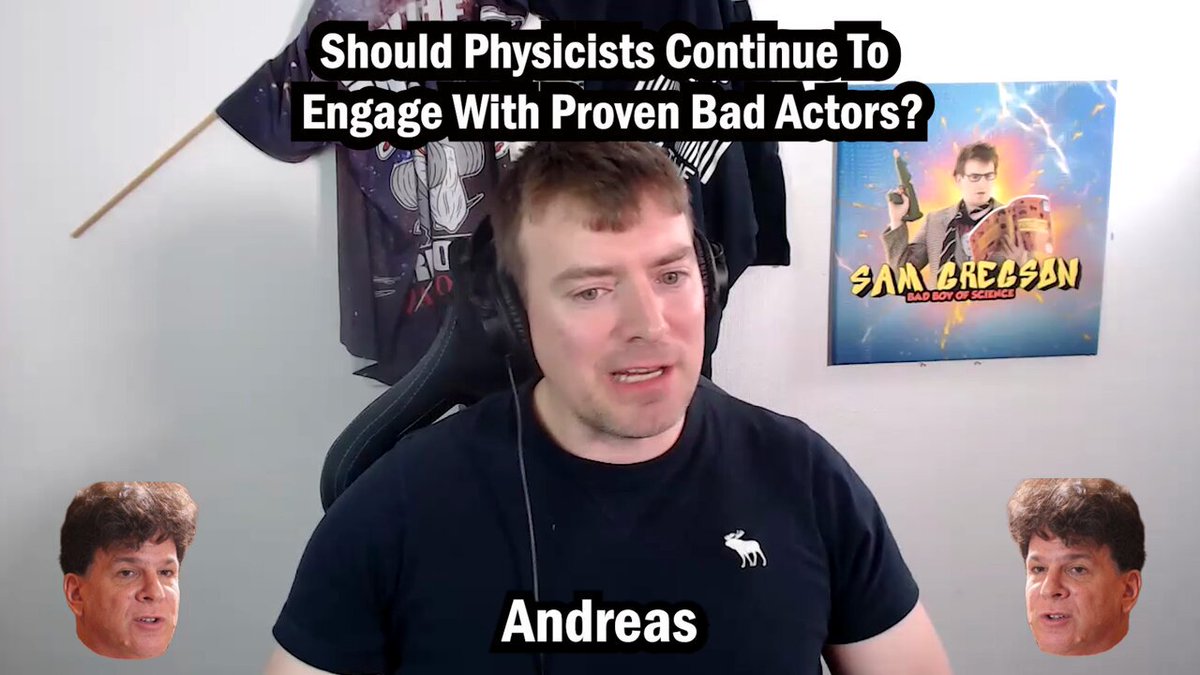
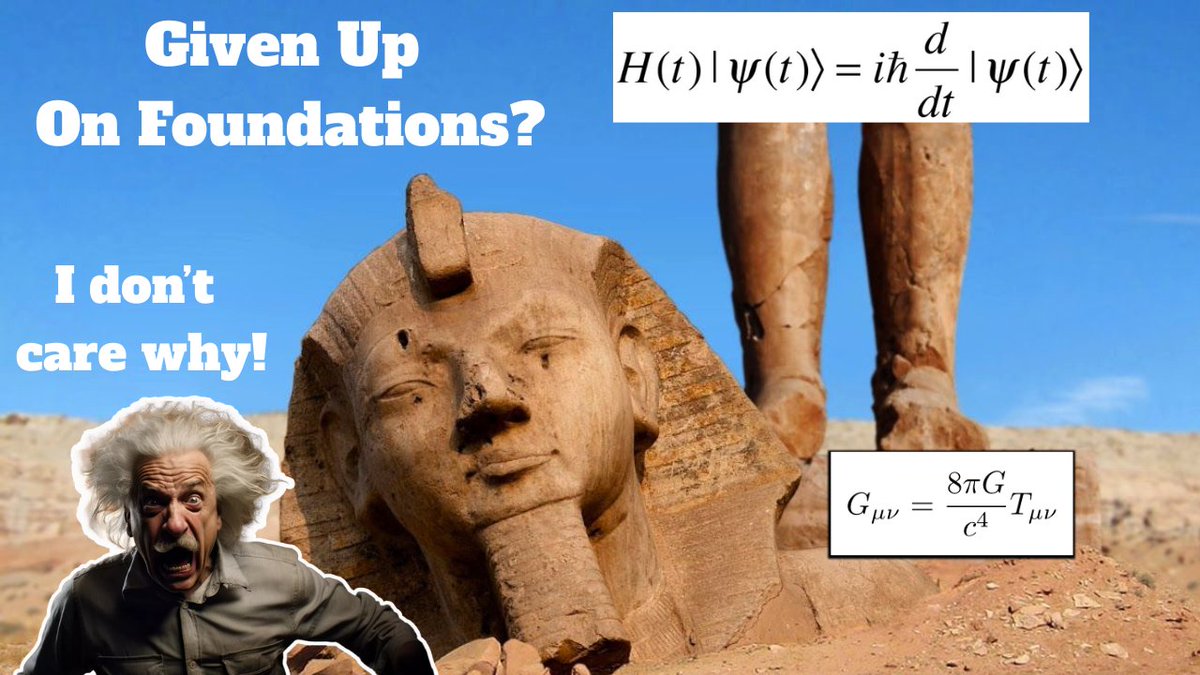
Debunking more terrible physics with @Liv_Lanes and @TimHenke9.
Today we ask: why do so many contrarian sci influencers link their problems with sci to wider civilisational collapse?
Are scientists endangering us all by ignoring the "foundations"?
Link: youtube.com/watch?v=J7lLXwDU…
3
2
12
1,227
Sam Gregson retweeted
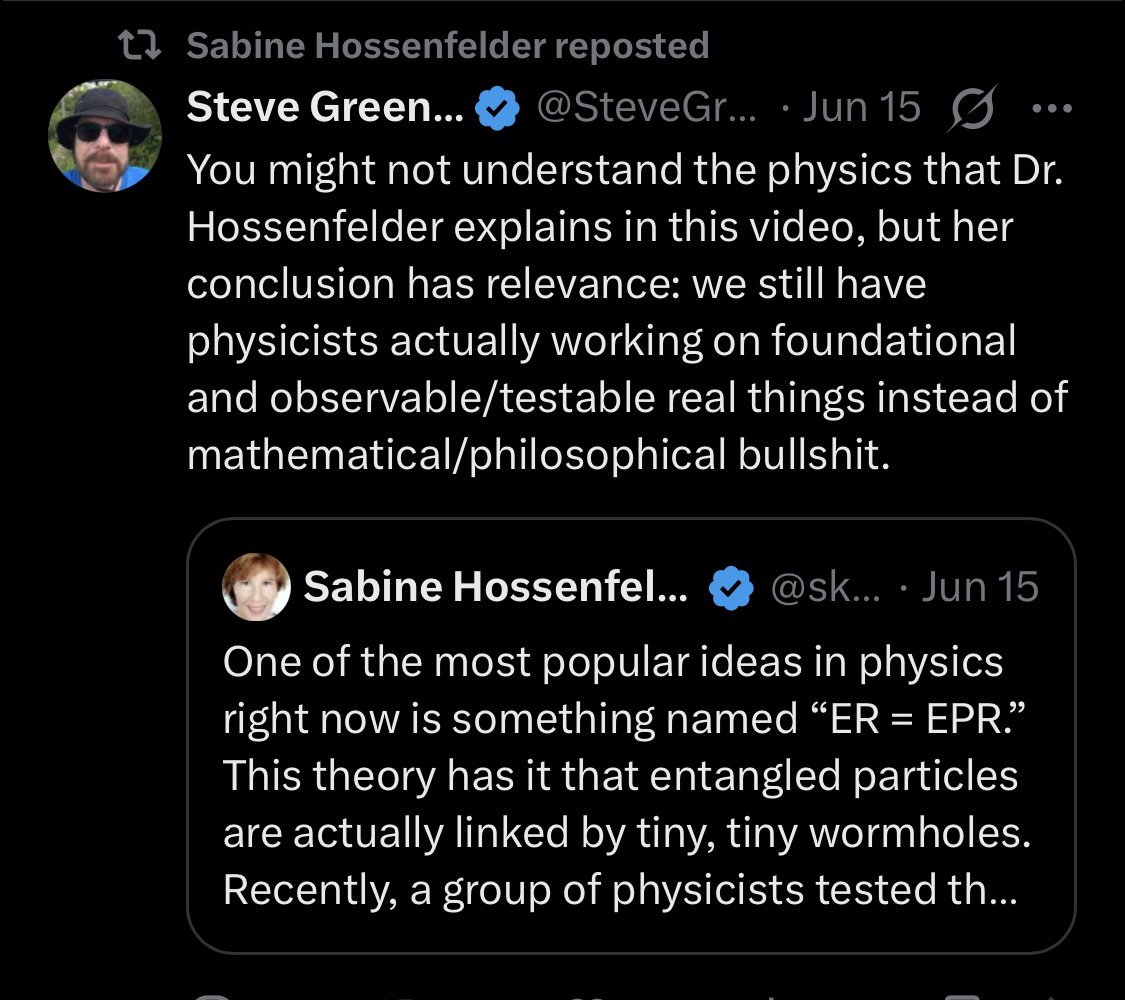
I can’t believe I have to say this
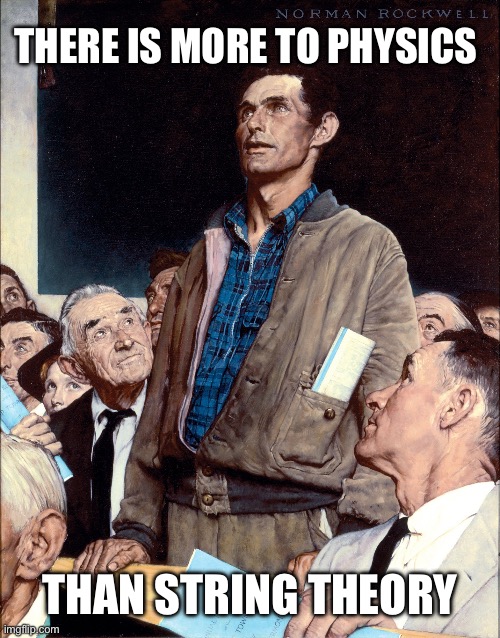

somebody tell physicists in condensed matter, atomic and molecular, astrophysics, cosmology, particle physics, …that the only people working on “observable/testable things” are
… testing ER=EPR???
3
4
33
1,102

Sam Gregson retweeted

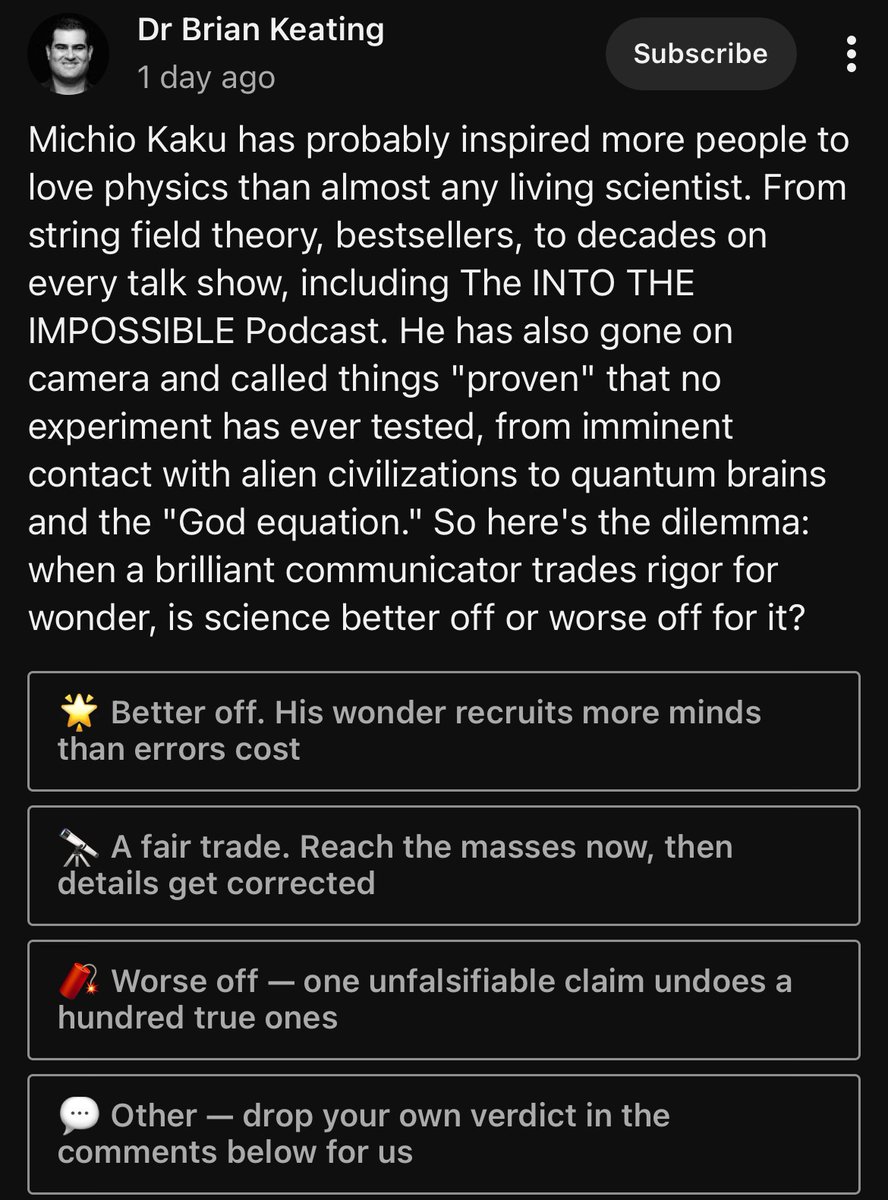
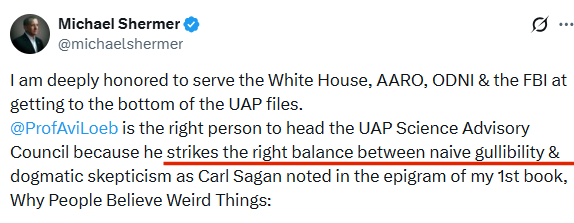
A backhanded compliment f'sure. Loeb tried to get us to believe a rock in space was an alien space ship and crap at the bottom of the ocean was bits of alien stuff.
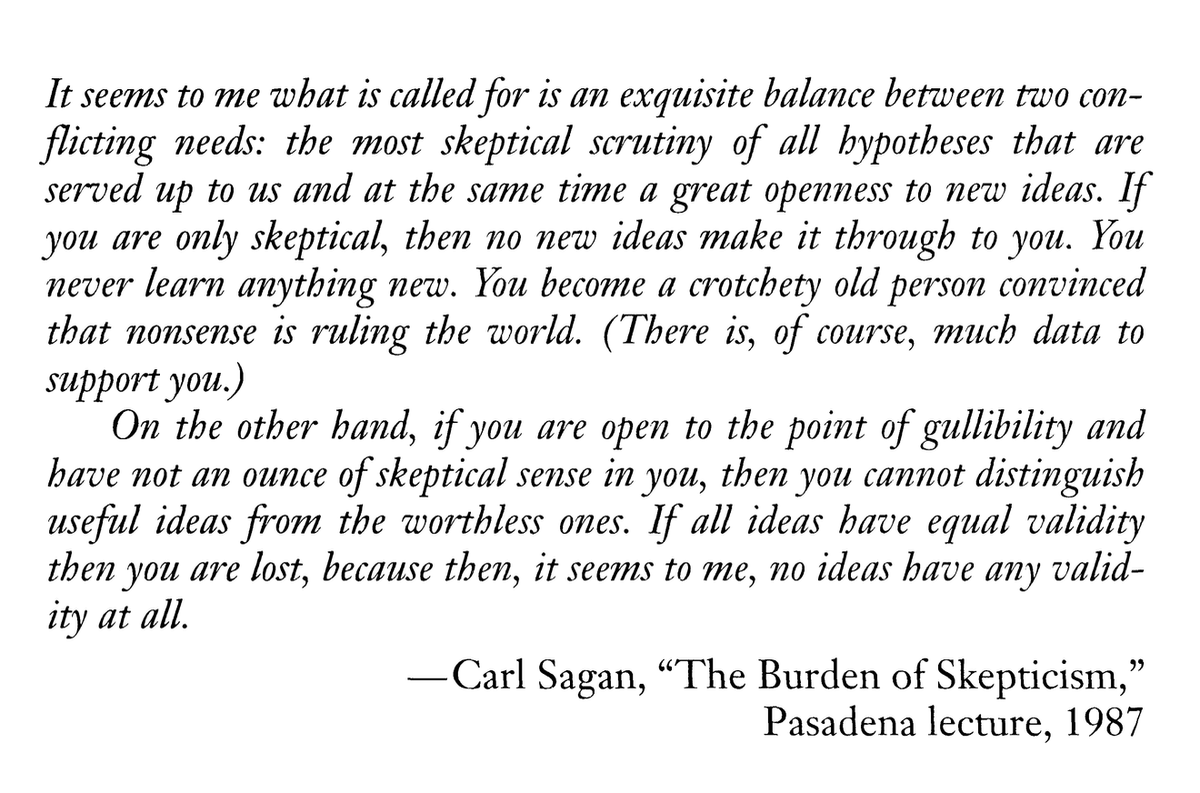
There is literally no downside to dogmatic skepticism, and Sagan would agree.
No "balance" required.
Jun 15

I am deeply honored to serve the White House, AARO, ODNI & the FBI at getting to the bottom of the UAP files.
@ProfAviLoeb is the right person to head the UAP Science Advisory Council because he strikes the right balance between naive gullibility & dogmatic skepticism as Carl Sagan noted in the epigram of my 1st book, Why People Believe Weird Things:
3
2
13
578
Sam Gregson retweeted
Clip from our breakdown of Eric Weinstein's latest cluless and self interested JRE assault on physics.
Why do serious scientists continue to engage EW in good faith, when he demonstrates that he acts in anything but?
Clip: youtube.com/shorts/0vDALac9z…
Full: youtube.com/watch?v=kcx4Wr_-…
2
9
305
Debunking more terrible physics with @Hassaan_PHY and Christian Ferko.
This time we dive into Eric Weinstein's latest laundry list of imagined grievances and tired conspiracy theories on the Joe Rogan podcast.
Sadly, someone has to...
Link: youtube.com/watch?v=kcx4Wr_-…
2
9
27
972
Clip from our breakdown of Eric Weinstein's latest cluless and self interested JRE assault on physics.
Why do serious scientists continue to engage EW in good faith, when he demonstrates that he acts in anything but?
Clip: youtube.com/shorts/0vDALac9z…
Full: youtube.com/watch?v=kcx4Wr_-…
2
9
305
Sam Gregson retweeted
Debunking more terrible physics with @Hassaan_PHY and Christian Ferko.
This time we dive into Eric Weinstein's latest laundry list of imagined grievances and tired conspiracy theories on the Joe Rogan podcast.
Sadly, someone has to...
Link: youtube.com/watch?v=kcx4Wr_-…
2
9
27
972
Sam Gregson retweeted

The renowned physicist on the lack of public support for political interference in science
spklr.io/6019E3lXf
4
11
17
4,613
Sam Gregson retweeted

Hey Stargate fans! I will be taking part in the Tweet storm tomorrow (Tuesday 6/16) at 10:30am PT/ 1:30pm ET) #SaveStargate
I signed the petition! change.org/p/save-stargate-w…
Thanks @rachel_luttrell for the shoutout and alert. I will be here for it! 👍🏼
152
709
3,018
58,688
Sam Gregson retweeted

Jun 15
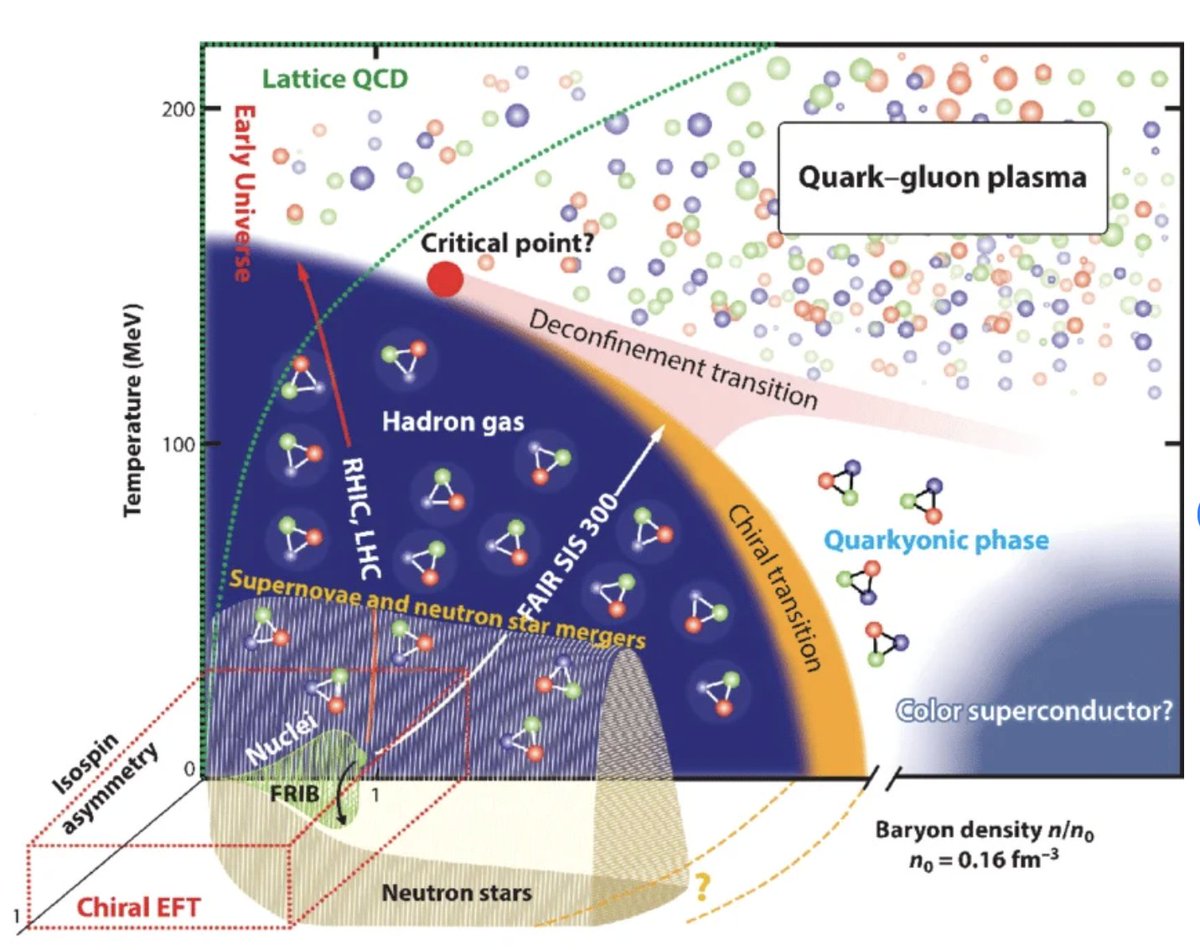
Phase transitions can be heuristically understood as moments when physics changes its effective language. In chemistry, changes of phase are often explained as different structures of the same molecules: gas, liquid, solid. But this is a far to limited view.
A ferromagnet remains a solid across the Curie transition, but its physics changes completely. QCD and electroweak theory undergo a change of phase in a plasma where there are no atoms at all. In QCD, the language of quarks and gluons gives way to the language of protons, neutrons, and pions. In the electroweak phase transition, the Higgs field changes the language of particles and forces. In superconductivity, the language changes from ordinary electrons scattering through a metal to a collective quantum condensate
These changes in physics language are as radical as the shift from the hydrodynamic laws describign a liquid to the elastic laws of a solid
19
42
320
21,636

Jun 15
We’re assembling a team of the worst and most credulous people out there.
Would you like to join?
Jun 15
I am deeply honored to serve the White House, AARO, ODNI & the FBI at getting to the bottom of the UAP files.
@ProfAviLoeb is the right person to head the UAP Science Advisory Council because he strikes the right balance between naive gullibility & dogmatic skepticism as Carl Sagan noted in the epigram of my 1st book, Why People Believe Weird Things:
7
4
34
1,883
Sam Gregson retweeted

Jun 13
By conservative estimates Elon Musk probably killed hundreds of thousands by taking a chainsaw to global health programs. He’s not a visionary, he’s a dimwit and a monster.
Jun 13

If I cure cancer I will get very rich. And a bunch of people on this site will apparently find my sudden wealth outrageous.
870
1,985
21,135
356,919
Jun 13
We live in the stupidest timeline:
x.com/ProfAviLoeb/status/206…
Jun 13

Important Announcement: I Will Be Leading A UAP Science Advisory Council to the U.S. Government
16
3
76
4,350
Sam Gregson retweeted

Jun 13
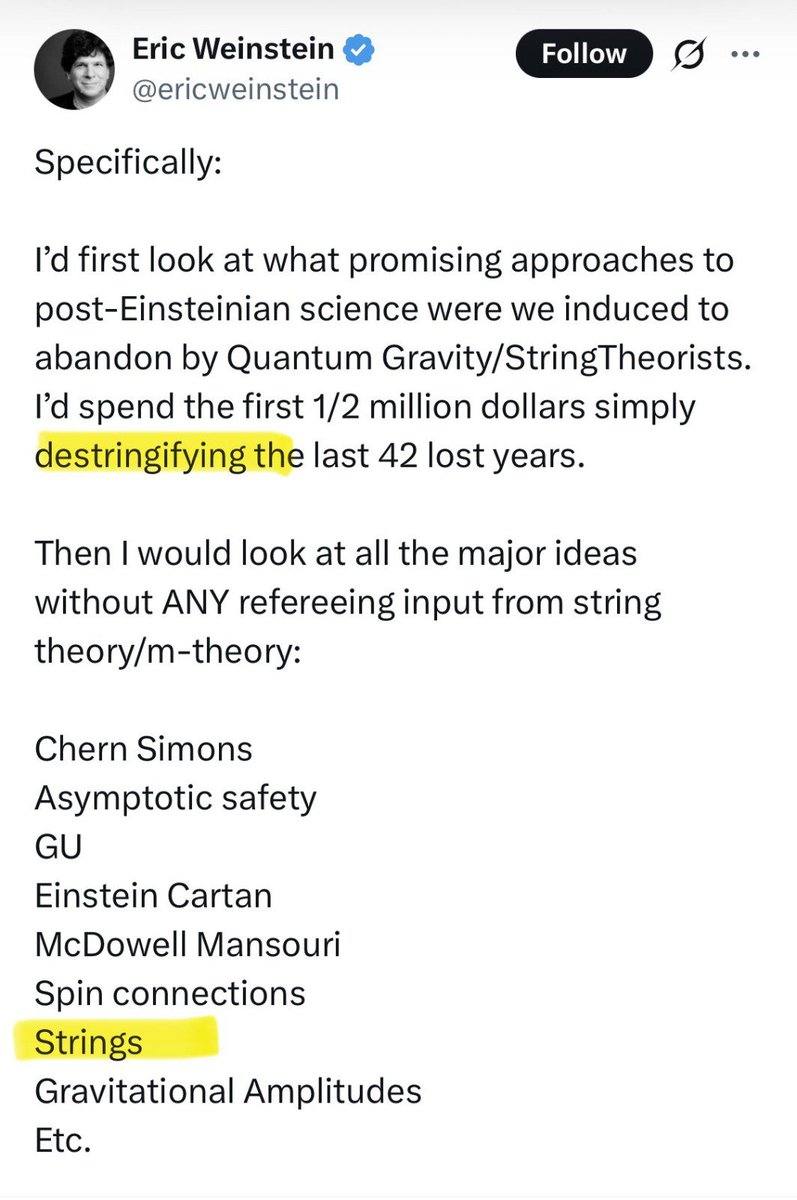
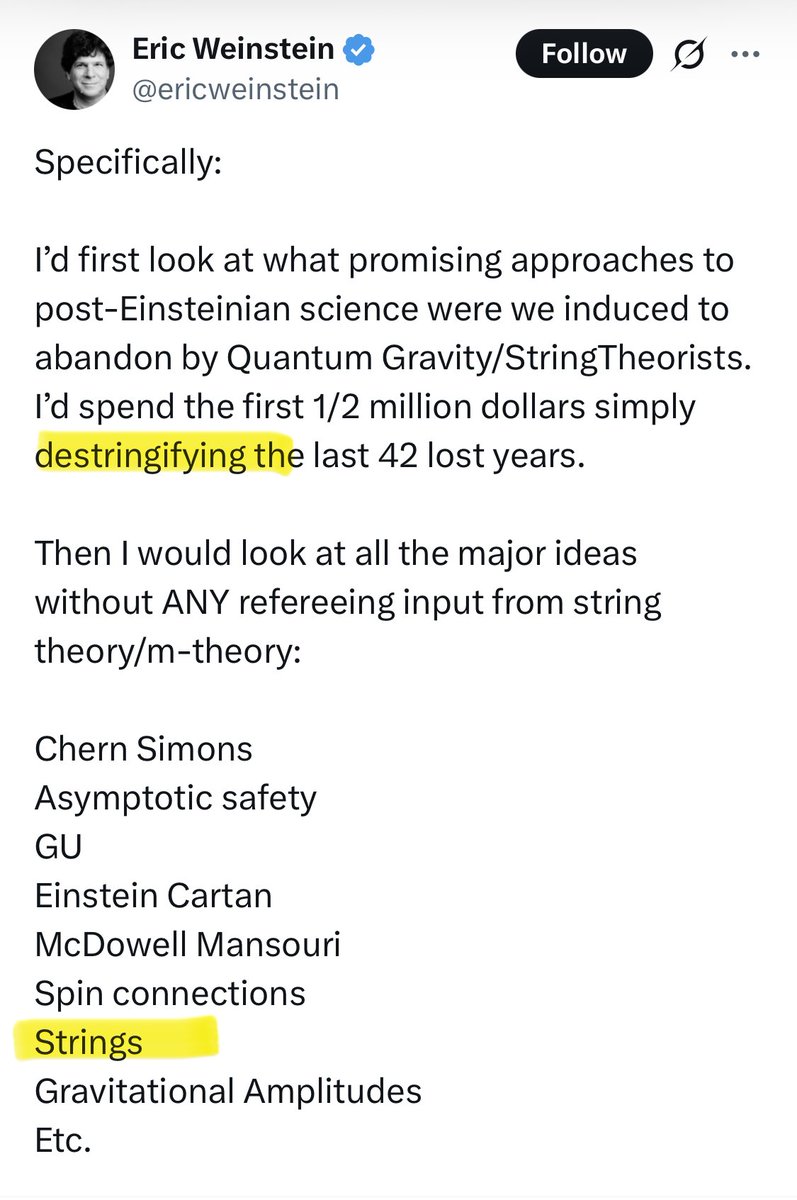
Bro snuck GU under "major post-Einsteinian ideas" like wouldn't notice
8
2
37
4,084
Sam Gregson retweeted

Jun 13
the list isn’t even a list of quantum gravity theories. “Spin connection”? “Chern-Simons”? These are master‘s level physics concepts
2
1
30
984
Sam Gregson retweeted
Jun 13
Anti-string crackpots are literally mentally damaged
10
2
68
7,922
