Poet, Rhetor, Dialogist. Author of twelve books. National Poetry Series. Best Experimental Poetry. New Orleans Poetry Festival. United Steelworkers.
Joined March 2019
- Tweets 1,903
- Following 786
- Followers 1,161
- Likes 4,891
94 Photos and videos

Pinned Tweet

6 Oct 2025
Dear Friends!
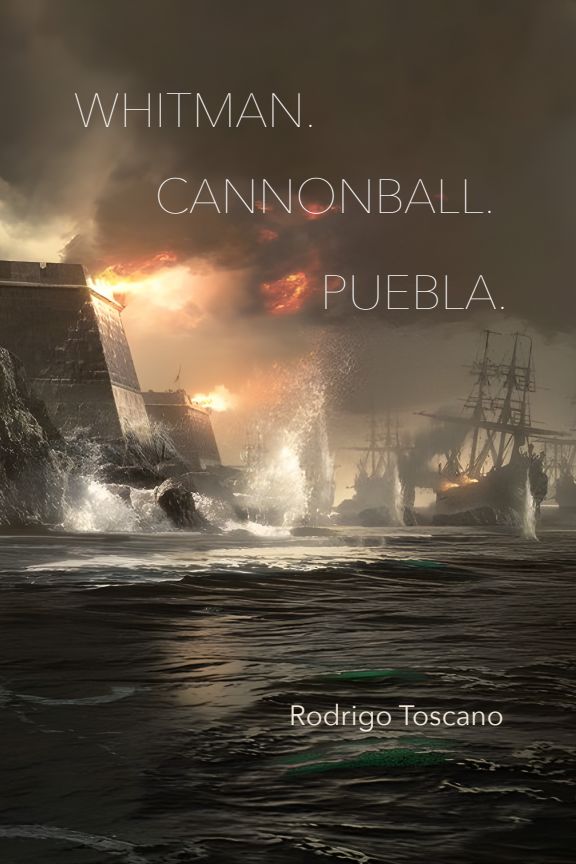
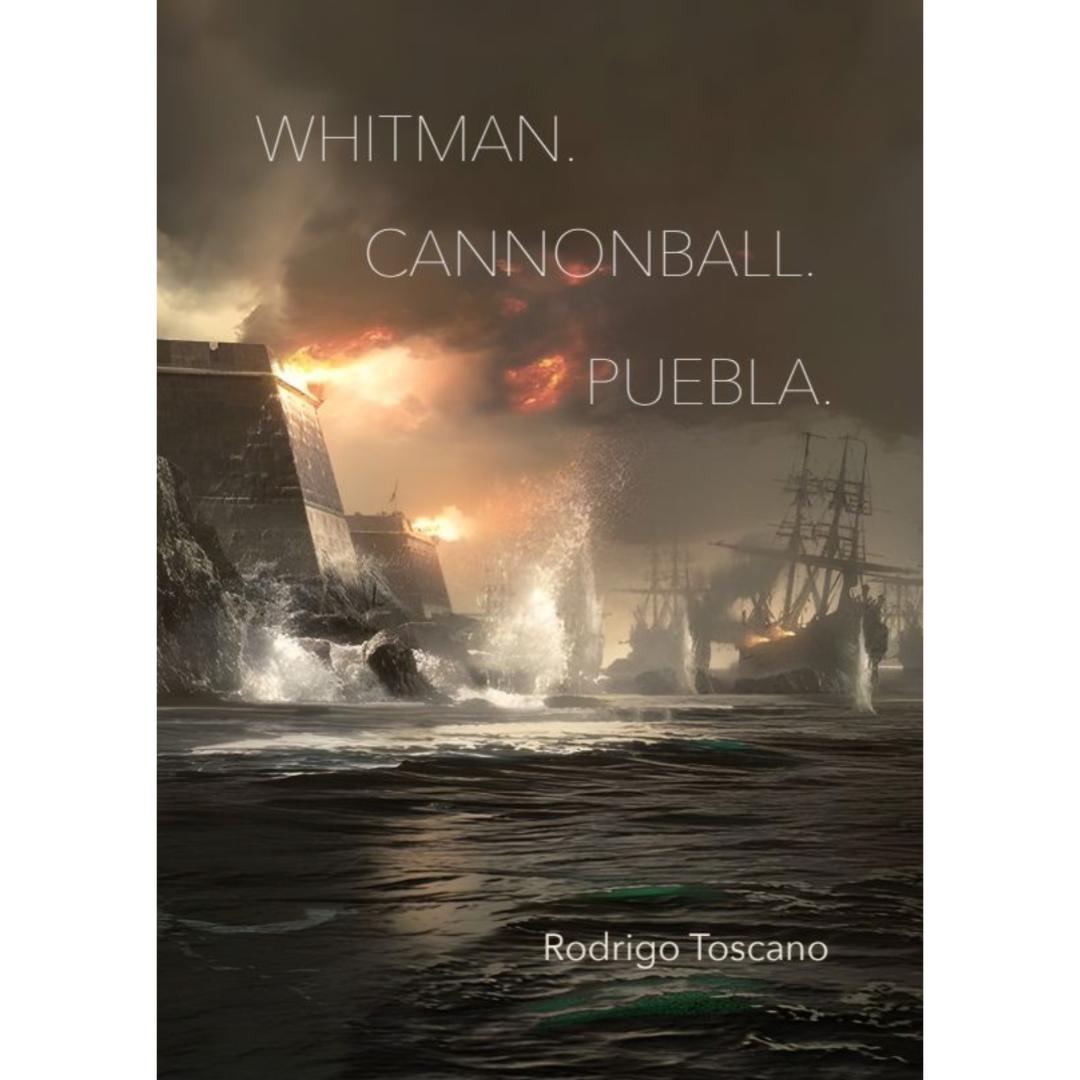
My newest book is now available from Omnidawn Books. The book is written in Late Classical Toscanoese. Several discerning, freaked out, culturally hopeful people have noted the texts are reasonably intelligible to readers proficient in Late Empire American English.
press.uchicago.edu/ucp/books…
*
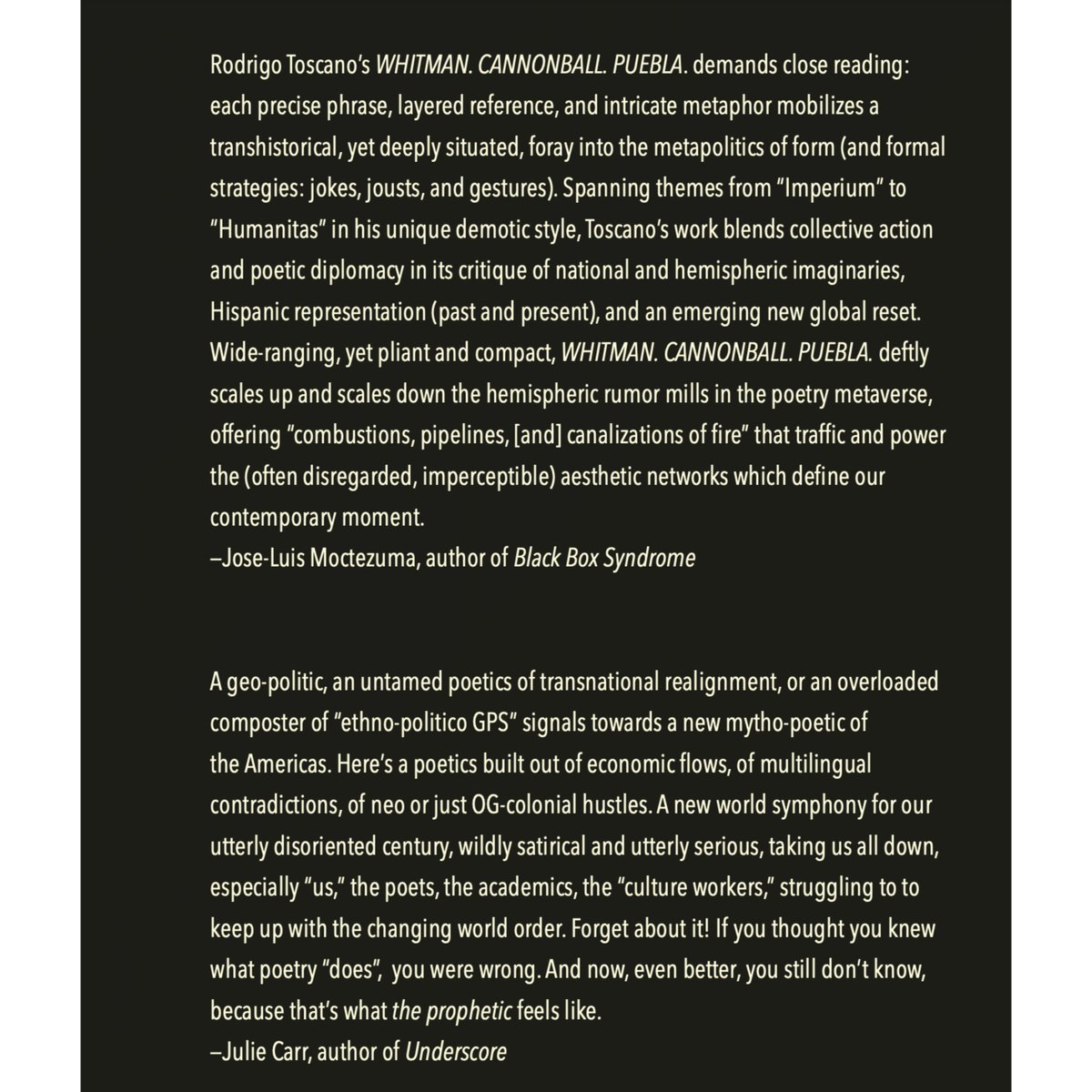
WHITMAN. CANNONBALL. PUEBLA. is a collection of poetic fables that aim to engage the emerging field of Globo-Poetics through Hispano-Americano lenses. Given the current global crises between civilizational states, and the generalized cultural destabilization manifesting across mass popular culture and the domain of literature itself. WHITMAN. CANNONBALL. PUEBLA. was
written with the aim of invigorating a deep conversation about how the United States might be able to adapt to a wider hemispheric consciousness, where the Anglo-Capitalist outlook is tempered if not subsumed by a Greater Americas “Salamanca Humanism”, which was the basis for the 1948 United Nations declaration of Universal Declaration of Human Rights.
The book is divided into four sections: MAIORIS HISPANIAE, a set of ten unapologetically assertive political poems that develop the idea of a Greater Americas as hinging on a hard negotiation between Anglo and Hispano values and interests towards a higher resolution. IMPERIUM, nine explorative poems that engage the dimensions of a catastrophic Anglo-American imperialism (simultaneously in resurgence and decline) across continents. HUMANITAS, nine early Post-Empire fables meant to instill a stoic, yet cheery intellectual disposition in the midst of crises. ARTIFICIA NATIONALIS (“National Artifacts”), ten Late-Empire quirky allegories on the historical consciousness of a media over-saturated people who live addled yet fundamentally earnest lives.
3
6
21
24,769
Jun 2
For years, waking up at sunrise to tinker with verses before the day's hectoring demands. Here's "National Nook" and "Realism" from the upcoming book, Salvage Nation: 100 Sonnets (Winter Editions, fall 2026).
nwreview.org/articles/nation…
nwreview.org/articles/realis…
1
4
91
Apr 25
"Routines" and "Novella 14". All of the 100 sonnets I wrote last year (in 100 days) were written between 5:00 a.m. and 6:00 a.m. That is, before "the world" and its "news" came crashing in, before the demands of my job highjacked my imagination.
thegoodlifereview.com/issue-…
2
1
2
126
Apr 23
Indulging a randy curiosity for all sorts of phenomenon (seen and unseen) is also part of a thoroughgoing political poetics. Here's "Factoids" from "Salvage Nation: 100 Sonnets" (Winter Editions, fall 2026).
sixthfinch.com/toscano2.html…
1
58
Apr 22
Here's "Freak Flag" - on-line. I kind of imagined it as being found scribbled on a beer coaster at a quiet bar counter at 3:00 p.m. on a Sunday - or engraved on a bronze placard in the rotunda of a stately capitol.
corporeallitmag.com/volume-x…
1
65
Apr 21
Here's a one-thought flow-through sonnet on the need for a mass working class party.
antiphonyajournalandpress.co…
1
1
72
Apr 18
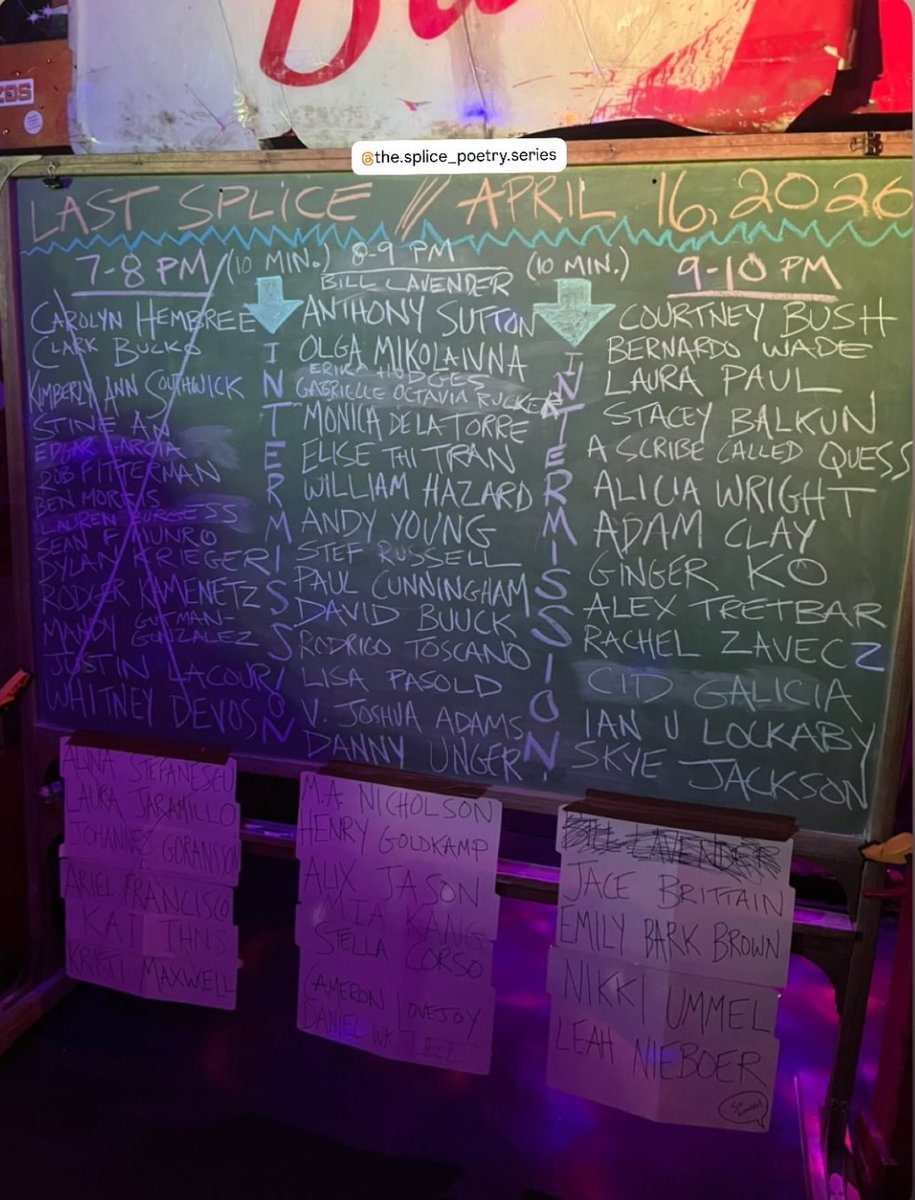
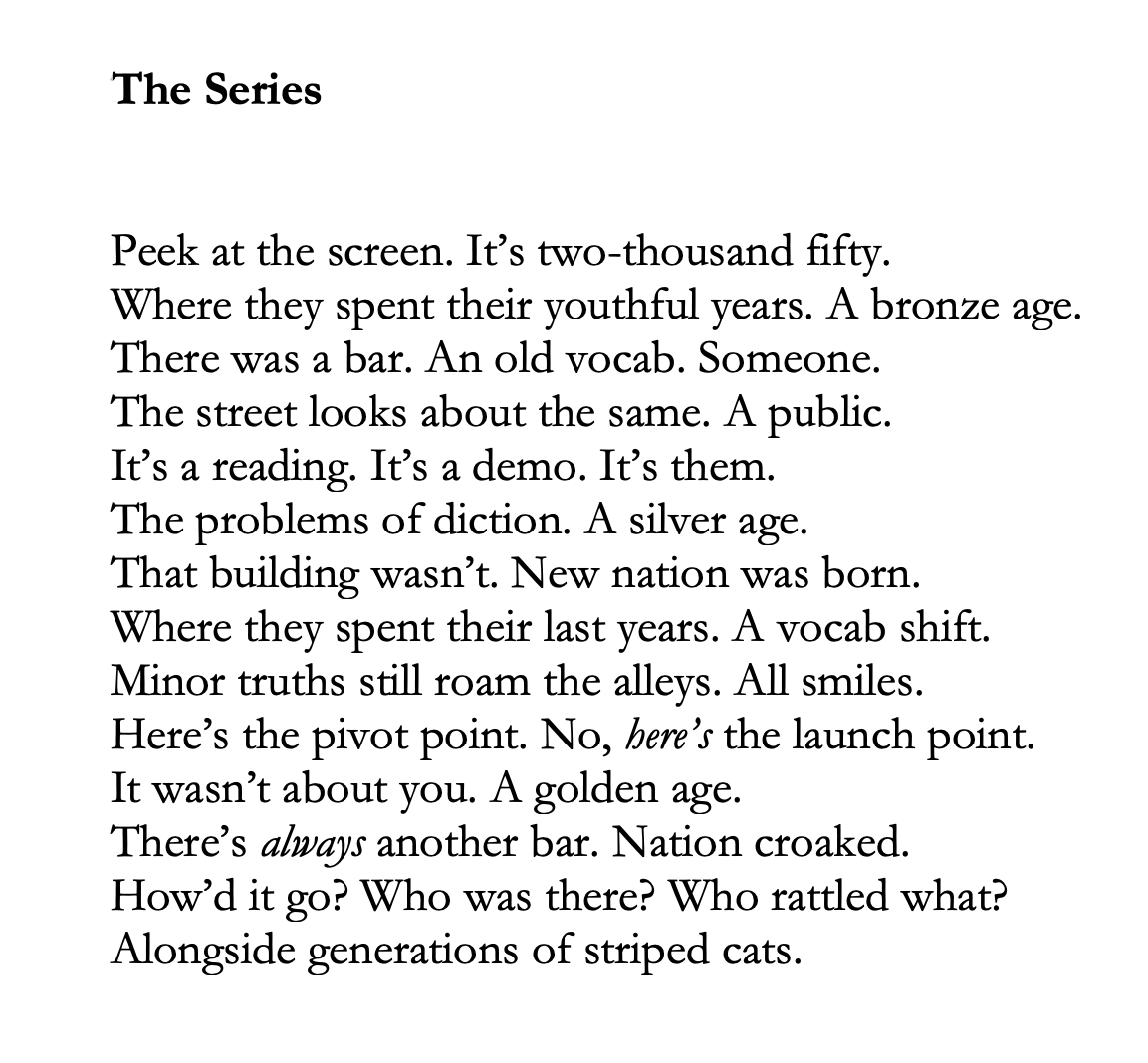
Thursday night, the final edition of The Splice Reading Series at the New Orleans Poetry Festival. Every year more poets are moving to New Orleans Join us! Here's the sonnet I read "The Series".
1
5
300
Apr 11
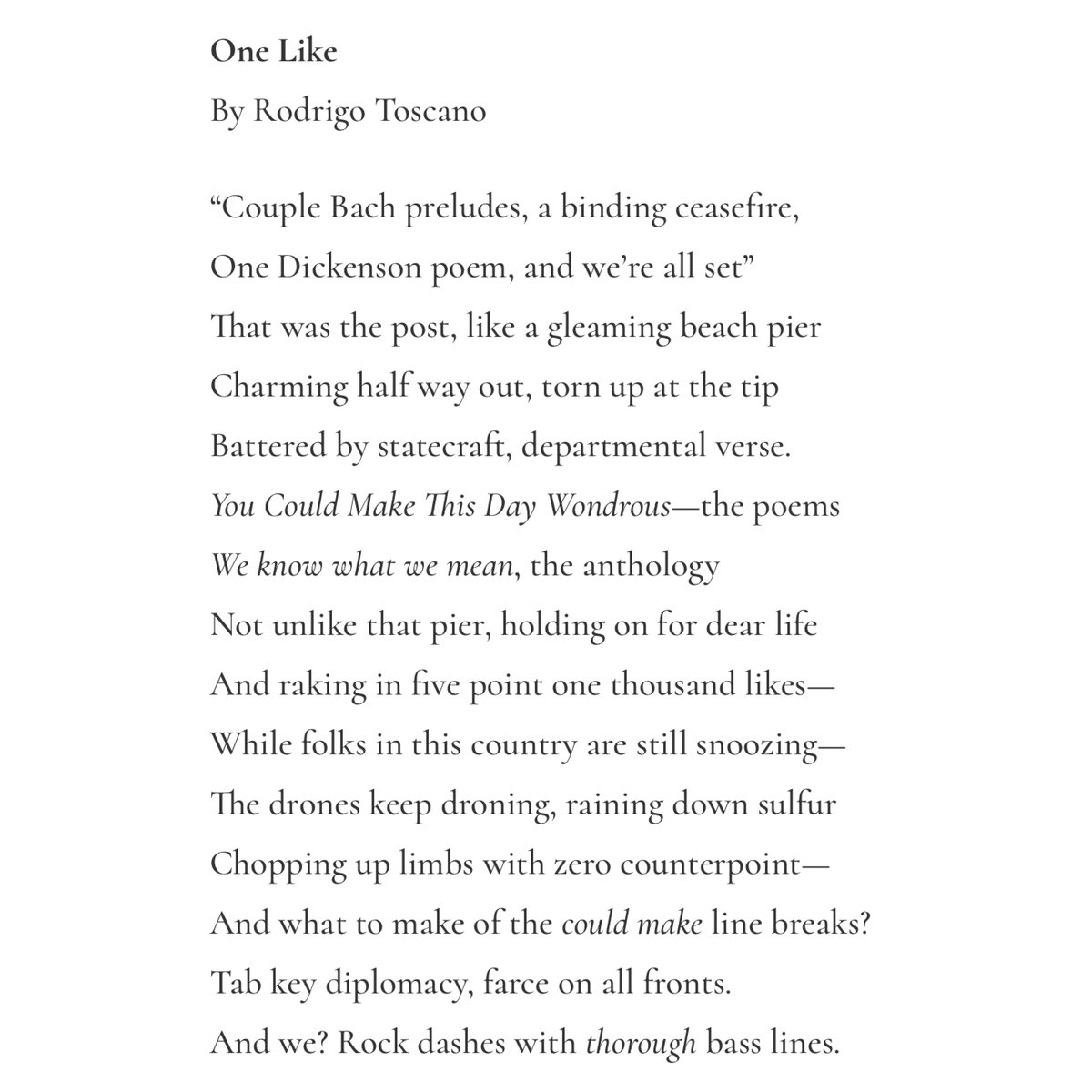
No Likes is not enough. "One Like" is plenty. Two Likes or more is just an incentive to get back to a One Like mentality.
1
6
102
Apr 9
Happy to share "Earthly Mood" "Xanadu" "Aliens 8" all from the fourth section ("Working The Quirk") of Salvage Nation: 100 Sonnets. Thank you so much, Bethh!
readbethh.org/toscano
2
82
Apr 6
Working with syllabics can be quite liberating. For one, the delusion of finding the-one-eternally-correct word or phrase falls away. Second, there's an endless number of compromises to wrangle with to make sense. Same as writing "without constraints".
thepillmag.com/issue.iii/rod…
1
6
143
Apr 4
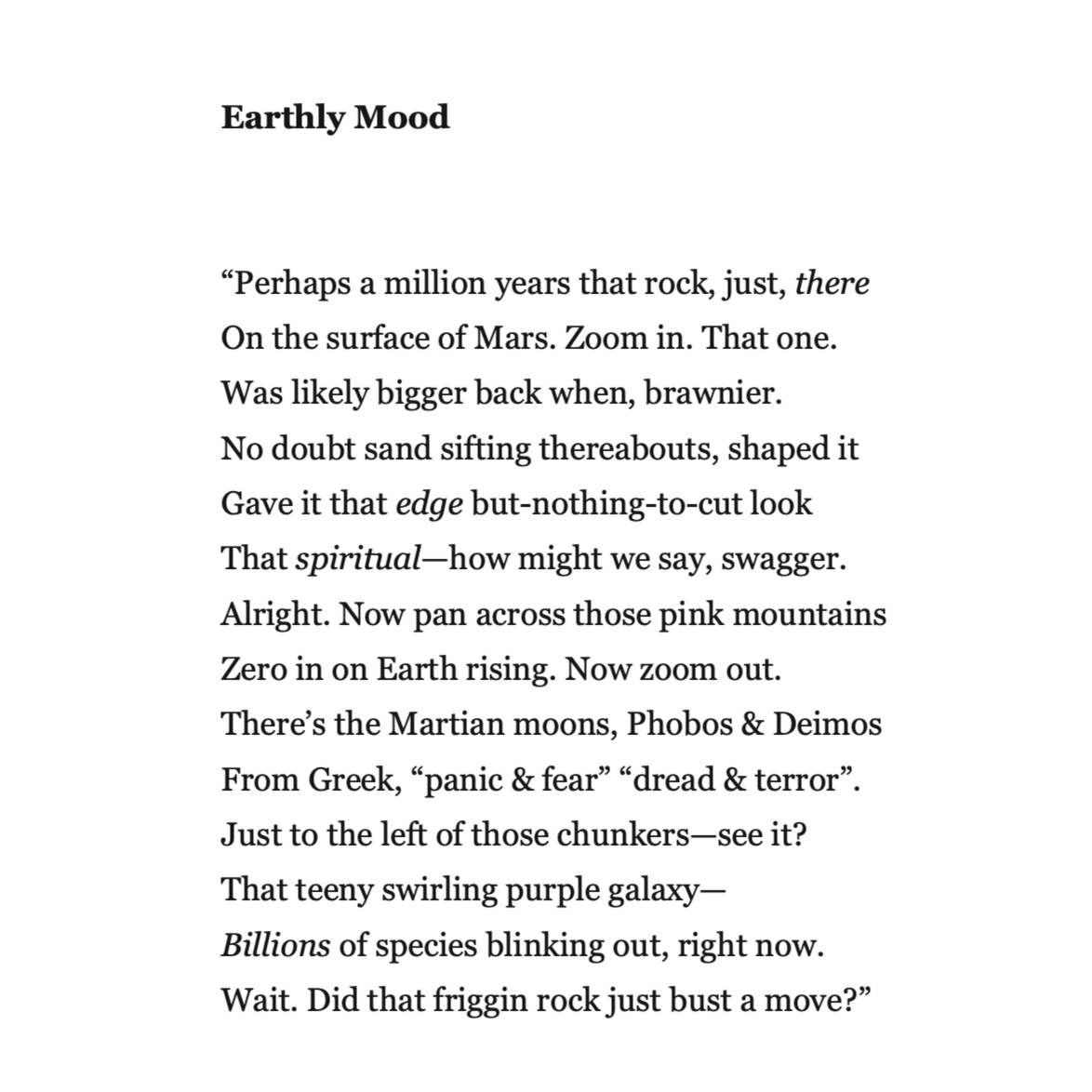
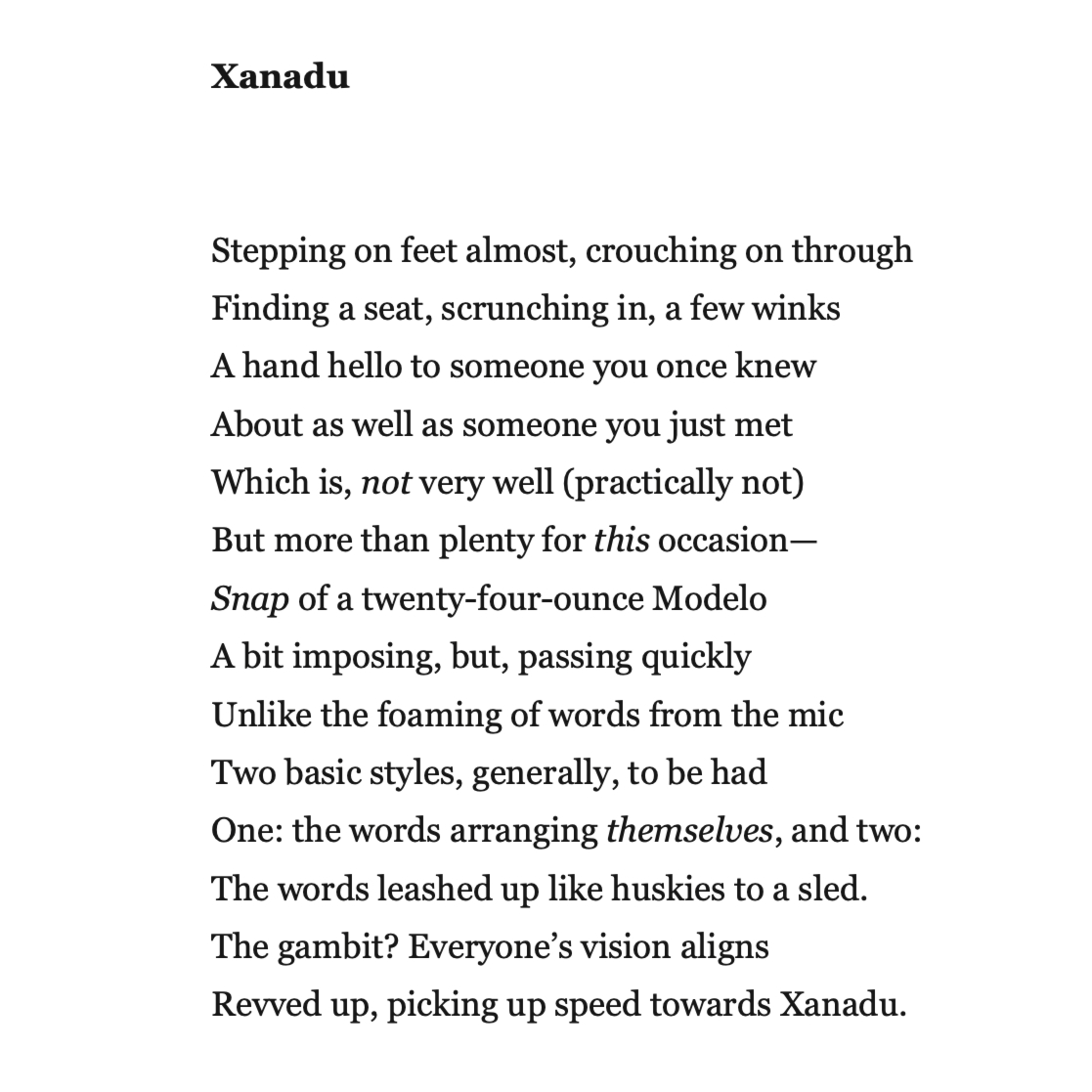
Thanks so much to Bethh for publishing "Early Mood" and "Xanadu" from my upcoming Salvage Nation: 100 Sonnets.
1
87
Apr 2
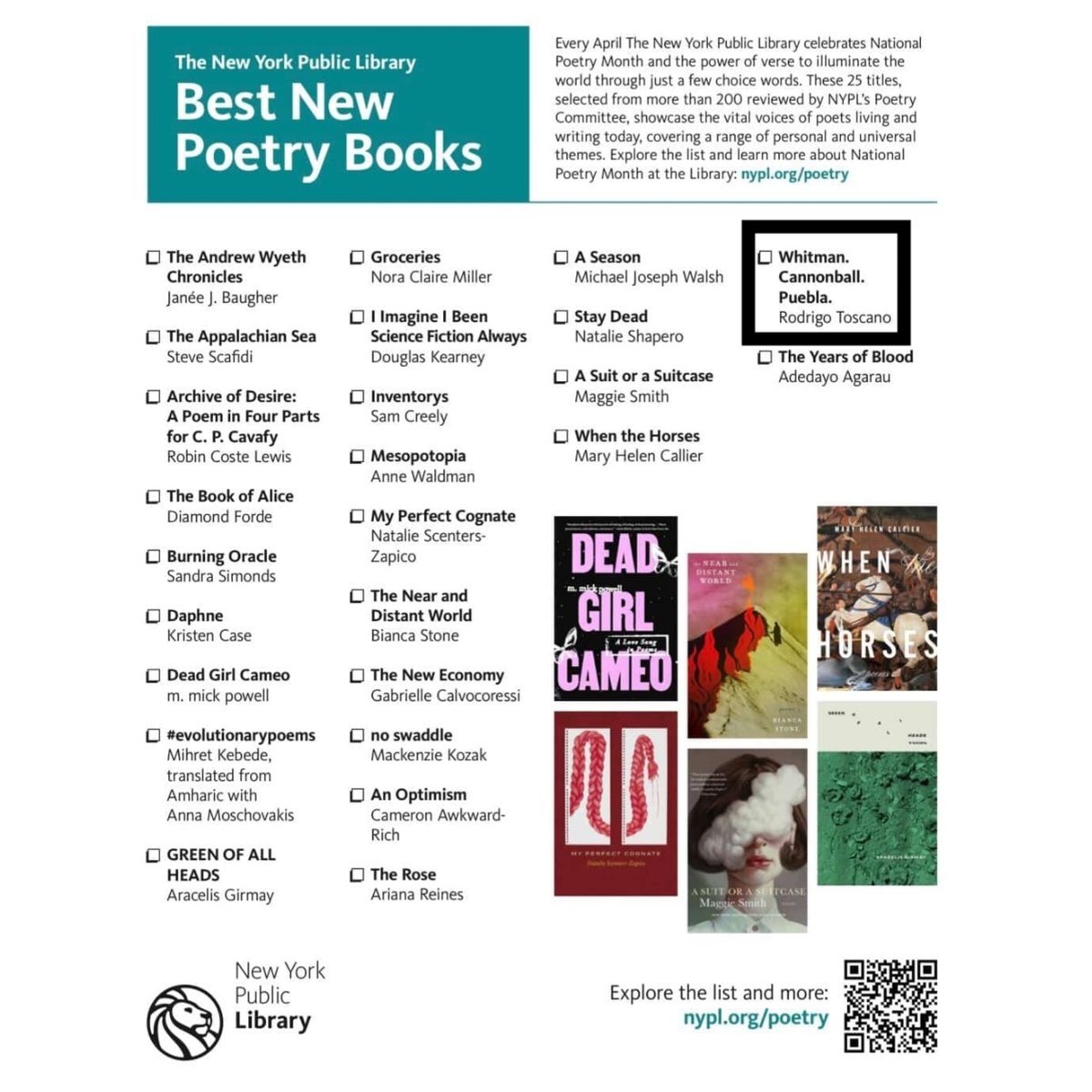
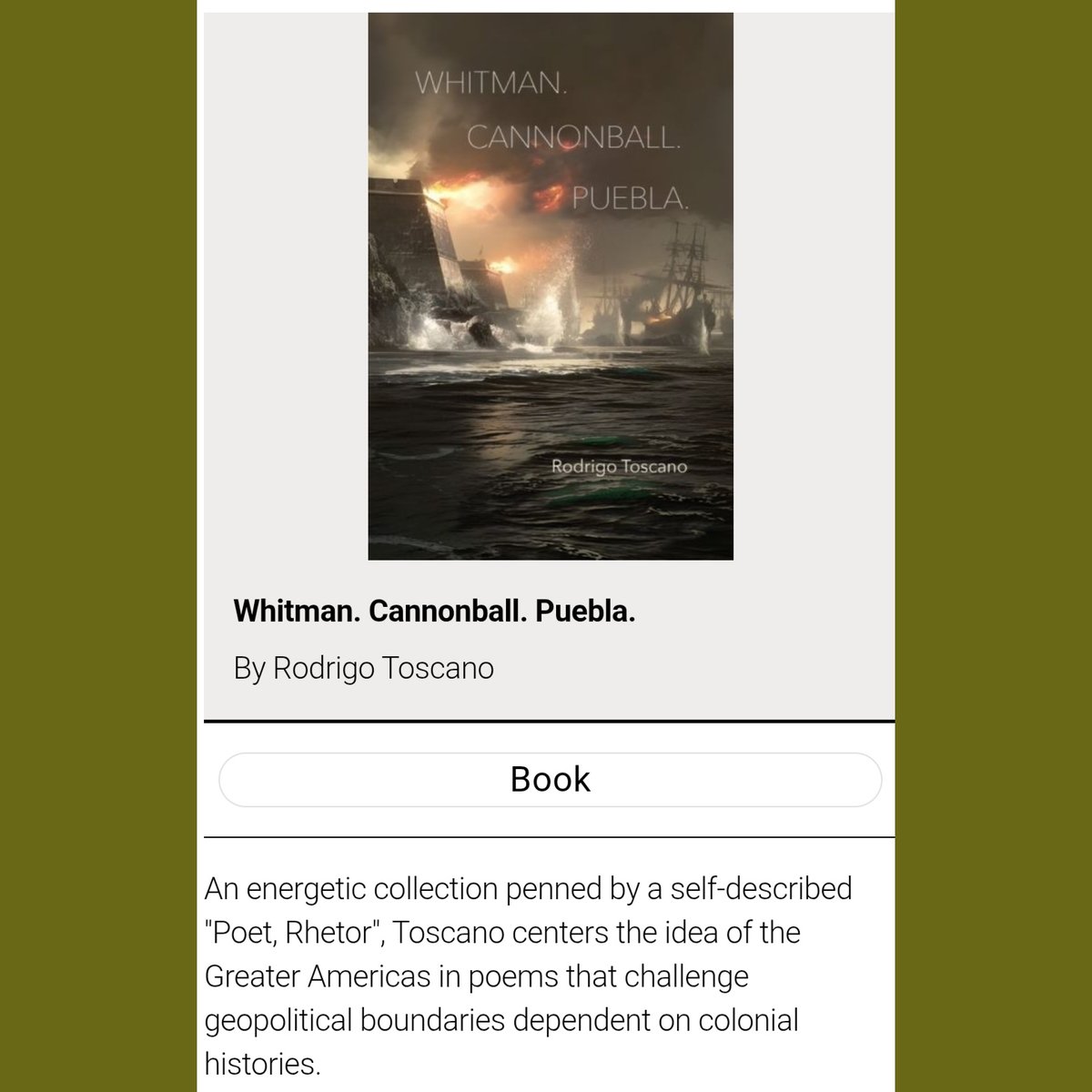
For sure, it's gratifying to be listed here alongside so many colleagues whose poetry I truly respect. "WHITMAN.CANNONBALL.PUEBLA. is a collection of poetic fables that aim to invigorate the emerging field of Globo-Poetics through Social Materialist lenses."
1
2
9
146
Apr 2
Here's "Freak Flag", a sonnet that - well, like much of my poetry, strives to meld together ideas and things that normally would resist being, or rather speaking together.
corporeallitmag.com/volume-x…
1
92
Mar 31
Thanks so much @BigOtherMag for publishing "Mystery Reader". This poem, of course, is not about "me", but about a speculative composite subject potentialized because of current material social conditions. Yeah, poems can propose its writers and readers.
bigother.com/2026/03/30/myst…
3
5
128
Mar 22
Two sonnets, "Aliens 8" and "Normies", from Salvage Nation: 100 Sonnets (Winter Editions, fall 2026).
ghostharmonics.com/magazine/…
2
5
200
Mar 13
Fresh out of high school, I went to work for a computer manufacturing plant. I made motherboards. I wore astronaut-like suits. It was grueling. Anyway, that's where I learned the word, "NAND", a digital logic concept. Alas, here's a sonnet by that name.
summersetreview.org/26spring…
1
1
137
Mar 12
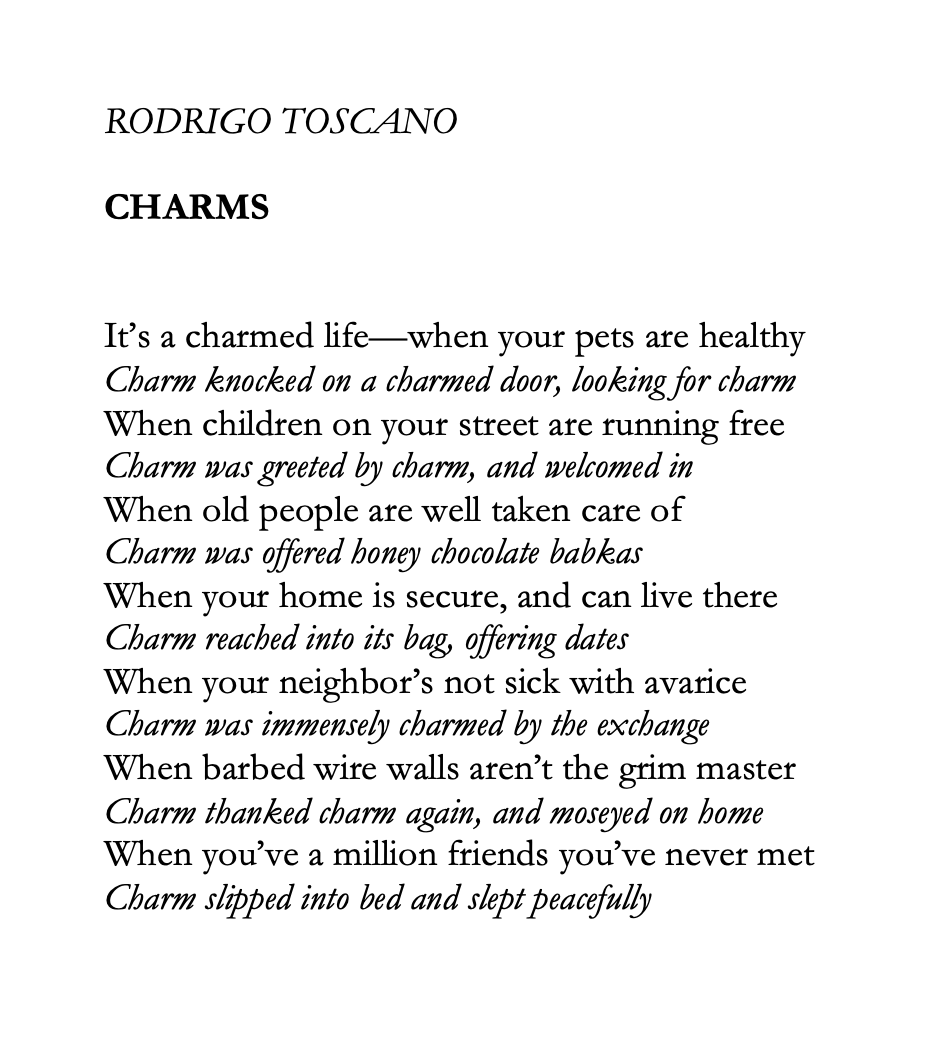
"Charms" from upcoming Salvage Nation: 100 sonnets. Written in 10-syllable lines. Form comes naturally to me, given my lifelong study of Bach's methods of developing multiple lines of inquiry and expression. It's a meditation on remaining human in the face of ceaseless violence.
61
Mar 11
"These Lands" from upcoming Salvage Nation: 100 sonnets (Winter Editions, 2026). A desire to capture some fleeting moments of life in order to share them with people of "good will", those striving to not be captured by either propaganda nor by escapism.
benningtonreview.org/fifteen…
2
6
257
Mar 8
For poets like myself unaffiliated to a university, for whom AWP is out of pocket, a pause here to reflect on outrageous registration fees, exorbitant hotel costs, airlines, price of Ubers to readings, etc. Add poverty galore in Baltimore. It's a lot, y'all, to just, woo-hoo!
3
2
53
11,815
Mar 4
Poetry in the U.S. ranges from being a pure product of higher education institutions to indy (less commodified) outputs. But they're both productivist endeavors. And so we can talk (straight or slantly) about poets and industrial relations, and about alienation.
1
9
315