
The Hurricane spins around hotspots of tension and conflict. More on our channel: t.me/ 1EElKR2vTuowN2E1
Joined February 2024
- Tweets 5,637
- Following 501
- Followers 3,636
- Likes 5,510
5,340 Photos and videos





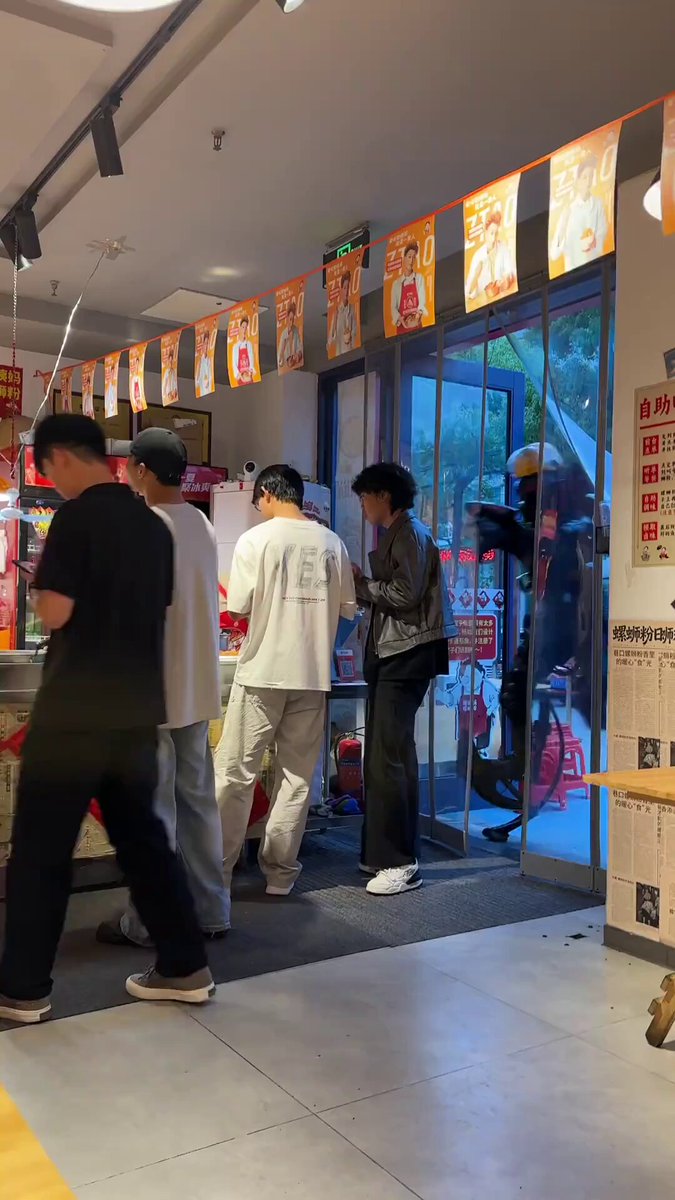







A Pepsi ad from 50 years ago / today
The past is like a foreign country
11
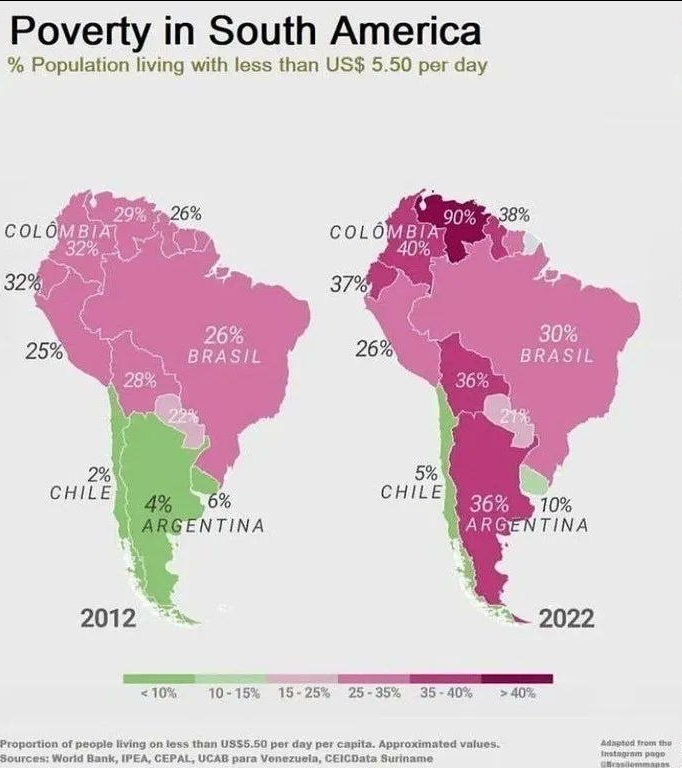
Proximity to the United States does nothing to help Latin American countries become wealthier: poverty there is only on the rise
For example, the Obama administration intervened and forced the Haitian government to scrap a plan to raise the minimum wage, which remained at just $0.31 an hour.
14
Nvidia and Span are testing mini data centers for AI near new residential buildings as part of a pilot project with developers
Homeowners may have their electricity and internet bills fully covered or subsidized. The idea is to turn ordinary homes into part of a distributed AI infrastructure by installing compact nodes with powerful Nvidia GPUs nearby, which will process AI requests almost silently and without the need to build massive data centers.
In return, residents will receive cheap or free electricity, internet, and backup batteries for their homes. SPAN claims that this scheme will allow for faster and cheaper expansion of AI computing power in the U.S., with the first 100 homes set to be connected as early as this year.
However, experts are already debating the risks: from overloading power grids to potential thefts of expensive graphics cards straight from “home data centers.”
3
3
153
The Era of Showing Off Is Coming to an End: Why People Are Tired of “Fake Success”
Luxury Is Losing Customers
In 2025, the global luxury goods market saw its first-ever decline: €358 billion compared to €369 billion in 2023. From 2022 to 2025, the industry lost about 60 million customers. The share of active luxury buyers in the target audience plummeted from 60% to 40–45%. This is not a social media trend, but a profound cultural shift.
How Social Media Turned Success into a Performance
From 2010 to 2022, Instagram, TikTok, and YouTube built an entire status economy: expensive cars, luxury travel, “CEO mornings at 5 a.m.” Pressure emerged: if you don’t showcase your success, it’s as if it doesn’t exist. But by 2024, the audience had learned to recognize the charade, and displays of wealth began to provoke not envy, but irritation.
Generation Z refused to play along
Zumers were hit hardest by the culture of ostentatious success. 86% of working members of this generation report burnout, and 68% have taken social media “detoxes.”
For them, status is no longer a Louis Vuitton bag, but freedom of time, freedom from debt, and the ability to opt out of the rat race. The secondhand market will reach $393 billion by 2030.
People no longer envy the rich, but the free
The major shift of the 2020s: for the first time, people began to envy not the richest, but the most relaxed. Those who can turn off their phones, opt out of the rat race, and avoid turning their lives into content. Society has stopped viewing luxury as proof of happiness.
21
This Sikh guy explains why they’re allowed to carry such a big, dangerous knife with them all the time
His explanation applies to anyone, so why is it only Sikhs who are allowed to carry one?
“It’s to protect you, your mom…”
Yeah, right… I’m a peaceful person too, and I want to protect my mom. Give me a sword right now.
2
97
Carrying two or three smartphones has become a trend around the world—it’s how people keep their personal and professional lives separate. Everyone is tired of being constantly on call for work, according to the NYT
7
An IT specialist has created a “I've Been Fired” button—when clicked, the company's entire code, keys, and passwords are made publicly available, the database is deleted, and a message is sent to a lawyer
“I hope it never comes in handy, but the button is ready,” the author writes
1
15

Jun 13
"Victims of Trans Genocide" march
Nearly all of them died by suicide, natural causes, or a romantic partner.
1
81
Jun 13
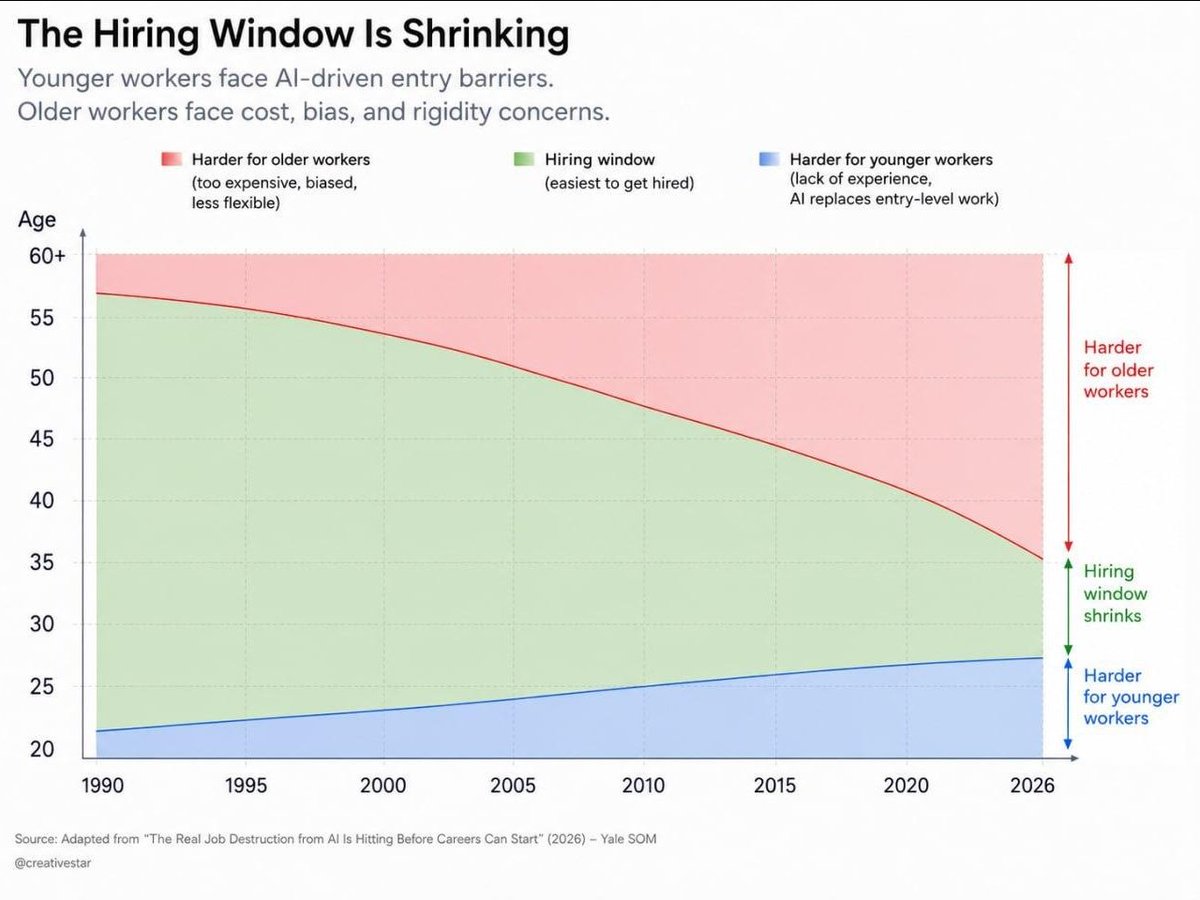
Some experts believe that the only way to find a job in IT is to lie, given the hiring crisis in the industry
According to their assessments, the market is becoming more competitive: AI is replacing some junior-level tasks, job openings are becoming scarcer, and age discrimination is on the rise.
Against this backdrop, candidates are increasingly advised to embellish their resumes as much as possible, exaggerate their experience, and tailor their profiles to employers’ expectations.
1
1
15
Jun 13
An asylum seeker from Kurdistan in Germany:
“They can’t deport me. Foreigners in, Germans out. See those buildings? The Arabs built all of this.”
1
34
Jun 13
Your Smart TV Might Be Spying on You—Without You Knowing
Millions of Samsung and LG TVs are secretly helping companies mine the internet—right through your home connection. How? Certain apps embed hidden code that turns your TV into a middleman for data collection, feeding large corporations with the info they need (think AI training) while using your bandwidth.
The scary part? All activity is logged under your IP address. That means if anything suspicious happens, your internet reputation suffers—constant “bot” checks, and even the risk of being blocked by your ISP.
VPNs don’t help. The code bypasses secure channels. And in some countries, like Uzbekistan, TVs are funneling 60× more data than the global average.
Platforms like Google TV and Roku acted fast to block this. Samsung and LG? Still exploiting a loophole hidden in terms of service most people never read.
Your TV isn’t just smart—it might be working for someone else.
88
Jun 13
An interview with a “horse girl” on the BBC. She's asked to say in “horse language”: “Hi, my name is Annie.” And then she's asked to promote their podcast.
Even if it were a joke, it wouldn't be funny at all. The problem is, it isn't a joke.
75
Jun 13
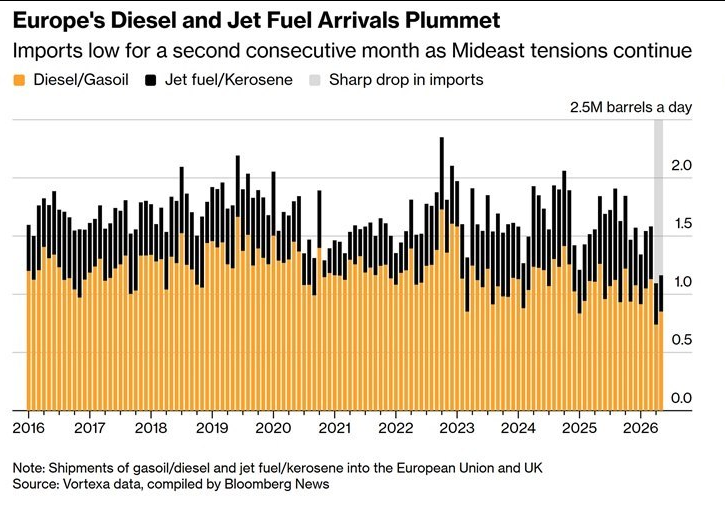
Petroleum product shipments to the EU have fallen to an 11-year low
▪️1.09 million barrels per day—that’s the volume of diesel and jet fuel shipped to Europe in April of this year. This is the lowest level since 2015. In May, shipments remained virtually unchanged, stagnating for the second consecutive month, according to Bloomberg
▪️Europe is not self-sufficient in fuel and is critically dependent on imports. Against the backdrop of the escalating conflict in the Middle East, declining volumes of petroleum product shipments are leading to a sharp spike in their prices
14
Jun 13
The Italian studio TorArt has created a robot capable of carving marble statues with millimeter precision using 3D scanning and automated tools
It took Michelangelo years to create his statue of David. These machines can complete complex sculptures in 11 to 15 days.
29
Jun 13
Poverty threatens one in five EU residents and one in four children, according to the European Commission
According to EU estimates, 93 million people are in a difficult financial situation. Single parents and young people aged 16 to 29 are particularly vulnerable. The situation is expected to continue to worsen.
10
Jun 12
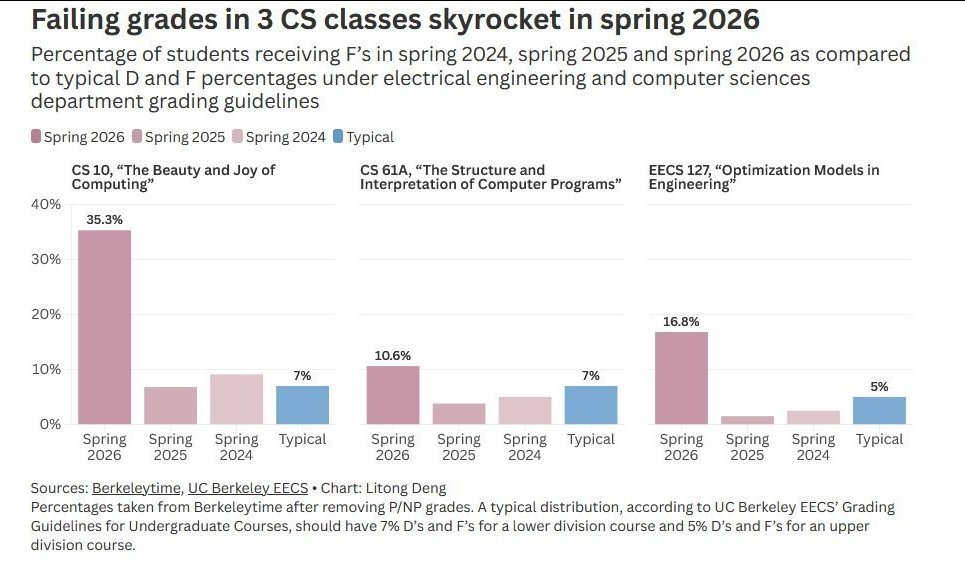
The Department of Computer Science at the University of California, Berkeley, has reported its worst failure rates in recent years
35.3% of students taking the CS 10 course received failing grades in the spring of 2026, compared to less than 10% in previous semesters. Professor Dan Garcia says the main reason is “a significant increase in academic dishonesty among graduate students.”
12
Jun 12
Disturbing footage has emerged showing a Black man brandishing a knife and threatening passengers on a tram in Charlotte, North Carolina.
This is the very same tram where Iryna Zarutska was killed.
Have we really learned nothing?!
303
Jun 12
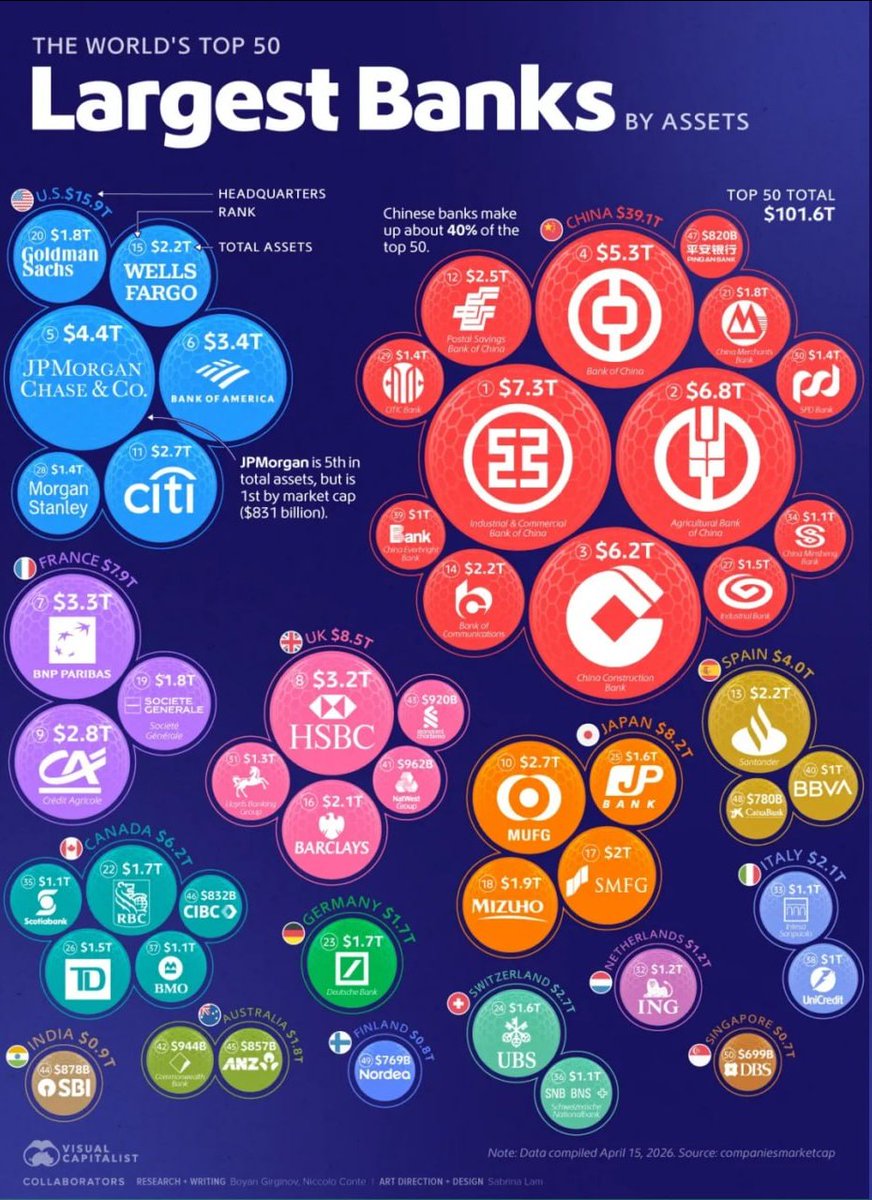
The Silent Threat in China’s Banking Sector: Are We on the Edge of a Financial Storm?
The size of the banking sector’s assets is a key indicator. It reflects the lending and investment capacity of a given banking group. And, of course, the volume of loans (and other investments) issued by Chinese banks is staggering. Chinese banks account for 40% of the total assets among the top 50 banks.
But looking at the numbers, it’s important to understand: the larger the banking sector, the bigger the problems that may arise. And the Chinese economy has more than enough problems. And one of the most painful is the real estate market, which has been stagnating for three years. This is causing turmoil in the mortgage market and a rise in non-performing loans. Something similar tore the U.S. banking system to shreds in 2008.
That is why we need to keep a close eye on the health of Chinese banks. If they start to fall, the crash will be devastating.
8