
One of the world's top-ranking multidisciplinary research institutions. Noted for its wide-ranging exploration of the natural and exact sciences
Joined May 2009
- Tweets 2,421
- Following 314
- Followers 26,334
- Likes 204
1,645 Photos and videos
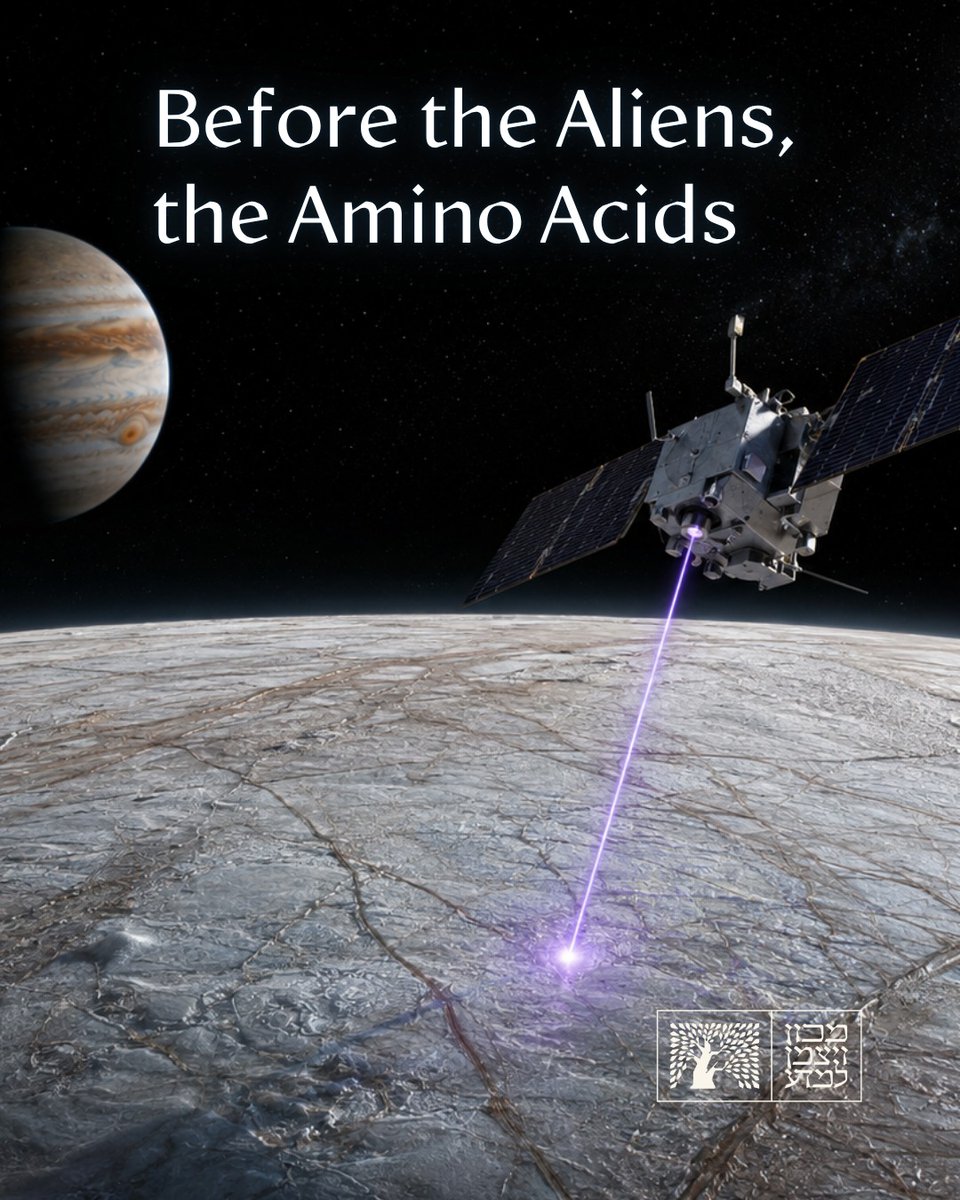

A Weizmann-led team proposes a simple but powerful new method for detecting traces of alien biology, whether on Jupiter’s icy moons, in meteorites or in Martian samples >> bit.ly/aliens-eng
2
4
7
1,005
Weizmann Institute retweeted

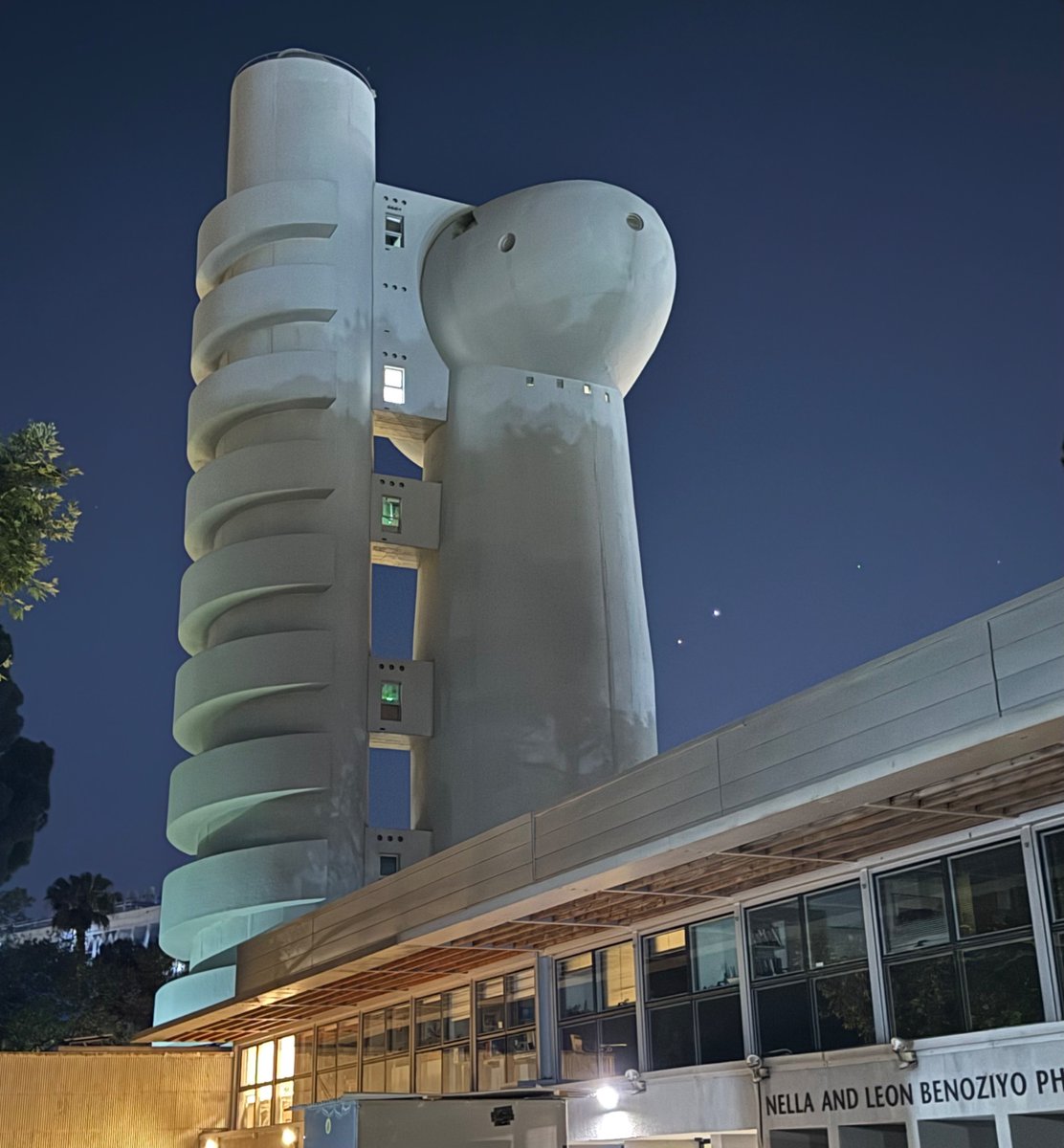
ההתקבצות של נוגה (הכי בהיר) וצדק (משמאלו) יחד עם מבנה המאיץ של מכון ויצמן למדע. לתמונה נדחפו גם התאומים קאסטור ופולוקס (הכוכבים החוורים מימין), וחלק מהמסדרון של המחלקה לאסטרופיסיקה. המשרד שלי לפני אחרון משמאל.
אם פספסתם היום, חפשו במערב את נוגה וצדק גם מחר 😊⭐️✨
10
3
107
2,855
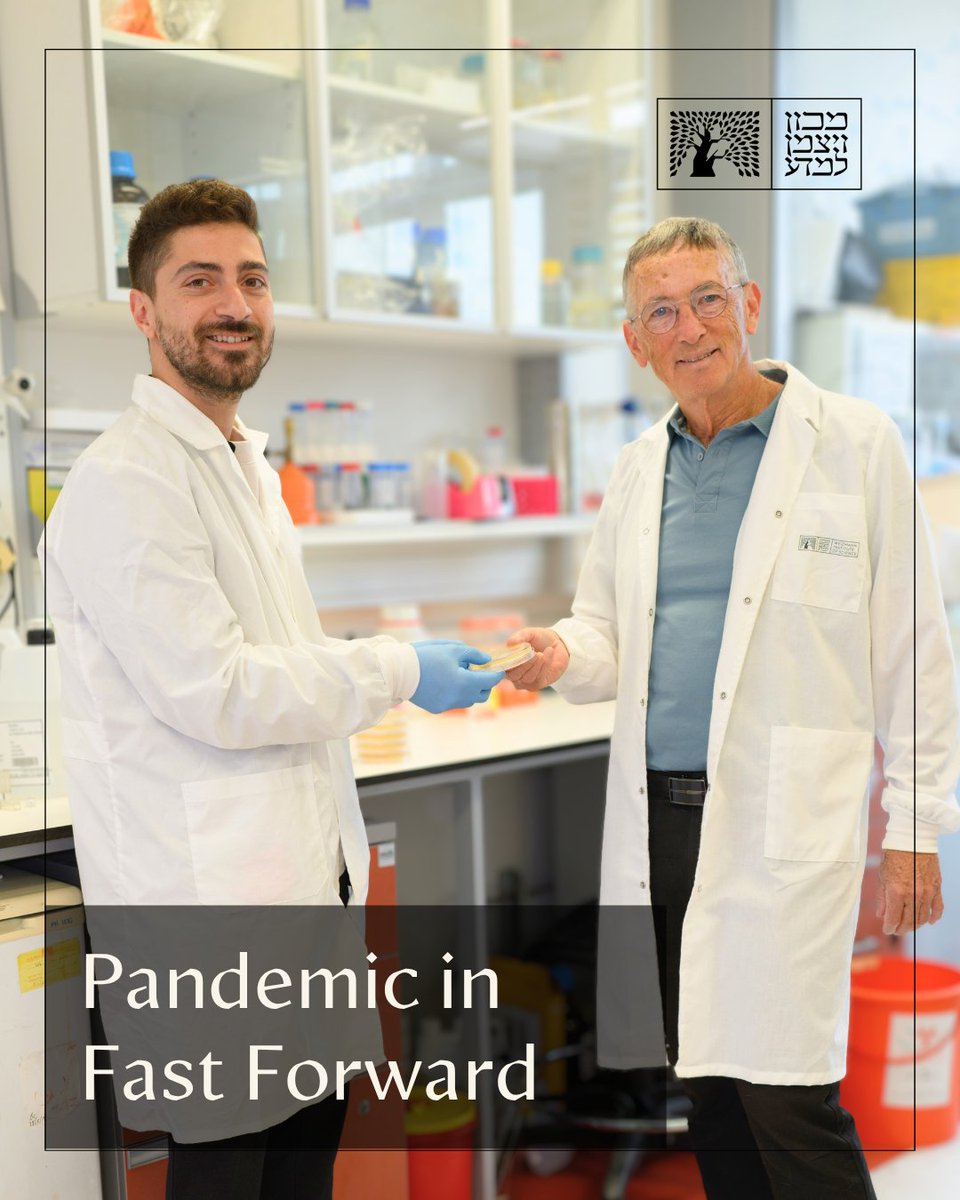
Israeli and Czech scientists recreated the coronavirus’s evolutionary journey in a test tube - revealing the conditions that can produce highly contagious variants >> bit.ly/pandemic-eng
2
8
1,607
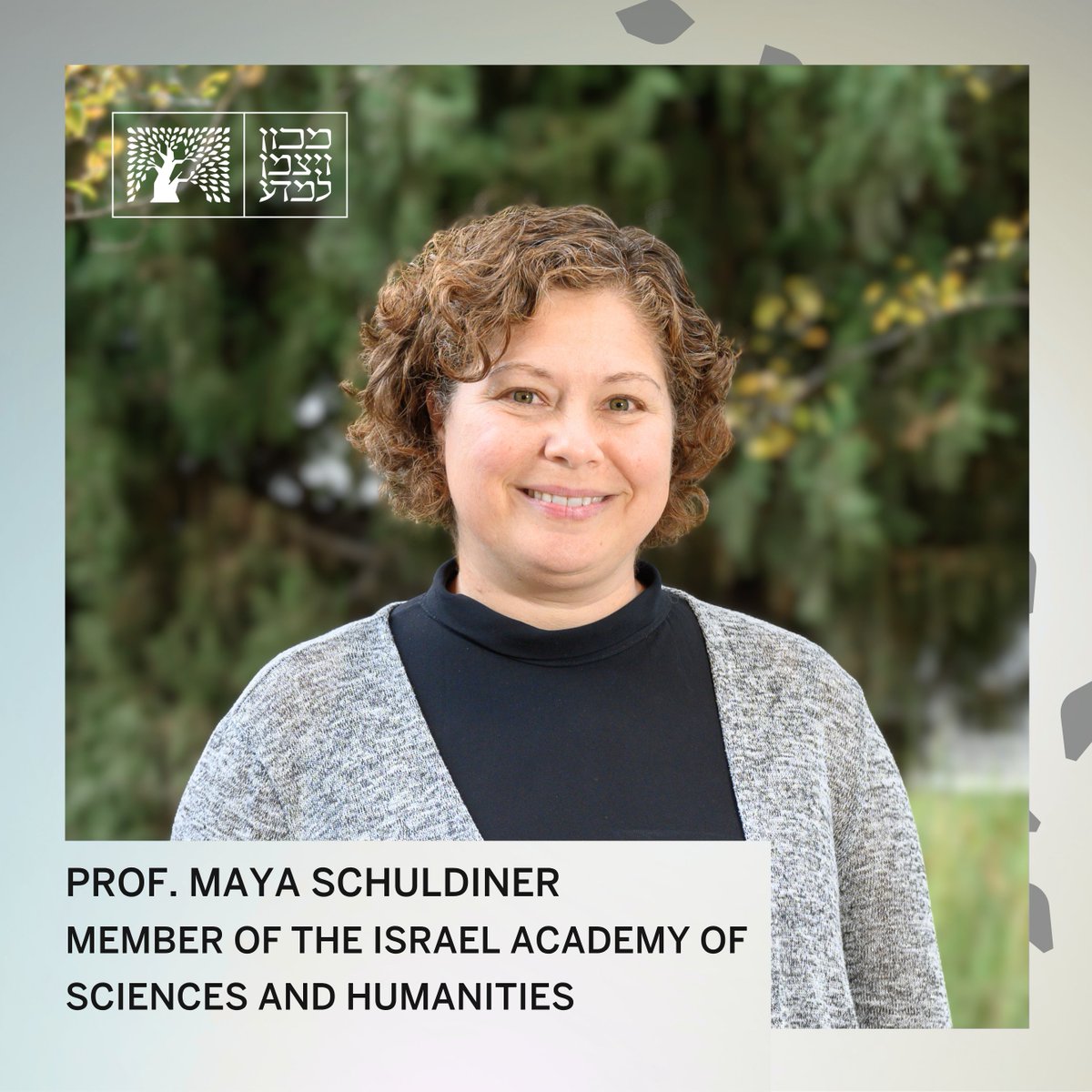
Congratulations to Prof. Maya Schuldiner, Dean of the Weizmann School of Science and a faculty member in the Department of Molecular Genetics, on her election to the Israel Academy of Sciences and Humanities.
@IsraelAcademy
3
36
5,638
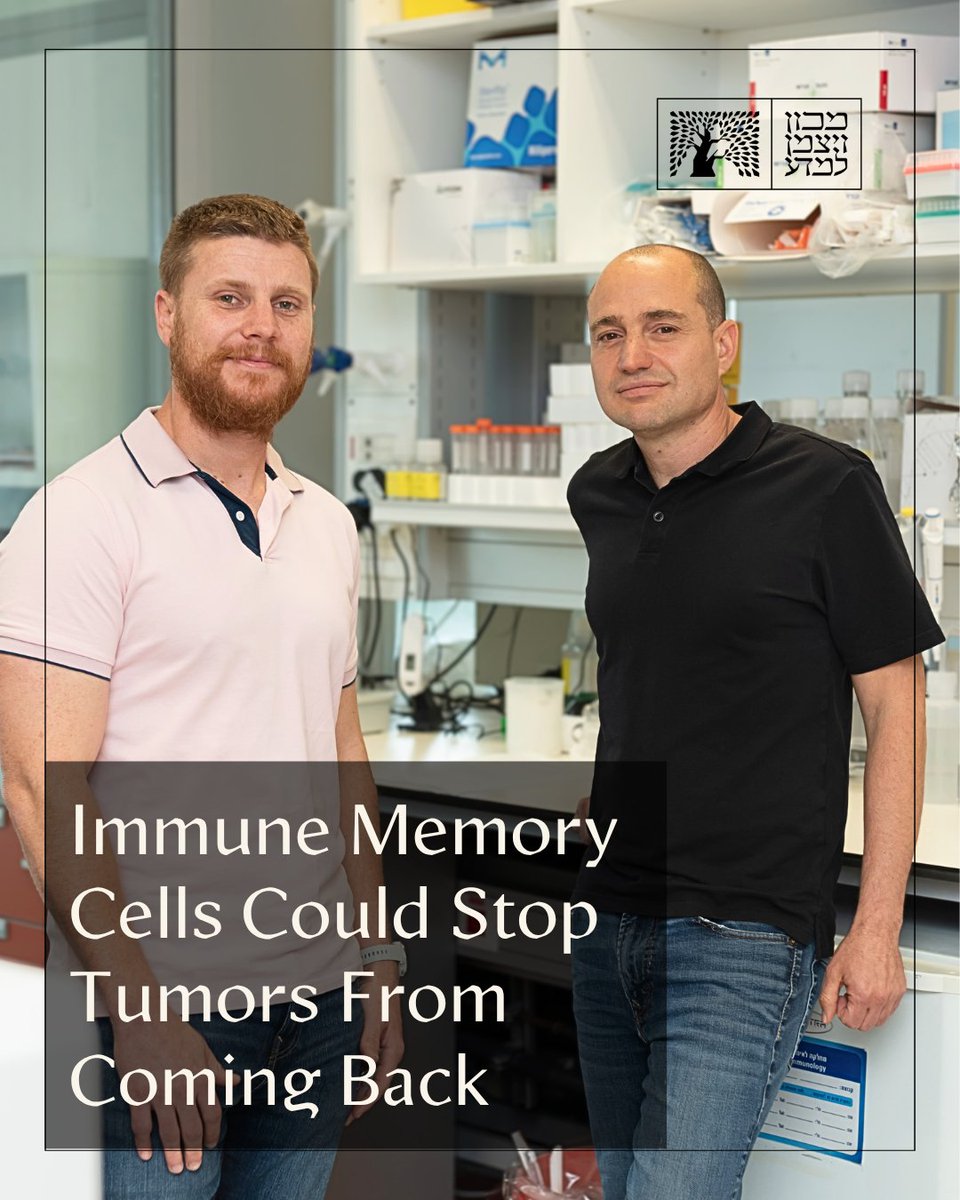
Weizmann Institute researchers from @ZivShulman lab discover immune memory cells capable of producing antibodies against cancer - a finding that opens new avenues for future cancer vaccines >> bit.ly/cancer-memory-eng
2
8
37
1,949
Scientists at the Weizmann Institute of Science and the @HebrewU discover how chiral molecules break symmetry, offering new clues about the origin of life on Earth >> bit.ly/mirror-eng
8
25
6,579
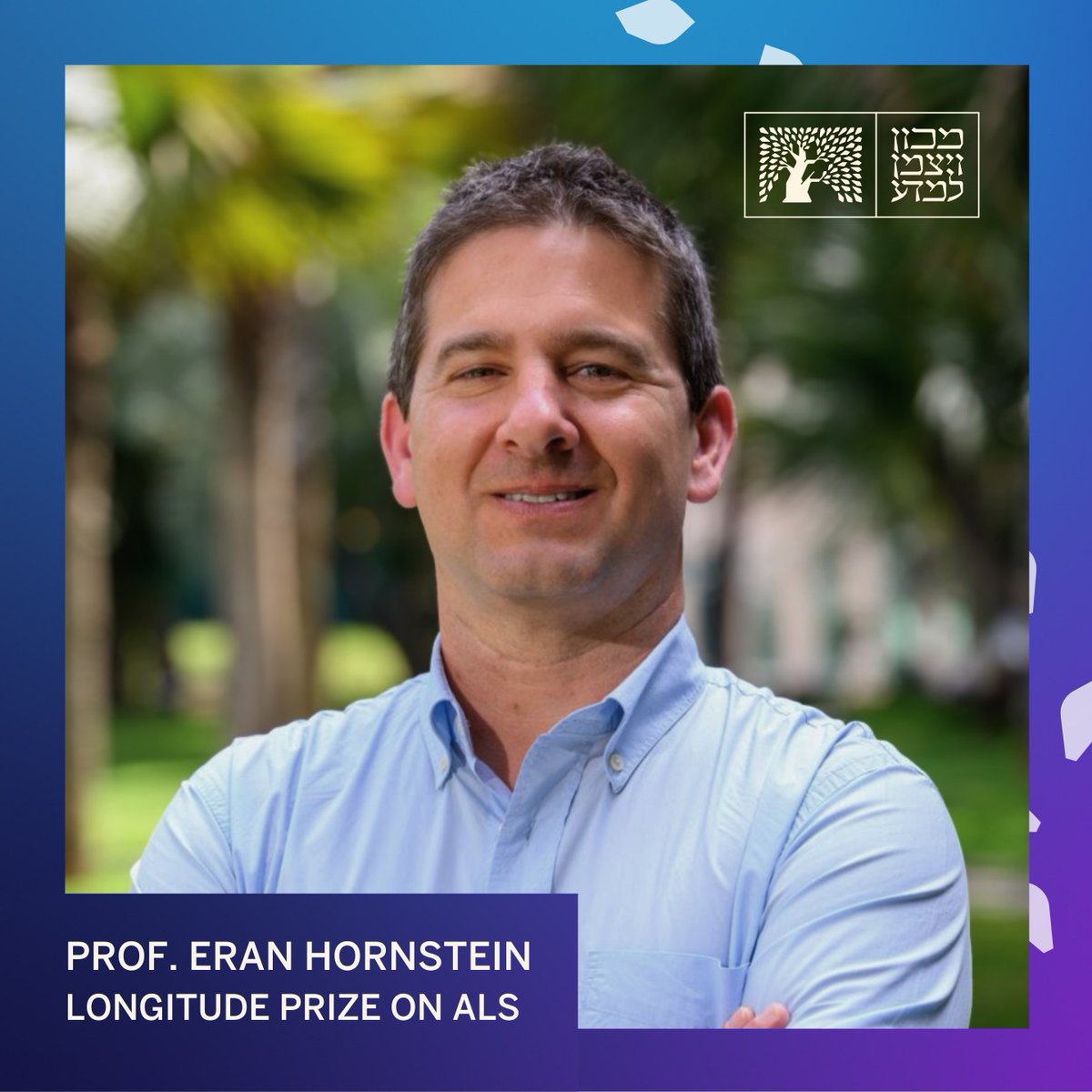
Congratulations to Prof. @eran_hornstein of the Department of Molecular Genetics, upon being awarded the the Longitude Prize on ALS
1
1
14
2,008
Weizmann Institute and @HebrewU_heb scientists have discovered that stem cell maturation can also serve as an immune defense mechanism >> bit.ly/maturity-eng
@NatImmunol @bitonm
6
18
2,226
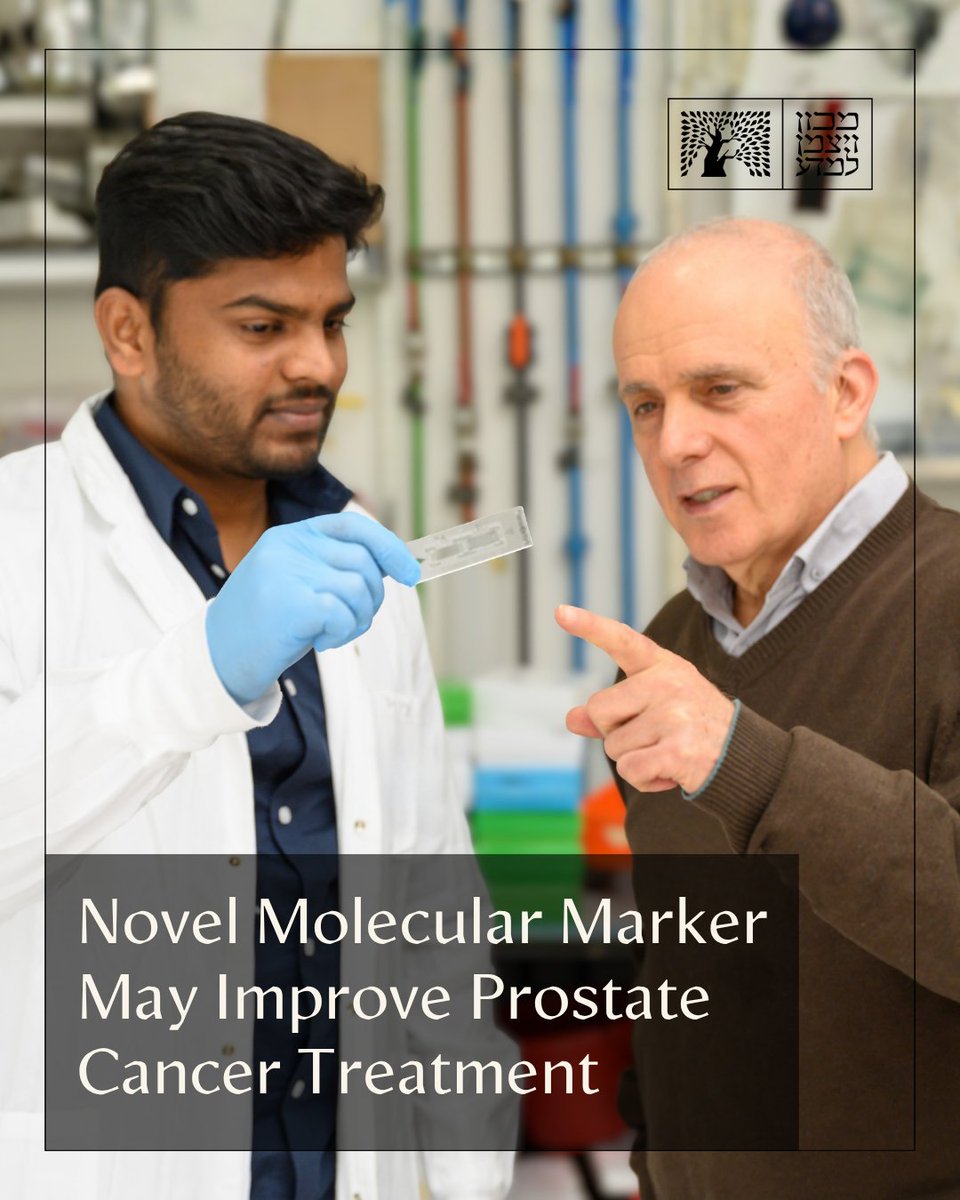
Novel molecular marker may improve prostate cancer treatment: Weizmann-led international team uncovers a key mechanism of treatment resistance and points to a potential combination therapy >> bit.ly/prostate-eng
2
3
9
1,670
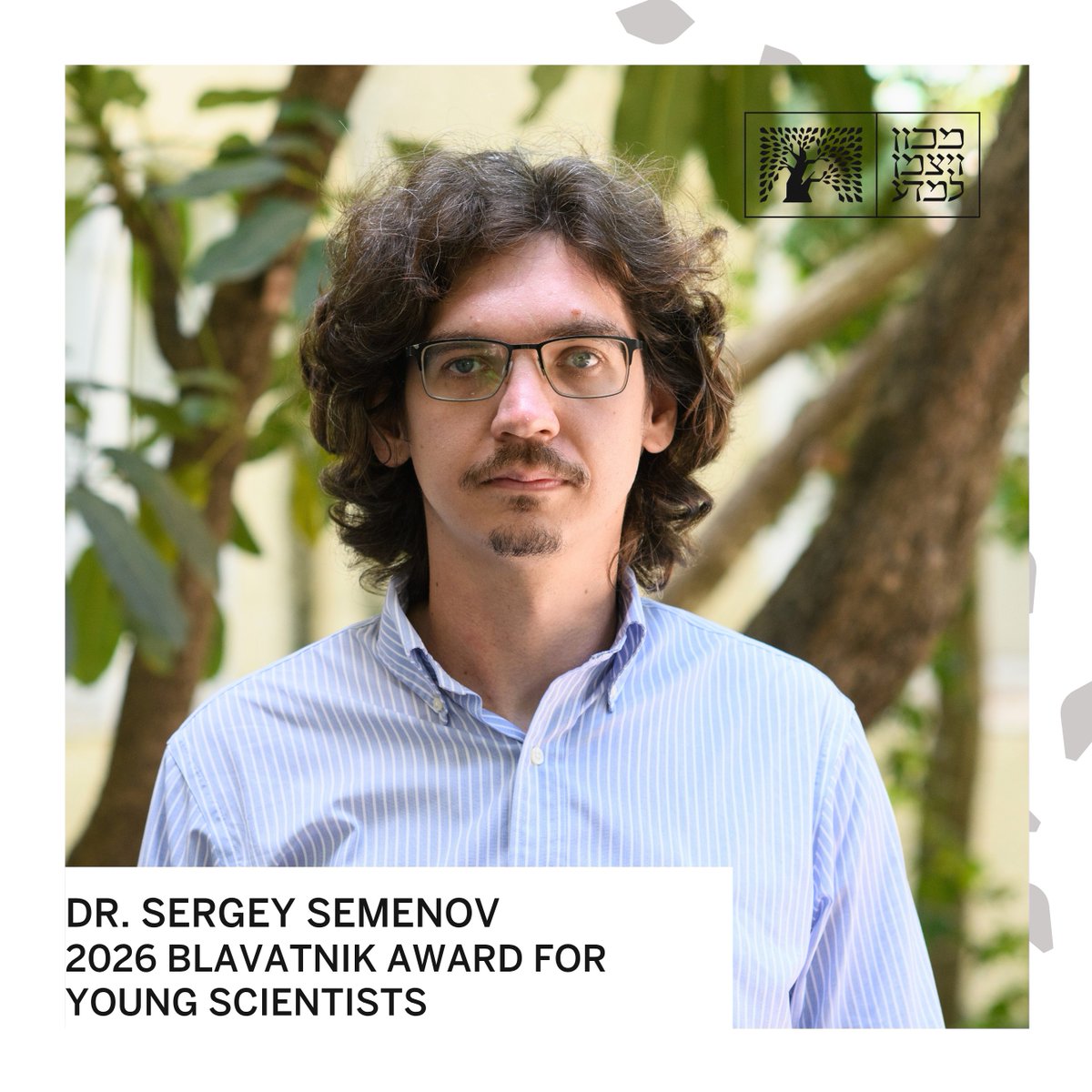
Congratulations to Dr. Sergey Semenov of the Molecular Chemistry and Materials Science Department, upon being awarded the 2026 Blavatnik Award for Young Scientists
@BlavatnikAwards
1
3
21
2,171
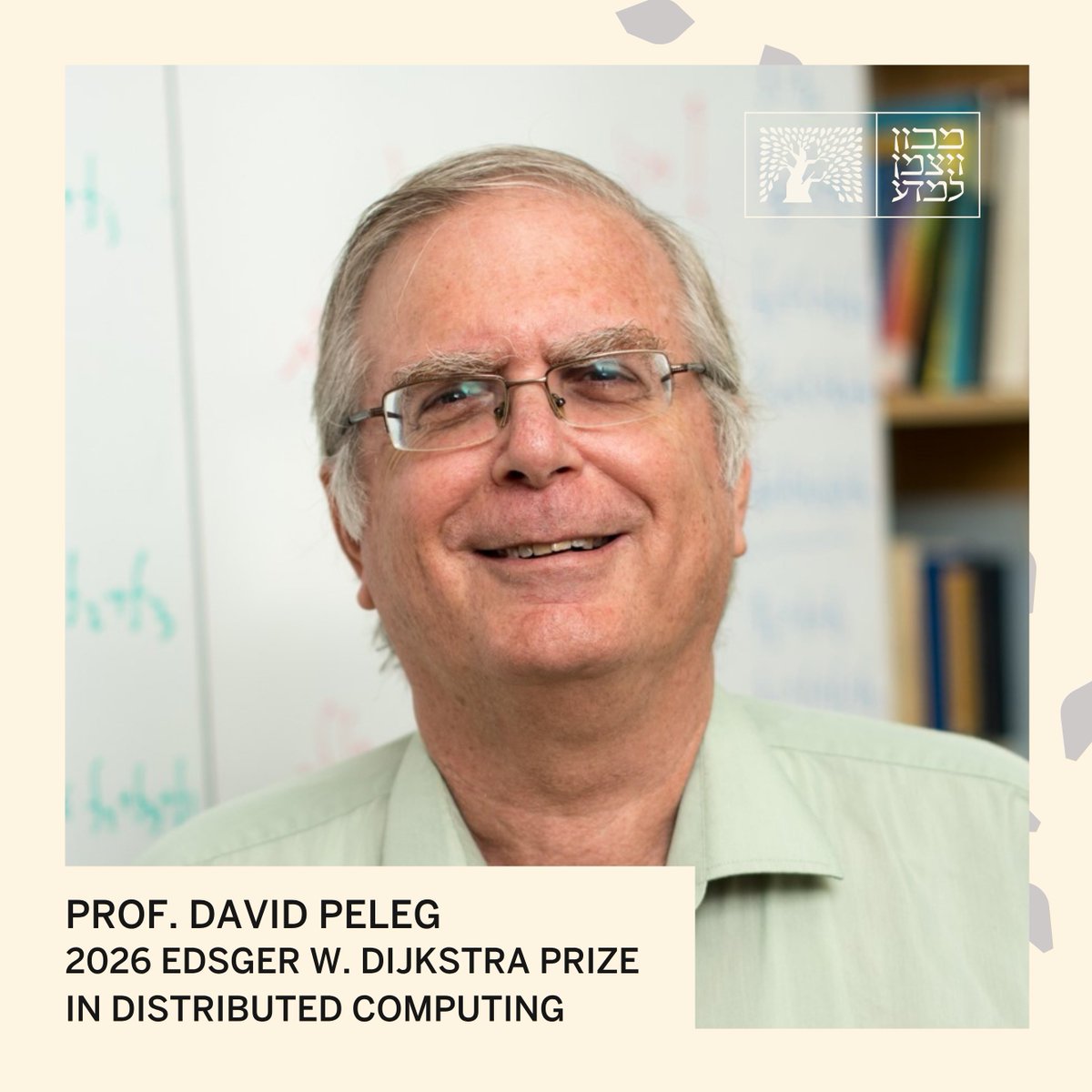
Congratulations to Prof. David Peleg of the Computer Science and Applied Mathematics Department, upon being awarded the 2026 Edsger W. Dijkstra Prize in Distributed Computing
1
23
1,545
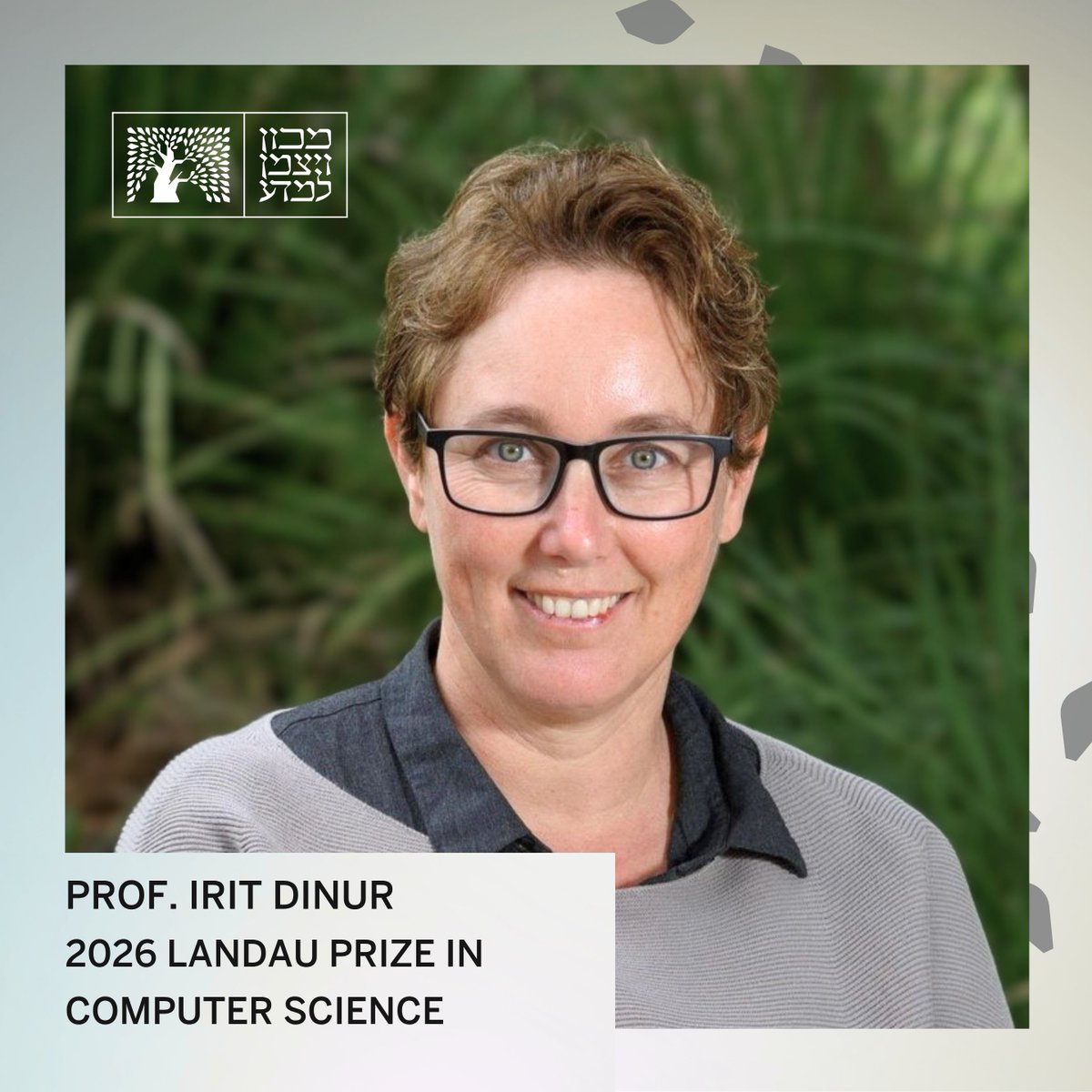
Congratulations to Prof. Irit Dinur of the Computer Science and Applied Mathematics Department, upon being awarded the 2026 Landau Prize in Computer Science
1
21
1,551
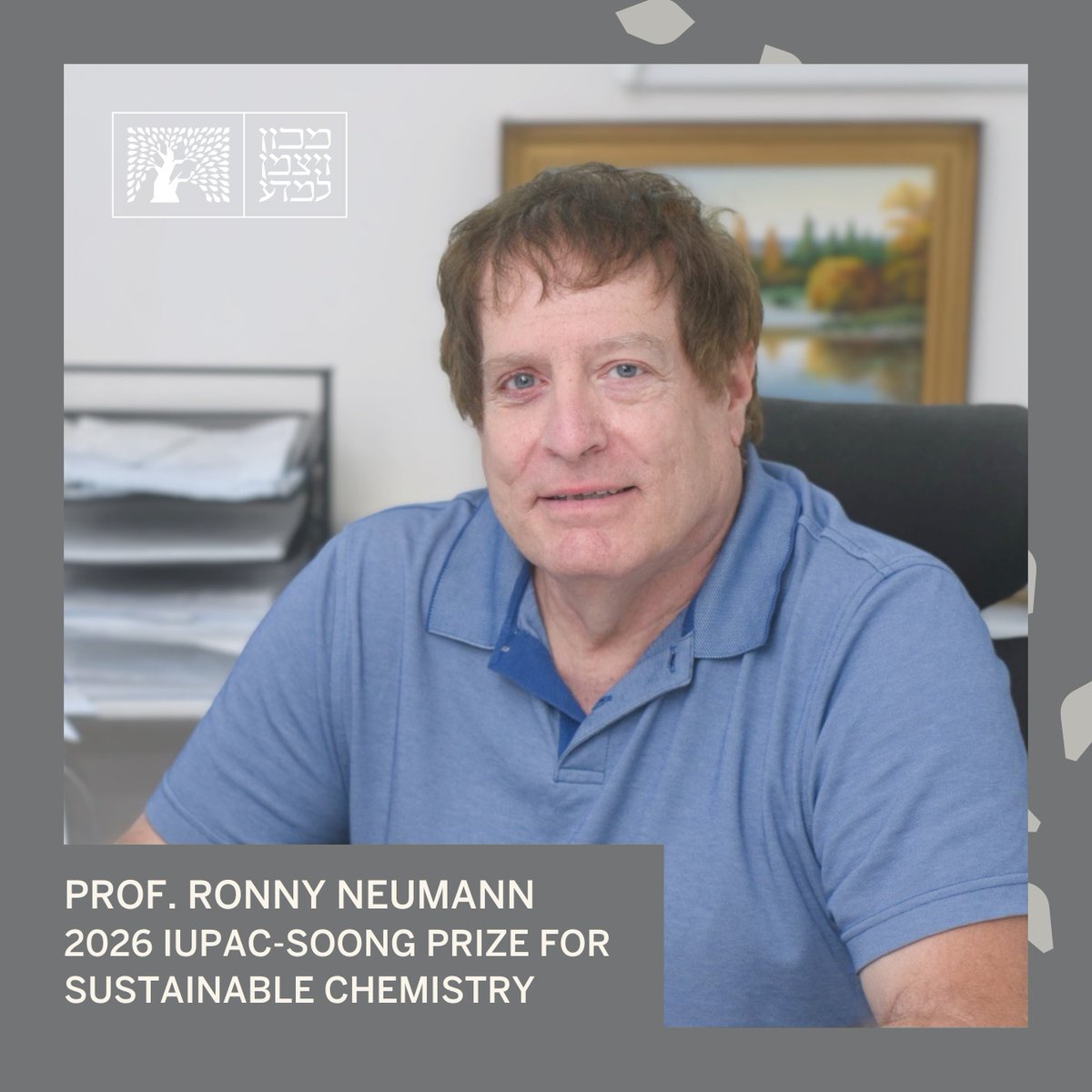
Congratulations to Prof. Ronny Neumann of the Molecular Chemistry and Materials Science Department, upon being awarded the 2026 IUPAC-Soong Prize for Sustainable Chemistry
3
27
1,795
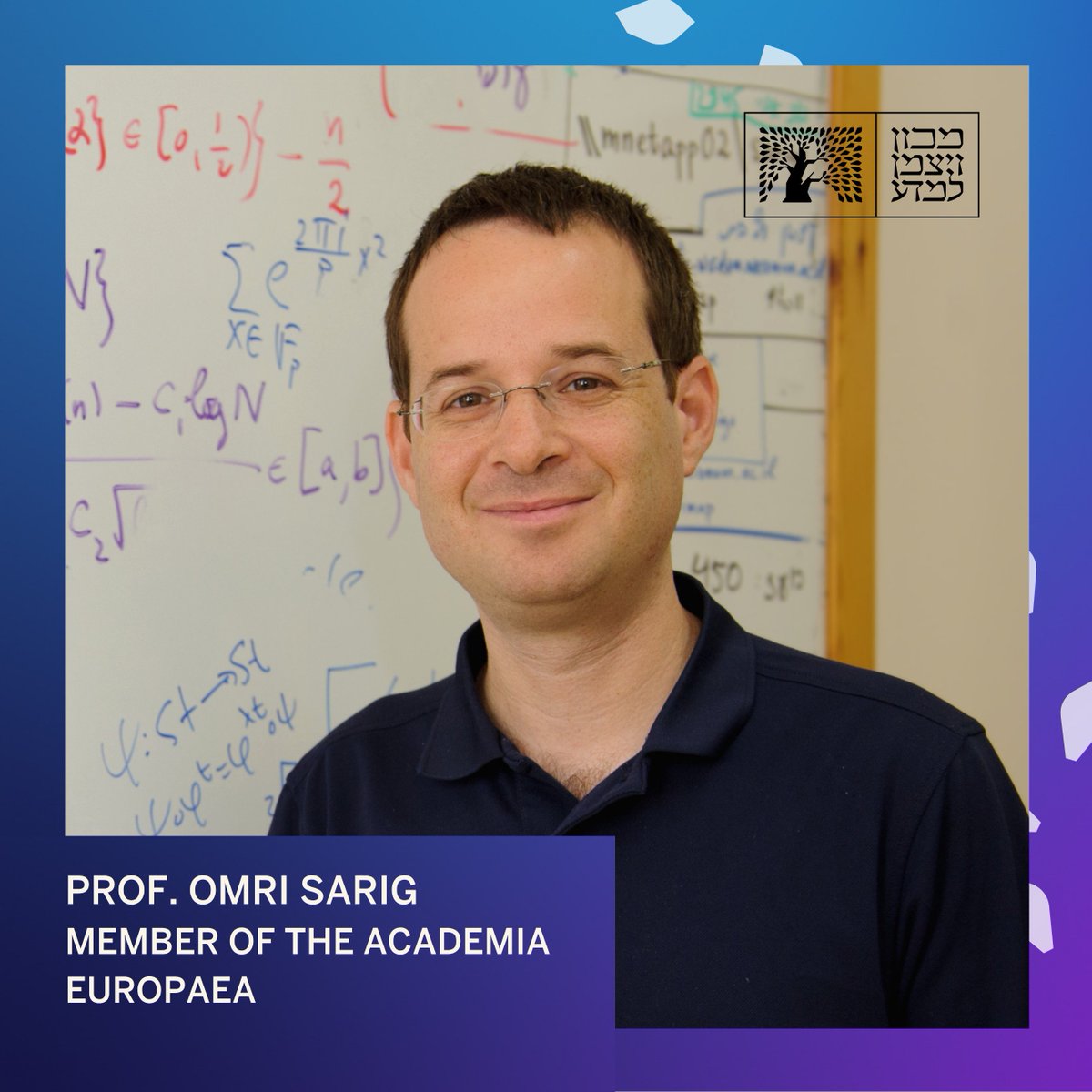
Congratulations to Prof. Omri Sarig of the Mathematics Department, upon being selected as a Member of the Academia Europaea
1
31
1,494
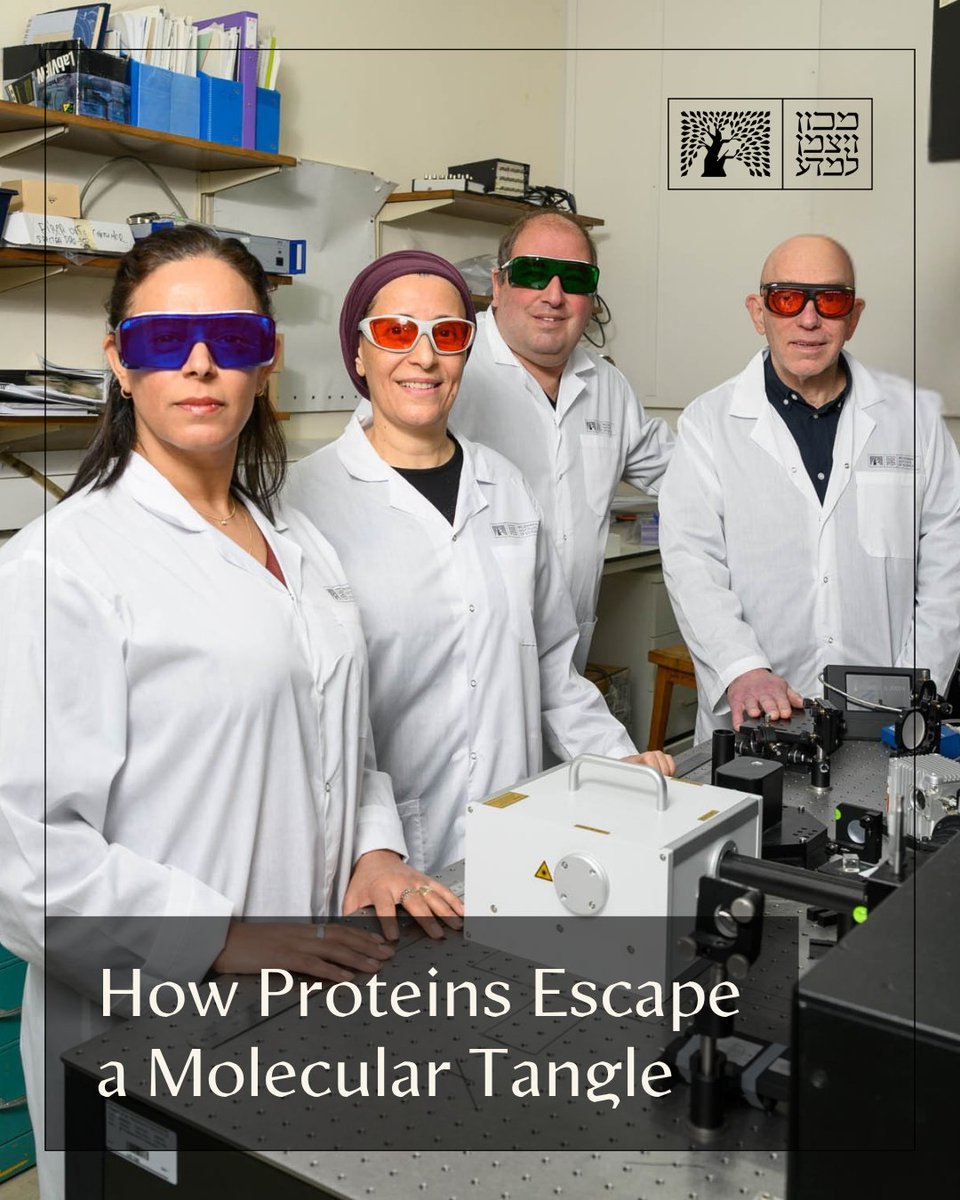
A new study from Prof. Gilad @HaranLab reveals how energy-efficient cellular machines rapidly untangle misfolded proteins – a finding that may help improve the design of artificial molecular machines >> bit.ly/escape-eng
@NatureComms
2
4
20
1,688
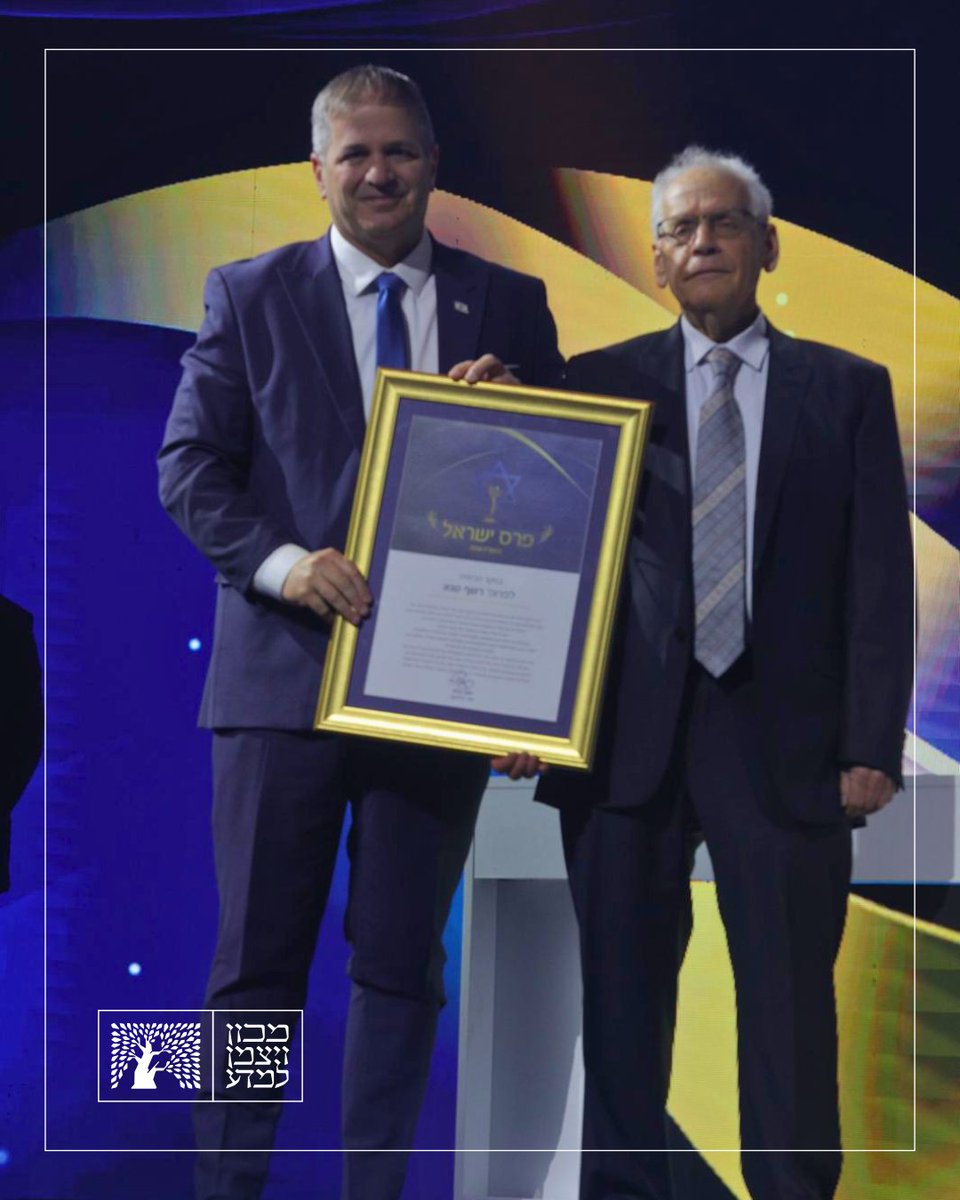
We’re proud to congratulate Prof. Reshef Tenne of the Department of Molecular Chemistry and Materials Science, upon receiving the Israel Prize in Chemistry Research and Chemical Engineering, in a ceremony held this evening at the ICC in Jerusalem.
8
1,132
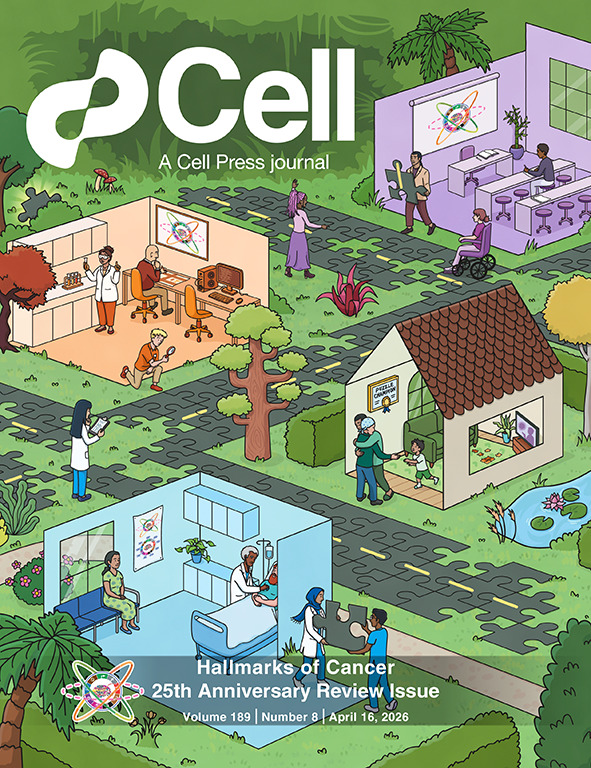
This issue features a paper by an int’l team led by Weizmann’s Prof. @samuels_yardena, examining the extensive heterogeneity between cells within a tumor, how these internal differences affect the ability of the immune system to recognize cancer - and why they also limit the success of current cancer therapies
Apr 16

New issue alert👉cell.com/cell/current
On the cover: For the Hallmarks of Cancer's 25th anniversary, the cover illustrates its enduring impact across the cancer research community, uniting scientists, clinicians, patients, and educators to drive progress.
5
9
1,793
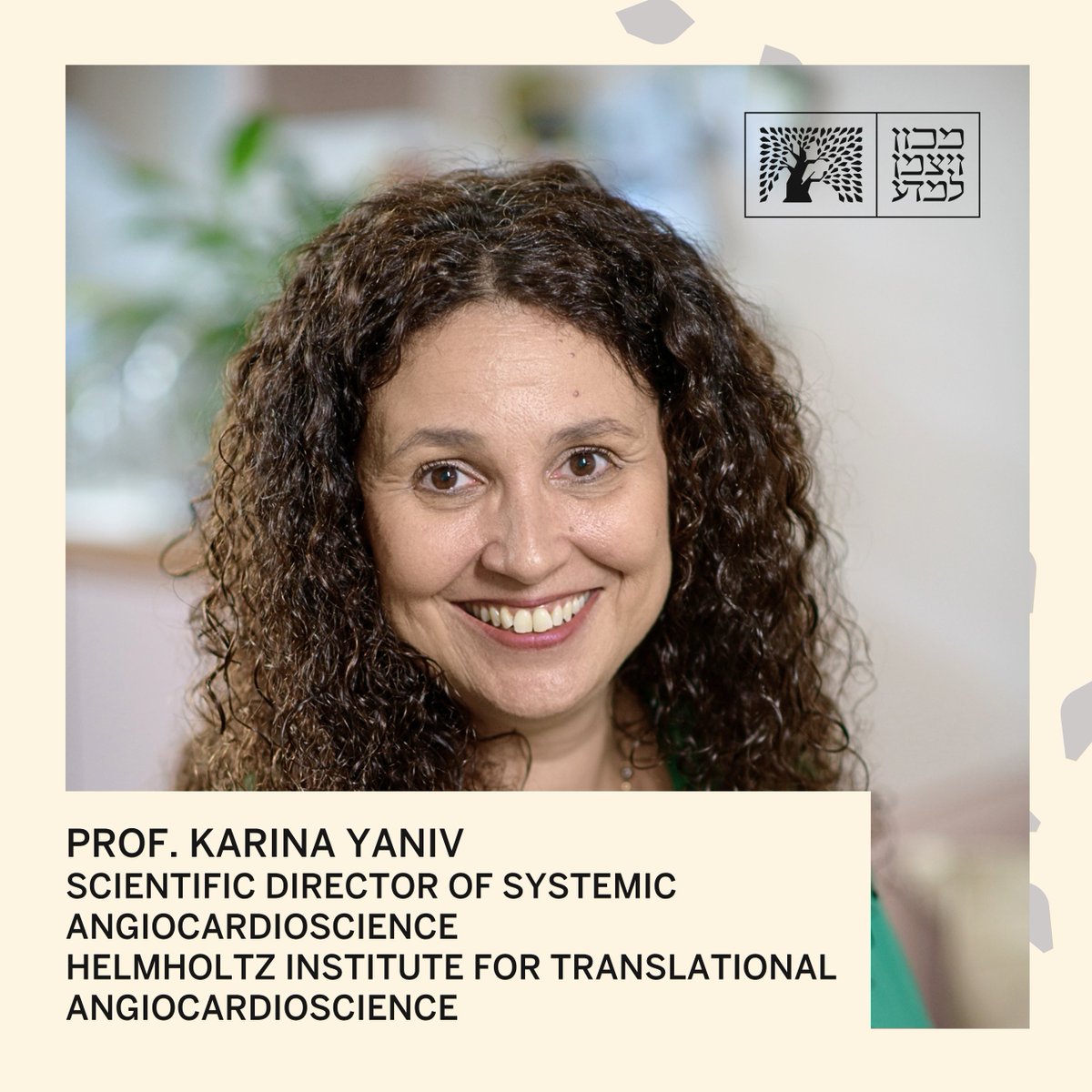
Congratulations to Prof. @KarinaYaniv of the Department of Immunology and Regenerative Biology, the new Scientific Director of Systemic AngioCardioScience at the Helmholtz Institute for Translational AngioCardioScience
1
5
33
1,987
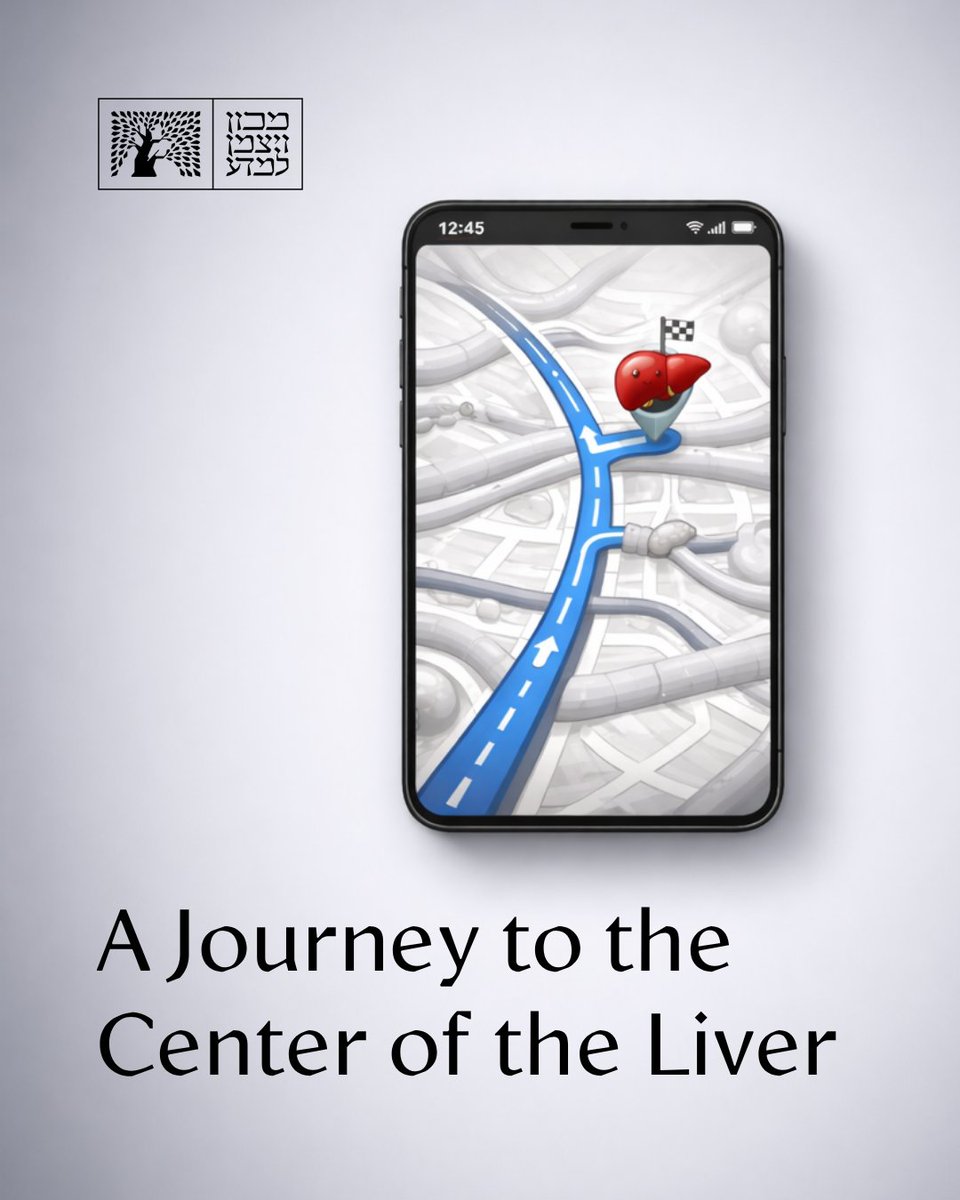
A first-of-its-kind genetic atlas from Prof. @SItzkovitz's group reveals how human liver cells divide their labor - and why some regions are especially vulnerable to fatty liver disease >> bit.ly/liver-eng @SHEBA_ @MayoClinic @Nature
1
6
14
1,474
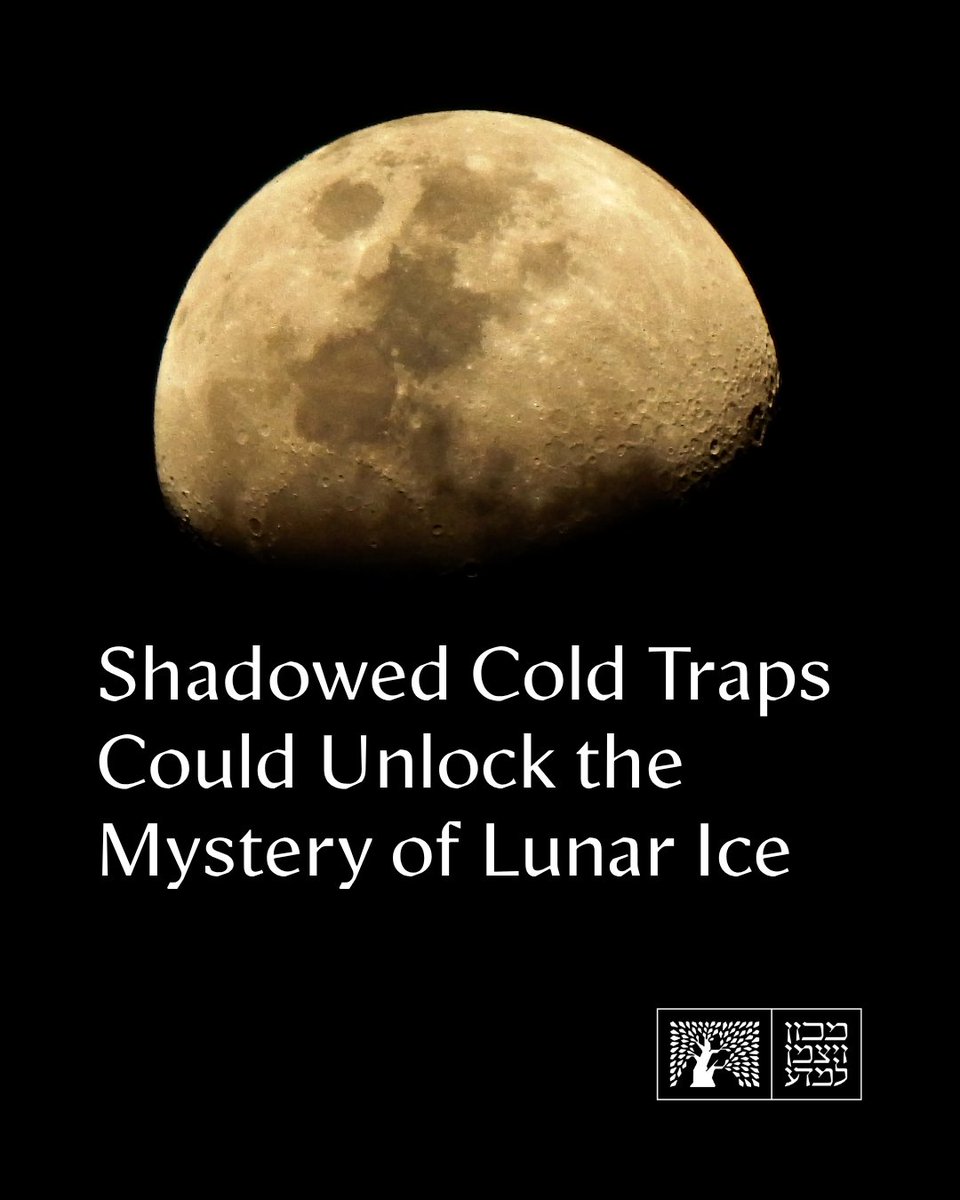
In a new study published in @NatureAstronomy, Weizmann's @odedaha and colleagues present evidence that ice has been gradually accumulating on the Moon for at least 1.5 billion years >> bit.ly/moon-ice-eng @EPS_Weizmann @PlanetsAtWIS
1
2
7
1,109