
Un tipo atipico
Joined September 2020
- Tweets 6,316
- Following 2,010
- Followers 1,426
- Likes 14,686
623 Photos and videos










Pinned Tweet

Part 1 of Book 1 of CUBELA LIBRE: ROAD TO REVOLUTION is now live on Amazon to purchase on Paperback!! amazon.com/dp/B0H58D7Q48
1
3
57
Adrian E. Alvarez, Esq. retweeted
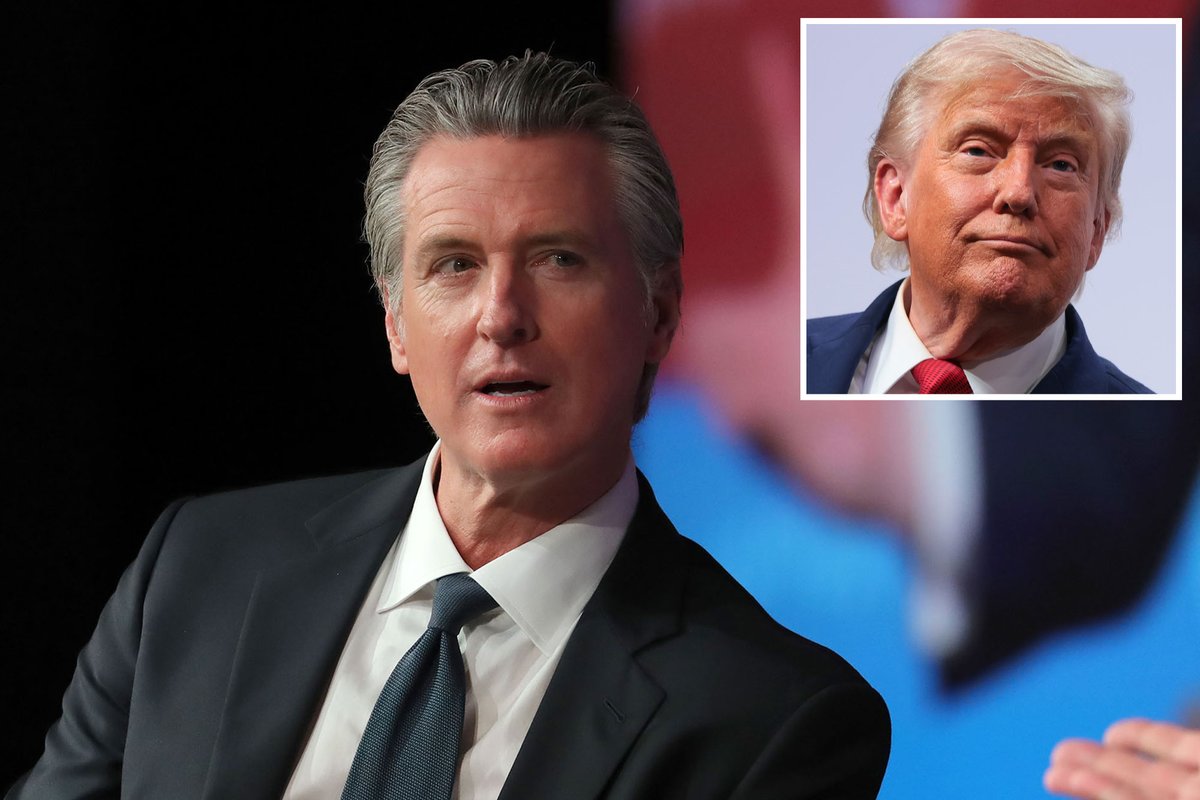
Gavin is suspiciously directing donors and mega corps to funnel money into his connected "nonprofits."
Don't forget...his own agency, Cal Volunteers, has a nonprofit slush fund that was set to launder $500K from FireAid. The entire NPO complex in CA needs to be audited.


Gavin Newsom solicited $340M in 'behested payments' from special interests, filings reveal trib.al/rmQEoBj
26
122
409
4,179
Adrian E. Alvarez, Esq. retweeted

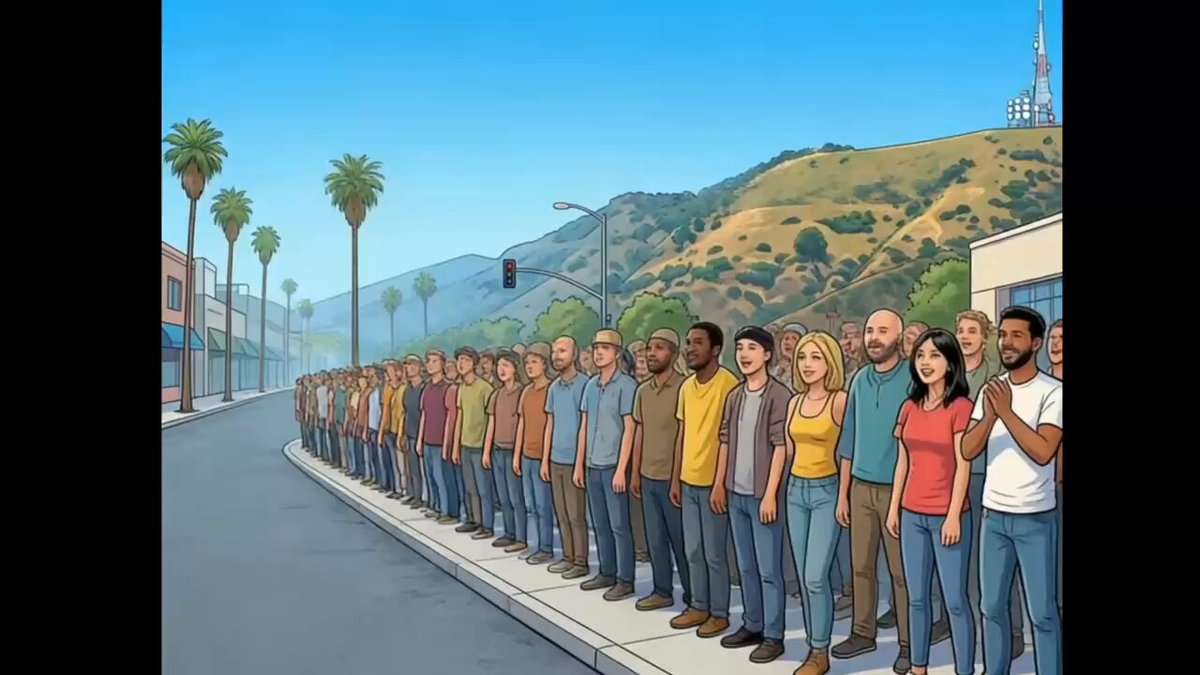
HOLLYWOOD SE ESTA APAGANDO (HOLLYWOOD IS TURNING OFF)
Song inspired by the linked article by my good friends at @mamathemagazine, written by @CoastEnjoyer.
Want a custom song for your own article or as a tribute (or roast) of a certain person or event? DM me or submit your request at aeacreative.com
Lyrics:
¡Oye! They say the stars shine bright in LA...
But the lights are going out on the silver screen, mi gente.
¡Escucha la historia!
Down on Venice Beach, the cameras try to roll
A reboot of the lifeguards, trying to save the soul
But the red tape wraps around 'em, the costs are flying high
The politicians cheer, but we’re watching the town die
They struck out in the summer, with the signs out on the street
Eighty thousand empty pockets, dragging their tired feet!
Hollywood is falling, but not from getting old!**
They locked away the magic, and left the theaters cold!
It’s an inside job, a tragic play, a script they wrote themselves
Trading in the audience for trophies on their shelves!
¡Ay, la meca del cine se apaga!
Sitting at the dinner table, sipping on the wine
Making up excuses while the box office declines
They blame it on the streamers, they blame the "toxic fans"
They blame the changing weather, but never their own plans!
They say it’s superhero fatigue, or attention spans too tight
But the truth is on the screen, my friend: the picture just ain't right!
Hollywood is falling, but not from getting old!
They locked away the magic, and left the theaters cold!
It’s an inside job, a tragic play, a script they wrote themselves
Trading in the audience for trophies on their shelves!
¡Agüita pa' beber!
“Zero for them, and all for me!”
That’s the new philosophy!
They pushed away the old guard, put the activists in charge
But the ship is taking water, and the ocean is too large
Star Wars and the ghost-hunters, squeezed until they break
While a twenty-year-old indie kid shows 'em what it takes!
¡Se tiran al abismo, no quieren ver!
They blame the gas prices, they blame the algorithm, but they forgot the plot!
¡Se tiran al abismo, no quieren ver!
Purity tests and quotas, but no rhythm in the soul, mi hermano!
¡Se tiran al abismo, no quieren ver!
They bought up Warner Brothers, but the audience disappeared!
¡Se tiran al abismo, no quieren ver!
Two hundred million for a YouTuber, while the empire starts to fall! ¡Camina!
Yeah, my friend sits at Nate ‘n Al’s...
Sipping his coffee, saying nobody goes to the movies because of oil prices.
Open to work.
The ladder's pulled up...
¡Se acabó la película!

After yesterday's major Variety piece about the death of Hollywood, an anonymous Hollywood insider writes what Gene Maddaus and everyone else is afraid to.
"Maddaus, being a mainstream journalist, rattles off all the acceptable explanations. California’s failure to compete with production incentives of other states. California’s harsh environmental and labor regulations. Even California’s bureaucratic incompetence. But of course he never mentions the real reason, which is the mentality behind all of these superficial causes. That Hollywood isn’t dying of old age or infirmity. But that it’s killing itself."
Read full article just published here:
mamathemagazine.com/the-inex…
7
16
653
Adrian E. Alvarez, Esq. retweeted
LISTEN TO CHAPTER 1 OF BOOK 1 OF
CUBELA LIBRE: ROAD TO REVOLUTION
Subscribe to get these episodes first for each chapter!
6
18
300
Adrian E. Alvarez, Esq. retweeted
Check out the music video I made for my friends in the band Baladrama! @YoAdrian305. Interested in your own video? Hit me up at aeacreative.com.
4
15
201
Adrian E. Alvarez, Esq. retweeted

Our CEO @YoAdrian305 will be a speaker at @TokenizeThisNYC next week!
2
2
69
Adrian E. Alvarez, Esq. retweeted


1
3
4
76
Adrian E. Alvarez, Esq. retweeted

Jun 16
2022 年,一部动画短片至少要 50 人、做半年。
2026 年,只需一个周末,人人都可以做导演
AI 时代,技术已经不值钱了,
值钱的是你的品味、想法和执行力。
一个周末搞定全部流程
附完整流程提示词 ⬇️:
35
116
766
106,307
Adrian E. Alvarez, Esq. retweeted

Jun 16
I rarely see this kind of children's animation, and yet it's absolutely wonderful.
While most AI animations focus on action and fight scenes, there's something uniquely magical about bringing storybooks and fairy tales to life.
✨ All of these animation styles are available to my subscribers.
13
7
140
5,487
Adrian E. Alvarez, Esq. retweeted
Thinking of including Ai tutorials and behind the scenes of how I make my videos, songs and artwork. If I do, is that something that would get you to subscribe?
100%
Yes, I would subscribe
0%
No, but would with more
0%
No never would regardless
3 votes • Final results
2
9
15
730
Adrian E. Alvarez, Esq. retweeted
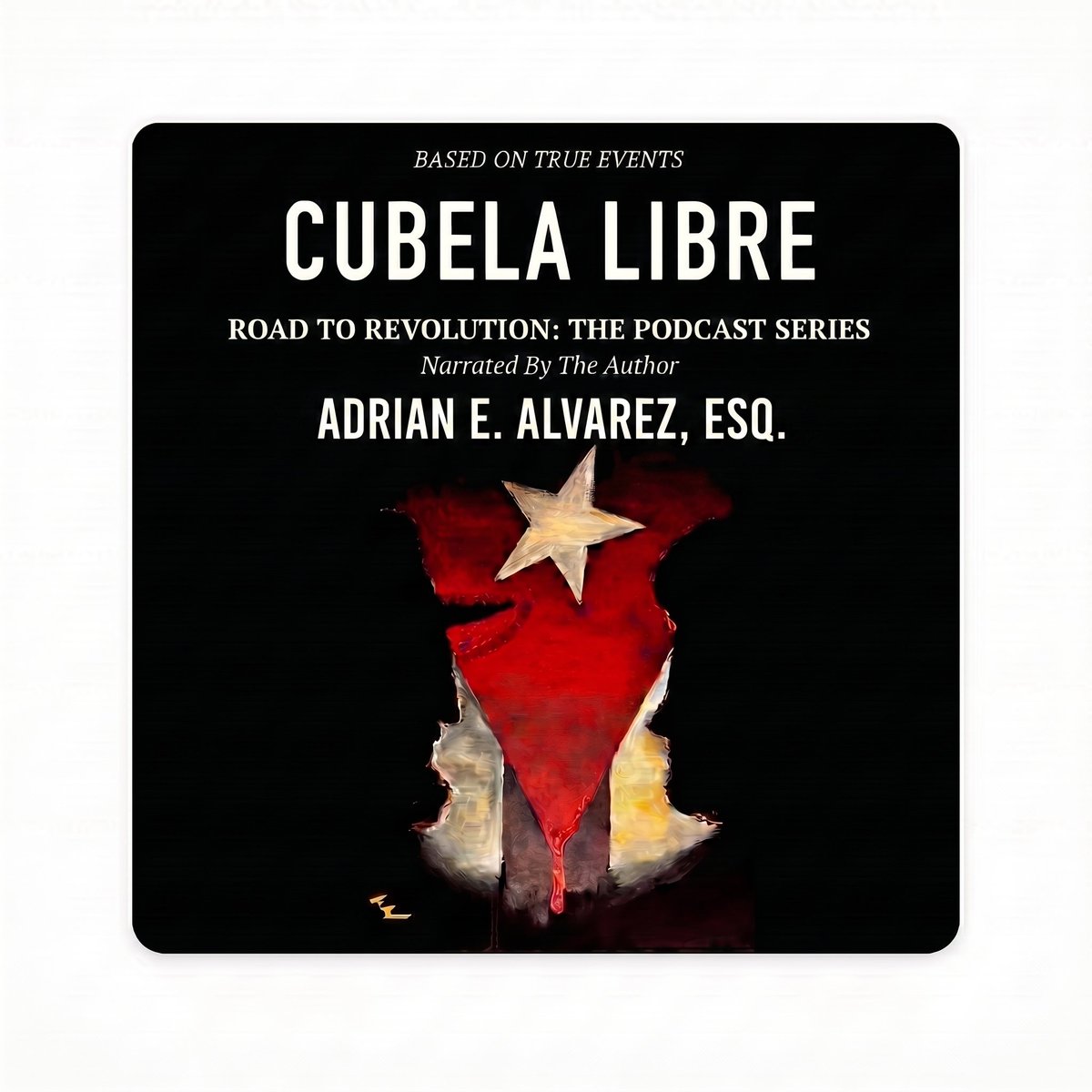
Want to listen to my book instead of reading it? Well, I'm starting a podcast! If you'd like to listen now, I've posted the RSS feed to my subscribers. Will be posting in Apple Podcasts and Spotify soon!
1
4
17
374
Adrian E. Alvarez, Esq. retweeted

Jun 16
One of the hallmarks of communism is the exaltation of ugliness. Contrast our gorgeous Depression-era LA architecture with the commie brutalist slop vomited upon us today. I'll support any candidate who vows to throw this architect in prison for crimes against beauty.

1,212
5,817
42,670
625,616
Adrian E. Alvarez, Esq. retweeted

There’s no journalist in the nation as hard core as @jenvanlaar (and I know MANY journalists). She hustles harder than anyone else & goes deeper than others would dream of doing.
If you don’t follow her already, I urge you to do so ASAP & start reading her vast body of work regarding the Newsoms & their close associates like Dana Williamson, the felon who also worked for @XavierBecerra
Jen’s objective work is the product of years of deep, traditional investigative journalism that we sorely lack in modern media. Read everything she posts because she’s been proven correct again and again.
Jun 15

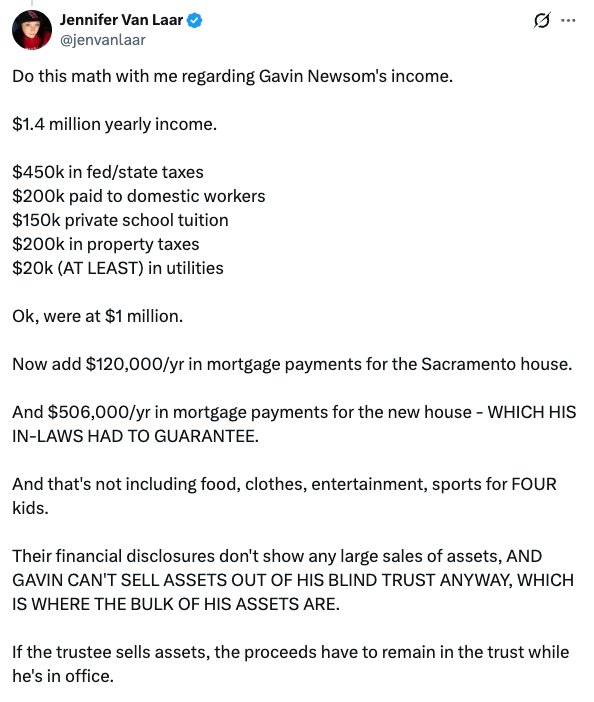
Maybe they're investigating you because your finances don't add up? Or because your wife's LLC received the deed to a $9.1 million home a week before the LLC was even created - while you still had your Fair Oaks home? How was that LLC capitalized?
132
2,415
12,381
689,275
Get it on Amazon in paperback today!

If you love my commentary on current politics, you should check out my work on the politics of the past. Part 1 of my new book, Cubela Libre: Road To Revolution is now live on Amazon publishing to purchase as paperback! Want it digital? Subscribe! amazon.com/dp/B0H58D7Q48
23
Adrian E. Alvarez, Esq. retweeted
Cubela Libre Trailer - I created it in 2021 with zero Ai utilized, just clips from various movies and shows. Still holds up!
If you love my commentary on current politics, you should check out my work on the politics of the past. Part 1 of my new book, Cubela Libre: Road To Revolution is now live on Amazon publishing to purchase as paperback! Want it digital? Subscribe! amazon.com/dp/B0H58D7Q48
6
9
36
1,418
Part 1 of Book 1 of CUBELA LIBRE: ROAD TO REVOLUTION is now live on Amazon to purchase on Paperback!! amazon.com/dp/B0H58D7Q48
1
3
57
Want to read it digitally? Subscribe to my political commentary account @LatinosPorPoder here! x.com/LatinosPorPoder/creato…
3
44
Adrian E. Alvarez, Esq. retweeted
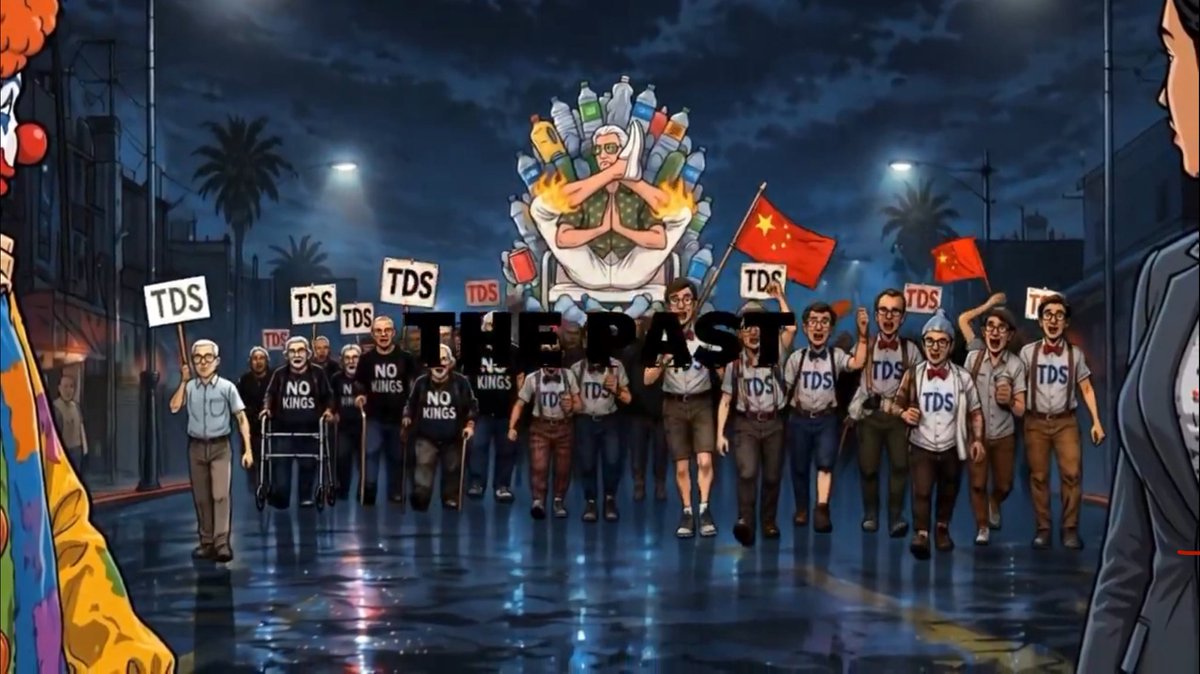
🤣😂🤣 didn’t even mean to cast this guy in the video but it happened anyway. Look at all the bow ties carrying Ñoquemalo on his recycled plastic throne 🤣😂🤣
Jun 15

👀HUGE scoop from @CarolLeonnig.
MS Now confirms the Trump administration has been pressuring career civil servants to “COME UP with a case against Gavin Newsom.”
5
4
19
882
Adrian E. Alvarez, Esq. retweeted
Jun 15
"Why are there so many commercial real estate vacancies all over LA?!? It's such a mystery!"
Until you crack down on this rampant criminal activity, you cannot reverse this blight, nobody will want to do business in LA, and our economic death spiral will continue, unabated.
623
5,885
38,580
457,154
Adrian E. Alvarez, Esq. retweeted
Jun 14
When I said this throughout my campaign, CNN people called me cruel and unhinged. Now, after they helped secure the election for the 2 dorks responsible for all these problems, CNN is now echoing my campaign talking points as gospel. Fascinating!
1,185
14,813
83,393
1,197,245
Adrian E. Alvarez, Esq. retweeted

Jun 14
M. Night Shyamalan’s career is an interesting case study in what happens when a creator achieves massive success inside a scale-driven system.
The Sixth Sense was not successful because it had a twist ending. It was successful because it was authentic. The twist was merely one ingredient inside a larger creative vision. But once Hollywood saw the commercial outcome, it reduced the lesson to something much simpler:
“People like surprises.”
From that moment forward, the market expectation became clear. Every new M. Night film arrived carrying the burden of repeating the same experience. Audiences weren’t being sold a new story. They were being sold another version of the thing that worked before.
The creator discovered something unique. The system discovered a formula.
This is the same risk facing many modern YouTube creators who build enormous audiences through authenticity, originality, and direct relationships with viewers.
A creator develops a voice. An audience forms around that voice. The creator proves there is value. Then larger institutions arrive with capital, distribution, ownership structures, and expectations.
Suddenly the conversation changes.
The audience relationship was built on authenticity.
The business relationship is built on repeatability.
Those are not always the same thing.
The challenge is that scale naturally pushes toward simplification. Nuance is expensive. Originality is unpredictable. Authenticity is difficult to manufacture. Scale prefers patterns, formulas, and predictable outcomes because those things can be measured, forecasted, and repeated.
The larger the machine becomes, the more pressure exists to reproduce yesterday’s success instead of discovering tomorrow’s.
From the outside, this process is often hidden behind fame, glamour, red carpets, magazine covers, and large production budgets. The filmmaker appears more successful than ever. The projects are bigger. The visibility is greater.
But those surface indicators can conceal a deeper shift.
The creator who once answered directly to an audience now answers to an infrastructure.
The audience sees prestige.
The infrastructure sees inventory.
This is why many creators discover that the thing people loved most about them becomes harder to preserve after entering large institutional systems. The audience wasn’t responding to scale. The audience was responding to the creator.
When a YouTuber sells a project into Hollywood, the immediate reward can be enormous. More money. More reach. More exposure.
But there is also a tradeoff.
The creator may gain access to the machine while simultaneously losing access to the very conditions that produced the original success.
And once the audience senses that shift, rebuilding trust becomes difficult.
The irony is that the authentic connection that attracted Hollywood in the first place is often the first thing endangered by Hollywood’s need to scale it.
3
22
1,884