Art Guild Lead & MOD @BountyHunterNFT
Joined April 2020
- Tweets 1,897
- Following 479
- Followers 313
- Likes 2,909
469 Photos and videos






Øktev retweeted

10 Jan 2025
In the hindsight, it will be the finest art collection on the chain
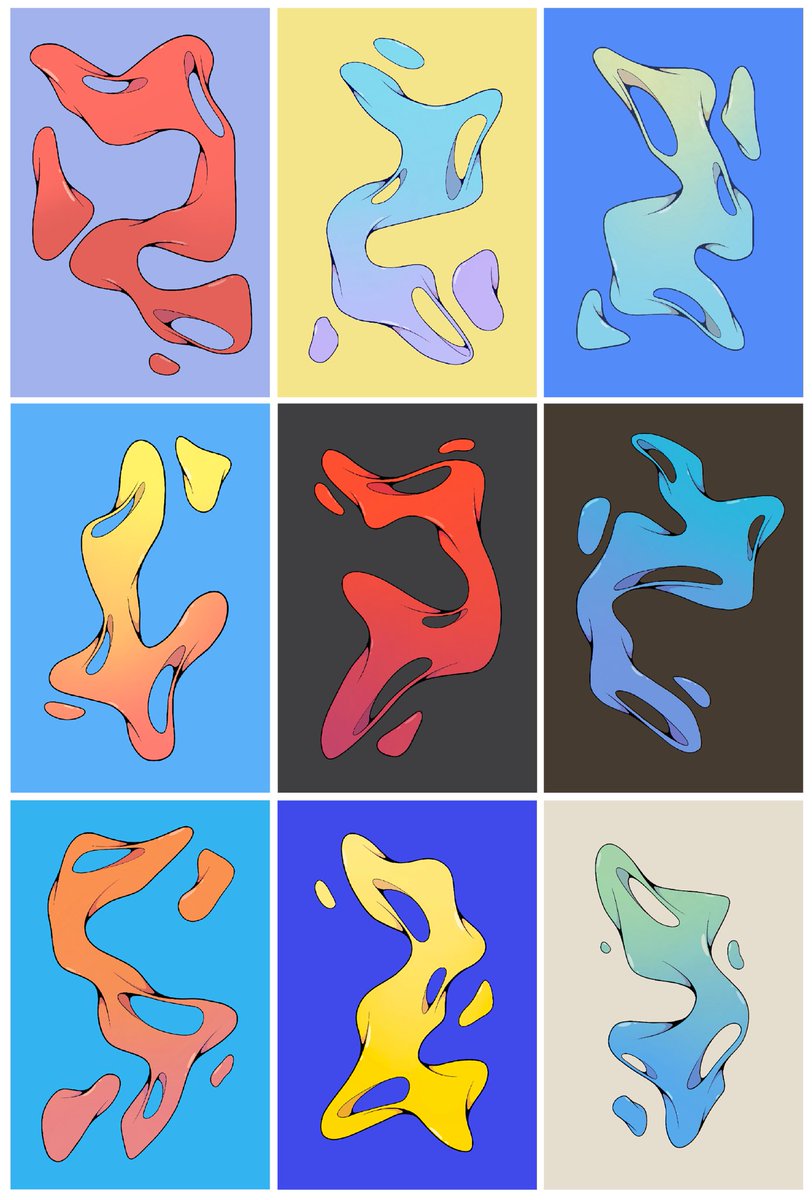
“Globs 6x9”
On @exchgART
2
4
10
243
Øktev retweeted

9 Jan 2025
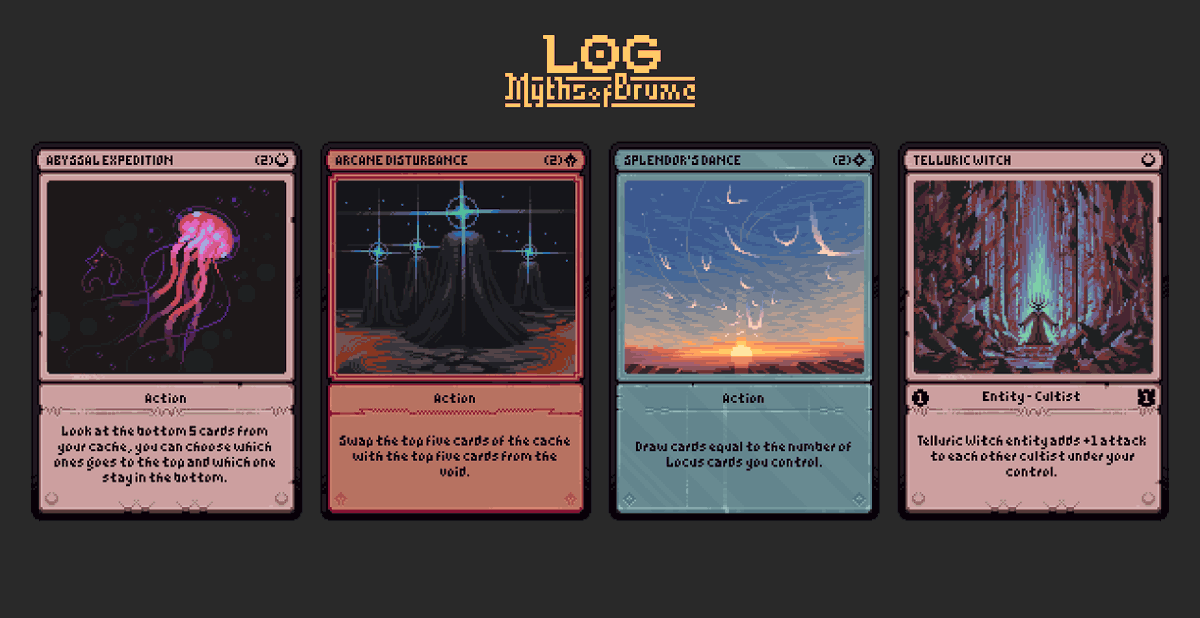
I am so excited for the Myths of Brume trading card game. Easily one of the most collectible web3 projects that continues to deliver.
"We're buying and selling cryptographic trading cards"
— Hal Finney

5
17
651


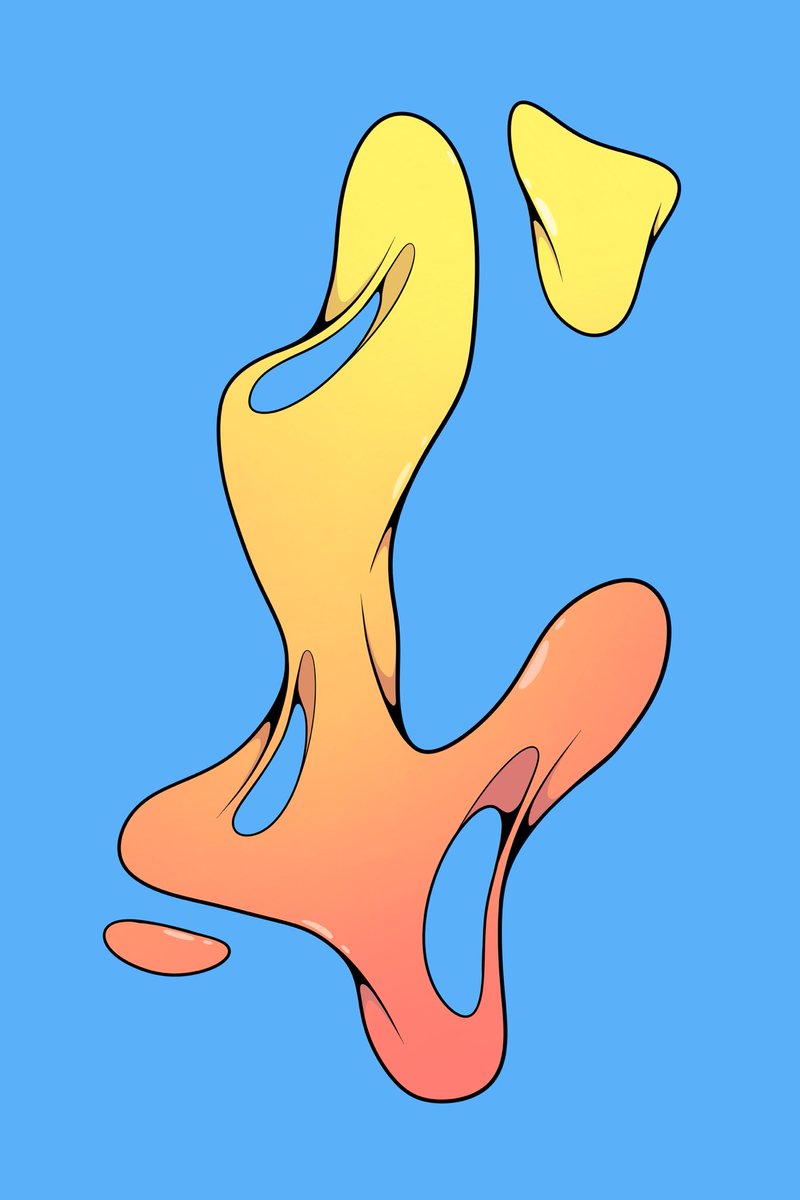
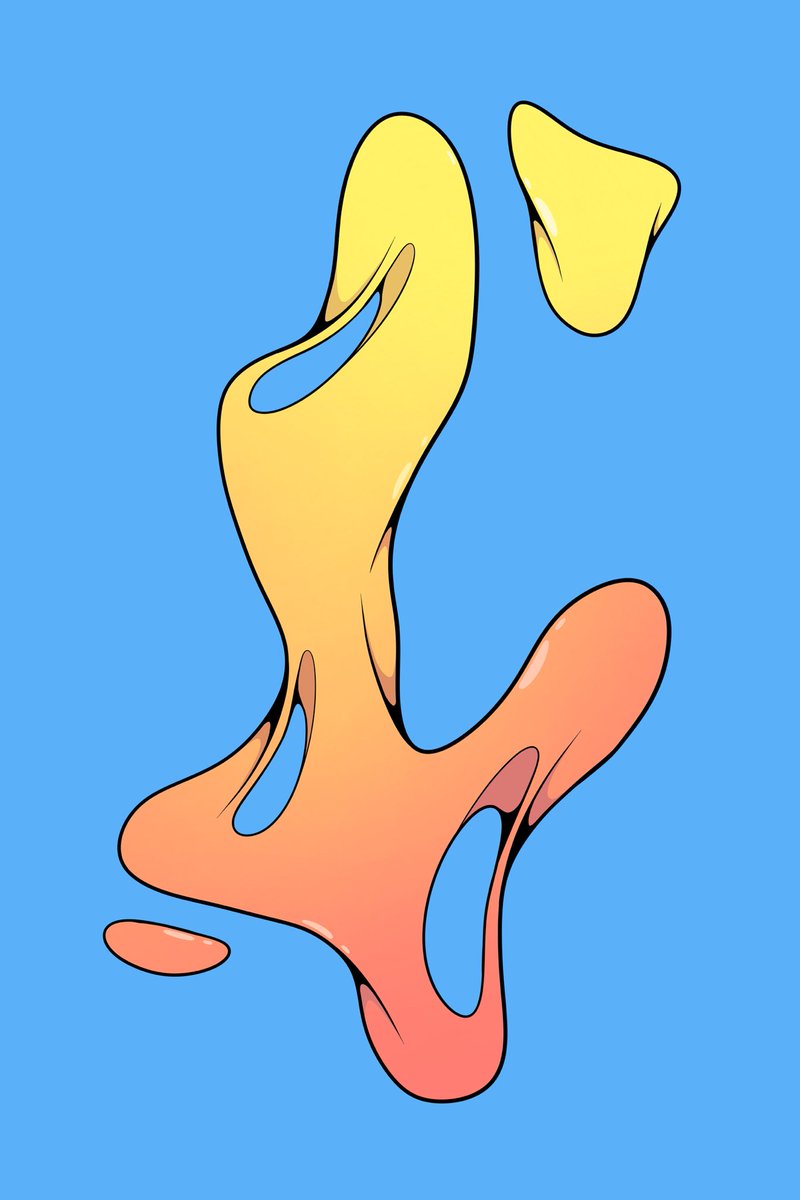
🎨 My latest digital artwork drops TONIGHT! 🚨
💰 Price: 1 Sol
🕕 Live at 4 PM UTC — available for instant purchase!
Be ready to claim this unique piece as soon as it goes live. 🖤
#NFTArt #Solana #DigitalArt #NFTCommunity
1
2
8
202
Øktev retweeted

24 Dec 2024
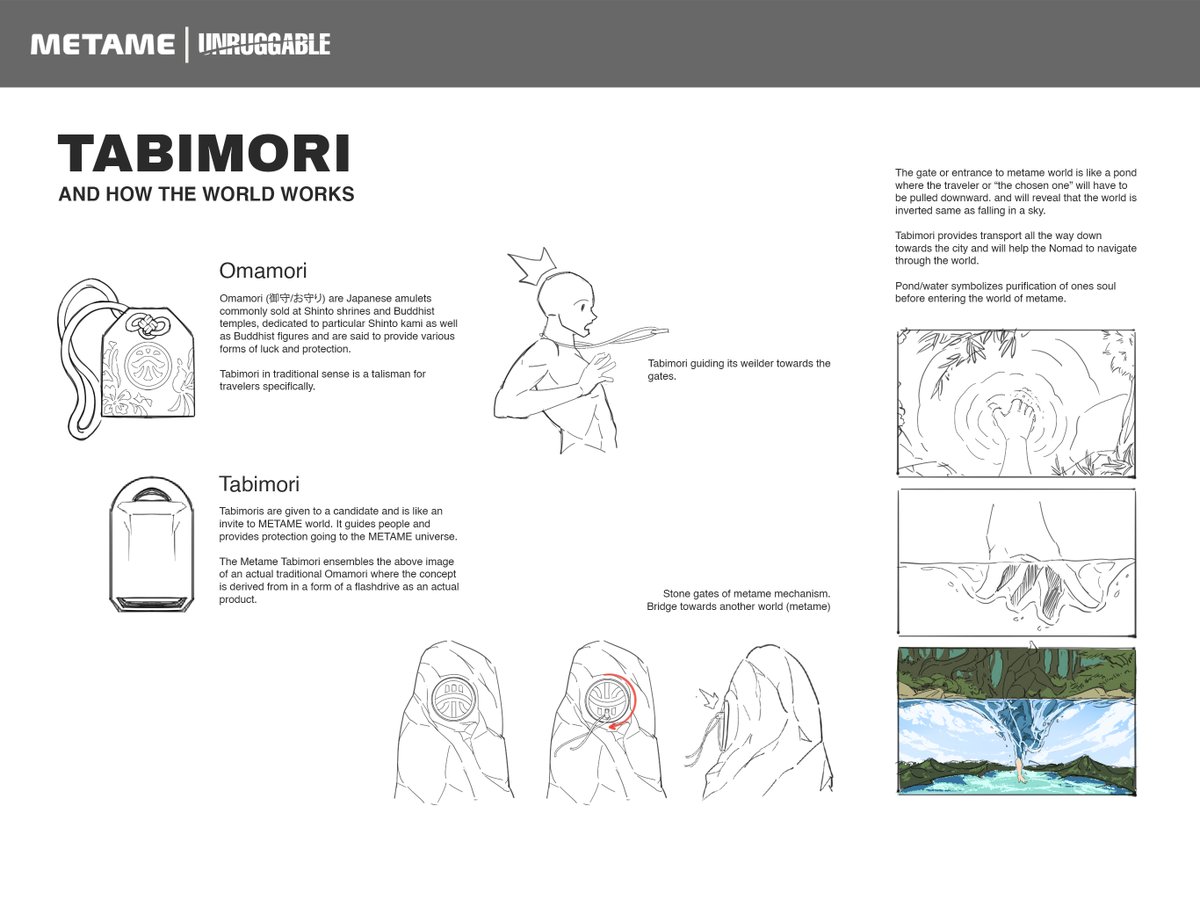
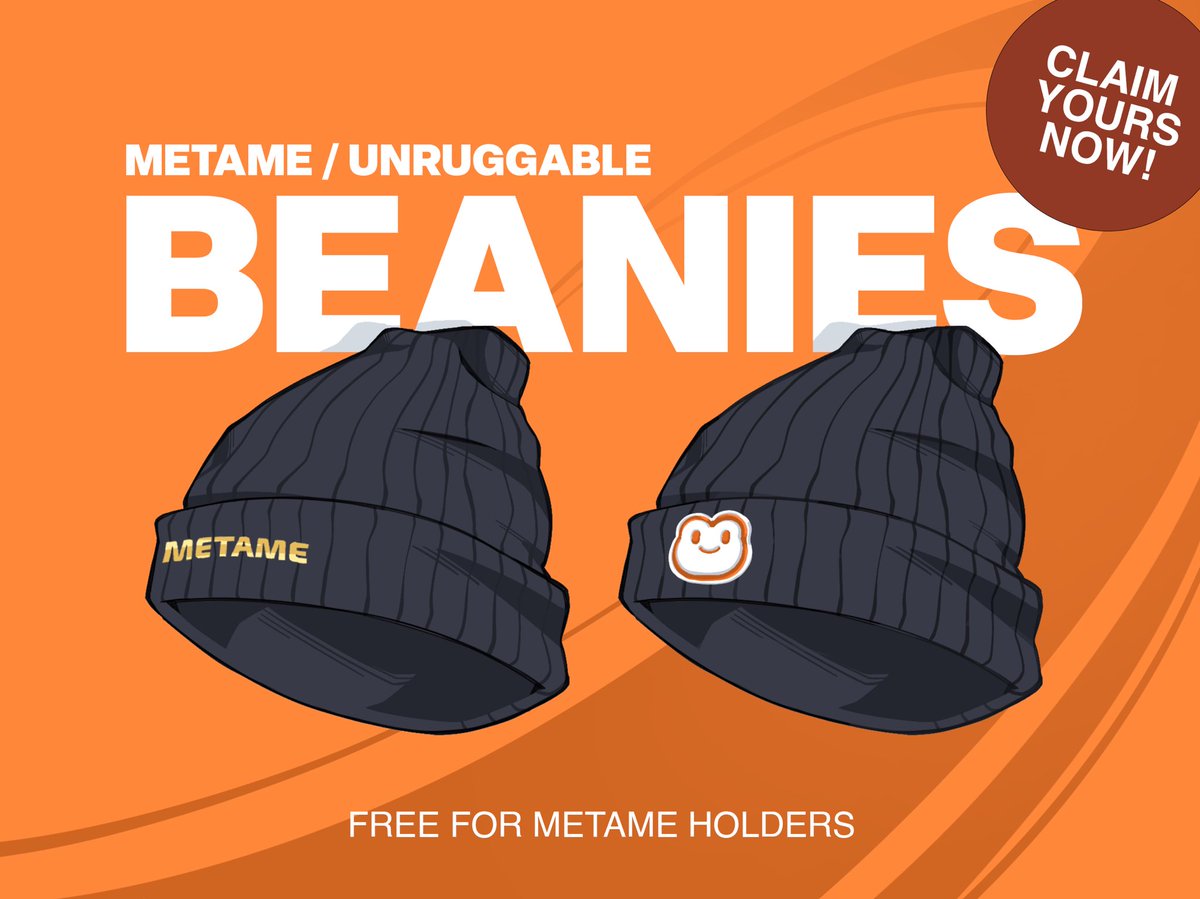
An early Christmas gift, for Metame holders only! 🎁
We're giving away free @metamenft and @unruggable_io beanies to holders! Only 100 available of each.
Go to our Discord and fill out the form in our recent announcement to claim yours!
This is our way of saying thank you for being part of the Metame community.
We appreciate all of you! Merry Christmas & Happy Holidays! 🤍
23
22
68
10,675
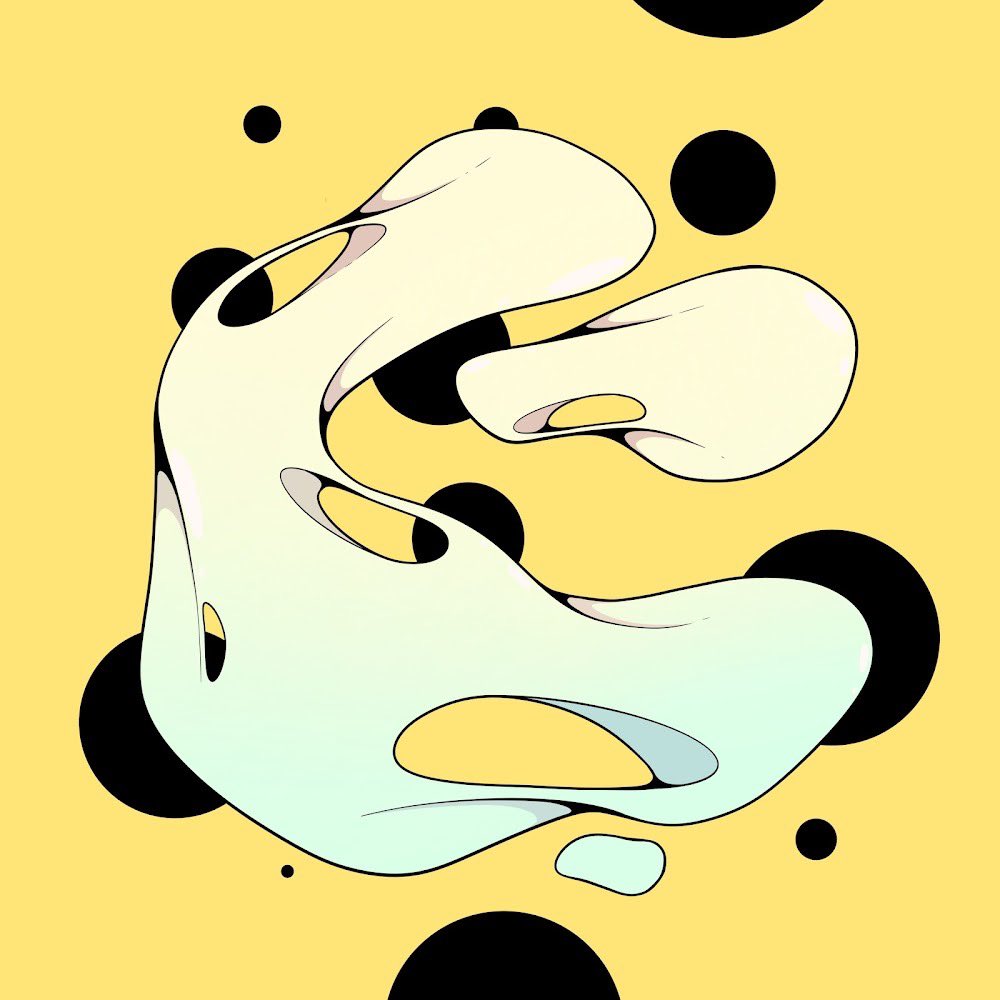
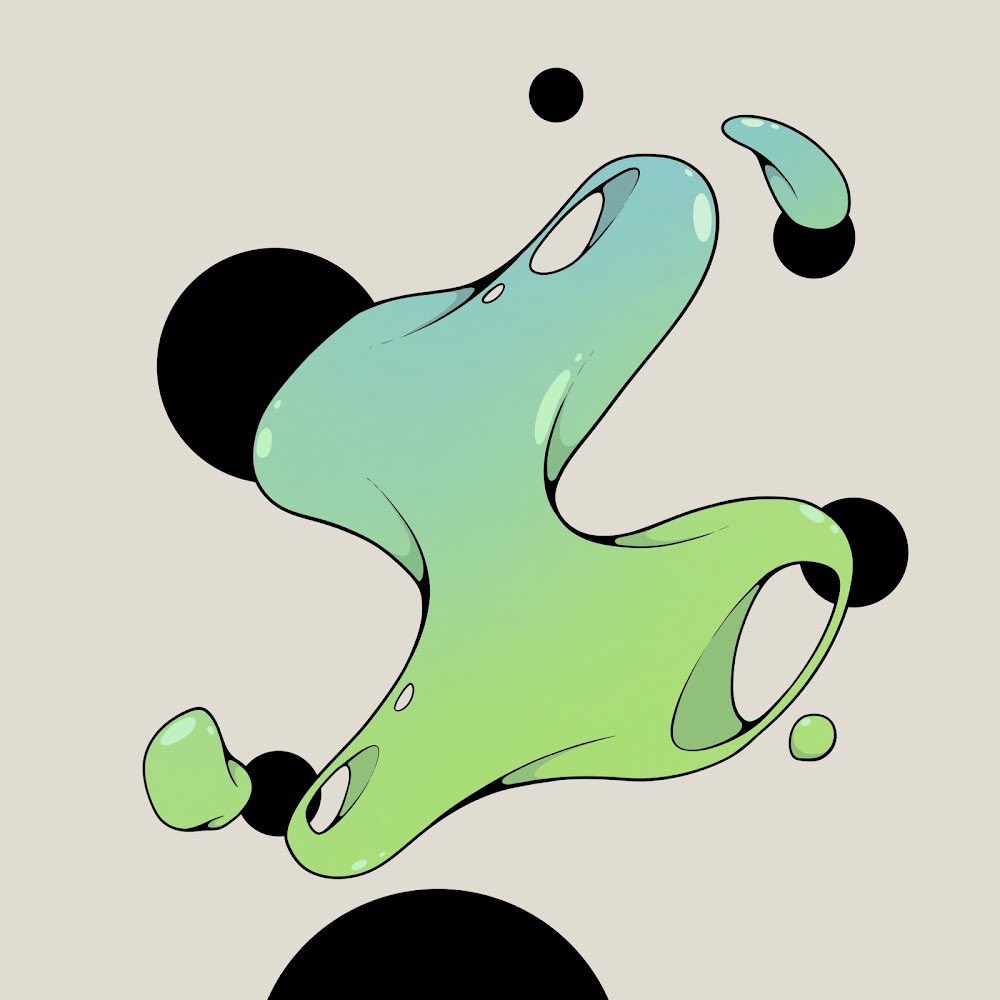
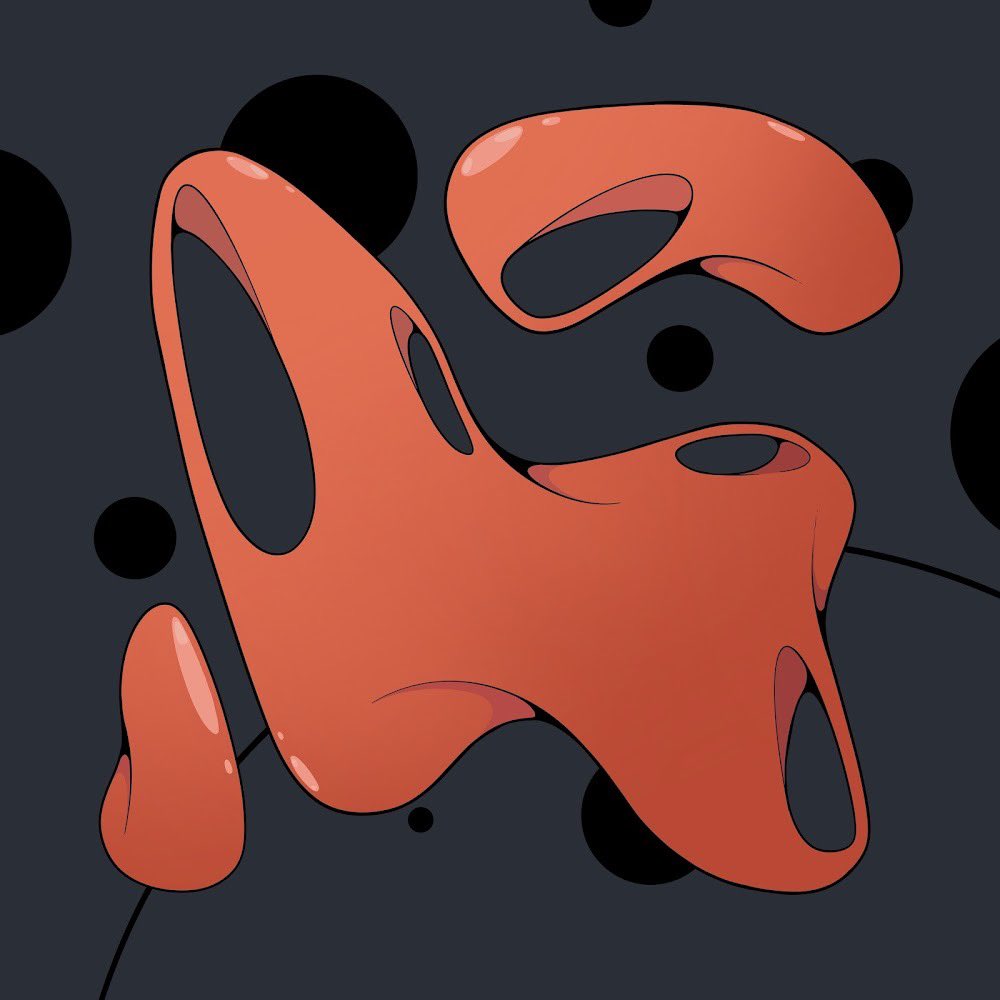
🎄 ’Tis the season of giving! 🎁
I’m spreading some holiday cheer by sharing a few of my special globs from my personal stash.
How to enter:
1.Retweet this post
2.Drop a comment with your Solana address and tell me which one you’d love to have!
On Christmas Day, I’ll randomly pick winners to gift a 1/1 glob straight to their wallet! 🎅✨
Good luck and happy holidays! ❤️

17
20
29
1,117
Øktev retweeted

18 Nov 2024
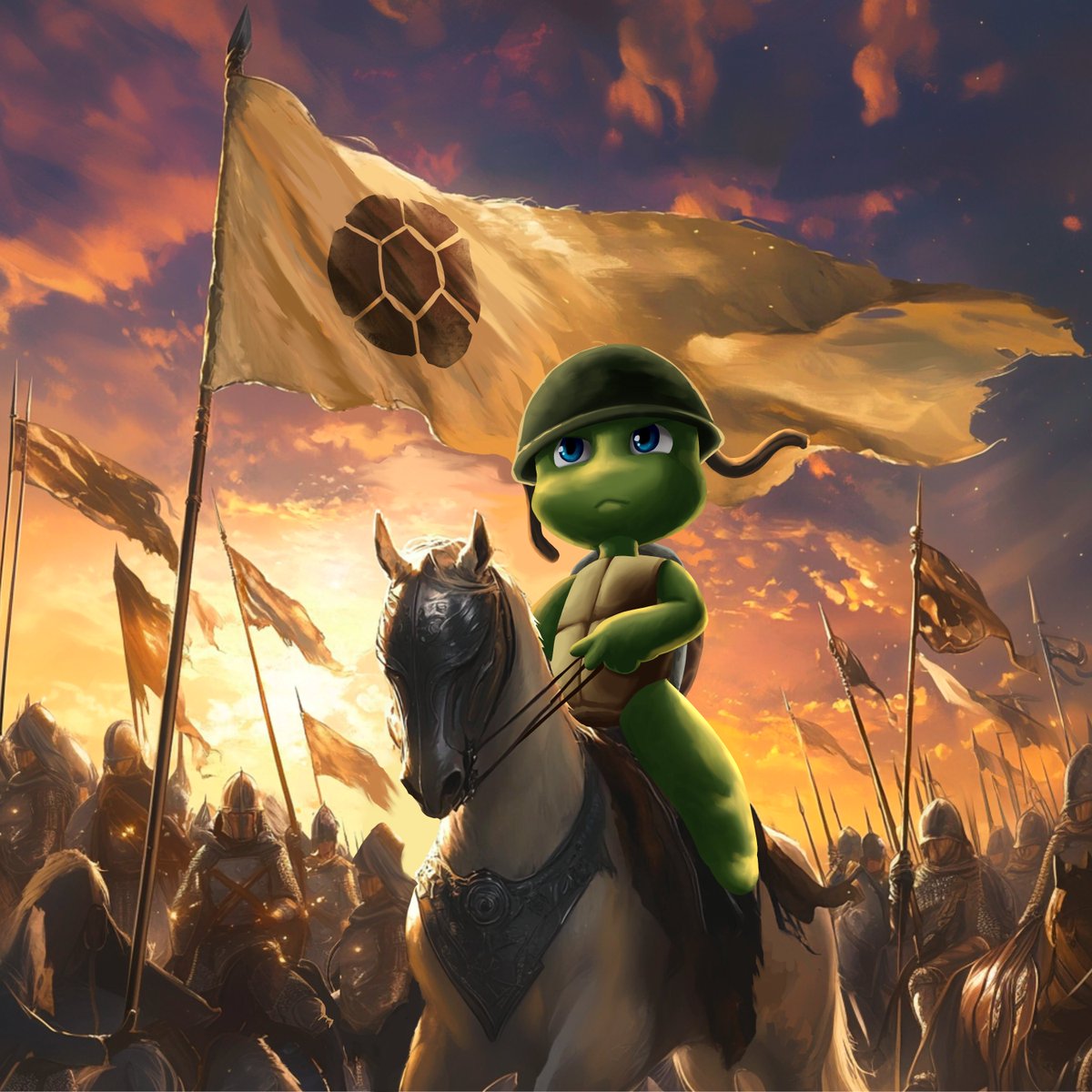
Tired of Ruggers and Retarded Devs?
No worries, Terry is here to save all soldiers in the trenches
Join the movement while it's early!
#Terryrism
70
47
128
9,164
Øktev retweeted
10 Nov 2023
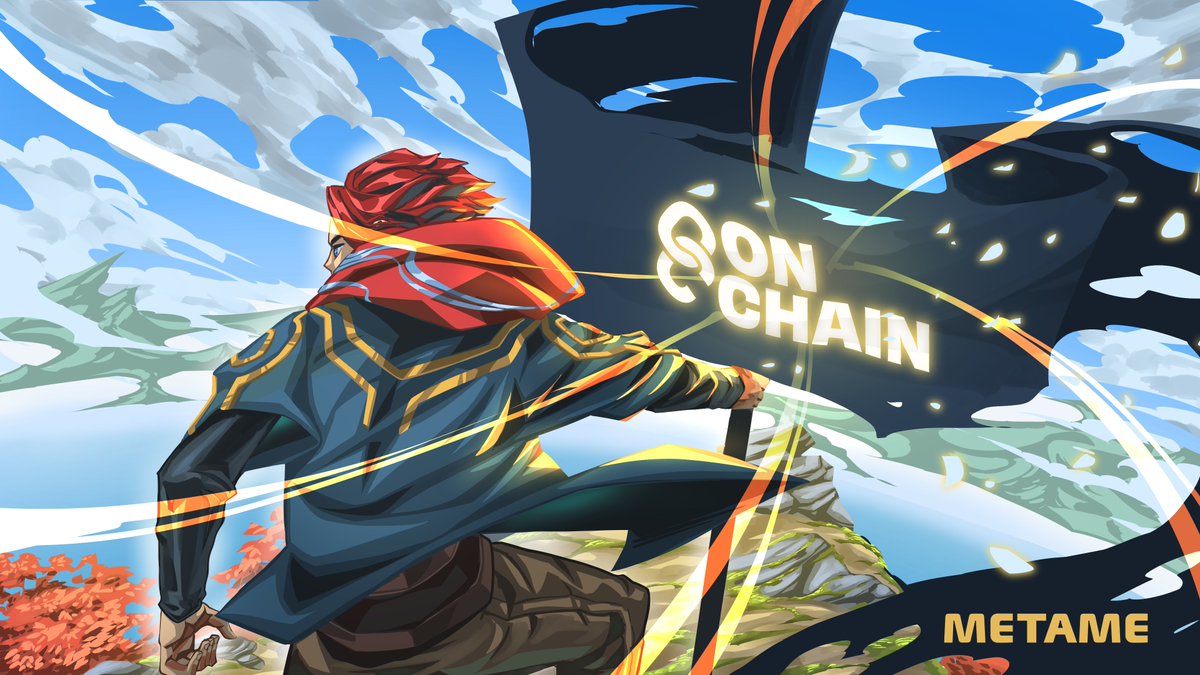
We want to build a new standard on Solana, a standard of true holder ownership, decentralisation and immutability.
How many times have we wrongly heard that Solana is a ‘centralised’ chain?
That’s why we’re building on-chain, on Solana.
This is going to be a long one, so get your "I ain't reading all that, I'm happy for you, or sorry that happened" memes ready.
🎴👇
What are people saying about NFTs?
We very recently saw Elon Musk on the Joe Rogan podcast saying "The funny thing is the NFT is not even on the blockchain—it’s just a URL to the JPEG. You should at least encode the JPEG on the blockchain"
Or articles with the title: “Why Would Anyone Buy NFT – A Link To A JPEG File?”
Well, what do they mean by this?
Currently, on Solana, your NFT is essentially just a link pointing to a JPEG on a server. The link which is stored on-chain points to a file that contains the information about your NFT, like the attributes, description and the link to the actual image.
The server that hosts this file and the images can be operated/paid for by the team (e.g Mad Lads, Degods), or it can be some form of decentralised storage (IPFS/ARWeave/Shadow Drive).
If the servers hosting the images stop working, or any of the decentralised storage service providers stop operating - the images and information for most NFTs would be unavailable. It is important to note that the name (i.e Metame #1381) and the creators of the NFT are stored on chain.
This is why Ordinals on Bitcoin are so important, as they are not stored on an external server but stored on-chain, inheriting the same level of decentralisation and immutability as Bitcoin - meaning you truly own your NFT, just like you own your bitcoin.
Thats why if you hear the "all you own is a link to an image somewhere" FUD regarding NFTs, well, they're kinda right, at least currently on Solana.
We want to set a new standard on Solana, and that is on-chain.
What other projects are on-chain?
The biggest and most obvious one is CryptoPunks on Ethereum. Originally Punks were all in one giant image file when they launched back in 2017 and in August 2021, a new ETH contract was launched storing all CryptoPunks on-chain as SVG files. This made CryptoPunks fully decentralized and allowed holders to truly own their NFTs.
Blockrons - the first on-chain NFT collection on Solana with 100 supply.
Effectively these NFTs inherit the same level of decentralisation and immutability as the base chain - as long as the EVM continues to operate these NFTs will always exist.
Similarly with Ordinals - as long as Bitcoin continues working they will always be available. This is because the images are actually part of the chain, and thus also stored on every validator of that chain.
Contrast this to the majority of NFTs that simply point to an image stored on a server as explained above, and the benefit of having your NFT stored on chain becomes clear.
What does this mean for Metame?
- First on-chain generative project on Solana at scale
- Metame will become a truly decentralised project on Solana
- You will truly own your NFT
- Once on-chain, your NFT can and will never be changed
- Setting a new standard for Solana that other projects can adopt
What are the costs of putting NFTs (Digital collectibles) on-chain on Solana?
Inscribing (putting data on-chain) costs depend on the file size. It can cost as little as 0.07 SOL to inscribe for a 10kb file.
However, as you see on Ordinals, a lower file size usually leads to reduced image quality. We spent 18 months creating the artwork for Metame, and we want to make sure it retains that quality.
To keep the quality and inscribe a Metame on Solana, it would cost around 0.5 SOL per digital collectible. Meaning around 750 SOL (over $36,000 at current SOL prices) to inscribe the entire 1500 collection.
We will NOT be charging holders. The cost will be covered by the team. We promised fully on-chain and immutable digital collectibles, and thats exactly what we're delivering.
Why does it take long to build?
In order to inscribe the full collection on chain, three distinct steps are required:
1 - PreProcessing - taking the image and metadata and preparing it to be stored on chain
2 - Inscribing - developing the storage smart contract and its implementation and then storing the prepared files on chain
3 - PostProcessing - the code that reads the data stored on chain and then reconstructs the Image and metadata
For preprocessing we follow the same methodology as Ordinals, encoding the images into MIME base64 format.
This format is widely used across the internet, and is well documented. Prior to the encoding, after extensively testing multiple different image formats (png, jpg, svg etc..) the choice to use webp encoding was made.
WebP is an image format developed by Google that is specifically designed to retain the highest quality possible whilst minimising file size.
A custom quality algorithm was developed to ensure each Metame retains the highest quality possible, whilst ensuring consistent file-sizes and staying below the storage limit.
Moving on to inscribing, the smart contract manages writing and storing the data to Solana, creating an individual account for each NFT, and in that account then stores the processed image.
The smart contract is deployed and is currently being finalised, and second opinions from other experienced developers are being sought to ensure that our approach makes sense and is extensible.
We have taken extra care to make sure that the contract stores the data in a clear and deterministic fashion for each NFT (utilising PDAs), whilst also not breaking metaplex standard compatibility so the collection retains its composability with all existing NFT protocols (marketplaces/lending etc..).
Once the contract is finalised, it will be deployed from the update authority of the collection. Inscription of the full collection will then be carried out, and then the contract will be marked immutable so it can never be altered.
Once everything is inscribed, it is important to also create the interfaces for people to easily understand, access and verify the inscribed on chain content. The next step is to provide resources, code, documentation and support for further adoption.
We are extremely excited to make history with all of you.
We are Metame.
50
101
303
56,645
Øktev retweeted

14 Oct 2024
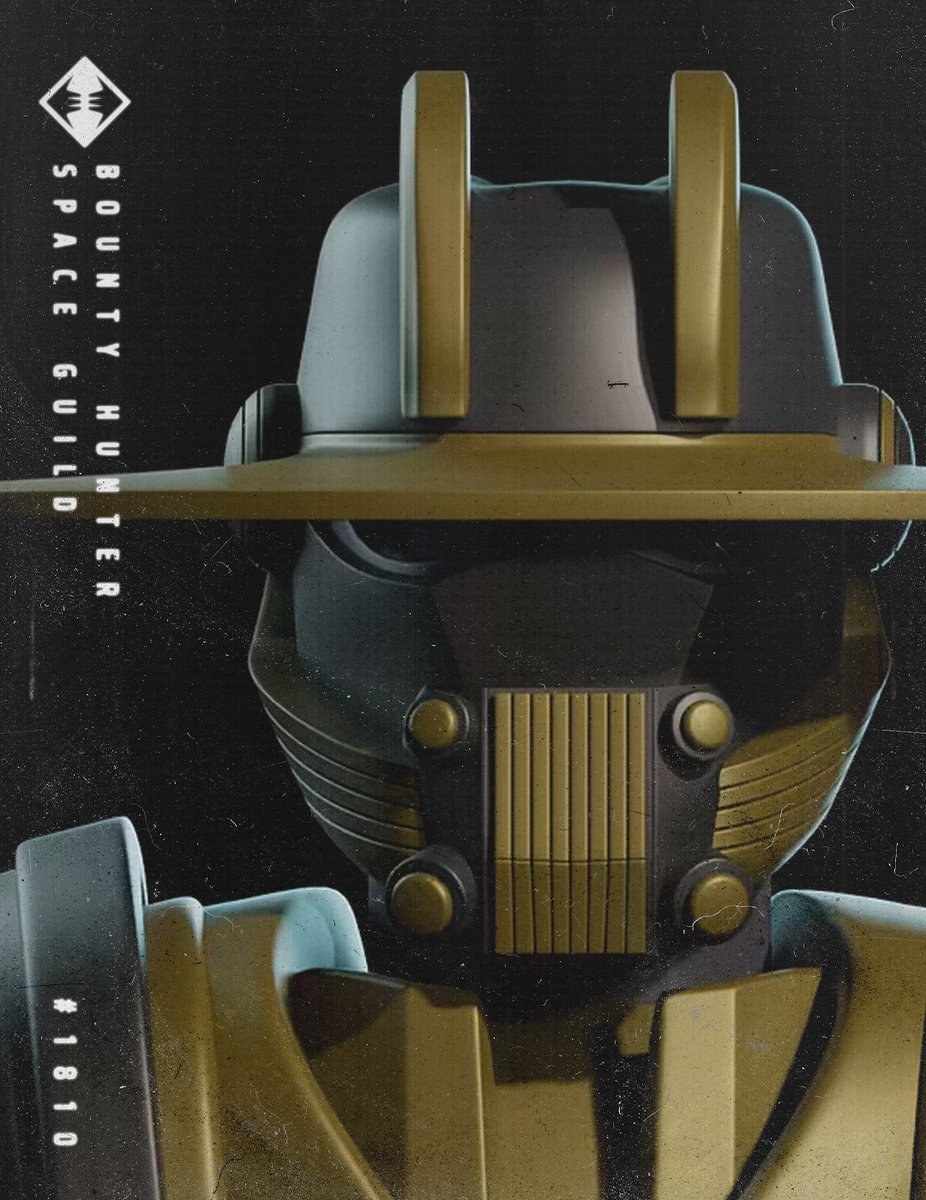
I'm still picking up hunters. This is the latest one added.
I can't believe that in November, it'll be 3 years since they minted.
@BountyHunterNFT
@BountyDAO
#BuildTheGuild #pewpew #Solana #NFT #SOL #NFTs #solnft #SolanaNFTs #bountyhunters
5
3
13
259
Øktev retweeted

25 Aug 2024
@BountyHunterNFT Got one of the biggest dao wallets in the space, their wallet has: @GalacticGeckoSG ,@DeGodsNFT ,@TaiyoPilots ,@TaiyoRobotics ,@XinDragons ,@y00tsNFT ,@Claynosaurz @SOL_Decoder, @FamousFoxFed,@DegenApeAcademy @JellyCoNFT @SolanaMBS and many more OG and new NFT’s
3
4
9
122
Øktev retweeted

19 Aug 2024
1/1 Archon Goddess Giveaway!
- Follow @solarchons
- Tag 3 Friends
- Like RT
48hrs, Go!
Mint: archons.vtopia.io #Solana #NFTs
88
69
97
4,322