
2,934 Photos and videos
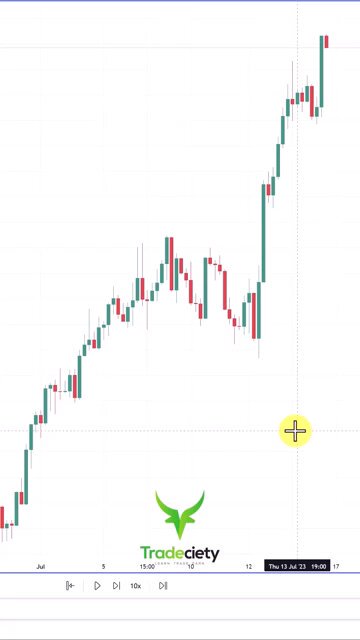













the fake breakout is the most expensive lesson in trading
price pushes through a level, every indicator confirms it, you enter - and it snaps back and takes your stop with it
this happens to experienced traders because breakout energy and reversal energy look nearly identical in the first few seconds
the difference only shows up in the structure underneath
Tradeciety put together a tight breakdown of exactly this - breakout or fakeout, how to tell the difference before you're already in the wrong side of the move
real reversals have a signature. fake ones have a different signature. the gap between them is small enough that most people miss it
the article below covers the full sequence - what to look for before entry, what confirms the move is real, and what tells you you're in a fake before the stop gets hit

3
3
5
203
nobody teaches you how to do research
they hand you a desk, a vague problem, and assume the rest gets absorbed somehow
what actually gets absorbed is how to look like a researcher, not how to be one
richard hamming used to ask colleagues what the most important problems in their field were, then ask why they weren't working on them
people changed tables
that question still stings because most people don't pick their problems, they inherit them from advisors, trending papers, and whatever a big lab announced last quarter
this short breaks down why hamming called creativity a mindset, not a talent - and the article below is the thing most research guides skip: the actual stack of skills, laid out in the order they compound

72
Anthropic just made their enterprise Claude products open source
the specialist layer behind Claude for Legal and Claude for Financial Services - the one companies pay a premium for - is now public and free
in this 4-minute video, Mark Pike, Associate General Counsel at Anthropic, shows how their own legal team cut contract review times from days to hours using Claude - no coding required
that workflow is built on the same foundation that is now free for anyone
it is called anthropics/knowledge-work-plugins, a repo of configured roles: sales rep, financial analyst, legal reviewer, marketing specialist, data analyst
each role arrives pre-wired with the tools, context, and slash commands a real professional in that seat uses daily
you are not prompting a general-purpose model anymore. you are activating a configured role
the article below maps out how each specialist role is set up and which slash commands to run first
1
72
the SpaceX S-1 buries a $4.28 billion quarterly loss in 300 pages of disclosure most retail buyers will never reach
pricing is June 11. trading starts June 12. the window to read the actual document is the next 48 hours, not after the pop
the executive summary and the back half of this filing are describing two different companies
i went through the numbers the roadshow is not foregrounding:
$4.94 billion net loss in 2025, after a profitable 2024
AI-segment losses running at roughly $2.5 billion per quarter with no reversal timeline disclosed
per-subscriber Starlink revenue down 23% year over year - in the segment financials, not the press release
retail allocation at 30%, three times the standard for a mega-cap IPO
the question is not whether SpaceX is a great company. it is whether $1.75 trillion is the right price for what the back half of the document actually describes
the article below is the part of the filing the roadshow is not covering
1
116
everyone is arguing about which model tops the leaderboard, almost nobody noticed the assumption baked into every benchmark
benchmarks today treat models as stateless
each example is independent, the system finishes a task and moves on as if nothing happened
Andrej Karpathy spent 3 minutes in this clip explaining why this is not the year of agents, and the gap he points at is the same one: models can't learn the way humans do, they don't carry anything forward
but that is not how real work happens
real assistants remember context
real agents learn from past tasks
real users come back tomorrow
a model that forgets everything between tasks is being graded on a game nobody actually plays
the article below digs into why stateless scoring misses what matters, and what testing models with memory would actually look like

89
Claude refused to call Tesla a car company
i fed the 10-K, the energy filings, the FSD roadmap, the Dojo documentation, all of it - and not once did it describe Tesla as being in the car business
every summary called the vehicles a distribution mechanism. a means to an end
that reframe is not a take. it came directly from the filings
the clip above is Elon Musk saying the same thing people called him crazy for saying. turns out the filings say it too
Tesla deploys more grid-scale battery storage than any other single company on earth. FSD is a software license attached to a moving sensor array. Dojo is compute infrastructure that can rent itself out. Optimus is the top rung of a ladder where every floor below it is already being built
two segments generate real profit today. the rest is a bet on which rung actually gets completed
the article below maps all six layers - and the one question worth asking once you see the structure
1
1
1
110
everyone is arguing about whether prompt engineering is dead, almost nobody noticed what the debate was actually hiding
Dario Amodei said it plainly in a recent clip - coding is going away first, then all of software engineering end-to-end
but the real story is not that coding is dying, it is what replaces it
a single tweet by Peter Steinberger cleared 2.2 million views this week, and the top reply from Matthew Berman said it all: "nobody knows but him and boris."
the loudest idea in AI coding right now is one most people repeating it cannot explain
Boris Cherny, who built Claude Code, landed 259 PRs in 30 days where 100% of contributions were written by Claude Code itself - not by prompting, but by loops that prompt on his behalf
the job did not disappear, it moved up an altitude
the article below is where you go when you want to understand what these loops actually are, how they work, and why the feedback inside them is the part that matters

1
128
everyone is talking about the SpaceX IPO number, almost nobody is doing the actual math
Bloomberg reported this week that SpaceX already walked back its valuation target - it was above $2 trillion in April, now settling at $1.8 trillion after talks with advisers and investors
that move alone should tell you something
$1.75 trillion sounds like a valuation. it is not. it is a scenario - one where Starship flies at commercial scale, Starlink hits 80-100 million subscribers, and at least 2-3 unproven revenue streams become real businesses, all on a compressed timeline
Professor Jay Ritter, who has studied IPO pricing data for over 40 years, found that companies going public with a price-to-sales ratio above 40 have historically delivered disappointing returns
SpaceX is going public at 94x
the disciplined DCF lands at $150-200 billion
the $1.75 trillion number only appears in the "everything goes right, in the right order, in the right timeframe" scenario - which requires about 15 years to play out
the article below runs the actual numbers, separates confirmed revenue from speculation, and shows you the specific conditions that have to be true before the valuation makes sense

1
173
$8,217 last month. 3 hours of work.
this is the part people don't believe until they see the two tools that make it possible
Midjourney builds the characters. Runway brings them to life. that's the visual engine behind the whole thing.
then Claude writes the script. ElevenLabs voices it. Suno scores it. Make publishes it - twice a week, automatically, while the owner sleeps.
anime content. lofi streams. AI soundtracks. three channels, one build, running 24/7.
the article below is the full wiring diagram - every tool, every prompt, every automation step that gets you from zero to a factory that runs without you

129
SpaceX is pricing itself at $1.77 trillion while posting a $4.94 billion net loss
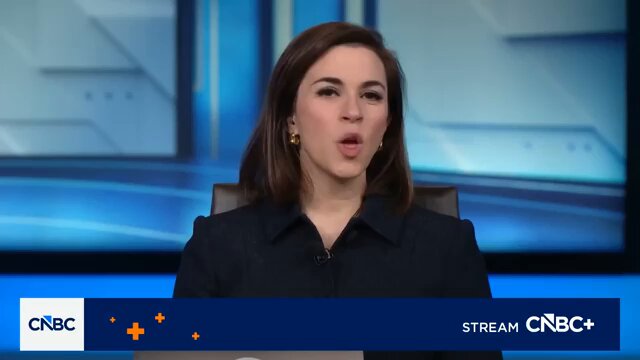
CNBC ran a segment on Squawk Box this week about the millionaires the SpaceX IPO is expected to create
that framing is doing a lot of work to hide some uncomfortable numbers
Morningstar puts intrinsic value at $780 billion - less than half the IPO price
that gap is nearly $1 trillion, and it exists almost entirely because of one variable most retail investors aren't modeling correctly
Starlink is real, profitable, and growing
the launch business is defensible
xAI is burning $2.5 billion per quarter from a position Morningstar calls "indeterminate"
when you buy at $135/share, you're not buying SpaceX's current business - you're buying three simultaneous bets, all of which have to pay off
the article below is the stress-test most financial coverage isn't running
1
194
the smartest AI gets the applause. the cheapest one that works gets paid.
NVIDIA just dropped a 3-minute official launch video for Nemotron 3 Ultra - a 550B open-weights model built specifically for long-running agents
and the economics are hard to ignore
closed models at the same throughput would eat most of what a client pays
1 million tokens in a single pass - no chunking, no retrieval pipelines
open weights, fully deployable on your own hardware - data never leaves your network
78.7 non-hallucination score on the comparison set
up to 5.9x faster than GLM-5.1 on long generation tasks
the paid tier runs $0.50 and $2.50 per million tokens. the free tier runs at zero.
that gap between what the model costs and what clients pay - that's the entire business
the article below has the prompt structure, the offer ladder, and the outreach approach for building a service on this before the category gets crowded
1
100
SpaceX is pricing itself at $1.77 trillion
it posted a net loss of $4.94 billion last year
CNBC's Deirdre Bosa reported on the retail strategy this week - and what the coverage skips over is the number that matters
Morningstar puts intrinsic value at $780 billion - less than half the IPO price
that is not a rounding error
the gap exists because SpaceX is not one company, it is three bets sharing a ticker: launches, Starlink, and a newly merged AI company burning $2.5 billion per quarter
the question is not whether SpaceX is impressive
the question is whether all three bets pay off at the same time, at $135 a share
the article below has the scenario table that forces the math to be explicit
1
179
teams are losing 30 to 40 percent of working time to knowledge management
most of it is wasted not because the knowledge isn't there - but because capturing it requires effort at the exact moment nobody has any
one emoji reaction fixes this
n8n picks up the signal, routes it to Claude, which extracts the insight and writes a structured note into a shared Obsidian vault - automatically, within ninety seconds, with zero follow-up action from the person who tagged it
Greg Isenberg's friend Vin showed exactly how this works - Claude reading across an entire Obsidian vault of interlinked notes, surfacing patterns the person writing them never saw
the system in the article below runs the same logic across slack conversations, meeting transcripts, and client emails without anyone managing it
the article below has every workflow, every Claude prompt, and the exact vault structure to run this yourself
94
Anthropic confirmed it: Claude Code is now writing Claude Code
not assisted. not co-piloted. written, end to end, by the model itself
the same is true for Cowork, Anthropic's internal desktop tool
Anthropic published the short clip above - and it only scratches the surface of what's actually running underneath
the stack is leaner than anyone expected - 15 prompts, a CLAUDE.md file, and session memory
no massive engineering org. no custom infrastructure. agents handing off to agents
the bottleneck in software development has shifted. it's no longer headcount. it's whether someone on your team can write a CLAUDE.md well enough to hold the constraints across the whole loop
that's a smaller, stranger skill than most hiring pipelines are built to find
the article below breaks down the 15-prompt system and how CLAUDE.md actually gets structured when agents are writing the agents

1
2
280